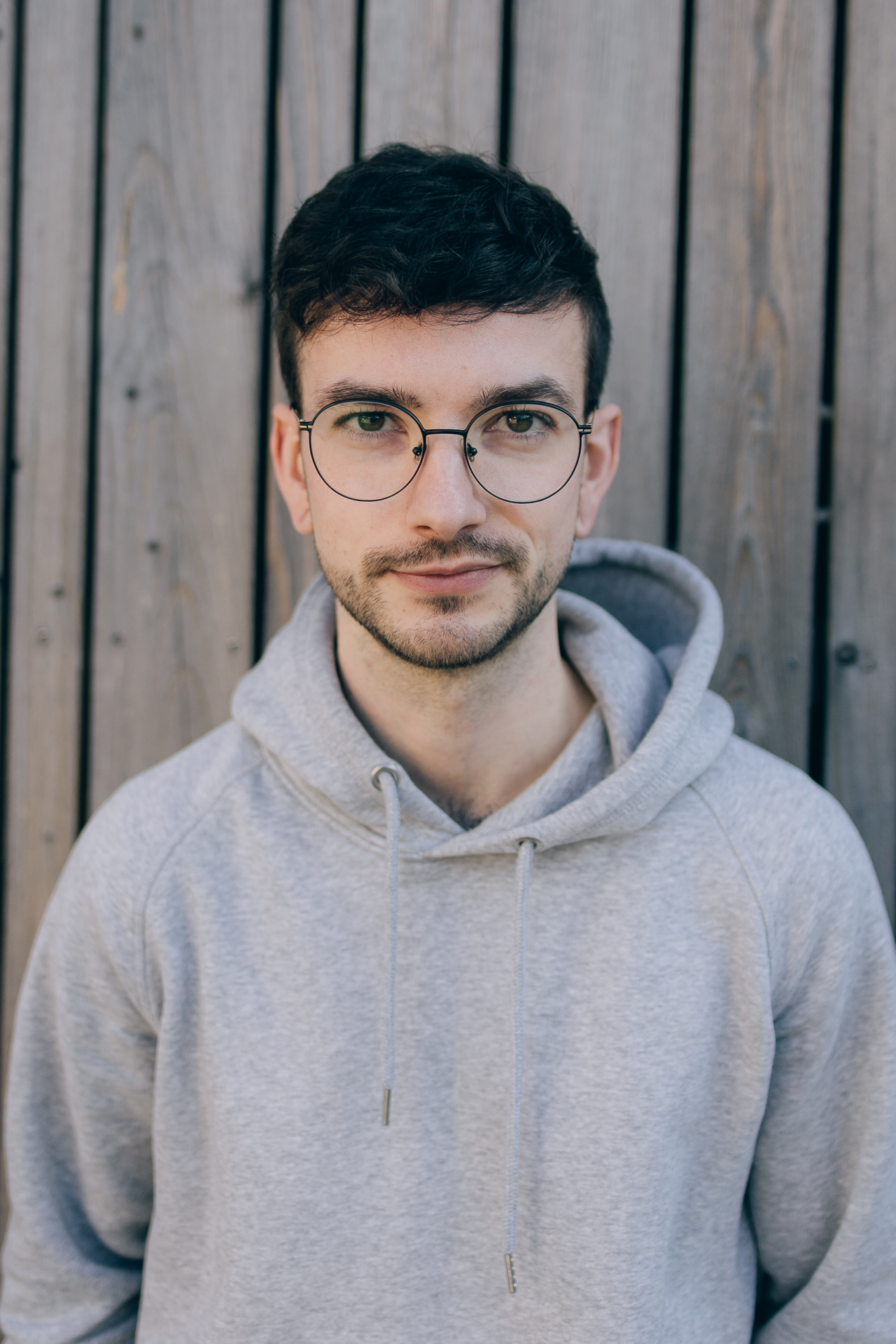
Jere H. Lipps is a Professor of the Graduate School at the University of California, Berkeley, specializing in marine evolutionary biology and paleontology. His research spans marine protists , particularly foraminifera , with applications in coral reef ecology , environmental history , and astrobiology . He works on molecular phylogeny, taphonomy, and the fossil record to address climate change, mass extinctions, and reef conservation. His publications focus on foraminiferal evolution , reef dynamics , and extraterrestrial habitats . Articles highlight studies in the Pacific Rim, French Polynesia, and the Neoproterozoic, emphasizing photosymbiosis, earthquake history, and planetary science. Collaborative work includes topics like climate change mitigation and scientific education through museums. He contributes to geoheritage and science communication, including books on Lake Merritt and the UCMP. His affiliations include the University of California Museum of Paleontology (UCMP), where he explores fossil site preservation and geotourism applications.
David Rupke is a Professor of Physics at Rhodes College, where he teaches astronomy and physics courses to both undergraduate majors and non-specialists. His research leverages cutting-edge observational facilities including the W.M. Keck Observatory, James Webb Space Telescope (JWST), and Hubble Space Telescope to investigate galaxy evolution through imaging spectroscopy of galactic winds and the circumgalactic medium. Rupke earned his B.S. in Physics from Calvin College (1998) followed by a Ph.D. in Physics from the University of Maryland (2004). His academic journey bridges fundamental physics with observational astrophysics, establishing him as a leading researcher in extragalactic phenomena. His primary research focuses on galactic winds , circumgalactic medium dynamics , and AGN feedback mechanisms , with signature work on the Makani galaxy system. Rupke also maintains expertise in climate change studies, demonstrating interdisciplinary breadth. His methodology emphasizes multi-wavelength spectroscopy to map gas kinematics and physical conditions in evolving galaxies, particularly through the JWST Early Release Science program Q3D. Analysis of Rupke's 2025 publications reveals concentrated efforts on JWST-enabled breakthroughs: resolving multi-phase outflows, characterizing dust in galactic winds, and probing black hole-galaxy coevolution. These studies frequently target extreme systems like record-breaking galactic winds and dual quasars, highlighting his focus on energetic feedback processes that shape galaxy evolution. Rupke actively mentors undergraduate researchers in his laboratory, providing hands-on experience with professional astronomical data analysis pipelines. His students develop transferable skills in scientific computing while contributing to high-impact publications. Media coverage of his work in NASA press releases and The Conversation underscores its scientific significance and public outreach value. He currently leads observational campaigns targeting the Makani galaxy wind system, utilizing synergistic observations from ground-based (Keck, Gemini) and space-based facilities to construct comprehensive models of how energy feedback regulates galaxy growth across cosmic time.
Frank DiCataldo is affiliated with Roger Williams University through the College of Arts and Sciences . As a prolific author in forensic mental health and juvenile justice domains, his work spans over 15 years with contributions on: Forensic assessment protocols Training program effectiveness Psychopathy and mental health intersections Empathy constructs in corrections Violence risk management His research trends include: Improving forensic report quality (2020 study) Understanding adolescent behavioral transformation (2023 case analysis) Addressing training gaps in correctional counseling (2021 survey) Controversies in juvenile sex offender treatment (2009 paper)
Martin Rainer Bladt is an Associate Professor at the Department of Mathematical Sciences, University of Copenhagen, focusing on Applied Probability and Insurance Mathematics. He works on statistical and stochastic modeling, particularly in Markov processes and risk theory. Research trends include Markov jump processes, phase-type distributions, survival analysis, and applications in insurance and financial risk modeling. His recent publications emphasize methodological developments in actuarial science, extreme value theory, and homogeneous approximation techniques for inhomogeneous processes.
Dr Carolin Villforth is a Professor in the Department of Physics at the University of Bath, serving as Head of Department. She leads observational research in astrophysics through her affiliation with the Institute for Mathematical Innovation (IMI) . Research Focus: Specializing in Active Galactic Nuclei (AGN) and supermassive black holes, her work investigates: Fueling mechanisms of accreting black holes Physical properties of AGN Galactic-scale impact of AGN activity Observational techniques combining imaging and spectroscopy Scientific Contributions: Recent publications highlight advancements in: 4MOST IR AGN survey design Reverberation mapping of accretion flows Radiation-regulated obscuration in AGN Post-merger enhancements in Seyfert galaxies Extreme compact starbursts obscuring quasars Public Engagement: Active participant in science communication through events like Somerscience 2025 planetarium demonstrations.
Anne Reichmuth is a Research Fellow in the Remote Sensing Department at the Helmholtz Centre for Environmental Research - UFZ in Leipzig, Germany. Since 2021, she has been leading work on the Forest Condition Monitor project, which provides spatially explicit information about the condition of Germany's forests from 2016 to 2022. Her research focuses on applying remote sensing technologies to monitor forest health and assess climate change impacts on forest ecosystems across Europe. Anne Reichmuth earned her educational qualifications through: Master of Engineering in Geoinformatics and Management from HTW Dresden (2010-2013) Bachelor of Science in International Forest Ecosystem Management from HNE Eberswalde (2006-2009) Her research interests center on forest vitality detection using multispectral time series and hyperspectral data. She specializes in developing innovative remote sensing methodologies to monitor forest condition, detect early signs of stress, and assess climate change impacts on forest ecosystems. Her work bridges the gap between advanced remote sensing techniques and practical forest management applications, with particular emphasis on creating operational monitoring systems that can provide timely information to forest managers and policymakers. She combines laboratory experiments with field measurements and satellite data to develop robust forest monitoring approaches. Her recent publications reveal a strong trend toward developing operational forest monitoring systems using time series analysis of satellite data. Her work spans from laboratory-based hyperspectral experiments to large-scale European climate impact assessments. She has made significant contributions to developing the Forest Condition Monitor for Germany and creating bioclimatic datasets for Europe. Her research combines remote sensing expertise with ecological knowledge to address pressing environmental challenges related to forest health under climate change. Dr. Reichmuth has built a strong career through diverse experiences across academic, governmental, and private sectors. While specific grants aren't detailed in the available information, her sustained research program since 2015 demonstrates successful acquisition of research funding. Her collaborative approach is evident through numerous co-authored publications with researchers from various institutions including DLR Oberpfaffenhofen, University of Würzburg, and international partners. Anne Reichmuth is part of the Remote Sensing Team at UFZ, which includes Francisco José Cuesta Valero, Daniel Doktor, Almudena García-García, Maximilian Lange, Jian Peng, Andreas Schmidt, Elisabeth Rahmsdorf, Mohammad Hajeb, and Xueying Li. This team contributes to the UFZ's Environmental Informatics Integration Platform and participates in multiple PhD colleges including MOMENT, MoDEV, and LISA. The team's work is integrated within the broader context of UFZ's research programs on Ecosystems of the Future, Water Resources and Environment, and Smart Models/Monitoring.
Mehrdad Mohannazadeh is a postdoctoral researcher at the Department of Computational Hydrosystems (CHS) within the Helmholtz Centre for Environmental Research - UFZ in Leipzig, Germany. His work focuses on hydrological modelling , machine learning , and applied mathematics , particularly for analyzing and improving flood prediction models. Education : Ph.D. in Computer Sciences (2019-2023), Bielefeld University M.Sc. in Applied Mathematics (2016-2018), University of Applied Sciences Mittweida B.E. in Electrical Engineering (Electronics) (2007-2012), Shahid Beheshti University His research involves modifying hydrological models for better forecasting, working with projects like MOSES , HI-CAM II , 4DHydro , and SCENIC . His publications emphasize interpretable neural networks , probabilistic classification , and climate change impacts on water systems. Recent work includes high-resolution drought monitoring in Germany and seasonal hydrological forecasting for Andean-Amazonian basins. He contributes to UFZ Young Scientist Award winning initiatives and European forest model evaluations.
Felix Pohl is a postdoctoral researcher at the Helmholtz Centre for Environmental Research (UFZ) in Leipzig, Germany, affiliated with the Department of Computational Hydrosystems . His work focuses on data-driven analysis of ecosystem fluxes and the impact of extreme weather events, particularly droughts, on environmental systems. Education : M.Sc. in Applied Physical Geography, University of Würzburg (2013-2016) B.Sc. in Geography with minor in Philosophy, University of Würzburg Dr. Pohl’s research investigates climatic and environmental changes , the impact of weather extremes on ecosystems , and mitigation strategies for climate change. He also emphasizes science communication and addressing climate change skepticism through interdisciplinary dialogue. His recent publications highlight trends in drought legacy effects , hydrometeorological modeling , and ecosystem phenology across temperate forests. Articles span topics like soil moisture dynamics , carbon cycling , and remote sensing applications for environmental monitoring. Scientific Recognition : Co-author on ASCE-EWRI 2023 Award-winning study (Mai et al., 2021) for Best Case Study in Hydrologic Engineering Dr. Pohl collaborates with teams at ICOS , TERENO , and 4DHydro projects, contributing to robust drought forecasting systems and high-resolution environmental data infrastructure .
Professor Andy Smith is a faculty member in the School of Environmental & Natural Sciences at Bangor University, where he conducts research and teaches in forest ecology, biogeochemistry, and plant-soil interactions. He leads major research initiatives including the BangorDiverse forest diversity experiment and the QUINTUS project on nutrient stoichiometry at the BIFoR FACE facility. He also co-directs the Bangor University-Central South University of Forestry and Technology Joint Research Centre in China. His research focuses on species diversity, ecosystem function, belowground processes, root biology, mycorrhizal symbiosis, and biogeochemical cycling under climate change. He investigates these in managed and undisturbed ecosystems using climate manipulation experiments, including elevated CO 2 and extreme weather conditions. His recent publications reflect a strong trend in forest ecology, carbon and nutrient cycling, remote sensing applications, and climate change impacts. Articles span topics such as tree diversity effects on soil decomposition, nitrogen uptake strategies, remote sensing of urban vegetation, and ozone impacts on seed germination. His work integrates field experiments with advanced data analysis and modeling. Professor Smith supervises numerous PhD and MRes students, with past and current projects on topics including biosensors for plant diseases, woodland soil fungi, flood management, and shelterbelt optimization. He has secured significant funding from NERC, UKRI, and other sources for projects such as MEMBRA, WINDFIRM, and regenerative tree nursery practices. He is actively involved in research administration, serving on the Henfaes Research Centre Committee and having previously held leadership roles as School Director of Research. His professional affiliations include membership in the NERC Peer Review College and Senior Fellowship in the Higher Education Academy.
David Gruber is a Distinguished Professor of Biology and Environmental Sciences at the City University of New York, with affiliations at Baruch College and the CUNY Graduate Center. He is also the Founder and President of Project CETI, a nonprofit interdisciplinary initiative focused on decoding sperm whale communication using advanced machine learning and robotics. His work bridges marine biology, climate science, animal communication, and bio-inspired technology. Education and Professional Background: Ph.D. in Biology (specific institution not mentioned in text) Postdoctoral training likely in marine molecular biology or biophysics (inferred from research) National Geographic Explorer and Emerging Explorer (2014) Principal Investigator, Project CETI (Audacious Project, 2020) Research Interests: David Gruber's research is deeply interdisciplinary, focusing on the intersection of marine life and technology. He investigates biofluorescence and bioluminescence across diverse species—from corals and eels to sharks and sea turtles—discovering over 200 glowing organisms. His lab explores the molecular basis of these phenomena, identifying novel fluorescent proteins with potential biomedical applications. A major focus is animal communication , particularly in sperm whales, where he applies AI and natural language processing to decode vocalizations. He also studies coral resilience to climate change and deep-sea ecosystems. Recent Research Trends: Gruber’s recent publications reveal a strong shift toward integrating artificial intelligence with marine bioacoustics. His team uses convolutional neural networks to classify sperm whale clicks and identify individuals with high accuracy. There is a growing emphasis on unsupervised machine translation to interpret non-human communication, suggesting a future where interspecies dialogue may be possible. His work increasingly combines soft robotics, genomics, and real-time underwater sensing to enable non-invasive study of fragile deep-sea life. Scientific Awards and Recognition: National Geographic Emerging Explorer (2014) Multiple National Geographic Grants (2010–2020) Audacious Project Funding for Project CETI (2020) Leader in the global movement for ocean conservation and interspecies communication Advising and Grants: As a principal investigator and professor, Gruber mentors students and early-career scientists in marine biology, genomics, and bio-inspired technology. He has secured significant funding from National Geographic and other sources to support deep-sea exploration, coral research, and whale communication studies. His grants emphasize innovation in wildlife technology , including the development of gentle, on-whale sensors and soft robotic samplers. These projects often involve collaboration with engineers, computer scientists, and conservationists, reflecting his commitment to interdisciplinary science. Labs and Teams: Gruber leads a multidisciplinary research group that collaborates with the Harvard Microrobotics Laboratory, the Dominica Sperm Whale Project (led by Shane Gero), and institutions worldwide. His lab develops cutting-edge tools such as the 'shark-eye camera' and soft robotic grippers for delicate marine organisms. Project CETI brings together over 50 scientists from more than 15 institutions, forming one of the largest collaborative efforts in cetacean communication research.
Elsa Maria Carvalho Gomes is an Assistant Professor in the Department of Earth Sciences at the Faculty of Sciences and Technology, University of Coimbra, where she has been a faculty member since 2001. She is affiliated with the Center for Earth and Space Research of the University of Coimbra (CITEUC), contributing to research and academic life in geosciences. PhD in Geology, University of Coimbra (2001) Specialization: Mineralogy, Petrology, and Geochemistry Licentiate in Geology, University of Coimbra (1986) Her research interests are broad and interdisciplinary, focusing on Mineralogy, Petrology, and Geochemistry of igneous and metamorphic rocks, particularly in the context of ore deposits and metallogenesis. She also investigates Environmental Geology , especially atmospheric particles in urban and mining areas, using biomonitoring and magnetic methods. A significant part of her work is dedicated to the History of Science , particularly science museums and historical geological collections, and Science Teaching , including curriculum development and teacher training. Her recent publications span from petrological studies of fulgurites and metamorphic rocks to environmental monitoring in Angola and Portugal, and historical analyses of mineral collections. The research trends reflect a strong integration of field geology, laboratory analysis, and educational outreach, with recurring themes in geochemical fingerprinting, urban pollution, and science heritage. She has received research funding from the European Union and the Fundação para a Ciência e a Tecnologia, including projects on deep mineral prospecting and science education. Her advisory role includes supervising Master’s theses on topics ranging from tungsten tailings to urban water quality and geological education. She has co-organized scientific events such as the XXII Bienal de la Real Sociedad Española de Historia Natural and the 2nd Meeting on the History of Science in Teaching, and has served on scientific committees for national geology congresses.
Filipa Prudêncio is an Assistant Professor in the Department of Information Science and Technology at ISCTE-IUL, University of Lisbon. She is also an Integrated Researcher at the Institute of Telecommunications (IT), where she served as a Senior Researcher from 2020 to 2024. Her research focuses on electromagnetics, wave propagation, metamaterials, and topological photonics. Education: PhD in Electrical and Computer Engineering, Instituto Superior Técnico (IST), University of Lisbon, 2014 Integrated Master’s in Electrical and Computer Engineering, IST, 2009 Bachelor’s in Electrical and Computer Engineering, IST, 2007 Research Interests: Her work spans electromagnetics, microwave engineering, antenna systems, nonreciprocal wave propagation, spacetime crystals, topological photonics, and plasmonics. She investigates novel photonic materials with non-Hermitian and nonlocal responses, aiming to control light in unprecedented ways. A central theme is the use of symmetry-breaking and time-modulation to achieve robust one-way wave transport and optical isolation. Publication Trends: Her recent publications focus on topological chiral gain, synthetic axion responses, homogenization of spacetime crystals, and nonlocal effects in photonic materials. These works contribute to the fundamental understanding of wave-matter interactions in complex media and have implications for next-generation photonic devices. Scientific Awards: ANACOM-URSI Award, 2023 IST Best Doctoral Thesis Award Best Student Paper Award, URSI General Assembly, 2015 Professor Abreu Faro Award for Best PhD Thesis (2013/2014) 3rd place, Student Paper Competition, 7th International Congress on Advanced Electromagnetic Materials, 2013 Advising and Grants: She has supervised 10 master’s and 1 doctoral student. She is a research member in 9 international projects and served as Co-Principal Investigator in one. Her work is supported by international collaborations, including the Simons Collaboration on Extreme Wave Phenomena Based on Symmetries. Labs and Teams: She is affiliated with the Antenna and Propagation Group at the Institute of Telecommunications and conducts research in the RadioFrequency Lab at IT. Her work involves close collaboration with Prof. Mario G. Silveirinha and international partners in topological photonics and metamaterials.
Martin Singull is a Professor and Head of Division in Applied Mathematics at the Department of Mathematics, Faculty of Science and Engineering, Linköping University. He has held academic positions at Linköping University since 2012, progressing from Assistant Professor to full Professor in 2020, and serving in leadership roles since 2016. His research is centered on mathematical statistics, particularly statistical inference for complex, high-dimensional data with repeated measurements. His research interests include: Statistical inference for repeated measurements and growth curve models Classification and discriminant analysis Multivariate statistical analysis High-dimensional data modeling Applications in public health, cardio-oncology, and development contexts Martin Singull's recent publications focus on likelihood-based classification, Edgeworth-type expansions for distribution approximation, residual analysis in GMANOVA-MANOVA models, and the estimation of misclassification probabilities. His work often involves collaboration with Dietrich von Rosen and other researchers, applying advanced statistical techniques to both theoretical and applied problems. A strong trend in his research is the development of efficient classifiers using temporal and spatial information in longitudinal data. His scientific service includes: Director for the Research School in Interdisciplinary Mathematics (2024–) Chair of the organizing committee for IWMS 2023 and LinStat2014 Team Leader for Sida-funded bilateral programs in mathematics with universities in Africa Member of the ISP Mathematics Reference Group Board member of the Faculty of Science and Engineering Martin Singull has supervised numerous PhD students, both at Linköping University and in collaborative programs in Rwanda, Uganda, Tanzania, Mozambique, and Cambodia. His advising spans theoretical statistics and applied interdisciplinary research. He leads research collaborations aimed at strengthening mathematical capacity in low-income countries, particularly in Africa. His work is supported by funding from Sida and ISP, and he is actively involved in international academic networks such as the International Workshop on Matrices and Statistics (IWMS). He is also associated with research initiatives in computational cardio-oncology, where statistical models are used to predict cardiovascular complications in cancer survivors, and has contributed to projects on fistula prevention and health outcomes in low-resource settings.
Zhu Li is a full professor at the Department of Computer Science & Electrical Engineering (CSEE) at the University of Missouri, Kansas City (UMKC), and director of the NSF Center for Big Learning (CBL). He holds a PhD in Electrical & Computer Engineering from Northwestern University (2004). Previously, he served as an AFRL summer visiting professor at the US Air Force Academy (2016-18, 2020-24), Senior Staff Researcher at Samsung Research America and FutureWei Technology, and Assistant Professor at The Hong Kong Polytechnic University. His research focuses on point cloud and light field compression, deep learning for visual compression, remote sensing, and multimedia systems. Key achievements include 50+ patents and 200+ publications. He is an IEEE Senior Member and serves as Associate Editor-in-Chief for IEEE Trans on Circuits & System for Video Technology, and Associate Editor for IEEE Trans on Image Processing and others. Notable awards include the Best Paper Runner-up at PBVS 2023, Best Poster at ICME 2006, and Best Paper at ICIP 2007. His lab has secured grants from NSF, AFRL, and industry partners, advancing research in neural compaction, SAR image processing, and immersive media communication. Education: PhD in Electrical & Computer Engineering, Northwestern University (2004) Affiliations: NSF I/UCRC Center for Big Learning (Director), IEEE (Senior Member) Grants: NSF Trustee's N.T. Veatch Award (2025), AFRL Phase 2 STTR ($1.2M), NSF 5G/6G Networks Grant (2022) Labs/Teams: Multimedia Computing & Communication Lab, MCC Lab collaborating with global institutions
Jill Banfield is a Professor (Research) in the Department of Microbiology at Monash University, where she leads cutting-edge research in environmental microbiology and microbial genomics. Her work integrates metagenomics, biogeochemistry, and molecular biology to explore microbial communities in diverse environments, including soils, groundwater systems, and extreme habitats. Department: Microbiology Institution: Monash University Email: Jill.Banfield@monash.edu ORCID: 0000-0001-8203-8771 Her research focuses on understanding the functional roles of microorganisms in biogeochemical cycles, particularly involving hydrogen, sulfur, and carbon metabolism. She investigates Archaea, including Asgard lineages, and their interactions with bacteria and viruses in natural ecosystems. Her work also extends to CRISPR-Cas systems and the recovery of critical resources through microbial processes. Recent publications highlight her contributions to understanding hydrogenase enzymes in archaea, CRISPR-based functional databases, and the dynamics of microbial and viral communities in response to environmental changes such as wetting and drying cycles. These studies appear in top-tier journals like Cell , Nature Communications , and Microbiome , reflecting the high impact of her research. Jill Banfield is actively involved in major research projects, including: Four Networks for Geologic Hydrogen Storage (2022–2025): Investigating microbial aspects of hydrogen storage in geological formations. Bio-recovery of rare earth elements from Australian soils and mine tailings (2020–2024): Funded by the ARC, exploring microbial solutions for sustainable resource extraction. She collaborates extensively with leading scientists across institutions and contributes to global efforts aligned with UN Sustainable Development Goals, particularly those related to clean energy and responsible resource management. Her work is widely recognized, having been cited in news outlets, blogs, and Wikipedia, and she maintains a robust research output with over 480 publications since 1985.