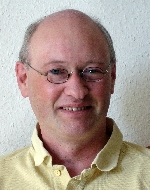
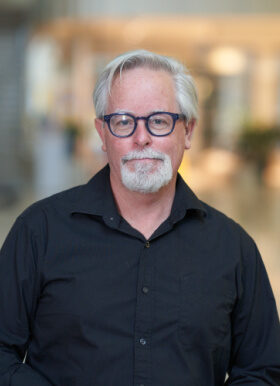
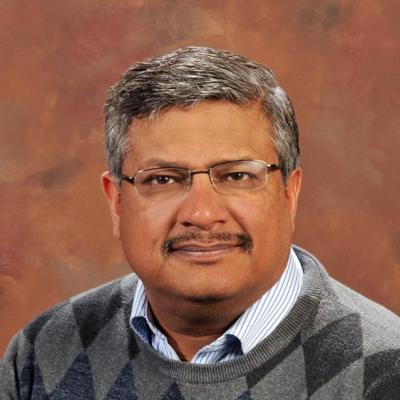
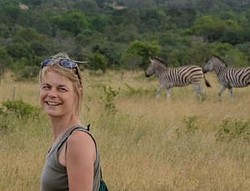
Volkert Paulsen is a Senior Lecturer at the Institute of Mathematical Stochastics at the University of Münster. His career spans institutions including the University of Kiel, where he completed his Habilitation (2000), Dissertation (1994), and Diplomarbeit (1989). He has taught extensively in Financial Mathematics , Stochastic Analysis , and Mathematical Statistics , supervising over 50 Bachelor, Master, and Diploma theses on topics such as risk modeling, portfolio optimization, and derivative valuation. Research Interests: Paulsen's work focuses on Financial Mathematics (continuous-time models, American options, unit-linked insurance), Stochastic Analysis (optimal stopping, martingale methods), and Risk Modeling (credit risk, extreme value statistics). His publications include foundational studies on nonlinear observation costs in optimal stopping problems and stochastic approaches to portfolio management. Scientific Contributions: His research spans journal articles in Stochastic Processes and their Applications and Journal of Applied Probability , with recent seminar topics covering Lévy Processes , Copula Modeling , and Stochastic Volatility . He employs R for statistical applications and integrates mathematical theory with practical finance and insurance contexts. Contact: Email: Volkert.Paulsen@uni-muenster.de Room: 130.010, Orléans-Ring 10, 48149 Münster Phone: +49 251 83-33771
James Martin is an Associate Professor in Applied Health Sciences with extensive research activity spanning multiple disciplines including maternal health, obesity prevention, and health economics. His work primarily focuses on cluster randomized trials, cost-effectiveness analysis, and implementation science across global health contexts. His research interests form a distinctive fingerprint centered around Cluster Randomized Trials (100%), Randomized Controlled Trials in Medicine and Dentistry (69%), Cost-effectiveness analysis (35%), and Obesity Prevention (27%). Dr. Martin has made significant contributions to understanding Body Mass Index applications (26%) and Childhood Obesity interventions (26%) in diverse healthcare settings. Recent publication trends reveal a strategic shift toward integrating technological innovations with traditional health research, particularly evident in his 2025 work on Generative AI applications in health research education and data analysis. His research output shows consistent productivity with 49 total publications, including significant contributions to high-impact journals such as The Lancet Obstetrics, Gynaecology and Women's Health and Nature Medicine. Dr. Martin has received notable recognition with publications picked up by 9 news outlets, referenced in 2 policy sources, and shared across multiple social media platforms including 36 X users and 1 Facebook page. His work has attracted substantial academic attention with 157 readers on Mendeley. As a collaborative researcher, he serves as Co-Investigator on multiple major projects including the E-MOTIVE study funded by The Bill & Melinda Gates Foundation, the APT-Sepsis Programme funded by the Medical Research Council, and several other initiatives addressing critical global health challenges in maternal care and childhood obesity prevention.
Snehamoy Chatterjee serves as Associate Professor and Witte Family Endowed Faculty Fellow in the Department of Geological and Mining Engineering and Sciences at Michigan Technological University. His expertise spans ore reserve estimation, mine planning optimization, and AI-driven safety systems, with significant contributions to remote sensing applications in mining and geological hazard assessment. Chatterjee earned his PhD in Mining Engineering from the Indian Institute of Technology Kharagpur, followed by postdoctoral research at the University of Alaska Fairbanks and the COSMO Stochastic Mine Planning Laboratory at McGill University. His academic journey includes prior faculty positions at India's National Institute of Technology. His research program integrates cutting-edge artificial intelligence with geospatial technologies to solve critical challenges in mining safety and resource management. Key focus areas include: Generative AI frameworks for real-time mining hazard prediction Hyperspectral and InSAR remote sensing for mineral exploration Deep learning applications in geophysical inversion Stochastic optimization of mine planning under uncertainty Machine learning-driven landslide and earthquake hazard mapping Chatterjee's 15 most recent publications (2023-2024) reveal a pronounced shift toward AI-geospatial fusion , with 60% of works applying deep learning to satellite imagery for hazard monitoring. His team's research spans three critical domains: mining safety systems (33%), geological hazard prediction (47%), and resource optimization (20%), demonstrating strong interdisciplinary collaboration across environmental science and engineering disciplines. Professional recognition includes: Editor's Best Reviewer Award 2014 from Mathematical Geosciences Journal APCOM Young Professional Award 2015 at the 37th APCOM conference Chatterjee actively mentors graduate students and leads multiple federally funded research initiatives focused on mine safety innovation and critical mineral exploration. His professional service includes editorial responsibilities for Mining, Metallurgy & Exploration and committee roles in major international conferences through IAMG, SME, and AGU. Current projects emphasize generative AI applications for predictive safety analytics and hyperspectral remote sensing for critical mineral discovery. His research extends through collaborations with the COSMO Laboratory network and industry partners across North America, India, and Australia, with recent fieldwork focusing on Alaskan platinum deposits and Indian coal reserves.
Kiyoshi Ono is a Professor at Waseda University's School of Creative Science and Engineering, Faculty of Science and Engineering, specializing in structural and earthquake engineering. He holds a Doctor of Engineering degree from Osaka University and has been actively contributing to academia since at least 2007, following his tenure as Associate Professor at Osaka University Graduate School of Engineering (2002-2007). His academic journey demonstrates a consistent focus on advancing structural engineering knowledge with practical applications for infrastructure resilience. Professor Ono's research interests center around structure engineering and earthquake engineering, with particular expertise in steel structures, bridge engineering, and high-performance steel materials. His work explores the seismic performance of steel structures, innovative bridge design methods, and the application of high-strength steel materials (particularly SBHS series) to improve structural safety and durability. He investigates how material properties affect structural behavior under seismic loads, developing evaluation methods that balance safety with economic considerations. His publication record shows a consistent research trajectory with 41 papers, 123 citations, and an h-index of 4 according to Scopus. The most recent publications (2015-2024) demonstrate his ongoing commitment to advancing knowledge in steel structure performance, particularly focusing on high-performance steel materials and their application in seismic-resistant design. His research spans fundamental material properties investigations to practical structural applications, showing a comprehensive approach from microscopic material behavior to macroscopic structural performance. Scientific Awards: New Road Technology 5-Year Plan Award (2003) Professor Ono actively contributes to academic knowledge dissemination through numerous publications, presentations, and his role in developing industry standards. His work on the 'Steel and Composite Structure Standard Specifications' and 'Buckling Design Guidelines' demonstrates his influence on engineering practice. He serves on committees including the Japan Society of Civil Engineers Kansai Branch (as General Affairs and Accounting Committee Member since 2010) and the Performance-Based Seismic Design Committee for Bridges. His professional memberships include the Japan Society of Civil Engineers Kansai Branch, Japanese Society of Steel Construction, and Japan Society of Civil Engineers, reflecting his active engagement with the engineering community. His research projects consistently address practical challenges in bridge engineering while advancing theoretical understanding of structural behavior under extreme loading conditions.
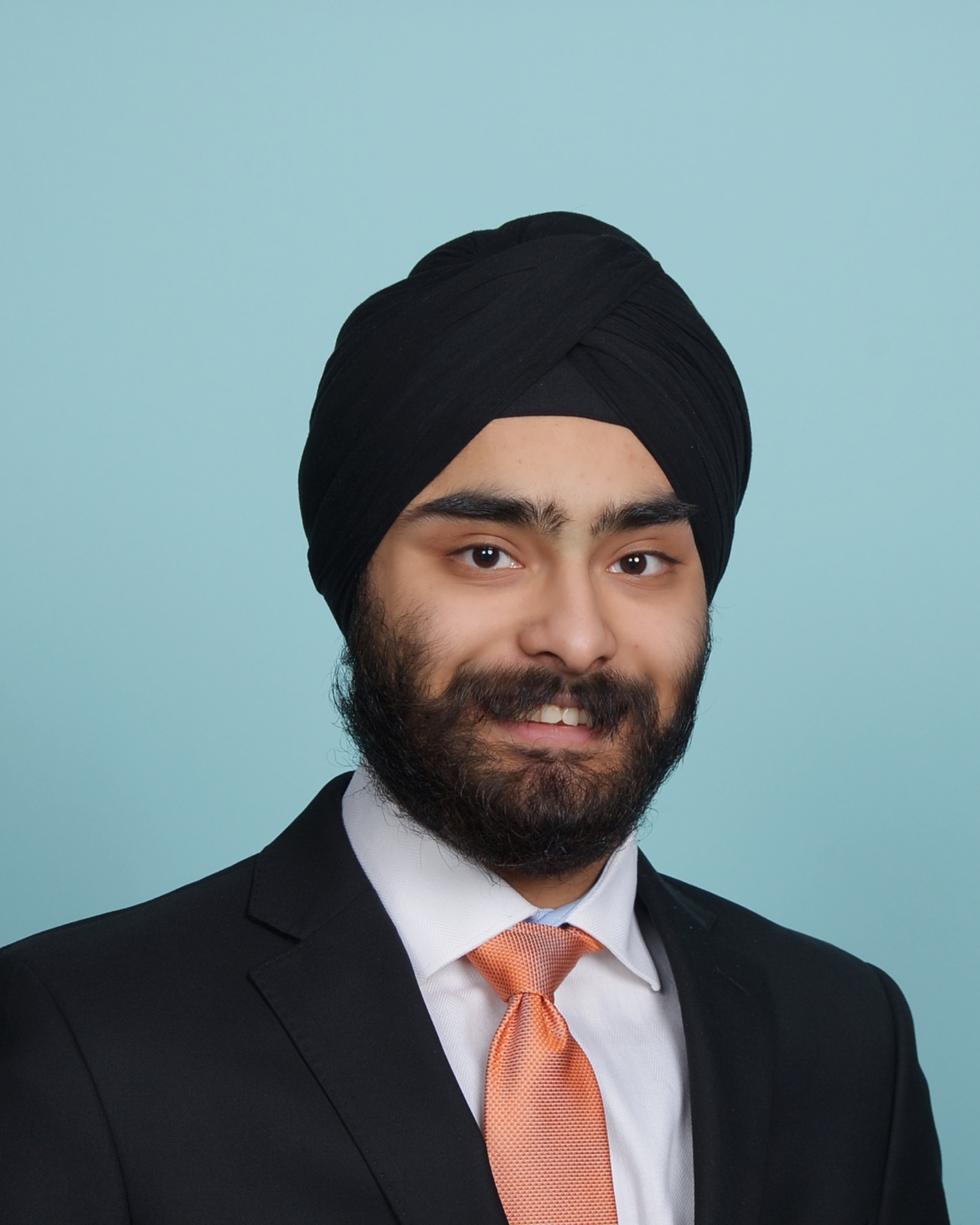
Mehtaab Sawhney is a Clay Research Fellow and a tenure-track assistant professor at Columbia University specializing in combinatorics, probability, analytic number theory, and theoretical computer science. His academic journey began at the University of Pennsylvania where he enrolled in a Bachelor of Engineering in Computer Science (2016-2017), then continued at MIT where he earned a Bachelor of Science in Mathematics with Minor in Computer Science (2017-2020), followed by a Doctor of Philosophy in Mathematics (2020-2024) under the advisorship of Yufei Zhao. His research spans probabilistic combinatorics, random matrix theory, additive number theory, and theoretical computer science. Sawhney's work bridges theoretical mathematics with computational applications, focusing on random structures, additive combinatorics, and spectral properties of discrete objects. His publications demonstrate a strong interdisciplinary approach that connects number theory with probabilistic methods to solve complex combinatorial problems. The analysis of his publication record reveals a consistent focus on foundational mathematical structures with applications across multiple domains. His work on random graphs, additive bases, and arithmetic progressions has established him as a leading researcher in modern combinatorics, often collaborating with prominent mathematicians including Ashwin Sah, Yufei Zhao, and Vishesh Jain. His research output shows remarkable depth and breadth, with contributions to both pure mathematics and theoretical computer science. 2024 Clay Research Fellow 2021 Frank and Brennie Morgan Prize for Outstanding Research in Mathematics by an Undergraduate Student (joint with Ashwin Sah) Churchill Scholar 2020 Best Student Paper STOC 2021 (Joint with Ryan Alweiss, Yang Liu) Best Student Paper ITCS 2022 (Joint with Yang Liu, Ashwin Sah) 2023 Hartley Rogers Jr. Prize 2022 Charles W. and Jennifer C. Johnson Prize (joint with Ashwin Sah) NSF Graduate Fellowship Sawhney has established a robust research program with significant contributions across multiple mathematical disciplines. His frequent collaborations with top researchers worldwide indicate an active and influential research network. While specific advisees aren't listed in available information, his extensive publication record with numerous co-authors suggests active mentorship of junior researchers through collaborative projects.
Yoann Altmann is Professor in the School of Engineering & Physical Sciences at Heriot-Watt University and a member of the Institute of Sensors, Signals & Systems. Since 2024 he holds the Chair in Electrical, Electronic & Computer Engineering (EECE), directing a research programme that bridges statistical signal processing, computational imaging and quantum & neuromorphic sensing. Education & career: 2010 – Eng. degree (Electrical Engineering), ENSEEIHT, Toulouse, France 2010 – M.Sc. (Signal Processing), National Polytechnic Institute of Toulouse 2013 – Ph.D. (Signal & Communications), IRIT Laboratory, Toulouse 2014-2017 – Post-doctoral Research Fellow, Heriot-Watt University 2017 – Royal Academy of Engineering Research Fellow & Assistant Professor, HWU 2024 – promoted to Professor, School of Engineering & Physical Sciences, HWU Research interests: Prof. Altmann develops mathematical and algorithmic tools for Bayesian inverse problems, with emphasis on single-photon LiDAR, low-illumination imaging, neuromorphic computational sensing, variational inference and sparse reconstruction. His work combines principled statistical modelling with efficient computational schemes to enable imaging in extreme scenarios such as underwater scattering, photon-starved environments, quantum metrology and real-time 3-D scene reconstruction. Publication trends: Across 160 outputs (2011-2025) his recent articles reveal a clear trajectory toward integrating modern machine-learning paradigms—variational autoencoders, diffusion generative models, spiking neural networks—with rigorous physics-based forward models. Applications span quantum parameter estimation, multimode-fiber endoscopy, hyperspectral & Compton imaging, nuclear safeguards and cultural-heritage spectroscopy, demonstrating both methodological breadth and high-impact interdisciplinary deployment. Honours & recognition: Royal Academy of Engineering Research Fellowship – competitively awarded (2017) Grants & datasets: He has generated four open datasets supporting reproducible research in quantum sensing, variational autoencoders, underwater single-photon LiDAR and multispectral fluorescence imaging, reflecting sustained funding and commitment to open science. Continuous peer-review service for IEEE and Elsevier journals since 2013 underlines his standing within the signal-processing community. Labs & teams: He leads the Bayesian Imaging & Sensing Computing (BISC) group ( https://bisc.site.hw.ac.uk ) which hosts post-docs, PhD researchers and international visitors working on statistical machine-learning for imaging, sensing and quantum technologies.
Dr. Yun Qian is a distinguished Earth Scientist and Lab Fellow at Pacific Northwest National Laboratory (PNNL), where he leads the Earth System Modeling Group with over 80 scientists and staff within the Atmospheric, Climate, and Earth Sciences (ACES) Division. He joined PNNL in 2000 and has established himself as a renowned expert in climate modeling, particularly in regional climate systems, aerosol-climate interactions, and urban climate effects. Dr. Qian is also an AMS Fellow with significant contributions to understanding human influences on the Earth system. Dr. Qian received his academic training in China: Ph.D. in Atmospheric Science from Nanjing University, Nanjing, China B.S. in Atmospheric Science from Nanjing University, Nanjing, China Dr. Qian's research focuses on advancing our understanding of climate systems through sophisticated modeling approaches. His work spans regional and global climate modeling, aerosol-climate interactions, snow and glacier impurities and their climatic impacts, land-atmosphere-water interactions, urban and coastal environment modeling, and uncertainty quantification in climate modeling. His pioneering work on Asian aerosols revealed their dominant role in shaping climatic trends in East Asia, while his research on snow and ice impurities provided new insights into changes in snowpacks in the western United States and the Himalayas. Dr. Qian has also made significant contributions to understanding how atmosphere-land-water interactions modulate the influence of human activities on the environment. Analysis of Dr. Qian's recent publications shows a strong focus on urban climate effects, regional climate modeling, and the impacts of human activities on climate systems. His work increasingly incorporates advanced computational methods including machine learning for weather pattern identification. There's a clear trend toward studying the interactions between urban environments and climate systems, with particular attention to heat stress, precipitation patterns, and regional warming effects. His research also shows growing interest in extreme weather events and their changing patterns under climate change scenarios. Dr. Qian has received numerous prestigious awards and recognitions: Fellow of American Meteorological Society Chair of AMS Coastal Environment Committee Program Chair for Annual AMS Coastal Environment Symposium Editor of JGR-Atmospheres, Atmospheric Chemistry and Physics, and Advances in Atmospheric Sciences Director of international workshop on Uncertainty Quantification in Climate Modeling and Projection Member of Scientific Steering Committee for IPCC CMIP6 Global Monsoons Modeling Inter-comparison Project NSR 2020 Best Paper AAS Esteemed Review Paper Award PNNL Exceptional Contribution Program Award PNNL EBSD Mentor of the Year Editors' Citation for Excellence in Refereeing at AGU (2015, 2019) Contributing Author of IPCC Assessment Report Fellowship Award of International Council for Science (ICSU), 1997 Xue-Du-Feng-Zheng Award in Chinese Academy of Sciences, 1998 With over 200 peer-reviewed articles and 20,000 citations (h-index of 74), Dr. Qian has made substantial contributions to climate science. His work has garnered significant media attention, with features in top-tier scientific publications like Nature and Science, as well as major news outlets including the Associated Press, New York Times, Washington Post, BBC, NBC, and NPR. He has served as chair of the AMS Coastal Environment Committee, Program Chair for the Annual AMS Coastal Environment Symposium, and as a member of the Scientific Steering Committee for the IPCC CMIP6 Global Monsoons Modeling Inter-comparison Project. Dr. Qian has also directed international workshops on uncertainty quantification in climate modeling and served as an editor for three prestigious journals. Dr. Qian leads the Earth System Modeling Group at PNNL, which comprises over 80 scientists and staff. His team focuses on developing and applying atmospheric and land surface models to advance understanding of human influence on the Earth system. The group's work spans regional climate modeling, aerosol-climate interactions, snow and glacier impurities, land-atmosphere-water interactions, urban and coastal environment modeling, and uncertainty quantification. Their research has significant implications for understanding climate change impacts and developing adaptation strategies.
Dr. Suzanna Bräuer serves as a Professor in the Department of Biology at Appalachian State University, where she has maintained an active research and teaching position since 2008. Her work bridges microbial ecology and biogeochemistry across diverse environments including wetlands, caves, rivers, and coastal ecosystems. Her educational background includes a Ph.D. from Cornell University, where she developed foundational expertise in biogeochemical processes. This training directly informs her current research on microbial roles in elemental cycling. Bräuer's research focuses on the intersection of microbial community dynamics and biogeochemical cycling, particularly examining how microorganisms influence carbon, iron, and manganese transformations in extreme environments like deep-sea vents and cave systems. Her work integrates molecular techniques with field-based biogeochemical analysis to unravel microbial contributions to global element cycles. Recent publications (2019-2022) demonstrate a concentrated focus on peatland ecosystems, revealing how climate gradients and trace metals shape methanogenic communities and organic matter chemistry. These studies highlight methodological innovations in studying uncultured organisms and establish connections between microbial diversity and large-scale biogeochemical patterns. Her scientific recognition includes prestigious awards such as the Fulbright-Saastamoinen Foundation Award (received twice) and leadership roles in significant grants. Honors reflect both her speleological contributions and environmental science impact: Fulbright-Saastamoinen Foundation Award in Health & Environmental Science (2015, 2021) National Science Foundation MRI grant (Co-PI, 2020) Cave Conservancy Foundation Grant (PI, 2019-2022) GRAM Award and 100 Scholars Award from Appalachian State University Extraordinary Woman Leader in Speleology designation (2015) Bräuer actively contributes to academic service through departmental committees and professional organizations including the American Society for Microbiology and Society of Wetland Scientists. Her grant portfolio demonstrates sustained funding for cave microbiology and wetland biogeochemistry research, supporting both fieldwork and advanced laboratory analyses. Her professional network extends through affiliations with NSF's Center for Coastal Margin Observation and Prediction and the American Geophysical Union, facilitating interdisciplinary collaborations that examine microbial processes across aquatic and terrestrial interfaces.
Paul Shaw is a Professor of Neuroscience in the Department of Neuroscience at Washington University School of Medicine. He leads the Shaw Lab, which focuses on understanding the fundamental mechanisms of sleep and its relationship to cognitive function and neurological disorders using Drosophila melanogaster as a model organism. Dr. Shaw's research has demonstrated that enhancing sleep can fully restore cognitive functioning in various memory mutants and even reverse cognitive deficits in models of Alzheimer's disease. His work suggests sleep plays a vital role in neuronal plasticity beyond simple memory consolidation, including improving creative thinking and problem-solving abilities. Dr. Shaw's educational background includes a BA in Psychology & Criminal Justice from Niagara University (1985), an MA in Psychology from San Jose State University (1990), and a PhD in Biopsychology from the University of Chicago (1996). His recent research has focused on the molecular mechanisms that allow sleep to initiate extreme forms of neuronal plasticity capable of reversing cognitive deficits caused by genetic and structural lesions. In 2021, Dr. Shaw received a one-year $2.3 million grant from the National Institute on Aging of the NIH for research titled "Bidirectional interactions between sleep and Alzheimer's disease: Functional dissection of the brain transcriptome in humans and Drosophila." Dr. Shaw's publications reveal consistent research trends in sleep neuroscience, with particular emphasis on: The relationship between sleep and memory consolidation Mechanisms of sleep homeostasis and regulation The role of sleep in cognitive resilience and recovery from neurological damage Using Drosophila models to understand fundamental sleep mechanisms relevant to humans The connection between sleep disruption and neurodegenerative diseases Dr. Shaw actively mentors students and researchers in the Shaw Lab and has numerous ongoing research projects exploring the fundamental biological purpose of sleep. His work has significant implications for understanding and potentially treating sleep disorders and neurodegenerative conditions.
Dr. Manish Garg is the Head of the Research Group 'Quantum Microscopy and Dynamics' at the Max Planck Institute for Solid State Research in Stuttgart, Germany. He holds a Group Leader (W2) position since 2024, having previously served as a Research Group Leader from 2020-2023 in the Department of Nanoscale Science. His research integrates attosecond science, scanning tunneling microscopy, and ultrafast Raman spectroscopy to develop a four-dimensional quantum microscope capable of capturing electrons and atoms in action at fundamental space-time limits. PhD (Dr. rer. nat.) in Physics from LMU Munich, Germany (2012-2017) Integrated B.S.-M.S. from Indian Institute of Science Education and Research, Kolkata, India (2007-2012) Dr. Garg's research focuses on developing techniques to observe and control quantum phenomena at the atomic scale. His group has pioneered methods to visualize electron dynamics with attosecond temporal resolution and sub-Ångström spatial resolution, enabling unprecedented insights into molecular processes. Recent breakthroughs include selective excitation of molecular vibrations, real-time tracking of electron oscillations in nanodevices, and imaging coherent phonon wave packets in graphene nanoribbons. His publication record shows a consistent trajectory of high-impact research in leading journals including Nature, Science, and Nature Communications. The work demonstrates expertise across multiple disciplines including attosecond physics, nanoscale imaging, quantum dynamics, and ultrafast spectroscopy, with applications ranging from fundamental quantum mechanics to potential light-wave electronics. Rudolf-Kaiser Preis (2023) Max-Auwärter Award (2022) IMPRS Advanced Photon Science Graduate Fellowship (2012-2016) INSPIRE Fellowship, DST India (2007-2012) Dr. Garg leads a research group comprising postdocs and PhD students working on cutting-edge quantum microscopy techniques. His group has secured significant recognition for developing methods to directly measure electron oscillations in quantum nanodevices and visualize atomic motion in single molecules. Current research focuses on advancing four-dimensional quantum microscopy to capture electronic and atomic dynamics in molecules, two-dimensional materials, and superconductors at fundamental space-time limits. The Quantum Microscopy and Dynamics group operates within specialized facilities at the Max Planck Institute for Solid State Research, utilizing low-temperature scanning tunneling microscopes operating in ultrahigh-vacuum conditions. Their work on picocavities and nonlinear optical spectroscopy at atomic length scales represents the frontier of quantum measurement science.
Claudia Teutschbein is a Senior Lecturer/Associate Professor in Hydrology at Uppsala University's Department of Earth Sciences, where she leads research in the Program for Air, Water and Landscape Sciences. She also serves as a researcher at Uppsala University's Conflicting Objectives Research Nexus (UUniCORN). With over 15 years of teaching and research experience, she has established herself as a leading expert in hydrological processes in changing climates. Her educational background includes: 2022: Docent in Hydrology, Uppsala University 2013: Ph.D. in Physical Geography, Stockholm University, Sweden 2010: Ph.Lic. in Physical Geography, Stockholm University, Sweden 2008: M.Sc. in Soil Science, SLU Uppsala, Sweden 2006: B.Sc. in Water Management, TU Dresden, Germany Dr. Teutschbein's research spans interdisciplinary hydrology with a focus on understanding hydrological processes in changing climates and their connections to meteorological, topographic, and anthropogenic drivers. Her work addresses critical issues of water quantity (including floods and droughts) and water quality across various spatial and temporal scales, with attention to socio-economic consequences. She employs advanced hydrological modeling techniques to assess climate change impacts and develops solutions for sustainable water resource management. Her recent publications demonstrate a strong focus on drought risk assessment, water-energy-food-ecosystem nexus approaches, and hydroclimatic modeling in Nordic and global contexts. She has made significant contributions to understanding drought propagation in high-latitude catchments, stakeholder perceptions of drought hazards, and the integration of data-driven approaches in nexus modeling. Her CAMELS-SE dataset has become an important resource for hydrological research and education across Sweden. Dr. Teutschbein leads and contributes to numerous research projects addressing critical water challenges: 2025-2028: REACTION: Navigating the Risks of Hydroclimatic Extremes for Freshwater Ecosystem Services in Forest Landscapes (PI) 2023-2026: PredPeat: Predicting the effects of peatland rewetting on water retention and water quality (co-applicant, WP-lead) 2022-2026: SWEFE-NEXT: the Swedish Water-Energy-Food-Ecosystem Nexus and its response to hydroclimatic EXTreme events (PI) 2021-2025: NEXOGENESIS: Facilitating the next generation of water-related policies using AI and reinforcement learning (co-applicant, WP lead) 2019-2023: Impacts of recent El-Niño Southern Oscillation (ENSO) on the Water-Food-Energy Nexus in South Asia (PI) Her research bridges academic inquiry with practical applications for sustainable water management, with particular emphasis on climate change adaptation strategies and integrated resource management approaches.
Gagan Agrawal is the UGA Foundation Professorship in Computing and a Professor at the School of Computing, University of Georgia. He serves as Director of the School and is affiliated with the Franklin College of Arts & Sciences. Agrawal holds a PhD and MS in Computer Science from the University of Maryland (1994-1996). His research focuses on high-performance computing, parallel algorithms, compiler optimization for deep learning, GPU acceleration, and interdisciplinary applications in health informatics. Notable contributions include frameworks like ForensiBlock (blockchain for data forensics) and DELITE (tensorized instruction compilation). Agrawal has secured over $2.5M in NSF grants for projects addressing extreme-scale computing challenges. Recent grants include: SHF: Small: Memory Hierarchy Optimizations Meet Transformers (MITTEN) ($600K, 2024-2027) DELITE compilation system for deep learning models ($600K, 2023-2026) Publications span parallel computing methodologies, cybersecurity frameworks, and health outcomes analysis. His work on social determinants of health in cancer survival has been systematically reviewed in top-tier medical journals. Agrawal leads UGA's computing initiatives, emphasizing interdisciplinary research and student mentorship in HPC and AI domains.
Anna Treydte is an Associate Professor in Nature and Environmental Management with a focus on Sustainable Development at Stockholm University's Department of Physical Geography. She also holds Adjunct Professor positions at the University of Hohenheim (Ecology of Tropical Agricultural Systems) and the Nelson Mandela African Institution of Science and Technology (Department of Life Sciences and Bioengineering). Her work spans multiple continents, addressing biodiversity conservation and human-wildlife coexistence across temperate climates (Germany, Sweden, Italy), desert environments (Mongolia, Saudi Arabia), savanna systems (eastern and southern Africa), mountain regions (Andes), and tropical forests (China, Vietnam, Thailand, Tanzania). Dr. Treydte's research centers on biodiversity and conservation challenges in human-impacted, changing environments. She investigates how climate change and human activities alter structural, species, and functional biodiversity in natural and agro-ecological systems. Her work examines plant-animal interactions, animal population management, human-wildlife coexistence, and livestock impacts on rangelands. She specifically studies shifts in nutrient cycling, carbon stocks, and species diversity in landscapes under varying human land use pressure, including corridors, buffer zones, protected lands, and cultivated areas facing climate-induced weather extremes. She integrates socio-ecological aspects into her research, emphasizing that sustainable human-wildlife coexistence requires local stakeholder involvement in resource use decision-making. Analysis of her recent publications reveals a strong focus on landscape ecology, rangeland management, and human-wildlife conflict across diverse ecosystems. Her work combines field observations, GPS tracking of wildlife and livestock, socio-ecological surveys, and advanced spatial modeling techniques. Key thematic areas include pastoral mobility patterns, invasive species management, pollination networks in rangelands, and the impacts of land use change on wildlife habitat suitability. Her research consistently addresses the intersection of ecological processes and human livelihoods in changing environments. Dr. Treydte actively supervises numerous PhD, MSc, and BSc students across multiple institutions, with current projects investigating human-wildlife coexistence in Sweden and Tanzania, rangeland restoration techniques, and invasive plant species management. She leads several major research projects including 'Human-Wildlife Coexistence: Reaching a sustainable human-wildlife coexistence by understanding patterns, predicting conflict hotspots and improving communication' and 'Rangeland Ecology: Adapting to change – co-management scenarios of local pastoralists and protected area management to maintain cultural and biological diversity in the Dzungarian Gobi, Mongolia.' Her laboratory, 'NG| Landscape Ecology,' focuses on how landscape patterns, climate, and land use influence ecological processes, biodiversity, and ecosystems. The group employs interdisciplinary approaches that bridge natural and social sciences to address contemporary environmental challenges in a changing world.
Kerrianne Harrington is a Researcher in the Department of Physics at the University of Bath, focusing on developing hollow core optical fibres for advanced applications. Her work contributes to the 'u-Care' interdisciplinary project, aiming to create compact UV-C light sources for medical therapies targeting drug-resistant pathogens and precision cancer surgery. She also leads the 'Robotic microscopy for globally accessible science and healthcare' project, advancing fibre-based imaging and diagnostic tools. Her research expertise spans optical fibre fabrication, splicing, and simulation, with a focus on anti-resonant fibres enabling UV light transmission below 220 nm—unachievable in traditional fibres. Key contributions include Axi-Stack manufacturing techniques and methods to minimize interconnection losses in hollow-core fibres. Collaborations involve projects funded by EPSRC and The Royal Society, addressing quantum communication, low-loss fibre integration, and biomedical applications. Her work aligns with UN SDGs, particularly in advancing health and innovation. Recent publications highlight achievements in supercontinuum generation, UV light guidance, and multi-core fibre designs. Harrington’s research bridges fundamental physics with practical innovations in healthcare, photonics, and quantum technologies.
Hachem Kassem is a Lecturer in Ocean Engineering at the University of Southampton, affiliated with the School of Ocean and Earth Science. He specializes in coastal hydrodynamics, sediment dynamics, and nature-based solutions to climate-mediated geohazards. His current roles include leading the MSc Programme in Applied Coastal and Offshore Geoscience and managing coastal research laboratories equipped with flumes and sediment analysis facilities. Education and Career: Hachem holds a PhD and MSc in relevant fields, and has been a Fellow of the Higher Education Academy (FHEA). His career includes: 2022–present: Lecturer in Ocean Engineering, University of Southampton 2017–2021: Teaching and Research Fellow in Coastal Morphodynamics 2015–2017: Part-time Teaching Fellow in Coastal Morphodynamics and GIS 2010–2012: Lecturer in Civil Engineering at The London College Research Interests: Focus on coastal engineering, flow-structure interactions, and adaptive solutions for hazards like erosion and flooding. Key projects include Environment Agency-funded work in Pevensey Bay using X-band radar and autonomous systems, and collaborations on eco-reefs and subsea cable protection with industry partners. Teaching: Coordinates modules on coastal sediment dynamics and applied oceanography. Contributes to geoscience curricula and supervises student projects on coastal processes and engineering. External Roles: Serves as consultant for projects involving scour protection, seagrass health, and tidal interactions at nuclear sites. Leads the Nature-based Ocean Solutions Special Interest Group under the Southampton Marine and Maritime Institute. Labs & Infrastructure: Oversees coastal teaching/research labs with flumes and field monitoring equipment. Collaborates on geospatial data projects for nature-based solutions in Studland Bay.