Ewain Gwynne is a Professor of Mathematics at the University of Chicago, affiliated with the Committee on Computational and Applied Mathematics (CCAM) and the Statistics Department. He previously held postdoctoral positions at the University of Cambridge and earned his Ph.D. from MIT in 2018 under Scott Sheffield. His research focuses on probability theory, particularly random geometric structures in statistical mechanics, including Schramm-Loewner evolution (SLE), Liouville quantum gravity (LQG), and random planar maps. Education: Ph.D. in Mathematics, MIT (2018); M.Sc., MIT (2015); B.Sc., Northwestern University (2013). Research Interests: Random geometric objects in statistical mechanics Liouville quantum gravity and its metric properties Random planar maps and their scaling limits SLE and its relationship with LQG Random walks on random planar maps Percolation and permutons His recent articles explore topics such as supercritical LQG, Gaussian curvature on random maps, and harmonic balls in LQG. He has advised multiple Ph.D. students and serves as an associate editor for Probability and Mathematical Physics . His work bridges probability theory, geometry, and mathematical physics, with applications to understanding critical phenomena in random systems.
Frank Corsetti is a Professor of Earth Sciences at the University of Southern California (USC), leading the Corsetti Lab. His research focuses on the co-evolution of Earth and its biosphere, particularly during extreme events like the 'Snowball Earth' glaciation and mass extinctions. He holds a Ph.D. in Geological Sciences from UC Santa Barbara (1998) and a B.S. in Geology from UC Davis (1989). Research Interests: Corsetti studies geobiological processes such as stromatolite formation, microbial carbonate systems, and the environmental impacts of mass extinctions. His lab investigates biosignatures, diagenetic processes, and astrobiological applications. Current projects include the end-Triassic mass extinction and microbial interactions in extreme environments. Advising & Grants: He mentors a team of PhD students (including Reena Joubert, Alison Cribb, and others) and has secured funding from NASA for projects like stromatolite carbonate formation studies. His work bridges paleontology, geochemistry, and microbiology, contributing to understanding Earth’s long-term climate and life history. Labs/Teams: The Corsetti Lab at USC explores stromatolites, microbial mats, and ancient Earth systems. Collaborations involve institutions like JPL and international universities.
Frauke Albersmeier is a Lecturer at the University of Cologne's Faculty of Philosophy. Formerly a Research and Teaching Fellow at Heinrich Heine University Düsseldorf (HHU), she specializes in ethics, animal rights theory, and conceptual analysis. She holds a PhD in Philosophy from HHU (2020) with a dissertation on 'The Concept of Moral Progress.' Her work bridges metaphilosophy, moral theory, and applied ethics, particularly focusing on speciesism, animal rights, and conceptual engineering. Education: PhD in Philosophy, Heinrich Heine University Düsseldorf (2020) Master of Arts in Philosophy, HHU (2013) Bachelor of Arts in Cultural Sciences, FernUniversität Hagen (2011) Research Interests: Her work emphasizes ethical frameworks for nonhuman animals, the nature of moral progress, and the role of language in shaping moral concepts. Key areas include speciesism critiques, solidarity theories, and the methodology of conceptual analysis in philosophy. Recent Work Trends: Recent publications explore animal rights within human rights frameworks, science denialism, and ethical challenges in animal-free research. She frequently addresses interdisciplinary questions at the intersection of ethics and scientific practice. Awards and Grants: Recipient of DFG-funded research projects, including the Collaborative Research Center 991 (2016–2020) and a current project on 'Presuppositions of Frame Theory in the History of Philosophy.' Teaching and Outreach: Leads courses on animal ethics, moral progress, and conceptual theories. Active in popularizing philosophy through workshops and podcasts (e.g., Knowing Animals Podcast, 2022). Key Collaborations: Co-edited special issues on conceptual explication and analysis. Collaborates with institutions like the Centre de recherche en éthique (Montréal) and the University of Pennsylvania.
Maude Baldwin is the Director of the Evolution of Sensory and Physiological Systems department at the Max Planck Institute for Biological Intelligence. Her research focuses on the molecular and physiological mechanisms underlying sensory receptor evolution in vertebrates, particularly in birds. Education : Ph.D. from Harvard University (Department of Organismic and Evolutionary Biology, 2007-2014); B.A. from New York University (Gallatin School of Individualized Study, 2005). Research Interests include: Evolution of taste receptors, such as the repurposing of savory receptors for sweet detection in hummingbirds. Convergent evolution in sensory systems across vertebrates. Integrative approaches combining molecular methods, cell culture, and behavioral studies. Impact of dietary shifts on ecological and physiological adaptations. Publication Trends reveal a focus on comparative genomics , protein evolution , and sensory system adaptation , with specific attention to bird taste receptors , gene loss , and echolocation genetics . Labs & Teams : Baldwin leads a multidisciplinary team at the Max Planck Institute, recruiting researchers in comparative genomics , organoid technology , and vertebrate natural history . The group investigates sensory-diet coevolution and physiological trade-offs.
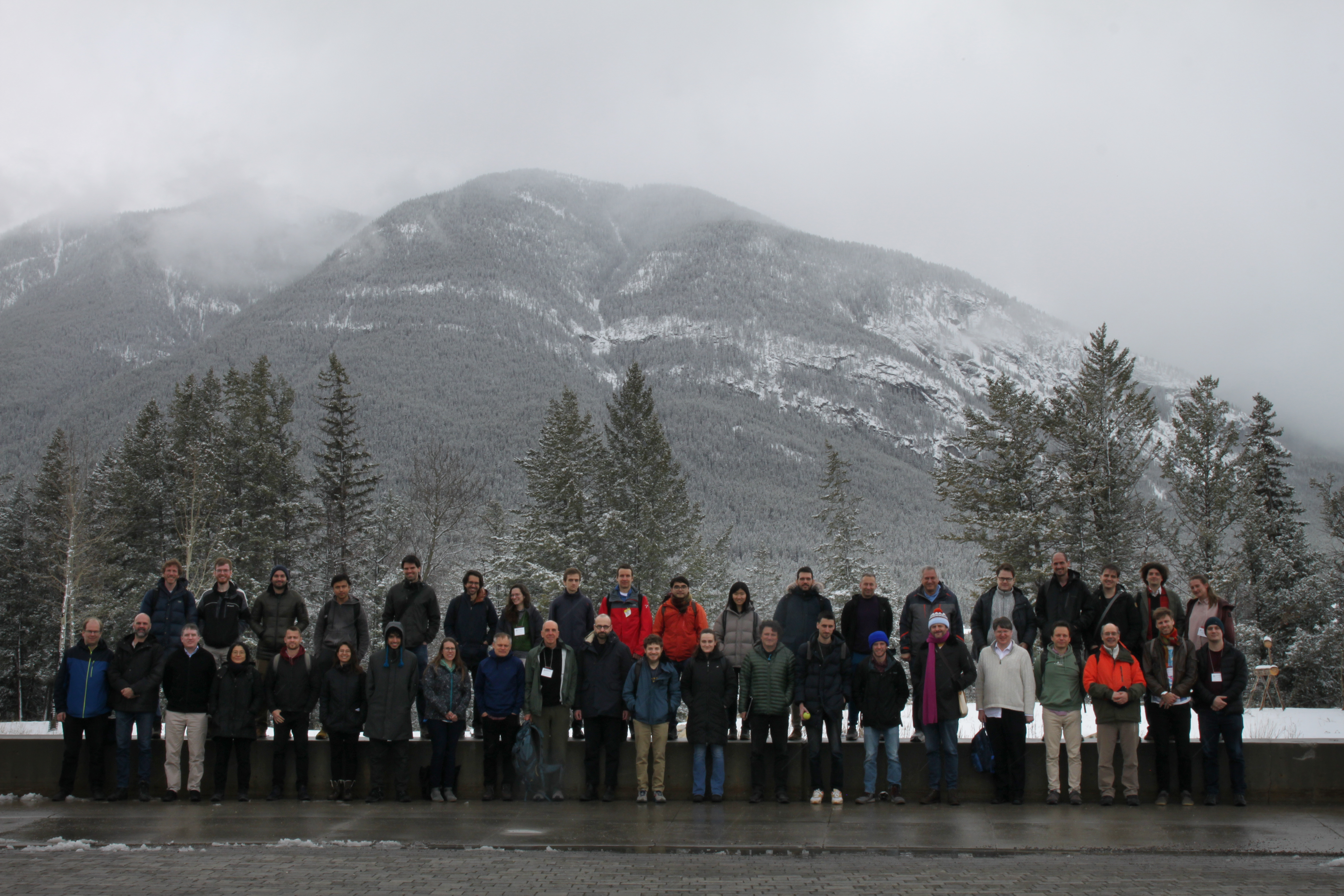
Brett Kolesnik is a Research Fellow in the Department of Statistics at the University of Warwick. His research focuses on probability theory, random structures, bootstrap percolation, and interactions with combinatorics. He has held postdoctoral fellowships at UC Berkeley, San Diego, and the University of Oxford, and was a Senior Demy at Magdalen College. His work includes organizing workshops on bootstrap percolation and collaborating with leading researchers in probability and combinatorics. Education: PhD in Mathematics from the University of British Columbia (advised by Omer Angel). Notable awards include the NSERC Postdoctoral Fellowship and the Florence Nightingale Bicentennial Fellowship in Statistics. Research interests span bootstrap percolation models, random graph dynamics, and stochastic processes. Recent work includes studies on Brownian map geometry, tournament score sequences, and Coxeter group structures. Selected articles explore topics such as critical beta-splitting processes, Catalan percolation, and random walks on algebraic structures. His publications appear in top journals like Electronic Journal of Probability and Annals of Applied Probability . Awards include the Florence Nightingale Fellowship and NSERC Postdoctoral Fellowship. Professional involvement includes organizing the 2024 BIRS workshop on Bootstrap Percolation and contributing to interdisciplinary collaborations in probability and combinatorics.
Prof. Alexander Holleitner leads the Chair of Nanotechnology and Nanomaterials at the Department of Physics, Technical University of Munich , under the Walter Schottky Institute. His research focuses on ultrafast optoelectronics, quantum optoelectronics, and excitonic systems in nanoscale circuits. Research Directions : Ultrafast optoelectronics, quantum optoelectronics, excitonic systems, THz time-domain spectroscopy, and nanofabrication of mixed organic/inorganic systems. Publications : Recent work spans hyperbolic polaritons, interlayer excitons, graphene nano-gap dynamics, and defect engineering in 2D materials. Collaborations include interdisciplinary projects with groups studying semiconductor heterostructures and quantum technologies. His lab welcomes students and researchers interested in experimental physics, quantum electronics, and nanofabrication.
Sophie Sanchez is an Associate Professor at Uppsala University's Department of Organismal Biology, specializing in Evolution and Development. Her research focuses on vertebrate evolution, using advanced imaging techniques like synchrotron microtomography to study fossilized anatomy and developmental processes. She has contributed significantly to understanding sensory organ evolution in jawed vertebrates, early tetrapod development, and the structural adaptations of ancient fish. Key work includes studies on placoderms, osteostracans, and the molecular bases of evolutionary innovations. Her findings bridge paleontology with developmental biology, employing cutting-edge microscopy to reveal hidden biological details in fossils. Publications highlight her expertise in fossil musculature, bone histology, and genomic evolution, with high-impact contributions to journals like Nature and Science . Collaborative projects involve global teams analyzing Devonian and Permian vertebrates, emphasizing interdisciplinary approaches to evolutionary questions.
Professor Wolfgang Wüster is a Professor in Zoology (Molecular Ecology) at Bangor University's School of Environmental and Natural Sciences. His research focuses on evolutionary biology, snake systematics, and venom toxicology, using snakes as model systems. He teaches courses in zoology and herpetology, including Arizona fieldwork and advanced herpetology modules. Education: PhD in Systematics of Asian cobras from the University of Aberdeen (1990). His research interests include the evolution of venom composition, species delimitation in snake complexes, warning signals, biogeography, and conservation genomics. He supervises postgraduate students in topics like European viper conservation and snake systematics. Recent publications highlight his work on snake venoms, taxonomy, and the impacts of climate change on reptile species. He collaborates globally, contributing to antivenom efficacy studies and venom evolution research. Professor Wüster has been involved in projects such as genomic studies of adders and the phylogeography of vipers. His work bridges molecular ecology with conservation, emphasizing practical applications in biodiversity preservation.
Dr. Sabine Krabbe is a Group Leader at the German Center for Neurodegenerative Diseases (DZNE) in Bonn, Germany, where she leads research on neural circuit mechanisms underlying adaptive learning and state-dependent decision-making. Her work integrates neuroscience, molecular biology, and behavioral approaches to understand how internal states influence behavior and how these processes are disrupted in neurological disorders. Dr. Krabbe's research focuses on the interactions between midbrain circuits of the substantia nigra and ventral tegmental area with their output structures such as the striatum and amygdala. She investigates how these networks integrate internal states with environmental cues to produce appropriate behavioral responses. Her laboratory employs state-of-the-art techniques including deep-brain calcium imaging at single-cell resolution in mice, opto- and pharmacogenetic manipulations, anatomical tracings, and molecular approaches to characterize neural circuit elements in detail. Her recent publications reveal significant insights into amygdala interneuron plasticity during fear learning, brain-wide representational drift in memory consolidation, and the molecular mechanisms underlying Parkinson's disease progression. Her work demonstrates how activity patterns within specific neural circuits change in early stages of neurodegenerative diseases and how this dysfunction contributes to cognitive deficits and emotional disturbances. Dr. Krabbe is actively involved in the neuroscience community, organizing the BonnBrain Conference 2026 and sharing research through social media platforms. She has established herself as an emerging leader in the field of systems neuroscience with a particular focus on the neural basis of emotional states and decision-making processes.
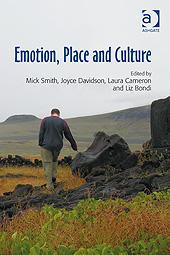
Mick Smith is a Professor and Queen's National Scholar at Queen's University, holding joint appointments in the Department of Philosophy and the School of Environmental Studies within the Faculty of Arts and Science. He earned his Ph.D. in Environmental Values from the University of Stirling (1993), following earlier degrees in Ecology and European Thought. His research integrates environmental ethics, social theory, and phenomenology to explore nature-culture intersections, including emotional geographies, ecological sovereignty, and tourism ethics. Education: Ph.D. (1993): University of Stirling, UK M.Phil (1988): North Staffordshire Polytechnic, UK M.A. (1988): Thames Polytechnic, UK B.Sc. H. (1982): University of York, UK Research Focus: Smith investigates how humans interpret and value environments through hermeneutics, ethics, and emotion. His six key areas include environmental hermeneutics, ethics, social-theoretical frameworks, emotional mediation of environmental responses, political theory, and tourism ethics. Advising & Grants: Supervises graduate students in Philosophy and Environmental Studies. His grants and collaborative projects focus on ecological ethics and sustainability. He co-edits Emotion, Space and Society and contributes to interdisciplinary environmental studies. Affiliations: Founding Editor of Emotion, Space and Society ; contributor to the Center for Humans and Nature.
Gifford H. Miller is a Professor at the University of Colorado Boulder and serves as the Director of the Center for Geochemical Analysis of the Global Environment (GAGE) . His research focuses on reconstructing Earth's climate system using Quaternary records, with expertise in amino acid geochronology and cosmogenic exposure dating. Specializes in Arctic climate history, ice sheet dynamics, and human impacts on ecosystems Active in teaching courses on global change, Quaternary dating methods, and Holocene nonlinearities His recent work explores Holocene climate variability through lake sediments in Iceland and Baffin Island, integrating biomarkers and ancient DNA. Awards include the 2021 University of Colorado Distinguished Professor title and fellowships from AGU and GSA. 2021: Distinguished Professor, University of Colorado System 2018: Distinguished Career Award, American Quaternary Association 2009: Elected Fellow, American Geophysical Union
Anil Madhavapeddy serves as Professor of Planetary Computing at the University of Cambridge's Department of Computer Science and Technology and directs the Cambridge Centre for Carbon Credits (4C). A Fellow of Pembroke College, he integrates systems research with environmental conservation through the Computer Laboratory's Environment and Energy Group. His career spans industry leadership (NetApp, Citrix, Intel), academic appointments (Cambridge, Imperial, UCLA), and entrepreneurial ventures (XenSource, Unikernel Systems, Docker). Madhavapeddy earned his PhD at Cambridge's Computer Laboratory in 2006. His research bridges computational systems and planetary-scale environmental challenges, with deep expertise in open-source development (OCaml, Xen, Docker, OpenBSD) and technology strategy advising for organizations including Zededa, Tezos Foundation, and Tarides. His work centers on environmental computing and climate informatics, leveraging distributed systems and functional programming to develop sensing infrastructure for conservation. Recent projects focus on carbon credit systems, AI-driven biodiversity monitoring, and sustainable computing architectures that minimize ecological footprints while maximizing analytical capability. Analysis of his 2025 publications reveals a concentrated effort on AI-integrated conservation tools, privacy-preserving carbon accounting, and energy-efficient computing. Key themes include spatial networking for ecological data, LLM-enhanced evidence retrieval in conservation science, and novel metrics for extinction risk assessment—demonstrating computational innovation applied to urgent planetary boundaries. No scientific awards were documented in the source material. Madhavapeddy advises multiple technology firms on strategic development while leading the Cambridge Centre for Carbon Credits, though specific grant funding details remain unreported. He actively contributes to the Environment and Energy Group at Cambridge's Computer Laboratory and directs the interdisciplinary Cambridge Centre for Carbon Credits (4C). His open-source leadership spans critical infrastructure projects including OCaml, Xen, and Docker, fostering collaborative development communities that underpin modern cloud and container technologies.
Dr Yizhi Wang, FHEA, is a Lecturer (Assistant Professor) in Finance at Cardiff Business School, Cardiff University, UK. He serves as Co-Director of the Cardiff Fintech Research Group and is the Editor-in-Chief of Elsevier’s Finance Research Letters . He is also Associate Editor for International Review of Financial Analysis and Research in International Business and Finance , and Guest Editor for International Review of Economics & Finance and Journal of Chinese Economic and Business Studies . Research Interests: Financialization and Econometrics Climate finance and carbon markets Cryptocurrency and FinTech indices Energy economics and risk management Green finance and ESG investing Behavioral and institutional finance Dr Wang has published extensively in world-leading journals such as Risk Analysis , European Journal of Operational Research , Journal of Economic Behavior & Organization , Energy Economics , and Journal of International Money and Finance . His work spans theoretical modeling, empirical econometrics, and policy-oriented studies. Scientific Awards: Shanghai Institute of International Finance and Economics Best Paper Award Teaching & Supervision: As a Fellow of the UK Higher Education Academy (FHEA), Dr Wang is module leader for undergraduate BS2514: Financial Markets and Institutions and postgraduate BST158: Big Data Analytics for Finance , earning consistently high teaching evaluations (4.8–4.9/5). He is available to supervise doctoral students in Financialization and has mentored graduates now employed at the University of Oxford, Morgan Stanley, and JPMorgan Chase. Labs & Research Groups: Co-Director, Cardiff Fintech Research Group Member, Cardiff Sustainable Finance Research Group Member, Environmental, Ecological, Extinction Accounting, Governance and Economics Research Group Member, Cardiff Business School Research Committee Dr Wang also curates multiple quarterly-updated indices (UCRY, ICEA, CBDCAI, NFTsAI, ACCC, FinTech Index) publicly available at https://sites.google.com/view/cryptocurrency-indices/home .
Hélène Morlon is a Professor at the Biology Department of École normale supérieure (ENS) - PSL Research University Paris. She leads the Biodiversity Modeling team within the Center for Computational Biology, focusing on integrating ecological and evolutionary processes to explain biodiversity patterns through mathematical and bioinformatics approaches. Specializes in molecular phylogenies, speciation, extinction, and dispersal mechanisms Collaborates with mathematicians, phylogeneticists, and field ecologists Her research reveals non-equilibrium dynamics in biodiversity, challenging classical models by demonstrating speciation rate declines and climate-driven phenotypic evolution. She has developed probabilistic models applied to amphibians, mammals, birds, plants, and microorganisms. Scientific Awards: ERC Consolidator Grant (2013) Chaire d'Excellence en biologie/santé (France Innovation Santé 2030) ERC Advanced Grant (2024) for project PlankDiv Her work bridges macroecology, macroevolution, and conservation biology, with notable contributions to understanding tropical biodiversity gradients and climate impacts on evolutionary rates.
Peter Wilf is a Professor in the Department of Geosciences at Pennsylvania State University's College of Earth & Mineral Sciences. His research focuses on fossil plants as indicators of past climates, biodiversity, and environmental disturbances from the latest Cretaceous through middle Eocene (~67-45 million years ago). Wilf leads significant research projects including the Origins of Southeast Asian Rainforests from Paleobotany and Machine Learning and the Patagonia Paleofloras Project. His research interests span paleobotany, paleoclimatology, plant-insect interactions, and biogeography, with emphasis on how deep-time data illuminate modern ecosystems and their responses to anthropogenic change. Wilf's work primarily focuses on the latest Cretaceous through middle Eocene, examining global disturbances including warming and cooling events, the end-Cretaceous mass extinction, and recovery periods. His research has significant implications for understanding climate change, biodiversity conservation, and ecosystem dynamics. Wilf's extensive publication record demonstrates consistent high-impact research across paleobotany, with recent work focusing on Southeast Asian rainforests, Patagonian paleofloras, and the connections between Gondwanan landmasses. His research integrates fieldwork in Patagonia and Southeast Asia with advanced analytical techniques, including machine learning applications for fossil leaf identification. Fellow, American Association for the Advancement of Science (AAAS) 2022 Wilson Award for Excellence in Research, Penn State College of Earth & Mineral Sciences 2022 Fellow, Paleontological Society 2017 Fellow, Geological Society of America 2016 Paul F. Robertson Research Breakthrough of the Year Award, Penn State College of Earth & Mineral Sciences 2016 George W. Atherton Award for Excellence in Teaching, Pennsylvania State University 2013 Wilf maintains an active research program with numerous NSF-funded projects and international collaborations. He leads a productive lab group conducting extensive fieldwork in Patagonia, Argentina, and Southeast Asia. His research has transformed understanding of Southern Hemisphere floras, the role of Patagonia in plant evolution, and connections between ancient and modern ecosystems across continents. Wilf's laboratory serves as a hub for paleobotanical research, bringing together students, postdocs, and international collaborators to study fossil plant collections from around the world. The lab integrates traditional paleobotanical methods with cutting-edge technologies including machine learning for fossil identification and advanced imaging techniques for detailed morphological analysis.