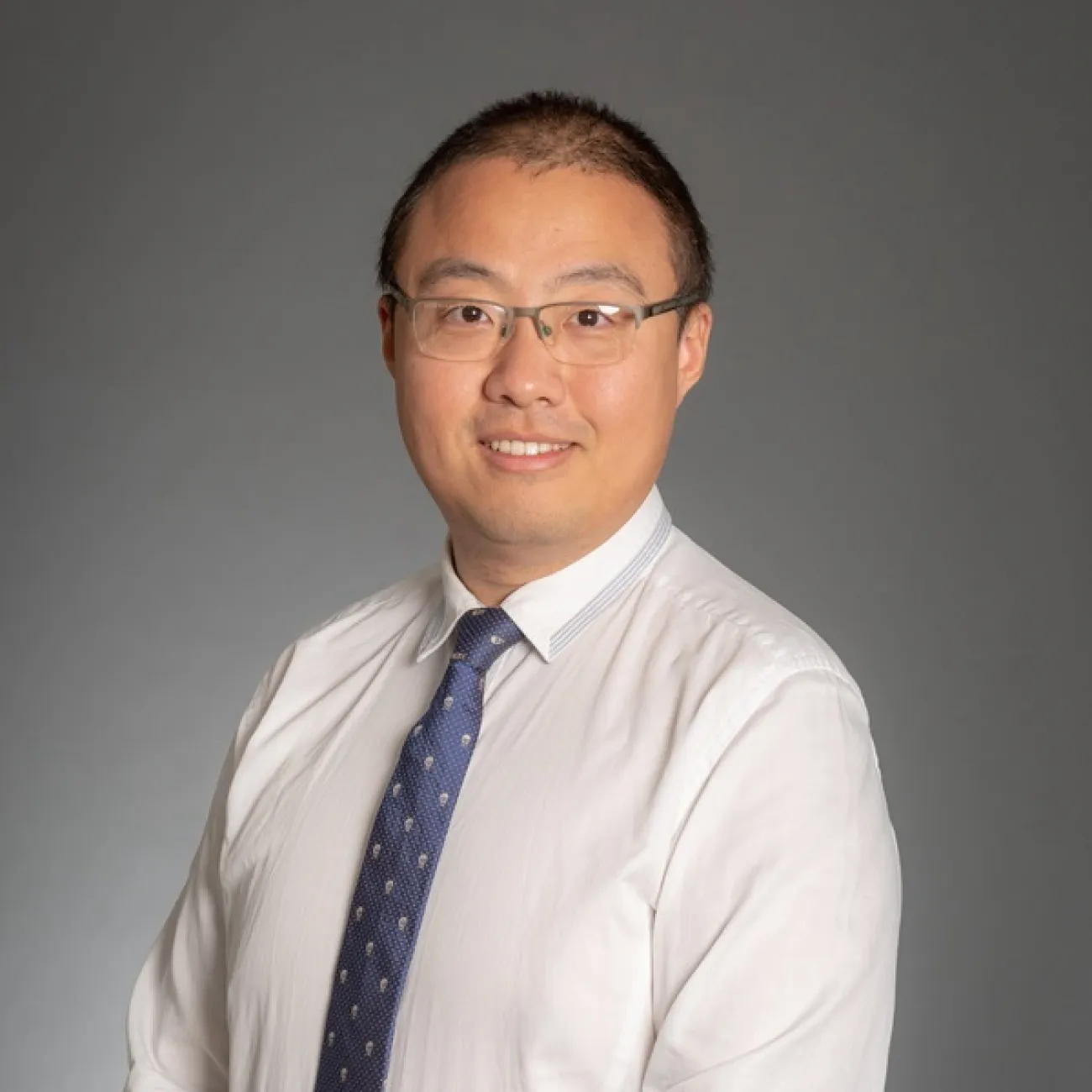
Haemin Park is an Associate Professor at the Naveen Jindal School of Management, University of Texas at Dallas. His research focuses on how external resource acquisition strategies of technology-based ventures influence their development and performance, with a particular emphasis on corporate venture capital (CVC), knowledge governance, and intellectual property rights. He holds a Ph.D. in Technology Entrepreneurship and Strategic Management from the University of Washington, an MBA from Georgetown University, and a B.A. in Computer Sciences, Economics, and Mathematics from the University of Wisconsin. Education: PhD (UW, 2010), MBA (Georgetown, 2000), BA (UW Madison, 1994) Editorial Roles: Area Editor of Journal of Business Venturing ; Editorial Board Member of Strategic Entrepreneurship Journal Research interests include venture capital dynamics, innovation ecosystems, and strategic management of technology firms. His work explores topics like IPO underpricing, corporate venture capital syndicates, and the impact of gender diversity in decision-making groups. Awards: 2017 Journal of Business Venturing Best Reviewer; Finalist for Academy of Management TIM Division Best Dissertation Award. Professional Experience: Prior to academia, he worked as a corporate venture capitalist, business development manager, and management consultant in wireless telecommunications in the U.S. and Asia.
Loes Keijsers is a Full Professor in Clinical Child and Family Studies at the Department of Psychology, Education and Child Studies, Erasmus School of Social and Behavioural Sciences, Erasmus University Rotterdam. Her work focuses on adolescent development, parent-adolescent relationships, and the application of advanced methodological approaches such as Experience Sampling Methods to study daily emotional and behavioral dynamics in teens. Her research interests include: Clinical Child and Family Studies Adolescent mental health and well-being Parenting dynamics and autonomy support Statistical modeling and longitudinal analysis Digital interventions and e-health tools for youth Her recent publications highlight a strong trend in using intensive longitudinal data and mobile technology to understand heterogeneity in adolescent development and family processes. She emphasizes preregistered research and robust statistical models to enhance scientific rigor. Her work increasingly integrates digital tools such as smartphone apps and serious games (e.g., the Grow It! App) to promote adolescent mental health. Notable contributions include: Developing and evaluating e-health applications for adolescent depression Advancing ecological momentary assessment in family research Translating psychological research into public impact through TEDx talks and the book Waarom tieners zo irritant kunnen zijn Contributing to UN Sustainable Development Goals related to well-being and mental health She actively supervises research and has contributed to multiple datasets in the areas of social media use, adolescent well-being, and intensive longitudinal methods. Her collaborative network spans interdisciplinary teams working on youth mental health innovation. Loes leads the research project PROJECT ADAPT (www.projectadapt.nl), which aims to develop and implement personalized digital tools to support adolescent mental health and family functioning. She is also active on social media (Twitter: EUR_ADAPT) and engages in public science communication through platforms like TEDx and Universiteit van Nederland.
Mimi Choy-Brown is an Associate Professor in the School of Social Work at the University of Minnesota, Twin Cities. Her work centers on implementation science, mental health services research, clinical supervision, and organizational strategies to reduce health disparities. She is actively involved in multiple NIH- and SAMHSA-funded research projects addressing HIV stigma, telehealth access for marginalized populations, and workforce retention in mental health care. University: University of Minnesota School: School of Social Work Department: Social Work Rank: Associate Professor Her research interests focus on improving mental health equity through systemic interventions. Key areas include implementation science , person-centered care , clinical supervision , organizational culture , and healthcare access for vulnerable populations such as refugees, immigrants, and people who inject drugs. She applies mixed methods and implementation frameworks to evaluate and enhance service delivery models. The most recent articles (2019–2025) reflect a strong trajectory in implementation science and mental health policy. Common themes include workforce retention, fidelity monitoring, trauma-informed care, and digital health tools like clinical decision support systems. Her work often involves collaborative, interdisciplinary teams and real-world settings such as primary care clinics, syringe service programs, and child welfare agencies. Scientific contributions include: Development of multilevel frameworks for implementation trials Strategies for reducing HIV stigma using standardized patients Integration of telehealth in harm reduction settings Organizational investments to promote mental health equality She has served as Principal Investigator and Co-Investigator on multiple federally funded grants, demonstrating leadership in securing external funding. These projects emphasize community engagement, resilience-building for refugee and immigrant youth, and scalable models for mental health service delivery. Although student advisees are not listed, her supervisory focus in research suggests mentorship in clinical and organizational research methods. She leads the LIFT Project for Northwest MHTTC and contributes to national initiatives aimed at improving mental health systems. Dr. Choy-Brown is actively engaged in research teams and collaborative networks focused on implementation science, mental health equity, and public health innovation. Her work spans academic, clinical, and community-based settings, emphasizing practical solutions to systemic challenges in mental health care.
Shlomo Havlin is a Professor in the Department of Physics at Bar-Ilan University, Israel, within the Faculty of Exact Sciences. He has held major academic leadership roles, including Dean of the Faculty of Exact Sciences (1999–2001), Chairman of the Physics Department (1984–1988), and President of the Israel Physical Society (1996–1999). He is also recognized as an External Faculty member at the Complexity Science Hub (CSH) in Vienna. His research focuses on statistical physics and its applications in complex networks , with far-reaching implications across disciplines such as climate science, biology, medicine, geophysics, and computer science. Havlin's work explores the behavior of interdependent systems, phase transitions, and systemic risk, contributing to foundational understanding in network resilience and abrupt system failures. The recent publications highlight a consistent trend in studying abrupt transitions and mixed-order phase transitions in complex systems, particularly focusing on the microscopic origins of such phenomena. These works sit at the intersection of statistical mechanics, network theory, and multidisciplinary modeling, often published in high-impact journals and preprint repositories. Scientific Awards: Landau Prize for outstanding Research (1988) Humboldt Senior Scientist Award (1992) Nicholson Medal, American Physical Society (2006) Weizmann Prize (2009) Lilienfeld Prize, American Physical Society (2010) Rothschild Prize in Physical and Chemical Sciences (2014) Order of the Star of Italy (2017) Israel Prize in Physics and Chemistry (2018) Bakhuis Roozeboom Medal Shlomo Havlin has led major research initiatives, including the Excellence National Network Center (Israel Science Foundation, 1990–2011) and the Minerva Center (1994–2011). He has been a Fellow of the American Physical Society since 1995 and the Institute of Physics (UK) since 2000. His editorial roles include membership on the boards of Physica A , New Journal of Physics , Fractals , and Co-Editor of Europhysics Letters . While specific grant details are not listed, his long-term leadership in nationally and internationally funded centers indicates sustained grant support and collaborative research mentorship. He is actively involved in the global network science community, as evidenced by participation in events like NetSci 2023 and organizing workshops such as the Statistical Mechanical Approaches of Complex Systems at CSH Vienna. His affiliation with the Complexity Science Hub underscores his engagement in interdisciplinary, large-scale scientific collaboration.
Christian Kühn is a Professor of Multiscale and Stochastic Dynamics at the Technical University of Munich (TUM), affiliated with the TUM School of Computation, Information and Technology. He has been an External Faculty member at the Complexity Science Hub Vienna since 2017, reflecting his interdisciplinary engagement in complex systems research. His academic background includes a BSc in Mathematics from Jacobs University Bremen (2005), an M.A.St. from the University of Cambridge (2006), and a PhD in Applied Mathematics from Cornell University (2010). He held postdoctoral positions at the Max Planck Institute for the Physics of Complex Systems in Dresden and the Vienna University of Technology, where he also served as an APART-Fellow and Leibniz Fellow. Christian Kühn's research lies at the intersection of differential equations, dynamical systems, and mathematical modeling. He focuses on multiscale problems, the impact of noise and uncertainty in deterministic and stochastic systems, and adaptive networks. Central phenomena of interest include bifurcations, pattern formation, and scaling laws. His work bridges theoretical developments with applications in epidemiology, neuroscience, and complex network dynamics. His recent publications (2021–2024) reflect a strong trend in analyzing nonlinear and stochastic dynamics on networks, with applications ranging from epidemic modeling to synchronization and critical transitions. Key themes include explosive phenomena, adaptive network behavior, moment closure methods, and non-Markovian systems, demonstrating a consistent focus on foundational aspects of dynamical systems with practical relevance. Notable scientific awards include: Richard-von-Mises Prize, GAMM (2017) Lichtenberg Professorship, VolkswagenStiftung (2016) Best Paper Award, TU Vienna (2014) Leibniz Fellow, Oberwolfach (2013) APART-Fellow, Austrian Academy of Sciences (2012) While specific details about advised students are not provided, his role as a full professor and active researcher suggests involvement in mentoring graduate students and postdoctoral researchers. His work has been supported by prestigious grants such as the Lichtenberg Professorship. He leads research in multiscale and stochastic dynamics, contributing to both theoretical advances and interdisciplinary applications. Kühn is part of vibrant research environments at TUM and the Complexity Science Hub Vienna, collaborating with leading scientists in network science, applied mathematics, and complex systems. His work continues to advance the understanding of critical transitions and nonlinear behavior in high-dimensional and stochastic systems.
Manfred Laubichler is President’s Professor of Theoretical Biology and History of Biology at Arizona State University (ASU), where he serves as Director of the School of Complex Adaptive Systems and the Global Biosocial Complexity Initiative. He is also an External Professor at the Santa Fe Institute (SFI) and co-director of the ASU-SFI Center for Biosocial Complex Systems. His academic affiliations include the Center for Social Dynamics and Complexity, the Center for Biology and Society, the Center for Evolution and Medicine, and the Water Institute at ASU. His educational background spans zoology, philosophy, and mathematics from the University of Vienna; biology from Yale University; and history/history of science from Princeton University. Laubichler's research centers on evolutionary novelties across scales—from genomes to knowledge systems—alongside the structure of evolutionary theory and the evolution of scientific knowledge. His work bridges theoretical biology, philosophy of science, and complex systems, with a strong emphasis on biosocial complexity and sustainability. He has contributed extensively to understanding the conceptual foundations of evolutionary developmental biology (Evo-Devo) and the historical and philosophical dimensions of biological theory. His recent publications reflect an interdisciplinary trend, integrating epidemiology, public health, and social behavior during crises such as the COVID-19 pandemic, while maintaining a core focus on theoretical biology, history of science, and complex systems. Themes include trust, scientific responsibility, epistemology of science, and modeling biosocial dynamics. Elected Fellow of the American Association for the Advancement of Science Fellow at the Wissenschaftskolleg zu Berlin Vice Chair of the Global Climate Forum Laubichler has led multiple NSF-funded research initiatives in digital humanities, history and philosophy of science, and complex adaptive systems. He has advised numerous doctoral projects and co-led training programs such as the Embryo Project. He is actively involved in interdisciplinary labs and centers, including the Information and Competition Lab, Complexity Economics Lab, and the Social Insect Research Group. His leadership extends to editorial roles in journals like Biological Theory , Journal of Experimental Zoology Part B , and the Archimedes series.
Soyeon Ahn is a full-time Professor in the Department of Education and Psychological Studies at the University of Miami's School of Education and Human Development. Her academic profile demonstrates active research leadership in health communication, educational assessment, and psychometrics, with recent publications spanning 2024-2025. Contact details include email s.ahn@miami.edu, phone (305)284-2929, and ORCiD 0000-0003-2581-306X. Research interests focus on Health Belief Model applications in social media health campaigns, fairness evaluation of high-stakes educational exams, and eHealth interventions for obesity management. She investigates how content creator characteristics (e.g., race, occupation) affect user engagement with health messages, examines psychometric validation of assessment tools via Rasch modeling, and explores generative AI's pedagogical impact. Her work integrates intersectionality frameworks to address health disparities in clinical settings. Recent publications reveal strong interdisciplinary trends connecting public health, education, and technology. Key themes include methodological rigor in meta-analyses of occupational cancer studies, social media's role in vaccine behavior change, and AI literacy training for educators. Her findings consistently emphasize practical implications: optimizing health messaging through HBM constructs, addressing test bias in educational equity, and leveraging technology for behavior intervention. The 2024-2025 output shows increasing focus on real-world application of measurement theory.
Dr Garcia Ashdown-Franks is a University Research Fellow at York St John University's Institute for Health and Care Improvement (IHCI) within the School of Science, Technology and Health. Their research focuses on the complex relationships between physical activity, mental health, body image, and weight stigma, with a commitment to fostering inclusive physical activity spaces for individuals of all body shapes, sizes, and weights. Dr Ashdown-Franks earned a BSc in Kinesiology in 2015 and an MSc in Exercise Sciences in 2018 from the University of Toronto, followed by a PhD in Exercise Sciences in 2022 from the same institution. They also spent time as a Visiting Researcher at King's College London, where their research focused on parkrun, mental health, and social inclusion. Prior to joining York St John University in 2024, they held an externally funded postdoctoral research position at Brunel University London. Dr Ashdown-Franks employs both qualitative (interviews, ethnography) and quantitative research methods, drawing from critical health studies, fat studies, exercise science, psychology, and sociology. Their work takes a critical stance toward health and weight studies, challenging traditional paradigms and advocating for more inclusive approaches to physical activity and mental health. Their research often explores how community-based physical activities like parkrun can serve as therapeutic landscapes for mental health recovery while acknowledging that these spaces may not be equally accessible or beneficial for all individuals. Analysis of Dr Ashdown-Franks' recent publications reveals a strong focus on community-based physical activity interventions, particularly parkrun, as mechanisms for improving mental health and fostering social inclusion. Their work spans multiple disciplines including sports sociology, mental health research, critical weight studies, and health geography. A notable trend is their examination of how physical activity spaces can be both therapeutic and exclusionary, with particular attention to marginalized populations including individuals with mental health conditions, fat individuals, and Black women. Dr Ashdown-Franks contributes to teaching in the areas of Sport and Exercise Psychology, Psychology of Body Image, and Research Methods. They also provide research-specific training and CPD sessions for staff and postgraduate students, helping to develop research capacity within the university community.
Sofi Oskarsson is a Senior Lecturer in Criminology at Örebro University, affiliated with the School of Behavioural, Social and Legal Sciences (BSR) and the Department of Behavioral, Social and Legal Sciences. She holds a PhD (2022) and master's/bachelor's degrees in Criminology from Örebro University, Malmö University, and Mid Sweden University. Education: PhD in Criminology, Örebro University (2022) MSc in Criminology, Malmö University (2015) BSc in Criminology, Mid Sweden University (2014) Research Interests: Biopsychosocial criminology, focusing on biological risk factors (e.g., adverse perinatal events, resting heart rate) for criminal behavior. Active projects include the Swedish Research Council-funded study on intergenerational crime prevention. Also investigates violence in same-sex relationships and applies behavioral genetics methods to criminological questions. Teaching: Leads the international course 'Biopsychosocial Criminology' and teaches quantitative methods at all levels. Supervises theses and co-supervises PhD student Anna-Karin Ångström. Grants & Projects: Principal Investigator: 'Protective Factors Against Intergenerational Crime' (2025–2027, Swedish Research Council) Active projects: PoP-study on personality/psychophysiology, long-term consequences of youth convictions Labs/Groups: Member of research groups on biopsychosocial criminology (CVS Center for Violence Studies), stalking/intimate partner violence (SToP), and developmental crime patterns.
Professor Bo Chen holds a position in the Department of Materials at the University of Southampton, where he focuses on high-temperature structural materials and additive manufacturing. Previously, he served as a Professor of Engineering Materials at the University of Leicester (2019–2024), Senior Lecturer at Coventry University (2017–2019), and held postdoctoral roles at the University of Bristol and Manchester. He earned his BSc in Materials Engineering from Beihang University (2003–2007) and a PhD in Engineering from the University of Bristol (2007–2011). His research interests include creep/fatigue behavior, oxidation resistance, residual stress analysis, and advanced manufacturing techniques like electron beam melting. He is actively exploring digital twins and sustainable metallurgy to enhance engineering component durability. He currently supervises PhD student Qianyu Yao and has received an EPSRC Early-Career Fellowship (2018) and HEA Fellowship (2017). Recent publications emphasize additive manufacturing of superalloys, microstructural characterization, and fatigue mechanisms in materials. He has organized major conferences (e.g., ICF15, ESIA17–ISSI2023) and served as an external PhD examiner at several universities. His work bridges fundamental material science with industrial applications in aerospace and energy sectors.
R. Joseph Huddleston is an Associate Professor in the School of Diplomacy and International Relations at Seton Hall University. His research focuses on diplomatic activities of secessionist movements, civil war responses, and the role of civilian populations in conflict zones. He is affiliated with the Center for Peace and Conflict Studies and directs the Diplomacy Research Lab (DiploLab). During the 2024-2025 academic year, he is a Tenured IR Scholar with the Council on Foreign Relations and a Foreign Policy Fellow in Senator Cory Booker’s office. Affiliations: Center for Peace and Conflict Studies, Diplomacy Research Lab Research Interests: Self-determination diplomacy, secessionist movements, UN peacekeeping (especially MINURSO), North African politics, and academic-policy crossover work. He has published extensively in journals like the Journal of Peace Research and Foreign Affairs , and co-edited volumes on Western Sahara and international relations research methods. Grants & Projects: Collaborated on policy reports with GIZ and EU-funded initiatives on Yemen’s economy. His current book project explores diplomatic strategies of self-determination governments. Affiliations & Roles: Director of Middle East and International Security specializations, Senior Fellow at the Center for Peace and Conflict Studies. Courses taught include International Security, Causes of War, and Research Methods.
Jan De Loecker is Professor of Economics and Research Professor (FWO) at KU Leuven's Faculty of Economics and Business, where he leads the Economics Research Group. He serves as Joint Managing Editor of the Review of Economic Studies and is a Research Fellow at CEPR, actively contributing to the Leuven IO research network and European industrial organization policy discussions. His research centers on industrial organization with emphasis on market power dynamics, productivity measurement, and international trade implications. He investigates how market concentration affects consumer welfare, resource allocation, and macroeconomic stability, particularly examining oil markets, network industries, and globalization's impact on developing economies through rigorous empirical frameworks. Recent publications (2021-2025) reveal consistent focus on quantifying market power across sectors, analyzing cost pass-through mechanisms, and evaluating antitrust policies. His work bridges microeconomic firm behavior with macroeconomic outcomes, featuring innovative methodologies in production function estimation and welfare analysis across transportation, telecommunications, and energy markets. Scientific recognition includes: FWO Research Professorship (Flemish Research Foundation) CEPR Research Fellowship He mentors doctoral candidates in industrial organization while directing major FWO-funded projects including The Impact of Mergers and Antitrust Policy (2024-2028) and Trade Induced Changes in Productivity (2022-2025), securing over €2M in research grants. Current supervision includes dissertations on energy transition economics and market entry dynamics. His work operates within KU Leuven's Economics Research Group and CEPR's Industrial Organization program, collaborating with Verboven and Van Biesebroeck on European competition policy initiatives while advising EU regulatory bodies on market power measurement.
Krist Vaesen is an Associate Professor in the Philosophy of Innovation at Eindhoven University of Technology (TU/e), within the Department of Philosophy & Ethics in the School of Industrial Engineering and Innovation Sciences. He is a founding member of the Eindhoven Meta-Science Center (META/e) and maintains an external position as a Research Fellow at Leiden University's Human Origins Group, Faculty of Archaeology. Dr. Vaesen earned his degrees in Applied Biology (1998) and Philosophy (2003) from the University of Leuven, Belgium, and completed his PhD at TU/e in 2008 with a dissertation on artifacts and norms. His academic career progressed from post-doctoral researcher (2008-2012) in the NWO program 'Things that make us smart' to Assistant Professor (2012), and eventually to his current Associate Professor position. He received a prestigious NWO Vidi grant in 2014 for his research on cultural evolutionary theory. Vaesen's research spans multiple interconnected domains including the philosophy of innovation, meta-science, cultural evolution, and the philosophy of scientific models. His current work focuses extensively on meta-scientific questions examining science funding practices, interdisciplinary research challenges, PhD attrition causes, academic research values, and research integrity. He is preparing a book titled 'Neophilia--why our obsession with innovation leads to bad science' addressing replication crises in science. His publication record shows consistent scholarly output, with 49 research outputs documented through 2025, appearing in high-impact journals across multiple disciplines including Proceedings of the National Academy of Sciences, Behavioral and Brain Sciences, PLoS ONE, and various philosophy and anthropology journals. His work demonstrates a clear trajectory toward increasingly meta-scientific concerns, with recent publications focusing on research values, PhD attrition, and science funding ethics. NWO Vidi Award (2013) for 'The Darwinisation of culture' Excellence grant from TU/e's Executive Board for work on the 'Things that make us smart' program Elected member of the Eindhoven Young Academy of Engineering (2018) Vaesen has supervised multiple graduate students (with 4 supervised works documented) and secured significant research funding, including his Vidi grant for the 'Darwinizing culture' project (2014-2019). He has been actively involved in science policy discussions, particularly regarding research funding reform and interdisciplinary research assessment. His work has generated substantial media attention, with 127 press/media mentions including coverage by Times Higher Education, Volkskrant, and various radio outlets. As co-founder of the Eindhoven Meta-Science Center, Vaesen plays a key role in advancing meta-scientific research at TU/e. His external position at Leiden University's Human Origins Group demonstrates his interdisciplinary reach across philosophy, anthropology, and evolutionary studies. He teaches courses including 'Metascience' (since 2024), 'Philosophy of science and technology,' and 'Research methodology for the innovation sciences,' shaping the next generation of scholars in these critical areas.
Dr. Athina-Myrto Chioni is a Senior Lecturer in Pathobiology and Cancer Biology at Kingston University, within the Department of Biomolecular Sciences, School of Life Sciences, Pharmacy and Chemistry. She holds a PhD from Imperial College London and conducted postdoctoral research at Barts and The London School of Medicine and Dentistry, Queen Mary University of London. She joined Kingston University in 2014 and was promoted to Senior Lecturer in 2016, also serving as Deputy Course Director for the BSc Biomedical Sciences program from 2016 to 2021. Education: BSc (Hons) Biology, Imperial College London (1998–2001) MSc Molecular Medicine, Imperial College London (2001–2002) PhD Cell and Molecular Biology, Imperial College London (2003–2006) Postdoctoral Research Fellow, Queen Mary University of London (2006–2014) Her research focuses on fibroblast growth factor (FGF/FGFR) signaling in cancer , particularly its role in tumor progression, drug resistance, and metastasis. She investigates the nuclear translocation of cleaved FGFR in breast, pancreatic, and cervical cancers, a novel mechanism with potential therapeutic implications. Her work also explores organotypic models to study tumor-stroma interactions and signaling pathways like ERK. She has made significant contributions to understanding how FGFR signaling drives invasive behavior in cancer cells. Her recent publications (2021–2025) emphasize FGFR inhibitor resistance in cervical cancer , KISS1R antagonism for restoring drug sensitivity in triple-negative breast cancer, and the dysregulation of signaling pathways in drug resistance . These works reflect a strong trend toward understanding resistance mechanisms and identifying novel therapeutic targets in gynecological and breast cancers. Scientific Awards: Imperial College Marshall Scholarship A.G. Leventis Foundation Studentship Papanikolau First Prize Award First Prize, Sylvia Lawler Meeting (Royal Society of Medicine) William Harvey Day Poster Awards (2008, 2011) Junk the Jargon Competition Winner (QMUL, 2011) 1st Prize, Barts and Queen Mary Science Festival (2012) Gordon Conference Poster Award (2012) Dr. Chioni has successfully supervised multiple PhD and MRes students, including Hiba-Tun-Noor Mahmood and Fazeela Ashiq to completion. She has secured competitive research grants from the Breast Cancer Campaign (awarded twice, 2009 and 2013). She serves as an External Examiner for programs at Imperial College London and the University of Hertfordshire, and for MSc programs at QMUL. She is also a Guest Editor for the International Journal of Molecular Sciences and Review Editor for Frontiers in Cell and Developmental Biology . She is a member of the Faculty EDI Action Group and the EACR Ambassador program. She is affiliated with several professional bodies including Fellow of the Royal Society of Biology (FRSB) , Fellow of the Institute of Biomedical Sciences (FIBMS) , and member of the European Association of Cancer Research (EACR) and Genetics Society . Her expertise includes confocal microscopy, 3D organotypic cultures, immunocytochemistry, and functional cancer biology assays.
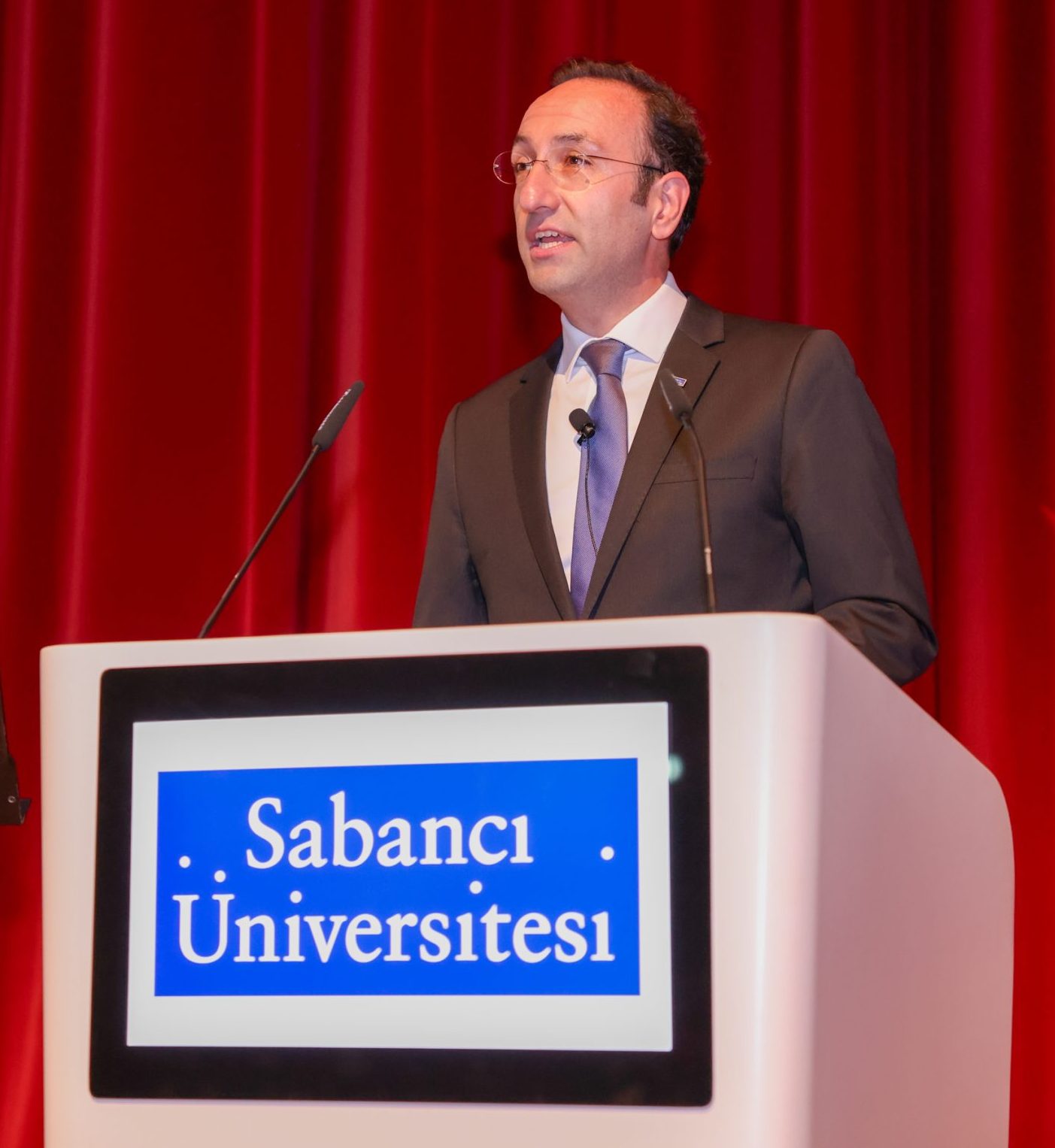
Eren İnci is a Professor of Economics at the Faculty of Arts and Social Sciences, Sabanci University. His research focuses on Urban Economics and Transportation Economics , particularly the economics of parking, traffic congestion, and urban sustainability. He holds a PhD (2007), MA (2004), and BA in Management Engineering (2002) from Boston College and Istanbul Technical University. Education PhD (Economics), Boston College, 2007 MA (Economics), Boston College, 2004 BSc (Management Engineering), Istanbul Technical University, 2002 Research Interests center on urban transport systems, parking policies, retail leasing, and their environmental impacts. His work bridges economic theory with real-world policy challenges, including sustainable city planning and market design for shared resources. Scientific Awards include: TUBITAK Incentive Award (2018) Outstanding Young Scientist Award (TUBA-GEBIP) (2014) Young Scientist Award (BAGEP) (2014) Best Overall Paper Prize (International Transportation Economics Association) (2016) FASS Teaching Award (2011) Professional Roles include Vice Dean (2017–2024), Executive Committee Member of the International Transportation Economics Association (2016–present), and Research Member at the Smart Mobility and Logistics Lab (2018–present). He has held visiting positions at MIT, University of California, Riverside, and ZEW.


/prod01/yorksjacuk/media/content-assets/staff-profile-images/Garcia-Ashdown-Franks.jpg)