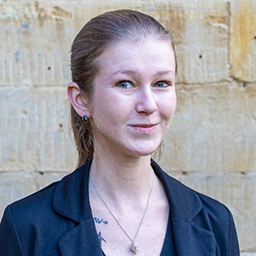
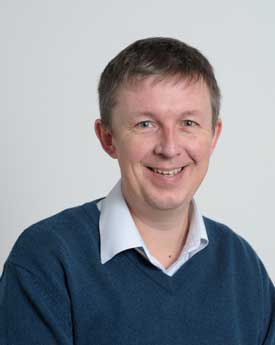
Irina Chelysheva is a Senior Lecturer in Human Genomics at the School of Biological and Medical Sciences, Oxford Brookes University, where she established her research group in 2025. She previously held senior postdoctoral and teaching roles at the University of Oxford, including at the Oxford Vaccine Group and Centre for Human Genetics. Medical Degree: Russian National Research Medical University PhD: Biochemistry and Molecular Biology, University of Hamburg MSc: Economics (Health Economics), University of Hamburg Her research integrates genomics, immunology, and microbiology to study host-pathogen interactions through computational and experimental approaches. Current projects focus on microbiome research using Oxford Nanopore sequencing, while past work includes vaccine trial analysis, GWAS, RNA-seq, and bacterial translation studies. Key trends in her recent publications include SARS-CoV-2 vaccine immunogenicity, HLA allele associations with breakthrough infections, RNA-seq quality control, and microbiome profiling. Her work spans both clinical and computational domains. Scientific Awards: Fellow of the Higher Education Academy (FHEA) Professional Memberships: British Society for Immunology, BactiVac Network, Oxford Microbiome Network, HIC-Vac Network
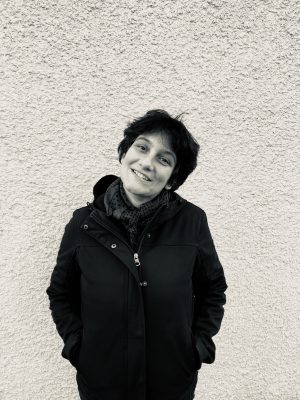
Alice Sotgia is a Lecturer at the School of Humanities and Social Sciences (SHSA) at PSL University, affiliated with the Department of Architecture and Urban Planning (AAP). She holds a Doctorate in spatial planning and urban planning (University of Rome La Sapienza, 2006) and a Master's in Human and Social Sciences specializing in Urban History (University of Rome La Sapienza, 2002). Academic Background: Doctorate (2006), Master's (2002) Research Themes: Housing as heritage, post-COVID urban narratives Labs: ACS Laboratory (co-director/researcher), LAA UMR CNRS 7218 LAVUE (associate researcher) Her research explores urban spaces through socio-anthropological lenses, focusing on: Heritage processes in inhabited spaces Post-COVID urban transformation models Methodological integration of humanities research into architectural projects Recent publications emphasize bacterial infection mechanisms, particularly: CIRBP protein stress responses Listeria monocytogenes pathogenicity RNA regulation in host-pathogen interactions
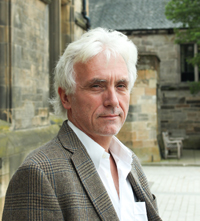
Professor Iain L Johnstone is a faculty member at the University of Glasgow within the College of Medical, Veterinary and Life Sciences, specifically in the School of Molecular Biosciences. His research primarily focuses on molecular mechanisms in Caenorhabditis elegans , including tissue-specific cell cycle regulation, collagen biogenesis, extracellular matrix dynamics, and RNA processing pathways. With over three decades of publications, he maintains an active research profile in molecular genetics and developmental biology. His core research explores: Genetic control of cell cycle in specific tissues Collagen biosynthesis and mutant collagen processing Extracellular matrix cross-linking enzymes RNA decay pathways and splicing mechanisms Redox balance in endoplasmic reticulum Analysis of his 15 most recent publications reveals consistent themes in nematode biology, with emphasis on collagen structure-function relationships, post-transcriptional gene regulation, and developmental genetics. His work frequently employs genetic screens and molecular characterization to elucidate conserved biological pathways. Awards and recognitions include: MRC Senior Fellowship (1998-2003) MRC Career Development Fellowship (1998-2003) Membership in MRC College of Experts (2006-2009) MRC Advisory Board membership (1998-2003) Significant grant support includes projects from MRC, Wellcome Trust, and BBSRC, such as: Genetic modifiers of collagen IV mutations (Tenovus Scotland) Redox balance in endoplasmic reticulum (BBSRC/Wellcome Trust) Tissue-specific cell cycle control (MRC) Collagen biogenesis mechanisms (Wellcome Trust)
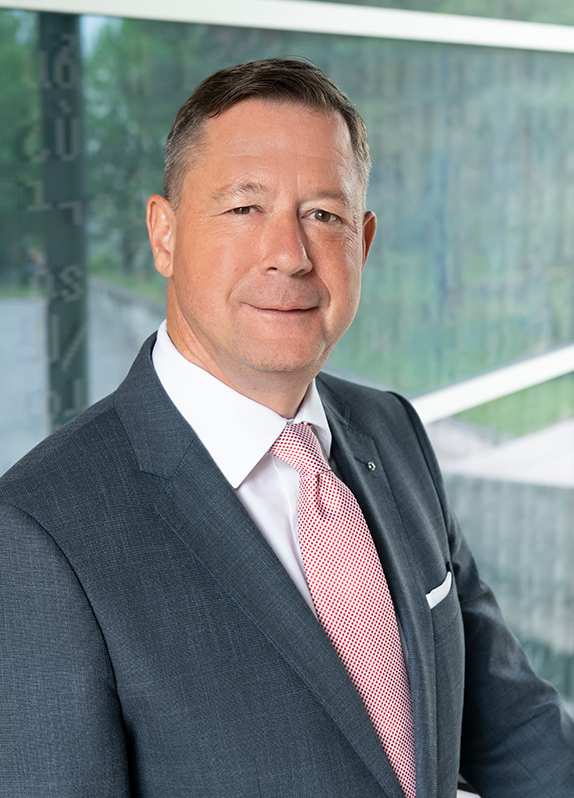
Prof. Dr. rer. pol. Andreas Schmalfuß is a Professor at the Faculty of Industrial Engineering, Mittweida University of Applied Sciences, holding the chair in General Business Administration with a focus on Accounting and Financial Controlling since 2014. He serves as the Founding Dean (since 2015) and has held various leadership roles in academia and politics, including Vice President of the Saxon Parliament (2009-2014) and Member of the Saxon Parliament (2004-2014). Honorary Doctorate, Almaty University (since 2019) Lecturer, Friedrich-Naumann-Stiftung für die Freiheit (since 2019) Member of multiple supervisory boards (CAWG, Communisystems Care AG, etc.) and advisory councils His research spans financial controlling, esports, sustainability, and digital transformation. Recent work explores esports as a societal phenomenon, sustainability in business, and digital education frameworks. He leads the Institute for Innovation Controlling Business Development and founded the Blockchain Competence Center Mittweida. Key scientific contributions include: Controlling 4.0 frameworks Sustainability-driven marketing strategies Digital learning models (SimCity, esports) Awards: Honorary Doctorate from Almaty University (2019). Advisory roles across academic, corporate, and sports sectors, including supervisory board memberships and leadership in the Hochschullehrerbund.
Md Morshed Alam is a Part-Time Lecturer at the Faculty of Engineering and Information Technology , University of Technology Sydney. He holds a B.Sc. in Electrical and Electronic Engineering from Khulna University of Engineering and Technology, an ERASMUS MUNDUS certificate in Power Systems from University do Porto, and an M.Sc. in Electronics Engineering from Kookmin University. Focuses on Artificial Intelligence integration in Smart Grids Specializes in Energy Consumption Forecasting and Renewable Energy Optimization Proficient in Python, MATLAB/Simulink , and Arduino His 15 most recent publications analyze topics like AI-driven microgrid control, drone detection systems, and air quality prediction models, with significant citations in energy storage and wireless communication domains. While no scientific awards are explicitly listed, his work spans diverse applications from Terahertz communication to IIoT security frameworks . He contributed to Wireless Communication and AI Lab projects during his time at Kookmin University.
Aivar Lõokene is a Research Professor at Tallinn University of Technology's School of Science, Department of Chemistry and Biotechnology. He has held progressive academic positions since 1983, including roles as Leading Research Fellow, Senior Research Fellow, and Lecturer. His career spans institutions like Umeå University (Sweden) and the National Institute of Chemical Physics and Biophysics. Education: PhD in Organic Chemistry, Estonian Academy of Sciences (1990) MSc in Chemistry/Bioorganic Chemistry, Tartu State University (1983) Research Focus: Dr. Lõokene specializes in lipoprotein metabolism, protein structure-function relationships, and enzyme regulation. His work integrates calorimetric techniques to study lipid-protein interactions, with applications in metabolic disorder therapeutics and diagnostic development. Key areas include lipoprotein lipase dynamics, angiopoietin-like proteins, and lipid metabolism in diseases like hypertriglyceridemia. Publication Trends: Recent articles (2011-2025) demonstrate a strong focus on lipoprotein biochemistry, enzyme kinetics, and metabolic regulation. Methodological innovations in calorimetry are prominent, alongside clinical applications in virology (SARS-CoV-2 diagnostics) and nutrition science. Research consistently bridges structural biology and therapeutic development. Awards: Scholarship of the Swedish Royal Academy (2000) Advising & Grants: Actively supervises PhD candidate Natjan-Naatan Seeba and Master's student Riin Lepik. Secured €2.6M+ in funding for 19 projects, including: Hypertriglyceridemia drug development (Lipigon Pharmaceuticals) Supramolecular chirality sensors (Estonian Research Council) Lipoprotein lipase regulation mechanisms (Taltech) Laboratories: Developed the Biomolecular Interactions Laboratory at Tallinn University of Technology, focusing on protein-lipid characterization and diagnostic assay design.
Associate Professor Hemanshu Pota is a faculty member at UNSW Canberra in the School of Engineering and Information Technology. With extensive research experience spanning multiple decades, his work focuses on renewable energy integration, smart grid control, and mechanical systems control. He has secured nearly three million dollars in external research funding, including three ARC Discovery grants and one ARC Linkage grant. Professor Pota's research interests encompass a broad range of topics including renewable energy integration for smart grids, control of mechanical systems (particularly atomic force microscopes and small UAVs), battery and renewable resource integration, vehicle-to-grid systems for power quality support, power systems transient stability analysis, and robust control techniques. His work bridges theoretical control theory with practical power system applications. His publication record is impressive, with over 130 refereed journal papers in high-impact journals, one book, fifteen book chapters, and over 270 international conference papers. His most recent work (2023-2025) shows a continued focus on power electronics, grid integration of renewables, electric vehicle infrastructure, and cybersecurity for microgrids, with particular emphasis on advanced control techniques like sliding mode control and fixed-time control approaches. Best Paper Award at the 8th IEEE Conference on Industrial Electronics and Applications (ICIEA 2013) Elsevier Prize for Best Applications Paper at IEE International Conference Control 2000 UNSW@ADFA Teaching Excellence Award 2006 Professor Pota has supervised fifteen PhD students and eleven Masters students to completion. He serves as Editor-in-Chief of Technology and Economic Smart Grids and Sustainable Energy, and as Associate Editor for several prestigious journals including IEEE Transactions on Control Systems Technology. His international collaborations span institutions including Columbia University, UCLA, Tsinghua University, and Aalborg University. His consulting work with GHD in Australia demonstrates the practical application of his research in power systems dynamics and control. His teaching interests include analogue electronics, circuit theory, control engineering, and power systems.
Oğuzhan ÇARIKÇI is an Associate Professor at the Faculty of Economics and Administrative Sciences of Süleyman Demirel University , where he teaches General Accounting. His research spans Accounting , Finance , and Digital Transformation , with a focus on audit practices, tax compliance, and fintech applications. Education : Licence (Business Administration, 2001), Master’s (Finance, 2009), Doctorate (Business Administration, 2014) from Süleyman Demirel University Over the last five years, his work includes: 2024: Tax evaluations in accounting 2023: Financial performance analysis of airports using entropy-based TOPSIS 2022: Industry 4.0 impacts on auditing and digital fatigue in accounting 2021: Applications of SAP systems in internal audits and cryptocurrency awareness 2020: Risk-based internal auditing frameworks Editorial Roles : Editor for Süleyman Demirel University Journal of the Faculty of Economics and Administrative Sciences (2023–2024) and Süleyman Demirel Üniversitesi İktisadi ve İdari Bilimler Fakültesi Dergisi (2024–present).
Dorotea López Giral is a Full Professor at the University of Chile's Institute of International Studies , where she has taught since 2005. She served as Coordinator of the Master's Program in International Strategy and Trade Policy (2011–2016) and Director of the Graduate School (2016–2018), currently holding the Director-elect role at the Institute of International Studies. Her academic background includes an Economics degree from the Autonomous Technological Institute of Mexico (1993) MPhil in Economics from the University of Cambridge (1995) PhD in Social Sciences from the University of Chile (2013) Her research focuses on international economics and trade policy , with specific interests in trade agreements creative industries' role in exports gender provisions in trade services liberalization political economy of trade Latin American integration . Recent publications analyze legislative behavior in trade liberalization, CPTPP politicization, and Chile-Korea FTA impacts. She supervises graduate theses on topics like regional SMEs in trade bioceanic corridors public-private partnerships in service internationalization , often collaborating with institutions like the Barcelona Institute of International Studies and Pontifical Catholic University of Chile . Current projects funded by Fondecyt_Anid and Erasmus+ Programme examine Latin American foreign policy, China's trade impacts, and EU-Latin America academic synergies.
Howard Lindsay is a Senior Lecturer in Biomedical Sciences at Lancaster Medical School, part of Lancaster University's Faculty of Health and Medicine. He serves as the Year 1 Director for the Lancaster MBChB program and leads research in genome stability mechanisms. His office is located in B10, B-Floor, Health Innovation One, and he can be contacted at h.lindsay@lancaster.ac.uk. Dr. Lindsay's research focuses on cellular responses to DNA damage and replication stress, particularly examining how DNA damage response pathways integrate with cell cycle machinery and their role in cancer development. He employs model systems including Xenopus cell-free egg extracts, chicken DT40 cells, and mammalian cell culture to investigate DNA checkpoint proteins and repair mechanisms. His work specifically targets the XRad17/RFC, XRad9/Rad1/Hus1 and Atr/Atrip complexes in the DNA replication checkpoint, as well as double-strand DNA break repair through non-homologous end joining (NHEJ). Analysis of his recent publications reveals a consistent focus on genome stability mechanisms, with his 2024 paper examining ATM signaling regulation by DNA single-strand breaks, and earlier works investigating PrimPol's role in DNA replication and the Mre11/Rad50/Nbs1 complex in DNA repair. His research demonstrates the evolutionary conservation of these pathways from yeast to humans, highlighting their fundamental importance in preventing cancer development. Dr. Lindsay actively supervises undergraduate research projects and welcomes PhD/MSc students interested in genome stability and DNA replication research. Current research projects include 'Analysis of an RNA export factor required for cell division and maintenance of genome stability (CIP29)' (2020-2024) and 'RNA export and cell division: direct and indirect mechanisms to control cancer cell proliferation' (2020-2025). He has also supervised NWCR Summer Studentships in 2018 and 2019. He is affiliated with the Cancer Biology and Genome Stability research group within the Experimental Medicine division, contributing to Lancaster Medical School's focus on translational medical research.
Mohsen Fardmanesh serves as an Associate Professor in the Department of Economics within Temple University's College of Liberal Arts, with additional affiliation in the Global Studies program. His academic profile spans teaching, research, and institutional engagement focused on international economic policy and macroeconomic dynamics. Education: Graduate studies completed at Yale University Dr. Fardmanesh's research centers on structural adjustment mechanisms, Dutch disease phenomena in resource-dependent economies, transition economics during systemic overhauls, parallel foreign exchange market dynamics, fiscal policy impacts on growth, and financial instability triggers. His work investigates how external shocks like oil price fluctuations affect small open economies, the political economy of budget austerity measures, and policy frameworks for economic transitions. This research program integrates theoretical modeling with empirical cross-country analysis to address real-world economic vulnerabilities. His publication trajectory from 1990-2008 reveals consistent focus on development economics and international finance, with increasing attention to transition economies after the Soviet bloc dissolution. Key thematic clusters include policy responses to commodity price volatility, fiscal consolidation trade-offs, and market-oriented reforms in formerly command-driven systems. Methodologically, his work favors quantitative cross-country studies and institutional analysis published in top-tier development and public finance journals. Scientific recognition includes: Musser Award for Excellence in Teaching Andrisani/Frank Outstanding Teacher Award Dr. Fardmanesh maintains active institutional engagement through visiting research positions at Yale University and consultancy work with The World Bank, indicating sustained policy relevance. His teaching portfolio demonstrates comprehensive curriculum development across all academic levels, from foundational undergraduate principles to advanced PhD seminars in international trade theory. Course offerings reflect his research expertise while addressing practical economic decision-making in corporate environments. No dedicated research laboratories or structured collaborative teams are documented in available materials, though his World Bank consultancy suggests project-based institutional partnerships.
Prof. Dr. Selina Kathleen Jorch serves as a Professor in the Department of Anaesthesiology, Intensive Care and Pain Therapy at the University of Münster. She actively contributes to the Multiscale Imaging Centre as a member of its Management & Communication committee, driving collaborative research in advanced imaging technologies and inflammatory disease mechanisms. Her research program centers on immunological processes in sterile and infectious inflammation, with particular expertise in alarmin biology (S100A8/A9, MRP8/14), macrophage trafficking, and neutrophil extracellular traps. She pioneers intravital imaging approaches to visualize real-time immune dynamics in organ-specific contexts, investigating conditions ranging from sepsis and graft-versus-host disease to autoinflammatory disorders like Familial Mediterranean Fever. Her work bridges molecular mechanisms with translational applications, including peptide-based drug delivery systems for brain tumors. Analysis of her 15 most recent publications reveals consistent focus on Gasdermin-D-mediated alarmin secretion pathways (2022-2023), GATA6+ macrophage functions in bacterial dissemination and cardiac repair (2019), and chemokine axis regulation in inflammatory diseases (2024). The research demonstrates strong interdisciplinary integration of molecular immunology, advanced microscopy, and clinical pathophysiology with implications for novel therapeutic interventions. Prof. Jorch operates within the Multiscale Imaging Centre ecosystem, which provides cutting-edge microscopy resources and supports career development through Train Gain fellowships, travel awards, and graduate programs. The center facilitates collaborative projects across participating institutions while advancing women in science initiatives and hosting specialized seminars like the Inflammation & Imaging Lecture series.
Heejin Yoo is an Assistant Professor at the School of Biological Sciences, University of Utah, focusing on plant immunity and metabolic regulation. Her research integrates transcriptional, translational, and metabolic dynamics to optimize plant growth-defense trade-offs. B.S., Seoul National University Ph.D., Purdue University Research interests include: Plant immunity mechanisms (effector-triggered immunity, systemic acquired resistance) Metabolic regulation during stress responses Salicylic acid biosynthesis and signaling Translational reprogramming in plant defense Role of plant volatiles in systemic immunity Metabolic pathway interactions in disease resistance Recent publications highlight trends in: Metabolic control of plant defense (phenylalanine biosynthesis, salicylic acid pathways) Translational and translatome analysis in immunity Signal integration via ROS (H2O2 sulfenylation) and amino acids (serine signaling) Genetic and enzymatic basis of plant metabolic pathways Systemic resistance mechanisms across plant species Volatiles-mediated immune responses She leads a lab investigating molecular interactions between growth and defense systems, employing ribosome profiling and metabolic flux analysis to dissect immune signaling networks.
Revathi Govind is a Professor in the Division of Biology at Kansas State University, specializing in Clostridioides difficile pathogenesis research. Her work focuses on the molecular mechanisms of bacterial virulence, particularly in cancer patients undergoing chemotherapy, where C. difficile infections complicate treatment outcomes. Ph.D. in Microbiology & Immunology from Texas Tech University (2006) Director of research programs studying regulatory pathways linking sporulation and toxin production Investigator of carbohydrate metabolism's role in bacterial colonization Research keywords include: Pathogenic Microbiology , Bacterial Genetics , and Hospital-Acquired Infections . Current projects examine: Glycogen metabolism's contribution to spore resilience Signal transduction pathways in virulence regulation Development of diagnostic tools and therapeutic agents Recent publications span 2013-2024 with significant contributions in: Regulatory networks of C. difficile SinR/SinI protein interaction systems Carbohydrate-mediated virulence factors Scientific awards include: NIH R21 grant for variant analysis Cancer Research Expansion Award Rhabdomyosarcoma Research Award
Professor Mengji Lu serves as the Director of the Working Group at the Institute of Virology, University of Duisburg-Essen. With extensive research experience in virology and immunology, Prof. Lu leads a dedicated team focusing on hepatitis B virus (HBV) research. The research group includes members such as Thekla Kemper (MTA), Xueyu Wang, Qian Li, and Shi Liu, all contributing to the comprehensive investigation of viral pathogenesis and immune responses. Prof. Lu's research interests center on the intricate relationship between hepatitis B virus infection and the host immune system. The team investigates the role of innate immune responses in controlling HBV infection, the regulation of HBV replication by miRNAs and host factors, and the development of immunotherapeutic approaches for chronic HBV treatment. A significant focus is placed on understanding the mutual influence between innate and adaptive immune responses during HBV infection, as well as exploring epigenetic control mechanisms related to cell differentiation, metabolism, and their connections to viral infection. The research employs various animal models to study HBV pathogenesis and potential therapeutic interventions. The extensive publication record demonstrates a consistent research trajectory in HBV virology, with recent work emphasizing cellular autophagy pathways, endosomal trafficking, viral replication mechanisms, and immune modulation. The publications reveal a strong interdisciplinary approach combining virology, immunology, cell biology, and molecular genetics to address fundamental questions about HBV persistence, clearance, and potential therapeutic targets. Key themes include the investigation of host factors that regulate viral replication, the complex interplay between viral components and host immune responses, and the development of novel strategies for HBV treatment. Prof. Lu's research group maintains active collaborations with numerous scientists across Germany and internationally, as evidenced by the co-authorship patterns in recent publications. The team receives funding for their research on HBV pathogenesis and immune responses, supporting both basic science investigations and translational research aimed at developing new therapeutic approaches for chronic hepatitis B infection. The laboratory utilizes advanced techniques in molecular virology, immunology, and cell biology to address critical questions in HBV research. The research group operates within the Institute of Virology at the University of Duisburg-Essen, where they maintain specialized facilities for virological research, including cell culture laboratories, molecular biology equipment, and animal models for HBV studies. The team contributes significantly to the understanding of HBV-host interactions and continues to explore innovative approaches for treating chronic hepatitis B infection.