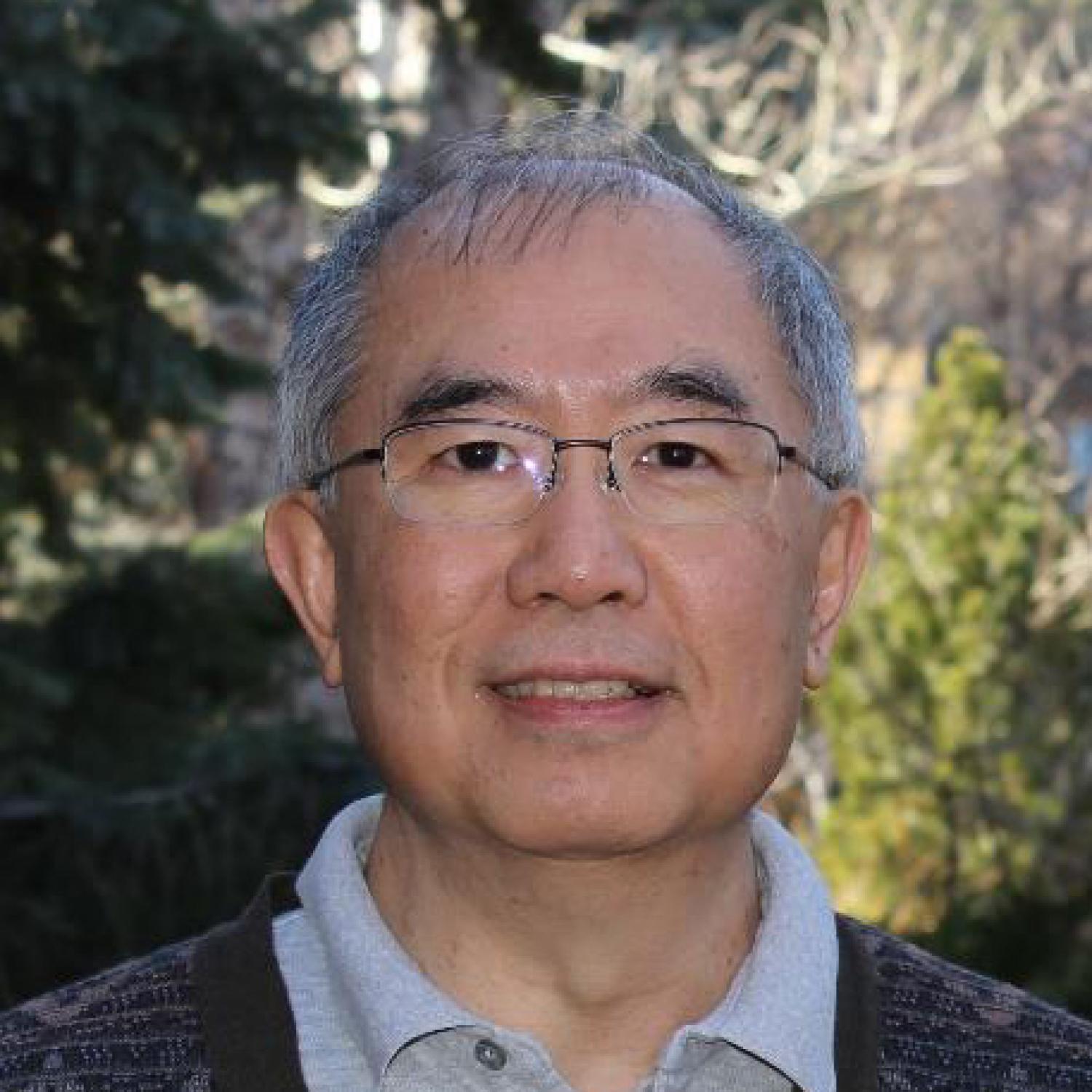
Ronald Y. S. Pak is a Professor in the Department of Geotechnical Engineering & Geomechanics at the University of Colorado. He holds the position of Professor in the School of Civil, Environmental and Architectural Engineering. His research focuses on geotechnical earthquake engineering, dynamic soil-structure interaction, wave propagation, and constitutive modeling in porous media. Education: Ph.D., California Institute of Technology, Pasadena (1985) M.S., California Institute of Technology, Pasadena (1980) B.E., McMaster University, Canada (1979) Research Interests: Dynamic soil-structure interaction and wave propagation in geotechnical systems Rock mechanics under dynamic and cyclic loading conditions Poroelasticity and boundary element methods for multi-layered media Seismic response of structures and canyons to oblique ground motion Experimental and analytical modeling of geotechnical systems Key Contributions: Development of advanced computational frameworks for soil-structure interaction Studies on water weakening mechanisms in saturated rocks Analysis of seismic amplification effects in complex topographies Awards & Affiliations: NSF Presidential Young Investigator (1985) Association of Professional Engineers Gold Medal, Ontario, Canada Editorial Board Member, ASCE Journal of Engineering Mechanics Member, American Society of Civil Engineers Facilities & Location: Office: ECOT 423, University of Colorado Contact: 303-492-8613 | pak@colorado.edu
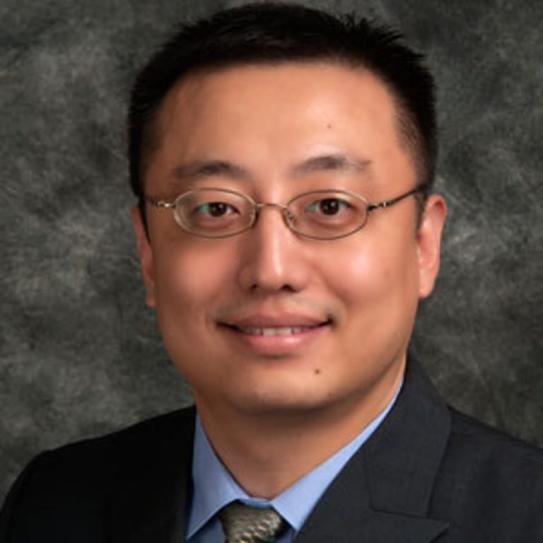
Professor Luming Shen is a distinguished academic in the School of Civil Engineering at The University of Sydney. With over two decades of experience in mechanical behavior of materials research, he leads cutting-edge investigations at the intersection of civil engineering, materials science, and computational mechanics. His work spans multiple scales from nano to macro, focusing on fundamental understanding that can be applied to real-world engineering challenges in water purification, structural safety, and sustainable infrastructure. Professor Shen's educational background includes: Bachelor's degree in Building Engineering from Tongji University, China Master's degree in Structural Engineering from Tongji University, China PhD in Civil Engineering from the University of Missouri-Columbia, USA Professor Shen's research focuses on the mechanics and behaviors of materials across multiple scales. His primary interest lies in understanding both brittle materials (concrete, rock, glass) and ductile materials (aluminum, titanium, metals). Two major thrusts of his work include nano-mechanics and materials research, particularly developing carbon nanotube membranes for water purification, and studying novel composite materials under impact and extreme loading conditions for applications in blast-resistant structures and vehicle safety. He employs high-performance computing for molecular and macro-level analyses, complemented by physical laboratory testing. Professor Shen's extensive publication record demonstrates a consistent focus on multiscale modeling of materials behavior, with recent work emphasizing granular materials dynamics, carbon nanotube applications, 3D-printed concrete technology, and energy storage systems. His research shows a clear evolution toward increasingly complex multiphysics problems that integrate mechanical, thermal, and fluid dynamics phenomena at multiple scales. The interdisciplinary nature of his work bridges civil engineering, materials science, computational mechanics, and environmental engineering, with applications spanning from fundamental material science to practical civil infrastructure solutions. Professor Shen actively supervises multiple research students, including Yifang Cao working on 3D printing concrete, Jiangshuai Meng studying granular materials under impact loads, and Runda Wang applying machine learning to rock burst prediction. His research is supported by access to advanced computational resources and laboratory facilities at The University of Sydney, particularly through his membership in The University of Sydney Nano Institute. The university has provided specialized space and equipment necessary for conducting physical tests on materials under high-speed impact conditions. Professor Shen maintains active laboratory facilities for conducting physical tests on materials under various loading conditions, particularly high-speed impact testing. His work is supported by computational resources for molecular dynamics and multiscale modeling. As a member of The University of Sydney Nano Institute, he collaborates with interdisciplinary researchers working at the nanoscale, particularly in applications related to water purification technologies using carbon nanotube membranes.
Martina Scapin is an Associate Professor at the Department of Mechanical and Aerospace Engineering (DIMEAS) , Politecnico di Torino. She specializes in experimental mechanics, high strain rate testing, and finite element analysis of materials under extreme conditions. Research areas: Energy deposition in matter, Material science, Plasticity Member of DYMAT, INFN, and AIAS associations Research Focus : Her work examines dynamic material behavior across multiple domains: high strain rate testing , high-temperature mechanics , and 3D printed composites . She develops advanced methodologies for post-necking analysis in metals and investigates thermomechanical properties of alloys like Inconel 718 and tungsten. Scientific Contributions : Recent publications highlight 3D printed carbon-epoxy crash boxes, laser-driven shock testing for particle accelerators, and novel strain hardening identification techniques. Her work spans composite materials, computational mechanics, and radiation-resistant structures. Awards & Memberships : DYMAT (2017-) INFN (2017-) AIAS (2010-) Guest Editor, Shock and Vibration (2020-) Advising : Supervises PhD candidates Francesco Bandinelli and Marta Beltramo in Mechanical Engineering. Teaching : Leads courses on Structural Simulation Techniques and Mechanics of Materials.
Dr. Elvedin Kljuno serves as a Visiting Professor at the International University of Sarajevo (IUS), Bosnia and Herzegovina, where he contributes expertise in defense-related engineering disciplines. His academic profile centers on advanced computational methodologies applied to complex mechanical systems and explosive dynamics. His research spans five core domains: Ballistics (armor penetration mechanics, artillery projectile dynamics, and fragmentation effects) Structural Engineering (stress/strain analysis of piping systems using 3D scanning and numerical methods) Blast Engineering (internal/external blast load prediction and overpressure modeling) Aerodynamics (trajectory modeling for irregular bodies under extreme forces) Robotics (cable-driven locomotion systems and bipedal mechanics) His work consistently integrates finite element analysis, computational fluid dynamics, and experimental validation to solve high-stakes engineering problems. Analysis of his 15 most recent publications (2019-2024) reveals a pronounced focus on defense technology applications, particularly in projectile dynamics (40% of works), structural integrity under explosive loads (30%), and advanced simulation techniques (30%). Key trends include the development of novel numerical frameworks for blast wave propagation, refinement of armor penetration models, and innovative stress analysis methodologies using 3D scanning. His research demonstrates strong interdisciplinary connections between mechanical engineering, materials science, and military technology. While no scientific awards or doctoral students are documented in available sources, Dr. Kljuno maintains active research output through IUS's engineering programs. His work shows particular relevance to military R&D institutions focused on munitions design, structural survivability, and high-speed aerodynamics.
Prof. Dr. Sami Karadeniz is a faculty member in the Mechanical Engineering Department at Baskent University . His research spans computational mechanics, structural analysis, and additive manufacturing. Recent publications focus on: Bird strike simulations on aircraft components using SPH methods (2022-2023) Ballistic performance analysis of high-strength concrete (2023) Thermal stress studies in structural components (1990) Electron beam powder bed fusion for Ti6Al4V parts (2023) Contact: skaradeniz@baskent.edu.tr
Emilijan Mohora is affiliated with Singidunum University, where he holds the role of Researcher. His academic background includes a Bachelor's in Physics (1988-1994), Master's in Environmental Engineering (2000-2002), and a Doctorate in Chemistry/Biochemistry (2010-2013) from the University of Novi Sad. His research focuses on environmental engineering, particularly arsenic removal from groundwater and water treatment technologies using electrocoagulation and advanced materials. He has contributed to over a dozen peer-reviewed studies since 2003, addressing topics ranging from electrochemical processes to pollutant modeling in aquatic systems. Key research interests include: environmental sustainability, electrochemical technologies for water purification, and innovative sorbent materials. His work emphasizes practical solutions for contaminated water systems, particularly in regions with high arsenic or organic matter concentrations. Collaborative projects often involve interdisciplinary approaches combining engineering, chemistry, and environmental science. Publications since 2012 highlight advancements in continuous electrocoagulation systems and low-cost biosorbents for arsenic removal. Earlier contributions (2003-2004) explored statistical modeling of diffusion in materials and fire/explosion risk mitigation using D'Alambert's principle. Despite no explicitly listed awards or grants, his sustained publication record reflects active engagement in environmental research and technological innovation.
Qian Wang is an Industry Professor in the Department of Civil and Urban Engineering at New York University. With expertise in structures, mechanics and materials, their work focuses on reliability analysis, design optimization, resilient and sustainable infrastructures, crash and impact analysis, and engineering education. Ph.D. in Structures, Mechanics and Materials from University of Iowa Research interests span structural reliability, blast-resistant design, transportation infrastructure resilience, and educational psychology. Their publications from 2015-2023 cover finite element modeling, RBF-HDMR optimization, and code-compliant concrete/steel design. Recent research includes: Blast-resistant design of aging steel structures Fire analysis of curved weathering steel bridges Crashworthiness of roadside barriers Reliability modeling for tunnels and RC buildings Scientific honors include: UTRC Grant 49198-21-28 UTRC Grant 49198-28-26 Professional Engineer (PE) license LEED AP certification PMP certification Active in both structural engineering research and engineering education studies, they contribute to advancing infrastructure resilience, optimization methodologies, and pedagogical practices.
Ricardo Mora Custodio is a Lecturer in the Department of Deporte e Informática at Universidad Pablo de Olavide, specializing in Physical Education and Sport. His research focuses on resistance training optimization, velocity-based methodologies, and neuromuscular adaptation. He is affiliated with the RFYD Rendimiento Físico y Deportivo research group under the Ciencias Sociales y Jurídicas PAIDI area and contributes to doctoral programs in Physical Activity, Sport, and Health Sciences. Educational Background Doctorate in Physical Activity, Sport, and Health Sciences (2017) from Universidad Pablo de Olavide, with a thesis on the effects of resistance training variables on sprint and jump performance. Research Focus His work explores: Movement velocity as an indicator of training intensity Load optimization in resistance and sprint exercises Neuromuscular fatigue monitoring via effort index Combined training modalities for youth athletes Recovery dynamics in resistance protocols Article Trends Recent publications (2015–2023) emphasize: Velocity-based training metrics Sled sprint and squat mechanics Load configuration effects Effort prediction models Gender-specific adaptations Technological integration in performance assessment
Tore Børvik is a Professor at the Department of Structural Engineering , Faculty of Engineering , Norwegian University of Science and Technology (NTNU) . His research focuses on structural materials subjected to extreme loads, including ballistic impacts, blast loading, and ductile fracture mechanics. Current affiliations: SIMLab (Centre for Structural Impact Research), SFI CASA (Norwegian Centre for Advanced Structural Analysis) Research themes: Failure mechanisms in metals/concrete, computational modeling of fracture, sustainable shielding materials Publications highlight experimental and numerical studies on concrete, aluminum alloys, and steel plates under high-velocity impacts and dynamic loads. His work often involves collaborations with researchers like Odd Sture Hopperstad, Martin Kristoffersen, and Sumita Dey.
Prof. Dr. Jürgen Evers is a distinguished Professor at the Department of Chemistry and Biochemistry, Ludwig-Maximilians-Universität München (LMU Munich) . His career spans over five decades, with pivotal contributions to high-pressure materials science , Zintl phases , and intermetallic compounds . He earned his doctorate in 1974 under Alfred Weiss and habilitated in 1982, focusing on pressure-temperature effects in disilicides and digermanides. Academic Timeline: Chemical laboratory technician (1958-1961), evening gymnasium (1962-1966), chemistry studies (Free University Berlin 1967-1968, LMU Munich 1968-1971), research at ETH Zurich (1972-1975), Heisenberg Fellowship (1984), Priv.-Doz. (1987), Associate Professor (1994), Cornell University research stay (1997). Research Focus: High-pressure synthesis and crystallography of Zintl phases (e.g., MSi 2 ), transformation of three- to four-connected networks in elements like silicon and nitrogen, and metallization under extreme conditions. His work on trivalent nitrogen networks under 5 Mbar pressure mirrors earlier Zintl phase discoveries in BaSi 2 . Scientific Awards: Recipient of the Heisenberg Fellowship (1984), reflecting his foundational role in high-pressure solid-state chemistry. Publications: Over 40 years, his 15 most recent articles (2007-2023) span molecular structures (mercury fulminate, hydrazoic acid), high-pressure phase transitions (cesium azide), reactive materials (ZrW 2 , HfW 2 ), and historical analyses (Wittelsbach Diamond, Czochralski Process). Collaborations with Thomas M. Klapötke and Gilbert Oehlinger dominate recent work. Advising: Mentored key researchers including Gerhard Sextl (Fraunhofer Institute), Bernd Sendlinger (University of Applied Management), and Gerhard Nuspl , contributing to structural studies in CeCu 2 -type compounds.
Johan Moverare is a Professor in Engineering Materials at the Department of Management and Engineering (IEI) at Linköping University. His research focuses on the mechanical properties of metallic materials, particularly in structural and high-temperature applications. He leads the research group in mechanical properties of structural materials, emphasizing interdisciplinary approaches combining advanced mechanical testing, microscopy, and material modeling. His work often involves close collaboration with Swedish industry to advance additive manufacturing technologies and address challenges in material degradation and performance optimization. Research Interests: Mechanical properties of metallic materials Additive manufacturing (3D printing) of superalloys and stainless steel Thermomechanical fatigue of high-temperature materials Material modeling and microstructure-property relationships In-service degradation effects on material performance Scientific Contributions: Listed as one of the top 2% most cited scientists globally by Stanford University (2023, 2022) Key projects include microstructure control in additive-manufactured superalloys and aeronautical applications Industry Collaboration: 10 years of industrial experience at Siemens Industrial Turbomachinery AB Advocates for industrial partnerships to bridge academic and practical material challenges Labs/Teams: Research group in Engineering Materials (KMAT) at Linköping University Focus on additive manufacturing innovation and material characterization
Professor Gareth Appleby-Thomas is Professor of High Strain-Rate Material Response for Defence Applications and Director of Consultancy (CDS) at Cranfield University's School of Defence and Security. He leads research in the Centre for Defence Engineering focusing on armour systems, defence manufacturing, and materials under extreme conditions. His research investigates the dynamic behavior of materials including biological tissues, ceramics, and composites under high-strain conditions. Current projects include hypervelocity impact studies, tissue simulant development for ballistic testing, and spacecraft material research through the Consortium for Organotypic Research on Ageing and Microgravity (CORAM). Appleby-Thomas holds an MSci in Physics and Astronomy from Durham University and a DPhil in Materials Science from the University of Oxford. He chairs the ShockWaves and Extreme Conditions (SWEC) group of the Institute of Physics and organizes research seminars on shock physics and materials science. His 100+ publications consistently demonstrate expertise in experimental ballistics, with recent work focusing on human tissue analogues for ballistic testing, optimal skin simulants, and space medicine applications.
Dr Aimee Helliker serves as a Senior Lecturer in Military Engineering at Cranfield University's Centre for Energetics Technology within Cranfield Defence and Security. She is an internationally recognized expert in weapon signature mitigation within intermediate ballistics and contributes significantly to defense education and research. Her educational background includes a BEng(Hons) in Mechanical Engineering and a PhD in Engineering. She initially joined Cranfield University in 2006 working on trials development, analysis and reporting for the FRES technology demonstration programme before transitioning to academia. Helliker's research focuses on intermediate ballistics and muzzle attachments including muzzle brakes, flash and noise suppressors. Her work extends to weapon integration and system design, barrel heat transfer, and the critical impact of reliability and maintainability on equipment availability. She actively teaches small arms engineering design and assessment to MOD and wider defense audiences. Her publication record demonstrates expertise across multiple defense technology domains including forensic ballistics, weapon systems engineering, and threat assessment. Her work bridges theoretical research with practical military applications. Helliker supervises MSc research students in defence-related disciplines, contributing to the next generation of defense engineers and scientists. Her teaching and research directly support military capability development and equipment assessment. She is affiliated with Cranfield Defence and Security's specialized centers including the Centre for Defence Engineering and works within the Gun Technologies and Weapons Engineering focus areas, contributing to Cranfield's reputation as a leading institution for defense education trusted by governments, armed forces, and security services worldwide.
Dr. Laurie Clough is a Senior Lecturer in the School of Civil Engineering and Surveying at the University of Portsmouth, specializing in structural response to extreme loads such as blast and thermal stress. Her research focuses on synergistic effects of these loading types on steel structures, cladding panels, and concrete materials. Blast interaction with buildings Thermo-mechanical response of structures Fireball gauging and thermal loading Her recent publications analyze high-strength concrete under thermal stress (2022), synergistic behavior of steel columns (2021), and blast-thermal interactions in air tunnels (2019). She supervises PhD students in structural engineering and has contributed to journals like Engineering Structures and Structure and Infrastructure Engineering.
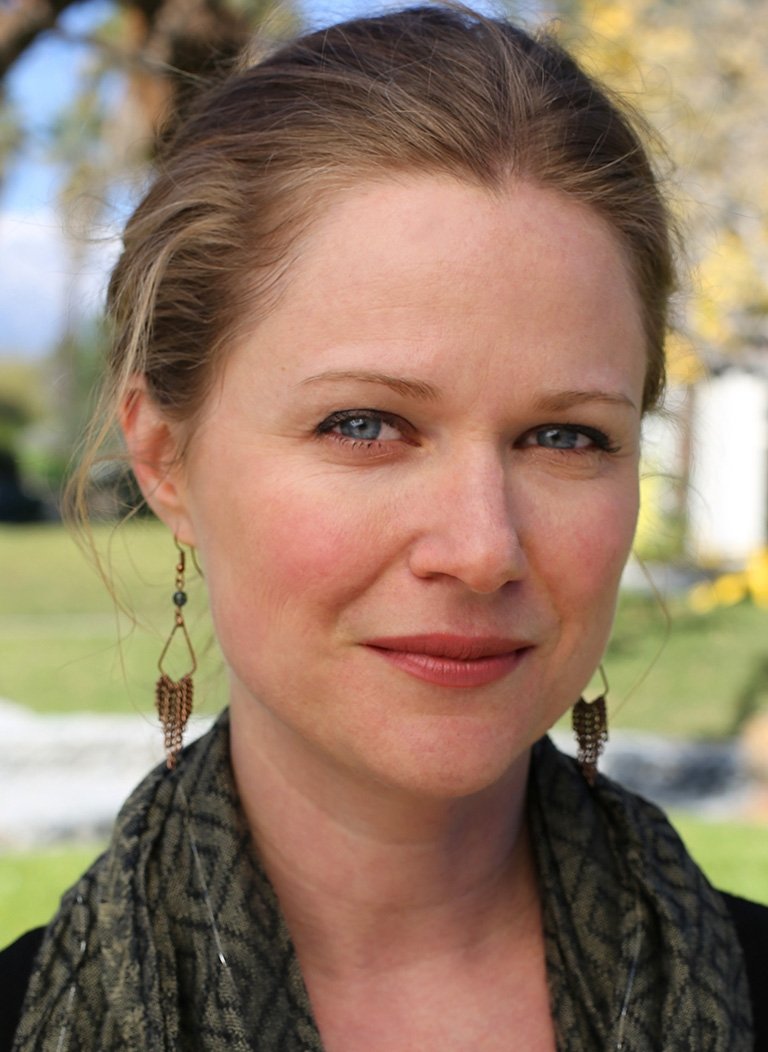
Harmony O'Rourke is Professor of History and Gender and Feminist Studies at Pitzer College since 2009, specializing in modern African history with emphasis on Cameroon, gender, and environmental humanities. Her acclaimed book 'Hadija’s Story' examines diaspora and belonging in the Cameroon Grassfields through oral history methodologies. Her educational background includes: PhD, Harvard University AM, Harvard University BA, Macalester College Research spans cultural history of modern Africa, gender and sexuality, religion, and postcolonial governance. She investigates how natural disasters, scientific knowledge, and political structures shape identity in West/Central Africa, particularly through oral histories of displacement and resilience. Publications reveal evolving focus from diaspora studies to contemporary crises: her work connects Cameroon's lake explosions with Cold War politics, analyzes pandemic impacts on academic gender equity, and contributes foundational entries to Oxford's African women's history references. Key themes include Islamic law in colonial contexts and decolonial approaches to religious knowledge. Her awards include: U.S. Department of Education Fulbright-Hays Doctoral Dissertation Research Award American Council of Learned Societies Fellowship Professor O'Rourke teaches interdisciplinary courses from World History to specialized seminars on African film and natural disasters. Her grant-supported research drives collaborative projects like the African Studies Association Women's Caucus pandemic statement, demonstrating commitment to translating scholarship into equity-focused academic practice.