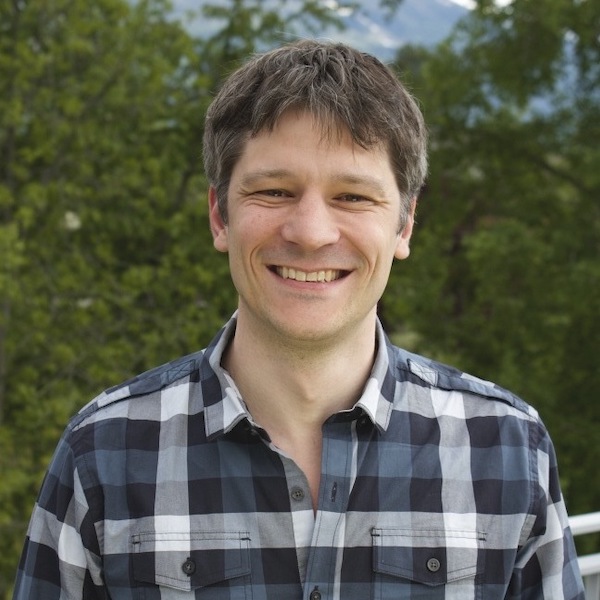
Jaime Fernández Fernández is a Senior Lecturer at the University of Leon's Faculty of Physical Activity and Sports Sciences. His research focuses on sports performance optimization, injury prevention, and biomechanical analysis in racket sports. Doctorate from Universidad de Oviedo (2007) Specializes in tennis, badminton, and handball performance Current research emphasizes neuromuscular adaptations and training load monitoring Jaime's research spans multiple disciplines including Sports Science , Exercise Physiology , and Racket Sports Biomechanics . His work explores neuromuscular performance , surface-specific training adaptations , and injury prevention strategies for youth athletes. Recent publications demonstrate expertise in serve mechanics analysis using Xsens technology, training load comparisons between racket and non-racket drills, and sex-based performance differences in various racket sports. Current affiliations include: University of Leon (Since 2019 - Full Professor) Miguel Hernández University of Elche (2013-2017 - Assistant Professor)
Mahmut ALP is an Associate Professor at the Department of Movement and Exercise Sciences , Faculty of Sports Sciences , Suleyman Demirel University . With a career spanning since 2014, he has held roles from Research Assistant to his current position as Department Chairman since 2024. Research Interests: Sports Injury Analysis Biomechanics of Athletic Performance Plyometric and Functional Training Youth Sports Development Publications focus on sports science applications across tennis, swimming, basketball, volleyball, and combat sports, with particular emphasis on: Anthropometric relationships with performance Stretching protocols and muscle strength Agility and power training Physiological responses in athletes Advising includes supervising PhD and Master's theses on topics like Conceptual Physical Education , Contrast Training in Basketball , and Fatigue Models in Volleyball .
Brian Schilling is a Professor in the Department of Kinesiology and Nutrition Sciences at the University of Nevada, Las Vegas (UNLV), where he has served since 2016. His academic work centers on human performance optimization for physically demanding professions, including military, law enforcement, and first responders. Schilling leads the Physically Demanding Professions Research Laboratory , focusing on training methodologies and physiological adaptations. He teaches Research Methods , Scientific Writing & Communication , and courses on Military/First Responder Human Performance . Education: M.S. in Exercise Science, Appalachian State University (1999) Ph.D. in Biology, University of Memphis (2004) Research Focus: Physical demands of tactical professions (military, law enforcement, fire/rescue) Exercise Physiology as a STEM discipline for workforce development Neuromuscular adaptations to resistance training Oxidative stress and recovery mechanisms Parkinson's disease rehabilitation through resistance training Publication Trends: His recent work investigates tactical athlete performance metrics, military equipment ergonomics, and physiological responses to training interventions. Articles from 2017-2024 emphasize biomechanics , fatigue analysis , and specialized training protocols for extreme environments. Additional Roles: Schilling serves as an Associate Editor for the Journal of Strength & Conditioning Research , contributing to evidence-led practices in sports and military performance domains.
Zach Agioutantis is the Foundation Professor and Department Chair of Mining Engineering at the University of Kentucky's Stanley and Karen Pigman College of Engineering. He has held academic positions at the Technical University of Crete, Greece, from 1989 to 2014, including roles as Professor, Director of the Rock Mechanics Lab, and various faculty ranks. PhD, Mining and Minerals Engineering, Virginia Tech (1987) MSc, Mining and Minerals Engineering, Virginia Tech (1984) Diploma, Mining and Metallurgical Engineering, National Technical University of Athens (1982) His research spans Rock Mechanics, Geomechanics, Subsidence Engineering, Data Management, and Sustainable Mining . Recent work focuses on blast vibration modeling, groundwater flow simulation, and transitioning from open-pit to underground mining. He has pioneered LiDAR navigation in underground openings and developed software tools for mine design. Zach's 15 most recent publications (2025–2024) address dynamic subsidence prediction, coal pillar stability, autonomous mining systems, and environmental impacts of longwall mining. Key subfields include Blast Fragmentation , Geohazard Assessment , and Mine Automation . He has directed the Rock Mechanics Lab at Technical University of Crete and contributed to software development projects like Analysis of Coal Pillar Stability (ACPS). His work integrates machine learning and numerical modeling for methane gas forecasting and structural safety in mines.
Claudio Lomnitz is the Campbell Family Professor of Anthropology and Chair of the Department of Anthropology at Columbia University. He is also the Director of Columbia's Social Studies of Disappearance Lab, housed within the Anthropology Department. His academic career spans several decades with significant contributions to the study of Latin American, particularly Mexican, history, politics, and culture. His educational background includes: PhD in Anthropology from Stanford University (1987) MA in Anthropology from Stanford University (1979) Licenciado from Universidad Autónoma Metropolitana, Mexico City (1978) Lomnitz's research explores diverse yet interconnected themes including Art, Objects, and Public Makings ; Gender, Sexuality, Genealogy, and Ancestrality ; Institutions, Law, and Governmentality ; Text, Translation, Writing, and Aesthetics ; Theater, Ritual, and Performance ; Value, Commodities, Gift & Debt ; War, Nationalism, Displacement, Trauma ; and Empires, States, and Sovereignties . His work consistently focuses on the historical and contemporary dynamics of Mexican society, with particular attention to how cultural practices shape political formations and vice versa. Over the past decade, Lomnitz's publications have increasingly focused on the relationship between state sovereignty and organized crime in Mexico, examining how criminal organizations develop their own political theologies and moral frameworks. His recent trilogy explores the 'torn social fabric' of contemporary Mexico, analyzing how violence, disappearance, and alternative forms of sovereignty reshape Mexican society. He has developed the concept of 'negative sovereignty'—sovereignty that arises through armed force rather than democratic processes—which has become influential in understanding the contemporary Mexican state. Lomnitz has received notable recognition for his work: Mexico's National Drama Award (2010) for his play 'El verdadero Bulnes' Beyond his academic work, Lomnitz is actively engaged in public intellectual life, regularly contributing to the Mexico City press. He has also collaborated with his brother Alberto Lomnitz on theatrical productions, including 'La Gran Familia,' a musical co-produced by Mexico's National Theater Company and UNAM in 2018. His Social Studies of Disappearance Lab at Columbia represents a significant institutional commitment to understanding the complex phenomena of violence and disappearance in contemporary Mexico, bringing together students and scholars to analyze these critical issues through an anthropological lens. Through his interdisciplinary approach that bridges anthropology, history, and cultural studies, Lomnitz has established himself as a leading scholar of Mexican society whose work increasingly addresses urgent contemporary issues of state formation, violence, and sovereignty in the 21st century.
Monica Solana Tramunt is a Lecturer in the Sport Science and Sport Management Department at Ramon Llull University's Blanquerna School of Psychology, Education and Sports Sciences. Her work focuses on sports medicine applications, athletic performance optimization, and injury prevention strategies across populations ranging from elite athletes to older adults. She contributes to the SAFE: Salut, Activitat Física i Esport research group, exploring topics like core strength development, proprioception in aging populations, and biomechanical adaptations in sports. Her educational background aligns with sports science disciplines, though specific degree details are not provided in the text. Research collaborations include projects on sleep deprivation effects in healthcare workers and cognitive-motor interaction in dual task environments. Current research emphasizes: Joint mobility analysis in tennis athletes Lumbar spine mechanics in elite swimmers Cognitive-motor training for elderly postural control Plyometric training efficacy in rhythmic gymnastics Her publications (2022-2025) demonstrate methodological rigor through randomized controlled trials and clinical applications. Active projects span 7 initiatives including multi-year research grants focusing on physical activity health benefits and sports injury mitigation.
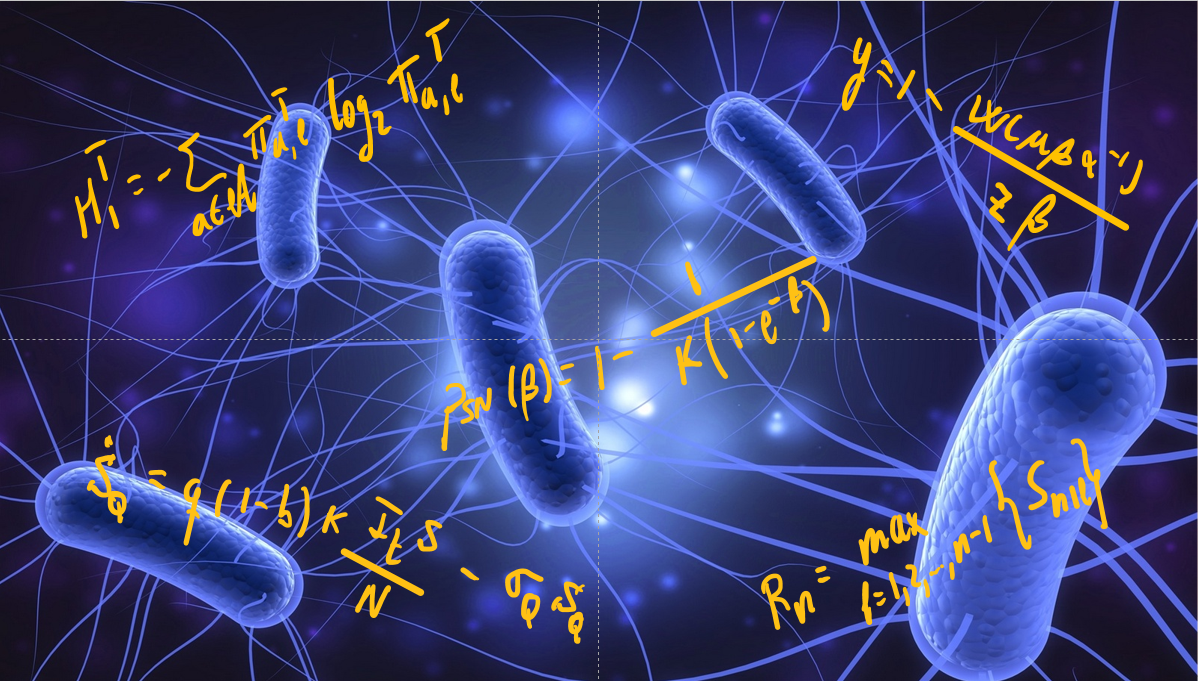
Dr. Francisco Perez-Reche is a Reader in the School of Natural and Computing Sciences at the University of Aberdeen, where he has been a faculty member since 2012. He is actively involved in research, teaching, and supervising PhD students. His work bridges applied mathematics, data science, and public health, with a focus on modeling infectious diseases and food safety risks. His research interests include: Mathematical and computational modeling of infectious disease transmission Machine learning for source attribution in epidemiology Quantitative risk assessment using Monte Carlo simulations Network-based immunization strategies (e.g., explosive immunisation) Dose-response modeling for pathogens like E. coli O157 and Campylobacter His recent publications reveal a strong focus on public health challenges, including the role of untested individuals in COVID-19 spread, post-COVID health outcomes like diabetes and mental illness, and the origins of zoonotic pathogens. He applies interdisciplinary methods combining statistics, machine learning, and mathematical physics to real-world health problems. Dr. Perez-Reche has contributed to high-impact studies involving large datasets and collaborations with public health agencies across Europe. His work has been covered by major media outlets including The Times, BBC, and international science news platforms. He teaches courses in mathematical methods, machine learning, and physics, and serves as Director of Undergraduate Pathways in Physics at Aberdeen. He is a member of the Aberdeen Group for the Mathematics of Infectious Diseases (AGMID) and the Centre for Bacteria in Health and Disease (CBHD).
Andrea Cannata is a Full Professor of Solid Earth Geophysics at the University of Catania , Italy. He serves as a key researcher at the National Institute of Geophysics and Volcanology (INGV-OE) , contributing to multidisciplinary studies in volcanology , seismology , and microseism analysis . His career spans institutions like the University of Perugia (2015–2018) and collaborations with global entities such as the Berkeley Seismological Laboratory and NIED, Japan . Education: PhD in Geodynamics and Seismotectonics (University of Catania, 2009), Master’s in Theoretical and Applied Geophysics (University of Pisa, 2004), Bachelor’s in Geological Sciences (University of Catania, 2002). Research Focus: Analysis of seismic and infrasound signals in volcanic environments, magma dynamics, volcano-earthquake interaction, seismic noise interferometry, and machine learning applications in geophysics. Publications highlight his expertise in volcanic tremors , lava fountain monitoring , microseism-storm correlation , and Antarctic seismo-climatic studies . His work spans 75+ ISI JCR papers , book chapters , and scientific reports , with significant contributions to machine learning in volcano monitoring and COVID-19 lockdown seismic noise analysis . Projects include i-waveNET for Mediterranean sea state monitoring and multiparametric studies of Mount Melbourne and Stromboli paroxysms . His Antarctic expeditions (2016–2017) advanced understanding of glacial seismicity and volcanic degassing .
Ricardo Mora Custodio is a Lecturer in the Department of Deporte e Informática at Universidad Pablo de Olavide, specializing in Physical Education and Sport. His research focuses on resistance training optimization, velocity-based methodologies, and neuromuscular adaptation. He is affiliated with the RFYD Rendimiento Físico y Deportivo research group under the Ciencias Sociales y Jurídicas PAIDI area and contributes to doctoral programs in Physical Activity, Sport, and Health Sciences. Educational Background Doctorate in Physical Activity, Sport, and Health Sciences (2017) from Universidad Pablo de Olavide, with a thesis on the effects of resistance training variables on sprint and jump performance. Research Focus His work explores: Movement velocity as an indicator of training intensity Load optimization in resistance and sprint exercises Neuromuscular fatigue monitoring via effort index Combined training modalities for youth athletes Recovery dynamics in resistance protocols Article Trends Recent publications (2015–2023) emphasize: Velocity-based training metrics Sled sprint and squat mechanics Load configuration effects Effort prediction models Gender-specific adaptations Technological integration in performance assessment
Gregory P. Waite is a Professor in the Department of Geological and Mining Engineering and Sciences at Michigan Technological University's College of Engineering. His research focuses on applying seismology to study Earth processes from the crust to the upper mantle, with particular emphasis on volcanic and tectonic systems across diverse locations including Yellowstone, Mount St. Helens, and Central American volcanoes. Dr. Waite earned his PhD and MS in Geophysics from the University of Utah and his BS in Mathematics from St. Norbert College. His educational background provides a strong foundation for his quantitative research in seismic analysis and modeling of geological processes. Dr. Waite's research spans multiple areas of geophysics and volcanology. He specializes in seismic source mechanisms of tectonic and volcanic earthquakes, mantle and crustal-scale seismic tomography, and the relationship between seismic anisotropy and fluid dynamics. His work integrates seismology with other geophysical techniques to develop comprehensive models of active processes in the Earth's crust and upper mantle. A significant portion of his research focuses on active-source investigations of magmatic systems and understanding how earthquakes can be triggered by magmatic and hydrous fluid migration. His research often involves field deployments at active volcanoes for seismic monitoring and data collection. Analysis of Dr. Waite's recent publications reveals a consistent focus on volcanic seismicity, particularly at Central American volcanoes like Fuego and Pacaya in Guatemala. His work frequently combines seismic data with geodetic measurements (GPS, InSAR) to understand magma movement, volcanic deformation, and eruption dynamics. There's a clear progression toward more sophisticated analysis techniques, including nonlinear inversion methods for studying volcanic seismic signals and developing improved approaches for volcanic hazard assessment and eruption forecasting. Dr. Waite teaches several advanced courses at Michigan Tech including Earthquake Seismology (GE4560/5560), Natural Hazards (GE4150/5150), Intercultural Communication of Natural Hazards (GE5001), Geophysical Inverse Theory (GE5950), Open-Vent Volcanoes Seminar (GE5185), and Volcano Seismology (GE5195). His teaching reflects his research expertise and commitment to training the next generation of geoscientists in both theoretical and practical aspects of earth sciences. Dr. Waite directs the Shock Tube Facility at Michigan Tech, which supports experimental research related to volcanic processes. His research often involves collaboration with scientists from other institutions, as evidenced by his numerous co-authored publications. While specific grant information isn't detailed in the available text, his research activities suggest involvement in externally funded projects focused on volcanic monitoring and hazard assessment.
Dr. Michael Farrenkopf is the Director of the Montanhistorisches Dokumentationszentrum (montan.dok) at the Deutsches Bergbau-Museum Bochum since 2001, serving concurrently as a lecturer (Lehrbeauftragter) at Ruhr-Universität Bochum and TU Bergakademie Freiberg. He holds a PhD from TU Berlin on coal mining safety in the Ruhr region. His work focuses on industrial archaeology, mining history, archival science, and cultural heritage preservation. Education: Studied History, Public Relations, and Art History at Universities of Mainz and Berlin. Completed his doctoral thesis "Schlagwetter und Kohlenstaub" at TU Berlin in 2003, analyzing explosion risks in 19th-century coal mining. Research interests include historical authenticity of museum objects, industrial heritage management, mining accident history, and comparative environmental policies between East and West Germany. Active in over 30 research projects, including digitization of mining blueprints and transnational studies of industrial decline. Publications span over 50 works, including catalogues for major exhibitions like "Das Zeitalter der Kohle" (2018) and edited volumes on mining history, coking technology, and industrial archaeology. Serves on 15+ academic boards including the Leibniz-Gemeinschaft and Georg-Agricola-Gesellschaft. Leadership roles include Deputy Director of the museum (2020-2022), and oversight of montan.dok’s archival infrastructure. Coordinates international collaborations on industrial heritage preservation and museum curation practices.
Rene Breton is a Professor of Astrophysics at The University of Manchester, leading research in neutron stars, pulsars, transients, and binary systems. He also applies remote sensing techniques to agricultural challenges, such as tracking invasive species like Parthenium in Pakistan using satellite data. His academic roles include Deputy Head of the Department of Physics and Astronomy and former Head of Research. Breton holds significant grants, including the ERC Starting Grant and Marie Curie Fellowship, and has supervised 19 students. Education: PhD in Astrophysics from McGill University (2009), BSc in Physics from Université Laval (2003). Key Positions: Professor at The University of Manchester (2020–present), Reader (2017–2020), Lecturer (2014–2017). Research Group: Jodrell Bank Centre for Astrophysics Pulsars and Time Domain Astrophysics Group. His research explores fundamental physics via extreme astrophysical environments, including probing neutron star matter and gravity theories. Notable projects include the GOTO telescope array for transient detection and the TRAPUM pulsar survey with MeerKAT. He actively engages in public outreach, including collaborations with citizen science platforms like Kilonova Seekers. Recent Work: Focus on fast radio bursts, supernova progenitors, and gravitational wave follow-up. Recent publications include discoveries of hyperactive FRBs and insights into helium-interaction-driven supernovae. Awards: FP7 Marie Curie Fellowship (2014), H2020 ERC Starting Grant (2017). Teaching: Co-leads the Introduction to Data Science course for physics undergraduates. Labs/Teams: GOTO collaboration, BlackGEM telescope array, and MeerKAT TRAPUM project.
Benedikt Lauber is a Senior Lecturer and Researcher at the University of Fribourg, within the Faculty of Science and Medicine, Section of Medicine. He is affiliated with the Department of Neurosciences and Movement Sciences (NMS), where he conducts research on motor control, neuromuscular adaptations, and exercise physiology. His work bridges neuroscience, sports science, and rehabilitation, with a focus on cortical inhibition, blood flow restriction training, and tendon biomechanics. His research interests include: Neuromuscular control and cortical inhibition Blood flow restriction and resistance training adaptations Tendon morphology and mechanical properties Neuroplasticity induced by exercise and neuromodulation Motor learning and interference in dual-task performance Biomechanics in sports such as ski jumping and choral singing Analysis of his recent publications (2019–2023) reveals a strong focus on the neural and biomechanical effects of different training modalities. A recurring theme is the comparison between low-load blood flow restriction and high-load resistance training, particularly regarding tendon adaptations. Another major line of research involves transcranial direct current stimulation (tDCS) and its interaction with exercise-induced neuroplasticity. His work also extends into applied domains such as choral singing biomechanics and ski jumping imitation validity, demonstrating interdisciplinary reach. Benedikt Lauber actively collaborates with a core group of researchers including Wolfgang Taube, Adam Gollhofer, Christoph Centner, and David König. His publications appear in high-impact journals such as Scandinavian Journal of Medicine & Science in Sports , Frontiers in Physiology , and Neuropsychologia .
Steven M. Howell is a Professor and Chair of the Department of Kinesiology and Physical Education in the College of Education at Northern Illinois University. His work spans academic leadership, research, and teaching in sport management and policy. His research interests include sport policy, alcohol use in sport settings, workplace practices in athletics, and sport for social change. These are explored through interdisciplinary lenses, combining public health, organizational behavior, and education. His recent publications reflect a focus on athlete development, health interventions, performance physiology, and officiating perceptions. Collectively, they demonstrate a commitment to evidence-based practices in sport and physical activity. Scientific Awards: No awards listed in the provided text. Dr. Howell has served as co-Principal Investigator on externally funded projects, including a $110,380 grant from the U.S. Department of State for a youth sport initiative. He advises students and contributes to curriculum development across undergraduate and graduate programs in sport management. He is actively involved in research and outreach, contributing to initiatives such as the Fitness Assessment, Consulting and Technology (FACT) Lab and the NIU Healthcare Education Alliance for Learning and Scholarship (HEALS).
Mirjana Milić is an Associate Professor at the Faculty of Kinesiology, University of Split. She holds a doctoral degree in Kinesiology from the same institution (2014). Her academic work focuses on sports kinesiology, volleyball, and physical education methodologies. Research Interests: Volleyball, sports research methodology, kinesiological education, anthropometry, motor skills, physical activity Teaching Roles: Lecturer for undergraduate and graduate courses including Systematic Kinesiology, Volleyball Methodology, and Research Methodology Her publications emphasize volleyball player profiling, injury prevention, and the intersection of physical activity with public health and education. She contributes to understanding motor ability development in youth athletes and has explored topics like health literacy among university students.