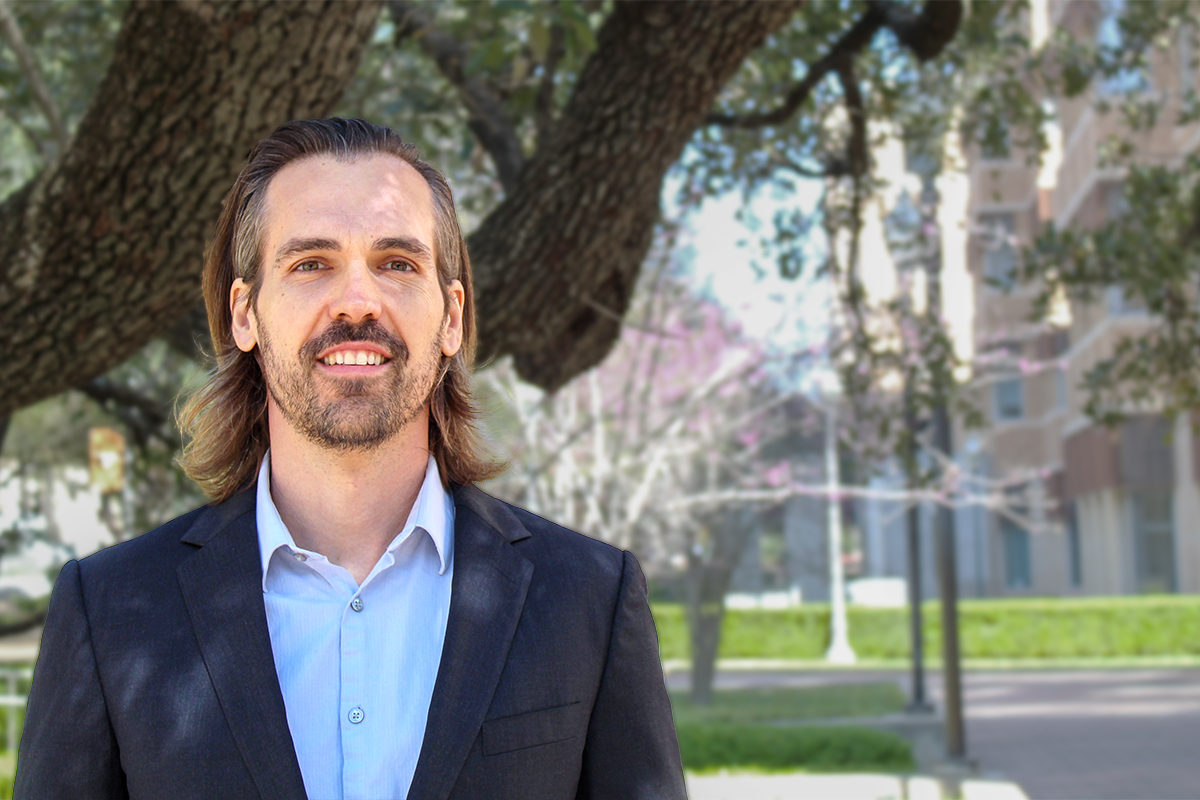
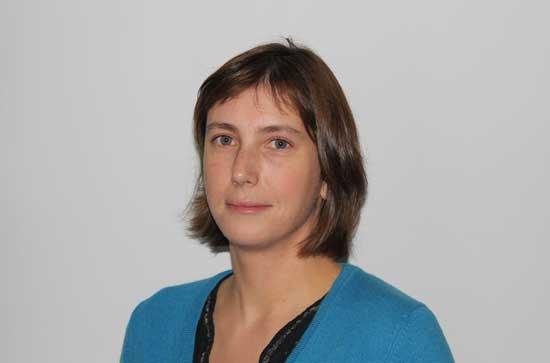
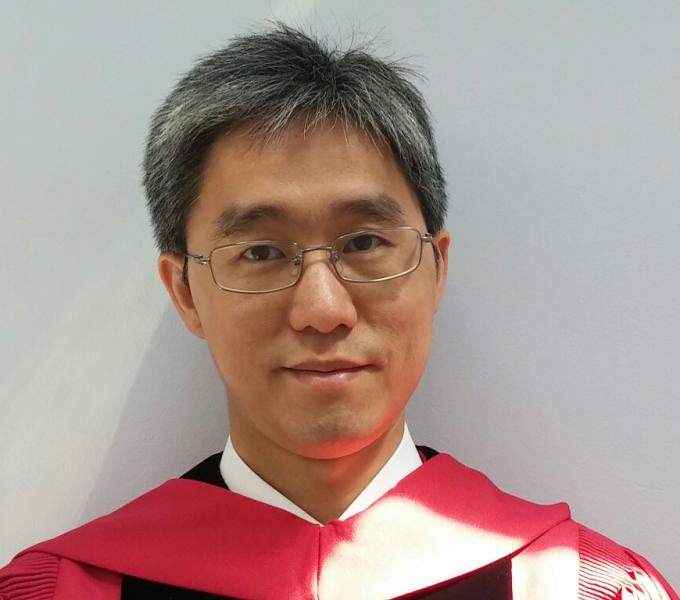
Ralf Bierig joined Maynooth University's Computer Science Department in 2017, teaching topics including information retrieval, software testing, interaction design, and virtual reality. He is the programme director of the Higher Diploma in Human-Computer Interaction (HCI) and User Experience (UX). He earned his BSc (2002) from University of Furtwangen and PhD (2008) from Robert Gordon University. Research Interests His work spans information retrieval, interactive information retrieval, personalisation, information search behavior, usability (UX), and virtual reality (VR). Recent publications focus on multimodal concept indexing, hybrid IR approaches, and contextual adaptation in search systems. Publication Trends His research combines statistical semantics, graph modeling, and multimodal data analysis across academic collaborations in Austria, Germany, and international venues like ECIR and SIGIR.
Steven Andrew Culpepper is a Professor of Statistics at the University of Illinois at Urbana-Champaign, holding additional appointments as Professor in the Beckman Institute for Advanced Science and Technology, Psychology, and Educational Psychology. He specializes in quantitative methods for social sciences, focusing on psychometric models, latent class analysis, and statistical computing. Education: PhD, Educational Psychology, University of Minnesota, 2006 BS, Economics, Bowling Green State University, 2001 Research interests include advanced statistical methodologies such as latent class models, high-stakes testing analysis, and applications of Bayesian computing in education and organizational research. His work emphasizes improving large-scale assessment systems through innovative modeling approaches. His publications consistently address latent structure modeling, cognitive diagnosis frameworks, and methodological advancements in educational and behavioral statistics. While no scientific awards are explicitly listed, his contributions to psychometric theory and statistical software development are notable. Steven has grants and consulting projects related to statistical methodologies but specific grant details are not provided in the texts. He has no listed advisees/PhD students in the provided information. He collaborates across disciplines through affiliations with the Beckman Institute and maintains active software development projects, including R packages like 'rrum' and 'pathmodelfit'.
Brad Knox is a Research Associate Professor in the Department of Computer Science at the University of Texas at Austin . His work bridges machine learning, human-computer interaction, and computational cognitive science, with a focus on developing systems that learn from human feedback. Key research areas: Reinforcement Learning, Human-AI Interaction, Reward Design, Autonomous Systems Notable contributions: TAMER framework for human-guided learning, empirical studies on reward misdesign, and human preference modeling for autonomous agents Research Trends : His recent work (2023-2025) emphasizes reward alignment, safety in autonomous systems, and preference-based learning frameworks. Earlier studies (2012-2020) established foundational methods for integrating human feedback into reinforcement learning architectures and exploring behavioral signatures in decision-making. Scientific Honors : Bert Kay Dissertation Award (2013) Victor Lesser Distinguished Dissertation Award (IFAAMAS, Runner-up, 2013) NSF SBIR Grant (PI, 2016) NSF Graduate Research Fellowship (2008-2011) IEEE Intelligent Systems AI 10 to Watch (2013) Teaching & Leadership : Knox served as Principal Lecturer for MIT's Interactive Machine Learning course (2013) and held organizational roles at major conferences including Reinforcement Learning Conference (Scheduling Chair, 2025) and RLDM workshop (Co-chair, 2022).
Olga Kokshagina serves as an Associate Professor in Innovation & Entrepreneurship at The University of Sydney, with adjunct research appointments at Monash University's Emerging Technology Lab and the UNU Hub - Learning Planet Institute. She is also an active member of the French Digital Council. Her research program investigates technology-mediated collaboration in complex innovation systems, focusing on healthcare transformation, deep tech commercialization, and co-design methodologies. Kokshagina has led high-impact projects with global institutions including the World Health Organization, OECD, STMicroelectronics, Vall d’Hebron Hospital, and Roche, demonstrating strong translational research capabilities. Her scholarly work centers on value-based healthcare innovation, digital platform governance, and AI-enhanced collaborative systems. She examines how organizational capabilities evolve during technological transitions, particularly in healthcare ecosystems, and investigates regulatory frameworks for algorithmic control in digital markets. Kokshagina's research bridges theoretical innovation management with practical applications, evidenced by her co-founding of Ninti—an initiative advancing women's health in workplace environments—and her Open Covid-19 crowdsourcing campaign that mobilized global expertise during the pandemic. Analysis of her 2021-2025 publications reveals a cohesive trajectory examining innovation in socio-technical systems. Key themes include value digitalization in healthcare, mission-oriented interdisciplinary collaboration, and the impact of big data on technology management. Her work consistently addresses grand challenges through mixed-methods approaches, spanning conceptual frameworks in journals like Research Policy to applied studies in Technovation and R&D Management, with increasing focus on quantum readiness and AI-augmented learning systems. No scientific awards are documented in the provided materials. Kokshagina currently holds a 2025 research grant for "Co-designing societal readiness and scenario building for quantum" through the University of Sydney Nano Institute/Catalyst program. While no student supervision activities are mentioned, her collaborative projects involve multi-institutional teams across industry, government, and academic sectors. Kokshagina maintains active roles within the University of Sydney Nano Institute and contributes to international policy discourse through the French Digital Council. Her Ninti initiative exemplifies her commitment to human-centered innovation, while ongoing collaborations with healthcare providers like Roche and Vall d’Hebron Hospital demonstrate sustained engagement with real-world implementation challenges in value-based care systems.
Li Cai is a Professor and Director at the National Center for Research on Evaluation, Standards, and Student Testing (CRESST) within the Graduate School of Education and Information Studies at the University of California, Los Angeles (UCLA). His work focuses on quantitative methods in education, particularly psychometrics and statistical modeling. Ph.D. in Quantitative Psychology from the University of North Carolina – Chapel Hill Research and teaching interests center on psychometrics, latent variable models, item response theory, nonlinear mixed models, and statistical computation. His methodological work addresses advanced techniques for educational assessment and model evaluation. His representative publications include studies on covariance structure models, item response theory, bifactor analysis, and goodness-of-fit testing. These works often emphasize computational algorithms and practical applications in educational measurement. Li Cai is affiliated with CRESST at UCLA, a leading center dedicated to rigorous research, assessment design, and evaluation methodology across diverse educational contexts.
Prabir Burman is a Professor in the Department of Statistics at the University of California, Davis, with a career spanning over three decades. His research focuses on nonparametric function estimation, model fitting/selection, image analysis, time series, and discrete data. Education: Ph.D. (1982) and Master of Statistics (1977) from University of California, Berkeley; Bachelor of Statistics (1976) from Indian Statistical Institute, Calcutta. His work bridges theoretical statistics and applied problems, including ecological studies (e.g., coyote parasites, mountain lion tracking), biomedical research (e.g., metabolic syndrome in bipolar patients), and time series forecasting. He has secured multiple NSF and NSA grants for projects on multivariate analysis, shape modeling, and covariance estimation. Recent publications highlight his expertise in predictive model fitting, stock return analysis, and stroke survivor studies. While not explicitly listing awards, his editorial roles (e.g., Journal of Multivariate Analysis) and collaborative grants underscore his academic leadership.
Daniel Frischemeier is a Professor of Mathematics Didactics with a focus on Primary Education at the University of Münster's Faculty of Mathematics and Computer Science. He has established himself as a leading researcher in statistics and data science education for primary school students, with extensive contributions to educational methodology and teacher training. University of Münster (2021-present) TU Dortmund (2020-2021) University of Paderborn (2009-2020) Ludwig-Maximilians-Universität München (2017-2018) Dr. Frischemeier completed his doctoral studies at the University of Paderborn with a dissertation on statistical thinking and research using TinkerPlots software. His educational background includes graduate studies in Mathematics and undergraduate studies in Mathematics and Physics for teaching at various school levels. His research focuses on the design and testing of teaching-learning environments for primary mathematics education, particularly in the areas of data analysis, probability, and statistics. He conducts qualitative analysis of learners' cognitive processes related to the guiding principle of 'data and chance' in primary education. His work also includes the design and evaluation of teaching materials in data science and civil statistics, the use of learning videos to promote process-related skills, and the implementation of Fermi tasks and computer science education within primary mathematics lessons. Analysis of Dr. Frischemeier's recent publications reveals a strong emphasis on data literacy development in primary education, with increasing focus on the integration of digital tools and the conceptual understanding of data as models. His work bridges mathematics education with emerging fields of data science, addressing both theoretical frameworks and practical classroom applications. The research demonstrates a progression from basic statistical concepts toward more complex data modeling approaches suitable for young learners. Elected member of the International Statistical Institute (ISI) Chair of the Local Organizing Committees for IASE Satellite 2025 Conference Council-Member of the International Statistical Institute Special Edition Editor of the Statistics Education Research Journal Member of International Program Committees for major statistics education conferences Co-Leader of CERME Thematic Working Group 5 on Probability and Statistics Education Dr. Frischemeier serves in numerous editorial capacities and review roles for prominent journals in mathematics and statistics education. He leads significant research projects including 'Promoting Data Science Education for Teacher Education at the University level (DataSETUP)' and 'Data Science Education in STEAM for Civic Engagement and Social Justice from the Early Years (DataScEd4CiEn)'. His work has substantial impact on teacher education programs and curriculum development in statistics and data science for primary schools. He is actively involved in the development and leadership of the Math Center Münster (MaZ), which promotes mathematical potential for all students. His team includes numerous research assistants and doctoral candidates working on various aspects of mathematics education research, particularly focusing on data literacy and statistical reasoning in primary education contexts.
Dr. Debraj Roy is a Visiting Professor at the University of Amsterdam (UvA), affiliated with the Faculty of Science, Mathematics and Computer Science and the Informatics Institute. His research focuses on agent-based modeling, socio-economic dynamics, environmental resilience, and blockchain technology. He investigates complex systems such as urban slums, disaster recovery, and climate adaptation using computational methods like remote sensing and machine learning. His work bridges theory and practice, offering insights into policy design for sustainable development and social equity. Key research interests include slum dynamics, poverty traps, and the application of blockchain oracles for decentralized systems. He employs advanced techniques such as global sensitivity analysis and manifold learning to explore multi-scale socio-environmental challenges. His recent articles highlight trends in carbon pricing, flood risk valuation, and multi-agent systems. Earlier work concentrated on urban inequality in cities like Bangalore and Mexico City, leveraging geospatial and statistical tools. No scientific awards or grants are explicitly listed. His advising and team collaborations are unspecified in the provided text.
Dr. Miriam Sturdee is a Lecturer in Human-Computer Interaction (HCI) at the School of Computer Science, University of St Andrews. Her work focuses on advancing HCI through innovative methods in design, education, and interdisciplinary collaboration. She actively contributes to research areas such as visual data analysis, blended experiences, and healthcare technology, with notable expertise in sketching techniques and their applications in user-centered design. Dr. Sturdee supervises PhD candidates Jess McGowan and Junyu Zhang, guiding their research in HCI-related domains. Her research interests span HCI pedagogy, cybersecurity visualization, and sustainable design, emphasizing inclusivity and accessibility. Collaborations include workshops on digital-physical integration and participatory design for healthcare communication. She has co-authored a practical guide on sketching theory and actively participates in academic conferences, contributing to discussions on knowledge production and materiality in HCI. Dr. Sturdee’s work aligns with UN Sustainable Development Goals, particularly in advancing healthcare equity and sustainable practices. She engages in outreach activities, such as the Doors Open @ Computer Science event, fostering public engagement with technology. Her publications reflect a commitment to bridging artistic expression with computational methods, exploring topics like parasocial interactions in games and remote sketching in distributed teams.
Dr. Daniel A. Sass is an Associate Dean for Graduate Studies and Associate Professor in the Department of Management Science and Statistics at the University of Texas at San Antonio’s Carlos Alvarez College of Business. He directs the Statistical Consulting Center and focuses on methodological research, including psychometrics, structural equation modeling, and factor analysis. His applied work spans education, public health, and organizational behavior. Education: Ph.D. in Management Science and Statistics, University of Wisconsin-Milwaukee B.A., University of Wisconsin-Milwaukee Research Interests : Dr. Sass specializes in advanced statistical methodologies with applications in education and social sciences. His work emphasizes psychometric validation, measurement invariance, and applied collaborative projects. Key areas include teacher retention, classroom management, and cross-cultural scale adaptation. His research bridges theoretical statistical frameworks with real-world challenges in education and public policy. Publications Trends : Recent work explores pandemic impacts on productivity, educator stress in charter schools, and diabetes management programs. Earlier studies focus on statistical methods like factor analysis and structural equation modeling validation. His articles consistently address practical implications for policy and practice. Advising/Grants : While no advisees are listed, his collaborative projects involve interdisciplinary teams across education, public health, and organizational studies. His Statistical Consulting Center supports UTSA researchers in applying rigorous statistical methods to their work. Labs/Teams : Director of the Statistical Consulting Center, providing methodological support for academic and applied research projects.
Jacques Gautier is an Assistant Professor in Geovisualization at LASTIG, part of the French National Geographic Institute (IGN France) since September 2020. He is a member of the GEOVIS research team focusing on advanced geovisualization techniques for spatio-temporal data analysis. Prior to his current position, he served as a Postdoctoral Researcher at LASTIG working on the Urclim European project, developing geovisualization methods for climate data in urban environments. His educational background includes a PhD in Geography from Université Grenoble Alpes (2015-2018), where his dissertation focused on "GrAPHiST: An exploratory analysis approach for identifying the dynamics of spatio-temporal phenomena," and an Engineering degree in Geographical Information Science from ENSG (2009-2012). Dr. Gautier's research focuses on innovative approaches to visualize complex spatio-temporal data across multiple domains. His expertise spans meteorological data visualization, epidemiological data visualization, 2D/3D geovisualization techniques, and exploratory data analysis of spatio-temporal phenomena. He has developed specialized methods for identifying cyclic patterns in time-series data, visualizing uncertainty in ensemble forecasting systems, and creating interactive visualization environments for domain experts in urban planning, public health, and emergency response. Analysis of Dr. Gautier's publication record reveals a consistent focus on developing visualization techniques that bridge theoretical advances with practical applications. His work spans urban climate analysis, pandemic response (particularly during COVID-19), and mountain rescue operations. A distinctive aspect of his research is the integration of harmonic analysis with visual exploration to identify cyclic patterns in spatio-temporal data, as demonstrated in his GrAPHiST framework. Dr. Gautier has been actively involved in several significant research projects including ORACLES (focusing on ensemble forecasts of marine submersion), Urclim (aiming to develop integrated Urban Climate Services), and Choucas (an interdisciplinary project to assist mountain rescue operations). These projects highlight his ability to translate visualization research into practical decision-support tools for critical situations. As a member of the GEOVIS research team, Dr. Gautier contributes to advancing geovisualization methodologies through both theoretical development and practical implementation. His work on mixed temporal diagrams, helical time representations, and uncertainty visualization has provided new approaches for exploring complex spatio-temporal datasets across multiple disciplines.
Alexia Delfino serves as Assistant Professor in the Department of Economics at Bocconi University, with affiliations spanning CEPR DEV & OE, J-PAL, IZA, IGIER, LEAP, CESIfo, and BAFFI. She maintains a dual research presence as Visiting Research Fellow at STICERD. Her academic foundation includes a PhD in Economics from the London School of Economics (2020). Delfino operates at the intersection of Development, Organizational, and Behavioral Economics, employing experimental and survey methodologies to investigate how social norms, institutions, and identity shape labor market disparities and organizational productivity. Her fieldwork spans both developed and developing economies, with particular emphasis on gender dynamics in entrepreneurship and workplace culture. Recent projects examine trauma's impact on economic decision-making and value alignment in corporate environments. Her publication trajectory reveals a consistent focus on gender economics and institutional analysis, with increasing methodological sophistication in field experiments and cross-national comparisons. The 2024-2025 publications demonstrate expansion into historical data analysis and team dynamics while maintaining core themes of gender barriers and entrepreneurial ecosystems. Recognition includes: UniCredit Foundation Best Paper Award on Gender Economics (2021) Research funding reflects policy relevance through partnerships with major development institutions: J-PAL Global Economic Affairs and Policy & Performance Evaluation Innovations for Poverty Action (IPA) Exploratory and Research Grants LEAP and Weiss Fund support for gender-focused field experiments IGA-Rockefeller Research and Impact Fund for trauma economics research She leads international collaborations examining reskilling interventions in Italy, lactation infrastructure in Kenya, and teenage job experimentation in Switzerland, demonstrating strong cross-institutional research networks with Harvard, LSE, and World Bank affiliates.
Katarina Domijan is an Associate Professor in Statistics at the Department of Mathematics and Statistics, Maynooth University, Ireland. She holds a PhD in Statistics from Trinity College Dublin (2008) and has been affiliated with Maynooth University since 2008, transitioning from Lecturer/Assistant Professor to her current role in 2024. Her academic career includes editorial roles as Associate Editor for The R Journal (2021–present) and the Journal of Computational and Graphical Statistics (2015–2024). Research Interests focus on Bayesian methods for high-dimensional data, particularly in classification problems. She specializes in feature selection and model visualization, with applications spanning agricultural data analysis (e.g., hyperspectral imaging for lactose prediction), medical diagnostics (e.g., sepsis and cancer detection), and space physics (e.g., Saturn Kilometric Radiation classification). Her work bridges theoretical statistics with real-world challenges, including socio-economic studies and forensic science. Key Research Areas Bayesian statistical inference Machine learning for large feature spaces Statistical computing and model interpretability Data visualization and chemometrics Scientific Contributions include leading projects like VistaMilk Phase II (2024–2030, €152,300) and Measuring Carbon Sequestration (2024–2028, €174,788.90). Her 15 most recent publications highlight advancements in ensemble modeling, spatial statistics, and medical diagnostics. Scientific Awards Associate Editor, The R Journal (2021–present) Associate Editor, Journal of Computational and Graphical Statistics (2015–2024) Student Supervision includes PhD and MSc graduates such as Dr. Bruna Wundervald (2024) and Dr. Mark O’Connell (2017). She also collaborates with researchers across disciplines, including Dr. Nadim Akasheh in food hypersensitivity studies.
Dr. George C Tseng serves as Professor and Vice Chair for Research in the Department of Biostatistics at the University of Pittsburgh School of Public Health, with secondary appointments in Human Genetics and Computational and Systems Biology. His educational background includes a BS (1997) and MS (1999) in Mathematics from National Taiwan University and an ScD (2003) in Biostatistics from Harvard School of Public Health. Dr. Tseng's research focuses on developing statistical methodologies for genomic and bioinformatic applications to advance precision medicine. His work spans multiple high-impact areas including multi-omics data integration, machine learning for high-dimensional data, cluster analysis for disease subtyping, and statistical methods for experimental design in omics studies. His approach emphasizes close collaboration with biological and clinical researchers to ensure methodological relevance to real-world problems. His publication record demonstrates consistent contributions to top statistical and bioinformatics journals, with recent work focusing on congruence analysis between animal models and humans, outcome-guided clustering methods, and high-dimensional causal mediation analysis. Elected Fellow, American Statistical Association (2017) Statistician of the Year, ASA Pittsburgh Chapter (2017) Provost's Award for Excellence in PhD Mentoring, University of Pittsburgh (2019) Clinical Research Scholar (K12) Award, NIH (2007-2009) Elected Member, International Statistical Institute (2012) Dr. Tseng has successfully mentored over 25 PhD students who have secured positions in academia, industry, and government agencies. His laboratory has maintained continuous NIH funding as principal investigator since 2012, including current grants R01CA285337 (2025-2030) and R01LM014142 (2023-2026). The Tseng Lab operates as a collaborative research environment focused on translating statistical innovations into practical solutions for biological and medical challenges, with strong connections to multiple research centers and clinical departments at the University of Pittsburgh.
Prof. George Magoulas is a Professor of Computer Science at the University of London's School of Computing and Mathematical Sciences and Director of the Birkbeck Knowledge Lab. He specializes in machine intelligence, machine learning algorithms, and AI system architectures, with applications in healthcare (e.g., neurodegenerative disease diagnosis) and educational technologies. His research has received awards from IEEE, ACM, and others. He holds a PhD in Nonlinear Optimization for Neural Networks and a PGCE in Higher Education. Education: BEng/MEng (Integrated Master's in Systems & Control Engineering), University of Patras, Greece PhD in Nonlinear Optimization for Neural Networks Learning, University of Patras, Greece PGCE in Teaching and Learning (Higher Education) Research & Leadership: He leads the Birkbeck Knowledge Lab, focusing on AI's impact on learning and communication. His work includes designing learning algorithms for psychophysiological data modeling and developing the cloudUPDRS app for Parkinson's disease assessment. He has supervised over 12 PhD students and contributed to 200+ publications. Awards & Recognition: Stanford’s “World’s top 2% of Scientists” (2024) Best Paper Awards at IEEE, ACM, and EUNITE Keynote speaker at major AI and e-learning conferences Honorary membership in the Hellenic Artificial Intelligence Society Administrative Roles: Director of Teaching & Learning Quality (2016–2023) Chair of Postgraduate Programmes Exam Board (2010–2022) Editor-in-Chief, International Journal on Artificial Intelligence Tools Teaching: He teaches courses on Artificial Intelligence, Neural Networks, and Project Management at both undergraduate and postgraduate levels. Labs & Collaborations: He directs the Birkbeck Knowledge Lab and is a member of the Data Science and AI Research Group. His projects include analyzing violent cycles using AI and collaborating on EU-funded initiatives.