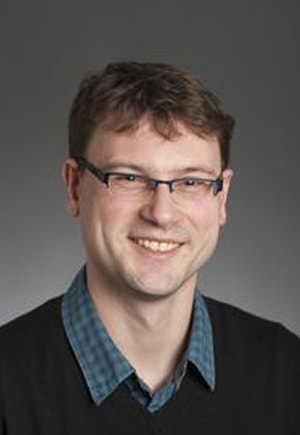
Christof Lutteroth is a Professor in the Department of Computer Science at the University of Bath and Director of the REal and Virtual Environments Augmentation Labs (REVEAL). His work focuses on Human-Computer Interaction (HCI) with emphasis on eye-gaze interaction and virtual reality (VR), particularly for health, exercise, and learning applications. He leads multiple research projects funded by organizations like EPSRC, The British Academy, and The Royal Society. Research Interests include developing gaze-controlled interfaces, immersive VR systems, and adaptive UI/UX for fitness and cognitive training. He explores affective design tools, emotion recognition in VR exergaming, and biometric data analysis for health applications. Recent Publications highlight advancements in gaze-based text entry, emotion measurement in VR, AI-driven UI development, and cross-European XR innovation networks. His work spans from foundational HCI methodologies to applied projects in rehabilitation and immersive learning. Grants include EPSRC IAA, British Academy, and Royal Society funding for projects like TapGazer, Hyper-immersive XR, and Affective Design Tools for VR. He collaborates with institutions across Europe through the EMIL project. Laboratory : REVEAL Lab at the University of Bath drives research in immersive technologies, motion analysis, and augmentation of human interaction with digital environments.
Professor Ashish Sharma is a Professor of Hydrology and Water Resources in the School of Civil and Environmental Engineering at the University of New South Wales, Sydney, Australia. With a PhD in Civil Engineering from Utah State University and extensive experience in hydrological research, he has established himself as a leading expert in his field. Dr. Sharma's research focuses on hydrological uncertainty, with particular emphasis on the impact of climate change and variability on hydrological practice. His work spans multiple areas including remote sensing applications, stochastic hydrological modeling approaches, development of hydrological models, and addressing key hydrology challenges such as design flood estimation and water resources management. He has made significant contributions to understanding how climate change affects hydrological extremes and water availability. His publications reveal a strong trend toward advanced modeling techniques for climate change impact assessment, with recent work focusing on spectral transformation methods, multivariate bias correction in climate models, flood forecasting improvements, and the relationship between temperature and precipitation extremes. His research increasingly integrates remote sensing data with hydrological modeling to address challenges in data-scarce regions. Professor Sharma has held significant leadership positions including President of the International Commission of Hydrologic Sciences (IAHS) Commission on Statistical Hydrology (STAHY) since 2016, service on the Australian Research Council's College of Experts twice, and participation on the Technical Committee for the Australian Rainfall and Runoff Design Flood Estimation guidelines (ARR2016). In addition to his research leadership, Professor Sharma actively mentors students and collaborates with researchers globally, as evidenced by his extensive publication record across top hydrology and climate journals. His work bridges theoretical hydrology with practical applications for water resources management under changing climate conditions.
Adriaan Buijs is a Professor in the Engineering Physics Department at McMaster University in Hamilton, Canada. He previously held roles at Atomic Energy of Canada Limited (AECL) from 2001 to 2008, including Senior Scientist and Section Head for neutronic overpower protection in CANDU reactors. Education: Master’s and PhD in Experimental Physics from Utrecht University , with research at Stanford Linear Accelerator Center . Academic History: Fellow and Staff Member at CERN (1986–1994), then Full Professor at Utrecht University (1994–2001). Research Interests : Nuclear Engineering : Specializing in Small Modular Reactors (SMRs) and Canadian Supercritical Water-Cooled Reactors (SCWR) . Reactor Physics : Focused on neutron transport calculations , gamma heating estimation , and safety analysis for reactor systems. Particle Physics : Past contributions include studies on photon-photon collisions , charmonium states , and supersymmetric particles at CERN and LEP. Publications include work on nuclear reactor simulations , fuel cycle assessments , and Monte Carlo methods for reactor kinetics. He has served as Associate Chair and Acting Chair in his department.
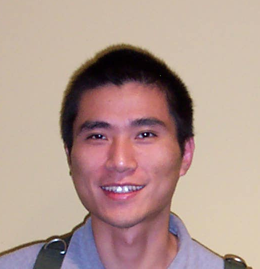
Xiaoning Qian is a Professor in the Department of Electrical and Computer Engineering at Texas A&M University, where he also serves on the Faculty Advisory Committee for the Texas A&M Institute of Data Science (TAMIDS) and the Executive Committee for the Texas A&M TRIPODS Research Institute for Foundations of Interdisciplinary Data Science (FIDS). He holds a joint appointment in the Applied Math group within the Computational Science Initiative at Brookhaven National Laboratory (BNL). Previously, he was an Associate Professor (2018-2022) and Assistant Professor (2013-2018) at Texas A&M, and an Assistant Professor in the Department of Computer Science and Engineering at the University of South Florida (2009-2013). Dr. Qian received his B.S.E. and M.S.E. degrees from Shanghai Jiaotong University, China, and his M.Ph. and Ph.D. degrees in Electrical Engineering from Yale University. Dr. Qian's research focuses on developing mathematical models and computational algorithms in signal processing, machine learning, and Bayesian methods, particularly in learning, uncertainty quantification, and experimental design. His work spans multiple disciplines, with applications in life sciences and materials science. His research group, the Biomedical Imaging, Sensing, and Genomic Signal Processing Group, actively applies probabilistic models and optimization algorithms to solve complex problems in interdisciplinary domains. His research has evolved from foundational work in bioinformatics and biomedical image processing to more recent applications in materials science and broader AI for science initiatives. Dr. Qian has received numerous scientific awards and recognitions including: National Science Foundation (NSF) CAREER Award Segers Family Dean's Excellence Professorship II in the College of Engineering TEES (Texas A&M Engineering Experiment Station) Senior Faculty Fellow Montague-Center for Teaching Excellence Scholar J. T. Oden Faculty Fellow at the University of Texas, Austin Finalist of the 2023 INFORMS QSR Best Paper Faculty Impact Fellow from the Department of Electrical & Computer Engineering As an advisor , Dr. Qian has mentored numerous graduate students through their PhD and MS programs, with many of his alumni securing positions at prestigious institutions and companies including NIH/NCBI, Microsoft, Baidu Research Lab, and Qualcomm. His research has been supported by multiple grants, including an NSF CAREER award and collaborative research funding from the Information Integration and Informatics program. He is actively recruiting postdoc and graduate student research assistants for projects in machine learning and optimization methods with applications in bioinformatics and materials science. Dr. Qian is involved with several research initiatives including the Objective-Based Uncertainty Quantification (ObjectiveUQ) project, which provides a mathematical framework for integrating prior knowledge and data while enabling effective operational and experimental design under uncertainty. He also co-organizes the Bio-Seminar series for the Biomedical Imaging, Sensing & Genomic Signal Processing group at Texas A&M.
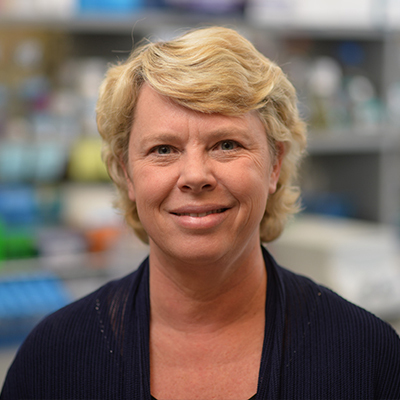
Sunny K. Boyd is a Professor in the Department of Biological Sciences at the University of Notre Dame, where she has served since 1987. She also held significant administrative roles, including Associate Vice President for Research (2009–2013) and Director of Graduate Studies (2008–2013). Her research integrates neuroscience, endocrinology, and computational modeling to understand the chemical regulation of animal behavior. Her educational background includes: A.B. in Biology, Princeton University (1981) M.S. in Behavioral Endocrinology, Oregon State University (1984) Ph.D. in Neuroendocrinology, Oregon State University (1987) Dr. Boyd’s research focuses on the interactions of neuropeptides, neurotransmitters, and neurosteroids in controlling social behaviors, particularly in amphibians. Her lab employs a multi-level approach—spanning molecular, cellular, organismal, and computational levels—to investigate mechanisms from synapses to social interactions. Key interests include GABAergic signaling, neurosteroid modulation, and the role of vasotocin in vocal and reproductive behaviors. Her recent publications reflect a strong trend in integrating computational models with empirical data, especially using agent-based simulations to explore mate choice, aggression, and spatial behavior. These studies bridge neuroscience and behavioral ecology, offering insights into both animal and potential human social behaviors. She has received notable scientific recognition, including: Joyce Award for Excellence in Undergraduate Teaching (2007, 1999) Kaneb Faculty Fellow (2003–2004) Editorial roles for General and Comparative Endocrinology and Hormones and Behavior Service on NSF, NIH, and American Heart Association review panels Dr. Boyd is actively involved in mentoring and training students at all levels. She has advised multiple graduate students and currently leads a vibrant research team. Her lab is supported by grants from the National Science Foundation (NSF), National Institutes of Health (NIH), and U.S. Forest Service. She emphasizes interdisciplinary collaboration, notably with computer scientists on modeling projects. She also teaches courses in neuroscience, physiology, and scientific writing, with a focus on training future health professionals. The Boyd Lab operates at the intersection of experimental and synthetic approaches, combining wet-lab neuroscience with computational modeling. Current projects include: Peptide control of vocalization in amphibians GABA and neurosteroid interactions in neural circuits Agent-based modeling of mate choice and social behavior The lab fosters collaboration across biology, psychology, engineering, and computer science, maintaining an interdisciplinary and innovative research environment.
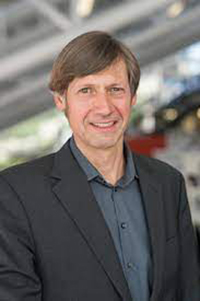
Martin Bechthold is the Kumagai Professor of Architectural Technology at Harvard University’s Graduate School of Design (GSD), serving concurrently as the GSD’s Academic Dean. He holds affiliations with Harvard’s Paulson School of Engineering and Applied Sciences and the Wyss Institute for Biologically Inspired Engineering. His academic career bridges architecture, materials science, and engineering, with a focus on innovative material systems and design robotics. Bechthold earned a Diplom-Ingenieur in architecture from RWTH Aachen University and a Doctor of Design from Harvard GSD. He previously practiced architecture in Europe with firms like Skidmore, Owings & Merrill and Santiago Calatrava. His research groups, including the Material Processes and Systems (MaP+S) Group and the Design Robotics Group, explore topics like multi-material 3D printing, carbon-negative materials, and biofabrication. He founded the Laboratory for Design Technology to foster industry-academia collaborations. His research interests span structural innovation, architectural ceramics, and the perception of materials. He has authored seminal works such as Innovative Surface Structures and Ceramic Material Systems , and his peer-reviewed papers appear in Nature Reviews and Advanced Functional Materials . He teaches advanced courses on material systems, design methods, and structural design. Bechthold’s work emphasizes sustainable technologies and cross-disciplinary design, with projects like the Concrete Origami and Ceramic Futures exhibitions showcasing experimental material applications. He holds patents in material innovation and has curated influential design exhibitions.
Dr. Xuzhen He is a Senior Lecturer at the School of Civil and Environmental Engineering, University of Technology Sydney (UTS). He holds a BSc from Tsinghua University and a PhD from the University of Cambridge, where he received the John Winbolt Prize (2015). His research focuses on geotechnics, geomechanics, and numerical methods, with an emphasis on AI integration. Notable contributions include studies on soil erosion, particle segregation, and tunnel engineering. He leads projects funded by ARC, including DECRA (2021) and a Discovery grant (2023). His work bridges experimental and computational approaches, addressing challenges in geotechnical infrastructure and environmental stability. Education: Bachelor of Science, Tsinghua University, China PhD in Civil Engineering, University of Cambridge, UK Research Interests: AI-driven geotechnical analysis (slope stability, tunnelling) Multiscale geomechanical modelling (hypoplasticity, multiphase systems) Numerical methods (DEM, SPH, material point method) Awards: ARC DECRA (2021) John Winbolt Prize (2015) Grants: "Modernise geotechnical investigation and analysis with machine learning" (ARC DP230100678) "Multiscale modelling of fluid–particle transport in porous media" (ARC DE220100763) Labs/Teams: Member of UTS Transport Research Centre (TRC) Associate member of Centre for Advanced Modelling and Geospatial lnformation Systems (CAMGIS)
Denizhan Yavas is an Assistant Teaching Professor in the Department of Mechanical Engineering at Rice University, joining in 2024. He holds a Ph.D. in Engineering Mechanics from Iowa State University (2018), an M.Sc. in Aerospace Engineering from Middle East Technical University (METU Ankara, 2013), and a B.S. in Mechanical and Aerospace Engineering (METU Ankara, 2010). Prior to Rice, he served as teaching faculty at the University of Central Florida. His research focuses on experimental and computational solid and fracture mechanics , with emphases on deformation/failure mechanisms in advanced composites and additively manufactured materials, architected materials, interfacial fracture, and ice adhesion. Key areas include bioinspired interfaces, interfacial fracture toughness, and material characterization under dynamic and static loading conditions. Notable recent work explores fracture behavior of 3D-printed thermoplastics, bioinspired soft-hard interfaces, and additive manufacturing techniques for enhancing interlaminar shear strength. These studies highlight cross-cutting themes in materials science, mechanical engineering, and aerospace applications. Awards: Preeminent Postdoctoral Award (University of Central Florida) Research Excellence Award (Iowa State University) Teaching Excellence Award (Iowa State University) Teaching & Advising: No current advisees listed, but actively involved in undergraduate/graduate mechanical engineering education. His work bridges fundamental mechanics research with practical applications in advanced manufacturing, materials design, and aerospace engineering.
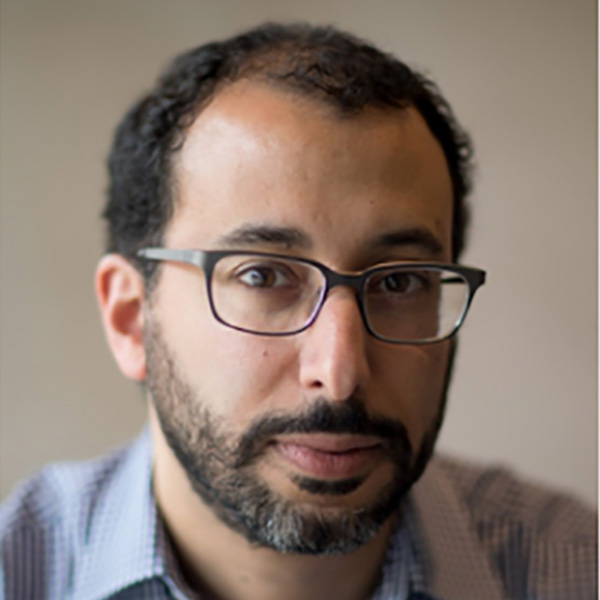
Youssef M. Marzouk is the Breene M. Kerr (1951) Professor of Aeronautics and Astronautics at MIT and co-director of the MIT Center for Computational Science and Engineering (CCSE). He is affiliated with the MIT Schwarzman College of Computing, the Statistics and Data Science Center, and the Aerospace Computational Design Laboratory. His research focuses on computational science and engineering, with an emphasis on uncertainty quantification, Bayesian modeling, data assimilation, and machine learning applied to physical systems. He holds a Ph.D. in Mechanical Engineering from MIT (2004), preceded by S.M. (1999) and S.B. (1997) degrees in Aeronautics and Astronautics from the same institution. Marzouk’s work bridges computational mathematics, statistical inference, and fluid dynamics, addressing challenges in energy systems and environmental modeling. He has received numerous awards, including the 2018 AIAA Associate Fellowship and the 2012 MIT Class of 1942 Career Development Chair. His teaching spans computational mathematics, fluid dynamics, and uncertainty quantification. Key collaborations involve the MIT CCSE and external institutions, with funding from DOE and NSF. He advises students on topics like stochastic modeling and inverse problems, and his research lab explores advanced computational methods for high-dimensional systems.
Frank Heinrich serves as an Associate Research Professor in the Department of Physics at Carnegie Mellon University's Mellon College of Science, while maintaining a significant research presence at the National Institute of Standards and Technology (NIST) Center for Neutron Research in Gaithersburg, Maryland. His dual appointment reflects his interdisciplinary work bridging academic research and national laboratory resources, focusing on advanced biophysical techniques for studying membrane-associated biological processes. Dr. Heinrich earned his Ph.D. in Nuclear Physics from the University of Leipzig, Germany in 2005, followed by postdoctoral research at Johns Hopkins University and Carnegie Mellon University. His academic trajectory shows steady progression from Research Physicist (2008-11) to Assistant Research Professor (2011-16) and finally to his current position as Associate Research Professor (2016-present), while simultaneously maintaining his role as a Staff Scientist at NIST since 2008. His research centers on the structure of disease-relevant proteins, peptides, and small molecules at lipid membranes, with particular interest in the structural foundations of cell signaling in cancer. Heinrich employs a broad range of surface-sensitive techniques including electrical impedance spectroscopy, surface plasmon resonance, and neutron reflectometry. His work contributes significantly to developing future-generation neutron scattering instrumentation for soft-matter and biological research, making these advanced techniques accessible to both academic and industrial scientists. Analysis of his 15 most recent publications reveals a consistent focus on membrane-protein interactions, particularly examining KRAS signaling in cancer, antimicrobial peptides, and membrane-associated processes in neurodegenerative diseases. His work demonstrates sophisticated integration of experimental biophysics with computational approaches, often utilizing neutron scattering techniques to provide structural insights that other methods cannot achieve. As part of the Lösche/Heinrich Group within the Supramolecular Structures Lab, he collaborates extensively with Mathias Lösche and contributes to the joint UPSM-CMU MBSB graduate program. His research has practical implications for understanding cancer mechanisms, developing new antimicrobial strategies, and advancing biophysical instrumentation.
John Miller is a Professor of Economics and Social Science at Carnegie Mellon University (CMU) and a Research Professor at the Santa Fe Institute. His work focuses on complex adaptive systems, computational modeling, and social dynamics. He holds a Ph.D. in Economics from the University of Michigan (1988) and has held academic positions since 1990. Miller’s research explores emergent patterns in social systems through agent-based models, experimental economics, and nonlinear dynamics. His research interests span complex adaptive systems, game theory, auction markets, and behavioral economics. Notable contributions include foundational work on computational social science, the Standing Ovation Problem, and cooperative behavior analysis. Miller has authored influential books such as Complex Adaptive Systems: An Introduction to Computational Models of Social Life and A Crude Look at the Whole . He has received awards including the Elliot Dunlap Smith Award for Teaching Excellence and has led initiatives like the Open Learning Initiative. Miller’s academic leadership roles include Director of Graduate Studies at CMU and Faculty Director of the Omidyar Fellows Program at Santa Fe Institute. His work bridges economics, computer science, and interdisciplinary complexity research.
Jonathan T. Butcher is a Professor in the Meinig School of Biomedical Engineering at Cornell University. His research focuses on cardiovascular developmental mechanobiology, postnatal valve disease, and heart valve tissue engineering. He holds positions in multiple graduate fields including Biomedical and Biological Sciences and Mechanical Engineering. Dr. Butcher earned his B.S./M.S. in Mechanical and Aerospace Engineering from the University of Virginia (2000), Ph.D. in Mechanical Engineering from Georgia Institute of Technology (2004), and completed a postdoctoral fellowship in Developmental Biology/Pediatric Cardiology at the Medical University of South Carolina (2007). His research integrates experimental, computational, and engineering approaches to study heart valve formation and disease. Key areas include embryonic heart biomechanics, pathological valve remodeling, and 3D-printed tissue constructs. He leads the Butcher Lab, which collaborates on NSF-funded projects like a $3 million initiative on bio-inspired architectural design. Notable awards include being an ASME Fellow (2021), AIMBE Fellow (2019), and recipient of the NSF CAREER Award (2010). He co-mentored doctoral student Alexander Cruz to a 2023 HHMI Gilliam Fellowship. Dr. Butcher’s work bridges biomechanics, genetics, and regenerative medicine. Current efforts aim to translate developmental principles into clinical solutions for valve diseases and engineer living tissues using advanced bioprinting techniques.
Dr. Victoria C. P. Chen is a Professor in the Industrial, Manufacturing, and Systems Engineering (IMSE) department at The University of Texas at Arlington (UTA), where she has served since 2002. She previously held positions at the Georgia Institute of Technology from 1993-2001. Dr. Chen has held several leadership roles at UTA, including Interim Department Chair (2012-2014), Director of the Center on Stochastic Modeling, Optimization, & Statistics (COSMOS) (2008-2012, and again from 2017-present), and Director of Doctoral Studies (2019-present). She was also the George & Elizabeth Pickett Professor from 2015-2017 and was inducted into the UT Arlington Academy of Distinguished Teachers in 2019. Dr. Chen is actively involved with INFORMS (Institute for Operations Research and the Management Science), where she currently serves as Secretary on the Executive Board. Dr. Chen earned her B.S. in Mathematical Sciences from The Johns Hopkins University, and her M.S. and Ph.D. in Operations Research and Industrial Engineering from Cornell University. Her academic journey includes visiting professorships at the University of Genoa, Italy, and Iowa State University. Dr. Chen's research utilizes statistical perspectives to create new methodologies for operations research problems appearing in engineering and science. Her expertise includes the design of experiments, statistical modeling, and data mining, particularly for computer experiments and stochastic optimization. Through her statistics-based approach, she has developed computationally-tractable decision-making methods for many high-dimensional complex systems. Her work spans multiple domains including sustainability, energy, water management, healthcare, and law enforcement. Specific application areas include inventory forecasting, airline optimization, water reservoir networks, wastewater treatment, air quality monitoring, green building design, nurse assignment systems, and pain management programs. Her recent publications demonstrate continued innovation in mixed integer programming for electric vehicle charging stations, vacuum ultraviolet spectroscopy prediction, and sustainable building education. Senior Member, Institute for Operations Research and the Management Sciences (INFORMS) (2024) Data Mining Prize (Lifetime Achievement Award), INFORMS Society on Data Mining (2023) College of Engineering Teaching Award, UT Arlington (2021) Third Place Award, C3.ai COVID-19 Grand Challenge (2020) Academy of Distinguished Teachers, University of Texas at Arlington (2019) George & Elizabeth Pickett Professorship (2015-2017) As an educator and mentor, Dr. Chen has advised over 25 doctoral students across diverse research topics in operations research and systems engineering. She has secured substantial research funding from multiple sources including the National Science Foundation (over $1.5 million in active projects), Environmental Protection Agency, National Institute of Justice, and industry partners like Luminant and Dallas-Fort Worth International Airport. Her current research projects focus on decision analytics for sustainable urban environments, optimization for Texas water management, and statistical methods for pain management programs. She has served as Principal Investigator or Co-PI on more than 20 externally funded research projects totaling over $3 million in funding. Dr. Chen co-founded the Center on Stochastic Modeling, Optimization, & Statistics (COSMOS) at UTA with Dr. H. W. Corley. This research center brings together faculty and students from multiple disciplines to address complex problems through advanced statistical and optimization methods. She also leads interdisciplinary research teams working on projects related to sustainable infrastructure, energy systems, and healthcare optimization, frequently collaborating with researchers from civil engineering, environmental science, and medical fields.
Canan ATILGAN is a Professor at the Faculty of Engineering and Natural Sciences, Sabanci University, Istanbul, Turkey. She has held leadership roles including Dean (2018-2020), Director of the Graduate School (2018-2020), and President of the Science Academy (2021-present). Her research focuses on computational tools for protein conformational transitions, allosteric communication, and antibiotic resistance mechanisms. Ph.D. (1996) and B.S. (1991) in Chemical Engineering from Boğaziçi University A pioneer in perturbation-response scanning and network-based protein modeling, her work bridges biophysics, structural biology, and molecular evolution. She has supervised 15 PhD and 17 MS students, emphasizing accessible computational biophysics education through workshops and seminars. Her recent publications highlight allosteric mechanisms in biosensors, β-lactam resistance via TolC dynamics, and evolutionary fitness landscapes. Awards include EMBO and Academia Europaea membership, L’Oréal Turkey Young Women Scientist Fellowship, and TÜBA-GEBİP Distinguished Young Scientist Award. President, Science Academy (2021) EMBO Elected Member (2023) TÜBA-GEBİP Distinguished Young Scientist (2004) She leads the MIDST Lab, contributes to Turkish science communication via sarkac.org, and organizes 'Dialogues in the MIDST' workshops for graduate students. Her work integrates theoretical models with experimental validation in iron transport proteins and resistance mechanisms.
Aakash Sahai is an Assistant Research Professor in the CEDC-Electrical Engineering department at the University of Colorado Denver - Denver Campus. His research focuses on advancing plasma physics, laser-plasma interactions, and nanoplasmonic technologies for high-energy particle acceleration. He is actively involved in designing novel accelerator concepts, such as nanostructure-based plasmonic accelerators capable of achieving extreme electric fields (PetaVolts/meter). His work bridges theoretical, computational, and experimental approaches to address challenges in high-gradient acceleration, plasma wakefields, and extreme nanoscience. Key research interests include laser-driven plasma acceleration, plasmonic field enhancement in nanostructures, and applications of particle beams in medical and high-energy physics. He collaborates on projects like the EuPRAXIA design study, aiming to develop compact, cost-efficient particle sources. His contributions span experimental setups, computational modeling, and innovative methodologies for radio transmission through plasmas and particle beam processing. Notable achievements include pioneering studies on relativistic surface plasmons, PetaVolt plasmonics, and optimizing laser-plasma interactions for proton/ion acceleration. His research has implications for next-generation accelerators, compact X-ray sources, and advanced plasma diagnostics. Sahai’s interdisciplinary approach integrates electrical engineering, material science, and high-energy physics to push the boundaries of accelerator technology. Advising and grants: No formal advisees or grant details listed. His work is supported by collaborations and institutional resources, including participation in national and international initiatives like Snowmass workshops. Labs/Teams: Active contributor to the EuPRAXIA consortium and affiliated with plasma physics and accelerator research groups at University of Colorado Denver.