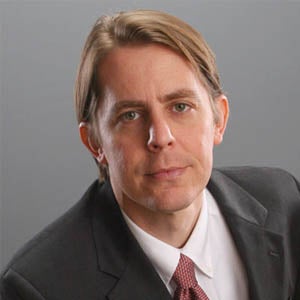
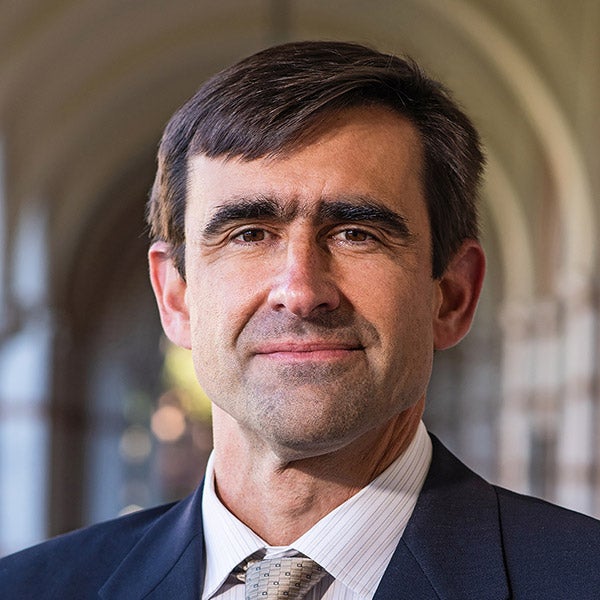
Andrew S. Whittaker is a SUNY Distinguished Professor in the Department of Civil, Structural and Environmental Engineering at the University at Buffalo, State University of New York . He serves as Director of the Institute of Bridge Engineering and Interim Director of the Stephen Still Institute for Sustainable Transportation and Logistics , both within the School of Engineering and Applied Sciences . A registered Civil and Structural Engineer in California, Whittaker specializes in structural and earthquake engineering, bridge engineering, blast and impact engineering, performance-based engineering, and nuclear structures. Research Interests: His work focuses on seismic isolation systems for nuclear reactors, fluid-structure interaction in advanced reactor vessels, gamma radiation effects on materials, and the dynamic behavior of graphite blocks in high-temperature gas reactors (HTGRs). He also explores the commodification of microreactors and soil-structure interaction for seismically isolated facilities. Scientific Awards: Distinguished Member, American Society of Civil Engineers (2025) Untermyer & Cisler Reactor Technology Medal (2023) Nathan M. Newmark Medal (2023) Fellow of multiple societies (ASCE, SEI, ACI) Awards and grants highlight his leadership in nuclear safety, seismic engineering, and reactor design.
Dr. Christopher Morton is an Associate Professor in the Department of Mechanical Engineering at McMaster University, specializing in fluid-structure interaction, UAV technology, and energy systems. His research focuses on aerodynamics, flow control, and sustainable energy solutions, with applications in aerospace and environmental engineering. Education background includes a BASc in Mechatronics Engineering (University of Waterloo, 2008), MASc (2010), and Ph.D. (2014) in Mechanical Engineering from the same institution. His work bridges experimental and computational methods, particularly in flow estimation and control using advanced diagnostics like PIV and spectral analysis. His research interests span vortex-induced vibrations (VIV), unsteady aerodynamics, and energy harvesting through fluid-structure interactions. Recent publications highlight innovations in flow field reconstruction, sensor-based monitoring, and turbulence control. His work has been recognized through awards such as the Departmental Research Excellence Award (2021-2022) and multiple teaching accolades, reflecting his dedication to both research and education. Dr. Morton currently teaches MECH ENG 4FM3 (Advanced Instrumentation for Thermo-Fluids) and MECH ENG 723 (Flow Induced Vibrations), emphasizing hands-on experimental techniques and theoretical analysis. He actively supervises graduate students and collaborates with industry partners like Atlantis Research Labs and Plains Midstream Canada. Key Research Clusters: Advanced Materials & Manufacturing, Digital & Smart Systems, Energy, and Environment. Teaching Excellence: Awarded “Professor of the Year” multiple times and recognized for outstanding teaching performance.
Marko Cetina is an Assistant Professor of Physics and the Department of Electrical and Computer Engineering at Duke University, affiliated with the Duke Quantum Center. He holds a B.S. from the California Institute of Technology (2004) and a Ph.D. from the Massachusetts Institute of Technology (2011). His research focuses on quantum computing, quantum optics, and atomic physics, with particular emphasis on trapped-ion systems, quantum error correction, and quantum simulation. He teaches courses including Atomic Physics and Quantum Optics, Advanced Topics in Physics, and introductory mechanics. His work explores foundational aspects of quantum mechanics and applied technologies for scalable quantum computers. Notable contributions include demonstrating multi-body interactions in trapped ions and advancing measurement-induced quantum phases. His team actively develops fault-tolerant qubit control and novel quantum architectures using cavity-mediated systems. Publications highlight advancements in quantum error correction protocols, lattice gauge theories, and quantum verification protocols. While no explicit awards are listed, his involvement in high-impact studies like the Duke Quantum Center underscores his contributions to the field. Current projects include optimizing stabilizer codes for logical qubit memory and simulating NMR experiments via digital quantum methods. His lab collaborates across disciplines to bridge theoretical quantum mechanics with experimental implementations in trapped-ion platforms.
Anna Dreber Almenberg is the Johan Björkman Professor of Economics at the Stockholm School of Economics (SSE), specializing in meta-science and behavioral economics. She holds a chaired professorship and is actively involved in advancing research credibility through initiatives like Lab2 and the Institute for Replication. Her work focuses on replication studies, predicting replication outcomes, and investigating economic preferences influenced by biological factors like testosterone. She serves as an Editor at the Journal of Political Economy Microeconomics, emphasizing credible results over clear outcomes. Dr. Dreber Almenberg’s research spans experimental economics, including large-scale studies such as a testosterone administration trial involving 1,000 participants. She is a Wallenberg Scholar and a member of prestigious academies (KVA and IVA). Her recent work critiques selective reporting of placebo tests in economics and explores design heterogeneity in replications. Her key contributions include high-powered replications of asset market results and collaborations on hormone administration studies (e.g., contraceptive pill effects). She advocates for pre-registration and transparency in research, reflected in her editorial role and involvement with journals like Nature Human Behaviour.
Joseph S. Friedman is an Associate Professor of Electrical & Computer Engineering at the University of Texas at Dallas, leading the NeuroSpinCompute Laboratory within the Erik Jonsson School of Engineering and Computer Science. His research focuses on unconventional computing paradigms leveraging nanotechnology, including neuromorphic systems, spintronics, and memristive devices. He specializes in nanomagnet-based logic architectures, neuromorphic computing with domain walls and skyrmions, and hardware security for emerging technologies. His research explores energy-efficient computing through novel paradigms such as reversible skyrmion logic, neuromorphic networks using magnetic tunnel junctions, and stochastic Bayesian inference circuits. He has pioneered spintronic neurons demonstrating 94% accuracy in handwritten digit recognition and developed secure logic locking mechanisms using nanomagnet logic. His work integrates experimental fabrication with SPICE modeling, emphasizing scalable beyond-CMOS systems. Recent advancements include toggle SOT-MRAM architectures, quantum circuit design for neutral atom systems, and neuromorphic networks leveraging superconducting flux quanta. He advises over 20 graduate and undergraduate students, fostering innovation in AI hardware and unconventional computing. Notable projects include the NeuroSpinCompute Lab's domain wall neuromorphic networks, secure logic locking schemes, and collaborations with institutions like Sandia National Labs on neuromorphic reservoir computing. Current research trends emphasize low-energy spintronic architectures, hybrid quantum-classical systems, and neuromorphic applications in edge computing. His research is supported by NSF grants CCF-1910800 and CCF-2146439, focusing on neuromorphic and spintronic systems. He regularly contributes to conferences like IEEE Rebooting Computing and SPIE Spintronics, showcasing breakthroughs in nanomagnetic logic and neuromorphic inference.
Andrew Rau-Chaplin is a Professor and Dean of the Faculty of Computer Science at Dalhousie University, where he leads the Risk Analytics Lab and contributes significantly to research in high performance computing, parallel algorithms, and risk analytics. He is affiliated with the Institute for Big Data Analytics and has a strong academic and administrative presence. Education: Postdoc - DIMCS (Princeton, Rutgers, Bell Labs) PhD - Carleton University (1993) MCS - Carleton University (1990) BCS - York University (1986) His research focuses on applying parallel and high performance computing to data-intensive domains such as data warehousing, OLAP, catastrophe modeling, and risk analytics. He emphasizes both algorithmic design and practical system implementation, with a strong grounding in experimental evaluation. His work spans theoretical studies and real-world applications in finance, bioinformatics, and geospatial systems. The 15 most recent publications reflect a consistent focus on parallel data processing, OLAP optimization, indexing techniques (e.g., Hilbert curves), and risk modeling. Key themes include scalable data cube computation, view selection, adaptive coding, and spatial analytics, demonstrating expertise in both algorithmic innovation and systems-level performance. He has served on numerous scientific committees and grant panels, including NSERC and Compute Canada, and has been a journal editor for JPDC and DMTCS. Dr. Rau-Chaplin has supervised a wide range of graduate students in areas including risk analytics, GPU computing, text analytics, and parallel algorithms. His lab has received funding for postdoctoral, graduate, and undergraduate research positions. He teaches courses such as Parallel Computing, Software Engineering, Data Structures, and Risk Analytics, and has developed software tools like LaHave, Clustal XP, and Digital Coliseum. His lab, the Risk Analytics Lab, focuses on integrating analytics, risk management, and HPC for challenges in catastrophe modeling and financial risk. The lab leverages technologies such as stochastic simulation, optimization, and spatial OLAP.
Charles Gomez is an Associate Professor in the School of Sociology at the University of Arizona. He is affiliated with the College of Information Science and the Applied Math Graduate Interdisciplinary Program (GIDP), reflecting his interdisciplinary focus. His work centers on computational and mathematical sociology, particularly the study of inequality in global scientific knowledge production, diffusion, and diversity. Dr. Gomez received his Ph.D. from Stanford University, master’s degrees from Harvard Kennedy School and Columbia University, and a B.Sc.Eng. from Duke University. Ph.D., Stanford University M.A., Harvard Kennedy School M.S., Columbia University B.Sc.Eng., Duke University His research integrates natural language processing, social network analysis, survey experiments, simulations, and interviews to explore hierarchies, complexity, and diversity in science. He is particularly interested in how political and institutional forces shape AI research and global knowledge systems. The recent publications reflect a strong focus on global science, AI, knowledge diffusion, and inequality. His work employs both computational and qualitative methods to analyze large-scale scientific networks, epistemic diversity, and the structural biases in research collaboration and dissemination. Themes include international politics in AI, peer review bias, simulation of knowledge spread, and the role of elite institutions in shaping scientific agendas. His scientific recognition includes the prestigious National Science Foundation (NSF) CAREER Award (2024–2029). He has secured over $1 million in research funding as PI or co-PI. National Science Foundation (NSF) CAREER Award (2024–2029) Dr. Gomez leads the Global Knowledge Lab and Observatory ("The Global Lab"), an interdisciplinary research group dedicated to studying science, knowledge, and innovation at a global scale. He is actively involved in mentoring and welcomes Ph.D. students and collaborators. He has published in top journals including Nature Human Behaviour , Nature Communications , Research Policy , Social Networks , and Sociological Science .
Professor Jason Dykes is a leading figure in the field of information and geovisualization at City, University of London, where he holds the position of Professor in the Department of Computer Science and co-directs the giCentre , a renowned research centre in visualization. He is affiliated with the School of Mathematics, Computer Science and Engineering and maintains an active research and teaching profile. His academic journey includes a PhD in Geography from the University of Leicester and extensive leadership in both research and education. Education: PhD in Geography, University of Leicester, 2000 MSc in Geographic Information Systems, University of Leicester, 1991 BA/MA in Geography, University of Oxford, 1989 Jason Dykes' research is centered on designing visual methods and tools for exploring, analyzing, and presenting information, with a strong emphasis on geographic data. His work integrates cartography, information visualization, GIScience, and human-computer interaction , leading to the development of innovative techniques such as geowigs, ODmaps, BallotMaps, and AttributeSignatures. He has published extensively in top-tier journals like IEEE Transactions on Visualization & Computer Graphics, with over 20 papers in the last decade, and co-authored the seminal book Exploring Geovisualization (2005). His research is supported by major funders including EPSRC and the EU, with projects like RAMP VIS (Covid-19 response) and VALCRI (criminal intelligence). The most recent articles highlight a consistent trend in applied and human-centered visualization , focusing on responsive design, education, pandemic modeling, and novel visual metaphors for complex data. His work increasingly emphasizes methodological rigor, design exposition, and the role of visualization in interdisciplinary and emergency contexts. Scientific Awards and Recognition: National Teaching Fellow, Higher Education Academy (2005) Best Paper Awards at GIS Research UK (consecutive years) Honorable Mentions, IEEE InfoVis (2009, 2010, 2016, 2018) Security Innovation Commercialisation Award (EU, 2022) Research Supervisor of the Year, City Student Union (2020) Innovations in Teaching Award and multiple teaching grants at City Jason Dykes has supervised eight PhD students to completion and advised many others, including notable researchers like Roger Beecham, Sarah Goodwin, and Susanne Bleisch. His teaching includes modules such as Visualizing Society and Data Presentation. He has received significant grant funding from UK research councils and the EU for projects like DIVA, VALCRI, and RAMP VIS. His service to the community includes leadership roles in IEEE VIS, ICA Commission on GeoVisualization, and editorial positions at IEEE TVCG and the Journal of Visualization and Interaction. He leads the giCentre , a dynamic research group that fosters innovation in visualization, and has been instrumental in establishing the field’s educational and methodological foundations through participation in Dagstuhl seminars and publications on visualization pedagogy.
Sriram Subramanian is an Assistant Professor at the School of Computer Science in Carleton University since July 2025. He holds affiliations with the Vector Institute for Artificial Intelligence and the Schwartz Reisman Institute for Technology and Society in Toronto, and serves as a mentor in the Indigenous Black Engineering and Technology (IBET) PhD Project . Ph.D. in Electrical and Computer Engineering, University of Waterloo (2022) MASc in Electrical and Computer Engineering, University of Waterloo (2018) BE in Geomatics Engineering, Anna University (2016) His research focuses on advancing Multi-agent Systems and Reinforcement Learning through intersections with Game Theory , with applications in generative AI , robotics, finance, and autonomous driving. Recent work emphasizes cooperation mechanisms, constraint learning, and theoretical robustness in large-scale environments. Articles demonstrate cross-disciplinary impacts in chemistry (ChemGymRL) and societal systems. Notable awards include the MITACS Globalink Research Award , Pasupalak Fellowship in AI , and the CAIAC Best Doctoral Dissertation Award (2023) . Publications span top venues like AISTATS, ICML, AAAI, IJCAI, JAIR , and TMLR . He has collaborated with Microsoft, Royal Bank of Canada, Denso, ESRI, and Borealis AI. As a Distinguished Postdoctoral Fellow at the Vector Institute (2022-2025), he advanced algorithmic frameworks while maintaining active roles in conference reviewing and committee work. His advocacy for equity and diversity drives mentorship initiatives in Canadian institutions.
Wing Ng serves as Alumni Distinguished Professor and Chris C. Kraft Endowed Professor in Virginia Tech's Department of Mechanical Engineering within the College of Engineering. His career spans over four decades with continuous contributions to aerospace thermal systems and fluid dynamics research since joining Virginia Tech in 1984. Dr. Ng's academic foundation includes: Ph.D. in Mechanical Engineering from Massachusetts Institute of Technology (1984) M.S. in Mechanical Engineering from Massachusetts Institute of Technology (1980) B.S. in Mechanical Engineering from Northeastern University (1979) His pioneering research focuses on aeroacoustics of drones and jet engines, where he develops advanced diagnostics for turbine flow measurements and investigates transonic turbine blade aerodynamics. Current work explores aerothermal particle interactions in gas turbines and clean energy applications for wind turbines. His experimental approach bridges fundamental fluid dynamics with practical aerospace engineering solutions, particularly in cooling systems for high-temperature components. Analysis of recent publications (2024-2025) reveals three dominant research thrusts: turbine cooling optimization (film/phantom cooling configurations), particle dynamics in gas paths (impact/rebound mechanics), and novel measurement techniques (strain sensors, multiphase flow diagnostics). These studies consistently target performance enhancement and durability improvement in turbomachinery through experimental validation. Dr. Ng's exceptional contributions are recognized through: Virginia Tech Faculty Entrepreneur Hall of Fame (2017) William E. Wine Award for teaching excellence (2014) Multiple Certificates of Teaching Excellence (1985,1988,2011,2014) Dean's Award for Research Excellence (2013) Consecutive Best Paper Awards from ASME/AIAA (2001-2013) Fellow of ASME (1996) and Associate Fellow of AIAA (1992) As director of the Ng Lab, he maintains active collaborations with industry partners through Techsburg, Inc. (where he serves as Chairman) to translate research into commercial applications. His work on drone aeroacoustics and turbine diagnostics directly informs next-generation propulsion systems while addressing critical challenges in particle ingestion and thermal management.
Dr. Bin Zhu is a Research Fellow in the School of Mechanical Engineering Sciences at the University of Surrey, affiliated with the Centre for Engineering Materials. He obtained his PhD from the same institution, focusing on multiscale residual stress evaluation and mechanical property characterization using microscopy and large-scale facilities. His research develops techniques for harsh environments to enhance material longevity by managing manufacturing-induced residual stress, with applications in nuclear fusion components. Education PhD, University of Surrey (Research focus: Multiscale residual stress evaluation and mechanical property characterization) Research Focus Dr. Zhu's research centers on three interconnected areas: 1) Multiscale residual stress evaluation using advanced techniques like plasma-focused ion beam and neutron diffraction; 2) In situ mechanical testing under extreme conditions; and 3) Computational modeling for predicting stress distributions and material behavior. His work primarily addresses nuclear fusion reactor challenges, particularly laser-welded Eurofer97 steel components, where residual stress critically impacts structural integrity. Publication Trends Dr. Zhu's recent publications (2021-2025) demonstrate three key themes: 1) Advanced residual stress analysis in nuclear materials using machine learning, neutron imaging, and synchrotron techniques; 2) High-temperature mechanical performance of welded joints for fusion reactors; and 3) Biomimetic material characterization, including bioinspired composites and biological light-diffraction mechanisms. His methodologies consistently integrate multiscale experimental approaches with computational modeling.
Professor Tim Denison FREng holds a joint appointment in the Department of Engineering Science and Nuffield Department of Clinical Neurosciences at the University of Oxford, where he serves as the Royal Academy of Engineering Chair in Emerging Technologies and an MRC Investigator. His research focuses on the fundamentals of physiologic closed-loop systems and developing next-generation neural interface technologies for treating chronic neurological diseases. Professor Denison received his A.B. in Physics from The University of Chicago, followed by M.S. and Ph.D. degrees in Electrical Engineering from MIT. He later completed an MBA at The University of Chicago, where he was named a Wallman Scholar. His research spans neural engineering, closed-loop neuromodulation systems, and computational neuroscience, with particular emphasis on deep brain stimulation, neural oscillations, and adaptive neurostimulation techniques. His work integrates engineering principles with clinical neuroscience to develop innovative treatments for neurological disorders. Professor Denison's approach combines computational modeling with experimental validation to optimize brain stimulation parameters for individual patients. Professor Denison has received numerous prestigious awards, including membership in the Bakken Society (2012, Medtronic's highest technical honor), the Wallin leadership award (2014), election to the College of Fellows for the American Institute of Medical and Biological Engineering (2015), and recognition as a Fellow of the Royal Academy of Engineering (FREng). As a former Technical Fellow at Medtronic PLC and Vice President of Research & Core Technology for the Restorative Therapies Group, Professor Denison brings significant industry experience to his academic work. His research group focuses on developing advanced neurostimulation technologies that incorporate chronobiology principles and adaptive algorithms to improve treatment outcomes for neurological conditions.
Jan Carmeliet is a Full Professor at the Department of Mechanical and Process Engineering at ETH Zürich , holding the Chair of Building Physics since 2008. He previously held academic positions at Katholieke Universiteit Leuven and Eindhoven University of Technology . His research focuses on multiscale modeling of porous and granular materials , urban heat-air-moisture flows , and energy-efficient urban systems . His work integrates advanced computational techniques (e.g., lattice Boltzmann methods , CFD , FEM ) with experimental approaches ( X-ray tomography , wind tunnel PIV ). He leads major projects such as the RePoDH and Urban Multiscale Energy Modelling initiatives, aiming to decarbonize urban energy systems and understand local heat islands. Current projects emphasize renewable-powered district heating networks and urban climate modeling . Key collaborations include institutions like Empa , University of Illinois , and Los Alamos National Laboratory . He has secured significant grants from the Swiss National Science Foundation (SNSF) and ETH Domain , focusing on urban energy resilience and material science. His leadership roles include directing the Energy Science Center ETH Zürich and coordinating the SCCER-efficiency program.
Jason H. Hafner is a Professor of Physics and Astronomy and of Chemistry at Rice University, affiliated with the Rice Space Institute. His research bridges fundamental physics with biological applications through nanoscale phenomena, focusing on light-matter interactions at molecular interfaces. Education: 1993: BS in Physics, Trinity University 1996: MA in Physics, Rice University 1998: PhD in Physics, Rice University (advisor: Richard Smalley) Hafner's work centers on nanophotonics and interfacial biophysics , utilizing Surface Enhanced Raman Scattering (SERS) as a primary tool. His lab pioneers structural analysis of lipid membranes, gold nanoparticle surface chemistry, and vibrational spectroscopy of bioactive compounds including anthraquinones in lichens and flavonoids. Current projects integrate computational modeling with experimental SERS to decode cholesterol structure and analyze environmental particulates from aerospace events. Publications since 2015 reveal a trajectory from foundational nanomaterial studies toward complex biological systems, increasingly combining DFT simulations with experimental Raman data. His work spans astrobiology-relevant molecules to spacecraft-related environmental analysis, demonstrating consistent methodological innovation in vibrational spectroscopy. Major recognitions include: Beckman Young Investigator Award (2002) Norman Hackerman Award for Chemical Research from Welch Foundation (2011) Hafner has mentored multiple PhD students including Aobo (gold nanoparticle surface chemistry) and Mathieu (lipid membrane structure via SERS), while teaching undergraduate physics for nearly a decade. His editorial role at ACS Nano (2010-2017) reflects standing in the nanoscience community. The Hafner Lab maintains an agile, interdisciplinary approach—recently collaborating with planetary scientist Phil Metzger to analyze SpaceX launch debris using Raman spectroscopy, demonstrating real-world application of fundamental research techniques to emerging aerospace challenges.
Thomas C. Killian serves as Dean of the Wiess School of Natural Sciences and Professor of Physics and Astronomy at Rice University, where he joined the faculty in 2001 after completing his PhD at MIT and a postdoctoral fellowship at NIST. His leadership roles include Deputy Speaker of the Faculty Senate, Chair of the Physics and Astronomy Department, and Associate Dean of Strategic Planning, with significant contributions to academic governance and resource allocation for research and education missions. He earned his AB in Physics from Harvard University (1991), an M.Phil in Physical Chemistry from Cambridge University as a Marshall Scholar (1993), and a PhD in Atomic Physics from MIT (1999). His research focuses on matter at temperatures near absolute zero, exploring quantum degenerate atomic gases, ultracold plasmas, and Rydberg systems to uncover fundamental physical laws with applications in quantum computing, precision timekeeping, and astrophysical modeling of white dwarf stars. His pioneering experimental work includes producing atomic Bose-Einstein condensates and developing techniques for generating the coldest neutral plasmas ever observed, bridging microscopic quantum behavior and macroscopic astrophysical phenomena. This research program investigates strongly interacting systems where quantum effects dominate classical physics. Notable honors include: Fellow of the American Physical Society David and Lucille Packard Foundation Science and Engineering Fellowship Alfred P. Sloan Research Fellowship Professor Killian co-founded nano3D Biosciences (now ChemoSen3D) to commercialize 3D bioprinting technology for drug discovery and personalized medicine, demonstrating translational impact beyond academia. His laboratory at Rice operates cutting-edge facilities for ultracold matter research, collaborating with institutions like UT MD Anderson Cancer Center on interdisciplinary projects that merge atomic physics with biomedical applications.