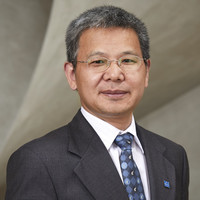
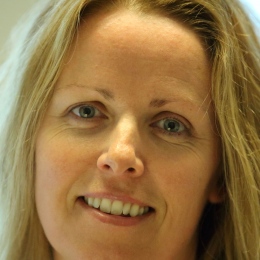
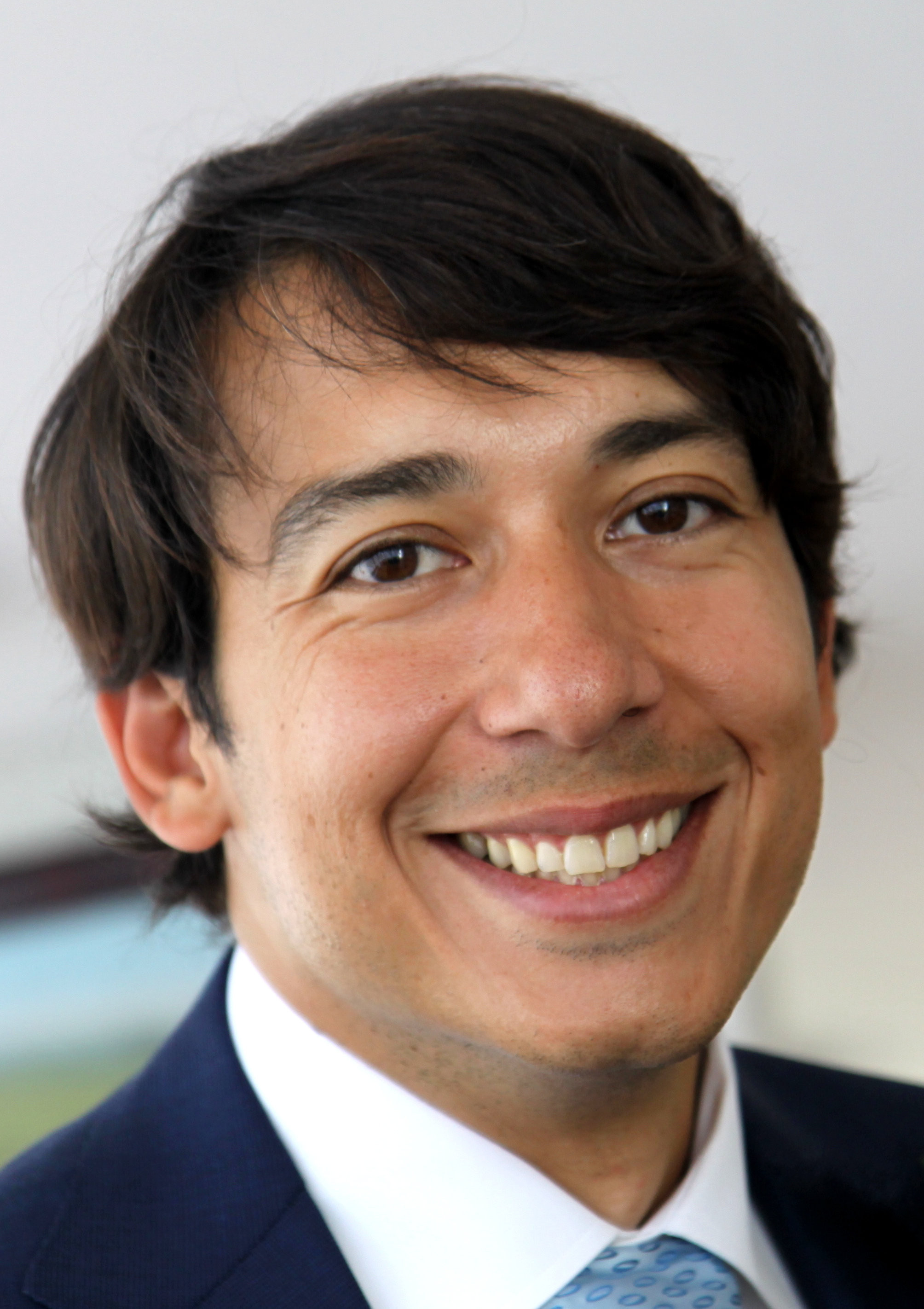
Zhonghai Lu is a Professor of Electronic Systems Design (specializing in Dependable and Autonomous Systems) at KTH Royal Institute of Technology, part of the Department of Electrical Engineering in the School of Electrical Engineering and Computer Science (EECS). He serves as Program Director for KTH's Embedded Systems master's program and Director of Studies at the Division of Electronics and Embedded Systems. His research focuses on Network-on-Chip (NoC), computer architecture, embedded systems, and Prognostics and Health Management (PHM) of power electronics. He leads a research group exploring in-network processing and embedded intelligence, transforming passive networks into active computational frameworks. Lu holds a BSc from Beijing Normal University (1989), MSc and PhD from KTH (2002, 2007), and an MBA in Innovation and Growth from the University of Turku (2012). He has authored over 240 scientific papers, including journal articles and peer-reviewed conferences, with notable recognitions such as Best Paper Awards at NOCS’2015 and EU HiPEAC, and a Featured Paper in IEEE Transactions on Computers (2020). He serves as Associate Editor for ACM Transactions on Architecture and Code Optimization (TACO) and has chaired major conferences like HiPEAC’2017 and NOCS’2018. His research group’s recent work includes integrating AI into hardware acceleration, fault-tolerant neural networks, and RUL estimation for power electronics using recurrent neural networks. Lu has secured grants from the Swedish Research Council and Intel Corporation and developed courses like IL2230 (Hardware Architectures for Deep Learning) and IL2233 (Embedded Intelligence), pioneering embedded AI education at KTH. Education: BSc (Beijing Normal University), MSc/PhD (KTH), MBA (University of Turku) Awards: Best Paper Awards (NOCS, EU HiPEAC), Swedish Research Council Grants, Intel Research Gifts Labs/Teams: Research Group on In-Network Processing and Embedded Intelligence
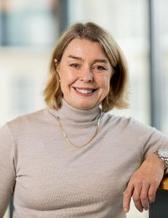
Malin Broberg is a Professor in Psychology and the current Vice-Chancellor (since 2023) and President of the University of Gothenburg. She was previously Dean of the Faculty of Social Sciences at the same institution. Educated at Umeå University, she is a licensed psychologist with a clinical background in child and youth habilitation. Her research focuses on: Welfare systems for families with disabled children Stress coping mechanisms Neurodevelopmental impacts of brain damage in children Augmentative and Alternative Communication (AAC) Parental well-being and resilience Recent publications (2024-2023) highlight her work in neuropsychology, health-promoting learning environments, and AAC interventions for children with profound disabilities. She has collaborated with researchers in Sweden and the USA, and her work appears in journals like Child Neuropsychology and Disability and Rehabilitation-Assistive Technology . Malin Broberg has supervised doctoral and Master’s theses in developmental psychology and disability research. She has also served as General Secretary of the International Association for the Scientific Study of Intellectual and Developmental Disabilities (IASSIDD).
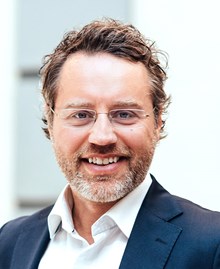
Martin Carlsson-Wall is a Full Professor at Stockholm School of Economics (SSE) in the Department of Accounting within the House of Governance and Public Policy. He serves as Center Director for both the Center for Municipality Governance and the Center for Security and Resilience. In 2024, he was named "The Linder Chair in Sports and Business," the first Chair at SSE on Sports and Business topics. Since 2017, he has been Program Director for the MSc in Accounting, Valuation and Financial Management, and in 2015, he founded the Center for Sports and Business, which now includes 40 faculty members and has strategic partnerships with major Swedish sports organizations across football, hockey, golf, and skiing. Martin Carlsson-Wall's research focuses on accounting in sports organizations and accounting in inter-organisational relationships across both private and public sectors. His work extensively examines management control systems , particularly in contexts of innovation , growth companies , and risk management . His research often takes a qualitative approach, investigating how accounting practices function in extreme situations (such as the Swedish migrant crisis), high-intensity organizations (like football clubs), and during organizational change processes. Analysis of Professor Carlsson-Wall's recent publications reveals a strong thematic focus on the intersection of accounting practices with sports management and public sector administration. His work demonstrates how management control systems adapt to different organizational contexts, from football clubs to technology firms and public administration during crises. A recurring theme is how accounting practices mediate tensions between different stakeholder interests and how they evolve in response to organizational challenges. His research methodology typically employs in-depth case studies that examine accounting as a social practice rather than merely a technical function. Professor Carlsson-Wall has received significant recognition through his appointment as "The Linder Chair in Sports and Business" in 2024, establishing the first dedicated research position at SSE focusing on the business aspects of sports. As an educator, Professor Carlsson-Wall serves as Program Director for the MSc in Accounting, Valuation and Financial Management and teaches several key courses including BE901 Hybrid Organizations: Value Creation and Strategy at the bachelor's level, and course 3313 Investments and Value Creation in Global Sports (which he directs) and course 3302 Management Control at the master's level. He also supervises master's theses in Accounting and Financial Management. In Executive Education, he teaches on management control, costing, performance management, transfer pricing, investment management, and financial analysis through both open programs and customized corporate offerings. Professor Carlsson-Wall founded and directs the Center for Sports and Business, which has grown to include 40 faculty members and established partnerships with major Swedish sports organizations. He also leads the Center for Municipality Governance and the Center for Security and Resilience, demonstrating his commitment to applying accounting and management control research to practical governance challenges in both public and private sectors.
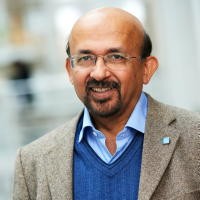
Professor Ahmed Hemani is a faculty member at the Division of Electronics and Embedded Systems, KTH Royal Institute of Technology, affiliated with the Digital Futures Faculty. He holds the role of PI for the project 'New Chip Architectures for Industrial Vision' and leads research in reconfigurable computing, memristor-based systems, and hardware acceleration for AI and edge computing. His work bridges theoretical computer science with practical VLSI design and embedded systems development. He actively contributes to cross-disciplinary initiatives at Digital Futures, a joint center with Stockholm University and RISE Research Institutes of Sweden focused on digital innovation. His research emphasizes scalable FPGA/HPC architectures, low-power neuromorphic systems, and optimization techniques for custom silicon solutions. Current projects include a Lego-inspired edge AI framework and memristor-driven MIMO acceleration. Teaching responsibilities span advanced courses in SOC design, digital system verification, and embedded systems. He supervises advanced-level degree projects across computer engineering and ICT innovation specializations, emphasizing hands-on hardware-software co-design methodologies. Recent publications highlight innovations in memristor applications, FPGA-based acceleration, and reconfigurable architectures for neural networks and bioinformatics. His work addresses challenges in dark silicon utilization, energy-efficient computation, and high-performance embedded systems.
Mahdi Fazeli is an Associate Professor at the School of Information Technology, Halmstad University, Sweden, specializing in hardware security and trust, energy-efficient computing, and embedded and cyber-physical systems. His academic journey began with a Ph.D. in Computer Engineering from Sharif University of Technology, Iran, in 2011. His career progression includes positions as Associate Professor at Bogazici University (2019-2021) and Iran University of Science and Technology (2016-2019), and Assistant Professor at the same institution (2011-2016). His research interests focus on hardware security and trust, reliable VLSI circuits and systems, energy-efficient computing, and dependable embedded systems. His work bridges the gap between theoretical security concepts and practical implementations in real-world systems, particularly in IoT and embedded environments. He has established himself as a leading researcher in Physical Unclonable Functions (PUFs), hardware trojans detection, and energy-efficient security solutions for resource-constrained devices. His publication record shows a clear progression and deepening expertise in hardware security, with recent work focusing on cutting-edge applications in edge computing, vehicular networks, and IoT security. His 2023-2025 publications demonstrate significant contributions to magnetic memory-based security primitives, anomaly detection systems, and energy-efficient security mechanisms. Throughout his career, Fazeli has led multiple research initiatives including the Dependable Systems and Architecture Lab (DSA) and the Networked and Embedded Systems Lab at Iran University of Science and Technology. His leadership extends to heading the Hardware Group and serving as Vice Chair for Educational Affairs, demonstrating his commitment to both research excellence and academic administration.
Summary Pawel Andrzej Herman is an Associate Professor at the Division of Computational Science and Technology within the School of Computer Science and Communication (CSC) at KTH Royal Institute of Technology. His research focuses on computational neuroscience, brain-inspired AI, and machine learning applications in healthcare and cognitive science. He teaches multiple courses including Artificial Neural Networks and Deep Architectures , supervises degree projects across computer engineering and electrical engineering disciplines, and actively contributes to interdisciplinary research initiatives. His work bridges theoretical neuroscience with practical AI solutions, emphasizing synaptic plasticity models, neuromorphic computing, and medical diagnostic systems. Key areas include olfactory perception modeling, working memory mechanisms, and FPGA-accelerated neural networks. He collaborates internationally on projects such as AI-driven medical imaging and cognitive neuroscience studies. Dr. Herman’s research has been published in high-impact journals and conferences, with recent contributions to understanding neural mechanisms of odor naming deficits, beta/alpha oscillations in working memory, and spiking neural network architectures. His technical leadership spans HPC frameworks like StreamBrain and interdisciplinary tools for scientific data storage (NoaSci).
Tove Nilsson Gerholm serves as Lecturer and Associate Professor (Docent) at Stockholm University's Department of Linguistics within the Faculty of Humanities. She is actively affiliated with the Stockholm Babylab, which studies infant language development through multiple parallel research projects and international collaborations. Her research focuses on child language development, particularly examining how interaction behaviors between children and parents influence language acquisition. She has led longitudinal studies following over 70 children from infancy to age eleven (2013-2024). Her work bridges linguistics, developmental psychology, and cognitive neuroscience, with particular emphasis on educational interventions in preschool settings. Dr. Gerholm's research portfolio includes significant projects such as MINT (investigating interaction's role in language development), Brain Pathways in Preschool, and INVENT (studying children's language ability at school start). Her publication record demonstrates expertise in randomized controlled trials within educational contexts, examining how pedagogical approaches affect language development, executive functions, and socioemotional skills in preschool children. Her scientific contributions include: Designing and implementing large-scale intervention studies across 18 preschools Developing research protocols for longitudinal child language studies Investigating emotive language development in children aged 0;9 to 5;10 Exploring bidirectional collaborations between researchers and educators Dr. Gerholm maintains an active research agenda with recent publications focusing on pedagogical methodologies in Swedish preschools and their effects on multiple developmental domains in young children.
Karl Palmskog is a Lecturer at KTH Royal Institute of Technology in the Division of Theoretical Computer Science and the STEP research group. His work focuses on program verification and proof engineering, with particular emphasis on developing techniques and tools based on proof assistants for constructing functionally correct and secure software systems. Palmskog received his Ph.D. in Computer Science in 2014 from KTH, advised by Mads Dam, and his M.Sc. in Computer Science and Engineering from KTH in 2007. Prior to his current position, he was a postdoc at The University of Texas at Austin and University of Illinois at Urbana-Champaign. His research interests span programming languages, software engineering, and formal verification, with a particular focus on developing techniques and tools based on proof assistants. He is an avid user of the Coq proof assistant for both proving and programming, often complemented by OCaml, and also utilizes HOL4 and other ML family dialects. His work bridges theoretical foundations with practical applications, particularly in the domains of blockchain systems, distributed systems, and automotive software verification. Analysis of his recent publications reveals a strong focus on Coq-based verification, with significant contributions to proof engineering tools and methodologies. His work includes developing tools for regression proving, change impact analysis, mutation testing for Coq projects, and lemma name suggestion using deep learning. There's also a growing trend toward applying formal methods to real-world systems like blockchain protocols and automotive software. Palmskog has been involved in several research projects, including Coq-community Proof Engineering and Distributed Components. His past projects include Trustfull (SSF), Model-based Event Driven Scalable Programming for the Mobile Cloud (NSF), Highly Adaptable and Trustworthy Software (EU FP7), and 4WARD Future Internet (EU FP7). As an educator, Palmskog has served as examiner, course responsible, teacher, and assistant for various courses including Algorithms, Data Structures and Complexity; Degree Projects; Game Theory; Parallel and Distributed Computing; and Programming Paradigms. His work on Chip, a Coq formalization of change impact analysis, demonstrates his commitment to creating practical, certified tools that bridge formal methods with software engineering practice.
Håkan Fischer is a Professor of Human Biological Psychology at Stockholm University, where he has served as Head of the Department of Psychobiology and Epidemiology since 2011. He also holds an associate professor position at Karolinska Institutet, is affiliated with the Aging Research Center and Stockholm University Brain Imaging Centre, and is a faculty member at Digital Futures at the Royal Institute of Technology. Since September 2025, he has additionally served as a visiting professor at Linköping University. Fischer has established himself as a leading researcher in emotional and cognitive processing, with particular expertise in socio-emotional aspects across the lifespan. Fischer earned his PhD in psychology from Uppsala University in 1998, followed by postdoctoral research at Harvard Medical School (1999-2001). He then worked at the Aging Research Center at Karolinska Institutet before joining Stockholm University in 2011. His academic journey includes a sabbatical year (2021-2022) at the University of Florida's Department of Psychology. Fischer is actively involved in university governance as a member of the Swedish Research Council's Subject Council for Humanities and Social Sciences (2023-present) and represents Stockholm University in multiple international collaborations. Håkan Fischer's research primarily focuses on investigating intra- and interindividual differences in affective, cognitive, social and perceptual processing, with special emphasis on age-related differences in adults. His laboratory employs advanced neuroimaging techniques including fMRI, PET, and fNIRS to examine brain function, while also utilizing structural imaging methods like T1-weighted imaging, DTI, and perfusion imaging to study brain structure. Fischer advocates for single-subject small-N designs to better understand emotional and cognitive mechanisms. His current research lines include socio-emotional perception and recognition, oxytocin effects on socio-emotional processing across the lifespan, and AI development for interpersonal communication analysis. Analysis of Fischer's recent publications reveals a strong focus on emotion recognition across populations, neurobiological mechanisms of socio-emotional processing, and methodological innovations. His work consistently integrates behavioral testing, neuroimaging, and genetic analysis to provide comprehensive insights. The increasing incorporation of AI approaches demonstrates his adaptation to emerging technological advances in psychological research. Fischer has published 136 peer-reviewed articles with over 12,200 citations and a Google Scholar h-index of 53. Fischer has received consistent funding since 2002 from prestigious sources including the Swedish Research Council, Wallenberg Foundation, STINT, Riksbankens Jubileumsfond, and Konung Gustav V och Drottning Victorias stiftelse. He currently leads nine funded research projects (two as principal investigator totaling 6.9 million SEK, seven as co-applicant totaling 24.8 million SEK) spanning multiple international collaborations in Sweden, Germany, and the USA. As an educator, Fischer leads the basic course in Cognitive Neuroscience and the master's course in Emotion Psychology and Affective Neuroscience. He regularly teaches at both undergraduate and advanced levels, primarily in biological psychology, cognitive neuroscience, and emotion psychology. Fischer currently supervises six doctoral students (one as main supervisor, four as assistant supervisor) and has mentored graduate students since 2002. Håkan Fischer leads a dynamic research laboratory that investigates emotional, social, perceptual, and cognitive processing. The lab examines how intraindividual variations across stimuli and time, as well as interindividual differences in age, gender, genetics, personality, and sleep deprivation affect these processes. His lab maintains active national and international collaborations with researchers at Stockholm University, Uppsala University, Karolinska Institutet, University of Florida, and University of Gothenburg, creating a robust interdisciplinary research environment focused on translating basic neuroscience into practical applications.
Karin Brocki is a Professor at Uppsala University's Department of Psychology, Division of Emotional Psychology. Her research focuses on executive function development, ADHD symptomology, and emotional regulation in children and adolescents. PhD in Psychology Associate Professor title Research interests include: Developmental hierarchy of executive functions ADHD risk factors and longitudinal trajectories Attachment theory and behavioral problems Neurocognitive impacts of radiotherapy Emotion regulation mechanisms Recent publications (2024-2025) examine fear extinction retention, cerebellar development, social attention deficits in ADHD, and pandemic impacts on child psychology. She collaborates extensively with researchers like Matilda Frick, Johan Kleberg, and international teams.
Alejandro Russo is a Professor at Chalmers University of Technology , specializing in Information Flow Control (IFC) , Secure Programming Languages , and Functional Programming . His research bridges theoretical foundations and practical implementations, focusing on mitigating timing channels , covert channels , and data leakage in concurrent systems. Developed novel frameworks for Differential Privacy with provable accuracy bounds Pioneered COWL integration for browser security and instruction-based scheduling to prevent cache timing attacks Led major projects like HIPSTER (hybrid static/dynamic IFC) and AppFlow (practical IFC deployment) His publications reveal expertise in security libraries for Haskell and Python , with a focus on faceted execution , label manipulation , and mechanized security proofs . Students under his supervision have explored topics ranging from secure eDSLs to privacy-preserving compilation techniques . Scientific awards : Google Research Award (2011) for Python taint analysis Advising and grants : Principal Investigator for VR , STINT , and Google Research Award Supervised 12+ PhD and Master’s students in security and functional programming research
Carla G Machado serves as Assistant Professor in Business Administration at Jönköping International Business School (JIBS), Sweden, and Director of Societal Engagement. She joined JIBS and the Centre for Family Entrepreneurship and Ownership (CeFEO) in 2020 after extensive industry experience in industrial marketing, communication, and sustainability auditing for major family-owned Brazilian industrial groups and the Inter IKEA Group. Her research focuses on sustainable operations management within Industry 4.0 contexts , examining organizational digital readiness, supply chain resilience, and sustainable frameworks for family businesses. As an active member of the global 'Supply Chain 4.0' network, she explores digital transformation applications in diverse business contexts including family firms. Her teaching portfolio spans Supply Chain Management, Sustainable Operations, Logistics, Industrial Marketing, and Business Strategy. Analysis of her 15 most recent publications reveals consistent emphasis on sustainability integration with digital technologies, particularly examining ESG frameworks, circular economy applications, and resilience strategies in supply chains. The research demonstrates strong methodological diversity including systematic reviews, conceptual frameworks, and empirical case studies across manufacturing and family business contexts. Her scientific contributions include developing maturity frameworks for sustainable operations and digital readiness assessment tools. While no formal awards are documented, her work shows significant collaborative engagement through global research networks and practical industry applications. Machado actively advises on societal engagement initiatives through her directorship role and contributes to executive education programs. Her research trajectory indicates growing focus on integrating family business dynamics with sustainable operational frameworks, particularly examining how family firms act as 'systemic irritators' within sustainable entrepreneurial ecosystems.
Linda Forssman is an Associate Professor and researcher in developmental psychology at Uppsala University's Department of Psychology, Division of Developmental Psychology. She works at the Uppsala Child & BabyLab, where she conducts research on how young children perceive and interact with their world, and how different experiences shape the development of cognitive, social and linguistic skills during early childhood. Dr. Forssman's research focuses on developmental psychology with particular emphasis on early language acquisition, cognitive development, social development, and infant cognition. Her work explores how various experiences shape children's development across multiple domains, with special attention to vulnerable populations and intervention strategies. She employs methodologies including eye-tracking, longitudinal studies, and randomized controlled trials to investigate fundamental developmental processes. Her recent publications show strong trends in cross-cultural developmental research, early language intervention, social cognition in infants, and the impact of socioeconomic factors on child development. Her work spans multiple methodologies from laboratory experiments to field studies in diverse cultural contexts, including research conducted in rural Malawi. Dr. Forssman has secured significant research funding as Principal Investigator and Co-Investigator on numerous projects. Her major grants include: Promoting Children's Early Language Development in Socioeconomic Disadvantaged Areas (PI, Marcus and Amalia Wallenberg Foundation, €312,200, 2025-2029) How does preschool quality relate to children's learning outcomes? (PI, Swedish Institute for Educational Research, €454,000, 2022-2024) The Impact of Book-Sharing on Infant Language and Cognition (PI, Riksbankens Jubileumsfond, €362,000, 2019-2022) Nordic evidence based high quality early childhood education and care research network (Co-I, Swedish Research Council, €102,500, 2023-2026) She is actively involved with the Uppsala Child & BabyLab, a research environment focused on infant and child development using advanced methodologies including eye-tracking. Her work bridges basic developmental research with practical applications for early childhood education and intervention programs, particularly those targeting children in socioeconomically disadvantaged areas.
Maria Hedqvist serves as an Adjunct Associate Professor in the Department of Psychology at Uppsala University, specializing in Clinical Psychology, and holds a postdoctoral position at the Centre for Clinical Research, County of Västmanland. Her dual appointments bridge academic research and clinical practice in child mental health, with physical offices at Von Kraemers allé 1A/C in Uppsala and Västmanland County Hospital in Västerås. Her research program integrates Clinical Psychology and Developmental Neuroscience , focusing on anxiety disorders, infant attachment security, executive function development, and early predictors of behavioral issues. She employs longitudinal designs, eye-tracking, and physiological measures (e.g., pupil dilation) to investigate cognitive-emotional processes from infancy through childhood, with emphasis on clinical translation for early intervention. Analysis of her publication history reveals consistent themes in developmental psychopathology: validation of cross-cultural assessment tools (e.g., Adult Anxiety Scale), mechanistic studies of innate fear responses (spider/snake reactivity), and longitudinal tracking of executive function emergence. Her work demonstrates methodological rigor in infant cognition research while addressing practical applications in well-baby clinics and community mental health settings.
Ivo Jacobs is a Researcher at the Department of Philosophy, Lund University, specializing in Cognitive Science within the Faculty of Humanities and Theology. He is affiliated with the LUCS Cognitive Zoology Group and the LU Profile Area: Natural and Artificial Cognition. His work is centered at the Lund University Cognitive Science (LUCS) research center, with his office located at Helgonavägen 3, Lund (Room LUX:B476). Dr. Jacobs' research focuses on the evolution of cognition across multiple dimensions - mechanism, development, phylogeny and fitness value - with particular emphasis on crocodilians, palaeognaths (ratites and tinamous), corvids and primates. His work spans three overlapping projects: independent cognitive evolution in primates and corvids; reconstructing the minds of early birds and non-avian dinosaurs; and the origins of pyrocognition (fire-related cognition) in animals, extinct hominins and modern humans. His research output shows significant trends in comparative cognition, particularly examining cognitive similarities and differences across diverse species. His work bridges traditional disciplinary boundaries, connecting zoology, cognitive science, evolutionary biology, and philosophy. Recent publications demonstrate growing interest in pyrocognition and the cognitive implications of fire use throughout evolutionary history. Dr. Jacobs has secured substantial research funding, including a project on pyrocognition funded by the Swedish Research Council (2020-2024). He has served as Principal Investigator for the Pyrocognition project and as Assistant Supervisor for research on the sociality of extinct dinosaurs. His editorial work includes peer-review and editorial roles for journals such as Animal Cognition, Journal of Comparative Psychology, Frontiers in Psychology, and Behavioural Brain Research. His research collaborations span international boundaries, with recent external collaborations across multiple countries. His work has attracted attention across academic platforms, with mentions on X (Twitter), Bluesky, and readership on Mendeley.