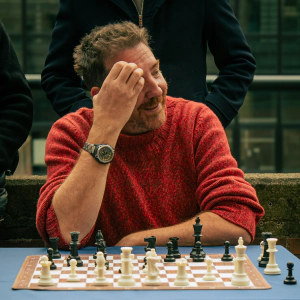
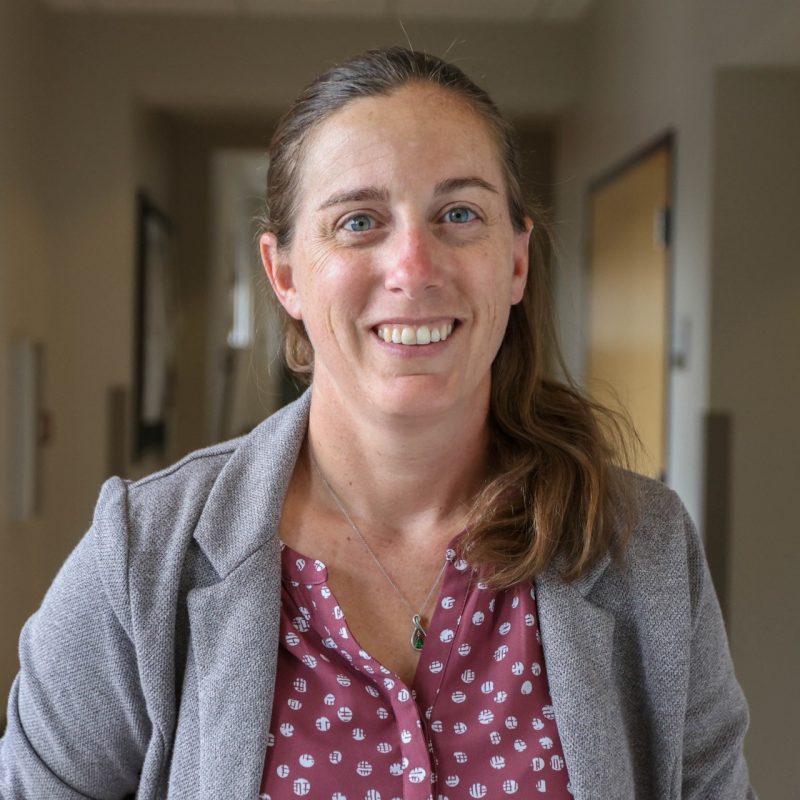
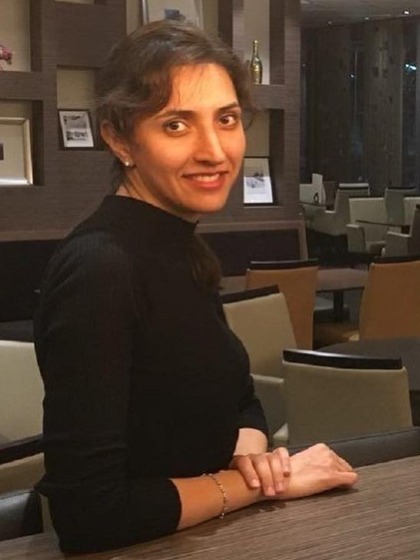
Giovanni Squillero is a Full Professor in the Department of Control and Computer Engineering (DAUIN) at Politecnico di Torino, Italy. He leads the CAD group (Electronic CAD & Reliability) and serves on Politecnico's Joint Committee for Teaching and Ph.D. Steering Committee (Pure and Applied Mathematics).
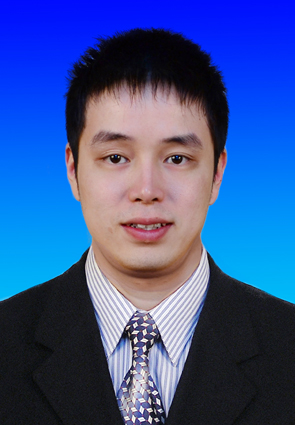
Shilin Zhao is an Assistant Professor of Biostatistics at Vanderbilt University Medical Center, specializing in artificial intelligence applications for digital pathology and multi-omics integration. His work bridges computational methodology development with clinical pathology to address challenges in kidney disease, gut microbiome research, and metabolic disorders. Education PhD in Bioinformatics, Shanghai Institutes for Biological Sciences Research Focus Dr. Zhao's research centers on AI-driven pathology and spatial omics , with primary emphasis on: Glomerular and kidney layer segmentation using cross-species data integration Foundation model assessment for cell nuclei analysis in renal histopathology Multi-omics approaches to colitis, atherosclerosis, and metabolic diseases Development of graph networks for spatial transcriptomics prediction His methodologies frequently combine deep learning with biostatistical rigor to translate computational insights into clinical pathology applications. Publication Trends Dr. Zhao's 2025 publications demonstrate intense focus on AI pathology tools (14/15 articles), particularly glomerular analysis and spatial transcriptomics. Key themes include cross-species model adaptation (GLAM), multi-level attention networks (MagNet), and clinical validation of AI foundation models in kidney pathology. His work consistently targets diagnostic precision through computational innovation. Scientific Recognition No specific awards or honors were documented in the provided materials. Academic Contributions While student advising details are unavailable, Dr. Zhao actively contributes to methodological advances in biostatistics through high-impact publications. His involvement in the KPIS 2024 challenge indicates leadership in establishing glomerular segmentation benchmarks for the pathology AI community. Research Environment As primary faculty in Vanderbilt's Department of Biostatistics, Dr. Zhao likely collaborates with institutional resources including the Vanderbilt Biostatistics Data Coordinating Center (VBDCC) and Vanderbilt Technologies for Advanced Genomics Analysis and Research Design (VANGARD), though specific affiliations aren't explicitly stated.
Dr. Xiaoli Ma is a Senior Research Fellow at the University of Hull, affiliated with the Energy and Environment Institute and the Centre for Sustainable Energy Technologies under the Faculty of Science and Engineering. Her research focuses on sustainable building services, renewable/sustainable energy systems, energy efficiency technologies, and instrumentation technologies. She has secured over £2.7 million in research funding from bodies such as the EU, EPSRC, Innovate UK, and the National Science and Technology Committee of China, leading or co-leading 26 projects. Her research interests include innovative cooling systems for data centers (e.g., super-performance dew point cooling achieving 90% energy savings), solar-driven energy systems, waste heat recovery, and thermoelectric technologies. Notable projects include the development of a novel Loop-Heat-Pipe-based data center cooling system funded by the EU FP7 and a solar façade hot water heating system supported by the EU FP7 Programme. Dr. Ma has published over 90 journal articles, two books, and three book chapters, with recent works focusing on machine learning-driven energy optimization, solar cooking systems with energy storage, and advanced heat pump technologies. She holds two patents and actively supervises PhD students in renewable energy, energy efficiency, and built environment applications. Her lab and team are part of the Energy and Environment Institute, collaborating on projects like the pioneering near-zero-carbon air conditioning system using atmospheric latent heat and natural light energy (EPSRC-funded). Key grants include a £814k EPSRC project and a £692k IEEA initiative for data center cooling advancements.
Sunyee Yoon is an Associate Professor in the Department of Marketing at the University at Buffalo's School of Management. She holds a PhD and MA in Marketing from the University of Wisconsin-Madison and a BA from Sogang University, South Korea. Her industry background includes marketing research at AmorePacific (2005–2009). Her research examines the psychological drivers of consumer behavior, with emphasis on: Social status and economic mobility : How perceptions of inequality influence spending and saving habits. Materialism and impulsive consumption : The role of economic optimism in financial decisions. Sustainable/ethical consumption : Animal welfare product adoption, anthropomorphism, and power dynamics. Recent publications (2021–2025) cluster around luxury branding, income inequality, and ethical dilemmas in consumption. She employs experimental methods to explore how visual cues (e.g., color saturation) and social narratives shape consumer choices. Awards & Grants : Summer Impact Fund (2023–2024) Dean’s Faculty Summer Fellowship (2024–2026) Faculty Mentor of the Year (2023) Teaching/Research Awards from UW-Madison (2012–2014) She teaches consumer behavior across undergraduate, MBA, and PhD programs and mentors through the Behavioral Research Lab. Professional affiliations include the Association for Consumer Research and the American Marketing Association.
Dr. Zhiyuan Tan is an Associate Professor in the School of Computing at Edinburgh Napier University (ENU), specializing in cybersecurity research. He holds a PhD in Computer Systems from the University of Technology Sydney (UTS), Australia (2014), an MEng from Beijing University of Technology, China (2008), and a BEng with high distinction from North-eastern University, China (2005). Before joining ENU in 2016, Dr. Tan held research positions at the University of Twente (Netherlands), University of Technology Sydney (Australia), and La Trobe University (Australia). Dr. Tan's research focuses on cybersecurity, machine learning, data analytics, virtualisation, and cyber-physical systems. His work has resulted in over 44 scholarly publications with an H-Index of 13 and more than 830 citations according to Google Scholar. His recent publications demonstrate a continued focus on network security, intrusion detection systems, and the application of machine learning techniques to cybersecurity challenges, with publications spanning from 2022-2025 in top venues including IEEE Transactions and international conferences. Dr. Tan has received significant research funding, including AUD 27,800 from CSIRO and UTS for autonomous network intrusion detection research and £6,987 from ENU for securing future 5G health care systems. His research has been recognized with awards including the National Research Award 2017 from the Research Council of the Sultanate of Oman, a Best Paper Award, and the Kaspersky Lab's Annual Student Cyber Security Conference Finalist Award. National Research Award 2017 from the Research Council of the Sultanate of Oman Best Paper Award Kaspersky Lab's Annual Student Cyber Security Conference Finalist Award Dr. Tan has mentored 9 PhD students over the past 5 years, with 6 successfully completing their studies. His students have produced 12 journal and 10 conference publications. He has also served as an editorial board member for international journals, organized special issues, and participated as a technical program committee member for major international conferences. Dr. Tan is currently recruiting PhD students for research projects on network security, adversarial machine learning for anomaly/malware detection, virtualization security, and IoT security.
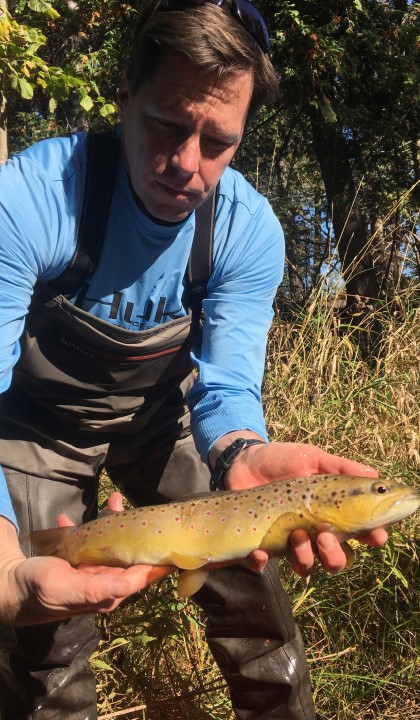
Jason Knouft is a Professor in the Department of Biology at Saint Louis University's College of Arts and Sciences, where he leads the Freshwater System Sustainability Lab. His research examines the impacts of climate change, land use alterations, and human activities on watershed hydrology, water quality, and aquatic biodiversity. He employs GIS applications and hydrologic modeling to develop adaptation strategies for freshwater systems. Dr. Knouft's research interests span: Climate change effects on river flow and thermal regimes Urbanization impacts on watershed dynamics Microplastic pollution distribution in aquatic ecosystems Citizen science applications in environmental monitoring Nature-based solutions for water security His recent publications (2019-2025) show strong trends in climate adaptation modeling, with 60% focusing on hydrologic responses to warming scenarios and 30% examining pollution dynamics. Emerging themes include citizen science methodologies and microbiome interactions in aquatic species. He teaches core courses including: Biogeography GIS in Biology Advanced Ecology Dr. Knouft directs an interdisciplinary research group collaborating with hydrologists, ecologists, and social scientists. The lab's NSF-funded projects (DEB-0844644, DEB-1404187, DBI-1564896, DBI-1661156) investigate climate resilience in freshwater systems. Additional lab facilities and project details are available at knouftlab.weebly.com .
Bo Wang is an active academic researcher primarily affiliated with multiple Chinese institutions, with strong connections to Tsinghua University, Beijing Jiaotong University, and other leading Chinese universities. His research spans artificial intelligence, machine learning, computer vision, medical image analysis, and intelligent control systems, demonstrating significant interdisciplinary work across computer science, engineering, and biomedical applications. Primary institutional affiliation: School of Computer Science and Technology at multiple Chinese universities Active research areas: AI/ML applications in healthcare, computer vision, federated learning, and intelligent control systems Extensive publication record across top-tier venues in multiple disciplines Wang's research interests focus on the intersection of artificial intelligence and practical applications. His work demonstrates strong expertise in developing novel machine learning architectures for medical image analysis, including applications in CT imaging, MRI, and sperm tracking. He has made significant contributions to federated learning approaches for large language models, sliding mode control systems, and molecular optimization frameworks. His research consistently bridges theoretical advances with practical implementations across healthcare, manufacturing, and environmental monitoring domains. Analysis of Wang's recent publications reveals a strong trend toward interdisciplinary AI applications, particularly in medical imaging and bioinformatics. His work on VAE-GANMDA for microbe-drug association prediction, ACE-QSM for accelerating MRI acquisition, and text-guided molecular optimization demonstrates innovative approaches at the intersection of AI and life sciences. Wang also maintains active research in industrial applications including digital twin technology for energy systems and robust scheduling approaches for multi-factory production. Notable research contributions include: FLFT: A Large-Scale Pre-Training Model Distributed Fine-Tuning Method with Federated Learning VAE-GANMDA: Microbe-drug association prediction model ACE-QSM: Accelerating quantitative susceptibility mapping using diffusion models Digital twin-empowered power consumption prediction systems Wang actively collaborates with researchers across China and internationally, with publications spanning computer science, engineering, medical imaging, and environmental science journals. His work demonstrates strong technical depth across multiple AI methodologies while maintaining focus on practical applications that address real-world challenges in healthcare, manufacturing, and environmental monitoring.
Emily Mevers is an Assistant Professor in the Department of Chemistry at Virginia Tech's College of Science, where she established her research program in August 2020. Her lab investigates ecological metabolomes to discover bioactive natural products with therapeutic potential, focusing on underexplored niches like marine egg masses and millipede secretions. Education: B.S. in Chemistry, University of South Florida (2009) M.S. in Organic Chemistry, University of California San Diego (2011) Ph.D. in Organic Chemistry, University of California San Diego (2014) Postdoctoral Research Fellow, Harvard Medical School (2014-2016) Research Associate, Harvard Medical School (2017-2020) Research Focus: Dr. Mevers employs a function-first discovery approach to isolate natural products evolved for specific ecological roles. Her work centers on marine egg mass microbiomes (seeking predation-deterrent compounds for cancer/infection applications) and deep-sea hydrothermal vent systems (studying electron shuttles for mineral respiration). This integrates chemical ecology , organic synthesis , and microbial physiology to bridge ecological function with drug discovery. Publication Trends: Analysis of her 15 most recent publications reveals dominant themes in millipede defensive chemistry (5 articles), marine egg mass microbiomes (4 articles), and bacterial electron transfer (3 articles). Her work consistently links ecological function to bioactive compound discovery, with increasing focus on computational prediction of redox properties and host-microbe chemical interactions since 2023. Scientific Recognition: American Society of Pharmacognosy Postdoctoral Research Fellow Travel Award (2015) Teddy Traylor Award (2013) David Carew Graduate Student Travel Award (2013) Biochemistry of Growth Regulation and Oncogenesis NIH Trainee (2011-2014) Research Leadership: Dr. Mevers directs the Mevers Lab at Virginia Tech, mentoring graduate students in natural product discovery. Her prior NIH-funded training and current institutional support enable access to advanced instrumentation for metabolomics and bioassay development. She actively collaborates with marine biologists for sample collection and ecologists for functional validation. Research Infrastructure: The lab operates from 3103 Hahn Hall South, utilizing NMR, mass spectrometry, and microbial culturing facilities. Current projects include chemical profiling of marine invertebrate microbiomes, millipede alkaloid biosynthesis studies, and high-throughput screening of redox mediators – all aligned with Virginia Tech's strategic focus on One Health initiatives.
Dr. Tuba Yılmaz Abdolsaheb is an Associate Professor in the Electronics and Communication Engineering Department at Istanbul Technical University (ITU), with a Marie Sklodowska Curie Research Fellowship. She specializes in microwave imaging, biomedical engineering, and medical device development, particularly in applications like breast cancer diagnosis and hyperthermia treatment. Her research focuses on wearable/implantable antennas, dielectric spectroscopy, and energy harvesting technologies. Education: PhD (Queen Mary University of London, 2013), MSc (Mississippi State University, 2009), BSc (Istanbul Technical University, 2007). Research Interests: Wearable/Implantable Antennas, RF Sensing, Dielectric Spectroscopy, Microwave Tomography, Wireless Power Transfer. Her work bridges engineering and medicine, addressing challenges in non-invasive diagnostics and therapeutic technologies. Notable Projects: Principal Investigator for TUBITAK-funded projects (e.g., microwave imaging for breast cancer, hyperthermia systems) and a Marie Curie grant (MIDxPRO). Collaborates on biomedical device development, including portable hyperthermia devices and tissue characterization systems. Awards: URSI Young Scientist Award (2017), Marie Curie Fellowship (2016), and multiple travel/poster awards recognizing her contributions to antenna design and biomedical applications. Lab/Teams: Engaged in ITU’s Medical Devices Research Group, contributing to interdisciplinary projects in bioelectromagnetics and clinical engineering.
Bengt Erik Höglund is an Adjunct Professor at the Department of Natural Sciences, University of Agder. He holds a PhD from Uppsala University (2001) and has extensive postdoctoral experience (2001-2007) followed by a senior researcher role at the Technical University of Denmark (2007-2014). His research focuses on behavior neuroendocrinology in fish and crustaceans, emphasizing stress physiology, coping styles, and aquaculture welfare. He has coordinated courses in human physiology at UiA since 2005 and supervised four PhD students (2011, 2013) and two master’s students (1999, 2011). His recent work explores chronic stress impacts on fish neuroendocrine profiles, environmental acidification effects, and cardiac morphological development in salmon. Key themes include stress resilience, environmental signaling, and behavioral adaptations to anthropogenic changes. Collaborative projects involve hydropower impacts, predator cue responses, and aquaculture system dynamics. Notable contributions include studies on depression-like profiles in salmon, hydrogen sulphide dynamics in recirculating systems, and neuroendocrine indicators of allostatic load. He has participated in interdisciplinary initiatives like the Blekeprosjektet (2014–2017) and projects on hydropower-induced behavioral selection in salmon.
Mayank Chadha is an Assistant Adjunct Professor in the Department of Structural Engineering at the University of California, San Diego. He holds a Ph.D. and M.S. in Structural Engineering from UC San Diego and a B.E. in Civil Engineering from PSG College of Technology, Anna University. His research focuses on integrating applied mechanics, machine learning, and Bayesian methodologies to address challenges in structural health monitoring (SHM), risk analysis, and optimal sensor design. He also explores the application of physics-constrained machine learning in hydrology and battery degradation modeling. Education: 2019: Ph.D. in Structural Engineering, UC San Diego 2023: Postdoctoral Fellowship, UC San Diego 2014: B.E. in Civil Engineering, PSG College of Technology Dr. Chadha’s research interests include structural health monitoring, applied mechanics, uncertainty quantification, and the development of decision-making frameworks for engineering systems. He has pioneered work on Bayesian model optimization, sensor placement strategies, and value-of-information analysis. His interdisciplinary approach bridges theoretical mechanics with practical data-driven solutions for modern engineering problems. His recent work emphasizes hybrid physics-based machine learning models for streamflow forecasting and battery RUL prediction, demonstrating the fusion of computational efficiency and physical principles. He has authored numerous articles on optimal sensor design, VoI metrics, and risk-informed decision-making in SHM systems. Scientific Awards: Gold medal for CBSE 12th exams (2010) Central Government Fellowship (2014) Gold medal for Civil Engineering proficiency (2014) In addition to academia, Dr. Chadha co-founded LogSpi LP, a quantitative investment hedge fund. He teaches courses on mechanics and signal processing, emphasizing foundational engineering principles and their real-world applications. His research also extends to the development of higher-order geometrically exact beam theories, with applications in computer graphics and shape sensing. He actively collaborates with the U.S. Army Corps of Engineers on projects involving inland waterway infrastructure and risk-based sensor design.
Pere Gelabert is an Assistant Professor in the Department of Evolutionary Anthropology at the Faculty of Life Sciences. His research focuses on ancient DNA analysis, population genetics, and interdisciplinary studies of human evolution and prehistoric societies. He has been involved in major projects such as 'Unveiling the Shadows: Illuminating Late Pleistocene Human-Carnivore Interactions in Europe' and 'Social genomics in Late Antique and Early-Medieval societies'. No educational background information is explicitly provided in the text. His research interests include: Analysis of ancient DNA to reconstruct population structures and ancestry Investigations into Late Pleistocene human-animal dynamics and hunter-gatherer societies Genomic studies of Neandertals and other hominin species Applications of sedimentary DNA (sedaDNA) in archaeological contexts Genetic epidemiology of ancient pathogens like Plasmodium Interdisciplinary approaches combining genomics with bioarchaeology He has received notable awards including: HEAS Seed Grant (2022) PCA Best Article 2020 Prize for 'Social genomics in Late Antique and Early-Medieval societies' (2023) While no formal advisees are listed, his research projects indicate leadership in academic grants. Grants include two active research funding projects focusing on Pleistocene human-carnivore interactions and social genomics in historical societies. His work involves collaborations across institutions and continents, with a focus on archaeological sites and museum collections. He regularly presents findings at scientific conferences and public lectures, including recent talks on sedaDNA applications and Neandertal site cataloging.
Bahar Haghighat is a Tenure Track Assistant Professor in Robotics and Automation at the Faculty of Science and Engineering, University of Groningen. She leads the Distributed Autonomous Intelligent Systems (DAISY) Lab as Principal Investigator and contributes to academic governance as a Member of the Faculty Council. Her professional affiliations include the Royal Netherlands Institute of Engineers (KIVI), the Institute of Electrical and Electronics Engineers (IEEE), and editorial roles with Nature Portfolio Journal Robotics and Springer Nature Journal Autonomous Robots. Her educational background includes: PhD in Robotics, Control, and Intelligent Systems from the Swiss Federal Institute of Technology in Lausanne (EPFL), Switzerland (2018) Master's degree in Electrical Engineering/Digital Electronics from Sharif University of Technology (SUT), Tehran, Iran Bachelor's degree in Electrical Engineering/Physics (double major) from Sharif University of Technology (SUT), Tehran, Iran Dr. Haghighat's research focuses on building novel miniaturized robotic swarms and algorithmic frameworks for sensing, surveying, and inspection applications. Her work spans mechatronics, electronics, embedded systems, embedded artificial intelligence and machine learning, and distributed systems. She envisions developing surface, aquatic, and aerial miniaturized robot swarms and small-scale intelligent devices for basic research and commercial applications including inspection of complex structures, environmental monitoring, space exploration, and search-and-rescue operations. Her recent publications demonstrate a strong focus on swarm robotics, particularly using particle swarm optimization techniques for multi-robot coordination, surface inspection tasks, and spacecraft hull inspection. Her research shows an interdisciplinary approach combining mechatronic design with advanced algorithms for self-assembly and collective decision-making in resource-constrained robotic systems. Her notable scientific achievements include: EPFL's PhD research award of Gilbert Hausmann for the best PhD thesis in mechanical engineering, electricity, and physics (2019) EPFL distinction of excellence for a PhD thesis in Robotics, Control, and Intelligent Systems (2018) Swiss National Science Foundation Postdoc Mobility Fellowship (2019) Swiss National Science Foundation Early Postdoc Mobility Fellowship (2017) Third place in EPFL's "My Thesis in 180 Seconds" competition (2017) EECS Rising Star recognition (2021 at MIT and 2019 at UIUC) Dr. Haghighat has served as Program Co-Chair for The International Symposium on Distributed Autonomous Robotic Systems (DARS) and has held visiting scholar positions at MIT and Harvard University. Her research has received media attention for applications in Mars rover technology and drone swarms for defect detection. She leads the DAISY Lab, which focuses on distributed autonomous intelligent systems for various inspection and monitoring applications.
Dr. Dirk Sudholt is a Full Professor at the University of Passau and a Visiting Professor at the University of Sheffield. He holds a Ph.D. from Technische Universität Dortmund and has held postdoctoral positions at the International Computer Science Institute (ICSI) in Berkeley and the University of Birmingham. His research focuses on randomized algorithms, algorithmic analysis, and combinatorial optimization, with expertise in the theoretical analysis of bio-inspired search heuristics like evolutionary algorithms and ant colony optimization. His work emphasizes rigorous runtime analysis to understand algorithmic performance and design principles. Education: PhD in Computer Science, Technische Universität Dortmund (2008) Diploma in Computer Science, Technische Universität Dortmund (2004) Research Interests: Runtime analysis of evolutionary algorithms Algorithmic design for multimodal optimization Noise robustness in metaheuristics Parallel and distributed evolutionary computation Grants: SAGE: Speed of Adaptation in Population Genetics and Evolutionary Computation (EU FP7, 2014–2016) Teaching: University of Passau: Courses on algorithms, evolutionary computation, and randomized algorithms
Veronika Magdanz is an Assistant Professor in Systems Design Engineering at the University of Waterloo since 2022, specializing in microrobotics for medical applications. Her research focuses on biohybrid systems, such as leveraging biological components like sperm cells to develop innovative medical solutions, alongside bioinspired magnetic microrobots controlled via wireless magnetic fields. Education: She earned a Doctorate in Biology from TU Dresden (2016) and a Master of Science in Biotechnology from TU Braunschweig (2010). Her postdoctoral work included a Humboldt Fellowship at the Institute for Bioengineering of Catalonia, where she explored flexible magnetic microrobots and 3D bioprinting of muscle tissue. Research Interests: Her work spans microrobotics, biohybrid systems, magnetic actuation, bioprinting, and medical robotics. She pioneers applications such as sperm-driven microrobots for targeted drug delivery and wireless-controlled soft robots for clinical interventions. Grants & Awards: She secured over $900K in government funding for her research. Her lab focuses on advancing biomedical robotics and has contributed to breakthroughs in sperm cell dynamics and magnetic microactuation. Labs/Teams: Her research involves collaborations across disciplines, including bioengineering, materials science, and robotics, with a focus on translating innovations into clinical applications.