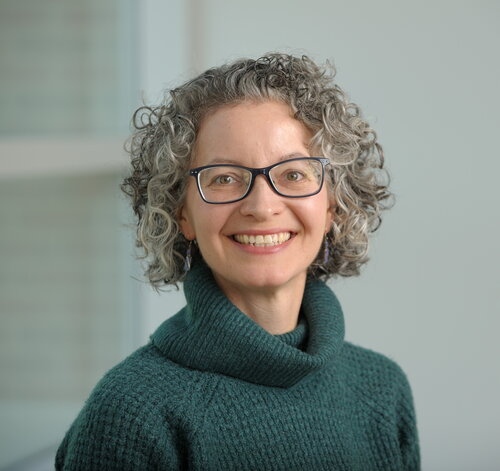
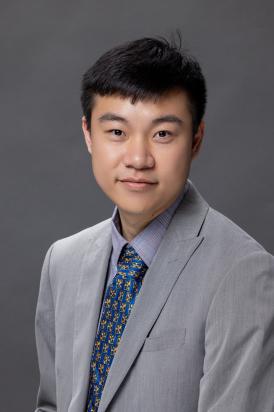
Joy O'Keefe is an Associate Professor at the University of Illinois Urbana-Champaign within the School of Integrative Biology and Department of Natural Resources and Environmental Sciences. She leads the Human-Wildlife Interactions Lab and holds additional affiliations with the Prairie Research Institute. Primary Affiliation: School of Integrative Biology Department: Natural Resources and Environmental Sciences Institute: Prairie Research Institute Dr. O'Keefe's research focuses on understanding bat ecology in human-altered landscapes, particularly examining: Roosting and foraging behaviors Mitigation strategies for bat conservation Thermal ecology of artificial roosts Wildlife trade impacts and solutions Acoustic monitoring techniques Effects of climate and disease on bat populations Her recent work addresses critical conservation challenges such as: Ending online ornamental bat trade Optimizing bat box thermal conditions Assessing white-nose syndrome impacts Improving habitat suitability modeling Dr. O'Keefe collaborates extensively with: USDA Forest Service National Park Service State wildlife agencies Private landowners
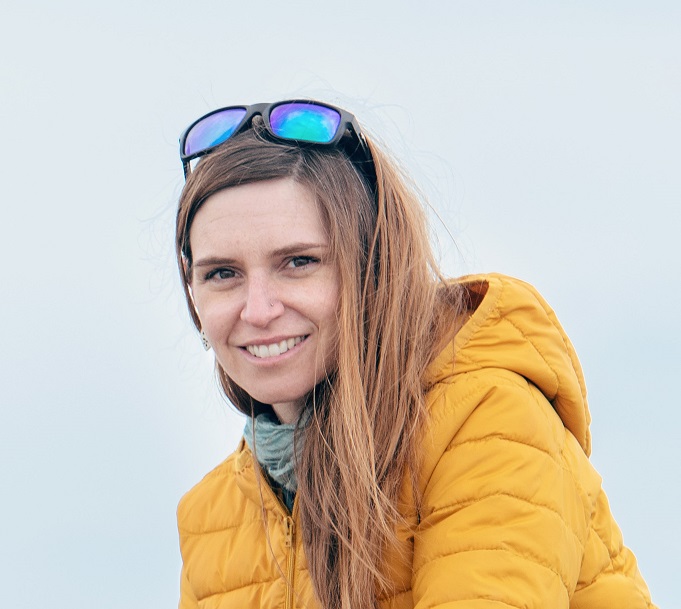
Andrea Frommel is an Assistant Professor in Applied Biology and Chair in Sustainable Aquaculture at the University of British Columbia's Faculty of Land and Food Systems. She leads research at the intersection of climate change, fisheries science, and sustainable aquaculture practices, with particular emphasis on early life stages of commercial fish species. Her educational background includes a BSc from the University of California at Santa Cruz, an MSc from the University of Southern Denmark, and a PhD from the Hemholtz Center for Ocean Research in Kiel, Germany. This international training has informed her interdisciplinary approach to aquatic research. Dr. Frommel's research focuses on three interconnected areas: the effects of climate change (particularly ocean acidification and warming) on commercial fish species; the development of alternative sustainable feeds for aquaculture; and optimizing fish welfare practices in aquaculture systems. Her work examines species-specific and life-stage-specific responses to environmental stressors, with implications for both wild fisheries management and aquaculture production. Her recent publications reveal a strong emphasis on understanding how combined climate change stressors affect fish physiology during critical life stages, particularly during the transition from freshwater to seawater in salmonids. She has made significant contributions to understanding how fish species vary in their resilience to ocean acidification, with important implications for stock assessment models and aquaculture production management. Dr. Frommel actively collaborates with the Hakai Institute, Department of Fisheries and Oceans, local NGOs, government agencies, industry partners, and international research institutions. She welcomes graduate students interested in projects related to sustainable aquaculture, climate change impacts on fisheries, and fish physiology under changing environmental conditions. She directs the Aquaculture and Climate Change Lab, which investigates how environmental stressors affect commercial fish populations and develops mitigation strategies to enhance the sustainability of aquaculture operations. Current projects include examining how kelp can mitigate ocean acidification effects, researching alternative feed ingredients, and studying local variability in coastal systems that may provide resilience to climate change.
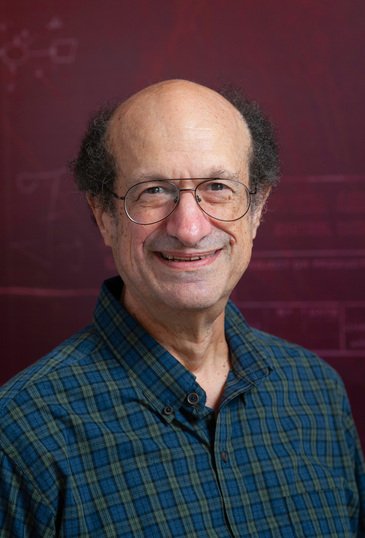
Dr. Jeffery D. Weir is an Adjunct Professor in the Department of Operational Sciences at the Air Force Institute of Technology (AFIT). A former U.S. Air Force officer, he specializes in decision analysis, risk analysis, and multi-objective optimization, with applications spanning military logistics, energy systems, and transportation modeling. His research addresses complex operational challenges such as aircraft scheduling, RNA foldability prediction, and cost analysis for military installations. Doctor of Philosophy (Ph.D.), Industrial Engineering & Operations Research, Georgia Institute of Technology, 2002 Master of Science (M.S.), Operations Research, Air Force Institute of Technology, 1995 Bachelor of Science in Electrical Engineering (B.S.E.E.), Georgia Institute of Technology, 1988 Dr. Weir's research bridges theoretical and applied domains, focusing on metaheuristics, data envelopment analysis, and robust optimization. His recent work includes RNA structure prediction frameworks, multi-modal distribution networks, and energy model recommendation systems. His publications span journals like BMC Bioinformatics , European Journal of Operations Research , and IEEE Transactions on Evolutionary Computation , reflecting interdisciplinary expertise in computational biology, military logistics, and building energy systems. Scientific awards include the Toulmin Medal for best article in 2004. He has received grants from the Defense Intelligence Agency, United States Transportation Command, Air Force Materiel Command, and other military organizations. Dr. Weir is a member of the Institute for Operations Research and the Management Sciences (INFORMS), Military Operations Research Society, and Institute of Industrial Engineers. His work emphasizes practical decision support tools for military personnel and resource management.
Professor Mahdi Mahfouf holds the Chair in Intelligent Systems at the University of Sheffield's School of Electrical and Electronic Engineering . He obtained his MPhil (1988) and PhD (1991) in Control Systems from the same institution. After postdoctoral research (1992-1996) on Leverhulme-funded projects in Model-Predictive Control and Fuzzy Logic, he progressed through academic ranks at Sheffield to Full Professor (2005). Recipient of the IEE Hartree Premium Award (1992) and MEDIPEX Innovation Award (for ICU Decision Support Systems) Over 370 publications, including 130+ journal papers Head of the Intelligent Systems Research Laboratory Research Themes His work spans fundamental research in Fuzzy Logic (modelling, control), Neural-Fuzzy Systems, Self-Organising Control, and Evolutionary Optimization, alongside applied domains in pharmaceutical manufacturing, aerospace systems, biomedical engineering (ICU monitoring), and intelligent transportation. Recent publications focus on hybrid AI for pharmaceutical processes , type-2 fuzzy control systems , and machine learning in manufacturing metrology . Lab initiatives include multistage process monitoring and human-machine interaction systems for stress management.
Jianping Xu is a Professor in the Department of Biology at McMaster University, specializing in the ecology and evolutionary genetics of fungi. His research explores evolutionary mechanisms in fungal populations from environmental, clinical, and host-associated contexts. Institution: McMaster University Department: Biology Research Overview: Integrates microbiology, molecular genetics, and quantitative approaches to study fungal evolution. Research Interests include: Population genetics of human and animal fungal pathogens Mitochondrial DNA variation and inheritance Development of biomarkers for fungal identification Microbiome impacts on host health Publication Trends show focus on fungal pathogenesis, environmental adaptation, and genomic analyses across species like Cryptococcus , Aspergillus , and agricultural fungi. Teaching & Outreach connects to McMaster's biology programs, with research stories highlighting fungal-based innovations (e.g., mushroom plastics) and clinical studies on drug-resistant pathogens.
Daniel Boley is a Professor and Distinguished University Teaching Professor at the University of Minnesota, within the College of Science and Engineering, Department of Computer Science and Engineering. He serves as the Director of Graduate Studies for the Graduate Program in Data Science, which offers a Master's of Science and a Post-Baccalaureate Certificate. His office is located in Kenneth H. Keller Hall at 4-225C. Professor Boley's research spans computational methods in linear algebra, scalable data mining algorithms, and applications in systems biology and bioinformatics. His work focuses on scalable algorithms for convex optimization in machine learning, analysis of networks and graphs from metabolic biochemical networks, and wireless device networks. He has made significant contributions to numerical linear algebra methods for control problems, parallel algorithms, and iterative methods for matrix eigenproblems. His research interests also include algebraic models in systems and evolutionary biology, and biochemical metabolic networks. His recent publications demonstrate a strong focus on applying graph theory and network analysis to diverse domains including robot swarms, medical imaging (particularly for glioblastoma and COVID-19 diagnosis), and metabolic network analysis. His work bridges theoretical computer science with practical applications in biology and medicine, with a consistent emphasis on developing scalable computational methods. The trend shows increasing interdisciplinary collaboration, particularly with medical researchers. Distinguished Member by the ACM Top university award for post baccalaureate, graduate and professional education Distinguished University Teaching Professor title Professor Boley has advised numerous PhD students including Tatiana Lenskaia (2021), Shaozhe Tao (2018), Ham Ching Lam (2014), and others dating back to 1994. His research has been supported by various grants enabling work on scalable computation of elementary pathways through metabolic networks, Markov models of viral evolution, and scalable data mining algorithms for text analysis. He has developed software tools for clustering, dot plot visualization, and educational graphics. Professor Boley directs the Graduate Program in Data Science and has been involved in projects such as the Principal Direction Divisive Partitioning (PDDP) Project. His research group develops practical implementations of theoretical advances, including the PDDP clustering algorithm, Dot.py genome viewer, and various educational graphics tools for introductory programming courses. He maintains active collaborations across disciplines, particularly in bioinformatics and medical imaging applications.
Dr Albert Stevan van Heerden is a Lecturer in Aerospace Engineering at the James Watt School of Engineering, University of Glasgow. Previously, he was a Research Fellow at Cranfield University's Rolls-Royce University Technology Centre and Centres for Aeronautics and Propulsion and Thermal Power Engineering. He holds a PhD in Aerospace Engineering from Cranfield University, an MS in Aeronautics from California Institute of Technology (Fulbright scholar), and a BEng in Mechanical Engineering from the University of Pretoria. His research focuses on conceptual aircraft design , airframe and propulsion systems development , and technical/economic assessment of sustainable aerospace technologies . He employs deterministic and non-deterministic design methods, with a unique emphasis on evolvable aircraft family design for long-term relevance. His work spans traditional civil transport aircraft, electric aircraft , and hydrogen-powered aircraft systems. Key publications include advancements in set-based design techniques margin allocation strategies hydrogen propulsion systems thermal management frameworks uncertainty allocation methods . Scientific recognition includes Fellow of the Higher Education Academy (FHEA) Member of the Royal Aeronautical Society (MRAeS) . He also serves as Academic Adviser for the Commonwealth Scholarship Commission and Academic Ambassador for the James Watt School of Engineering. His teaching portfolio includes Thermodynamics 2, Aircraft Design 3, and Fluid Mechanics (University of Glasgow Singapore), reflecting his expertise in core aerospace disciplines.
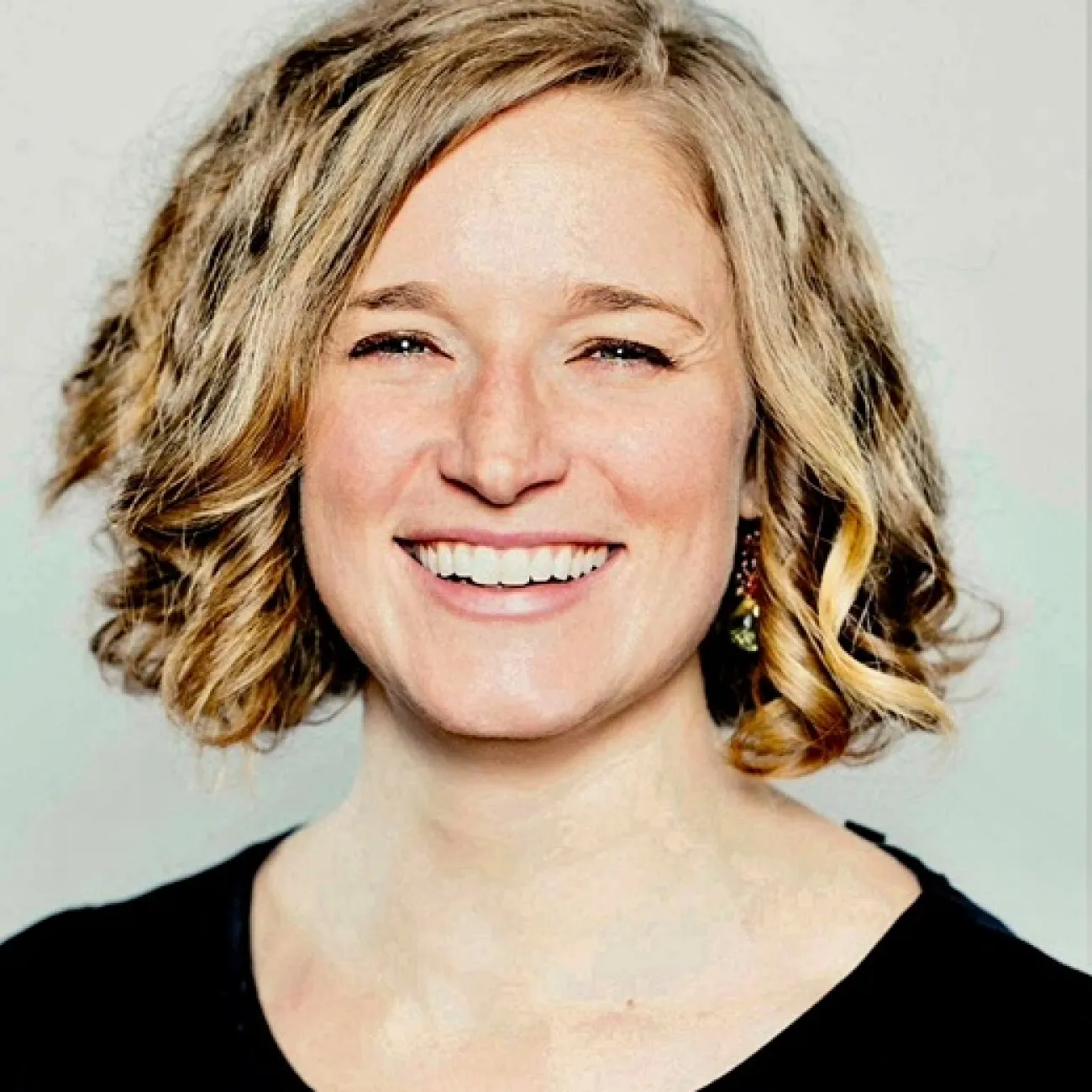
Dr. Lauren Nadler is a Lecturer in Marine Biology and Ecology at the University of Southampton's Ocean and Earth Science faculty, based at the National Oceanography Centre Southampton. She is a member of the Marine Biology and Ecology research group and the Southampton Marine and Maritime Institute. Current research focuses on the interplay between physiology and behavior in social fishes Examining biotic (social context, parasite infection) and abiotic (climate change, habitat degradation) pressures Developing tools for real-world testing of lab findings in marine systems Her work employs an interdisciplinary approach to understand how marine organisms' behavior and physiology create complex underwater interactions. She investigates the physiological mechanisms behind behavioral traits, requiring technological innovations beyond traditional biology. Key trends in her 15 most recent articles (2025-2021) span: Parasite-induced behavioral manipulation Social dynamics in coral reef fish Climate change impacts on physiology Metabolic rate variability Escape response biomechanics Reef conservation methodologies She supervises PhD students in the Ocean & Earth Science department and has previously held academic appointments at Nova Southeastern University (2020-2022) and postdoctoral positions in Norway and California. Her educational background includes: PhD in Marine Biology (James Cook University, 2016) MRes in Marine & Freshwater Ecology (University of Glasgow, 2011) BA in Biology with Marine Science specialization (Boston University, 2007)
N. Michele Holbrook holds the Bullard Professorship of Forestry and is a Professor of Biology at Harvard University's Faculty of Arts and Sciences. Her work bridges biophysics and plant physiology to explore vascular transport mechanisms. Vascular Transport Physics Leaf Hydraulic Constraints Xylem-Phloem Interactions Research in the Holbrook Lab focuses on emergent vascular behaviors under mechanical and environmental stress, including cavitation dynamics , stomatal control , and phloem conductivity . Recent work connects wood anatomy to hydraulic efficiency in lianas and coniferous species. Key publication trends reveal expertise in transport modeling , hydraulic failure analysis , and evolutionary vascular adaptations . The lab's 2024 work on conifer needle networks demonstrates cross-scale transport optimization. 2024: Network modeling of conifer needle hydraulics 2023: Carlquist's Law validation 2022: Liana vascular specialization Labs & Teams: The Holbrook Lab studies vascular integration from cellular to whole-plant scales, combining physical models with physiological measurements . Current members include postdoc Cade Kane and PhD student Melissa Mai, who received the Harvard Biophysics Fall Retreat's Best Poster award.
Kevin Williams, MD is a Professor in the Department of Cardiovascular Sciences at the Lewis Katz School of Medicine, Temple University, with secondary appointments in Medical Genetics and Molecular Biochemistry. He directs research at the Aging + Cardiovascular Discovery Center and serves as principal investigator for multiple NIH-funded projects. His educational credentials include: MD from Johns Hopkins University (1980) Internal Medicine Residency at University of Chicago Medical Center (1983) Clinical Endocrinology Fellowship at Yale-New Haven Hospital (1984) Metabolism Fellowship at Columbia University (1985) Dr. Williams' research revolutionized understanding of atherosclerosis through his work on LDL retention in arterial walls, establishing foundational links between basic science and clinical approaches. His laboratory investigates diabetic dyslipidemia mechanisms and insulin-signaling proteins, emphasizing that atherosclerosis causes 50% of Western deaths and 80% of diabetic cardiovascular events. Current work addresses lipid metabolism in autoimmune diseases and cancer. His 2025 publications reveal intensified focus on cardiovascular risk in lupus/dermatomyositis patients, lipid dysregulation in obesity/cancer, and novel therapeutic targets like SCD inhibition. The work spans molecular mechanisms to clinical management, with strong emphasis on translational applications for high-risk populations. Dr. Williams serves as Consulting Editor for the Journal of Clinical Investigation and on editorial boards for Arteriosclerosis, Thrombosis and Vascular Biology and Rambam Medical Journal. He holds 11 patents related to lipoprotein modification and diabetic dyslipidemia treatment. His laboratory at Temple investigates corrective strategies for postprandial lipid disposal defects in diabetes and explores membrane lipid remodeling in metabolic disease. Current NIH projects focus on early atherosclerotic disease intervention and lipid-based therapeutic approaches for high-risk cardiovascular patients.
Miriam B. Goodman holds the Mrs. George A. Winzer Professorship of Cell Biology at Stanford University , with affiliations in the Department of Molecular and Cellular Physiology , Bio-X , and the Wu Tsai Neurosciences Institute . As Chair of the Molecular and Cellular Physiology Department (2017–present) and former Deputy Director of the Stanford Neuroscience Institute (2013–2017), she leads interdisciplinary research bridging neuroscience, biophysics, and molecular physiology . Education : Ph.D. in Neurobiology, The University of Chicago (1995) Sc.B. in Biochemistry, Brown University (1986) Her research focuses on molecular mechanotransduction using C. elegans to investigate touch sensation, temperature detection, and neuronal stress resilience . Key methodologies include quantitative behavioral analysis , CRISPR gene editing , and in vivo electrophysiology . Recent work explores mechanical forces in feeding through upconverting microgauges and chemosensory integration of plant-derived molecules. Her publications span neurobiological mechanisms , biomechanical sensor design , and ecological signal processing , with a 2025 Nature study on ingestible nanosensors and a 2024 Current Biology paper on mechanosensory complex organization . Scientific Awards : Distinguished Alumni Award, University of Chicago (2024) Landis Award for Outstanding Mentoring, NIH (2019) Michael and Kate Barany Award, Biophysical Society (2014) Klingenstein Fellow in Neuroscience (2005-2008) McKnight Scholar Award (2005-2008) Prize in Neurobiology, Eppendorf & Science (2004) As an advisor, she mentors doctoral candidates in the Biophysics , Molecular and Cellular Physiology , and Neurosciences Ph.D. programs , including Madeline Cooper and Caroline Arellano-Garcia. Her lab collaborates with UC San Diego's Vergassola Group on mechanosensory physics and Stanford Microsystems Lab on optical sensor design .
József Garay is a Senior Research Fellow at the ELTE-MTA Theoretical Biology and Evolutionary Ecology Research Group, part of the Department of Plant Systematics, Ecology and Theoretical Biology at Eötvös Loránd University in Budapest, Hungary. His research spans evolutionary biology, mathematical ecology, and game theory, with a particular focus on evolutionary stable strategies and their applications to biological systems. Dr. Garay received his M.Sc. in Biology from Eötvös University (1981-1986), followed by postgraduate studies in Mathematics (1985-1989). He completed his PhD at the Hungarian Academy of Science in 2004, after doctoral studies in the Department of Plant Taxonomy and Ecology (1990-1994) and a summer school on Evolutionary Models of Cooperation in Seewiesen, Germany (1994). Garay's research interests center on evolutionary game theory and its applications to biological systems. He has made significant contributions to understanding evolutionarily stable strategies (ESS) in sexual populations, the evolutionary roots of morality, and the mathematical foundations of population dynamics. His work bridges theoretical mathematics with practical ecological applications, particularly in areas like optimal foraging, habitat selection, and the evolution of cooperation. A key aspect of his research involves extending classical game theory concepts to more complex biological scenarios, including multi-species systems and time-constrained evolutionary processes. His work on the evolutionary stability of self-sacrificing behavior and the relationship between individual fitness and group survival has provided important insights into the evolution of altruism and social behavior. Analysis of Garay's recent publications reveals a consistent focus on evolutionary game theory applied to biological systems, with increasing sophistication in modeling approaches. His work has evolved from foundational studies on evolutionarily stable allele distributions (ESAD) to more complex applications in areas like cannibalism dynamics, predator-prey interactions, and kin selection. There's a clear trajectory toward more integrative models that combine mathematical rigor with biological realism, often addressing questions at the intersection of evolutionary theory, ecology, and behavior. Notably, his research increasingly incorporates mathematical modeling techniques to analyze complex ecological phenomena, demonstrating the power of theoretical approaches to address empirical biological questions. Dr. Garay has received several prestigious awards and fellowships throughout his career: Juhász-Nagy Pál junior fellowship at Collegium Budapest Institute for Advanced Study (1999-2000) NATO research fellowship at Wilfrid Laurier University, Waterloo, Canada (2002) Research fellowship at Konrad Lorenz Institute, Austria (2005) Bolyai János fellowship of the Hungarian Academy of Sciences (2006-2008) While specific information about his advising activities is limited in the provided materials, Garay's extensive publication record spanning over three decades suggests he has likely mentored numerous graduate students and early-career researchers. His collaborations with colleagues like Zoltán Varga, Manuel Gámez, and Tomás Cabello indicate a strong network of research partnerships. Garay has secured multiple research grants supporting his work, including the Bolyai fellowship and international research opportunities that have enabled him to extend his theoretical models to practical ecological applications. His work on ecological monitoring systems demonstrates how theoretical frameworks can be applied to real-world environmental challenges. Garay is a core member of the HAS Theoretical Biology Group at Eötvös Loránd University, where he contributes to a vibrant research environment focused on mathematical approaches to biological problems. His work intersects with several research teams studying evolutionary ecology, population dynamics, and mathematical biology, creating opportunities for interdisciplinary collaboration on complex biological questions that require both theoretical insight and empirical validation. The group's research has significant implications for understanding fundamental biological processes and developing more effective conservation and management strategies.
Isaac Kauvar is a Postdoctoral Fellow at the Department of Electrical Engineering, School of Engineering, Stanford University. He holds a B.S. in Engineering Physics specializing in Photonics, an M.S. in Electrical Engineering focusing on Imaging and Optimization, and is currently pursuing a PhD in Electrical Engineering under the co-advisement of Prof. Gordon Wetzstein. Education B.S. Engineering Physics, Stanford M.S. Electrical Engineering, Stanford His research bridges Neuroscience, Photonics, and Computational Modeling to develop advanced imaging and neural activity measurement technologies. Key contributions include optical brain-computer interfaces, light-field microscopy innovations, and neural circuit analysis across species. Recent publications highlight work in cortical imaging, emotional response modeling, and neurotechnology development. His expertise spans optical systems design, neural dynamics analysis, and brain state modulation. Contact: ikauvar@stanford.edu
Dr. Tingjun Lei is an Assistant Professor at the University of North Dakota's School of Electrical Engineering and Computer Science (SEECS). With a Ph.D. in Electrical and Computer Engineering from Mississippi State University (2023), his research focuses on bio-inspired artificial intelligence , robotics and autonomous systems , and human-autonomy teaming (HAT) . Research Interests : Bio-inspired AI for robot cognition Multi-robot coordination and control Graph-based path planning algorithms Human-autonomy collaborative systems Intelligent transportation frameworks Recent Article Trends span robotics , bio-inspired computation , and machine learning , with specific focus areas in swarm intelligence , cognitive mapping , multi-agent safety , and adaptive navigation systems . Scientific Awards : 2025 Honorable Mentions (IJCNN 2025) 2025 Early Career Scholars Award (UND) 2024 Best Paper Awards (Biomimetic Intelligence & Robotics, ASEE ECE Division) 2022-2023 ECE Best Graduate Researcher (Mississippi State) Students : Ashwin Mukunda Devanga (Ph.D.), Samuel Steen (Ph.D.), and Justin London (Ph.D.)
Yasser Mohamed is a Professor in the Civil and Environmental Engineering Department at the University of Alberta . His academic and professional focus revolves around construction engineering, discrete-event simulation, and process optimization for industrial and tunneling operations. He has also explored knowledge engineering techniques and the application of TRIZ (Theory of Inventive Problem Solving) to construction processes. Email: yaly@ualberta.ca Location: 7-269 Donadeo Innovation Centre For Engineering, Edmonton, AB Courses Taught: CIV E 603 (Construction Informatics), CIV E 606 (Design and Analysis of Construction Operations) His research emphasizes modeling construction processes using discrete-event simulation to optimize performance and develop synthetic environments for construction operations. Recent publications, however, indicate a shift toward power systems, focusing on DC microgrids , grid-forming converters , and renewable energy integration . Scientific Awards: None explicitly mentioned in the provided data. Advising and Grants: No formal advisees listed. A co-applicant on a CRD grant (2007–present) for synthetic environments in construction simulation.