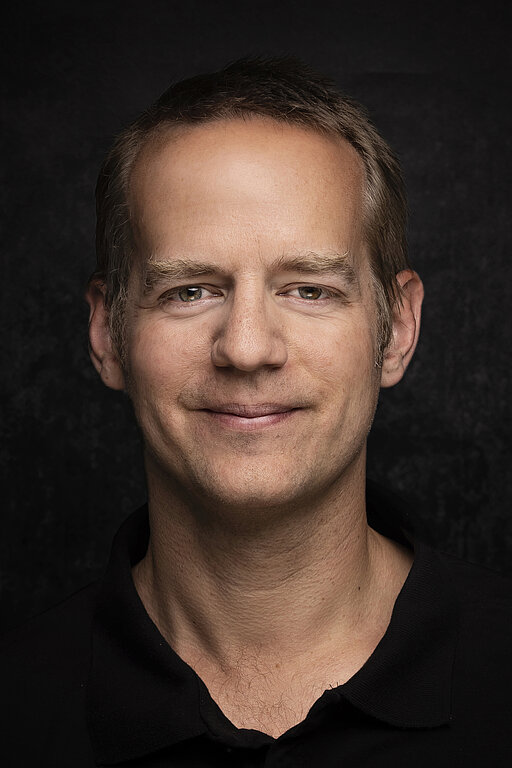
Prof. Dr. Sebastian von Mammen is a tenured professor at the University of Würzburg's Institute for Computer Science, where he heads the Games Engineering research group and contributes to the Chair for Human-Computer Interaction. His group leads the Games Engineering academic program. Previously, he completed his habilitation (2012-2016) at the University of Augsburg's Chair of Organic Computing and was a postdoctoral fellow at the University of Calgary. His research spans: Real-Time Interactive Systems : Visual programming, immersion techniques, software engineering Interactive Simulations : Serious games for healthcare/logistics/construction Artificial Life : Self-organisation, adaptive systems, evolutionary computation Artificial Intelligence : Agent-based modeling, procedural content generation Recent publications (2023-2025) demonstrate strong focus on: Virtual reality applications in education (femtoPro optics simulator, BrainBuilder neuroanatomy) Healthcare technology platforms (VIA-VR for medical serious games) Game mechanics analysis (Match-3, Jump'n'Run flow) AI-driven emotion recognition and interactive systems Computational modeling of biological systems He leads the Games Engineering research group and previously participated in the Evolutionary and Swarm Design group (Calgary) and LINDSAY project. His lab develops VR simulations for scientific training and serious games applications.
Ramana V Davuluri serves as Professor in the Department of Biomedical Informatics at Stony Brook University's Renaissance School of Medicine. With over 20 years of experience in bioinformatics and computational genomics, he leads research at the intersection of machine learning and cancer genomics, focusing on translating high-dimensional -omic data into clinically actionable insights through statistically rigorous methodologies. Dr. Davuluri's research spans Machine Learning applications in Cancer Data Science , isoform-level gene regulation , and precision-medicine development. His lab pioneers bioinformatics solutions for genomic data interpretation, with emphasis on developing machine learning algorithms that convert NextGen sequencing outputs into experimentally testable discovery models. A core focus involves creating rapid biomarker identification systems from human tissue and blood samples through integrated computational-experimental approaches in systems biology. Analysis of his 2023-2025 publications reveals a dominant trend toward genomic foundation models (e.g., DNABERT variants), multi-omic cancer subtyping , and time-dependent therapeutic strategies for pediatric brain tumors and ovarian cancer. His work consistently bridges computational innovation with biological validation across diverse cancer types including glioma, lung adenocarcinoma, and high-grade serous carcinoma. As Principal Investigator for multiple multi-investigator and multi-site projects, Dr. Davuluri directs research integrating high-throughput experimental procedures with advanced data-mining techniques. His laboratory maintains strong collaborations across oncology, neuroscience, and immunology domains while developing genomics-based decision support systems for clinical translation. The Davuluri Lab employs a systems biology framework to develop novel informatics tools for precision oncology, with particular emphasis on translating genomic discoveries into clinical applications through biomarker discovery and therapeutic strategy optimization.
Dr. Caroline Buckee is a Professor of Epidemiology at the Harvard T.H. Chan School of Public Health, where she joined as an Assistant Professor in summer 2010 and was promoted to Professor in 2021. She served as Associate Director of the Center for Communicable Disease Dynamics from 2013-2023. Dr. Buckee co-founded and co-directs Crisis Ready (crisisready.io), a joint platform between Harvard's Data Science Initiative and Direct Relief that supports data-driven responses to public health emergencies. She also co-leads the South Asia Climate and Health Research Cluster supported by Harvard's Salata Institute for Climate and Sustainability. Dr. Buckee's research spans infectious disease epidemiology and ecology with a focus on vector-borne diseases including malaria and dengue. Her work examines human mobility and the impact of labor migration on epidemic spread, as well as the intersection of climate risks and human health. Her research group actively supports National Malaria Control Programs in the global south to improve surveillance and analytical approaches. Specific projects include studying the impact of gold-mining on malaria transmission in the Amazon region and investigating how extreme heat affects poor working women in India, with the goal of developing community-led interventions. Dr. Buckee's recent publications demonstrate a strong focus on integrating genomic data with epidemiological modeling, particularly for malaria parasites. Her work addresses critical gaps in understanding spatial disease dynamics, the impact of human mobility on outbreaks, and the development of privacy-preserving methods for using mobile phone data in public health. She has made significant contributions to understanding how environmental factors, including climate change and resource extraction, influence disease transmission patterns. Dr. Buckee has received NIH funding including the R35GM124715 grant for "New approaches to measuring and containing the spatial spread of human pathogens" and R21GM100207 for "An alignment free network approach to analyzing highly recombinant malaria parasites." Her research has been widely cited and has influenced public health responses to infectious disease outbreaks globally. Through Crisis Ready, Dr. Buckee's team works at the intersection of data science and public health emergency response, developing tools and approaches to improve real-time decision-making during crises. Her group maintains strong international collaborations, particularly with researchers and public health officials in malaria-endemic regions of South America and South Asia.
George M. Church is a Professor of Genetics at Harvard Medical School and affiliated with MIT, where he directs PersonalGenomes.org, providing open-access genomic, environmental and trait data. His laboratory focuses on transformative technologies for reading and writing 3D/4D biological structures with attention to ethics, safety, and equitable access. Church has co-initiated major scientific initiatives including the BRAIN Initiative (2011) and multiple Genome Projects (GP-Read-1984, GP-Write-2016, PGP-2005). Church's research spans multiple cutting-edge domains including genome engineering, synthetic biology, aging reversal, and space genetics. His lab pioneered foundational methods for direct genome sequencing, molecular multiplexing and barcoding in 1984, leading to the first genome sequence in 1994. His innovations contributed to nearly all next-generation DNA sequencing methods and companies. Current research directions include machine learning for protein engineering, tissue reprogramming, organoids, gene therapy, and in situ 3D DNA/RNA/protein imaging. His work bridges fundamental biology with therapeutic applications across diverse fields from Alzheimer's disease to de-extinction biology. Church's recent publications reveal a remarkable breadth of scientific inquiry, spanning from fundamental genome editing techniques to applications in aging research, neuroscience, and space biology. His work increasingly integrates artificial intelligence with biological systems, as seen in papers on machine-guided cell-fate engineering and automation of systematic reviews with large language models. His research maintains a strong translational focus, with numerous papers addressing therapeutic applications in cancer immunotherapy, gene therapy, and diagnostics. The consistent theme across his diverse publications is the development and application of transformative technologies to address fundamental biological questions and medical challenges. National Academy of Sciences (NAS) membership National Academy of Engineering (NAE) membership Franklin Bower Laureate for Achievement in Science Co-initiator of the BRAIN Initiative (2011) Director of multiple NIH Centers for Excellence in Genomic Science (2004-2020) Church directs numerous research centers including the NIH-CEGS, Personal Genome Project (PGP), Lipper Center for Computational Genetics, and Wyss Institute Synthetic Biology center. His laboratory has trained PhD students across multiple Harvard and MIT programs including Biophysics, BBS, Biomedical Informatics, ChemBio, Chemistry, SSQB, MCO, Virology, HST, EE/CS, Physics and Applied Math. His commercial impact is extensive through companies spanning medical diagnostics (Knome/PierianDx, Alacris, Nebula, Veritas) and synthetic biology/therapeutics (AbVitro/Juno, Gen9/enEvolv/Zymergen/Warpdrive/Gingko, Editas, Egenesis). Church also pioneered new privacy, biosafety, ELSI, environmental and biosecurity policies. The Church Lab operates across multiple research domains including molecular multiplexing, next-generation sequencing, nanopore technology, and genome engineering. The lab maintains strong connections with the Personal Genome Project, Wyss Institute, and multiple commercial ventures. Current research directions include the Spatial Atlas of Human Anatomy (SAHA), human skin rejuvenation via mRNA, and space genetics research through the Consortium for Space Genetics and BioAstra. The lab's mission focuses on transformative technologies for reading and writing 3D/4D structures at any scale, inspired by but not limited by biology.
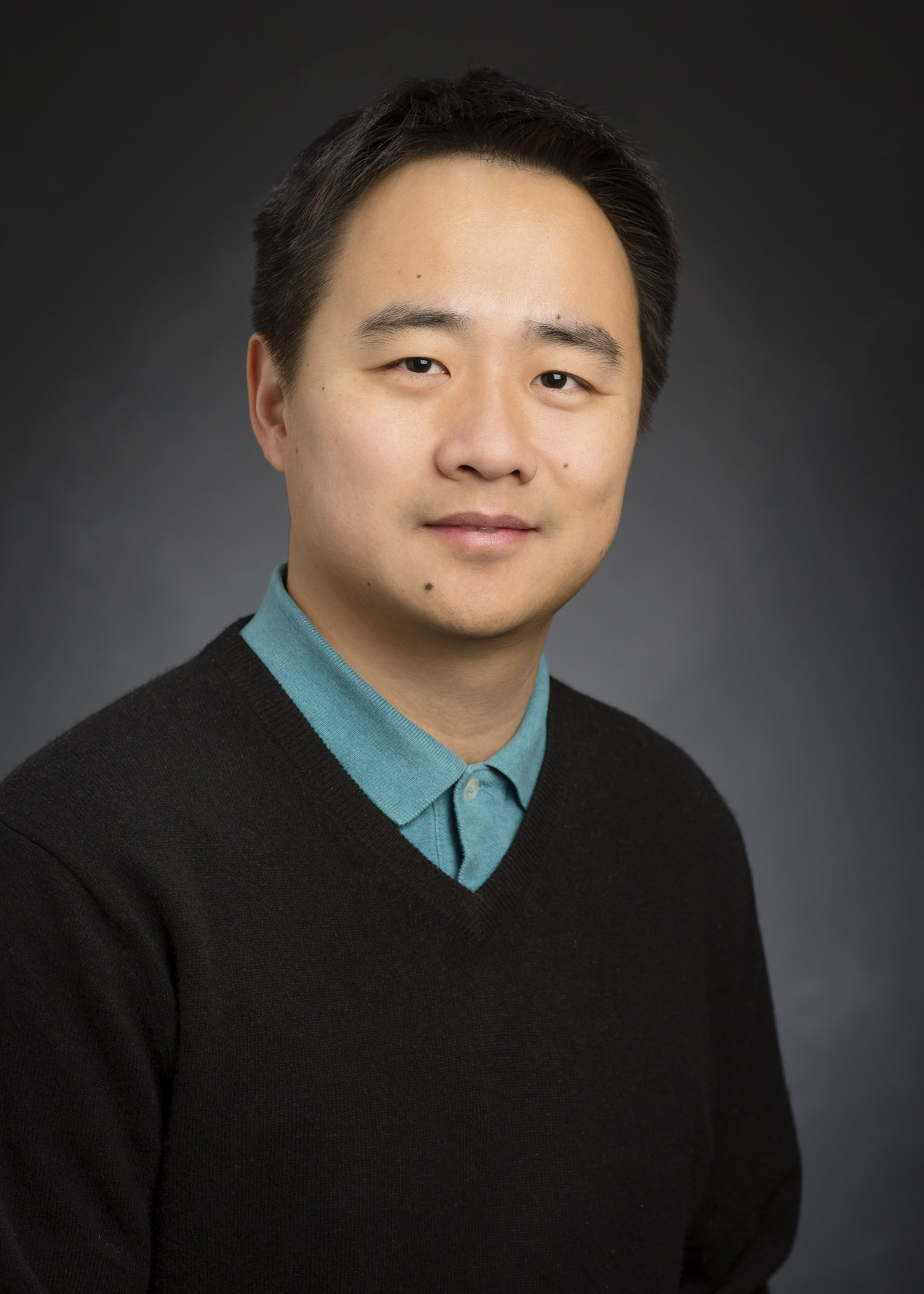
Scott Shane is the A. Malachi Mixon III Professor of Entrepreneurial Studies and Professor of Economics at the Weatherhead School of Management, Case Western Reserve University, where he has been faculty since 2003. As the school's most highly cited researcher, his work bridges entrepreneurship, economics, and neuroscience with over 94 scholarly articles and 16 books including award-winning titles like Illusions of Entrepreneurship and Fool's Gold . Education: PhD, University of Pennsylvania (1992) Master of Science, University of Pennsylvania (1991) Master of Science, Georgetown University (1988) AB, Brown University (1986) Research Focus: Shane's work centers on five interconnected domains: (1) opportunity discovery and evaluation processes; (2) university spin-offs and technology commercialization; (3) business format franchising dynamics; (4) angel investment mechanisms; and (5) the genetic and neural underpinnings of entrepreneurial behavior. His research uniquely integrates biological perspectives with traditional entrepreneurship theory, challenging conventional wisdom through rigorous empirical analysis. Publication Trends: Recent work shows increasing interdisciplinary convergence, particularly in neuroscience applications to investor decision-making and founder behavior. His 2020-2025 publications demonstrate heightened focus on pitch dynamics, pandemic economic impacts, and genetic factors, while maintaining his signature critical analysis of entrepreneurship myths. The consistent appearance in top journals like Management Science and Academy of Management Journal underscores his field leadership. Scientific Recognition: Global Award for Entrepreneurship Research (2009) Weatherhead Enduring Impact Award (2015) Case Western Faculty Distinguished Research Award (2017) Multiple Best Business Book Awards for Illusions of Entrepreneurship and Fool's Gold Academy of Management Best Paper Award (2020, 2021) Professional Engagement: Beyond academia, Shane serves as Managing Director of the Comeback Capital Fund (investing in Heartland startups) and previously held board positions at JumpStart Inc. (2008-2009) and NorthCoast Angel Fund (2006-2018). He has consulted globally for organizations seeking innovation strategy guidance and taught executive education programs worldwide, while his classroom instruction focuses on entrepreneurial finance and technology strategy. Research Infrastructure: Shane's work is supported through the Greif Center for Entrepreneurship at Weatherhead, where he has directed major projects on technology commercialization and new venture finance. His current research leverages fMRI technology and genetic data to explore biological foundations of entrepreneurship, collaborating with interdisciplinary teams across economics, psychology, and neuroscience departments.
Hiroshi Toyoizumi is a Professor at Waseda University's Faculty of Commerce and Graduate School of Accountancy, with a Ph.D. in Mathematical Physics from Waseda University. His work bridges Applied Probability , Operations Research , and Computational Biology , focusing on stochastic modeling across biological and network systems. Research Interests Stochastic Models in Biology : Analyzing social queues in hover wasps and meiotic DSB regulation using quasi-birth-death processes and survival analysis. Network Security : Modeling computer virus spread on scale-free networks and proposing active defense strategies. Queueing Theory : Developing analytical frameworks for on-demand streaming, quantum merging, and blockchain-based systems. Article Trends Recent work (2020-2024) explores nonlocal diffusion , quantum queueing , and swarm behavior in financial markets . Mid-2010s studies focus on cooperative breeding and DNA recombination dynamics . Early papers (pre-2010) examine computer virus ecology , secure group communication , and deterministic queue analysis . Scientific Awards Biotechno 2013 Best Paper Award IEICE Switching Workshop SSE Research Award (1999) IEICE Young Research Engineer Award (1997) Teaching Activities Graduate-level courses in Operations Research and Financial Engineering . Undergraduate and graduate seminars in Applied Mathematics and Probabilistic Models .
Nick Cheney is an Associate Professor in the Department of Computer Science at the University of Vermont, leading the UVM Neurobotics Lab. He also serves as Graduate Program Director and is affiliated with the Vermont Complex Systems Center, an interdisciplinary hub for data-rich complex systems research. PhD in Computational Biology and Biological Statistics from Cornell University Advised by Hod Lipson and Steve Strogatz His research focuses on bio-inspired machine learning algorithms, particularly in evolutionary computation, deep learning, and reinforcement learning. Key applications span robotics, healthcare diagnostics, and environmental science. The lab's interdisciplinary work has been recognized with prestigious awards including the NSF CAREER Award and SIGEVO Impact Award . Recent publications highlight advancements in morphological computation, continual learning, and cross-domain applications of machine learning. His team develops algorithms for soft robots, medical diagnostics using wearable sensors, and sustainable agriculture systems, often publishing in venues like the Nature Scientific Reports , GECCO , and Soft Robotics . Scientific Awards : NSF CAREER Award SIGEVO Impact Award The lab actively mentors graduate students in Complex Systems and Data Science, with alumni securing positions at institutions like Harvard, UC Berkeley, and Medidata. Collaborative grants with biomedical and environmental researchers demonstrate the lab's commitment to societal impact through machine learning applications.
Jian Peng is an Associate Professor and Willett Faculty Fellow at the University of Illinois at Urbana-Champaign with primary appointment in the Department of Computer Science and courtesy appointments in the College of Medicine. He holds affiliate positions at the Institute of Genomic Biology, Cancer Center at Illinois, and National Center for Supercomputing Applications. His research integrates computational biology and machine learning, focusing on functional genomics, cancer genomics, neurodegenerative diseases, deep learning architectures, and reinforcement learning applications in biological domains. His work bridges algorithmic development with real-world biomedical challenges. Analysis of recent publications (2020-2021) reveals strong emphasis on machine learning applications in drug design, protein engineering, and computational biology. Key technical themes include generative modeling for molecular structures, reinforcement learning advancements, causal inference frameworks, and novel computer vision approaches. The work demonstrates consistent interdisciplinary innovation across computational and biological domains. Major Scientific Awards: Donald Biggar Willett Faculty Fellow (2020) Overton Prize - ISCB (2020) Dean's Award for Excellence in Research (2020) C.W. Gear Junior Faculty Award (2019) NSF CAREER Award (2017-2022) Sloan Research Fellowship (2016) He leads significant research initiatives including co-directing the NSF AI Institute's Molecular Maker Lab and an ASAP collaborative grant for Parkinson's disease research. His students have secured faculty positions at leading institutions including Georgia Tech and University of Washington.
Fei He is an Associate Professor at Tsinghua University's School of Software, where he leads the THUFV research lab focused on formal verification and program analysis. His research spans formal methods, automated reasoning, and program verification, with applications in concurrent systems, networking (P4 programs), and probabilistic systems. Education & Employment: PhD from Tsinghua University (2008) Visiting Scholar at Carnegie Mellon University (2010-2011) and Politecnico di Milano (2006-2007) Faculty positions at Tsinghua since 2008 (Assistant Professor 2008-2011, Associate Professor 2011-present) Research: He's developed innovative techniques in SMT solving for concurrency verification, termination analysis, and regression verification. His tools like Deagle have won gold medals at SV-COMP. Current work focuses on probabilistic program verification and network program analysis. Publications: His 80+ publications demonstrate consistent contributions across formal methods (PLDI, OOPSLA, ICSE), networking (NSDI, INFOCOM), and software engineering (TSE, TOSEM), with recent emphasis on data-driven verification and automated invariant inference. Awards: Gold Medals in SV-COMP ConcurrencySafety (2022, 2023, 2025) Best Paper Awards at PPoPP 2022 and SETTA 2022 Advising: Mentors 13 PhD/Master's students in THUFV lab, with graduates joining Huawei, MPI-SP, and research institutions. Secured multiple NSF China grants for trustworthy software research. Service: Associate Editor for Theory of Computing Systems, program committees for PLDI/ICSE/OOPSLA, and former Local Chair for ISSTA 2019.
Elizabeth Brainerd is the Robert P. Brown Professor of Biology and Professor of Medical Science in the Department of Ecology and Evolutionary Biology at Brown University. She has been a leading figure in vertebrate biomechanics and evolutionary morphology since joining Brown in 2005, where she directs the Keck XROMM Core Facility. Previously, she served as Assistant Professor (1994-1999) and Associate Professor (2000-2005) at the University of Massachusetts Amherst. Her research focuses on biomechanics and evolutionary morphology, combining anatomical studies with engineering principles to understand animal movement. Brainerd is a pioneer of X-ray Reconstruction of Moving Morphology (XROMM) technology, which enables 3D visualization of skeletal movement in living animals. Her work spans diverse vertebrate groups including fish, amphibians, reptiles, birds, and mammals, with applications to feeding, breathing, and locomotion mechanics. Brainerd's research has been consistently supported by major NSF grants, including the development of microXROMM for high-resolution imaging of small animals. Her publications reveal a trajectory from foundational work on breathing mechanics to innovative applications of XROMM technology across multiple vertebrate systems, particularly in suction feeding mechanics and skeletal kinematics. Her scientific recognition includes: Fellow of the American Association for the Advancement of Science (2004) Distinguished Research Achievement Award from Brown University (2019) Fellow of the American Association for Anatomy (2020) Joseph S. Nelson Lifetime Achievement Award in Ichthyology (2021) Bidder Prize Lecture from the Society for Experimental Biology (2023) Brainerd has mentored 7 doctoral students and 5 MS students to completion, plus over 50 undergraduate researchers. She has served as President of both the International Society of Vertebrate Morphology (2016-2019) and the Society for Integrative and Comparative Biology (2019-2021). Her teaching includes undergraduate courses in Comparative Anatomy, Comparative Physiology, and Human Physiology, graduate courses in Muscle Architecture and Biomechanics, and medical education in Human Anatomy.
Stefanie Wienkoop is a University Professor at the University of Vienna's Department of Functional and Evolutionary Ecology within the Life Sciences faculty. She serves as Vice-Director of Studies for Ecology and Evolution and is part of the Directorate of Doctoral Studies. Her research focuses on plant-microbe interactions using advanced proteomic and metabolomic approaches. Her primary research interests center on molecular plant-microsymbiont interactions, particularly examining how legumes interact with nitrogen-fixing bacteria under environmental stress conditions. She investigates drought stress responses, symbiotic nitrogen fixation mechanisms, and the molecular systems biology of plant-microbe relationships using mass spectrometry and other omics technologies. Her work bridges fundamental plant biology with practical applications for improving crop resilience in changing climate conditions. Analysis of her recent publications reveals a strong focus on plant stress responses, particularly drought tolerance mechanisms in various plant species including legumes, maize, and barley. Her research integrates proteomics, metabolomics, and systems biology approaches to understand how plants adapt to environmental challenges at the molecular level. A recurring theme is the investigation of symbiotic relationships between plants and microbes as a strategy for enhancing stress tolerance while maintaining growth performance. Professor Wienkoop leads the SYMPROFERR project (P 33930), funded by the Austrian Science Fund (FWF), which investigates the role of ferritin in nodule formation, symbiosis functioning, and priming of drought tolerance. This project runs from March 2021 to February 2024 and represents a significant research investment in understanding plant-microbe interactions under climate stress. She actively supervises multiple PhD and Master's students, including Carlos Perez-Rizquez, Sebastian Schneider, and others who have made notable contributions to the field. Her teaching portfolio includes courses on molecular ecology of plants, proteomics in systems biology, and biodiversity research. She is also involved in organizing major international conferences in plant proteomics and nitrogen fixation research, demonstrating her leadership in the international scientific community.
Timo Hytönen is a Professor in the Department of Agricultural Sciences at the University of Helsinki's Faculty of Agriculture and Forestry. He holds a Docentship in the same department and is an integral member of the Viikki Plant Science Centre (ViPS). His academic leadership extends to supervising doctoral students across three major programs: Sustainable Use of Renewable Natural Resources, Integrative Life Science, and Plant Sciences. Additionally, he maintains an external position as Principal Research Scientist at NIAB EMR in Genetic Genomics & Breeding since November 2018. Professor Hytönen's research interests span plant genetics, molecular biology, and crop production sciences with a specialized focus on berry crops, particularly strawberries. His work investigates fundamental plant processes including flowering time regulation, environmental adaptation mechanisms, fruit development, and disease resistance. His research integrates genomic, transcriptomic, and epigenetic approaches to understand how plants respond and adapt to environmental challenges. His extensive publication record (88 publications) reveals a strong focus on woodland strawberry (Fragaria vesca) as a model system for studying economically important traits in berry crops. Recent work demonstrates expertise in QTL mapping, genome-wide association studies, circadian rhythm adaptation, and the genetic basis of climate adaptation. His research shows consistent emphasis on translating basic science into practical applications for crop improvement. Professor Hytönen leads significant research projects including 'Mansikan vihreä vallankumous' (Strawberry Green Revolution) funded by the Academy of Finland and 'ASTROS: How meristems guide plant reproductive development' supported by the Jane and Aatos Erkko Foundation. He is also a Principal Investigator in the Viikki Plant Science Centre (ViPS), a major collaborative research infrastructure. His academic service includes extensive peer review activities (37 manuscript reviews), hosting academic visitors (32 instances), and participation in numerous conferences and seminars. He has provided guidance to graduate students and supervised doctoral candidates, contributing significantly to the training of next-generation plant scientists.
David Lentink is a Full Professor of Biomimetics at the University of Groningen , leading the Biomimetics Group within the Faculty of Science and Engineering. His research bridges biomechanics, aerospace engineering, and robotics, focusing on avian flight mechanics and bio-inspired aerial robotics . Previously at Stanford University, he pioneered the development of the Aerodynamic Force Platform and low-turbulence wind tunnels for animal flight studies. Education : PhD in Aerospace Engineering (Stanford), MSc in Mechanical Engineering (Delft), BSc in Mechanical Engineering (Delft). Research Interests : Understanding bird flight biomechanics to design advanced drones, studying evolutionary adaptations in flight, and developing biohybrid robots with real feathers. Scientific Awards : Dutch Academic Year Prize for the Flight Artists (2013). World Economic Forum Young Scientist under 40 (2013). Alumnus of the Young Academy of The Royal Netherlands Academy of Arts and Sciences. Labs : The Lentink Lab at Groningen’s Linnaeusborg campus integrates bird aviaries, wind tunnels, and maker spaces for bio-inspired robotics development. His team collaborates globally with institutions like Stanford, TU/e, and Sorama.
Barbara Mellone is a Professor in the Department of Molecular and Cell Biology / Genetics and Genomics at the University of Connecticut. She leads the Mellone Lab, which focuses on understanding how genetic information is accurately passed from one cell generation to the next through the study of centromeres. Her research interests include: Centromere biology and function Chromosome segregation mechanisms Genetic and epigenetic regulation of centromeres Evolution of centromeres across species Using Drosophila melanogaster as a model system for chromosome studies Connections between chromosome segregation errors and human diseases like cancer Professor Mellone's recent publications demonstrate a strong focus on centromere structure and function, particularly examining CENP-A chromatin, centromere assembly factors like CAL1, and the evolutionary aspects of centromere biology. Her work combines genetic, molecular, and evolutionary approaches to unravel the fundamental mechanisms of chromosome inheritance. Her laboratory has made significant contributions to understanding how centromeres are built, maintained, and evolve, with implications for human diseases associated with chromosome segregation errors.
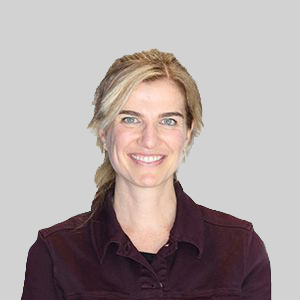
Dr. Isabel ML Saur is a research group leader at the Institute for Plant Sciences, Faculty of Mathematics and Natural Sciences, University of Cologne. She leads the Saur Lab which focuses on plant-pathogen interactions, particularly the mechanisms employed by the powdery mildew fungus Blumeria hordei to colonize barley. Her research contributes significantly to understanding plant immunity and pathogen recognition mechanisms. Dr. Saur was trained as a Laboratory Assistant in Stuttgart-Hohenheim and completed her undergraduate studies in Biotechnology at the Applied Science University Esslingen am Neckar. She developed her interest in plant sciences during placements at the Research School of Biology, The Australian National University (ANU), Canberra. She earned her PhD in plant immunity from ANU in 2015 and subsequently joined the Max Planck Institute for Plant Breeding Research (MPIPZ) in Cologne. In 2020, she was granted a prestigious DFG Emmy Noether group leader position, establishing her independent research group. Dr. Saur's research focuses on cellular recognition mechanisms in plant immunity, signal transduction pathways linking receptor-mediated recognition to host physiology, and pathogen strategies for immune evasion and effector-mediated immune suppression. Her lab uses the interaction between barley ( Hordeum vulgare ) and the barley powdery mildew fungus Blumeria hordei as a primary model system, complemented by studies in Arabidopsis thaliana and Nicotiana benthamiana to explore both conserved and lineage-specific features of immunity in monocots and dicots. Analysis of Dr. Saur's recent publications reveals a strong focus on plant-pathogen interactions, particularly the molecular mechanisms of effector proteins from powdery mildew fungi and their recognition by plant immune receptors. Her work spans multiple disciplines including plant pathology, molecular biology, structural biology, and plant immunology, with specific attention to NOD-like receptors, cell death mechanisms, and the evolution of resistance gene specificity. Dr. Saur has received significant recognition for her research, most notably: DFG Emmy Noether group leader position (2020) Dr. Saur currently mentors several students and researchers in her lab, including PhD students Merle Bilstein-Schloemer and Sophie Sent, and postdoctoral fellows Ishani Shankar Das and Wei Shi. Her research is supported by multiple projects including her Emmy Noether project on quantification of virulence function, CEPLAS & EN Project on identification of intrinsic functions of effectors, SFB1403 Project on host cell death pathways, and For5682 Project on powdery mildew adaptation to the leaf epidermal cell niche. The Saur Lab maintains a dynamic research environment focused on understanding plant immunity through multiple ongoing projects. The lab actively participates in conferences and collaborations, contributing to the international plant-microbe interaction research community. Recent lab activities include participation in the 2025 IS-MPMI Congress in Cologne and preparation for the 17th International Cereal Rusts and Powdery Mildews Conference in Vancouver.