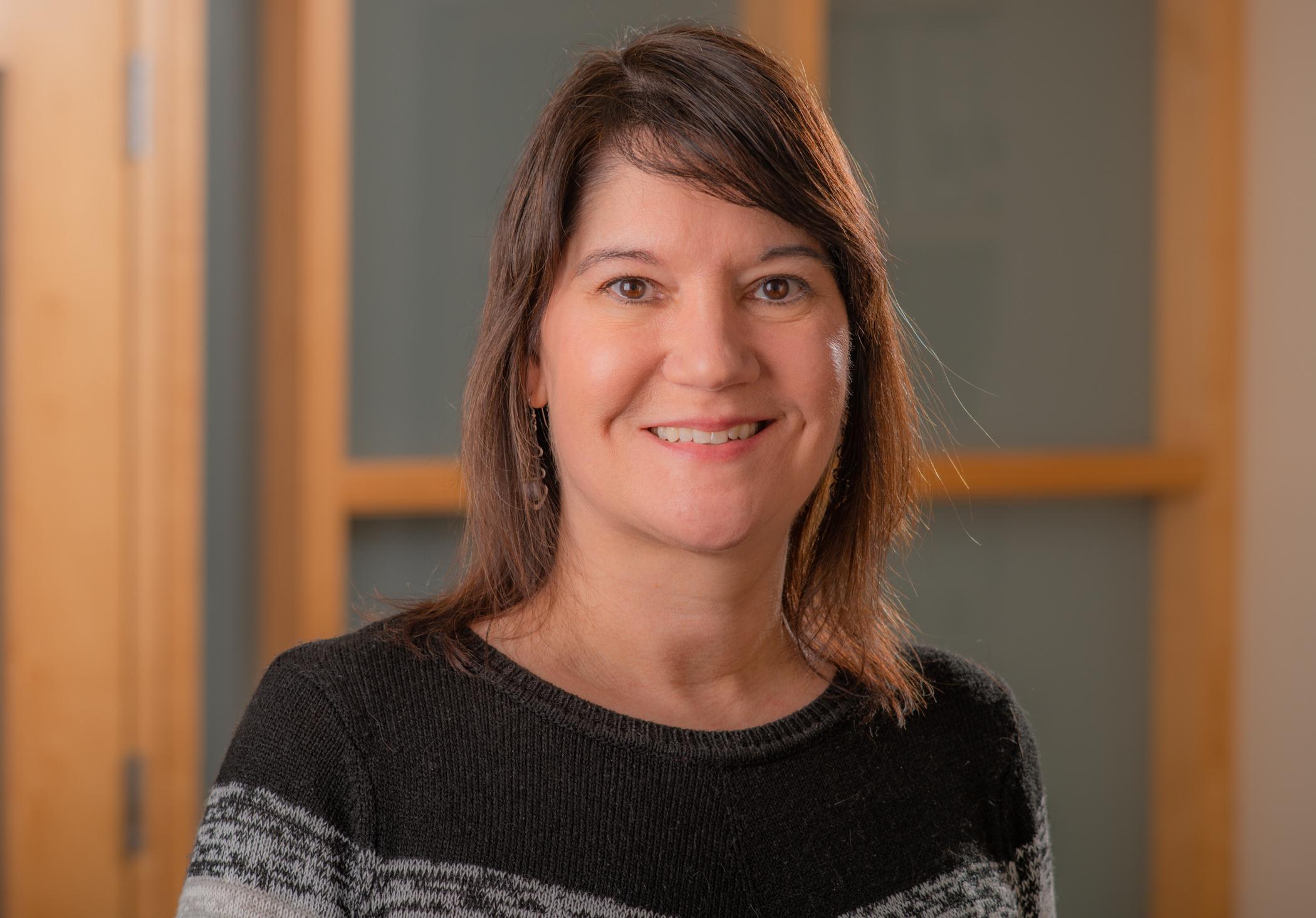
Pablo OteizaView profile
Research Professor
Dr. Pablo Oteiza serves as Research Group Leader at the Max Planck Institute for Biological Intelligence in Martinsried, Germany, where he leads the Flow Sensing research group. Previously, he was Group Leader at the Max Planck Institute for Ornithology (2019-2024) and Research Associate there (2016-2019). His academic journey includes a postdoctoral fellowship at Harvard University's Department of Molecular and Cellular Biology and Center for Brain Science (2010-2016), and graduate studies at Universidad de Chile and the Max Planck Institute for Molecular and Cellular Biology (2004-2010). Dr. Oteiza's research program investigates how aquatic animals sense and respond to their hydrodynamic environment. His quantitative behavioral approach seeks to understand the fundamental principles governing flow navigation in fish and amphibians. His work spans sensory biology, neuroscience, biomechanics, and evolutionary biology, with zebrafish serving as a primary model organism. His research bridges physical hydrodynamics with biological sensory mechanisms, exploring how organisms extract meaningful information from fluid movements. Analysis of Dr. Oteiza's publications reveals a research trajectory evolving from developmental biology toward specialized sensory mechanisms. His work in high-impact journals demonstrates consistent focus on sensory systems across multiple scales - from cellular and molecular mechanisms to whole-organism behavior. His research shows particular strength in connecting physical stimuli with neural processing and behavioral outputs, especially in aquatic environments. As Research Group Leader, Dr. Oteiza oversees a laboratory investigating fundamental questions about hydrodynamic sensing. His team employs advanced techniques to study neural circuits, sensory processing, and behavioral responses to water flow, contributing significantly to our understanding of how organisms interact with their fluid environments. His collaborative work extends across international institutions, reflecting the interdisciplinary nature of his research.