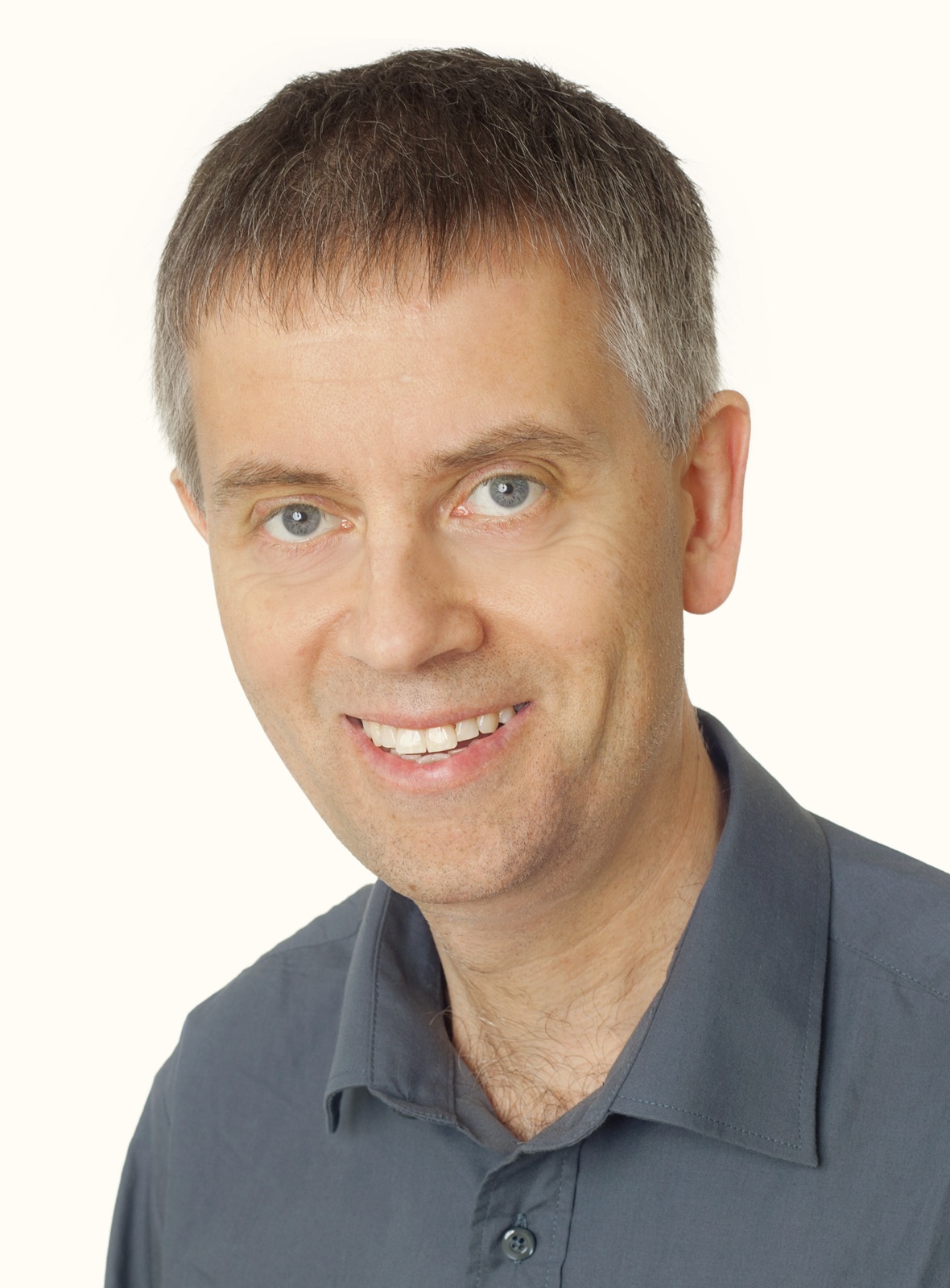
Jim Torresen is a Professor at the Norwegian University of Science and Technology (NTNU), specializing in Computer Science, Artificial Intelligence, and Robotics. He earned his M.Sc. and Dr.ing. (Ph.D.) in computer architecture and design from NTNU in 1991 and 1996 respectively, followed by industry experience in hardware design before transitioning to academia in 1999. Research Interests: His work spans Machine Learning, Evolvable Hardware, and Ethical AI, with notable contributions to music technology, facial expression recognition, and healthcare monitoring systems. He actively explores interdisciplinary applications of AI in creative domains and clinical environments. Publications & Editorial Roles: Torresen has published extensively in journals like Frontiers in Artificial Intelligence and Genetic Programming and Evolvable Machines . He serves as a Topic Editor for Frontiers in Explainable AI and has editorial roles in robotics and biomedical AI domains.
Katrine Eldegard is a Professor at the Norwegian University of Life Sciences (NMBU), Faculty of Environmental Sciences and Natural Resource Management (MINA), Department of Ecology and Natural Resource Management (INA). She leads BatLab Norway and contributes extensively to national and international conservation science policy. Institution: Norwegian University of Life Sciences School: Faculty of Environmental Sciences and Natural Resource Management Department: Department of Ecology and Natural Resource Management Position: Professor Her research centers on understanding how human activities and land use affect natural ecosystems and species across taxa and spatial scales. She specializes in the behavioral, population, and community-level responses of mammals, birds, and insects to anthropogenic pressures such as energy infrastructure, transport networks, and forestry. A major focus is on bat ecology and conservation, pollination dynamics, and biodiversity monitoring in boreal and agricultural landscapes. Her recent publications reveal strong trends in climate change impacts on bat morphology and distribution, pollinator-plant interactions under environmental change, and the ecological consequences of infrastructure development. These works integrate field ecology with advanced modeling and policy-relevant assessments. She has played leading roles in key scientific committees: Chair, Mammal Committee, Norwegian Red List for Species (2021) Chair, Mammal Committee, Norwegian Alien Species List (2023) Member, Norwegian Scientific Committee for Food and Environment (VKM), CITES Expert Panel Norway’s representative, UNEP/Eurobats Advisory Committee Eldegard has supervised numerous research projects and collaborated with government agencies and private partners on applied ecology. She teaches courses including NATF200 Vern og forvaltning av norsk natur and the upcoming NATF300 Conservation Science. Her work is supported by extensive fieldwork, interdisciplinary collaboration, and integration of ecological theory with practical conservation. She leads BatLab Norway, a research group dedicated to advancing knowledge on bat ecology, behavior, and conservation through innovative methods including telemetry, acoustic monitoring, and landscape analysis.
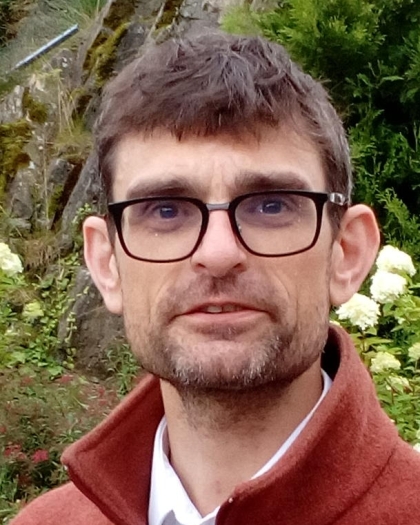
Kjetil Taskén is a full Professor at the Institute for Clinical Medicine, Faculty of Medicine, University of Oslo , and serves as the Director of the Institute for Cancer Research, Oslo University Hospital . He leads the OUS Center for Precision Medicine in Cancer (SEPREK) since 2021 and has held multiple leadership roles in molecular medicine initiatives, including Director of the Norwegian Centre for Molecular Medicine (NCMM) and co-founder of Bioteknologisenteret. Current affiliations: University of Oslo | Oslo University Hospital Education: Dr.med. (Molecular Cell Biology) | Cand.med. | Research Leadership Course Research interests include immunoregulation in cancer , precision oncology , cellular signal transduction in disease , and drug development targeting immune checkpoints . His work bridges translational immunology and molecular oncology , with a focus on regulatory T cell modulation for cancer therapy. Scientific contributions span high-impact publications on regulatory T cell inhibition , precision medicine implementation , and signal pathway drug targeting . Recent articles highlight collaborations across Europe (PCM4EU, PRIME-ROSE) and Norway (IMPRESS-Norway), with methodological advances in tumor microenvironment modeling and mutation timing analysis . Awards : King Olav V Cancer Research Prize | Anders Jahre Medical Prize | Faculty Medal (UiO) | Norwegian Academy of Science and Letters Leadership : Director of NCMM | Founder of Bioteknologisenteret | Head of multiple national cancer research initiatives Labs and teams include the Cancer Immunology Section at Oslo University Hospital and affiliations with the K. G. Jebsen Center for B-Cell Malignancies , where he co-leads research groups.
Jianhua Zhang is a Professor of Computer Science and founding deputy head of the AI Lab at the Department of Computer Science, OsloMet - Oslo Metropolitan University, Norway. He holds affiliations with the Faculty of Technology, Art and Design. His career includes roles as Scientific Director at Vekia (France), Head of Machine Learning Lab, and Professorships at East China University of Science and Technology and Beijing University of Technology. He has held visiting positions at TU Berlin, TU Dresden, and the University of Catania. Educations: PhD in Electrical Engineering and Information Sciences (Ruhr University Bochum, 2005), Postdoctoral Research at the University of Sheffield (2005-2006). Research focuses on artificial intelligence, computational intelligence, cognitive human-machine systems, neuroergonomics, affective computing, and AI-driven neuroergonomics. Applications span engineering, biomedicine, finance, and business. He has led over 20 large-scale projects and published extensively (4 books, 13 chapters, ~200 papers). Leadership roles include Chair of IFAC Technical Committee on Human-Machine Systems (2017-2023), Vice Chair of IEEE Norway Section, and editorial roles at journals like Frontiers in Neuroscience and Cognitive Neurodynamics . He organized major conferences like IFAC HMS2025 (Beijing) and ICMLT 2024 (Oslo). Awards: Stanford/Elsevier Top 2% Scientists (2023/2024), Senior Research Fellowship (CSC, 2012), Max Planck Fellowship (2011), Shanghai Pujiang Talent (2007), DAAD Scholarship (2002-2004). Grants and advising: PI for 20+ projects, advising PhD students in AI, machine learning, and control systems. Teaching includes courses on computational intelligence, IoT, and fuzzy systems at both undergraduate and graduate levels. Labs/Teams: AI Lab at OsloMet, Machine Learning Lab (Vekia), and collaborations with institutions globally. Current work emphasizes AI ethics, neuroergonomics in smart cities, and adaptive human-machine systems.
Shaukat Ali serves as Research Professor and Head of the Department of Engineering Complex Software Systems at Simula Research Laboratory, concurrently holding the title of Chief Research Scientist. His academic leadership drives innovation at the critical nexus of quantum computing, artificial intelligence, and software engineering, with concentrated expertise in verification, validation, and testing methodologies for complex systems including cyber-physical infrastructures and autonomous robotics. His primary research domains encompass: Verification and Validation Search-Based Software Engineering Autonomous Driving Systems Cyber-Physical Systems Engineering Digital Twin Technologies Quantum Software Engineering Analysis of recent publications (2024-2025) reveals a decisive trend toward quantum-AI convergence in software engineering, particularly through quantum software testing frameworks and AI foundation models applied to cyber-physical systems. His work systematically addresses noise mitigation in quantum hardware, uncertainty quantification in adaptive robotics, and novel testing paradigms using vision-language models for industrial robotics—demonstrating both theoretical rigor and industrial applicability. As department head, Ali spearheads strategic research directions in complex software systems, fostering cross-disciplinary collaboration while actively shaping quantum software engineering through workshops like QAI2024 and Q-SANER 2024. His invited presentations at venues including JYU Quantum Electronics and EU-Korea Quantum Forums underscore his influence in defining emerging research landscapes.
Andrea Arcuri is a Professor at the School of Economics, Innovation and Technology within Kristiania University of Applied Sciences . His research focuses on Software Testing , Software Engineering , and Cloud Computing , with a particular emphasis on automated testing techniques for web APIs. Specialized in RESTful, GraphQL, and RPC API fuzzing Developer of the open-source EvoMaster testing tool Pioneer in integrating evolutionary algorithms and symbolic execution for test generation Active in bridging academic research with industrial software testing practices His recent publications show a strong focus on Search-Based Software Testing (SBST) , Automated Test Generation , and Industrial Adoption of Testing Technologies . He has contributed extensively to improving testability through mock generation and database handling in API testing. While no formal scientific awards are listed in the public records analyzed, his work has been consistently published in top-tier software engineering venues since 2013. The articles demonstrate increasing sophistication in fuzzing techniques, with recent extensions to handle complex dependencies like MongoDB and SQL databases.
Dr. Danesh Tarapore is an Associate Professor at the University of Southampton specializing in robotics and AI. He focuses on human-robot interaction, swarm intelligence, and autonomous systems. His current research involves developing resilient robotic teams and optimizing learning algorithms for constrained environments. He supervises 6 PhD students in the iPhD MINDS and Computer Science programs. Dr. Tarapore's work bridges theoretical advancements with practical applications in autonomous navigation, multimodal dataset creation, and quality-diversity optimization. His publications span conferences like HRI and journals in robotics and AI. He collaborates with institutions like the University Hospital Southampton and the Boldrewood Innovation Campus. Research Interests: Human-robot collaboration, swarm systems, machine learning, and adaptive control Key Contributions: HRI-SENSE dataset, evolutionary subset selection algorithms, forest navigation frameworks Grants and Funding: Active projects in multi-agent systems and resilient robotics Dr. Tarapore maintains active roles in the robotics community through conference participation and interdisciplinary collaborations.
Hans Jonas Fossum Moen is an Associate Professor with a 20% appointment at the Department of Technology Systems, University of Oslo (UiO), and holds a 100% position as a researcher at the Norwegian Defence Research Establishment (FFI). His primary affiliation is with the Section for Autonomous Systems and Sensor Technologies. He is based at the Kjeller campus, with a visiting address at Gunnar Randers Road 19 and a postal address at Postboks 70. His research focuses on advancing autonomous systems and sensor technologies, particularly in the domains of swarm robotics, multi-agent coordination, and optimization algorithms. Key areas include UAV navigation, distributed localization in IoT networks, radar detection enhancement, and adaptive control systems for multi-functional swarms. He emphasizes the integration of biological principles into robotic systems, as evidenced by his participation in the ICRA 2018 Workshop on Swarms. His publications consistently highlight contributions to swarm intelligence, with a focus on improving data quality and efficiency in robotics applications. He has collaborated extensively with colleagues such as Kyrre Glette, Oleg Yakimenko, and Jan Dyre Bjerknes, exploring topics ranging from task allocation in multi-agent systems to evolutionary algorithms for filter optimization. His work bridges theoretical computer science with practical engineering challenges in autonomous systems. No scientific awards have been explicitly mentioned in the provided texts. Moen’s advising and grants narrative indicates no listed advisees or active grant projects, though his 20% UiO position suggests potential involvement in academic supervision. His primary research activities are embedded within FFI and the Autonomous Systems section at UiO, contributing to interdisciplinary efforts in sensor technologies and robotic systems.
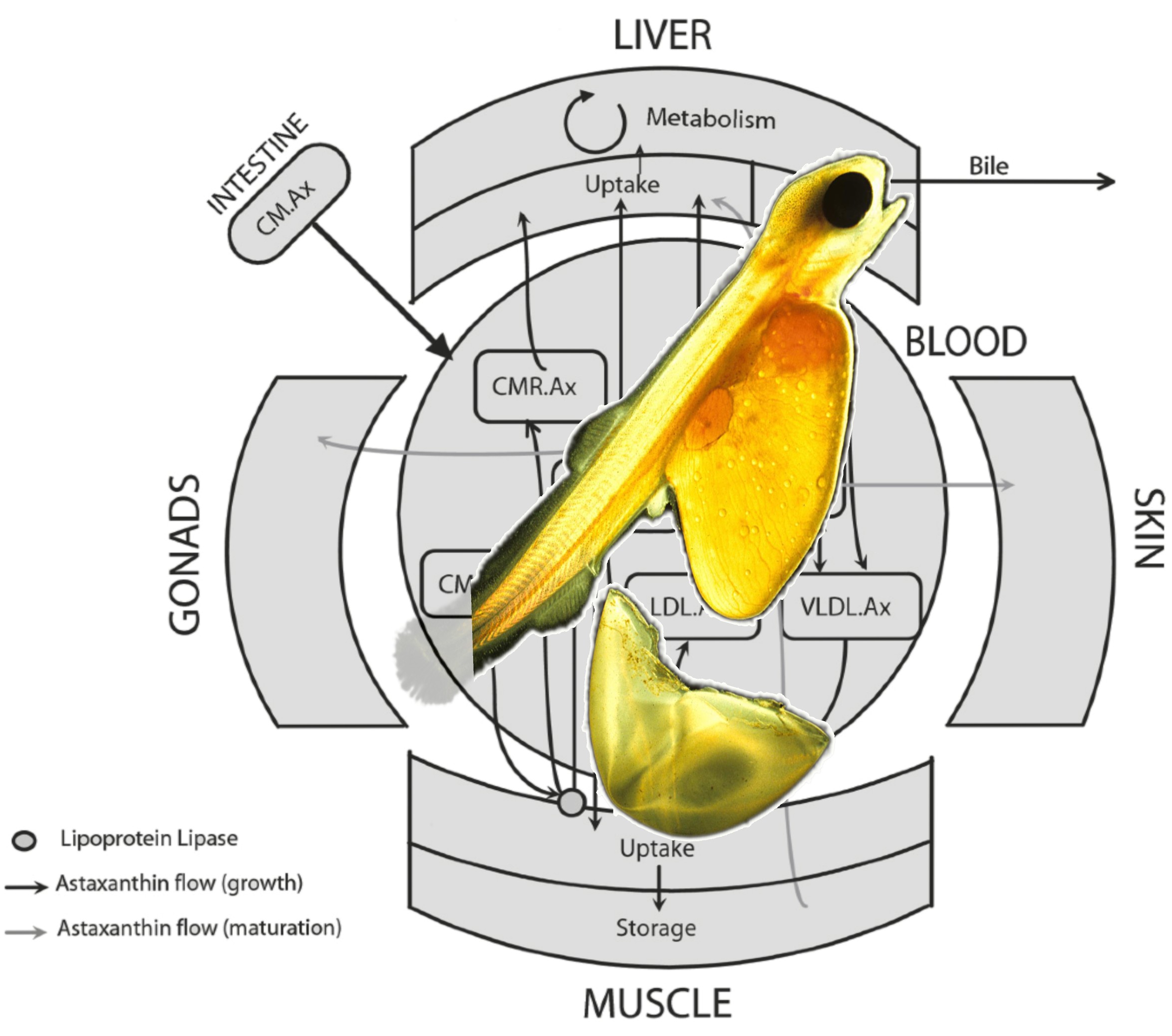
Jon Olav Vik is a Professor at the Norwegian University of Life Sciences (NMBU), affiliated with the Department of Mathematical Sciences and Technology within the Faculty of Science and Technology. He leads the DigiSal project—"Towards the Digital Salmon: From a reactive to a pre-emptive research strategy in aquaculture"—funded under the Research Council of Norway’s Digital Life initiative. He is also a lead modeller in the GenoSysFat project, which aims to enhance omega-3 content in farmed salmon through integrated genomics and systems biology approaches. His research spans systems biology , computational physiology , genotype-phenotype modeling , and ecological dynamics . He works at the intersection of biology, mathematics, and computer programming, developing models to understand how genetics, nutrition, and environment interact in fish and ecological systems. His pedagogical focus includes biostatistics and programming in R, and he teaches courses such as STIN100, STIN300, and STAT100. The 15 most recent publications reflect a consistent focus on systems-level understanding in biology, particularly in salmon aquaculture, metabolic regulation, and genotype-phenotype relationships. These works appear in high-impact journals like Nature , Science , PLOS Computational Biology , and Journal of The Royal Society Interface , demonstrating interdisciplinary reach across computational biology, genomics, ecology, and biostatistics. Key themes include metabolic modeling, microbiome stability, lipidome remodeling, and sensitivity analysis in dynamic models. Jon Olav Vik has contributed to major collaborative efforts including the Infrastructure for Systems Biology Europe (ISBE) , where he helped develop frameworks for "modelling as a service." He has also authored book chapters and technical deliverables on systems biology and modeling practices. He actively supervises students and invites master’s thesis candidates with interests in quantitative biology. While no specific awards are listed, his leadership in national and international research projects underscores his scientific impact. His work supports both fundamental science and sustainable aquaculture innovation.
Tønnes Nygaard is an Associate Professor at the Department of Technology Systems, University of Oslo, affiliated with the Faculty of Mathematics and Natural Sciences. His research focuses on evolutionary robotics, morphological adaptation, and embodied artificial intelligence. He leads projects like COCOMO (Co-evolution of Control and Morphologies) and works extensively with the DyRET (Dynamic Robot for Embodied Testing) platform. Key research interests include robot control systems, adaptive morphology design, and real-world implementation of evolutionary algorithms. His work bridges theoretical computer science with practical robotics applications, emphasizing hardware-software co-evolution and embodied cognition principles. Publications span topics like morphological adaptation in quadruped robots, semi-supervised learning for terrain classification, and overcoming convergence issues in multi-objective evolutionary algorithms. Nygaard collaborates internationally and contributes to both academic journals and conferences in robotics and AI. No scientific awards are explicitly listed, though his impactful contributions to real-world evolutionary robotics suggest potential recognition pending explicit mentions. Advising and grant activities are central to his role, though specific student names or grant amounts are not detailed in the provided texts. Labs/Teams: Core contributor to the DyRET project and affiliated with the Section for Autonomous Systems and Sensor Technologies at UiO.
Jim Tørresen is a Professor of Computer Science at the Department of Informatics, University of Oslo, where he has been employed since 1999 (Associate Professor 1999-2005, Professor since 2006). He serves as group leader for the Robotics and Intelligent Systems (ROBIN) research group and is also a Principal Investigator at the Centre for Interdisciplinary Studies in Rhythm, Time and Motion (RITMO). His academic career includes visiting positions at Cornell University's Creative Machines Lab (2010-2011) and Kyoto University in Japan (1993-1994). His educational background includes a Dr.ing. (Ph.D.) in Computer Architecture from the Norwegian University of Science and Technology (1996) and an M.Sc. in Computer Architecture from the same institution (1991). Before his academic career, he worked in industry at Navia Aviation (1998-1999) and NERA Telecommunications (1996-1998). Tørresen's research spans artificial intelligence, robotics, and bio-inspired computing. His work focuses on biology-inspired algorithms, programmable logic (FPGA), robotics (simulation, prototyping, control), and human-robot interaction. He has made significant contributions to areas including evolutionary computing, reconfigurable hardware, and adaptive systems. His research often bridges theoretical computer science with practical applications in healthcare, music, and industrial settings. His recent publications demonstrate a strong focus on human-robot interaction, particularly in healthcare contexts for elderly care, as well as applications in sports science, musical robotics, and geological engineering. His work shows a consistent pattern of interdisciplinary research that combines machine learning techniques with domain-specific challenges. Tørresen has also authored a popular science book on artificial intelligence in the "what is" series by Universitetsforlaget, which discusses fundamental concepts, methods, future perspectives, and ethical aspects of AI. He has been active in academic leadership, serving as General Chair for the 22nd International Conference on Field Programmable Logic and Applications (FPL) in 2012 and the 9th Joint IEEE International Conference of Developmental Learning and Epigenetic Robotics in 2019. As group leader of ROBIN, he oversees research on intelligent systems that operate in dynamic environments requiring runtime adaptation. The group works at both fundamental and applied levels, using evolutionary algorithms for robot learning and machine learning techniques for classification and recognition tasks in various application domains.
Ida Scheel is an Associate Professor in Statistics and Data Science at the University of Oslo , Department of Mathematics. She specializes in Bayesian hierarchical modeling, recommendation systems, and stochastic processes on networks. Her research interests include: Bayesian statistics and model diagnostics Data science applications in environmental and health domains Network-based machine learning Uncertainty quantification in predictive modeling Recent publication trends show a focus on Bayesian model validation, machine learning for product adoption prediction, and real-estate analytics. She contributes to interdisciplinary projects like BigInsight and CELS . Scientific awards : Sverdrup Prize for Young Researchers (2011) Advising : Supervised 8 PhD students (main/co-supervisor) in areas spanning Bayesian causal effects, neural network survival analysis, and model conflict detection. Key grants include participation in the Data Science@UiO and Integreat projects. Labs/teams : Active member of the Center for Computational Inference in Evolutionary Life Science (CELS) and the BigInsight center.
Meghan Balk is a Postdoctoral Fellow with the Evolution and Paleobiology Group at the Natural History Museum, University of Oslo. Her work combines museum collections and trait databases to investigate how inter- and intra-specific traits change across time and space. She is passionate about digitizing museum data and enabling FAIR data principles for continued exploration of data-driven science across evolutionary biology and ecology. Balk received her Ph.D. from the University of New Mexico in 2017 with a concentration in Interdisciplinary Science through the Department of Biology. She earned her B.S. from the University of California, Davis in 2010 in the Department of Evolution, Ecology, & Biodiversity, with a minor in Paleobiology through the Department of Geology. Her academic journey reflects a strong foundation in both biological sciences and geological perspectives on evolutionary processes. Her research employs both micro- and macroscopic approaches to understand abiotic and biotic drivers of phenotypic evolution. She investigates within and among lineage phenotypic evolution using fossil and modern records of organisms like bryozoans. Her work on abiotic drivers examines body size changes in species like the bushy-tailed woodrat across geological time, while her research on biotic drivers explores predator-prey relationships in the fossil record, particularly focusing on species like Otodus megalodon. She utilizes machine learning and computational approaches to extract morphological trait data from specimen images. Balk's publication record demonstrates expertise across evolutionary biology, paleontology, ecology, and computational approaches. Her recent work focuses on developing FAIR and modular workflows for image-based knowledge discovery in the emerging field of imageomics. She has made significant contributions to understanding body size evolution across geological time, predator-prey relationships in the fossil record, and promoting open science principles for trait-based research. Her work bridges traditional paleontological methods with cutting-edge computational techniques. Balk is actively involved in several research projects including ROCKS PARADOX (Dissecting the paradox of stasis in evolutionary biology) and Machine-readable Nature (MaNa). She collaborates with researchers across institutions to create ontologies and workflows for trait data, such as the Functional Trait Resource for Environmental Studies (FuTRES) project and the Biology-Guided Neural Networks project. She teaches courses including Foundational Open Science Skills workshop, Git for Mere Mortals webinar, and R Basics Crash course, emphasizing the importance of reproducible research practices.
Stefano Nichele is a Professor at the Department of Computer Science and Communication, Østfold University College, Norway. He holds additional roles as Professor II at OsloMet and has served in leading academic positions since 2014. His research focuses on Artificial Life (ALife), Neuro-Inspired AI, and Machine Learning, with a particular emphasis on cellular automata, reservoir computing, and neuro-inspired substrates. Nichele co-directs the Østfold AI (ØAI) hub and is an active member of IEEE, ELLIS, and the Norwegian AI Research Consortium (NORA). He earned his PhD in Computer Science from NTNU (2015) and completed his MSc at the University of Insubria, Italy. His work bridges computational systems and biological substrates, exploring criticality in neural networks and quantum-evolutionary algorithm interactions. He has received prestigious awards, including the Young Research Talent grant (2019) and the Distinguished Early-Career Investigator award (2024). Nichele’s research spans theoretical and applied domains, with over 50 publications on cellular automata dynamics, neuro-inspired robotics, and AI ethics. His recent projects include studying in vitro neural networks for computational capacity assessment and developing frameworks for body-brain co-evolution in soft robotics. Education: PhD in Computer Science, NTNU (2015) MSc in Computer Science, University of Insubria (2009) Awards: Young Research Talent grant (2019) Distinguished Early-Career Investigator (2024) Grants & Roles: Co-director of the Østfold AI hub Board member of NORA (Norwegian AI Research Consortium) Labs & Collaborations: Focus on neuro-inspired AI systems and unconventional computing Partnerships with institutions like Simula Metropolitan and the International Society for Artificial Life (ISAL)
Håkon Dahle is a Professor and Group Leader at the Computational Biological Unit (CBU) at the University of Bergen. He also leads the 'Energy and Life' work package at the K.G. Jebsen Centre for Deep Sea Research. His affiliation is with the Department of Biological Sciences (BIO). His research focuses on microbial ecology, investigating how natural and human-driven factors influence microbial communities and ecosystems across diverse environments, including hydrothermal vents, aquaculture systems, and marine ecosystems. Key research questions include understanding microbial community structure in hydrothermal systems, the interplay between geochemistry and microbial life, and optimizing recirculating aquaculture systems (RAS). Dahle employs bioinformatics, field observations, and population modeling to address these questions. He collaborates on projects like VIRVAR (NFR-funded), exploring algal-virus interactions, and MONITOR, advancing RAS microbial monitoring. His work spans microbial diversity in extreme environments such as Arctic hydrothermal vents and the impacts of deep-sea mining tailings. Notable contributions include studies on Zetaproteobacteria in hydrothermal mats and the microbiome dynamics in salmon farming. Dahle has supervised doctoral candidates like Jan Pieter Vander Roost (2018) and Runar Stokke, advancing microbial ecology and geobiology. Publications highlight interdisciplinary approaches, from viral genomics to aquaculture engineering. His research bridges fundamental microbiology with applied challenges in sustainable aquaculture and environmental stewardship.


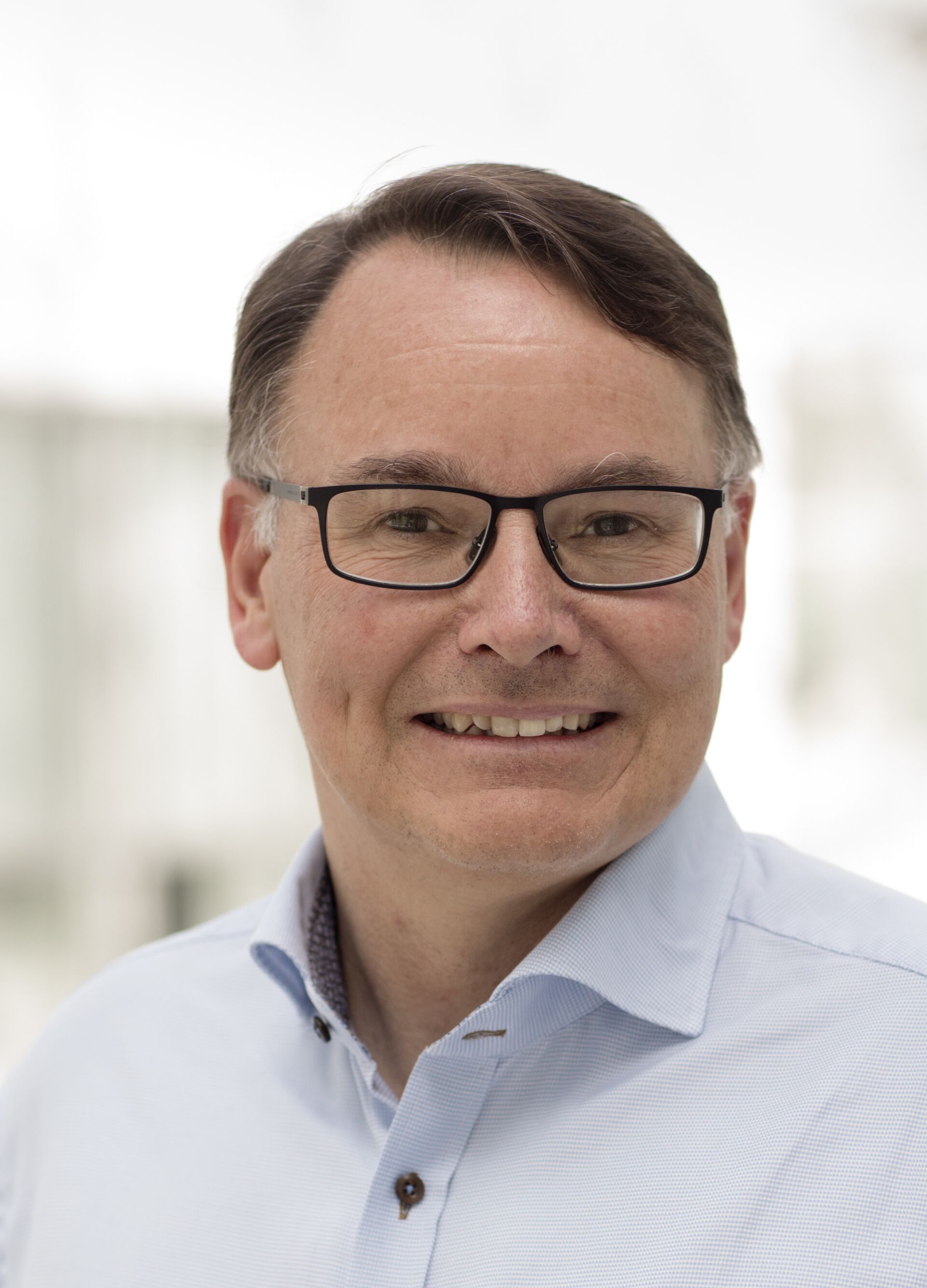
/hjmoen/j.png)
/tonnesfn/t.jpg)