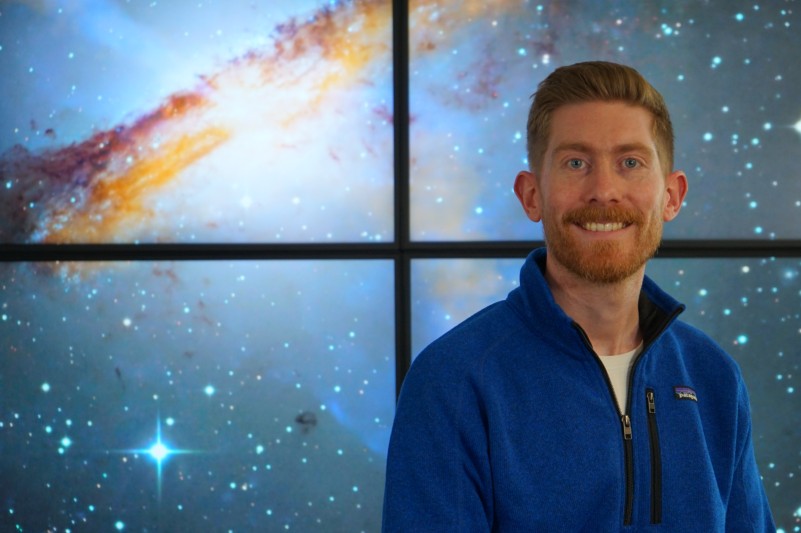
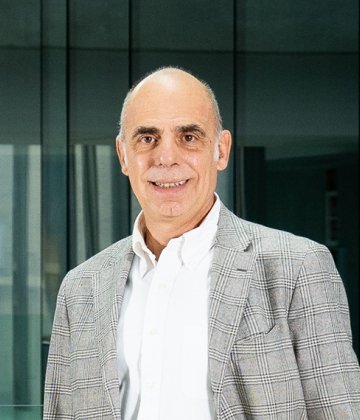
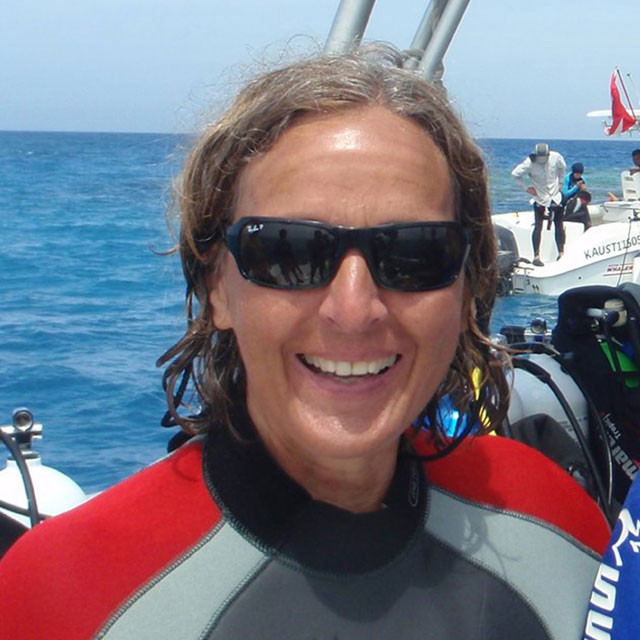
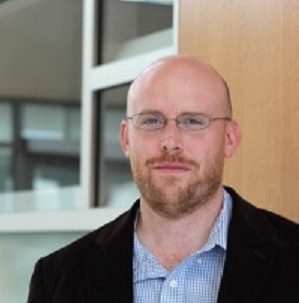
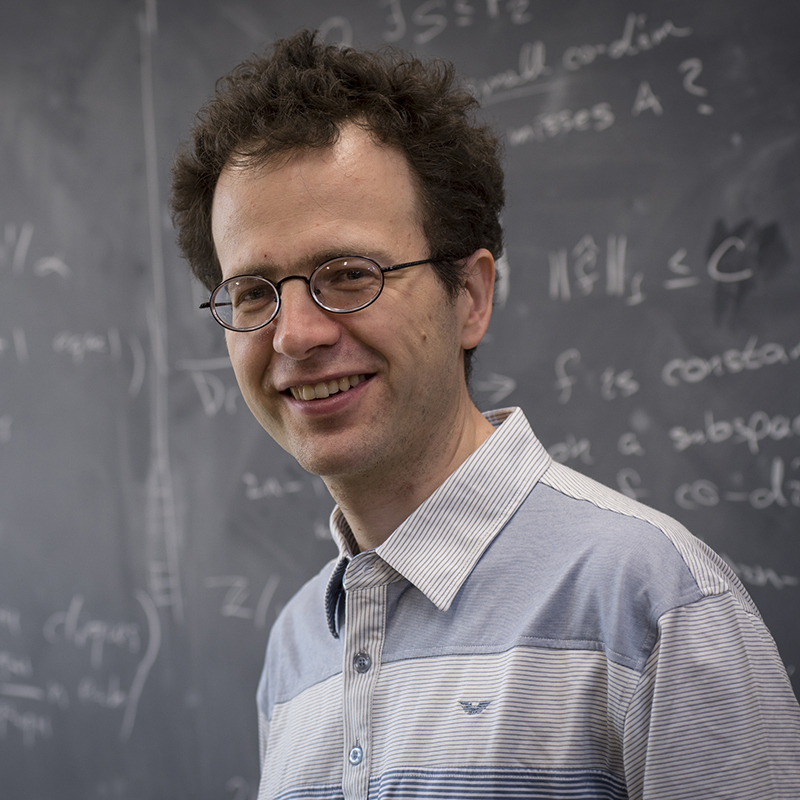
Dr. Sherry H. Suyu is an Associate Professor at the Technical University of Munich (TUM) and a Max Planck Fellow at the Max Planck Institute for Astrophysics. Her research focuses on gravitational lensing applications for cosmology, particularly in measuring the cosmic expansion rate and studying dark energy/dark matter. She leads the HOLISMOKES program funded by an ERC Consolidator Grant. Her research group at TUM School of Natural Sciences Department of Physics investigates: Dark cosmos through gravitational lensing Supernova observations and Tidal Disruption Events Bayesian inference methods for astrophysical modeling Machine learning applications in lensed system analysis Scientific achievements include: 2021 Berkeley Prize from American Astronomical Society ERC Consolidator Grant for HOLISMOKES program Discovery of 330 high-quality lens candidates in Pan-STARRS survey She teaches courses including: Experimental Physics 1 (Winter 2024/5) Gravitational Lensing (Winter 2024/5) Introduction to Nuclear/Particle/Astrophysics (Summer 2025) The group includes 13 active members and 14 alumni across 7 institutions. Current work integrates HST and LSST imaging for next-generation lens discovery.
Wenwen Zhang is a Professor at the Department of Electronic Engineering, College of Information Science and Electronic Engineering, Zhejiang University. With an extensive publication record spanning from 2016 to 2025, Dr. Zhang has established herself as a prominent researcher in multiple interdisciplinary fields at the intersection of computer vision, machine learning, and sensor systems. Her work demonstrates significant contributions to medical imaging, sensor array systems, wireless communications, and AI-assisted applications. Dr. Zhang's research interests encompass a wide range of topics including medical image analysis, sensor array systems, wireless communications, and AI-assisted applications. Her work demonstrates particular expertise in developing innovative deep learning architectures for medical imaging tasks such as cardiac segmentation and nuclei detection, as well as creating sophisticated models for gas sensing and wireless communication systems. She has made significant contributions to the fields of one-shot object detection, medical image segmentation, and sensor fusion techniques, with her research often bridging theoretical advancements with practical applications in healthcare and engineering. Analysis of Dr. Zhang's recent publications reveals a strong focus on cutting-edge deep learning approaches applied to medical imaging and sensor systems. Her work shows increasing sophistication in model architectures, moving from traditional CNNs to more complex transformer-based and hybrid models. There's a clear trajectory toward more explainable and clinically relevant AI systems, particularly in medical applications. Her research also demonstrates growing interest in multimodal approaches, combining different types of data and sensors to improve system performance. Dr. Zhang maintains active collaborations with researchers at Zhejiang University, particularly with Yuanjin Zheng and Zhiping Lin in the field of electronic engineering and sensor systems. She also collaborates extensively with Fei-Yue Wang from the University of Chinese Academy of Sciences, evidenced by multiple publications on parallel vision frameworks. Her international collaborations include work with researchers from institutions in Canada on intelligent knee sleeves and other biomedical applications. Her publication record shows consistent productivity with 12 publications in 2025 (as of this writing), 25 in 2024, and 26 in 2023, indicating an active and growing research program across multiple high-impact journals and conferences.
Yrd. Doç. Dr. Ghazaal Sheikhi is an Assistant Professor in the Department of Artificial Intelligence Engineering at Final University, within the Faculty of Engineering. Her research focuses on machine learning applications in healthcare, biomedical engineering, and natural language processing. She holds a Ph.D. in Computer Engineering from Eastern Mediterranean University (2020), an M.Sc. in Biomedical Engineering from Amirkabir University of Technology (2007), and a B.Sc. in Biomedical Engineering from the University of Isfahan (2003). Education: Doctoral Degree in Computer Engineering, Eastern Mediterranean University, North Cyprus (2020) Master's Degree in Biomedical Engineering, Amirkabir University of Technology, Tehran, Iran (2007) Bachelor's Degree in Biomedical Engineering, University of Isfahan, Isfahan, Iran (2003) Her research interests span Machine Learning, Biomedical Engineering, and Natural Language Processing. She specializes in applying deep learning techniques to medical image analysis, developing explainable AI models for healthcare diagnostics, and enhancing fact-checking systems using NLP. Her work in biomedical data analysis focuses on feature selection methods and predictive modeling for diseases like diabetes. Additionally, she explores speech processing techniques for language-specific challenges, such as Farsi syllable segmentation using signal processing and fuzzy logic approaches. Recent contributions include breast tumor segmentation (2025), NLP-based claim detection (2023), and novel feature selection methods (2021). Earlier work addressed speech signal analysis (2011–2013) and diabetes cost analysis (2016). Scientific Awards: No awards explicitly mentioned in the provided text. Advising & Grants: Information on students or grants is not provided in the text. Administrative tasks are listed but no details are given. Labs/Teams: No specific lab affiliations or teams mentioned.
Dr. Matt Nicholl is a Reader in the Astrophysics Research Centre at Queen's University Belfast's School of Mathematics and Physics. His research focuses on cosmic explosions, black holes, and extreme astrophysical phenomena such as supernovae, tidal disruption events, and gravitational wave counterparts. He utilizes global and space-based telescopes to study energetic events involving massive stars, neutron stars, and black holes. Dr. Nicholl is particularly interested in understanding the physical mechanisms behind luminous transients and their implications for stellar evolution and relativistic processes. Affiliations: Astrophysics Research Centre (ARC), Queen's University Belfast Media Experience: BBC Sky at Night, ITV, BBC World Service, and other national/international outlets His research interests span transient astrophysics, with a focus on supernovae, gamma-ray bursts, and tidal disruption events caused by supermassive black holes. He has led observational campaigns to identify optical counterparts to gravitational wave events and X-ray transients. Notable contributions include studies of the brightest supernova to date (SN 2018gvb) and the discovery of recurring tidal disruption events. Dr. Nicholl has received prestigious awards including the Royal Astronomical Society Penston Prize (2016), RAS Research Fellowship (2018), and a European Research Council Starting Grant (2020). His work has been widely covered in media, including features in The New York Times and BBC News. Labs/Teams: Leads observational programs in collaboration with international telescopes and contributes to surveys like Pan-STARRS and ZTF.
Svenja Fischer is an Assistant Professor in Hydrology and Environmental Hydraulics, specializing in flood statistics, hydrological modeling, and climate impact analysis. Her research focuses on understanding flood processes, regionalization of flood frequency analyses, and integrating deterministic and stochastic approaches in hydrological design. She has contributed to the development of type-based flood statistics and innovative methodologies for extreme event estimation. Her work emphasizes the analysis of flood types (e.g., rainfall vs. snowmelt-driven floods), their spatial and temporal variability, and implications for flood risk management. Key topics include design flood estimation, catchment dynamics, and the application of statistical models to improve flood prediction accuracy. Fischer has also explored the impact of climate change on flood regimes, particularly in mountainous regions and large river basins. Collaborations span international projects, including contributions to the CAMELS-NZ dataset and the development of the ordinalpattern R package for time series analysis. Her methodologies address challenges in handling autocorrelated data and incorporating historical information into extreme value analysis. While no specific grants or awards are listed, her extensive publication record reflects active engagement in both methodological innovation and applied hydrological research. Labs or teams are not explicitly mentioned, but her work aligns with interdisciplinary groups focused on statistical hydrology and environmental risk assessment. Future research directions include advancing regional flood design concepts and integrating socio-technical systems for flood resilience.
Dr. Sharath Kumar Jagannathan is an Assistant Professor at the Data Science Institute, Frank J. Guarini School of Business, Saint Peter’s University, New Jersey. He holds a Ph.D. in Computer Science (VIT Chennai) and expertise in AI, machine learning, and data privacy. As Director of the Ph.D. Program and Operation Lead for the Microsoft Academic Initiative Team, he bridges academia and industry, specializing in privacy preservation in social networks, AI-driven solutions, and big data technologies. His academic journey includes roles at VIT University and the University of Melbourne, with research published in Scopus-indexed journals and IEEE conferences. He has authored books like Artificial Intelligence – Origin, Trends and Applications and contributed chapters to Elsevier’s Next-Generation Cyber-Physical Microgrid Systems . His work spans fraud detection, energy storage systems, and mental health analysis via social media. Dr. Jagannathan has earned awards including the 2023 Outstanding Thesis Award and Research Excellence Awards. His teaching portfolio includes courses like Data Visualization and Machine Learning , and he mentors students on projects blending theory and practical problem-solving. His leadership extends to organizing academic events and workshops on emerging technologies. Notable contributions include patents on IoT-based health devices and AI-driven stock market tools, reflecting his commitment to innovation. He actively reviews manuscripts for journals like Information Discovery and Delivery and conferences like IEEE ICRTAC, further cementing his influence in data science and privacy research.
Fulvio Ortu is a Full Professor of Finance at Bocconi University, Italy. He holds a BA in Economics from the University of Trieste and a Ph.D. in Economics from the University of Chicago. Prior to Bocconi, he taught at Columbia University and the University of Southern California. His roles at Bocconi include founding Dean of the Ph.D. School (2004–2008), Dean for International Affairs (2008–2012), and Head of the Department of Finance (2019–2022). Education: Bachelor of Arts in Economics, University of Trieste Doctor of Philosophy (Ph.D.) in Economics, University of Chicago His research focuses on Quantitative Finance, Asset Pricing, and Time Series Analysis. Notable contributions include work on Wold-type decompositions, persistence-based capital allocation, and long-run risk models. His publications span journals like Quantitative Economics , Review of Financial Studies , and Journal of Mathematical Economics . Ortu is a research fellow at IGIER (Innocenzo Gasparini Institute for Economic Research) and BAFFI CAREFIN (Center for Applied Research on Financial Markets and Institutions). His teaching includes courses on Investments, Derivatives Pricing, and Quantitative Finance. His academic leadership roles and extensive publication record reflect expertise in financial econometrics, asset pricing theory, and market completeness. Current research trends emphasize methodological advancements in time-series decomposition and applications to persistent economic shocks.
Peter Herman, MD, PhD, is a Research Scientist in the Department of Radiology & Biomedical Imaging at Yale School of Medicine. He holds a Medical Degree (MD) from Semmelweis University (1994) and a PhD in Biomedical Sciences (2002), followed by a postdoctoral fellowship at Yale University (2004). His work focuses on neuroimaging techniques, neurovascular coupling, and brain energy metabolism, particularly in rodent models and human studies. Research Interests : Cerebrovascular circulation, fractal signal analysis, oxygen consumption dynamics, and advanced MRI methodologies. His projects integrate machine learning, nanoparticle technology, and functional MRI to study brain energetics and connectivity. Publications : Dr. Herman has contributed to over 40 peer-reviewed articles, including studies on neuropil density mapping, functional connectivity protocols in rodents, and ketamine's effects on cortical activity. His work emphasizes translational neuroimaging, linking metabolic processes to neural activity. Affiliations : Active member of the Magnetic Resonance Research Center and Brain Energy Atlas Project at Yale. Collaborates widely on projects involving neuroimaging innovation, neuroenergetics, and translational neuroscience.
Eileen Furlong is a Professor and Senior Faculty member at the European Molecular Biology Laboratory (EMBL) in Heidelberg, Germany. She serves as Head of the Genome Biology Unit and is a member of the EMBL Directorate. Her research focuses on developmental regulatory genomics , exploring how gene regulation and chromatin dynamics drive embryonic development and cell fate decisions. Education: Eileen Furlong earned her Ph.D. in 1996 from University College Dublin, Ireland . She conducted postdoctoral research at Stanford University, USA (1996–2002) and later at EMBL, Germany (1997–1999), supported by prestigious postdoctoral fellowships. Research Interests: Her work spans single-cell genomics , genome regulation , developmental biology , and chromatin topology . She investigates how transcriptional networks and enhancers influence embryonic development and cell differentiation, leveraging cutting-edge genomic technologies to map regulatory elements and their roles in developmental processes. Awards: Notable recognitions include membership in the German National Academy of Sciences (Leopoldina) (2024), an ERC Advanced Investigator Award (DeCryPt, 2019–2023) , and election to EMBO and Academia Europaea. She also leads the Drosophila Crete meeting , a key event in developmental biology. Grants & Leadership: Furlong has secured major grants, including two ERC Advanced Awards, and oversees a lab with interdisciplinary research groups. She mentors postdoctoral researchers and advises on international initiatives, including the Institut Curie Scientific Advisory Board. Labs & Collaborations: The Furlong Lab at EMBL integrates genomics, computational biology, and developmental biology to advance understanding of gene regulation in embryonic contexts. The lab collaborates globally, contributing to resources like the FlyAtlas project.
Sally Holbrook is a Research Professor at the University of California, Santa Barbara's Marine Science Institute. Her work focuses on marine ecology, particularly population dynamics of reef fishes, coral reef resilience, and restoration of surfgrass ecosystems. She has conducted long-term studies on damselfish populations in French Polynesia and investigates how environmental changes impact Southern California reef communities. Holbrook collaborates with institutions like NSF-funded Long-Term Ecological Research (LTER) programs and develops restoration techniques for surfgrass (Phyllospadix). Her research integrates field observations, experimental studies, and technological tools like photogrammetry to assess coral reef health and recovery processes. Her studies emphasize understanding density-dependent mortality in damselfish, habitat specificity of reef species, and the role of herbivory in coral reef resilience. She explores how disturbances such as climate change, nutrient pollution, and fishing practices alter ecosystem dynamics. Holbrook's work bridges ecological and social dimensions, examining human responses to environmental changes and the implications for fisheries and conservation strategies. Her contributions include advancing methods for coral reef monitoring and revealing critical insights into ecological thresholds and recovery mechanisms. Key projects include NSF-funded research on Moorea coral reefs, surfgrass restoration through seedling transplantation, and analysis of long-term ecological data from kelp forests and coral reef ecosystems. Holbrook's findings highlight the importance of habitat structure, species interactions, and human behavior in maintaining ecosystem stability, with applications for marine conservation and management.
Dr. Darrell Worthy is an Associate Professor in the Department of Psychology at Texas A&M University, affiliated with the Neuroscience & Personality Processes research cluster. His work integrates behavioral, computational, and neuroscience methods to study learning and decision-making. Key research areas include reinforcement learning, decision-making under uncertainty, and the impact of clinical issues like substance abuse and depression on cognitive processes. He explores both basic cognitive mechanisms and individual differences, bridging sub-disciplines through neuroscientific approaches. His research employs formal mathematical models and fMRI to test hypotheses about cognitive processes. Notable contributions include studies on frequency-based decision-making, the inverse base-rate effect, and the effects of acute stress on decision strategies. He is actively involved in mentoring students, with current openings for 2024-2025 academic year. Scientific achievements include the 2016 Best Article award in Cognitive, Affective, and Behavioral Neuroscience. His lab (Worthylab) focuses on strategic decision-making models, with recent work on reward segmentation and category learning. Collaborative projects address topics like zoonotic disease communication and dopamine's role in decision-making.
Joseph Derosa is an Assistant Professor at Boston University's Department of Chemistry, leading the Derosa Lab. His research focuses on transition metal catalysis, organic synthesis, and electrochemical methods, particularly redox-controlled catalysis and electrocatalytic innovations. The lab emphasizes interdisciplinary approaches, combining organic synthesis with inorganic/organometallic chemistry and electroanalytical techniques. Key research areas include oxidative cross-couplings, redox mediator development for low-energy reactions, and sustainable synthesis using renewable energy. Students gain expertise in advanced techniques like Schlenk manifold operations, electrochemical instrumentation (Biologic potentiostats, ElectraSyn), and glovebox use. The lab's equipment includes an MBraun double glovebox and a 6-solvent purification system. Group meetings foster problem-solving and communication skills. Graduates are prepared for careers in academia, industry, or postdoctoral research. The lab's work bridges fundamental science with translational applications in medicinal and process chemistry, emphasizing collaborative opportunities.
Nobuko Yoshida is an Honorary Senior Research Fellow at Imperial College London's School of Computing Science. Her research specializes in theoretical computer science with focus areas including formal methods for distributed systems, session types, and process calculi. She investigates computational complexity and verification techniques for concurrent systems. Recent publications demonstrate expertise in: Formal modeling of concurrent processes Reversible computation frameworks Causal relationships in distributed algorithms Type systems for communication protocols
Boris Bukh is a Professor of Mathematics at Carnegie Mellon University (CMU), affiliated with the Department of Mathematical Sciences within the Mellon College of Science. He holds a Ph.D. from Princeton University and has held postdoctoral positions at the University of Cambridge and Churchill College. His research focuses on combinatorics, discrete geometry, extremal graph theory, and geometric selection theorems. He has received prestigious awards such as the Sloan Research Fellowship and the NSF CAREER Award. His work spans topics like Turán problems, geometric configurations, and algebraic methods in combinatorics. Recent publications explore extremal graph structures, convex polytopes in restricted point sets, and applications of random algebraic constructions to computational complexity. Bukh organizes events like the Math Kangaroo competition, fostering mathematics engagement among students. Key contributions include advancements in Ramsey theory, coding theory, and the intersection of combinatorics with geometry. His research often bridges theoretical insights with computational techniques, addressing problems in graph density, geometric incidences, and discrete optimization.
Prof. Leigh Riby is a Professor in the Psychology Department at Northumbria University. His research focuses on aging, cognitive neuroscience, and the application of mixed methodologies (behavioral, neuropsychological, and imaging techniques) to study self-generated thought, mind-wandering, and brain network connectivity. He explores how aging impacts creativity, problem-solving, and self-reflection, aiming to develop interventions to enhance mental performance and well-being in older adults. His work also addresses nutritional neuroscience, mindfulness, and the link between mindful running and psychological health. Education: PhD in Experimental Psychology (Bristol University), BSc (Hons) in Psychology (Bristol University). His research contributions span over 60 publications, with recent work on dopamine’s role in attention, EEG/fMRI analysis, and glucose’s effects on cognitive function. He collaborates globally and supervises PhD students. His interventions aim to leverage lab findings into practical programs to counteract age-related cognitive decline. Key research areas include successful vs. unsuccessful aging (e.g., diabetes, dementia), with a focus on non-inevitable decline. His work aligns with UN Sustainable Development Goals related to health and well-being. Prof. Riby’s studies also explore the cognitive benefits of natural supplements like rosemary and the impact of music and social context on mental processes.