Mégane Lesuisse is a Lecturer in Linguistics at Université Paris 8, affiliated with the TransCrit research group (UR 1569). Her work focuses on cognitive linguistics, psycholinguistics, and the intersection of language and spatial cognition. She teaches courses including Phonetics 1, Grammar 3 (Complex Sentence), and Linguistics: Meaning at the undergraduate level. Her research explores spatial expression, linguistic relativity, oculometry, and gender stereotypes in language. Key research interests include the cognitive impact of language-specific spatial encoding preferences, cross-linguistic comparisons of French, English, and Dutch spatial descriptions, and the relationship between language structure and conceptualization. She uses experimental methods like eye-tracking to study memory and attention modulation in static and dynamic locative events. Lesuisse has conducted projects such as ReCoLanS (Re-thinking English Modal Constructions) and co-organized workshops on time/space cognition. Her work bridges theoretical linguistics with empirical studies, emphasizing the bidirectional influence between language and thought.
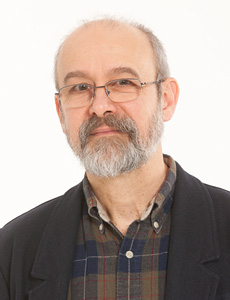
Sándor Darányi is a Professor at the Swedish School of Library and Information Science, University of Borås (since 2011), with a career spanning over four decades in information science, digital libraries, and cultural heritage preservation. He also holds an Honorary Professorship at Szeged University, Hungary. His research focuses on advanced access to digital libraries, automatic indexing, information visualization, digital preservation, narrative genomics, and quantum interaction models for semantics. Education: Candidate of Science (CSc) in Ethnography, Hungarian Academy of Sciences (1994) PhD in Information Science, Eötvös Loránd University (1989) MA in Library and Information Science, Eötvös Loránd University (1985) MSc in Agricultural Sciences, University of Agriculture (1975) Research Interests: Darányi’s work bridges computational methods with cultural studies, including: - Formalization of folk narratives for big data analysis - Quantum-inspired models of semantic change - Haptic interfaces for accessibility in museums - Evolving semantics in digital ecosystems - Cultural heritage digitization projects Professional Activities: Editorial Board Member of Journal of Information Science Education Organized major conferences such as SEMANTiCS, IC-ININFO, and AMICUS workshops Supervised doctoral students in computer science and information studies Co-developed the PERICLES project on digital preservation Labs/Teams: His research groups have pioneered projects like the MuseIT inclusive museum initiative and the SHAMAN digital preservation framework, leveraging high-performance computing and cloud technologies.
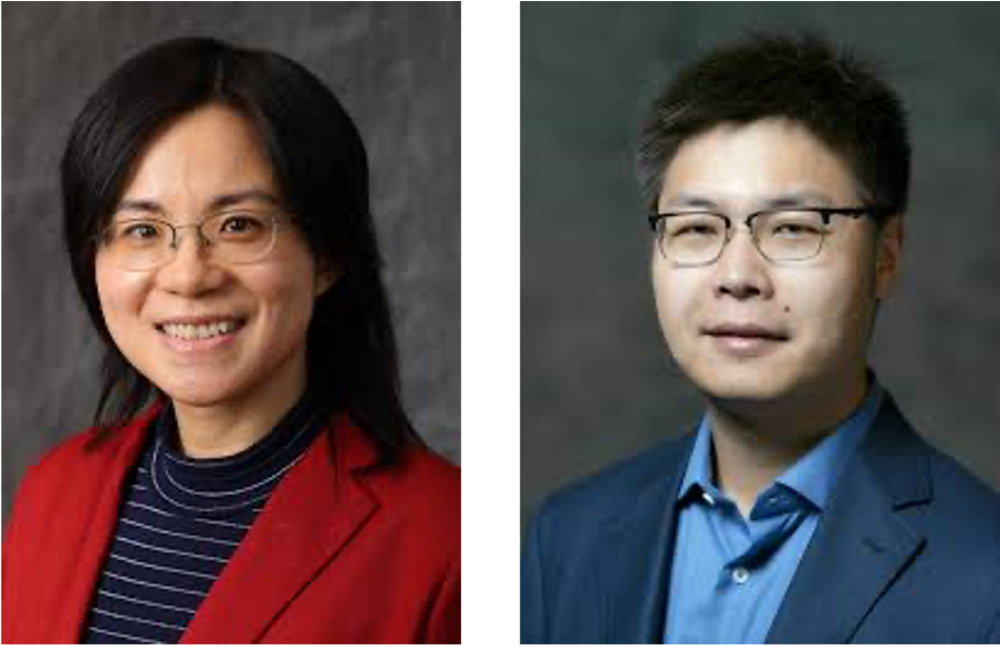
Meng Wang is a Professor in the Department of Electrical, Computer, and Systems Engineering at Rensselaer Polytechnic Institute (RPI), where she was promoted to Full Professor in June 2025. She received her B.S. and M.S. degrees (both with honors) in Electrical Engineering from Tsinghua University, China, in 2005 and 2007, respectively, and her Ph.D. in Electrical and Computer Engineering from Cornell University in 2012. After a postdoctoral position at Duke University, she joined RPI in December 2012 as an Assistant Professor, was promoted to Associate Professor with Tenure in 2019, and then to Full Professor in 2025. Her research spans machine learning and artificial intelligence, high-dimensional data analytics, power system monitoring, signal processing, and optimization methods. She has made fundamental contributions in sparse signal recovery and monitoring and control of smart grid using high frequency data from phase measurement unit (PMU). More recently, she has collaborated with IBM to produce theoretical guarantees of modern AI architectures such as graph neural networks and transformers used in large language models (LLMs). Wang's recent publications (2023-2025) reveal a strong focus on theoretical foundations of deep learning, particularly transformer architectures and graph neural networks. Her work bridges theoretical guarantees with practical applications in power systems, demonstrating how fundamental insights in machine learning can solve real-world energy challenges. She has increasingly focused on the intersection of AI and energy systems, developing methods for building-level load forecasting, energy disaggregation, and smart grid monitoring with behind-the-meter solar integration. AFOSR Young Investigator Program (YIP) Award (2019) Army Research Office (ARO) YIP Award (2017) James M. Tien '66 Early Career Award and Grant for Faculty (2022) School of Engineering Research Excellence Award (2018) IEEE Signal Processing Society Best Reviewer Award (2018) Professor Wang has mentored numerous Ph.D. students who have gone on to successful careers in academia and industry, including HongKang Li (now postdoc at University of Pennsylvania), Yi Ming (postdoc at University of Michigan), and Shuai Zhang (Assistant Professor at New Jersey Institute of Technology). Her research has been supported by multiple grants from the National Science Foundation, Air Force Office of Scientific Research, Army Research Office, and industry partners including IBM. She is actively involved with research centers including the Center for Future Energy Systems (CFES) and the Center for Materials, Devices, and Integrated Systems (CMDIS), where her group develops cutting-edge methods for power system monitoring and control. Her recent work has increasingly focused on the theoretical foundations of large language models and their applications to energy systems, positioning her at the forefront of AI for critical infrastructure.
Dr. Sarah Glim is a Lecturer for Special Tasks and Research Associate in the Department of General Psychology at the University of Kassel. She holds a Ph.D. in Systemic Neurosciences (2019) and an M.Sc. in Neuro-Cognitive Psychology (2014) from Ludwig Maximilian University of Munich, and a B.Sc. in Psychology (2012) from Georg-August University of Göttingen. Research Interests: Sarah focuses on neuroscience, psychology, and neurolinguistics, particularly neural processing of sound-symbolic associations, gender representations in language, and crossmodal perception. Her work employs ERP, EEG, and TMS-EEG techniques. Publications: Her recent articles explore topics like the Bouba-Kiki effect, gender-inclusive language in German, and neural correlates of sound symbolism. These studies span journals such as Journal of Experimental Psychology , Neural Plasticity , and Frontiers in Human Neuroscience . Projects: She contributes to initiatives like ZFF-PILOT (neuroscientific indicators of gender representation) and ZFF-PROJEKT (EEG lab for crossmodal associations).
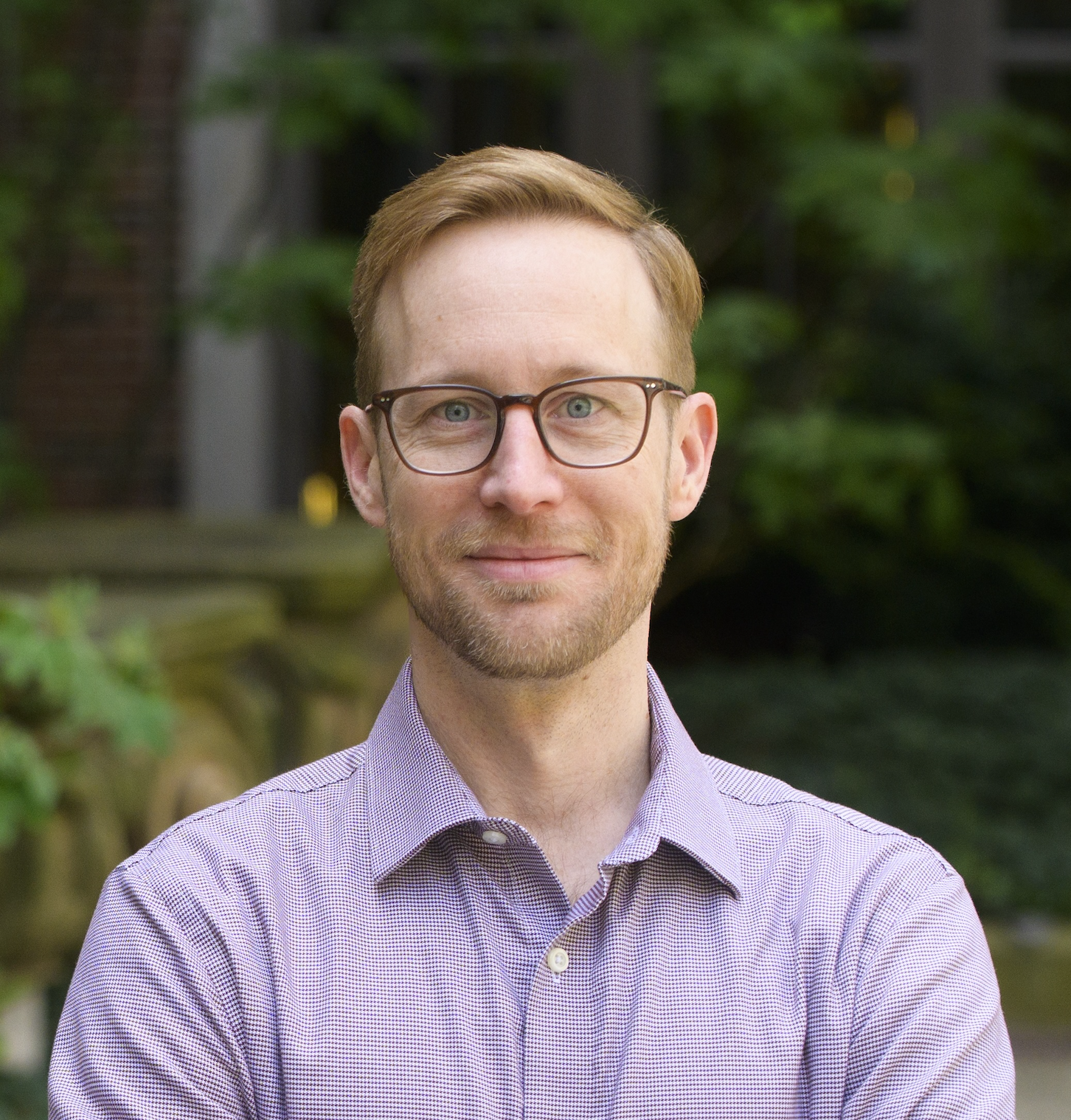
Dallas Card is an Assistant Professor in the School of Information at the University of Michigan. Prior to his current position, he was a postdoctoral researcher with the Stanford NLP Group and the Stanford Data Science Institute. His academic journey began with a Ph.D. from the Machine Learning Department at Carnegie Mellon University, where he was advised by Noah Smith. Dallas Card's research centers on making machine learning more reliable and responsible, and on using machine learning and natural language processing to learn about society, history, and culture. His work spans multiple domains including computational social science, digital humanities, and AI ethics. He investigates how language models can be made more trustworthy while also applying these models to understand societal phenomena, historical texts, and cultural dynamics. His publication record demonstrates significant contributions across several key areas. Card's research shows a clear trajectory from core NLP methodology development toward increasingly societal applications. His recent work focuses on semantic change detection across the lifespan, media ecosystem analysis through podcasts, linguistic coordination methodologies, and historical language analysis using corpora like the Corpus of Founding Era American English. His research consistently bridges technical NLP advances with societal impact, particularly examining bias, reliability, and the cultural implications of language technologies. Among his notable achievements, Card received a Distinguished Paper Award at the ACM Conference on Fairness, Accountability, and Transparency (FAccT) in 2022 for "The Values Encoded in Machine Learning Research." His work has also garnered media attention from major outlets including The New York Times, Washington Post, and NPR for research on political framing of immigration. Card currently advises several Ph.D. students including Ben Litterer (co-advised with David Jurgens), Lavinia Dunagan, and Meera Desai (co-advised with Abigail Jacobs). His research is supported by collaborations across institutions including Stanford University and Carnegie Mellon University. He actively contributes to the academic community through service on conference committees including as a member of the FAccT steering committee (2023-2025) and as ACL 2025 publicity chair.
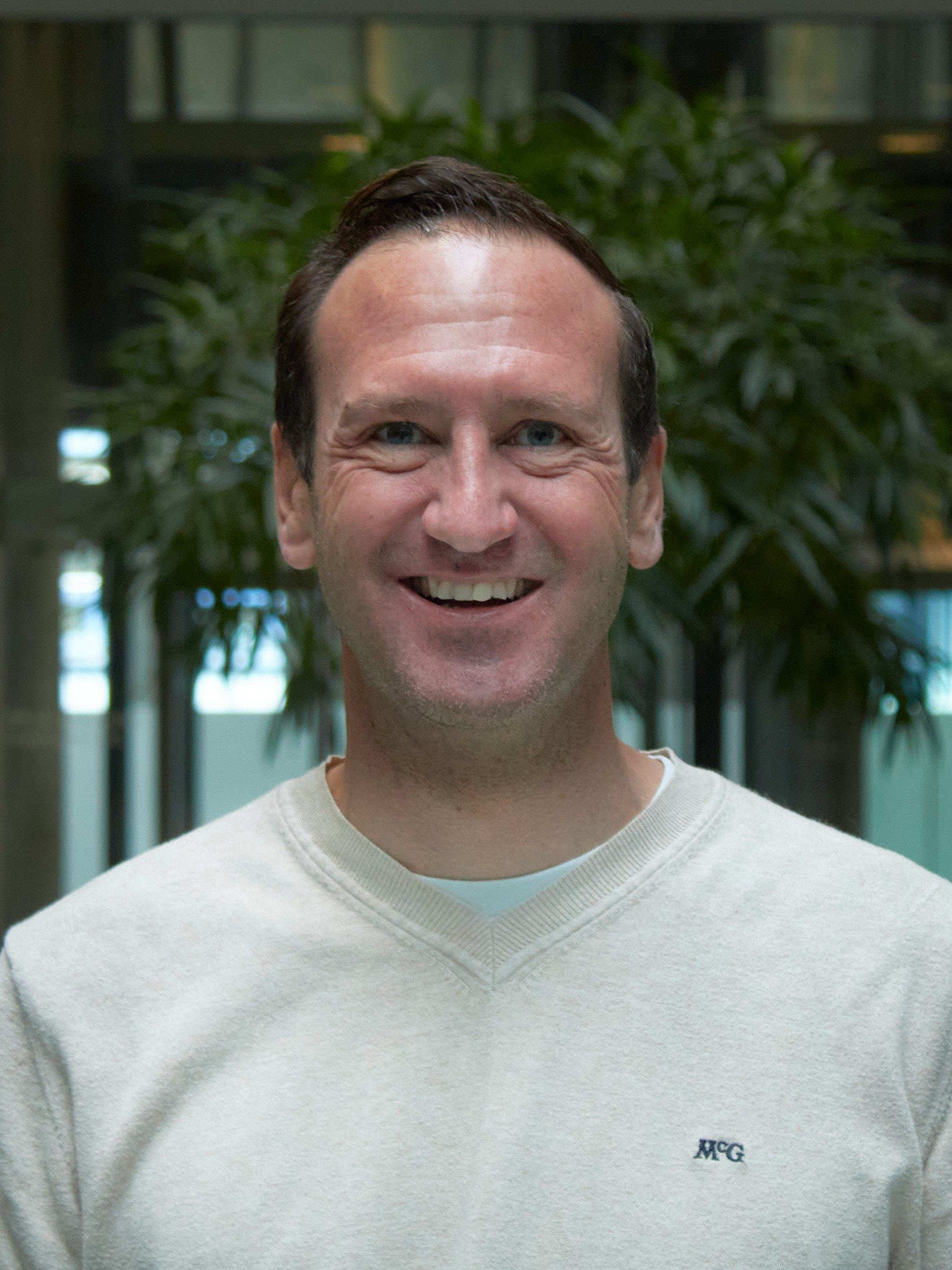
John Trueswell is a Professor of Psychology at the University of Pennsylvania and Co-Director of the Institute for Research in Cognitive Science (ILST). He leads the Language Learning Lab at the Department of Psychology, focusing on real-time language interpretation, acquisition, and processing dynamics. Collaborations with ILST faculty Behavioral experimentation Eye tracking Computational modeling fMRI His interdisciplinary work connects Psychology, Linguistics, and Computer Science through Penn’s MindCORE initiative. Research spans cross-linguistic comparisons, developmental psycholinguistics, and individual differences in normal/clinical populations. Recent publications analyze ambiguity detection, polysemy, event role encoding, and cross-situational learning. His work reveals processing-acquisition interdependencies and cognitive mechanisms shaping language structure. Fellow, Association for Psychological Science (APS) Fellow, American Association for the Advancement of Science (AAAS) Grants: NSF and NIH Dr. Trueswell has mentored language scientists across Psychology and Linguistics, with former advisees now at institutions like NYU, Harvard, and University of Florida. His lab integrates visual and linguistic data to decode moment-by-moment comprehension in children and adults.
Anna Papafragou is a Professor of Linguistics at the University of Pennsylvania's School of Arts & Sciences and Director of the Language & Cognition Lab. Her research examines the nature of linguistic meaning, its acquisition, and interaction with cognition across diverse communities through experimental methods spanning laboratory, daycare, museum, and international field sites. Education: Ph.D., University College London, 1998 Her work investigates fundamental questions about semantic representation, pragmatic inference mechanisms, child language acquisition, and language-cognition relationships. She explores whether linguistic differences shape thought patterns and how contextual factors influence meaning construction during communication. Her theoretical framework integrates linguistic theory with cognitive science principles. Professor Papafragou employs diverse methodologies including cross-linguistic fieldwork in Greece, Germany, Turkey, Korea, China, and Mayan communities in Mexico, alongside controlled laboratory experiments and online studies. Her research has yielded over 75 publications and 95 invited talks, supported by National Institutes of Health and National Science Foundation funding. Analysis of her recent publications reveals sustained focus on event cognition, semantic representation, and pragmatic inference across development. Key trends include spatial language encoding, quantifier semantics, evidentiality systems, and the role of speaker knowledge in interpretation. Her work consistently bridges formal linguistic theory with empirical cognitive science approaches through cross-linguistic and developmental perspectives. She has secured continuous research funding from NIH and NSF, serves on the Governing Board of the Cognitive Science Society and U.S. National Committee for Psychological Science, and maintains active collaborations through Penn's Integrated Language Sciences and Technology initiative. Her service roles reflect significant recognition within cognitive science and psychological research communities. The Language & Cognition Lab operates within Penn's Department of Linguistics while participating in MindCore, ILST, SCEW, SBSI, and the Penn Child Development Labs consortium. This interdisciplinary structure facilitates research on language meaning across the lifespan with participants from diverse cultural and linguistic backgrounds, emphasizing real-world communicative contexts alongside controlled experimentation.
Stefan Elmer is a Senior Researcher at ETH Zurich specializing in computational neuroscience of speech and hearing. His work investigates neural mechanisms of language processing, bilingualism, and music cognition, with emphasis on how musical expertise influences speech perception and word learning across the lifespan using EEG and neuroimaging techniques. Dr. Elmer's research spans speech neuroscience, hearing neuroscience, and bilingualism, focusing on neural plasticity in interpreters and musicians. Key studies examine cognitive load during simultaneous interpretation, neural correlates of absolute pitch, and age-related changes in temporal speech processing. His work demonstrates how experience in music or language reshapes brain connectivity in dorsal/ventral streams. Analysis of his 2019-2023 publications reveals consistent themes: neural adaptations in simultaneous interpreters, music-language interactions in word learning, and clinical applications for tinnitus/hearing loss. His research highlights EEG-based biomarkers for individual cognitive profiles and lifespan effects of expertise on auditory processing. Dr. Elmer contributes to ETH Zurich's Computational Neuroscience of Speech & Hearing group, which employs interdisciplinary approaches to unravel auditory processing mechanisms through collaborative projects bridging neuroscience, linguistics, and clinical audiology.
Joel S. Snyder, Ph.D., is a Professor in the Department of Psychology at the University of Nevada, Las Vegas (UNLV), where he also directs the Auditory Cognitive Neuroscience Laboratory (ACNL). His research integrates cognitive psychology and neuroscience to explore how humans perceive and remember complex auditory environments, with a special focus on musical rhythm, groove, and emotional responses to sound. Education: While specific degrees are not listed in the provided text, Dr. Snyder holds a Ph.D. and is a tenured Professor at UNLV, indicating extensive academic training in psychology and neuroscience. Research Interests: Auditory Scene Perception: How listeners parse and remember real-world auditory environments. Musical Rhythm and Groove: Neural and cognitive mechanisms underlying beat perception, rhythm production, and emotional responses like groove and chills. Memory for Natural Sounds: Long-term memory for auditory and visual stimuli in naturalistic contexts. Misophonia and Musicality: The relationship between sound sensitivity disorders (e.g., misophonia), musical training, and brain function. Cognitive Neuroscience Methods: Use of EEG, fMRI, and brain stimulation to study auditory cognition. Publication Themes: Dr. Snyder’s recent work spans consciousness theory critique, replication studies in EEG and rhythm perception, auditory scene analysis in natural environments, and the psychological impact of sound in both neurotypical and clinical populations (e.g., autism, misophonia). His collaborative output includes theoretical reviews and empirical studies in high-impact journals like Nature Neuroscience , Nature Reviews Psychology , and Philosophical Transactions B . Scientific Contributions & Recognition: Dr. Snyder has co-authored open letters critiquing prominent theories of consciousness, participated in large-scale replication efforts (e.g., #EEGManyLabs), and contributed to public science communication through interviews with The New York Times and podcasts. His lab’s work has been featured in international conferences (e.g., Neurosciences and Music, ICMPC, Timing Research Forum). Teaching & Mentorship: He teaches undergraduate and graduate courses in Perception and Cognitive Neuroscience. His lab has mentored students including Maggie McMullin, Solena Mednicoff, Dan Berkowitz, and Karli Nave, some of whom have gone on to medical school or presented at international venues. Labs & Collaborations: The Auditory Cognitive Neuroscience Laboratory (ACNL), founded in 2007, collaborates with scholars worldwide on projects exploring auditory cognition, rhythm, and consciousness. The lab uses state-of-the-art EEG, behavioral, and neuroimaging techniques to study auditory perception in both natural and controlled settings.
Assoc. Prof. Ivan Ivanov, PhD, serves as an Associate Professor in the Department of Telecommunications at New Bulgarian University (NBU), teaching core courses including SECB810 (Information Management Assurance) and TCMB862 (Internet-Based Networks and Protocols) within the Bachelor's Program in Telecommunications and Computer Technology. His academic role integrates engineering education with cutting-edge cognitive neuroscience research. Ivanov's research spans visual neuroscience and neurolinguistics, with dual emphases on face/body perception mechanisms and bilingual language processing. His methodological expertise encompasses electrophysiology (ERP/EEG) and functional neuroimaging (fMRI), applied to investigate neural coding in primate and human models. This interdisciplinary approach bridges telecommunications signal processing with cognitive science, particularly in analyzing neural responses to visual and linguistic stimuli. Analysis of his 15 most recent publications (2015-2025) reveals dominant trends in mesoscale neural organization for face/body processing and bilingual cognitive control. His work frequently employs primate neurophysiology to map body-selective cortical patches while simultaneously exploring second-language activation dynamics in humans. Key methodological innovations include fixation-related potentials for bilingual studies and fMRI adaptations for trauma evaluation in refugee populations. Scientific Awards: No awards were documented in the provided materials. Advising and Grants: Available documentation indicates no formal student advisees or research grants. Ivanov's academic profile emphasizes independent research and course instruction, with publications primarily reflecting departmental collaborations rather than externally funded projects. Laboratory and Team Affiliations: While specific labs are unmentioned, his fMRI/ERP work implies access to neuroimaging facilities, likely through cross-departmental partnerships between Telecommunications and Psychology/Neuroscience units at NBU. His trauma-stabilization studies suggest clinical collaborations with refugee support organizations.
Recep Firat Cekinel is a Turkish NLP researcher who recently obtained his Ph.D. in Computer Engineering from Middle East Technical University (METU). He spent 13 months as a visiting predoctoral researcher at the University of Tübingen and is currently a researcher on the EU-funded EXA4MIND project, where he develops NLP pipelines that convert natural language into database queries using large language models. His research focuses on responsible, scalable AI systems and bridges foundational NLP work with real-world applications. Education: Ph.D. in Computer Engineering, Middle East Technical University (METU), Türkiye Visiting Predoctoral Researcher, University of Tübingen, Germany (13 months) Research Interests: Dr. Cekinel’s work spans natural language processing , multimodal fact-checking , explainable AI , and large language models . He is particularly interested in building responsible and scalable AI systems that integrate foundational research with practical deployments, such as natural-language interfaces for high-performance computing environments. Recent Publication Trends: His 2025 publications reveal a concentrated effort on multilingual and multimodal fact-checking , satire-style debiasing , and NL-to-database-query generation . Earlier work explores graph-based event extraction , Turkish irony detection , and cultural-heritage text mining , demonstrating a trajectory from low-resource Turkish NLP toward globally applicable, responsible-AI systems. Contact & Code: Email: rfcekinel@ceng.metu.edu.tr Office: METU Computer Eng. Dept. A-206, 06800 Ankara, Turkey Phone: +90-(312)-210-5593 GitHub: firatcekinel Google Scholar: profile available
Donald J. Bolger serves as Associate Professor in the Department of Human Development and Quantitative Methodology within the College of Education at the University of Maryland, with additional affiliation to the Brain and Behavior Institute. His research integrates cognitive, neurobiological, and educational perspectives to investigate learning mechanisms and disorders. Dr. Bolger received his Ph.D. in Cognitive Psychology from the University of Pittsburgh and completed postdoctoral training in Neuroscience at Northwestern University, establishing his foundation in multimodal neuroimaging approaches. His primary research examines the neurocognitive substrates of reading acquisition and impairment across writing systems (English, Chinese, Korean), emphasizing how biological factors interact with environmental input to influence learning outcomes. Additional investigations explore executive function, working memory in ADHD, and emotional language processing in autism spectrum disorder. Methodologically, he combines fMRI, ERP, MEG, and behavioral paradigms in school-based and laboratory settings to translate basic findings into educational interventions. Analysis of his 15 most recent publications (2024-2019) reveals consistent focus on semantic processing mechanisms, cross-linguistic reading development, and neural plasticity through cognitive training. Key trends include ERP component analysis for language comprehension, visual word form area adaptations across writing systems, and emotional modulation of cognitive control in clinical populations—demonstrating his commitment to bridging neuroscience and educational practice. No specific scientific awards or major honors were documented in the provided materials. As faculty member, Dr. Bolger mentors graduate students in the Department of Human Development and Quantitative Methodology. His research has received institutional support including MPower seed grants for neuroscience and aging initiatives, though specific grant awards were not detailed. His school-based collaborations focus on developing evidence-based reading interventions for diverse learners. He directs the Laboratory for the Neural Bases of Reading and Language (LNRL), which maintains active partnerships with the Brain and Behavior Institute. The LNRL conducts cutting-edge research on reading development and disorders using combined neuroimaging and behavioral methodologies, with recent projects spanning multiple languages and clinical populations to address fundamental questions about learning mechanisms.
Hatice Zora is a researcher at the Department of Linguistics at Stockholm University. Her interdisciplinary work bridges linguistics and cognitive neuroscience , with a focus on the neural mechanisms underlying prosody and lexical access in speech processing. Key collaboration: Mary Rudner (Professor, Linnaeus Centre HEAD, Linköping University) Other collaborations: Tomas Riad (Stockholm University), Sari Ylinen (University of Helsinki) Research Interests Investigates how subcortical emotional systems influence neocortical speech-related processing via prosodic features Studies hidden events in turn-taking dynamics with Mattias Heldner and Marcin Wlodarczak Develops electrophysiological-perceptual taxonomies of prosodic processing Publications 4 major works (2015-2016) including a doctoral thesis on prosody-lexicon mapping Focus on mismatch negativity (MMN), P200 responses, and cross-linguistic comparisons (English, Turkish, Swedish)
Balkız ÖZTÜRK BAŞARAN is a Professor and Department Head at Boğaziçi University's Department of Linguistics. She holds office JF 303 and can be reached at balkiz.ozturk@boun.edu.tr. Her academic career spans theoretical and descriptive linguistics with a focus on understudied languages of the Caucasus region. Her educational background includes a PhD in Linguistics from Harvard University (2004), an MA in Linguistics from Boğaziçi University (1999), and a BA in Translation and Interpretation from Boğaziçi University (1996). Her research interests center on Caucasian Languages, Altaic Languages, Turkish Languages, Theoretical Syntax, and Semantics. She has made significant contributions to the documentation and analysis of Laz language varieties, particularly Pazar Laz, Ardesheni Laz, and Muş Kurmanji. Her work bridges theoretical syntax with empirical fieldwork on lesser-documented languages, examining phenomena like case systems, applicatives, verb-framing, and possessive constructions. Her recent publications reveal a strong trend toward computational linguistics applications, particularly in Turkish language processing, while maintaining her core research on Caucasian languages. This dual focus demonstrates her ability to integrate theoretical linguistic insights with practical computational applications. She has served as principal investigator or researcher on multiple significant projects including the Deep Learning Based Turkish Dependency Parser (2018-present), Language Interaction in Turkey: Documentation and Analysis (2018-present), and Argument and Adjunct Distinction in Muş Kurmanji (2017-present), all funded by TÜBİTAK and Boğaziçi University Research Fund. Her teaching portfolio includes undergraduate courses in Morphology (Ling 202), Syntax (Ling 203), Typology (Ling 206), and Syntax and Semantics of Turkish (Ling 314), as well as graduate courses in Syntactic Theory (Ling 541), Readings in Linguistics (Ling 572), and Syntax of Voice (Ling 58H). She has presented her research at numerous international conferences and has given invited talks at institutions including Harvard University, University of Toronto, and Dokuz Eylül University.
Dr. Koji Miwa is an Associate Professor at Nagoya University's Graduate School of Humanities, specializing in psycholinguistics with a focus on experimental approaches to understanding how language is processed in the mind. His academic journey includes a Ph.D. in Linguistics from the University of Alberta, followed by postdoctoral work at the University of Tübingen before joining Nagoya University in 2017. Ph.D. in Linguistics, University of Alberta (2007-2013) M.A. in Linguistics, University of Alberta (2004-2007) B.A., Mount Royal College (2002-2004) Dr. Miwa's research primarily investigates how complex words are represented and processed in the mind, with special attention to bilingual reading processes where two languages coexist in a single mind. His work employs sophisticated methodologies including eye-tracking technology to measure real-time cognitive processing during language tasks. He examines morphological decomposition, cross-linguistic influences, and the cognitive mechanisms underlying efficient language processing, with particular emphasis on Japanese-English bilingualism and morphographic scripts. His research consistently explores how humans process complex linguistic information effortlessly and efficiently, often at subconscious levels. Dr. Miwa's recent publications reveal an expanding research program that now includes metaphor comprehension, analogical reasoning, and event role conceptualization across languages. His work bridges theoretical linguistics with empirical cognitive science, often employing advanced statistical modeling techniques like generalized additive mixed models to analyze complex language behavior data. The ENglish Reading Online (ENRO) Project represents a significant contribution to large-scale data collection in second language reading research. Izaak Walton Killam Memorial Scholarship (2010) Roger S. Smith Undergraduate Researcher's Award (2006) As an educator, Dr. Miwa emphasizes balanced development across multiple dimensions of life and learning. His supervision style focuses on cultivating mindfulness, service, and knowledge in students. He serves on editorial boards for PeerJ, Frontiers in Psychology, and Studies in Language Sciences, contributing significantly to scholarly review processes. His research lab at Nagoya University maintains active international collaborations, particularly with researchers in Canada, Europe, and other parts of Asia. Dr. Miwa also maintains a thoughtful personal mission statement that emphasizes living a balanced life while considering fundamental questions about existence.