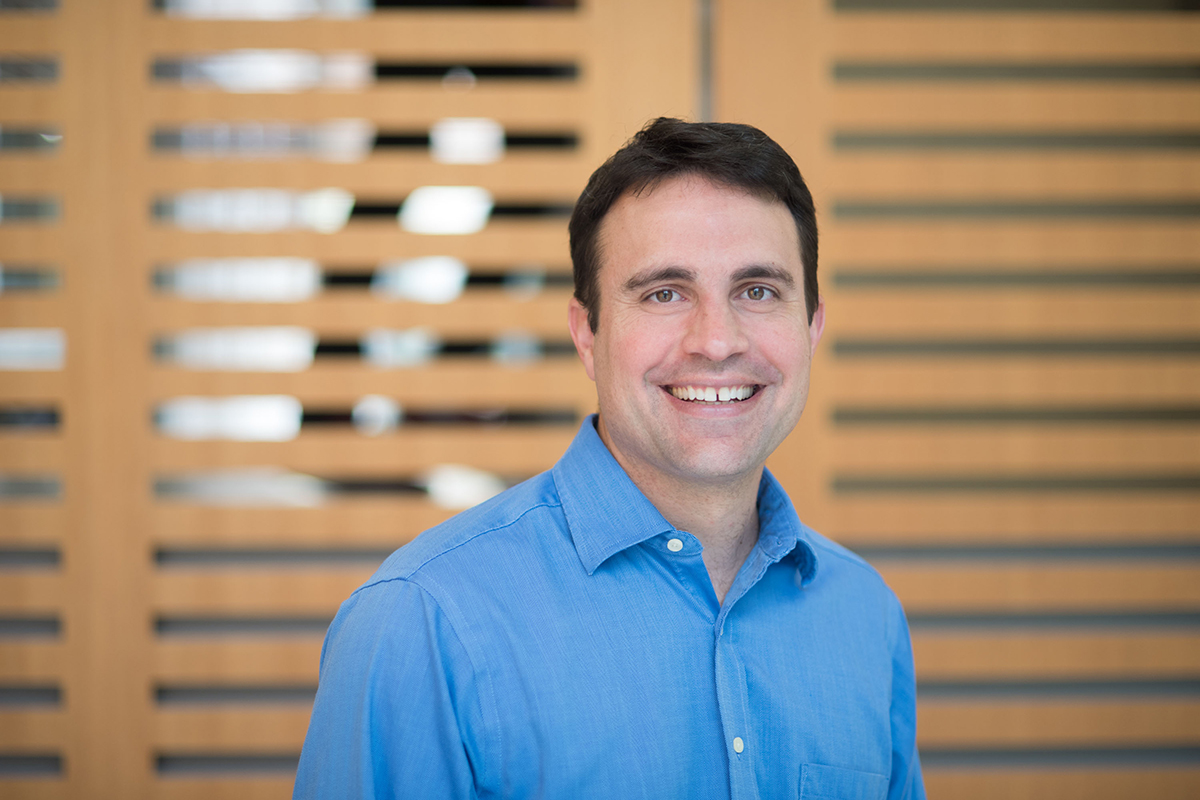
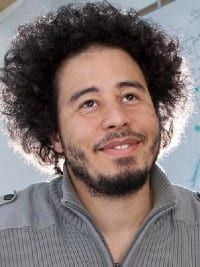
Brent Waters is a Professor at the Department of Computer Science, University of Texas at Austin , where he has been since 2008. He received his Ph.D. in Computer Science from Princeton University (2004) and held a postdoctoral position at Stanford University (2004-2005). His research focuses on cryptography and computer security, with groundbreaking work in Identity-Based Encryption, Functional Encryption, Attribute-Based Encryption, and code obfuscation. He is a founder of Functional Encryption and Attribute-Based Encryption. Education Ph.D., Computer Science, Princeton University (2004) Research Interests Cryptography, Security Protocols Functional Encryption, Attribute-Based Encryption Indistinguishability Obfuscation, LWE-Based Systems Zero-Knowledge Proofs, Key-Dependent Message Security Selected Publications Trends Recent work (2025) addresses adaptive security in broadcast encryption, SNARGs, and multi-authority ABE systems using LWE and bilinear maps. Key themes include collusion resistance, witness encryption, and optimizing cryptographic assumptions like CRS size reduction. Scientific Awards IEEE Fellow (2025), IACR Fellow (2024), ACM Fellow (2021) Simons Investigator (2019), Grace Murray Hopper Award (2015) Presidential Early Career Award (2011), Packard Fellowship (2011) Advising Current Ph.D. students: Shafik Nassar, George Lu Past Ph.D. students: Rachit Garg (2024), Satya Vusirikala (2021), Rishab Goyal (2019), Venkata Koppula (2018), Yannis Rouselakis (2013), Allison Bishop (2012) Contact Email: bwaters@cs.utexas.edu Phone: (512) 232-7464 | Office: GDC 6.810
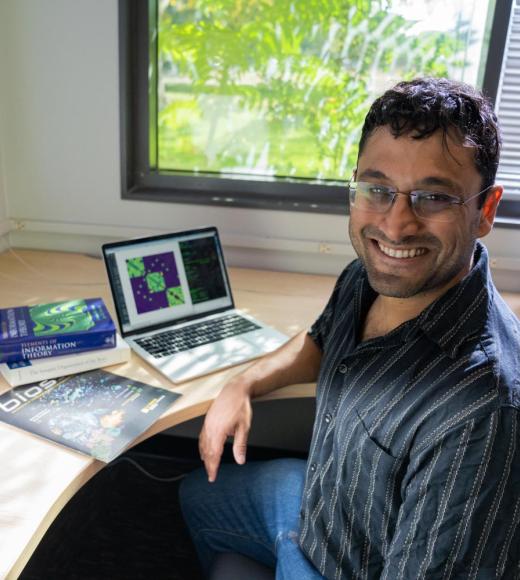
David Schuster is an Associate Professor of Physics at the University of Chicago. His primary research focuses on experimental condensed matter physics, with a particular emphasis on circuit quantum electrodynamics (cQED), superconducting qubits, and quantum information science. He leads the Schuster Lab, which explores quantum systems, hybrid quantum technologies, and topological materials. Education: Ph.D. in Physics from Yale University (2007), advised by Robert Schoelkopf. His doctoral work pioneered advancements in circuit QED, demonstrating strong coupling between superconducting qubits and microwave resonators. Research Interests: The lab investigates superconducting quantum circuits, topological photonics, quantum sensors for dark matter, and scalable quantum computing architectures. Projects include developing fluxonium qubits, autonomous error correction, and hybrid systems involving trapped electrons on helium. Key Contributions: Published in Nature , Science , and Physical Review Letters on topics like topological circuits, photon blockade, and dark matter detection using superconducting cavities. Collaborates with groups at Stanford, Purdue, and other institutions on quantum technologies. Students and Collaborators: Advises numerous graduate and undergraduate students, including prominent alumni who have transitioned to postdocs and industry roles. Lab members present at major conferences like the APS March Meeting. Labs: Schuster Lab at the University of Chicago, with access to state-of-the-art facilities like the Pritzker NanoFabrication Facility. Collaborates with the Awschalom, Cleland, and Houck groups on hybrid quantum systems and materials science.
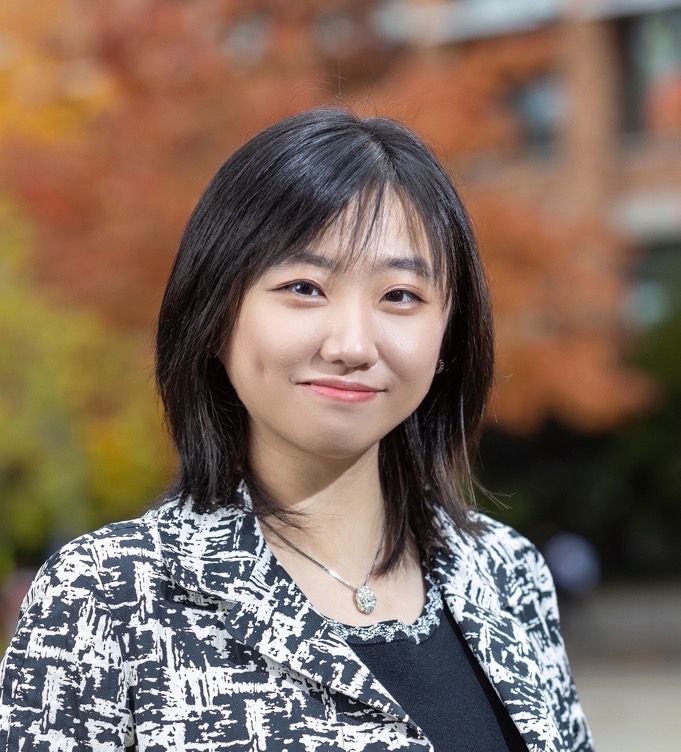
Vera Liao is a Principal Researcher at Microsoft Research, where she is part of the FATE (Fairness, Accountability, Transparency, and Ethics of AI) group. She will join the University of Michigan Computer Science and Engineering department as an Associate Professor in fall 2025. Her work focuses on human-AI interaction, explainable AI, and responsible computing. Liao has made significant contributions to IBM products such as AI Explainability 360 and Uncertainty Quantification 360 during her time at IBM T.J. Watson Research Center. Dr. Liao received her education from the University of Illinois at Urbana-Champaign and Tsinghua University. Her academic journey has positioned her at the intersection of human-computer interaction and artificial intelligence, with a strong emphasis on creating AI systems that are transparent, accountable, and user-centered. Vera Liao's research primarily centers around human-centered AI explainability and transparency. She investigates how to design AI systems that effectively communicate their capabilities, limitations, and decision-making processes to users. Her work examines the intersection of AI transparency with trust, control, and user experience. Liao has pioneered approaches to bridging the socio-technical gap in AI evaluation and has developed frameworks for contextualized evaluation of explainable AI systems. Her research spans multiple domains including conversational interfaces, data storytelling, and creative work with generative AI. Liao's publications reveal a clear trend toward addressing the challenges of large language models and their impact on human-AI interaction. Her recent work focuses on understanding how uncertainty communication affects user trust, how to design for appropriate reliance on AI systems, and how to create authentic co-creation experiences with generative models. She has been examining the risks in AI-infused information ecosystems and developing methods for human-centered evaluation of language technologies. Her scientific contributions have been recognized with multiple honors: Best Paper Award, Honorable Mention at CHI 2025 (two papers) Best Paper Award at CHI 2024 Best Paper Award, Honorable Mention at FAccT 2023 Best Paper Award, Honorable Mention at HCOMP 2022 Best Paper Award, Honorable Mention at CHI 2021 Best Paper Award, Honorable Mention at CHI 2014 Outstanding Paper Award at IUI 2019 Dr. Liao is an active mentor, having guided numerous research interns from top universities including Cornell, Princeton, CMU, Stanford, and MIT. She serves in editorial roles as Co-Editor-in-Chief of the Springer Human-Computer Interaction Book Series and as an Editor for ACM CSCW. Liao has secured research funding through her work at Microsoft Research and previously at IBM, focusing on projects related to AI explainability, transparency, and responsible AI development. As part of Microsoft Research's FATE group, Liao collaborates with a multidisciplinary team of researchers focused on the ethical implications of AI technologies. Her work bridges the gap between technical AI development and human-centered design principles, ensuring that AI systems are developed with user needs and societal impacts in mind.
Daniel M. Wolpert is a Professor of Neuroscience at Columbia University and Principal Investigator at the Zuckerman Institute. His research focuses on computational models of movement, integrating sensory cues and cognitive elements to understand motor control, memory, and rehabilitation strategies for cerebellar disorders. Key Research Areas: Sensorimotor integration, probabilistic inference, reinforcement learning, predictive modeling of movement, and aging effects on motor learning. Selected Awards: Royal Society Fellow (2012), Minerva Golden Brain Award (2010), Fulbright Scholarship (1992-1995). Recent publications highlight his work on contextual learning, motor memory formation, and the computational basis of sensorimotor uncertainty. His lab develops robotic interfaces to study human motor behavior and collaborates on clinical applications for movement disorders. Current opportunities include postdoctoral fellowships in sensorimotor control and decision-making.
Edward Awh is a Professor at the University of Chicago in the Department of Psychology, specializing in cognitive neuroscience, working memory, and attentional mechanisms. His research explores the neural basis of memory storage, spatial attention, and the interplay between cognitive systems using EEG and neuroimaging techniques. University of Chicago, Department of Psychology NIH R01 grants on working memory and ADHD Research Interests: Awh investigates discrete resource limits in working memory, the role of alpha oscillations in attention, and neural mechanisms underlying memory encoding and retrieval. His work addresses how the brain manages distractor suppression, spatial representations, and the relationship between attention and memory capacity. Scientific Trends: Recent publications focus on content-independent memory encoding, EEG decoding of attentional processes, and the intersection of sustained attention with memory performance. His studies frequently employ human behavioral experiments, EEG analysis, and computational modeling. Grants: Principal Investigator on multiple NIH R01 grants, including projects on working memory states (R01MH087214), perceptual interference in ADHD (R01MH077105), and attentional control mechanisms.
Crystal Noel is an Assistant Professor at Duke University in the Pratt School of Engineering and Trinity College of Arts & Sciences , with appointments in both the Department of Electrical and Computer Engineering and Physics since 2022. She is also a Member of the Duke Quantum Center since 2024. Ph.D. in Electrical and Computer Engineering from University of California, Berkeley (2019) B.S. in Massachusetts Institute of Technology (2013) Her research focuses on quantum computing and simulation with trapped ions , integrated photonics for scalable trapped ion systems , and electric-field noise from surfaces . Recent work includes developing non-invasive mid-circuit measurement techniques, sympathetic cooling for ion chains, and cross-platform quantum state comparison. She has secured significant grants from National Science Foundation , Rochester Institute of Technology , and Defense Advanced Research Projects Agency for quantum co-design and networking projects. Her lab ( Noel Lab ) explores scalable quantum computing architectures and surface noise mitigation. She teaches courses ranging from foundational Fields and Waves: Fundamentals of Information Propagation to advanced topics in Quantum Engineering with Atoms and Advanced Topics in Electrical and Computer Engineering .
Babak Hassibi is a Professor of Electrical Engineering and Computing and Mathematical Sciences at the California Institute of Technology (Caltech). He obtained his B.S. from the University of Tehran (1989), M.S. and Ph.D. from Stanford University (1993, 1996), and has held positions at Caltech since 2001, including roles as Assistant Professor, Associate Professor, Professor, and Executive Officer. Education : University of Tehran, B.S. (1989) Stanford University, M.S. and Ph.D. (1993, 1996) Academic Roles : Assistant Professor, Caltech (2001–03) Associate Professor (2003–08) Professor (2008–13) Binder/Amgen Professor (2013–16) Bohn Professor (2016–) Executive Officer for Electrical Engineering (2008–15) Associate Director for Information Science and Technology (2010–12) Research Interests : Babak Hassibi’s work spans Communications , Signal Processing , Control Theory , and Machine Learning . He has contributed to wireless networks, genomic signal processing, multi-antenna systems, robust control, and high-dimensional statistics. His mathematical interests include Random Matrices and Group Representation Theory . Recent Publications highlight his focus on Adaptive Control , Stochastic Optimization , and Quantum Detection . Notable trends include Regret-Optimal Control , Stochastic Mirror Descent , and DNA Microarray Applications . Scientific Awards : Highly Cited Researcher Advising and Grants : He has advised numerous graduate students and postdocs, many of whom now hold prominent positions at institutions like MIT, USC, and Stanford. His research includes collaborations on patents and projects related to Wireless Communications and Genomic Technologies . Labs and Teams : Leads the Hassibi Group at Caltech, which explores nonlinear photonic systems, ultrafast optics, and quantum information processing.
Sherry Tongshuang Wu is an Assistant Professor at Carnegie Mellon University's School of Computer Science, with primary appointments in the Human-Computer Interaction Institute (HCII) and secondary affiliation with the Language Technology Institute (LTI) . Trained at the University of Washington under Jeffrey Heer and Dan Weld, she bridges HCI and NLP to study human interactions with AI systems across diverse user groups. Her educational background includes a Ph.D. (2016-22) and M.S. (2016-18) in Computer Science and Engineering from the University of Washington, and a B.Eng. (2012-16) from Hong Kong University of Science and Technology. Industry experience includes research internships at Google Brain, Microsoft Research, and Apple. Wu's research focuses on three interconnected pillars: Real-world AI Evaluation (developing frameworks like SPHERE for systematic assessment), Task-specific AI Test & Distill (optimizing general-purpose models for specific use cases), and Human-AI Task Delegation (designing optimal collaboration between humans and AI). Her work emphasizes practical deployment, user-specific net gains, and error recovery mechanisms. Analysis of her 15 most recent publications reveals a strong trend toward evaluation frameworks (35%), human-AI collaboration systems (30%), and specialized model distillation (25%), with growing emphasis on educational applications (10%). Key methodological themes include checklist-based evaluation, perspective-aware retrieval, and structural analysis of AI outputs. Google Academic Research Award (2024) Amazon Research Awards (2024) AIED 2024 Best Paper Award ACL 2020 Best Paper Award Rising Stars in EECS Workshop (2020) Wu actively mentors 19 students across PhD, Master's, and undergraduate levels, with notable projects including synthetic data generation, LLM literacy tools, and retrieval system optimization. She leads significant grant-funded work through Amazon Research Awards and Google Academic Research Awards, focusing on deployable model generation and human-AI collaboration frameworks. Her lab develops practical tools like Promp2Model and SPHERE that bridge theoretical research with industry applications.
David Blaauw is the Kensall D. Wise Collegiate Professor of Electrical Engineering and Computer Science (EECS) at the University of Michigan. His research focuses on ultra-low-power analog/mixed-signal circuits, mm-scale sensors, neural networks, and biomedical applications. He leads the Blaauw Lab, which has pioneered innovations like the Michigan Micro Mote (M^3) and neural recording probes. His work emphasizes real-world deployability, with applications in environmental monitoring (e.g., monarch butterflies), medical devices, and robotics. Education: B.S. in Physics and Computer Science, Duke University (1986) Ph.D. in Computer Science, University of Illinois Urbana-Champaign (1991) Research Interests: Blaauw’s lab explores ultra-low-power computing, mm-scale systems, RF communication, in-memory computing, and genomics acceleration. Key projects include: Millimeter-scale computers (e.g., 0.04mm³ temperature sensors) Wireless neural interfaces for brain-machine communication Energy-efficient accelerators for edge AI and genomics Micro-robotics with sensing/actuation/computation Awards: IEEE Fellow 2016 SIA-SRC Faculty Award Motorola Innovation Award Best Paper Awards at ISSCC, ISCA, and RFIC Advising & Impact: Over 600 publications, 65 patents, and 4 startup companies spun from his lab. Current research includes genome sequencing accelerators (GenAx) and neural recording dust for brain mapping. He directs the Michigan Integrated Circuits Lab and chairs major conferences like ISSCC and DAC. Labs/Teams: Blaauw Lab (University of Michigan) Michigan Integrated Circuits Lab (MICAL)
Rishidev Chaudhuri is an Associate Professor at the University of California, Davis in the Department of Neurobiology, Physiology and Behavior within the College of Biological Sciences. His research focuses on computational neuroscience and neural dynamics, employing mathematical models to investigate how neural circuits generate cognitive processes such as memory, perception, and decision-making. His work explores neural dynamics through models of memory systems, attentional mechanisms, and probabilistic inference. Recent publications highlight advances in understanding hippocampal memory scaffolds, parietal-frontal interactions, and neuromorphic computing inspired by brain architecture. Education: BA in Physics (Amherst College), PhD in Applied Mathematics (Yale University) Centers: Center for Neuroscience; affiliated with Applied Mathematics and Neuroscience Graduate Groups Scientific awards and honors are not explicitly mentioned in the provided materials.
Lauren M. Lipner, Ph.D., is an Assistant Professor in the Clinical Psychology Doctoral Program at Long Island University (LIU) Post, within the College of Liberal Arts and Sciences. She holds a B.A. from Pennsylvania State University and earned her M.A. and Ph.D. in Clinical Psychology from Adelphi University in 2020. Her academic and clinical training includes an APA-accredited pre-doctoral internship at Pennsylvania Hospital/University of Pennsylvania Health System, a clinical postdoctoral fellowship at Mount Sinai Beth Israel, and a research and teaching postdoctoral fellowship at Adelphi University. Her research focuses on psychotherapy process and outcome, with an emphasis on the development and repair of the therapeutic alliance. Key areas include alliance rupture resolution, factors contributing to premature treatment termination, and methodological approaches to measuring therapeutic dynamics. She has contributed extensively to the literature through peer-reviewed journal articles, book chapters, and conference presentations. The most recent publications reflect a strong trend in advancing methodological rigor in studying alliance ruptures, utilizing control chart methods, single-case designs, and multi-method approaches. Her work bridges clinical practice with empirical research, particularly in cognitive-behavioral and integrative therapies for personality and anxiety disorders. Scientific awards and grants highlight her recognition in the field: Small Research Grant, Society for Psychotherapy Research (2021) Charles J. Gelso, Ph.D. Psychotherapy Research Grant, Society for the Advancement of Psychotherapy (APA Division 29, 2023) Dr. Lipner has served as Principal Investigator on funded projects including 'The relationship between therapist flexibility, alliance rupture resolution, and premature treatment termination' and 'Reasons for dropout measure: Development and validation.' She is actively involved in professional organizations such as the American Psychological Association (Divisions 12 and 29), the Society for Psychotherapy Research, and the Society for the Exploration of Psychotherapy Integration. She regularly presents her research at national and international conferences, contributing to training and supervision literature, particularly in CBT and alliance-focused models. While no specific lab or research team is explicitly named in the text, her collaborative work with prominent researchers like Jeremy D. Safran, J. Christopher Muran, and Jacqueline P. Barber suggests active participation in a research network focused on psychotherapy process and integration. Her contributions to handbooks and case studies further indicate a strong commitment to clinical education and training.
Matt Nassar is an Associate Professor of Neuroscience and Assistant Professor of Cognitive and Psychological Sciences at Brown University. He leads the Learning, Memory and Decision Lab, which is part of the Department of Neuroscience and the Robert J. & Nancy D. Carney Institute for Brain Science. His research focuses on understanding how the brain flexibly processes information to achieve complex and adaptive behaviors through computational approaches that bridge cognitive psychology and neuroscience. Education: PhD, University of Pennsylvania (2012) BA, Colgate University (2004) Nassar's research examines how different cognitive systems—learning, memory, and perception—leverage common computational principles to optimize decision-making. His work particularly focuses on how the brain balances stability and flexibility in processing information, how uncertainty is represented and utilized in learning, and how neural computations underlie complex behaviors. Through computational modeling and empirical research, he investigates how modular information-processing systems impact decisions and complex behavior in dynamic environments. His research integrates methods from cognitive psychology, neuroscience, and computational modeling to address fundamental questions about human cognition. Analysis of Nassar's recent publications (2020-2024) reveals a strong focus on computational neuroscience applied to decision-making, learning, and psychiatric conditions. His work frequently employs Bayesian modeling approaches to understand belief updating, uncertainty processing, and structure learning. Key themes include the neural basis of flexibility in learning, computational mechanisms underlying psychiatric symptoms, and age-related changes in cognitive processing. His research bridges cognitive psychology, neuroscience, and computational modeling to provide insights into both healthy cognition and disorders such as depression and schizophrenia. Scientific Contributions: Developed computational models of belief updating and learning under uncertainty Investigated neural mechanisms of stability-flexibility tradeoffs in cognition Examined age-related differences in learning and memory processes Explored computational mechanisms underlying psychiatric conditions Studied the role of noise correlations in neural learning systems Investigated how prefrontal cortex representations shape decision processes Nassar actively mentors researchers in his lab, with recent announcements highlighting postdocs joining from prestigious institutions like Max Planck UCL and Freie Universität Berlin. His lab appears to receive significant research funding, supporting multiple postdoctoral positions and research projects. Collaborations span multiple departments at Brown University, particularly with researchers in Cognitive and Psychological Sciences, Neurology, and Psychiatry. The lab has produced numerous high-impact publications in top journals including Nature Human Behaviour, Brain, and eLife. The Learning, Memory and Decision Lab, led by Nassar, is an active research group that uses computational models to understand how the brain represents and stores information for effective decision making. Recent lab announcements (as of February 2025) indicate the lab is expanding with new postdoctoral researchers joining from Harvard, Max Planck UCL, and Freie Universität Berlin, suggesting strong research momentum and funding support. The lab appears to be well-integrated within Brown's neuroscience community, with collaborations spanning multiple departments and research centers.
Robert M. Weikle, II is a Professor in the Charles L. Brown Department of Electrical and Computer Engineering at the University of Virginia, with a courtesy appointment in the Department of Physics. He earned his B.S. from Rice University (1986), M.S. (1987), and Ph.D. (1992) in Electrical Engineering from Caltech, followed by postdoctoral work at Chalmers University of Technology (1992). His research focuses on millimeter-wave and terahertz electronics , applied electromagnetics, integrated antennas, low-noise sensors, and heterogeneous integration of compound semiconductors. His work bridges electronics and photonics for spectrum access, with applications in astronomy, spectroscopy, and metrology. He has published extensively on micromachined silicon substrates, superconducting materials, and emerging technologies. Scientific Awards: IEEE Microwave Prize (1993) David A. Harrison III Award (1999) University of Virginia All-University Outstanding Teaching Award (2000) Edlich-Henderson Innovator of the Year (2016) Fulbright Scholar (2001) As Chief Technology Officer and co-founder of Dominion Microprobes, Inc., he commercializes micromachined wafer probes for high-frequency metrology. His lab, located in E220 Thornton Hall and the Jesse W. Beams Physics Building, has produced 15+ recent publications on submillimeter-wave devices, THz probes, and calibration techniques.
Maurice Smith serves as the Gordon McKay Professor of Bioengineering at Harvard University's School of Engineering and Applied Sciences (SEAS), where he leads the Neuromotor Control Lab. His primary appointment resides within the Department of Bioengineering, focusing on the computational and neural mechanisms underlying human movement control. Smith's research centers on sensorimotor learning , motor adaptation , and neuromotor control systems . He investigates how the brain forms and retains motor memories, particularly examining cerebellar contributions to long-term sensorimotor memory and the dissociation between implicit and explicit learning pathways. His work frequently employs computational modeling to dissect neural tuning properties and motor variability regulation. Analysis of his recent publications reveals a strong emphasis on temporal dynamics in motor learning , cerebellar function in memory consolidation , and Bayesian frameworks for understanding sensorimotor adaptation . His research demonstrates consistent focus on how error processing, uncertainty, and neural plasticity shape motor memory formation across multiple timescales. Smith maintains active collaborations with researchers including Wilsaan M. Joiner, Yohsuke R. Miyamoto, and Nathan Sandholtz, as evidenced by frequent co-authorship patterns. His laboratory investigates fundamental questions in motor control with implications for neurorehabilitation and adaptive robotics.
Francis Y. Yan is an Assistant Professor of Computer Science at the University of Illinois Urbana-Champaign (UIUC), holding an affiliate appointment in Electrical & Computer Engineering within the Grainger College of Engineering. He leads the Illinois Networked Systems and AI (NSAI) research group, focusing on building intelligent networked systems that are safe, robust, and performance-optimized through practical machine learning integration. Prior to joining UIUC in January 2025, he served as a Senior Researcher at Microsoft Research Redmond under Victor Bahl. His educational background includes: Ph.D. in Computer Science from Stanford University (2020), advised by Keith Winstein and Philip Levis B.S. in Computer Science (Yao Class) and B.A. in Economics from Tsinghua University (2015) Additional undergraduate studies at MIT Yan's research adopts a holistic approach to practical machine learning for networked systems, emphasizing judicious application rather than indiscriminate use. He builds real-world systems and research platforms to lay ML foundations, devises deployable algorithms using domain insights, and validates performance through extensive empirical evidence. His work consistently addresses operator concerns regarding ML deployment—focusing on safety, robustness, generalization, and efficiency—while strategically combining ML with classical networking and systems techniques. Analysis of his 15 most recent publications (2023-2025) reveals dominant themes in resource allocation for microservices (DeDe, Autothrottle), real-time video optimization (Mowgli, GRACE), and LLM-driven network algorithm design. His work bridges theoretical advances with industrial deployment, evidenced by platforms like Puffer (400,000+ users) and OpenNetLab that have become community standards for validating congestion control algorithms. His research has been recognized with top honors: USENIX NSDI Outstanding Paper Award (2024) for Autothrottle APNet Best Paper Award (2022) IRTF Applied Networking Research Prize (2021) USENIX NSDI Community Award (2020) USENIX ATC Best Paper Award (2018) for Pantheon Yan actively recruits master's and undergraduate researchers for his NSAI group, prioritizing self-motivated students for projects in networked systems and AI. His research is supported by industry collaborations (notably Microsoft) and manifests in deployable platforms like Puffer—which has enabled award-winning research at NSDI and SIGCOMM—and OpenNetLab for real-time communications. His work directly impacts production systems including Microsoft Teams and Bing. He founded and directs the Illinois Networked Systems and AI (NSAI) research group, which operates critical infrastructure including Puffer (a live TV service and research platform) and OpenNetLab. These platforms facilitate community-wide validation of novel algorithms, with Puffer alone supporting multiple best-paper awards at top conferences. Current workstreams span cloud resource management (Teal, Autothrottle, DeDe), low-latency video (Puffer, Tambur, Mowgli), and LLM-augmented systems (Nada, Designing Network Algorithms via LLMs).