Eva Bang Harvald is a Teaching Associate Professor at the University of Southern Denmark, specializing in Functional Genomics & Metabolism. Her research spans molecular mechanisms in cardiomyocyte development, metabolism in C. elegans , and stem cell applications in metabolic disorders. Her work integrates transcriptomics for cardiac tissue analysis, autophagy studies in starvation response, and transcription factor mapping (e.g., ZEB1 in cardiomyocyte proliferation). She explores lipid metabolism and inflammatory pathways via Caenorhabditis elegans and biomedical translation. Recent publications focus on single-cell RNA sequencing in cardiomyocytes, stem cell therapy for diabetes-linked erectile dysfunction, and inflammasome signaling in autoimmune diseases. She received the 2024 NAT Teaching Prize and SDU Teaching Prize. NAT Teaching prize, SDU 2024 SDU Teaching prize, 2024 She teaches courses like BMB544 and BMB546, supervises MSc students, and participates in conferences including DUN Conference 2024 and Danish RNA Society Annual Meeting.
Ömer Bayrak is a Professor of Urology at Gaziantep University Faculty of Medicine, Turkey. He has been serving in the Department of Surgical Medicine, specifically in Urology, since 2011, progressing from Assistant Professor to Associate Professor in 2016, and finally to Professor in 2021. His academic career is centered on urological research and clinical practice with a specialization in neurourology and urinary incontinence. Education: Medical Specialization (2004-2010): Gaziantep University Faculty of Medicine Medical License (1998-2004): Gazi University Faculty of Medicine Dr. Bayrak's primary research focuses on neurourology, urinary incontinence, neurogenic bladder, and urodynamics. His work extensively covers the diagnosis and treatment of urinary incontinence, particularly post-prostatectomy incontinence. He has contributed significantly to understanding neurogenic bladder dysfunction and developing treatment protocols for various urological conditions. His expertise also extends to laparoscopic urology, prostate cancer, and renal cancer research. With over 100 publications and 32 book chapters, he has established himself as a leading authority in Turkish urology, particularly in the fields of urinary incontinence and neurourology. His recent publications demonstrate a strong focus on clinical urology research, particularly in urinary incontinence, neurogenic bladder, and prostate conditions. There's a noticeable trend toward evaluating new diagnostic methods, treatment efficacy, and the application of technology in urology, including AI applications for patient information and educational content. His work bridges clinical practice with academic research, often addressing practical challenges faced by urologists in Turkey and globally. Dr. Bayrak has served as a co-author on numerous collaborative studies, working extensively with colleagues at Gaziantep University and other national institutions. His research spans multiple urological subspecialties with a particular emphasis on practical clinical applications. While specific grant information isn't detailed in the available data, his extensive publication record suggests substantial research activity and collaboration within the Turkish urological community.
Antonio Luigi Pastore serves as an Associate Professor in the Department of Medical and Surgical Sciences and Biotechnologies at Sapienza University of Rome, where he contributes significantly to urological education and research. His academic profile reflects deep expertise in clinical urology with specialization in surgical techniques and patient outcomes. His research portfolio spans multiple critical areas of modern urology: Functional Urology and Sexual Health Prostate Cancer Diagnosis and Treatment Minimally Invasive Surgical Techniques Bladder Cancer Management Erectile Dysfunction and Male Infertility Pastore's scholarly work demonstrates particular focus on comparative effectiveness research, evaluating new technologies against established methods while prioritizing functional preservation during surgical interventions. His methodology frequently employs multicenter randomized trials and prospective cohort studies that provide high-level evidence for clinical practice. His recent publications reveal emerging trends toward precision surgical approaches, mathematical modeling for treatment selection, and rigorous assessment of diagnostic imaging accuracy - particularly in prostate cancer detection and characterization. This work bridges technological innovation with patient-centered outcomes. As an educator, Pastore teaches multiple courses across nursing, medicine, and physiotherapy programs with specific urological focus, including Clinical Nursing in Surgical Area - Urology, Integrated Medical-Surgical Pathology II - Urology, and Rehabilitation in Specialized Area - Urology, demonstrating his commitment to training the next generation of healthcare professionals.
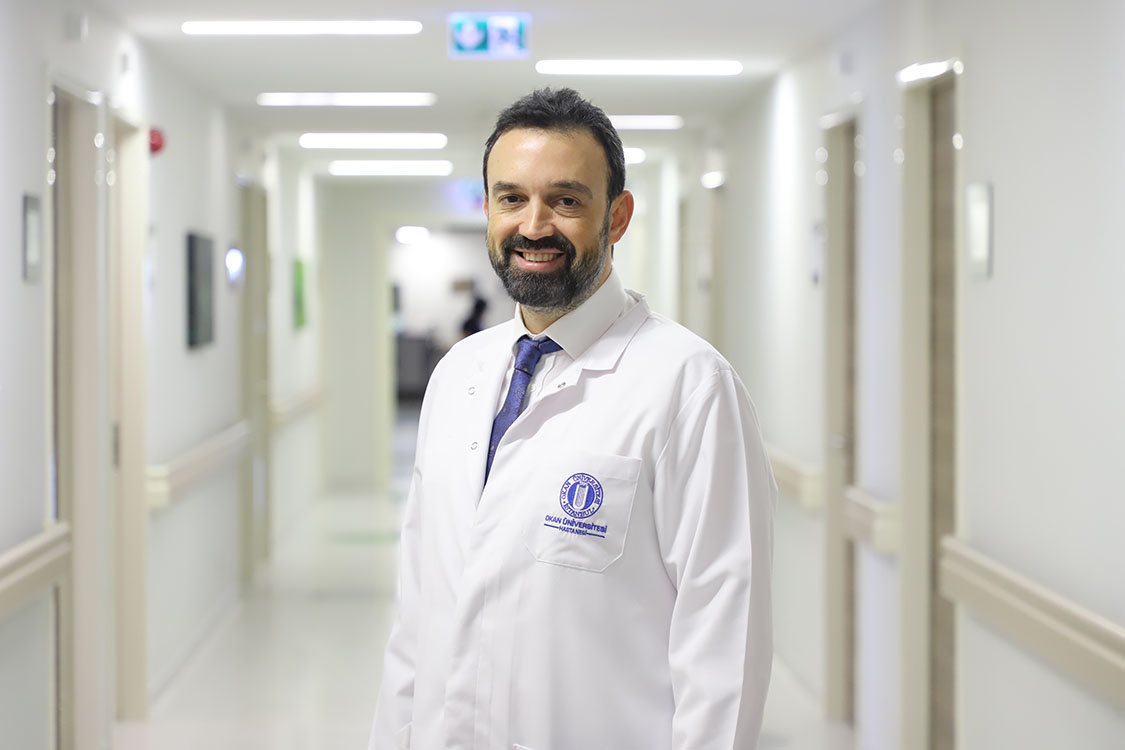
Prof. Dr. Murat Arslan is a distinguished urologist specializing in laparoscopic and robotic surgery, urooncology, male sexual health, and HoLEP procedures at Istanbul Okan University Hospital since December 2019. With over 15 years of experience, he has trained more than 1,200 urology assistants and specialists worldwide through national and international conferences and courses. His educational background includes medical training at Ege University Faculty of Medicine (1992-1999), residency at Izmir Bozyaka Training and Research Hospital (2000-2004), and multiple fellowships in laparoscopic, robotic, and endourological surgery at prestigious institutions including Heidelberg University, Thomas Jefferson University, and Uludag University. He holds the European Board of Urology (FEBU) certification since 2008. Prof. Arslan's research focuses on minimally invasive urological procedures, particularly laparoscopic radical prostatectomy, ureteroscopy, and adrenalectomy techniques. His work explores innovative surgical approaches, comparative studies of surgical materials, and complication analysis in endourological procedures. He has contributed significantly to the understanding of stone disease management, adrenal surgery techniques, and reconstructive urology procedures. His recent publications demonstrate a strong emphasis on comparative surgical techniques, particularly examining barbed sutures versus traditional sutures, different approaches to adrenalectomy, and various lithotripsy methods for ureteral stones. His research spans multiple subfields including surgical innovation, complication prevention, and outcomes analysis in minimally invasive urology. Prof. Arslan holds leadership positions in professional organizations, serving as General Secretary of the Turkish Urology Association Aegean branch and Vice President of the International Robotic and Laparoscopy Association (ILRSA), having previously served as its General Secretary. He has been an active member of the EUREP Hands on Training (HOT) team since 2017 and frequently conducts live surgical demonstrations at international symposiums. He has made substantial contributions to urological education, authoring multiple book chapters on laparoscopic urology techniques and serving as an instructor in E-BLUS educational sessions. His expertise is recognized through numerous invited presentations at international conferences where he has shared his extensive experience in complex laparoscopic procedures.
Aruna V Sarma is a Research Professor in the Department of Epidemiology at the University of Michigan School of Public Health and serves as Assistant Dean of Research Faculty at the University of Michigan Medical School. She also holds the position of Chief and Professor in the Dow Division of Health Services Research within the Department of Urology. Dr. Sarma earned her PhD from the University of Michigan in 1999, following an MHA (1994) and BS (1992) from Indiana University. Her extensive academic background has positioned her as a leading researcher in urological complications of diabetes. Dr. Sarma's research program focuses on the epidemiology and natural history of lower urinary tract dysfunction, particularly examining the relationship between diabetes and urologic complications. Using epidemiologic and clinical datasets, population-based cohort studies, and clinical trials, she has established herself as a prominent researcher in Urology nationally. Her work has played a significant role in developing the epidemiologic approach to urologic research within the Department of Urology. Analysis of Dr. Sarma's recent publications reveals a strong focus on urological complications in diabetes, particularly examining lower urinary tract symptoms, erectile dysfunction, and sexual function in both type 1 and type 2 diabetes patients. Her research often utilizes large cohort studies like the DCCT/EDIC and Diabetes Prevention Program, with particular attention to gender differences in urological outcomes. A notable trend in her recent work includes qualitative studies examining patient experiences with urinary conditions and the psychosocial impact of these conditions. Inducted member of the American College of Epidemiology Chair of the Epidemiology Committee for the International Consultation on Urologic Diseases Dr. Sarma directs the University of Michigan UroEPI Career Development Program, a K12 career development program designed to train academic scholars in benign urology epidemiology. She serves on numerous local and national committees and is an active member of the American Urologic Association, American Diabetes Association, and Society of Epidemiologic Research.
Hiroaki Kumano is a Professor at Waseda University's Faculty of Human Sciences, Department of Psychology, with expertise in clinical psychology, psychiatry, and cognitive brain science. Holding a PhD in Medical Science from The University of Tokyo (1985), he has established himself as a leading researcher with 158 publications and an h-index of 42 according to Google Scholar. PhD of Medical Science, The University of Tokyo Faculty of Medicine (1985) Professor Kumano's research focuses on the intersection of clinical psychology and neuroscience, particularly examining social anxiety, mindfulness interventions, self-compassion, and attentional processes. His work combines traditional psychological approaches with cutting-edge neuroscientific methods including fNIRS, EEG, and transcranial static magnetic field stimulation. He has made significant contributions to understanding self-focused attention as a maintenance factor in social anxiety disorder and has developed innovative interventions targeting procrastination in ADHD populations and headache management. His publication record shows consistent productivity with 15+ publications annually, demonstrating expertise across multiple domains including social anxiety treatment, mindfulness-based interventions, cognitive assessment tools, and the neural correlates of psychological processes. Recent work has explored how transcranial static magnetic field stimulation can reduce self-focused attention in socially anxious individuals and how procrastination interventions can benefit university students with ADHD tendencies. Professor Kumano actively mentors numerous researchers and clinicians, with several of his students becoming prominent contributors in their own right. His work bridges clinical practice and research, developing practical assessment tools like the Japanese versions of SAPAS and WAAQ that have direct clinical applications. His research has strong translational value, moving from basic mechanisms to clinical interventions. He has contributed significantly to clinical guidelines, including the Social Anxiety Disorder Treatment Guidelines, and has established collaborations across multiple institutions. His laboratory appears to focus on the integration of cognitive behavioral approaches with neuroscientific methods to develop more effective, mechanism-based interventions for anxiety and mood disorders.
Junichi Saito serves as Assistant Professor at Waseda University's School of Human Sciences, where he conducts research at the intersection of psychiatry, clinical psychology, and behavioral medicine. His work focuses on developing and implementing Acceptance and Commitment Therapy (ACT) interventions for chronic medical conditions, particularly type 2 diabetes and erectile dysfunction, utilizing digital health technologies and ecological momentary assessment methods. Dr. Saito holds a Ph.D. in Human Sciences with specialized training in behavioral medicine. His educational background forms the foundation for his innovative approaches to integrating psychological interventions into physical healthcare settings. Research interests prominently feature Acceptance and Commitment Therapy , Ecological Momentary Assessment , and Digital Health interventions for chronic conditions. His work bridges psychosomatic medicine and behavioral medicine , with significant contributions to scale development for ACT processes including acceptance, defusion, and value clarification. Recent studies demonstrate his leadership in applying ACT to diabetes management and sexual health, addressing critical gaps in mental-physical health integration. Analysis of publication trends reveals a strategic evolution from foundational scale development (2015-2018) toward clinical implementation studies (2019-2024). His current work emphasizes smartphone-based ACT delivery for erectile dysfunction and diabetes management, reflecting growing emphasis on digital therapeutics and brief intervention formats suitable for real-world healthcare settings. Scientific recognition includes: The 21st Ikemi Award at the 64th Congress of the Japanese Society of Psychosomatic Medicine (2023) Travel Award for Outstanding Presentation at the 59th Annual Meeting of the Japanese Society of Psychosomatic Medicine (2019) Dr. Saito actively mentors graduate students through thesis seminars in Behavioral Medicine and has secured competitive funding including a Japan Society for the Promotion of Science (JSPS) Grant-in-Aid for Scientific Research (2017-2019) supporting his pioneering work on brief ACT interventions for diabetes management. His collaborative network centers around Professor Hiroaki Kumano, with whom he has co-authored over 15 publications. As an active member of Waseda University's Behavioral Medicine research ecosystem, Dr. Saito contributes to interdisciplinary projects connecting psychological science with clinical medicine, particularly through the Research Council within the Comprehensive Research Organization.
Tracey Woodlief, Ph.D., is a Research Assistant Professor at the Department of Pharmacology & Toxicology of East Carolina University. Her work bridges environmental toxicology and bioenergetic mechanisms in public health. B.S., M.S., and Ph.D. in Biology/Bioenergetics from East Carolina University Post-Doctoral Fellowships at University of Pittsburgh, Translational Research Institute for Metabolism and Diabetes, and East Carolina University Dr. Woodlief's research investigates how environmental contaminants influence bioenergetic processes across whole-body systems and specific tissues like liver and skeletal muscle, with a focus on mitochondrial function , metabolic fuel utilization , and inflammatory responses . Her work addresses disparities in health outcomes across ethnic groups , age ranges , and disease states (e.g., diabetes, obesity), particularly in populations exposed to PFAS chemicals. Recent publications highlight two major research trajectories: (1) immunotoxic effects of perfluoroalkyl substances on B-cell metabolism and antibody production (2021–2025), and (2) metabolic regulation in surgical contexts like robotic prostatectomy and post-bariatric surgery recovery (2015–2020). Over 20% of her work explores mitochondrial energetics as a nexus between environmental stressors and disease progression.
Peter Pfanner is a Research Professor in the Department of Industrial Design at the University of Illinois at Chicago's College of Architecture, Design, and the Arts and a Research Professor of Urology. As Executive Director of the UIC Innovation Center, he drives interdisciplinary collaboration among students and faculty across medicine, business, design, and engineering to transform research into practical applications. His educational background includes: Master of Design Methods (MDM) from the IIT Institute of Design Bachelor of Science in Applied Science in Environmental Design from the University of Canberra Pfanner's research spans industrial, interaction, and experience design with emphasis on medical innovation. His three-decade career includes developing an automatic sewing machine, smart bicycle shorts for erectile dysfunction prevention, and the Uroflow Meter for catheter users. He has extensive experience across mobile communications, consumer electronics, medical devices, office products, furniture, architecture, and materials science. His award-winning work has been recognized with: IDSA/IDEA/Business Week award IF Design Hanover award Red Dot award Cooper Hewitt Museum award Good Design Chicago award ID Magazine award GE Plastics Design award Through the UIC Innovation Center, Pfanner mentors students and faculty in translating research into market-ready solutions via industry partnerships. His exhibited work has appeared at the Art Institute of Chicago, MOMA New York, Cooper Hewitt Museum, and Chicago Athenaeum.
Heather M. Smith, PhD, is a Professor in the Department of Psychiatry and Behavioral Medicine at the Medical College of Wisconsin, with primary clinical and administrative responsibilities at the Zablocki VA Medical Center in Milwaukee. Her dual academic and VA appointments include leadership of the Interprofessional Fellowship in Palliative Care (since 2007) and Psychology Training Program (since 2020). Her research program centers on: Geropsychology and neurocognitive disorders Palliative care competency development Healthcare provider burnout interventions Veteran mental health services End-of-life decision-making capacities She maintains active VA-funded projects examining dialysis-related cognitive changes, dementia caregiver support, and innovative care models for complex veterans. Honors include: Distinguished Clinical Mentorship Award (2014) Excellence in Research Award (2014) MCW Faculty Outstanding Service Award (2019) Outstanding Research Award (2021) Outstanding Faculty Mentorship Award (2022) She directs training programs for 50+ fellows and interns, with educational focus on palliative care, geropsychology, and clinical leadership. Her VA roles involve developing system-wide training curricula for dementia care, communication skills, and staff resilience.
Dr. Rose Hartzell serves as a Lecturer in the Department of Counseling and School Psychology at San Diego State University (SDSU) and has been the sole therapist at San Diego Sexual Medicine (SDSM) since 2010, working alongside Dr. Irwin Goldstein. A licensed Marriage and Family Therapist (MFC 53079) and AASECT Certified Sex Therapist/Educator Supervisor, she integrates clinical practice with research in sexual medicine through a biopsychosocial framework. Her educational credentials include: PhD in Health Behavior with Human Sexuality emphasis, Indiana University EdS and MS in Mental Health Counseling with Development minor, Indiana University Dr. Hartzell's research focuses on sexual dysfunction (PGAD, Peyronie's disease, vaginal atrophy), sex education, and clinical sexology. She employs biopsychosocial methodologies to address complex sexual health issues, emphasizing patient-centered care and multidisciplinary collaboration. Her work has shaped clinical guidelines through leadership roles in ISSWSH and SSSS. Analysis of her 2018-2023 publications reveals consistent contributions to sexual medicine literature, particularly in persistent genital arousal disorder, erectile dysfunction, and evidence-based women's sexual health protocols. These works demonstrate strong international collaboration and clinical translation focus. Her key recognition includes: Emerging Professional Award from Society for Scientific Study of Sexuality (2007) Dr. Hartzell actively mentors through SDSU teaching and SDSM supervision. While specific grant details aren't public, her research output indicates sustained funding support. Her leadership as ISSWSH Scientific Program Chair (2018-2020) and contributions to consensus guidelines reflect significant impact on the field. Though not leading a named laboratory, she drives clinical research at SDSM through collaborative teams focused on advancing sexual medicine via integrated biopsychosocial approaches, with strong ties to publications in The Journal of Sexual Medicine and Sexual Medicine journals.
Paolo Borrione serves as an Associate Professor at the University of Rome Foro Italico in the Department of Human Motor Sciences and Health. His academic focus centers on Sports Medicine, Hematology, and Anti-doping research, with formal expertise in Internal Medicine. He holds significant administrative roles including Chair of the University Committee for Research and membership on the Board of the Master's Degree Program in Science and Technique of Sport. Dr. Borrione's research spans multiple critical areas in sports science, particularly examining health impacts of dietary supplements, cardiovascular risk assessment in athletes, and biological responses to doping substances. His work investigates exercise-induced modifications on bio-humoral and cellular parameters, with specialization in anti-doping protocols, hematology, and sports medicine. His research interests also include martial metabolism (likely muscular metabolism), risk parameter evaluation in sports, and biological responses to physical activity. Analysis of his publication record reveals consistent contributions to sports medicine research, with recent work focusing on anti-doping technologies, blood biomarkers, and physiological responses to exercise. His research trajectory demonstrates a clear progression from fundamental physiological studies toward more specialized anti-doping science and sports integrity issues. Notable trends include investigations into transcriptomic approaches for doping detection, innovative biomarkers for blood doping, and pandemic impacts on sports integrity. Dr. Borrione leads research projects funded by the Italian Ministry of Health, including a December 2019-June 2022 project focused on identifying innovative indirect parameters indicative of erythropoiesis-stimulating substance intake. His teaching responsibilities include courses on Biomedical Issues in Health and Exercise and Endocrinology and Sports Medicine for the Master's Degree program in Science and Technique of Sport. His office hours are held Wednesdays and Thursdays from 10:00-12:00 in studio 63A on the first floor of the university building located at Piazza L. de Bosis 6, 00135 Rome.
Lindsay Courtney serves as an Assistant Professor in the Department of Pharmacy Practice at the Jerry H Hodge School of Pharmacy, Texas Tech University Health Sciences Center in Amarillo, Texas. Her academic position encompasses teaching responsibilities and clinical research within the pharmacy practice domain. Her research spans multiple clinical pharmacy specialties including endocrinology (weight management with incretin-based therapies and compounded bioidentical hormone therapy), medical education (pharmacy residency training), pulmonology (COPD comorbidity management), infectious diseases (post-COVID-19 thromboprophylaxis), cardiovascular pharmacology (erectile dysfunction in special populations), and allergy/immunology (penicillin-cephalosporin cross-reactivity). She consistently investigates pharmacist interventions to optimize medication therapy and improve patient outcomes across these therapeutic areas. Analysis of her 2021-2025 publications reveals dominant research trends in endocrinology (33% of output), infectious disease complications (14%), and medical education (14%), with strong emphasis on practical clinical applications. Her work frequently addresses guideline implementation, ethical considerations in compounding, and special population treatment challenges. Scientific Awards: No scientific awards were documented in the provided ORCID profile. Dr. Courtney maintains an active research profile as evidenced by consistent publication output, primarily through collaborative projects as a co-author. While her advisory role for students and grant funding details aren't specified in the current record, her contributions to clinical pharmacy literature demonstrate significant engagement in evidence-based practice advancement.
Dr. Christiane Peters serves as Head of Prevention, Rehabilitation and Disabled Sports at the Chair of Preventive Pediatrics within the Department of Health and Sport Sciences, TUM School of Medicine and Health at the Technical University of Munich. Her work integrates clinical practice with research to advance exercise-based interventions in medical contexts, operating from her office at Am Olympiacampus 11 in Munich. Her research focuses on Sports Medicine , Preventive Pediatrics , and Rehabilitation Sciences , with specialization in disabled sports, doping prevention, and pediatric oncology applications. Current projects include feasibility studies for sports interventions in pediatric cancer treatment, the "Plant vegetables. Harvest health" nutrition initiative, and Special Olympics health promotion programs for individuals with intellectual disabilities. These efforts demonstrate her commitment to translating research into community health impact. Analysis of her publication record reveals consistent contributions to sports medicine literature since 2002, with recent work emphasizing doping prevention systems, adaptive sports rehabilitation, and exercise oncology. Her research bridges clinical practice and public health policy, particularly in German sports medicine frameworks and disability-inclusive programming. Dr. Peters maintains active clinical engagement through the Sports Medicine Outpatient Clinic for Children and Adolescents and the KidsTUMove initiative, where she develops evidence-based exercise protocols for rehabilitation and preventive care. Her leadership extends to interdisciplinary collaboration across medical and sports science faculties, focusing on practical implementation of research findings in real-world settings.
Signe Liv Benzon Larsen serves as a Part-time Lecturer and External Lecturer in the Section of Epidemiology within the Department of Public Health at the University of Copenhagen's Faculty of Health and Medical Sciences. Her research focuses on cancer epidemiology with particular emphasis on prostate cancer outcomes. Education: MSc in Molecular Biology from Roskilde University (awarded January 23, 2009) Her research spans prostate cancer epidemiology, cancer survivorship, and comorbidities, with significant contributions to Nordic cancer registry studies. Key methodologies include population-based cohort analyses, survival statistics, and pharmacoepidemiology. Current work examines temporal trends in prostate cancer diagnosis, treatment patterns, and long-term health outcomes among cancer survivors. Recent publications demonstrate strong engagement with international collaborations, particularly through the NORDCAN project. Research has been featured in The Lancet Oncology , International Journal of Epidemiology , and other high-impact journals, with multiple studies receiving media coverage and social media attention. External Position: Group Leader at Copenhagen University Hospital - Rigshospitalet