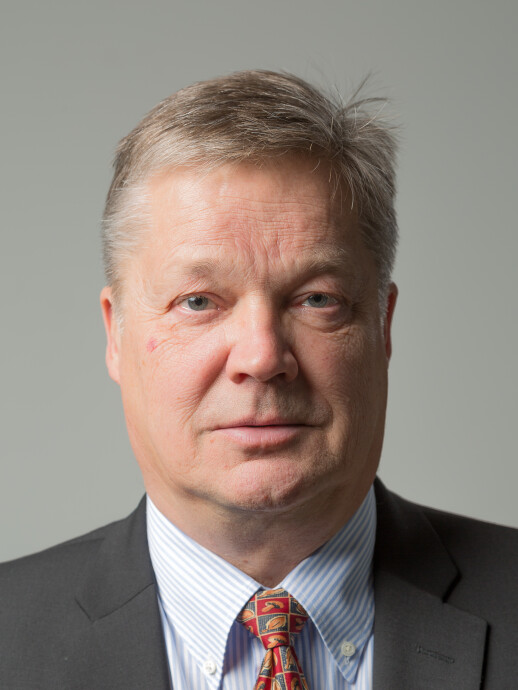
Prof. Dražen Ćućić, PhD, is an Associate Professor at the University of Osijek's Faculty of Economics and Business, Department of National and International Economics, where he has worked since 2006. He teaches undergraduate and master's courses such as Challenges of Climate Change , Economics of Sport , and Sustainable Development . He also serves as a guest lecturer at the Department of Economics, Management, Industrial Engineering and Tourism at the University of Aveiro, Portugal, and at the Cracow University of Economics, Poland, under the ERASMUS+ mobility program. His academic career focuses on project management, regional development, and tourism-related research. Research Interests: Dr. Ćućić actively contributes to scholarly work in tourism economics, regional development strategies, EU funding mechanisms, and sustainable economic policies. His research often bridges theoretical frameworks with practical applications, particularly in selective tourism and project-based economic growth. Labs & Projects: He is involved in three developmental research labs (Developmental Research Lab 1, 2, and 3) and has led projects like Green and Digital Transformation in European Regions and Profitability Analysis of Industries . His work integrates circular economy principles and climate change challenges into economic policy discussions.
Beatrice Uta is a Lecturer at the Faculty of Engineering in Foreign Languages (FILS), University Politehnica Bucharest. She specializes in organizing academic and international programs, including summer schools, workshops, and student mobility initiatives. Her work focuses on enhancing engineering education through technology integration and fostering global career opportunities. She oversees events like the annual Graduation Ceremony, RoboFEST, and international partnerships with organizations like AUF and DAAD. Her key responsibilities include managing student affairs, coordinating international scholarships (e.g., French Government Scholarships), and promoting interdisciplinary projects such as the CareProfSys career profiling system. She actively engages with high school outreach programs, fostering interest in engineering and multilingual studies. Beatrice also leads efforts in career development, organizing workshops on public speaking, AI, and robotics. Beatrice has coordinated over 30 academic events since 2023, including the POLIJobs career fair and the Francophone Studies Forum. She collaborates with industry partners like UiPath and Glovo to develop practical training programs.
Athanasios Metaxas is an Assistant Professor in the Department of Life Sciences at the School of Sciences, European University Cyprus. He holds a Ph.D. in Biosciences and Medicine (University of Surrey, U.K.), an M.Sc. in Biosciences and Medicine (University of Surrey, U.K.), and a B.Sc. in Pharmacy (Aristotle University of Thessaloniki, Greece). His research focuses on neuroinflammation, synaptic pathology, and molecular mechanisms underlying Alzheimer’s disease, particularly using transgenic mouse models and advanced imaging techniques like PET. Metaxas has received travel awards from the Lundbeck Foundation and the University of Southern Denmark, and his work emphasizes serotonin signaling, tau protein alterations, and the development of diagnostic tools for neurodegenerative conditions. Educations: Ph.D., Biosciences and Medicine, University of Surrey, U.K. (2010) M.Sc., Biosciences and Medicine, University of Surrey, U.K. (2005) B.Sc., Pharmacy, Aristotle University of Thessaloniki, Greece (2004) Research Interests: His studies investigate the interplay between neuroinflammation and synaptic dysfunction in Alzheimer’s disease. Metaxas employs transgenic mouse models to study amyloidosis, tau pathologies, and the role of serotonin transporters (SERT) in disease progression. He is also dedicated to developing PET imaging ligands targeting NMDA receptors and exploring antioxidant therapies that modulate the NRF2 pathway. Recent work highlights the protective roles of cytokines like TNF in cognitive processes under physiological conditions, while his studies on 5-HT2B receptors in microglia cells reveal behavioral impacts of conditional receptor inactivation. Metaxas’ research bridges molecular proteomics with translational neuroscience, aiming to identify novel therapeutic targets and biomarkers. Publications Trends: His articles emphasize Alzheimer’s disease pathogenesis, focusing on synaptic plasticity, neuroinflammation, and age-related biomarkers. He frequently publishes in journals like Cells , Scientific Reports , and Alzheimer’s Research & Therapy , with contributions to both basic science and clinical neuroimaging. Recent work extends to canine models of early Alzheimer’s, suggesting cross-species relevance of microglial activation patterns and perivascular macrophage infiltration. Awards & Recognition: 2018: IMM Travel Award (University of Southern Denmark) 2017: Lundbeckfonden Travel Award (Lundbeck Foundation) 2016: IMM Travel Award (University of Southern Denmark) 2006-2010: Ph.D. Studentship (European Commission) Advising & Grants: Metaxas has served as Principal Investigator for projects on neurofibrillary tangles (2016), SSRIs and amyloid pathology (2015), and Co-Investigator in studies on serotonergic signaling in microglia (2018-2020). He collaborated on LeARN (2010-2014) for Alzheimer’s diagnosis tools and CoPING AD (2015-2018) exploring neuron-glia interactions. As a supervisor, he guided undergraduate and postgraduate theses in multiple institutions (SDU, VUmc, University of Surrey). His leadership roles include Erasmus+ Coordinator at SDU (2016-2017) and Professional Training Year Coordinator at VUmc (2012-2013), emphasizing international collaboration and training program development. Labs & Teams: While specific lab names are not provided, his research is embedded within collaborative projects such as LeARN (Center for Translational Molecular Medicine) and CoPING AD (University of Southern Denmark). These projects involve multidisciplinary teams focusing on neuropharmacology, imaging, and molecular biology, with contributions to preclinical drug evaluation and diagnostic tool development.
Pericles Leng Cheng is a Lecturer in the Department of Computer Science and Engineering at the European University Cyprus (School of Sciences). He holds a Doctor of Information Technology (Walden University, 2017) and dual M.Sc. and B.Sc. in Computer Science from the University of Texas at Austin (2003 and 2001). His research focuses on robotics applications in education, therapeutic systems, and aspect-oriented software development for embedded systems. He leads Cyprus' participation in international robotics competitions like Robotex and has contributed to EU-funded projects addressing energy efficiency and ubiquitous computing. Education: PhD: Information Technology, Walden University (2017) M.Sc.: Computer Science, University of Texas at Austin (2003) B.Sc.: Computer Science, University of Texas at Austin (2001) Key Contributions: Developed robotic systems for Constraint Induced Movement Therapy (CIMT) in children Advanced remote robotic experimentation platforms for STEM education Authored foundational studies on aspect-oriented programming for real-time embedded systems Professional Roles: Head of Technical Committee for Robotex Cyprus (Cyprus Computer Society) EU Project Researcher (FP6, Horizon 2020, Erasmus+) Academic Consultant for educational robotics competitions His research spans robotics applications across healthcare, education, and industry, with a focus on integrating emerging technologies into practical solutions. Recent work emphasizes autonomous systems in gaming environments and robotics competitions' pedagogical impact. Over 15 years of academic experience includes teaching, curriculum development, and fostering international collaboration in tech education.
Myria Ioannou is an Associate Professor of Marketing at the Department of Management and Marketing, European University Cyprus. She serves as Chairperson of her department and coordinates the BBA Marketing Communications & Social Media program. Her academic career began in 1998 with a BSc in Business, Finance, and Economics from the University of East Anglia, followed by an MSc in Marketing from Manchester School of Management (UMIST) in 2002 and a PhD in Marketing from The University of Manchester in 2009. Her research focuses on digital marketing competencies, visitor experiences in cultural heritage, tourism policy, and consumer behavior in banking and retail contexts. She has co-authored over 20 peer-reviewed articles and contributed to international conferences. Notable projects include the Erasmus+-funded DIMAS project (2019-2021) on digital marketing competencies in secondary schools. Her research interests span digital transformation in marketing, sustainable tourism through cultural heritage, and cross-cultural brand equity analysis. She actively reviews for journals like the International Journal of Tourism Policy and Journal of Services Marketing. Awards include a Fulbright Scholarship and bursaries for advanced marketing workshops. Her work bridges academic insights with practical applications, such as advising on visitor experience management in island destinations and exploring CRM strategies' effectiveness across industries. Education: PhD in Marketing, The University of Manchester (2009) MSc in Marketing, Manchester School of Management, UMIST (2002) BSc (Hons) in Business, Finance, and Economics, University of East Anglia (1998) Awards & Recognition: Fulbright Scholarship for Graduate Study Bursaries for Services Marketing Workshop and Academy of Marketing Conference Doctoral Colloquium Professional Roles: Co-editor for Special Issue on “Establishing innovative products and processes in tourism” (International Journal of Tourism Policy) Reviewer for leading journals including Journal of Services Marketing and International Journal of Bank Marketing Her research demonstrates a focus on applying marketing principles to real-world challenges, from digital education frameworks to sustainable tourism policies. Recent work emphasizes leveraging visitor experiences to enhance cultural heritage sites' management and cross-cultural branding strategies.
Prof. Vincenzo Belgiorno is a Full Professor in the Department of Civil Engineering at the University of Salerno. His research focuses on environmental engineering, particularly wastewater treatment, biotechnology, and sustainable technologies. He leads projects integrating artificial intelligence, advanced membrane systems, and bioreactors to address challenges in water resource management, carbon capture, and odor control. His work emphasizes circular economy principles and environmental sustainability. Key areas of expertise include nanofiltration membranes, microalgae-based systems, and electrochemical processes. Recent studies involve optimizing fouling control in membrane bioreactors, characterizing fugitive emissions from landfills, and developing integrated biotechnological solutions for odor and greenhouse gas mitigation. Prof. Belgiorno is actively involved in international collaborations, including Erasmus+ programs, and contributes to innovative technologies like algal photobioreactors for CO₂ sequestration and biofuel production. His publications reflect a strong emphasis on practical applications of cutting-edge methods in environmental engineering.
Rebeca Cortazar Goicoechea is an Associate Professor at the University of Deusto's Department of Computing, Electronics and Communication Technologies, based at the Bilbao campus. She teaches Computing Engineering courses including Software Requirements and Software Design (taught in English), as well as Information Systems for the DBS diploma 'Management in Digital Environments'. Her research focuses on Software Quality Assurance, Software Development Processes, and Software Engineering Education. She holds both an integrated MEng and PhD from the University of Deusto. Her professional experience includes participation in EU-funded projects (Tempus, Atlantis, Erasmus) related to higher education internationalization. She actively contributes to academic governance as a program committee member for international conferences. No scientific awards or specific grant details are explicitly mentioned in the provided text.
Prof Mark De Ste Croix is a Professor at the University of Gloucestershire, specializing in sports injury prevention and youth sports development. His work focuses on reducing injury risk in youth football and optimizing athletic performance through evidence-based interventions. He has published over 100 articles and presented globally, collaborating with organizations like FIFA, UEFA, and the English FA. Qualifications include a BA Ed (Hons) in Physical Education (University of Exeter, 1995) and a PhD on isokinetic leg strength (University of Exeter, 1998). Awards include the AAHPERD Research Writing Award and a Queen’s Anniversary Award for research at Exeter’s Children’s Health and Exercise Research Centre. His research emphasizes injury prevention through screening and program implementation, particularly with grassroots coaches and PE teachers. Current projects include an Erasmus+ initiative with Spain and the Czech Republic to improve youth injury prevention knowledge. He also works with elite clubs like Bristol City FC and Athletic Club Bilbao. Teaching focuses on the Masters Strength and Conditioning course and research methods at undergraduate and postgraduate levels. He supervises 12 PhD students and serves on editorial boards for Isokinetics and Exercise Science and BMC Pediatrics . External roles include advising the England and Wales Cricket Board, UEFA, and FIFA. He has examined courses at Liverpool John Moores University and Marjon’s BSc Exercise and Health program.
Terho Heikkinen serves as Professor of Paediatrics at the Faculty of Medicine, University of Turku, Finland, specializing in Paediatric Infectious Diseases with primary focus on childhood respiratory infections. He leads international research consortia including the EU/IMI-funded RESCEU project and co-founded global networks ReSViNET and NORDPID. His academic journey began with medical graduation from University of Turku in 1984, followed by specialization in Paediatrics and Paediatric Infectious Diseases. He defended his doctoral thesis on Development and prevention of acute otitis media in children in 1994. His postdoctoral training included a European Society for Paediatric Infectious Diseases Fellowship at University of Texas Medical Branch (1996-1998). Professor Heikkinen's research program, established in 2000, comprehensively investigates respiratory virus infections in children spanning etiology, epidemiology, diagnosis, treatment, prevention, and societal impact. His work prominently features influenza and respiratory syncytial virus (RSV), driving advancements in understanding disease burden and prevention strategies. He organizes the biannual International Course of Paediatrics & Adolescent Medicine for Erasmus students and has delivered 188 international academic lectures. Analysis of his 2024-2025 publications reveals concentrated efforts in modeling RSV hospitalization dynamics across European populations, evaluating post-pandemic viral resurgence patterns, and assessing new preventive interventions. His collaborative studies consistently address critical gaps in pediatric respiratory disease epidemiology with implications for vaccine development and public health policy. His scientific recognition includes: European Society for Paediatric Infectious Diseases Fellowship Award Professor Heikkinen directs significant grant-funded initiatives including RESCEU (EU/IMI 2017-2021) and coordinates the Nordic Research Network for Paediatric Infectious Diseases. His leadership extends to presidency of the World Society for Pediatric Infectious Diseases and advisory roles in ESWI and ReSViNET, shaping global research agendas in pediatric virology. His laboratory research within Turku's Department of Paediatrics operates through the Respiratory Virus Global Epidemiology Network, maintaining active collaborations across six European countries to monitor viral epidemiology and evaluate clinical interventions for respiratory pathogens affecting children.
Paolo Tullio is an Associate Professor in Commercial Law (II Fascia) at the Department of Legal Sciences, University of Salento. His academic background includes a PhD in Law and Economics from Luiss Guido Carli (2008), an LL.M. in European Law and Economics from Erasmus University Rotterdam and Universität Hamburg (2006), and a law degree from Luiss Guido Carli (2003). He has held research positions at Luiss and the University of Salento, focusing on commercial law, comparative law, and corporate governance. Research interests include cross-border mergers, regulatory competition in Europe, and comparative private law. He has authored two monographs and numerous publications on these topics. Teaching roles include courses at Luiss School of Law, doctoral programs, and training courses. He has been a Visiting Scholar at Heidelberg University (2014, 2024) and a Visiting Professor at IDC Herzliya (2018) and University of Miskolc (2025). Affiliated with organizations such as Orizzonti del Diritto Commerciale, the Italian Association of Comparative Law, and ECGI. Licensed to practice before Italy’s higher courts.
Oveis MADADIAN is an Associate Professor and Academic Director at IÉSEG School of Management in France. He holds a Ph.D. in Applied Economics (specializing in Accounting) from the University of Antwerp, Belgium. His academic roles include course coordination for courses like Special Topics in Audit and Advisory, Principles of Accounting and Management Control, and Accounting Fundamentals. He teaches across bachelor’s, master’s, and executive programs, focusing on financial accounting, management control, and corporate governance. Madadian’s research emphasizes peer-based benchmarking, earnings management, and capital markets. His work has been published in journals like Abacus , Applied Economics , and Accounting and Business Research . Notable research topics include R&D investment strategies, litigation risk management, and the impact of social comparison on corporate decisions. Education: Ph.D. in Applied Economics (University of Antwerp, 2016) Master in Economics & Business (Erasmus University Rotterdam, 2011) Master in Financial Management (Allameh Tabatabaee University, 2010) Bachelor in Aerospace Engineering (AmirKabir University of Technology, 2007) He has received awards including the 2022 AFAANZ Best Financial Accounting Paper Award and top academic honors during his master’s studies. His research bridges theoretical frameworks with practical managerial insights, particularly in how firms use peer comparisons to shape financial strategies. Madadian’s teaching portfolio spans foundational accounting courses to advanced topics in corporate governance. He actively contributes to academic communities through editorial roles and conference presentations.
Abdelilah Ljamai is an Associate Professor at the University of Humanistic Studies Utrecht, Netherlands, specializing in the intersection of Humanism/Islam, Methodology, and Resilience. His academic career spans institutions including Tilburg University, Radboud University, and Erasmus Academy. Anthropology of Religion (Comparative Religious Studies) Cognitive Psychology (Personality Traits, Emotional Intelligence) Psychological and Anthropological Assessments Humanism-Islam Dialogue His research focuses on radical Muslim youth psychology, Islamic theological figures, and methodological frameworks for academic institutions. Publications include analysis of anxiety in radicalized youth and historical theological perspectives. As a certified trainer (Canadian Institute of Stress/Hans Selye Foundation), he develops transformational programs like TransformingTool and consults on leadership, behavioral change, and cultural integration. Board Member, Emoena Leadership Project (VU Amsterdam) Advisor to NTR Media World Review Board Member, Archive for the Psychology of Religion
Dr. Barbara Borowska is an Assistant Professor at the Department of Christian Pedagogy and Pedagogical Biography, Institute of Pedagogy, Faculty of Social Sciences, John Paul II Catholic University of Lublin. Her career spans over two decades with Erasmus+ research and teaching scholarships in Italy, France, Lithuania, and Israel. She specializes in preschool education, early literacy development, inclusive education, and the role of family in patriotic upbringing. Key Research Trends: Phonetic memory development, EU compliance in Polish education, comparative analysis of synthetic-analytic vs. glottodidactic reading methods, and inclusive education challenges. Scientific Recognition: Golden Cross of Merit (2021) Medal of the National Education Commission (2014) Distinguished monograph award for 'Uczestnictwo licealistów polskich i francuskich w kulturze' (2014) Grant Leadership: Directed EU-funded projects including 'More Opportunities for Every Child' and 'Digital Competence Development' under Operational Program Poland Digital. Academic Service: Served as expert for the Polish Ministry of National Education's teacher promotion committees since 2001. Co-organized international conferences like ACISE 2024 and MOEC 2021. Collaborated with Université Paris 8, Gordon College of Education (Haifa), and Università Cattolica del Sacro Cuore (Milan).
Beth Christie is a Senior Lecturer at the University of Edinburgh's Moray House School of Education and Sport, specializing in outdoor and environmental education. She serves as Director of Scotland’s United Nations University-Recognised Regional Centre of Expertise in Education for Sustainable Development (Learning for Sustainability Scotland). Her work bridges sustainability education, climate justice, and social equity, influencing national and international policy. She leads MOOCs engaging global learners and advises organizations like the Scottish Government and European Commission. Educated at Heriot-Watt University (BA) and University of Edinburgh (PhD), her research emphasizes critical pedagogies and participatory practices. Awards include the Watt Medal and Fellowships from the Higher Education Academy and RSA. Key educational contributions include developing the MSc Learning for Sustainability program and leading COP26-linked MOOCs. She supervises PhD students globally and collaborates internationally through projects like PRISMA (Erasmus initiative) and the Antarctic climate leadership expedition. Current roles include steering UK-Scotland climate justice initiatives and trustee work with Wen (Women's Environmental Network). Research focuses on sustainability curriculum transformation, climate justice education, and the role of outdoor learning in fostering equitable futures. Recent publications critique Scotland’s sustainability education policies while advocating for intersectional approaches. She has examined over 70 MSc dissertations and contributed to policy frameworks shaping the Scottish educational landscape.
Hazin İNCİ is a Researcher at Adıyaman University's Department of Electrical and Electronics Engineering within the Faculty of Engineering. He holds a PhD from Ege University and has been affiliated with Adıyaman University since 2014. His academic journey includes a BSc from Mersin University (2008-2013) and participation in the Erasmus exchange program at Fontys University of Applied Sciences (2011-2012). Research interests focus on advanced control systems, robotics, embedded systems, and nonlinear system analysis. Key projects include developing high-performance maintenance systems, control laboratory setups, and collaborative robotic applications. He has contributed to international conferences such as the IFAC Workshop on Cyber-Physical Human Systems and the National Conference on Automatic Control. Professionally, he teaches courses like Algorithms and Computer Programming, Linear Algebra, and Embedded Systems. He currently holds administrative roles including Bologna Program Coordination and Project Development Office Management at Adıyaman University.