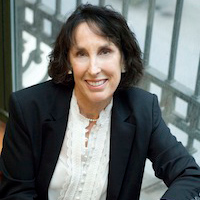
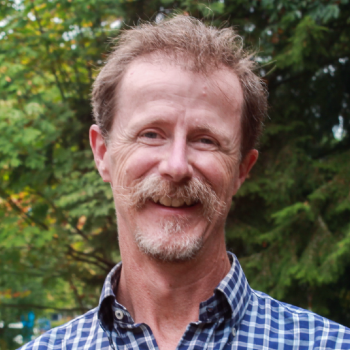
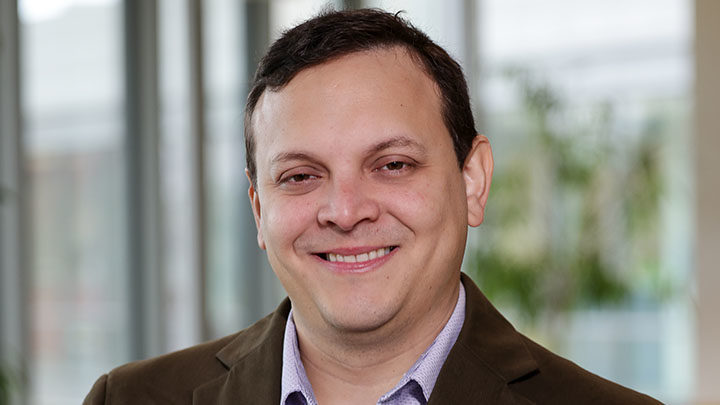
Katharine Ricke is an Assistant Professor at Scripps Institution of Oceanography, UC San Diego, specializing in climate intervention science and climate-economy interactions. Her research bridges atmospheric physics, policy analysis, and impact assessment methodologies. Core research areas include solar geoengineering feasibility, climate-economy modeling, emission pathway analysis, and regional impact assessments. Recent work assesses regional climate intervention strategies, wealth transfer mechanisms for equitable climate action, and methodological improvements in impact modeling. Ricke's publications demonstrate strong integration of physical climate science with socioeconomic analysis, particularly regarding climate intervention governance and economic equity dimensions. Emerging work focuses on regional climate modulation techniques and reconciliation of physical-statistical modeling approaches.
Marcia Moreno-Báez is a Research Professor and Lecturer at The Fletcher School of Law and Diplomacy, Tufts University. She specializes in geospatial technologies, coastal marine conservation, and the Blue Economy. Her work integrates environmental, social, and economic dimensions to promote equity and sustainable resource management. Education: PhD (2010), MS (2003) from the University of Arizona; Architecture (1998) from Tec de Monterrey. Postdoctoral training at Scripps Institution of Oceanography. Research Interests : Geospatial tools, marine spatial planning, Blue Justice, plastics governance, and cross-sectoral collaboration. She co-founded dataMares to improve scientific data access and advises the NIPPON Foundation's Ocean Nexus program. Recent Publications : Focus on microplastic impacts, equitable blue economies, and coastal resource management. Her work addresses global challenges like marine conservation and sustainable development. Affiliations : Center for International Environment and Resource Policy (CIERP), Climate Policy Lab, and the Henry J. Leir Institute. She contributes to initiatives like the World Economic Forum's Global Future Council on the Blue Economy. Teaching : Courses on GIS applications in international policy and advanced geospatial modeling. Emphasizes practical skills for humanitarian aid, environmental policy, and global governance.
Dr. Emily Rubin is Assistant Professor in the Department of Psychiatry and Behavioral Sciences at UMass Chan Medical School, affiliated with the Eunice Kennedy Shriver Center. Her academic background includes a BA in Liberal Arts from Cornell University, MA from University of New Hampshire, MSW from Salem State University, and studies in Social Psychology at the London School of Economics. Her research examines ethical dimensions of critical care, life-sustaining treatment decisions, and resource allocation frameworks. Notable publications address cognitive motor dissociation detection in acute care settings, conflict resolution policies for life-sustaining treatment disputes, and equitable distribution of scarce therapeutics during the COVID-19 pandemic. Dr. Rubin's scholarly contributions have been recognized with the Excellence in Family Leadership Award from Parent/Professional Advocacy League and the Barbara Wilensky Gopen Memorial Fellowship. She maintains clinical and ethics consultation activities within the UMass health system.
Setha Low is a Distinguished Professor of Anthropology, Geography, and Environmental Psychology at the Graduate Center of the City University of New York (GC CUNY). She directs the Public Space Research Group (PSRG), focusing on interdisciplinary urban studies. Her work examines public space, security, inequality, and environmental psychology through ethnographic and participatory methodologies. Research interests include the sociocultural dimensions of urban space, securityscapes, gentrification, and the intersection of environmental justice with public health. She has pioneered frameworks linking spatial analysis with social justice principles, particularly regarding marginalized populations' access to urban resources. Recent articles emphasize the politicization of public spaces, security capitalism's impact, and pandemic effects on aging populations. Her work often critiques privatization trends and advocates for equitable urban policies. Key contributions include the People, Place, and Space Reader and the Toolkit for the Ethnographic Study of Space (TESS). Recipient of the SUNTA Senior Scholar/Lifetime Award (2017), her career exemplifies engaged scholarship addressing urgent urban challenges. The PSRG fosters collaborative research on topics like coastal conservation, gated communities, and pandemic responses.
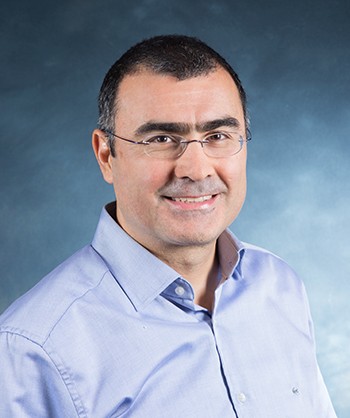
Tayfun Sönmez is a Professor of Economics at Boston College, affiliated with the Morrissey College of Arts and Sciences. He holds a Ph.D. from the University of Rochester. His research focuses on microeconomic theory, market design, and mechanism design with applications to school choice, organ exchange, and pandemic resource allocation. He has contributed to redesigning the U.S. Army's branching process and influenced school choice policies in Boston, New York City, and internationally. Sönmez's work bridges theoretical economics and practical policy, emphasizing 'minimalist market design.' His recent research addresses equitable allocation of medical resources during pandemics and affirmative action policies in India. Education: B.S. (Bilkent University), M.A./Ph.D. (University of Rochester) Courses Taught: Microeconomic Theory Key Expertise: Matching markets, kidney/liver exchange systems, pandemic resource rationing His most cited works include foundational papers on school choice mechanisms and kidney exchange systems. Current projects explore vertical/horizontal reservations in affirmative action and ethical allocation of scarce medical supplies. He collaborates with institutions globally to implement market-design solutions in real-world settings.
Neil S. Gaikwad is an Assistant Professor at the School of Data Science and Society with a joint appointment in Computer Science at UNC-Chapel Hill. He serves on the Faculty Advisory Council of the UNC Parr Center for Ethics and is a Fellow at the MIT Dalai Lama Center for Ethics and Transformative Values. He holds a Ph.D. in society-centered AI from MIT and an M.S. from Carnegie Mellon University. His research advances Public Interest Computing through ethically-aligned human-AI collaboration systems, addressing algorithmic fairness in sustainability domains like poverty alleviation, public health, and climate action. This work develops design principles for equitable AI and evidence-based policy mechanisms for AI governance. Education includes: Ph.D. in Society-Centered AI, MIT M.S. in Computer Science, Carnegie Mellon University He has mentored 30+ students who have published influential papers, secured fellowships (including Apple Ph.D. Fellowship), and shaped AI policy. Teaching experience spans Carnegie Mellon, MIT EECS, and MIT Media Lab. Key awards: Karl Taylor Compton Prize (MIT's highest student honor) Facebook Research PhD Fellowship Rising Star in Data Science (UChicago/Stanford) MIT Graduate Teaching Award Leads the Data-driven Humanitarian Mapping initiative and founded the MIT Graduate Student Symposium Series. Research outputs include open-source systems (Daemo, EteRNA) deployed by UN/ILO and featured in PNAS, AAAI, and ACM conferences.
Dr. Thea N Riofrancos is an Associate Professor of Political Science at Providence College. Her research focuses on resource politics, climate justice, and Latin American political economies. She holds a Ph.D. in Political Science from the University of Pennsylvania and a B.A. from Reed College. Her work examines extractivism in Ecuador and Bolivia, critiques green capitalism, and explores the intersections of climate policy, resource distribution, and social movements. Recent publications address lithium mining ethics, the Geopolitics of Industrial Policy, and the Inflation Reduction Act’s climate implications. Riofrancos critiques the Global North’s reliance on Southern resource extraction and advocates for equitable climate transitions. Though no scientific awards are listed, her scholarship is widely cited in debates on post-extractivist models and climate justice frameworks. Her grants and advising activities are not detailed in the provided texts, but her research consistently engages with transnational solidarity networks and left-wing policy alternatives in Latin America.
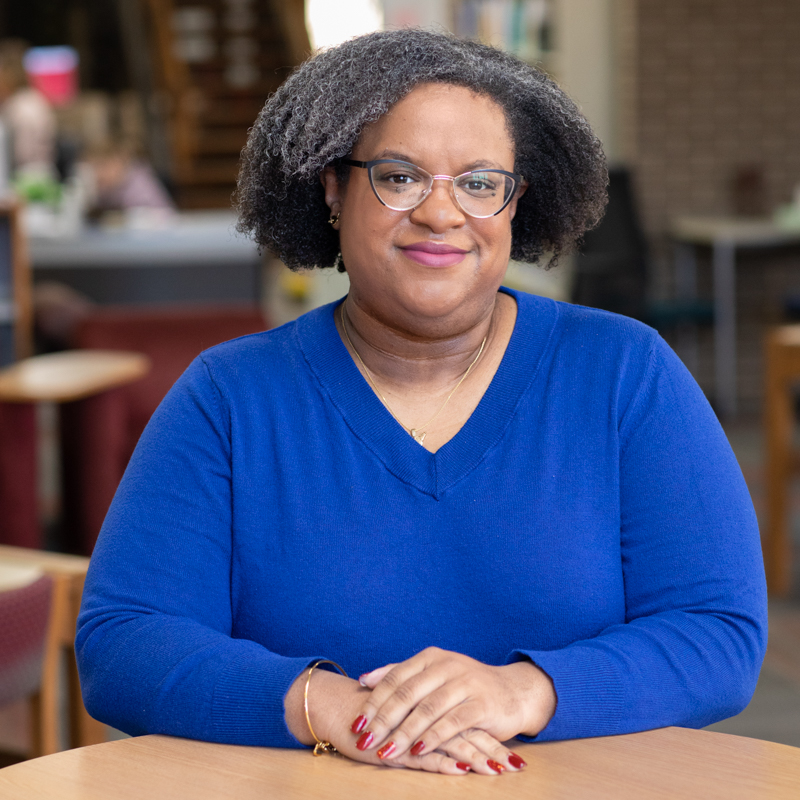
Erika Bullock is an Associate Professor at the University of Wisconsin–Madison's School of Education. Her research focuses on the racial politics of mathematics and STEM education, particularly examining how systemic inequities manifest in curricula and pedagogical practices. She also explores intersections of faith and academic life, emphasizing the role of personal and communal resilience in scholarly work. Education: PhD in Teaching and Learning with a focus on Mathematics Education, Georgia State University (2013) MEd in Mathematics Education, Georgia State University (2008) BS in Computer Science, Spelman College (2002) Research Interests: Dr. Bullock’s work critiques racialized structures in STEM through critical race theory and abolitionist frameworks. She investigates how mathematics education perpetuates or challenges systemic oppression, advocating for equitable curricular reforms and spatially informed pedagogies. Her recent projects address carceral state critiques, intersectional analysis, and the role of grief and community in academic resilience. Publications & Grants: Her scholarship appears in Education Studies in Mathematics , Theory into Practice , and Harvard Education Press . Though specific grant details are not provided, her work aligns with themes of equity and social justice in education. Labs/Teams: While no specific lab affiliations are mentioned, her collaborations include co-authored works with scholars like E.R. Meiners and G. Valentine Larnell, reflecting a network focused on critical mathematics education research.
Caroline Brassard is an Adjunct Assistant Professor at the Lee Kuan Yew School of Public Policy , National University of Singapore, where she teaches courses on aid governance, economic development policy, and poverty alleviation strategies. Holding a PhD in Economics from the University of London, she previously worked as an economist for the Government of Ontario and as a long-term consultant for international NGOs like UNICEF, CARE, and Save the Children in Madagascar, Bangladesh, and Vietnam. Education: PhD in Economics, University of London Her research focuses on climate change , decentralisation , and development policy , with a particular emphasis on aid governance in Bhutan, Nepal, Indonesia, and Vietnam. She has published extensively on post-disaster resilience, policy processes, and governance frameworks, including peer-reviewed journal articles and book chapters. Brassard’s recent publications (2011–2013) address themes such as short-term volunteering , team teaching debates , and ASEAN disaster management . Her work integrates empirical analysis with practical policy insights, reflecting her dual expertise in economics and public policy. She has contributed to commissioned reports for institutions like the Singapore International Foundation and Bhutan’s Royal Institute of Management.
Kirsten Schwarz is an Associate Professor in Urban Planning and Environmental Health Sciences at the UCLA Luskin School of Public Affairs. She holds a Ph.D. in Ecology and Evolution from Rutgers University and a B.A. in Human Ecology from the College of the Atlantic. Her interdisciplinary research bridges environmental science, equity, and public health, with a focus on urban soil contamination, tree canopy distribution, and community-engaged environmental justice initiatives. Her work addresses spatial inequities in urban environmental hazards, such as lead-contaminated soils and tree canopy disparities, particularly affecting minoritized communities. Notably, she led a green infrastructure project integrating participatory design to enhance ecosystem services. Dr. Schwarz is a Fellow of the AAAS Leshner Leadership Institute, recognizing her expertise in science communication and community-university partnerships. Her research has been funded by the National Science Foundation, AAAS, and the University of California Agriculture and Natural Resources. Prior to UCLA, she directed the Ecological Stewardship Institute at Northern Kentucky University. Her publications emphasize urban ecology, climate resilience, and equity-centered environmental policies. Key contributions include analyzing soil铅分布与社会变量的关系、城市树冠覆盖的收入相关性,以及社区参与的绿色基础设施设计。Her articles span topics like urban heat resilience, flood policy equity, and interdisciplinary research methodologies. Selected Awards: AAAS Leshner Leadership Fellowship Grants: NSF, AAAS, UC ANR Key Themes: Environmental Justice, Co-Produced Science, Urban Resilience Her work underscores the intersection of ecological science and societal needs, advocating for equitable urban development through collaborative, community-driven approaches.
Dr. Christopher O'Bryan is a conservation scientist at the School of the Environment, University of Queensland. With a PhD completed in 2020 on "The exposure and contribution of predators and scavengers to humans," his research focuses on the complex interactions between humans and wildlife, particularly in the context of conservation and environmental management. His research interests include: Human-wildlife conflict and coexistence strategies Invasive species management and ecological impacts Predator and scavenger ecology and their contributions to human well-being Conservation planning in multi-actor systems Social-ecological systems and collaborative governance Global biodiversity conservation challenges Dr. O'Bryan's recent publications reveal a strong focus on developing practical conservation solutions that address both ecological and social dimensions. His work often employs interdisciplinary approaches, combining ecological field studies with social science methods to understand complex conservation challenges. A significant portion of his research examines how collaborative networks can improve invasive species management outcomes and how human activities impact wildlife populations globally, with particular emphasis on African ecosystems. His scientific contributions have been published in high-impact journals including Nature Ecology & Evolution, Proceedings of the Royal Society B, Global Change Biology, and Communications Biology. His work has practical applications for conservation policy and management, particularly regarding human-wildlife interactions and invasive species control. Dr. O'Bryan is actively involved in international research collaborations across multiple continents. His work frequently addresses conservation challenges in developing countries, with particular emphasis on African ecosystems and communities affected by human-wildlife interactions. He has contributed to both theoretical frameworks and practical conservation tools that help bridge the gap between scientific research and on-the-ground management.
David R. Boyd is an Associate Professor at the University of British Columbia (UBC), holding dual appointments in the Institute for Resources, Environment and Sustainability (IRES) and the School of Public Policy and Global Affairs . He previously served as the UN Special Rapporteur on human rights and the environment (2018–2024) , leading global advocacy that culminated in the UN General Assembly recognizing the universal right to a healthy environment in 2022. Boyd holds a PhD in Resource Management and Environmental Studies from UBC, a Juris Doctor from the University of Toronto, and a business degree from the University of Alberta . His research focuses on environmental law and policy , emphasizing legal frameworks for sustainability, environmental justice, and the rights of nature. He has authored seven books and over 100 articles, including landmark works like The Right to a Healthy Environment: Revitalizing Canada’s Constitution (2012) and The Environmental Rights Revolution (2012). His scholarly work bridges human rights and ecological systems , with recent emphasis on air quality enforcement, corporate accountability for environmental harm, and gender equity in environmental protection. Boyd’s UN mandate produced 10 reports defining the scope of states’ obligations to safeguard clean air, water, and climate stability, influencing global policy debates. Key contributions: Coordinated global advocacy for the UN’s 2022 recognition of the right to a healthy environment Developed legal analyses linking business practices to planetary boundaries Advocated for Indigenous rights and environmental justice in Canada and internationally His research also addresses urban environmental issues, including green infrastructure and nature-based solutions for equitable city planning. Boyd’s interdisciplinary approach integrates legal, scientific, and policy perspectives to advance transformative sustainability governance.
Hugo Villasanti serves as an Assistant Professor in the Department of Mechanical Engineering at the University of Michigan, joining the faculty in October 2022 as announced in official department communications. His academic credentials include: PhD in Electrical and Computer Engineering from Ohio State University MS in Electrical and Computer Engineering from Ohio State University BS in Electromechanical Engineering from Universidad Nacional de Asuncion, Paraguay Dr. Villasanti's research pioneers control theory applications in social systems engineering to enhance human well-being and equity. His work spans critical mechanical engineering domains including Controls, Design, Dynamics, and Vibrations, with emphasis on translating theoretical frameworks into societal empowerment strategies. His distinguished recognition includes: OSU Presidential Fellowship No details regarding student mentorship or research funding were documented in available sources. He directs the Equitable Networks Laboratory, which develops engineering solutions for equitable resource distribution in social infrastructure systems.
Richard Hoggett is a Research Fellow at the University of Edinburgh's School of Social and Political Science, contributing to the UK team of the Electric Power Innovation for a Carbon-free Society (EPICS) initiative. His work focuses on accelerating renewable energy grid transitions through governance strategies, demand-side flexibility, and policy innovation. Previously, he contributed to the EnergyREV consortium and the Flex-Cool-Store project, addressing cooling policy and energy equity. Education includes a Master of Science in Energy Policy and Sustainability from the University of Exeter, a Bachelor of Science in Environmental Science from the University of Plymouth, and a Higher National Diploma in Agriculture from Hartpury University. His research spans energy governance frameworks, decarbonization pathways, and the socio-technical dynamics of energy systems. Key research interests include energy policy design, climate adaptation strategies for cooling in buildings, hydrogen integration in heating systems, and overcoming regulatory barriers to innovation. His work bridges technical, economic, and political dimensions to ensure equitable and sustainable energy transitions. Publications highlight policy analysis of UK energy governance, cooling solutions for climate resilience, and the political economy of demand-side response. He has advised on national infrastructure assessments and energy market reforms through submissions to governmental consultations. Hoggett collaborates with international teams, including EU-funded projects, to develop scalable sustainable heating strategies for cities and analyze cross-border policy harmonization. His interdisciplinary approach integrates insights from environmental science, political science, and engineering to address systemic challenges in energy transitions.
Brad DeLong is a Professor of Economics at the University of California, Berkeley. He holds affiliations with the National Bureau of Economic Research, the Washington Center for Equitable Growth, and the Institute for New Economic Thinking. His academic career includes roles at Harvard University, Boston University, and MIT prior to joining UC Berkeley in 1993, where he became a full professor in 1997. DeLong’s research focuses on economic history, macroeconomic policy, financial systems, and the evolution of social democracy. He has authored influential works analyzing the Great Depression, 20th-century economic developments, and contemporary policy challenges. Education: B.A. and Ph.D. in Economics from Harvard University (1982, 1987). His professional experience includes service as Deputy Assistant Secretary of the U.S. Treasury for Economic Policy (1993–1995), where he contributed to major policy initiatives including the 1993 budget and NAFTA negotiations. He has also held roles as a John M. Olin Fellow at NBER and a Lecturer at MIT. Research Interests: DeLong examines the interplay between technological innovation, institutional frameworks, and economic policy. Notable themes include the causes of financial crises, the political economy of fiscal/monetary policy, and the historical trajectory of economic inequality. His work often bridges historical analysis with contemporary issues, such as the 2008 crisis and the rise of 21st-century inflation. His recent articles explore topics like systemic financial risk, regulatory frameworks, and the legacy of New Deal policies. He critiques prevailing economic theories and advocates for evidence-based policy design. DeLong’s writing style combines rigorous academic analysis with accessible public discourse, evidenced by his active blogging and media engagement. Awards and Recognition: While no specific awards are listed, his contributions to economic policy and academia have positioned him as a leading voice in macroeconomic thought. His work on the Great Depression and post-crisis recovery mechanisms has influenced both academic and policy circles. Grants and Advising: Details on current grants or advisees are not explicitly provided in the text. His research has been supported by institutions like NBER and INET, focusing on long-term economic trends and policy analysis.