Suhn K. RhieView profile
Assistant Professor
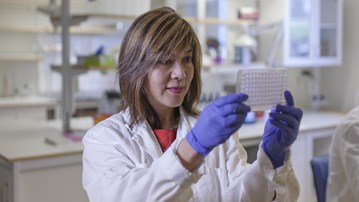
Suhn K. Rhie, PhD, is an Assistant Professor in the Department of Biochemistry and Molecular Medicine at the Keck School of Medicine of the University of Southern California, where she leads the Rhie Lab within the Norris Comprehensive Cancer Center. Her research program centers on understanding gene regulation in normal and diseased cells through integrative genomic approaches, with a focus on epigenetic mechanisms in cancer biology. Dr. Rhie's work spans four interconnected research pillars: Genome Wide Association Studies (GWAS), Regulatory Elements, Chromatin Interactions, and Transcription Factors. She investigates epigenomic dysregulation in prostate and bladder cancers, with dedicated emphasis on health disparities affecting African American populations. Her lab develops computational tools like TENET for regulatory network tracing and Methyl-Micro-C for multi-omic chromatin profiling, bridging wet-lab experimentation with advanced bioinformatics. Analysis of her 2023-2025 publications reveals consistent innovation in epigenomic technologies, particularly in characterizing DNA methylation signatures across racial groups in prostate cancer, dissecting 3D chromatin architecture in tumorigenesis, and developing methods for simultaneous assessment of multiple epigenetic layers. Her work frequently addresses therapy resistance mechanisms and racial disparities through multi-ethnic genomic studies. Dr. Rhie mentors trainees in her laboratory and secures competitive research funding to advance her agenda on cancer epigenetics and health equity, with publications demonstrating sustained productivity in high-impact venues despite the absence of explicitly listed grants in available materials. The Rhie Lab operates at the intersection of computational biology and experimental cancer research within USC's Norris Comprehensive Cancer Center. Her team leverages cutting-edge genomic technologies to map regulatory landscapes in cancer, with particular focus on translating epigenetic discoveries into clinical applications for personalized cancer care and addressing systemic disparities in cancer outcomes through rigorous molecular analysis.