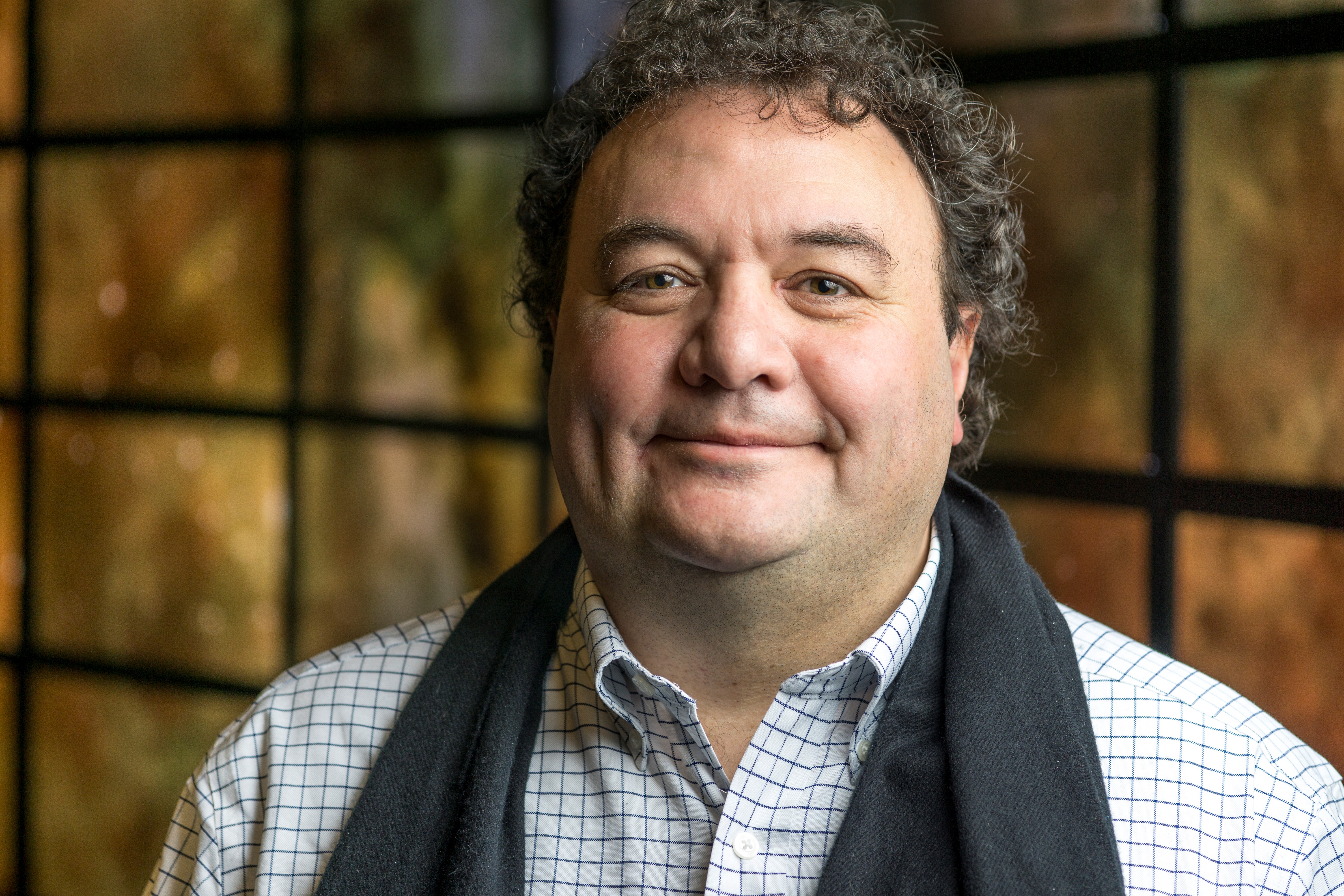
Jack Peltz, PhD, serves as an Assistant Professor in the Department of Psychology, Philosophy, and Neuroscience Programs at the State University of New York at Brockport. His academic career focuses on the intersection of developmental psychopathology, sleep science, and family systems dynamics, with particular emphasis on adolescent and college-age populations. His educational background includes: PhD in Clinical Psychology (Concentration: Developmental Psychopathology; Certificate: Quantitative Methods), University of Rochester, 2013 MA in Clinical Psychology, University of Rochester, 2010 MA in Child Development (Concentration: Clinical and Developmental Psychology), Tufts University, 2007 BA in Japanese, Middlebury College, 1996 Dr. Peltz's research program centers on developmental psychopathology and sleep regulation , investigating bidirectional relationships between sleep disturbances and family functioning. As a clinical psychologist specializing in behavioral sleep health for children and families, he develops community-based interventions to promote sleep hygiene. His work uniquely bridges quantitative methodology with clinical applications, examining how economic stressors, social media influences, and developmental transitions impact sleep-wake patterns. Analysis of his recent publications (2023-2025) reveals three dominant research trajectories: (1) sleep as a mediator between adverse childhood experiences and psychological outcomes, (2) technology-mediated sleep disruptions (including wearable devices and social media), and (3) developmental transitions (puberty, college entry) affecting sleep-family dynamics. His methodological approach combines longitudinal designs, ambulatory EEG, and mixed-methods analysis to capture real-time sleep-family interactions across diverse populations including youth with visual impairments.
Dr Jack Cunliffe is a Senior Lecturer in Quantitative Methods and Criminology at the University of Kent's School of Social Sciences, serving as Director of Studies for Criminology since joining in 2015. His academic journey began with a mathematics undergraduate degree, followed by a PhD in Social Policy from the London School of Economics, and prior government experience in the Home Office and Ministry of Justice. His educational background includes: PhD in Social Policy, London School of Economics (thesis on structural equation modelling of area characteristics as offending risk factors) Undergraduate degree in Mathematics Dr Cunliffe's primary research focuses are cybercrime (particularly online drug trade and fraud) and policy evaluation (assessing prison interventions and drug diversion schemes). He actively contributes as the School of Social Sciences champion for the Institute of Cyber Security for Society and collaborates across disciplines on identity fusion, charitable giving during the pandemic, and primary school civic education. His methodological expertise lies in advanced quantitative analysis of administrative and survey data. His publication record (2017-2025) demonstrates a cohesive research trajectory: early work centered on cryptomarkets and darknet drug trade (2017-2019), evolving into prison rehabilitation interventions (2024-2025) and pandemic-related social behavior (2023). These publications, appearing in high-impact journals like Nature Human Behaviour and BMJ, reflect interdisciplinary collaboration and a commitment to addressing pressing societal issues through rigorous quantitative methods. No scientific awards, fellowships, or medals are documented in the provided information. Dr Cunliffe has led quantitative components of major projects including the Ministry of Justice-funded Prison Leavers Project and evaluations of police drug diversion schemes. He mentors PhD students in cybercrime and policy evaluation and has designed significant curriculum reforms for Kent's criminology program. His grant portfolio reflects strong partnerships with government agencies and interdisciplinary academic teams. As the School of Social Sciences representative for the Institute of Cyber Security for Society, Dr Cunliffe fosters cross-school collaboration on cybercrime research. He also plays a central role in the criminology program's academic leadership, having overseen a comprehensive curriculum redesign and teaching advanced quantitative methods and cybercrime courses.
Dr. Barbara E. Jones serves as an Associate Professor in the Department of Internal Medicine at the University of Utah School of Medicine, with dual appointments in Pulmonary and Critical Care Medicine. Her clinical practice spans diverse healthcare settings within the Veterans Affairs system and academic medical centers, focusing on evidence-based adaptation of care to varied patient populations. Her educational background includes: M.D. from University of Washington School of Medicine B.A. in Philosophy from Dartmouth College Master of Science in Clinical Investigation (M.S.C.I) from University of Utah Postdoctoral Fellowship in Pulmonary and Critical Care Medicine at University of Utah Residency in Internal Medicine at University of Utah Dr. Jones' research centers on decision-making processes in pneumonia diagnosis and treatment, employing a tripartite informatics approach combining population analytics, cognitive behavior analysis, and clinical decision support systems. Her work specifically targets reducing diagnostic uncertainty and treatment variation across healthcare systems, with emphasis on equitable care delivery for diverse patient populations. Current projects investigate diagnostic discordance in community-acquired pneumonia, electronic surveillance for hospital-acquired infections, and machine learning applications for diagnostic error detection. Analysis of her 15 most recent publications reveals consistent focus on pneumonia management systems, with emerging emphasis on pandemic impacts on diagnostic practices and AI-driven quality improvement. Her work predominantly utilizes large VA healthcare datasets spanning 100+ medical centers, featuring mixed-methods approaches that integrate quantitative analytics with qualitative clinician experience assessment. Dr. Jones actively contributes to clinical guideline development and medical education through editorial work in major journals including Chest and Annals of Internal Medicine , where she frequently addresses controversies in pneumonia diagnosis and antibiotic stewardship. Her research program operates at the intersection of the University of Utah Health system and the Veterans Affairs national healthcare network, leveraging electronic clinical decision support implementations across diverse hospital settings including rural and critical access facilities. Current initiatives focus on real-time feedback systems for diagnostic performance improvement and automated surveillance for healthcare-associated infections.
Dr. Matteo Fasiolo is a Senior Lecturer in the School of Mathematics at the University of Bristol, specializing in Statistical Science. His research focuses on advanced statistical modeling with significant applications in electricity demand forecasting and medical statistics, leveraging Generalized Additive Models (GAMs) as a core methodology. His primary research interests span: Generalized Additive Models and their extensions for complex data structures Covariance matrix modeling for high-dimensional energy forecasting Probabilistic forecasting techniques for uncertainty quantification Statistical machine learning including variational inference and contrastive learning Applications in electricity grid management and medical diagnostics Recent publications (2023-2025) reveal a dual focus: developing scalable statistical methods for electricity net-demand prediction in Great Britain using additive covariance models, and applying distributional regression to medical challenges like kidney function decline and cardiovascular risk prediction. His work on SoftCVI demonstrates innovation in variational inference, while extensions to GAMs address both mean modeling and full distributional forecasting. Dr. Fasiolo has supervised at least one student as indicated by university records. His research outputs include 16 publications and 2 publicly available datasets, reflecting active contributions to methodological statistics and domain-specific applications in energy systems.
Valerio Pascucci is a Professor at the University of Utah's School of Computing and a DOE Laboratory Fellow at Pacific Northwest National Laboratory. He directs the Center for Extreme Data Management Analysis and Visualization (CEDMAV) and previously led projects at Lawrence Livermore National Laboratory and University of Texas at Austin. PhD in Computer Science (Purdue University, 2000) MSc in Electrical Engineering (University 'La Sapienza', Rome, 1993) As a pioneer in Big Data Management , Scientific Visualization , and Computational Topology , his work connects topological methods with progressive algorithms to enable interactive exploration of petascale datasets. His research spans climate modeling , neuroscience , materials science , and precision agriculture , focusing on multi-resolution techniques and geometric compression . Recent publications show specialization in web-based visualization and AI-driven analytics for climate data, with emphasis on equity in data access and FAIR data principles . His ViSUS project enables real-time data streaming from supercomputers to desktops, while NAPA explores GPU-based architectures for streaming algorithms. Scientific Awards : Best Paper Award, IEEE Pacific Visualization 2011 Best Application Paper Award, IEEE VIS 2006 DOE Laboratory Fellow He advises numerous graduate students and leads collaborations across national laboratories , universities , and industry . Funded by NSF Grant #2127548 , he develops technologies for exascale computing and geospatial intelligence .
Professor Greger Larson is a leading scholar in evolutionary genomics and bioarchaeology at the University of Oxford, serving as Director of the Palaeogenomics & Bio-Archaeology Research Network. Based at Brasenose College, he specializes in ancient DNA studies, domestication processes, and human-animal dispersal patterns. His work bridges archaeology, genetics, and computational biology to address long-standing evolutionary questions. University of Oxford: Current affiliation Palaeo-BARN: Director Research focus: Domestication, ancient DNA, phylogenetics Larson's research integrates ancient DNA with morphological data to reconstruct evolutionary trajectories. His projects span mammals like dogs, cats, and pigs, exploring how domestication shaped modern biodiversity. Recent work examines viral virulence through archaeological samples and interdisciplinary analyses of historical human-animal interactions. His publications highlight trends in domestication genetics, including dual dispersal patterns in dogs and genetic shifts in post-introduction populations. Collaborative efforts like the FarmGtex project emphasize functional genomics across livestock tissues. Supervision includes DPhil students studying epidemiological transitions, Basque uniqueness, and bioarchaeological methods. Current grants from AHRC and ERC support his work on human-chicken interactions and ancient DNA synthesis.
Noa Pinter-Wollman is a Professor in the Department of Ecology and Evolutionary Biology at the University of California, Los Angeles, within the College of Life Sciences . Her work integrates field experiments, laboratory assays, computational modeling, and social network analysis to understand how individual variation among animals translates into emergent collective behavior, and how these dynamics intersect with conservation challenges. Research Focus: Mechanisms underlying collective decision-making in social insects (especially Argentine ants and harvester ants) Social network structure and its ecological consequences in endangered griffon vultures Interface between spatial ecology and social behavior, including impacts on disease transmission and conservation management Biomimetic insights from social animals to inform resilient human-designed systems Across 2023–2025, her team has produced a steady stream of high-impact articles that collectively advance four thematic pillars: (1) microbiome–behavior feedbacks in ants, (2) conservation technology for scavengers, (3) network-analytic methods for disentangling spatial versus social drivers of interaction, and (4) cooperative strategies that underlie invasion success in ants. The work is notable for integrating high-resolution tracking technologies with rigorous statistical modeling. Funding & Collaborations: Current NSF awards include the collaborative grant “ The causes and consequences of Higher Order Interactions (HOI) ” and prior support for “ Uncovering how links between social and spatial interactions affect ecological processes .” These grants foster interdisciplinary partnerships spanning ecology, computer science, and conservation practice. Laboratory & Team: The Pinter-Wollman Lab at UCLA houses graduate researchers, post-docs, and undergraduates who conduct integrative studies on ants, paper wasps, spiders, and vultures. The lab website ( https://pinter-wollmanlab.weebly.com ) provides protocols, data resources, and outreach materials that translate basic findings into actionable conservation guidance for wildlife managers.
Alton Russell is an Assistant Professor at the Department of Epidemiology, Biostatistics and Occupational Health, Faculty of Medicine and Health Sciences, McGill University. He serves as an Affiliate Investigator at the Research Institute of the McGill University Health Centre (RI-MUHC) and is affiliated with the Quantitative Life Sciences program. His research focuses on data-driven decision modeling to optimize healthcare resource allocation through methods in decision analysis, simulation, health economics, and machine learning. PhD in Management Science and Engineering (2021), Stanford University MSc in Management Science and Engineering (2018), Stanford University BSc in Industrial Engineering (Health Systems concentration) and Interdisciplinary Studies (Global Health and Sustainability concentration) (2014), North Carolina State University Russell's research program develops advanced models for blood safety, pediatric kidney disease management, opioid crisis interventions, and infectious disease surveillance. His lab (D3Mod) integrates individual-level data with machine learning and Bayesian statistics to address heterogeneity in patient populations and policy impacts. His work emphasizes open science practices, with publications and code archived via DOIs. Current research themes include personalized donor risk assessment, emergency service optimization, and harmonization of serosurveillance data. Russell teaches advanced decision modeling (EPIB 676) and economic evaluation of health programs (PPHS 528) at McGill.
Erin Strumpf is a Full Professor jointly appointed in the Department of Economics and the Department of Epidemiology, Biostatistics and Occupational Health at McGill University. She is a founding member of McGill’s Public Policy and Population Health Observatory (3PO) and holds the distinguished William Dawson Scholar title. Her work bridges economics and population health, focusing on evaluating health and social policies through rigorous causal inference methods. Education: PhD in Health Policy and Economics, Harvard University BA, Smith College Research Interests: Prof. Strumpf’s research agenda centers on the impacts of health policies on health care delivery, population health outcomes, and health inequalities. She employs quasi-experimental designs and large-scale administrative data to assess interventions such as cancer screening programs, primary care reforms, and paid family leave policies. Her work spans multiple jurisdictions, including Canada, the United States, and France, and actively informs policymakers at provincial and national levels. Her recent projects include evaluating the cost-effectiveness of population-based cancer screening guidelines, assessing the health system impacts of integrated primary care in Quebec, and exploring how paid family leave policies reduce infant respiratory infections and promote equity. She is also a key contributor to the Canadian Institutes of Health Research’s Drug Safety and Effectiveness Network. Scientific Awards & Honors: William Dawson Scholar, McGill University Chercheur-boursier Junior 1 & 2, Fonds de Recherche du Québec – Santé Collaborations & Funding: Prof. Strumpf collaborates extensively with ministries of health and finance across Canadian provinces and with international agencies. She leads multidisciplinary teams that leverage rich administrative health data to generate actionable evidence for decision-makers. Her research is primarily aligned with the Centre on Population Dynamics’ Social and Economic Determinants of Health axis, and intersects with the Aging axis. Affiliations & Labs: She is affiliated with McGill’s Department of Equity, Ethics, and Policy, Family Medicine Department, Department of Oncology, and the Centre on Population Dynamics. Previously (2019-2022), she was an affiliated researcher with the cancer unit at l’Institut national d’excellence en santé et en services sociaux (INESSS).
Deepa Camenga, MD, MHS, FAAP is an Associate Professor of Emergency Medicine at Yale School of Medicine with secondary appointments in Chronic Disease Epidemiology and General Pediatrics. She serves as the Associate Director of Pediatric Programs for the Yale Program in Addiction Medicine, where she leads clinical, educational, and policy efforts to improve healthcare for children impacted by substance use. As a board-certified physician in pediatrics and addiction medicine, Dr. Camenga specializes in adolescent addiction and is one of the few clinicians in Connecticut who prescribes medication treatment for adolescents with opioid use disorder. Dr. Camenga's educational background includes: BA from Yale University (2000) MD from University of Rochester School of Medicine & Dentistry (2005) Residency at University of Rochester Golisano Children Hospital (2008) Chief Resident at Children's Strong Hospital, Rochester (2009) Postdoctoral Fellowship and MHS in Health Services Research through the Robert Wood Johnson Foundation Clinical Scholars Program at Yale (2012) Dr. Camenga's research focuses on reducing the morbidity and mortality associated with adolescent substance use and substance use disorders. Her work specifically aims to improve identification and treatment of drug and tobacco use in healthcare settings, with a particular interest in developing technology-enhanced interventions to reduce substance use among adolescents and young adults. She employs both quantitative and qualitative methodologies to examine adolescent substance use patterns, cessation motivations, and the effectiveness of interventions in clinical and community settings. Her research has significant implications for public health policy and clinical practice guidelines related to youth substance use. Dr. Camenga's recent publications demonstrate a strong focus on adolescent vaping behaviors, impaired driving among youth, and digital interventions for substance use prevention. Her work spans multiple methodologies including longitudinal studies, system dynamics modeling, and mixed-methods approaches. Key themes in her research include the impact of flavored products on youth nicotine dependence, the social and environmental factors influencing risky behaviors, and the development of evidence-based approaches to substance use prevention and treatment for adolescents. Dr. Camenga is actively involved in national professional organizations and committees: Member of the American Academy of Pediatrics Committee on Substance Use and Prevention (since 2016) Member of the American Academy of Pediatrics Meeting Planning and Participation Committee (since 2018) Former Committee Member of the Academic Pediatric Association (2013-2015) Dr. Camenga has developed several innovative clinical programs, including a school-based health center tele-consult program and an inpatient adolescent addiction medicine consult service. She treats adolescents and young adults at the APT Foundation and leads an addiction medicine tele-consult service for local school-based health centers. Her work extends to the Yale DrivSim Lab, where she collaborates on studies examining the neurocognitive aspects of risky driving and substance use among youth. Dr. Camenga also chairs the American Academy of Pediatrics Committee on Substance Use and Prevention, positioning her as a national expert in pediatric addiction medicine.
Kristine Beate Walhovd is a Professor at the Department of Psychology , University of Oslo, and co-leader of the Center for Lifespan Changes in Brain and Cognition (LCBC) . She is affiliated with the UiO:Life Science initiative and has led major projects like Lifebrain (€2.5M) and Neurocognitive Plasticity (ERC Starting Grant, €1.5M). Current roles: Professor (since 2016), Co-leader of LCBC Key affiliations: University of Oslo, Lifebrain Consortium, UiO:Life Science Her research focuses on lifespan brain and cognitive changes , examining both positive/negative developmental trajectories from age 4 to 90. She studies interactions between biomedical risks (e.g., Alzheimer's, fetal drug exposure) and cognitive outcomes, employing MRI , DTI , and ERP methodologies. Recent publications highlight work on Alzheimer's biomarkers , sleep-brain interactions , memory consolidation , and fetal brain influences . Her 2025 papers in Scientific Reports and Neurobiology of Aging examine hippocampal stability and brain network segregation. Awards include: 2015 University of Oslo Research Prize (shared with Anders Fjell) 2011 Member, Norwegian Academy of Sciences and Letters 2006 His Majesty the King's Gold Medal for best doctoral thesis She supervises doctoral candidates and teaches cognitive neuroscience , experimental methods , and thesis writing .
Andrea Santangeli serves as a Supervisor in the Doctoral Programme in Wildlife Biology and holds a Docentship in the Organismal and Evolutionary Biology Research Program at the University of Helsinki's Faculty of Biological and Environmental Sciences. He maintains an additional affiliation as an Honorary Fellow at the University of Cape Town's FitzPatrick Institute of African Ornithology under the National Research Foundation Centre of Excellence since August 2019. His research spans international collaborations across multiple continents, with particular focus on African and European conservation challenges. Dr. Santangeli completed his doctoral thesis titled 'Assessing the effectiveness of different approaches to species conservation' at the University of Helsinki in 2013. His educational background established the foundation for his current research program focused on evidence-based conservation strategies and effectiveness assessment. His research interests center on wildlife conservation biology, particularly avian ecology and species protection. Santangeli's work examines human-wildlife interactions, conservation prioritization, and the effectiveness of different conservation approaches. He investigates how climate change affects species distributions and community composition, with special attention to vulture conservation, bird-feeding practices, and the impacts of agricultural systems on biodiversity. His approach integrates ecological, social, and policy dimensions to develop comprehensive conservation solutions. Species conservation effectiveness Human-wildlife interactions Climate change impacts on biodiversity Vulture conservation Bird community dynamics Ecosystem services assessment Analysis of Santangeli's recent publications (2023-2025) reveals a strong focus on interdisciplinary conservation science addressing urgent global challenges. His work increasingly integrates One Health approaches, examining connections between wildlife health, ecosystem functioning, and human activities. Key themes include climate change adaptation strategies, human dimensions of conservation, and technological innovations for monitoring and protection. His research shows growing emphasis on policy-relevant science that directly informs conservation decision-making at multiple scales. His scientific recognition includes an Honorary Fellowship at the University of Cape Town's prestigious FitzPatrick Institute of African Ornithology, part of the DST NRF Centre of Excellence. This position acknowledges his significant contributions to African ornithology and conservation science, particularly his work on vulture conservation across the continent. As a doctoral supervisor, Santangeli guides the next generation of conservation scientists through the Wildlife Biology doctoral program. His research is supported by multiple projects, including the ongoing 'Understanding the drivers and species ecological traits underpinning the global trade in wild birds' (2019-2024), which examines wildlife trade dynamics and conservation implications. His work demonstrates strong international collaboration networks across Europe, Africa, and beyond. Santangeli's research activities involve extensive fieldwork, data analysis, and policy engagement. He participates in academic visits to institutions like the Center d'Études Biologiques de Chizé in France and contributes to scientific conferences and peer review for leading conservation journals. His work often involves citizen science approaches, as evidenced by the 'iratebirds' project on aesthetic attraction to birds.
Elizabeth "Beth" Mayer-Davis is the Dean of The Graduate School and the Cary C. Boshamer Distinguished Professor of Nutrition and Medicine at the University of North Carolina at Chapel Hill. She holds joint appointments in the Gillings School of Global Public Health and the School of Medicine, where she previously served as Chair of the Department of Nutrition for eight years. As Dean of The Graduate School, she oversees more than 160 degree-offering programs and over 10,000 graduate students at UNC Chapel Hill. Dr. Mayer-Davis earned her educational credentials from prestigious institutions: Ph.D. in Epidemiology from the University of California, Berkeley (1992) Master of Public Health with honors from the University of Colorado School of Medicine (1986) B.S. in Dietetics from the University of Tennessee (1980) Dr. Mayer-Davis is an internationally recognized expert in diabetes research with a career focused on the epidemiology and natural history of type 1 and type 2 diabetes in children and adults. Her research addresses how nutrition impacts diabetes risk and complications, with particular emphasis on culturally and regionally diverse populations. Her primary current focus is on type 1 diabetes in youth and young adults, examining diabetes self-management and energy balance/weight management for individuals with type 1 diabetes. She employs innovative methodologies including large epidemiological studies, clinical trials, and adaptive intervention designs, often incorporating communication technologies to enhance patient-centered care. Analysis of Dr. Mayer-Davis's recent publications reveals consistent focus on diabetes epidemiology across diverse populations, with particular attention to youth-onset diabetes, health disparities by race and ethnicity, and innovative interventions for diabetes management. Her work frequently addresses the intersection of obesity and diabetes, particularly in type 1 diabetes where this comorbidity has been historically understudied. The research demonstrates methodological sophistication through the use of advanced statistical techniques, continuous glucose monitoring data, and adaptive trial designs to address complex questions in diabetes care. Dr. Mayer-Davis has received numerous professional honors and appointments: Cary C. Boshamer Distinguished Professorship at UNC President for Health Care and Education for the American Diabetes Association (2011) Member of the 2020 Dietary Guidelines Advisory Committee Appointee to President Obama's Advisory Group on Prevention, Health Promotion and Integrative and Public Health Co-director of the Nutrition Obesity Research Center funded by NIH Throughout her career, Dr. Mayer-Davis has been deeply committed to mentoring the next generation of researchers, having supervised dozens of graduate students. She has secured over $45 million in research funding, including as Principal Investigator for the Carolina site of the landmark SEARCH for Diabetes in Youth study and the Nutrition for Precision Health Consortium initiative. Her leadership extends to national scientific committees and professional organizations, where she has shaped diabetes research and care standards. She is particularly dedicated to promoting diversity, equity, and inclusion in graduate education and research. Dr. Mayer-Davis co-directs the UNC Nutrition Obesity Research Center, a NIH-funded center that has received continued support through multiple funding cycles. She also leads the Carolina site of the SEARCH for Diabetes in Youth study, a large multi-center national study that has been tracking diabetes incidence and trends in youth for over two decades. Her research team includes epidemiologists, nutritionists, statisticians, and clinicians working collaboratively to address critical questions in diabetes prevention and management.
Michele Boon is a Lecturer in Nursing at Glasgow Caledonian University's School of Health and Life Sciences. She maintains an active research profile with 29 research outputs spanning from 2004 to 2025, demonstrating increasing productivity in recent years with 6 publications in 2021 alone. She is currently accepting PhD students and has established herself as a methodological expert in public health research. Dr. Boon's research interests center on public health, epidemiology, health services research, and health policy. Her work emphasizes systematic review methodology, particularly through her role as Methods Editor for Cochrane Public Health. Key research areas include palliative care for respiratory conditions, social network interventions for cardiac rehabilitation, health inequalities, and women's health. Her research contributes significantly to multiple UN Sustainable Development Goals. Her publication record shows consistent output with increasing impact, particularly in the last five years. Notable works include the European Respiratory Society clinical practice guideline on palliative care (2023) with 68 citations, and the Cochrane review on social network interventions for cardiac rehabilitation (2023). Her research demonstrates strong interdisciplinary connections across public health, clinical medicine, and social policy. Dr. Boon has received significant recognition through external appointments: Senior Member, ERS Clinical Practice Guidelines Methodology Network, European Respiratory Society (Apr 2022-Apr 2025) Associate Editor, Health policies, systems and management in high-income countries, BMC Public Health (Aug 2020-present) Methods Editor, Cochrane Public Health (Sept 2019-present) She currently leads or contributes to two major research projects: the NRSI-ROB Cochrane Public Health Project as Principal Investigator, and the COVID-19 and the Centrality of Care project as Co-Investigator. Her work has been picked up by numerous news outlets, referenced in policy documents, and has significant social media engagement, demonstrating real-world impact beyond academia.
Mischa Meier is a full Professor at the University of Tübingen , affiliated with the Faculty of Philosophy and Department of History. His research spans Ancient History , focusing on Sparta , Late Antiquity (4th–7th centuries), and the Ostrogothic Reich , with special interests in ethnological approaches , historical disaster research , and the reception of antiquity in music and literature . Educated in Classical Philology, History, and Pedagogy (University of Bochum, 1998) Key projects include the DFG-funded (Post-)Roman Transitions and the Historisch-philologischer Kommentar zur Weltchronik des Johannes Malalas Recipient of the 2022 Gottfried Wilhelm Leibniz Prize and 2016–2018 VolkswagenStiftung Opus Magnum Fellowship His 15 most recent publications reveal trends in Late Antique societal transformations , Mediterranean pandemics , and comparative crisis studies , including works on Attila, Justinian, and Nero. He has edited major series like Malalas-Studien and Bedrohte Ordnungen , and participated in interdisciplinary projects such as Nomen et Gens and Transformationsprozesse und das Ende der Antike . Scientific Awards 2022 Gottfried Wilhelm Leibniz Prize 2016–2018 VolkswagenStiftung Opus Magnum Fellowship 2015 Karl-Christ-Preis für Alte Geschichte 2004 Historikerpreis der Historiker/innen Deutschlands 2003 Westfälisch-Lippische Universitätsgesellschaft Preis Editorial & Advisory Roles Co-editor of Historia and Roma Aeterna series Scientific Board member for Millennium , OIKOS Netherlands , and Österreichische Akademie der Wissenschaften