Derek T. Robinson is an Associate Professor at the University of Waterloo's Department of Geography and Environmental Management , specializing in land-use science, agent-based modeling, and geospatial analysis. His work integrates GIS, ecological models, and human decision-making to assess impacts of land policies on ecosystem services and human well-being. Research Interests : Land-use/cover change and carbon cycle dynamics Agent-based modeling of socio-ecological systems Exurban land management and fragmentation Ecosystem service quantification Land policy scenario analysis Teaching : Courses in spatial analysis, advanced GIS, and land-use-carbon interactions. His lab utilizes cutting-edge tools like ArcGIS, NetLogo, and UAV systems (e.g., Aeryon SkyRanger) for fieldwork and modeling.
Dr. Veysel Gümüş is an Associate Professor at Harran University's Faculty of Engineering, Department of Civil Engineering, where he has been since 2014. His research focuses on turbulence modeling, computational fluid dynamics, hydrological drought analysis, and time-series trend analysis. Licence (2003), Master's (2006), and Doctorate (2014) in Civil Engineering from Harran and Çukurova Universities. His research interests span hydrological drought , computational fluid dynamics , climate trend analysis , and GIS applications in hydrology . His recent work emphasizes drought risk assessment, wind speed trends, and fluid flow simulations using AI techniques. Publications since 2023 highlight his expertise in Mann-Kendall tests , copula-based drought analysis , and CMIP6 climate projections across Turkey and Morocco. He has supervised over 15 graduate theses and served as an editor/hakem for 10+ journals, including ASCE and Theoretical and Applied Climatology.
Iain Spears holds dual academic appointments as Senior Lecturer in Sport & Exercise Science at Newcastle University's Faculty of Medical Sciences (Department of Biomedical Sciences) since May 2020, and as Lecturer in Biomedical/Sports Engineering at Nottingham Trent University's Department of Engineering since August 2019. His interdisciplinary position bridges sports science, biomechanics, and engineering applications in athletic performance. Dr. Spears' research focuses on several interconnected areas: Sports biomechanics and movement analysis Training load monitoring and performance assessment methodologies Injury prevention and rehabilitation strategies Technological applications in sports performance Physiological responses to exercise His publication record demonstrates methodological innovation, with recent work employing point-cloud processing for motion analysis, low-cost depth-sensing camera systems, and exergaming solutions for high-intensity training. Key research themes include differential ratings of perceived exertion, environmental effects on athletic performance, and cooling methodologies for endurance exercise. Dr. Spears' collaborative research network includes frequent co-authors Matthew Weston, Thomas Macpherson, and Sean McLaren, with publications appearing in high-impact journals such as Journal of Biomechanics, Sports Medicine, and Medicine and Science in Sports and Exercise. His work has practical applications across team sports, military training contexts, and rehabilitation programming.
Nathalia Peixoto is an Associate Professor in the Department of Electrical and Computer Engineering and Affiliate Faculty in Bioengineering at George Mason University. Her work bridges neural engineering, biomedical applications, and assistive technology development with international collaborations across Israel, Ireland, Peru, and Korea. Educational background: PhD in Electrical Engineering, Universidade de Sao Paulo MS, University of Campinas Research Interests: Dr. Peixoto specializes in neural engineering with focus on brain-computer interfaces using wearable devices. Her lab develops: Neural prosthetics and implantable systems Bioimpedance-based medical sensors Low-cost electrophysiological recording platforms Community-centered engineering design solutions Publication Trends: Her 2022-2025 publications demonstrate strong interdisciplinary convergence between neuroscience, biomedical engineering, and AI. Key trends include machine learning for seizure detection in zebrafish models, electrochemical optimization of neural interfaces, and community-engaged design projects addressing societal challenges through transdisciplinary graduate training. Grants and Projects: Principal investigator for multiple NSF-funded initiatives: NRT-HDR: Transdisciplinary Graduate Training (2019-2024) Smart and Connected Communities: Networked Devices (2017-2019) Bioimpedance for retinal implants (2015-2017) C2MW: Classroom to Makers Week (2015-2016) Additional funding from VA STEM CoNNECT and Longwood University. Laboratory: The Neural Engineering Lab integrates chemistry, physics, and engineering disciplines through team-based projects involving high school to graduate students. Current work includes sustainable food-waste solutions, tremor-capturing robots for low-resource areas, and neural implants with international academic partnerships.
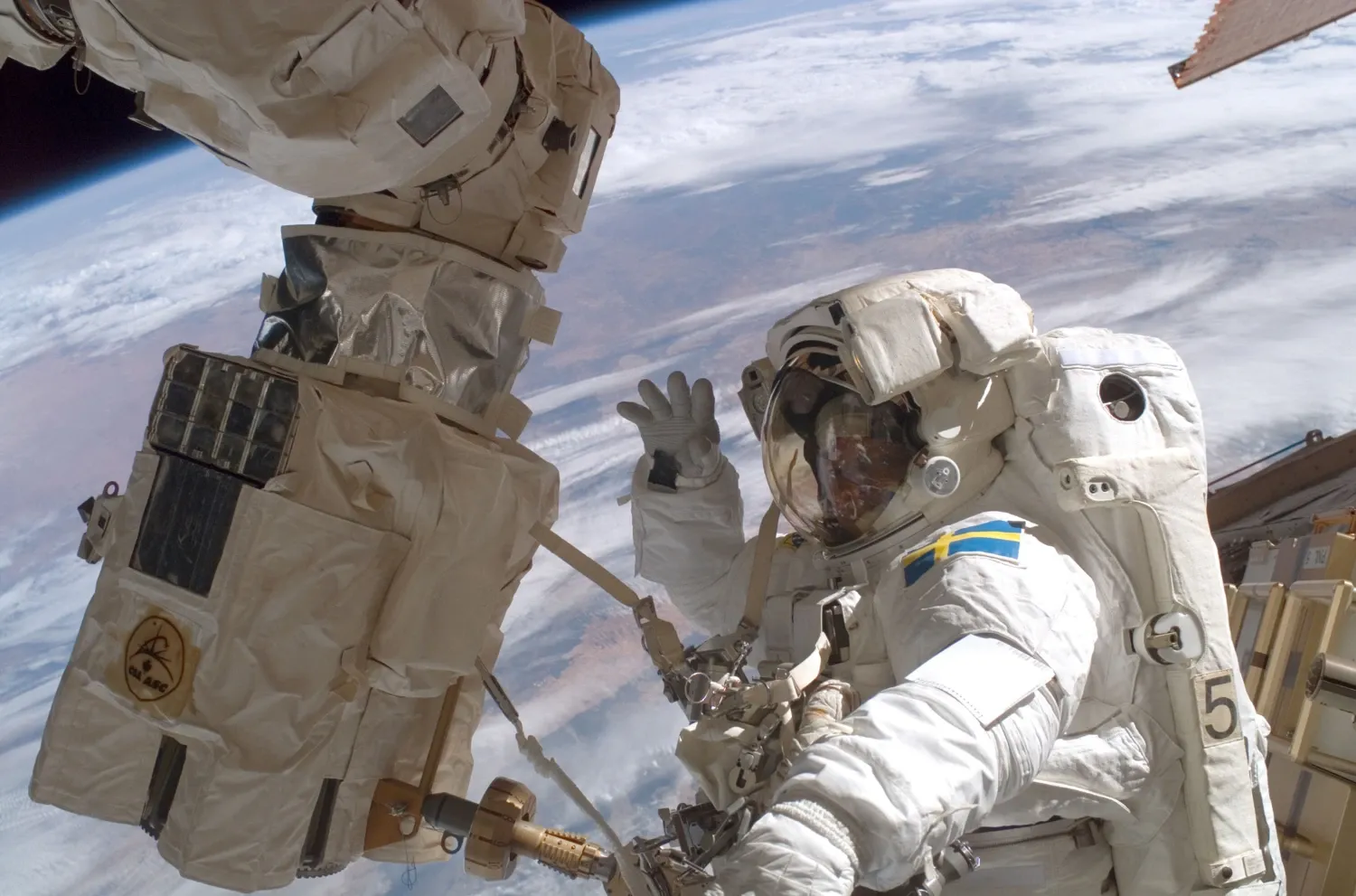
Rodrigo Fernandez Gonzalo is a Docent (Associate Professor) in Physiology and Principal Researcher at the Division of Clinical Physiology, Department of Laboratory Medicine, Karolinska Institutet. He leads the Space and Environmental Physiology research group focusing on skeletal muscle adaptation under various conditions including microgravity, aging, disease, and exercise. His research interests span skeletal muscle physiology, space physiology, and environmental physiology, with particular expertise in how skeletal muscle interacts with other physiological systems. His work employs diverse methodologies including human clinical studies, animal models, and cellular models to investigate functional, metabolic, morphological, molecular, and neural adaptations. Analysis of his recent publications reveals a strong focus on space physiology applications, particularly how microgravity affects skeletal muscle and immune systems, along with translational applications for clinical populations like those with cerebral palsy. His research integrates molecular analysis, imaging techniques, and physical performance outcomes to develop countermeasures for spaceflight effects. 4.5 MSEK funding from the Swedish National Space Agency (2020) Member of European Space Agency's Life Science Working Group (2022-2026) Member of Space Researchers Sweden (2021-) Dr. Fernandez Gonzalo serves as course responsible for Anatomy and Physiology in the nursing program (since 2018) and Advanced Human Physiology Research in the Master's programme in Translational Physiology and Pharmacology (since 2023). He also teaches Human Spaceflight at KTH and participates in the Erasmus Mundus Joint Master in Physiology and Medicine of Humans in Space and Extreme Environments. His laboratory utilizes facilities at Karolinska University Hospital and ANA Futura for human, animal, and cellular studies investigating space exposome effects.
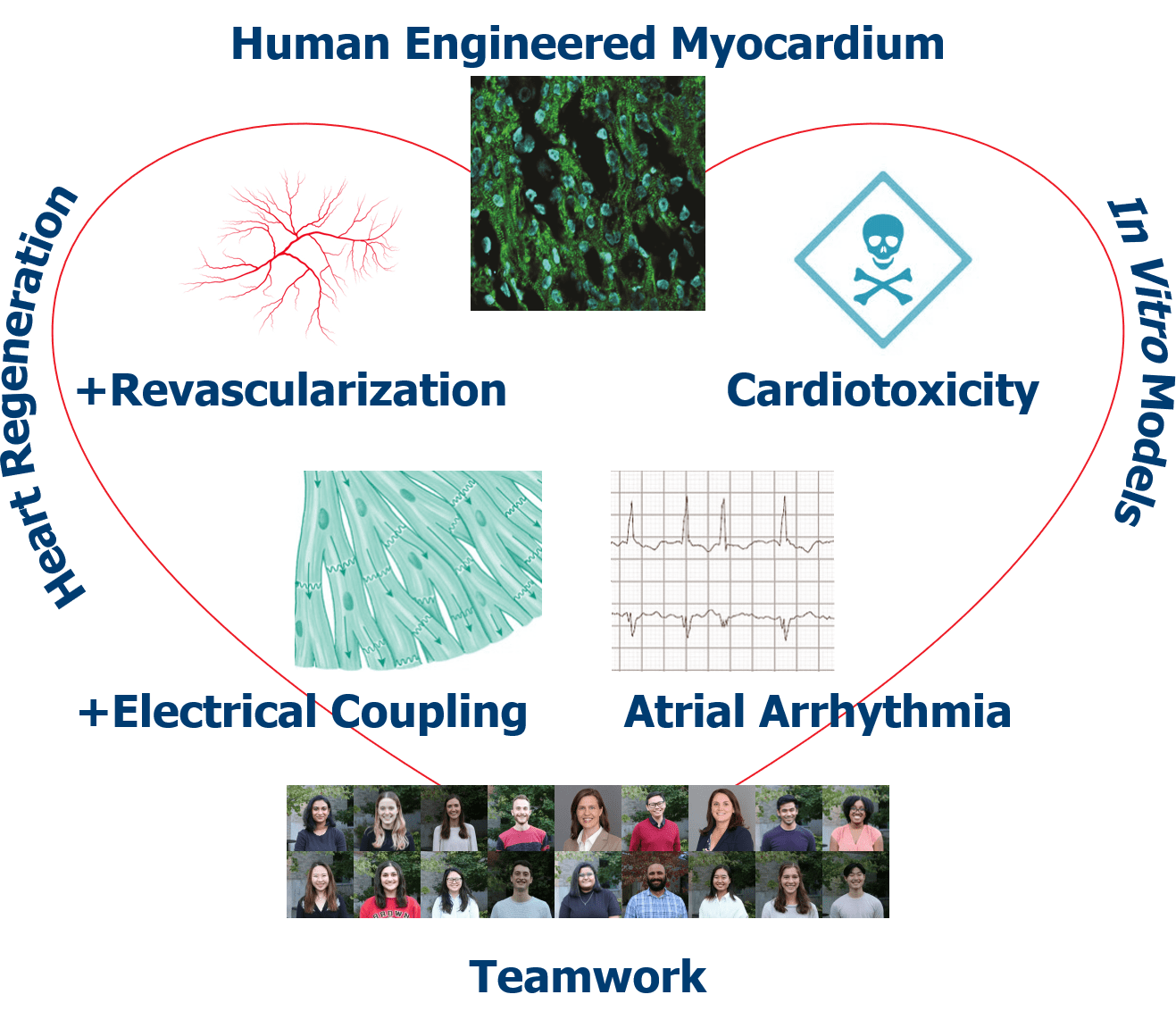
Kareen L.K. Coulombe is an Associate Professor of Engineering at Brown University, affiliated with the Institute for Biology, Engineering and Medicine . She collaborates with researchers from the Department of Medicine and institutions like the University of Edinburgh and ScitoVation, Inc . Education: B.S. in Biomedical Engineering, Summa Cum Laude (University of Rochester, 2001) Ph.D. in Bioengineering (University of Washington, 2007) Her research focuses on cardiovascular regenerative engineering , including: Developing human iPSC-derived cardiac tissues for heart attack therapy Creating anisotropic biomaterial scaffolds to enhance tissue integration Designing in vitro cardiotoxicity testing platforms for pharmaceuticals and environmental chemicals Optimizing electrical coupling between engineered and native heart tissue Recent publications highlight advancements in: Predictive 3D cardiac microtissue models for arrhythmic risk assessment Custom polycaprolactone scaffolds for tailored mechanical properties Immunomodulatory biomaterials that reshape cardiac repair processes Computational strain continuum modeling of cardiac tissue mechanics Scientific Awards: 2023 - Brown University Innovation of the Year 2021 - NSF CAREER Award & Young Innovator Award (BMES) 2019 - Dean’s Award for Excellence in Mentoring 2017-2012 - Rising Star Award & NIH Pathway to Independence K99/R00 Dr. Coulombe mentors students through programs like: Brown Leadership Alliance (undergraduate research) Tougaloo College Partnership (student development) NIH-IMSD Programs (graduate mentoring)
Dr. Yali Ling serves as an Assistant Professor in the Fashion Merchandising and Design program within the Department of Family and Consumer Sciences at California State University, Long Beach's College of Health and Human Services. Her research bridges traditional textile engineering with cutting-edge sustainable material innovation. Education: Ph.D. in Textile Technology Management, North Carolina State University (2021-2024) M.S. in Fashion Design and Engineering, Wuhan Textile University (2018-2021) B.S. in Fashion Design, Wuhan Textile University (2014-2018) Research Focus: Dr. Ling's work pioneers sustainable textile production through hemp/cotton blends and recycled materials, while advancing digital fashion technologies via 3D body scanning applications. Her expertise spans yarn engineering for performance textiles and functional apparel design addressing ergonomic challenges in diverse populations. This dual focus creates synergies between eco-conscious manufacturing and precision garment engineering. Publication Trends: Her 15 most recent publications (2019-2025) reveal three converging trajectories: (1) Sustainable material innovation (hemp textiles, eco-spinning), (2) Triboelectric wearable technology development, and (3) Anthropometric-driven apparel design. These strands collectively address industry demands for environmentally responsible production while enhancing human-technology interfaces in textile applications. Scientific Recognition: 2024 Best Poster Presentation at Textile Research Open House (NCSU) 2022 VF Graduate Student Impact Award ($5,000) 2021 Wuhan Textile University Special Graduate Scholarship ($1,500) 2020 Chinese Ministry of Education National Scholarship ($3,000) 2020 CNTAC "Maker China" Innovation Excellence Award 2019 China Natural Dialectics Research Association Symposium Prize Professional Engagement: Dr. Ling maintains active industry partnerships through her sustainable textile research while mentoring undergraduate students in the Fashion Merchandising and Design program. Her current work focuses on scaling hemp-based textile production and developing AI-integrated pattern generation systems. Research Infrastructure: While specific laboratory facilities aren't detailed in available materials, her publications indicate collaborations with Wilson College of Textiles' advanced manufacturing facilities and access to 3D body scanning technologies for anthropometric research.
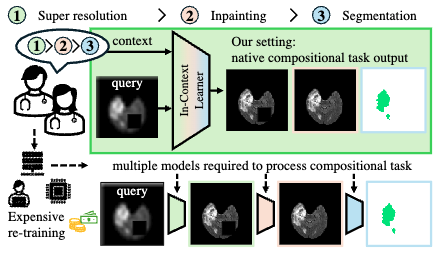
Prof. Dr. Erik Rodner is a faculty member at the University of Applied Sciences Berlin (HTW Berlin), where he serves as a Professor for Machine Learning and Data Science. He also contributes to the School of Engineering Sciences - Technology and Life. His research spans computer vision, machine learning, and biomedical applications, with a focus on learning with limited data, robust visual recognition models, and medical image analysis. He has developed innovative methods for medical diagnostics, industrial classification, and anomaly detection. Recent publications (2025-2016) highlight his expertise in visual in-context learning, semi-weakly segmentation, and active learning frameworks. He has collaborated with institutions such as ZEISS Group, Friedrich Schiller University Jena, and UC Berkeley. Scientific Awards: Award for Excellent Teaching (2023)
Federica Spagnoli is an Associate Professor of Phoenician and Punic Archaeology at the Department of the Italian Institute of Oriental Studies (ISO), Faculty of Letters, Sapienza University of Rome. She teaches courses including "Archeologia fenicio-punica e del Mediterraneo," "The Phoenicians in Central Mediterranean," and "Pre-Classical Levant and Mediterranean." Her office is located in Building CU003, second floor, room 107 at Piazza Aldo Moro 5, Rome. Dr. Spagnoli obtained her PhD in Near Eastern Archaeology in 2008 under the supervision of Professors P. Matthiae and L. Nigro. She has been a member of the Rome "La Sapienza" Expedition to Motya since 2002, serving as supervisor of the ceramic Laboratory. Currently, she holds the position of RTDB in Phoenician and Punic Archaeology (L-OR/06). Her research focuses on Phoenician-Punic archaeology with particular emphasis on Mediterranean cultural interactions, religious practices, and material culture. Key areas of investigation include: Phoenician colonization in the central Mediterranean (Sicily, Sardinia, Malta, North Africa) Phoenician religious practices, particularly worship of Astarte Phoenician-Punic pottery technology and typology Mediterranean cultural interactions between Phoenicians and indigenous populations Sacred landscapes and coastal sanctuaries in the Mediterranean Environmental archaeology and human-environment interactions at Phoenician sites Dr. Spagnoli's recent scholarly output demonstrates a strong interdisciplinary approach, combining traditional archaeological methods with advanced scientific techniques. Her work increasingly incorporates archaeometric analyses, 3D documentation, and environmental studies to deepen understanding of Phoenician material culture, religious practices, and human-environment interactions. Key research sites include Motya in Sicily and Ras il-Wardija in Gozo, Malta, where she leads the Sapienza Archaeological Expedition. Her scholarly contributions span ceramic studies, religious archaeology, landscape studies, and archaeometry, reflecting the multifaceted nature of Phoenician-Punic studies in the contemporary academic landscape. Dr. Spagnoli actively supervises student theses and leads archaeological fieldwork, including the Sapienza Archaeological Expedition at Gozo - Ras il-Wardija Project. She also coordinates laboratory work, including ceramic analysis and digital documentation of archaeological finds. Her research team includes specialists in archaeobotany, archaeometry, digital documentation, and religious studies, reflecting the interdisciplinary nature of contemporary Mediterranean archaeology.
Lionel Truquet is a Lecturer-Researcher in Statistics at ENSAI (École Nationale de la Statistique et de l'Administration Économique), where he focuses on Statistics for dependent data and Time series analysis . He serves as a Director of Research and has contributed significantly to fields like Markov chains and nonlinear dynamics . Research Interests: Time series models for ecological and economic data Statistical inference for categorical and discrete-valued processes Ergodic properties of Markov chains in random environments Mixing conditions for nonstationary processes Perturbation techniques in stochastic modeling Recent Publications: His work spans nearest neighbor sampling , multivariate autoregressive models , and mixing properties of count processes , with applications in ecology and econometrics. Key trends include nonparametric methods for high-dimensional data and stationarity analysis in time-varying systems. Scientific Awards: TJALLING C. KOOPMANS ECONOMETRIC THEORY PRIZE (2021–2023) for groundbreaking work on multivariate count autoregressions.
Patrick Wagner is a full professor at the Catholic University of Leuven (KU Leuven), affiliated with the Faculty of Sciences and the Department of Physics of Soft Matter and Biophysics. His research focuses on biosensors, soft matter physics, and nanotechnology, often intersecting with biomedical and environmental applications. Head of the Department of Physics of Soft Matter and Biophysics Member of Leuven One Health and LIMNI institutes Active in interdisciplinary projects involving sensor development and biophysical systems His current projects include PFAS contamination monitoring, thermally responsive biosensors, and advanced electrode systems for lab-on-chip integration. While no explicit awards or students are listed in the provided text, his publications highlight collaborations across Europe and involvement in clinical, environmental, and materials science domains. Recent works emphasize electrochemical sensing, molecular imprinting, and temperature-driven cell adhesion techniques.
Dr. Nebahat Aral is a Lecturer in the Department of Materials Science and Nanotechnology Engineering at Yeditepe University's Faculty of Engineering. Her research focuses on Textile Science and Engineering, Nanotechnology, and Radiation Shielding Materials. She has contributed to advancements in coated fabrics for X-ray protection, nanofiber development, and sustainable composites. Education: PhD (2016) in Textile Engineering, Istanbul Technical University - Thesis: Design of an Alternative Textile Material to Lead Aprons Master's (2009) in Textile Engineering, Istanbul Technical University - Thesis: Investigation of Performance Properties of Composites Made from Textile Waste BSc (2006) in Textile Engineering, Uludağ University Research Trends: Recent publications highlight her work on essential oil-infused coaxial nanofibers, biodegradable food packaging films, and ionizing radiation protection using bismuth oxide and pomegranate peel powder. Her studies bridge Textile Engineering with Nanotechnology and Environmental Sustainability. Grants and Projects: She has secured funding through TÜBİTAK projects (1004, 3501, 2219) and institutional grants, focusing on radiation shielding, biodegradable composites, and medical textiles. Leadership: Dr. Aral has served as Deputy Head of Department at Yeditepe University and Program Coordinator at Istanbul Kavram Vocational School and Istanbul Gelisim University. Patents: Co-inventor of a patent for X-ray shielding textile materials with nano-powder with Istanbul Technical University.
Professor Lee Joo-young serves at Seoul National University's College of Human Ecology, Department of Clothing and Textiles, where she leads research at the COM:FORT Lab (Clothing and Omnicare for Thermoregulation). Her office is located in Building 222, Room 306, with graduate student lab facilities in Room 332. Her research focuses on the critical relationship between clothing, thermal environments, and human health, exploring interactions within the Human-Clothing-Thermal environment system. Professor Lee's work applies fundamental theories of thermal physiology , exercise physiology , and occupational physiology to environmental ergonomics. Her laboratory conducts both human subject studies and thermal manikin experiments inside climate chambers to evaluate physiological and subjective responses. The COM:FORT Lab has undertaken significant research projects including: Firefighters' PPE wear trials and heat strain studies Cold tolerance research with Korean women divers (Hae-Nyeo) in Jeju Gloves dexterity testing and thermal protection evaluation Heat acclimation training protocols Graphene heating applications for protective clothing Professor Lee teaches courses in Clothing and Health, Special Function Clothing, Clothing Physiology and Experiment, and Thermal Physiology. Her work has involved international collaborations with institutions including US NIOSH and Japanese research groups.
Hannes Hick is a Professor at Graz University of Technology , affiliated with the Institute of Machine Elements and Development Methodology . His research focuses on mechanical development, tribology, and systems engineering for automotive and industrial applications. He actively contributes to engineering education and methodology standardization. Research Interests Hydrogen internal combustion engines System modeling and digital twins Tribology in electric drivetrains Sustainable engineering practices MBSE (Model-Based Systems Engineering) Friction and wear analysis Article Trends His recent work emphasizes hydrogen propulsion systems, model-based approaches for interdisciplinary engineering challenges, tribological optimization for sustainable mobility, and integrating AI with mechanical design workflows. Labs and Teams He leads research at the Institute of Machine Elements, focusing on mechanical validation and development methodologies for advanced powertrain systems.
Christoph Gehlen is Professor and Chair of Materials and Materials Testing in Civil Engineering at the Technical University of Munich (TUM), based at Franz-Langinger-Str. 10 in Munich. His research group focuses on advanced concrete technologies, materials science, and digital construction methods, with significant contributions to additive manufacturing in civil engineering through the Collaborative Research Center TRR 277. His research spans concrete technology, durability assessment, and sustainable construction practices. Key interests include corrosion mechanisms in reinforced concrete, non-destructive testing methodologies, and additive manufacturing techniques like Selective Paste Intrusion (SPI). Recent work emphasizes 3D concrete printing for structural applications, life cycle assessment of printed elements, and fundamental studies on material behavior under environmental stressors including carbonation, chloride exposure, and freeze-thaw cycles. Analysis of his 15 most recent publications (2024-2025) reveals dominant research trajectories in digital fabrication of concrete structures, particularly SPI-based additive manufacturing. His work integrates materials science with structural engineering to develop functionally graded components, assess sustainability metrics, and solve reinforcement integration challenges. Significant interdisciplinary efforts address durability issues through electrochemical monitoring, coda wave interferometry, and advanced imaging techniques for concrete microstructure characterization. Gehlen leads the Chair of Materials and Materials Testing in Civil Engineering at TUM, which operates advanced laboratories for concrete characterization including confocal laser scanning microscopy and virtual testing environments. His team actively participates in TRR 277 (Additive Manufacturing in Construction), developing fabrication-aware design methods and experimental validation protocols for novel construction technologies.