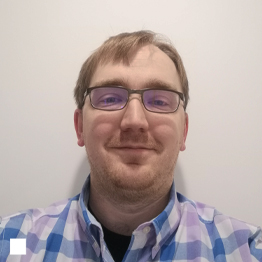
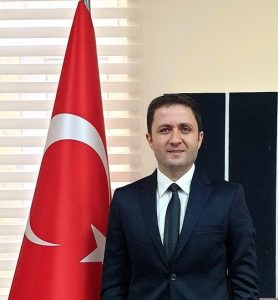
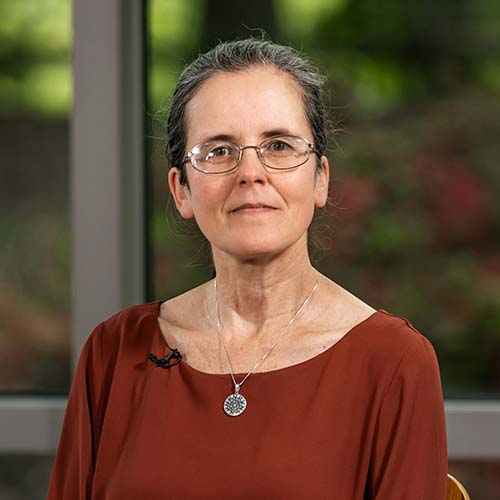
Dr. Muhammad Azmi UMER is a Lecturer at DHA Suffa University and a Ph.D. Scholar at Karachi Institute of Economics and Technology, Pakistan. His research focuses on Machine Learning applications in Cyber Physical Systems (CPS), particularly intrusion detection in industrial control systems like the SWaT testbed. He holds a Master’s in Computer Science from Karachi Institute of Economics and Technology and a Bachelor’s from the University of Karachi. His academic work emphasizes cybersecurity challenges in smart grids, IoT healthcare systems, and adversarial machine learning techniques. Key contributions include developing decision tree-based intrusion detection frameworks and adversarial attack simulations for industrial systems. He collaborates with researchers like Dr. Jit BISWAS and Dr. Eyasu G. CHEKOLE within interdisciplinary teams. Publications span machine learning applications in smart cities, CPS security protocols, and IoT conceptual frameworks. His research bridges theoretical models with practical implementations in critical infrastructure security and urban technology systems.
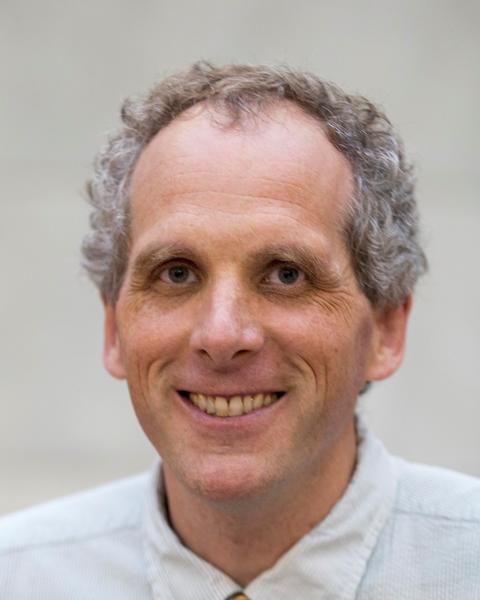
Dr. Matt Bonney is a Lecturer in Space Engineering at Swansea University, affiliated with the School of Aerospace, Civil, Electrical and Mechanical Engineering. He holds a position in the Department of Aerospace Engineering and is actively involved in postgraduate supervision. His research focuses on digital twin technology, nonlinear structural dynamics, mechanical joint modeling, seismic reliability, and uncertainty quantification, with recent emphasis on digital twin security and thermo-mechanical coupling in assembled structures. Dr. Bonney's expertise spans multi-physics joint modeling and multi-disciplinary development of digital twins, with international collaborations. He teaches modules such as 'Advanced Space Systems' (EG-M334) and 'Aerospace Systems' (EGA220), emphasizing space system design, orbital mechanics, and cyber-physical security. His research highlights include the development of a Python Flask-based digital twin operational platform, contextualization of information in digital twin processes, and experimental studies on frictional interfaces. His work on uncertainty quantification and seismic reliability has applications in nuclear reactor systems and civil engineering structures. Dr. Bonney currently supervises a PhD student focusing on nonlinearities in thermal-mechanical joints. His research outputs include over 30 peer-reviewed publications, with contributions to journals like Mechanical Systems and Signal Processing and Data-Centric Engineering .
Riikka Puurunen is an Associate Professor at Aalto University's Department of Chemical and Metallurgical Engineering, leading the Catalysis group since 2017. Her work focuses on developing solid heterogeneous catalysts using atomic layer deposition (ALD), microreactors, and in situ testing methods to advance sustainable biomass-based solutions.
David S. Jones is the A. Bernard Ackerman Professor of the Culture of Medicine at Harvard University, holding joint appointments in the Faculty of Arts and Sciences, Harvard Medical School, and the Harvard T.H. Chan School of Public Health. He is also an affiliate professor in the Department of History. His academic career includes prior roles as an assistant professor at MIT (2005–2011), where he directed the Center for the Study of Diversity in Science, Technology, and Medicine (2004–2008). He has been honored with MIT’s MacVicar Faculty Fellowship (2009), Harvard’s Everett Mendelsohn Excellence in Mentoring Award (2018), and appointment as a Harvard College Professor (2020). Jones earned his A.B. in History and Science from Harvard College (1993), followed by concurrent Ph.D. (History of Science) and M.D. (2001) degrees from Harvard. He trained in pediatrics, psychiatry, and emergency psychiatry. His research spans medical history, science & race, and global health, with notable works like Broken Hearts: The Tangled History of Cardiac Care (2013) and What's the Use of Race? (2010). Current projects include histories of Indian cardiac care and air pollution’s health impacts. His teaching focuses on medical ethics, social medicine, and history of medicine. Research grants include support from the Robert Wood Johnson Foundation, NIH, and NEH. Jones directs Harvard Medical School’s Arts and Humanities Initiative and collaborates across disciplines on topics like climate justice and healthcare equity.
Jon Wakefield is a Professor in the Department of Biostatistics at the University of Washington's School of Public Health, with additional appointments in the Department of Statistics. He maintains affiliations with the Fred Hutchinson Cancer Research Center, the Center for Statistics and the Social Sciences, and serves on technical advisory groups for the World Health Organization and United Nations on mortality assessment, child mortality estimation, stillbirths, and pre-term births. Wakefield's research focuses on spatial epidemiology, spatial demography, and small area estimation, with particular emphasis on estimating under-5 mortality in low and medium income countries. His work integrates hierarchical models for survey data, space-time models for infectious disease data, and ecological inference methods for both infectious and non-infectious disease contexts. He has made significant contributions to understanding the links between Bayesian and frequentist statistical procedures, developing innovative methods for spatial modeling and disease burden estimation. His publication record shows a strong focus on methodological development with practical applications in global health, particularly in mortality estimation, infectious disease modeling, and demographic analysis. Recent work has addressed critical issues in pandemic response, including excess mortality estimation during the COVID-19 pandemic and seroprevalence studies. His research increasingly incorporates advanced computational methods, including Template Model Builder and integrated nested Laplace approximations for spatial modeling. Fellow, American Statistical Association (2007) Guy Medal in Bronze, Royal Statistical Society (2000) Member of the National Academies of Sciences, Engineering and Medicine Wakefield leads significant research initiatives funded by NIH/NCI and NIH/NIAID, including projects on spatio-temporal epidemiology and statistical issues in AIDS research. He has developed influential software tools including SUMMER, surveyPrev, and SAE4Health, which enable sophisticated small area estimation and spatial analysis for public health applications. His work with WHO and UN technical advisory groups demonstrates the real-world impact of his methodological contributions to global health measurement.
Claudia Ceci is a Full Professor at the Department of Methods and Models for Economy, Territory, and Finance (MEMOTEF) at Sapienza University of Rome. Her academic work focuses on stochastic models in economics, finance, and insurance, with a particular emphasis on optimal stochastic control, filtering, asset pricing, credit risk, and self-protection strategies. Coordinates internationalization initiatives within MEMOTEF Leads the Rome Sapienza unit in the 2022 PRIN project "Stochastic control and games and the role of information" Manages the 2023 Grande Sapienza project "Stochastic Optimization Problems in Insurance, Finance and Economics" Member of the UMI-PRISMA group (Probability in Statistics, Mathematics, and Applications) Featured in the "100 Esperte STEM" initiative (Mathematics category) Her research explores risk management, counterparty credit risk, and reinsurance optimization under partial observation. She has contributed extensively to journals in quantitative finance, insurance mathematics, and stochastic control. Recent projects analyze climate-related financial risks and reinsurance strategies under contagion models. Claudia teaches foundational mathematics and risk management courses across multiple campuses. Exam procedures for her mathematics course involve computerized written tests with mandatory oral components under specific conditions, reflecting her analytical approach to assessment.
Debbi Marais is a Professor (Teaching Focussed) at the University of Warwick within the Warwick Medical School and Health Sciences department. She serves as the Director of Postgraduate Education and is a Principal Fellow of the UK Higher Education Academy , demonstrating strategic leadership in enhancing teaching quality, curriculum development, and student mentorship. With over 25 years of experience in higher education, she has held academic positions at Stellenbosch University , University of Aberdeen , and University of Warwick . Her expertise spans teaching, assessment, program coordination, quality assurance, and reflective practice. Marais’ research interests include pedagogical innovation , with a focus on technology-enhanced teaching and employability & professionalism , as well as public health nutrition covering infant and young child feeding , nutrition transition , and global health . She employs mixed methods in her research and has contributed to understanding exclusive breastfeeding barriers , maternal obesity trends in Africa, and Arabic weight-loss app design . Her work often intersects with technology-enhanced health education and interdisciplinary collaboration . Her recent publications highlight qualitative studies on food-based dietary guidelines in Kenya and South Africa, mobile health interventions for weight loss, and educational innovations in medical and nutrition training. These works reflect her commitment to global health equity and digital pedagogy , with recurring themes in African and Southeast Asian health contexts. She emphasizes participatory research methods and policy translation in maternal and child nutrition. Scientific Awards Principal Fellow of the UK Higher Education Academy Marais has supervised postgraduate research students (PhD and Masters) and contributed to curriculum reform through collaborative international projects. She has secured external funding for research and demonstrated interdisciplinary expertise in nutrition , public health , and health education .
Dr Bastien Lechat is a Research Fellow at Flinders Health and Medical Research Institute (FHMRI): Sleep Health, within the College of Medicine and Public Health at Flinders University. He is also a Full Member of the College of Science and Engineering and the Medical Device Research Institute. As an NHMRC Emerging Leadership Fellow, he leads innovative research at the intersection of sleep medicine, artificial intelligence, and wearable technology. Education: PhD in Sleep Health, Adelaide Institute for Sleep Health, Flinders University (2018–2021) Bachelor of Engineering in Engineering Science/Acoustics, Université du Maine, France (2014–2017) Dr Lechat’s research focuses on understanding the physiological mechanisms and consequences of obstructive sleep apnea (OSA), particularly night-to-night variability and patient subtypes. He develops AI-driven tools for efficient and accurate diagnosis using wearables and signal processing. His work aims to create a scalable, low-cost model of care for sleep-disordered breathing, addressing global diagnostic gaps. His recent publications reveal a strong trend in digital health innovation, with a focus on machine learning for OSA detection, circadian rhythm modeling, cardiovascular risk prediction, and climate impacts on sleep. His research has been published in top journals including Nature Communications , Journal of Sleep Research , and Sleep Medicine , demonstrating interdisciplinary reach. Scientific Awards and Recognition: NHMRC Emerging Leadership Fellow (2023) Helen Bearpark Memorial Scholarship (2022) Emerging Research Leader Award, Flinders University (2021) Multiple early-career awards from Sleep Down Under, Australasian Sleep Association, and Adelaide Sleep Retreat Ranked in the top 5% of international authors in sleep apnea by Expertscape Dr Lechat has secured over $2.5 million in competitive research funding and actively supervises and mentors junior researchers. He serves on the program committee of the American Thoracic Society meetings and contributes to clinical guidelines. He collaborates globally with industry and academic partners to translate research into clinical practice. Laboratories and Research Teams: He co-leads the 'Novel use of digital innovations & technology development' theme at FHMRI: Sleep Health, working closely with Professor Danny Eckert. His team integrates expertise in biomedical engineering, data science, and clinical sleep physiology to advance digital sleep medicine.
Bruce McClintock is a Professor of Policy Analysis at the RAND School of Public Policy, leading the RAND Space Enterprise Initiative and serving as a Senior Policy Researcher. He retired as a Brigadier General from the U.S. Air Force, with prior roles including A-10 pilot, test pilot, and U.S. Defense Attaché to Russia. His research focuses on space sustainability, Eurasian and Indo-Pacific security, and military strategy. He holds advanced degrees in aeronautical engineering (University of Florida), airpower studies (School for Advanced Airpower Studies), and a B.S. in astronautical engineering from the U.S. Air Force Academy. Education: M.S., Aeronautical Engineering, University of Florida M.S., Airpower Art and Science, School for Advanced Airpower Studies B.S., Astronautical Engineering, U.S. Air Force Academy McClintock’s research emphasizes space governance, international space traffic management, and strategic stability. He contributed to the U.S.-Russia Track-II Dialogue on Strategic Stability (2018–2023), advocating for space safety improvements. He also founded Hike for Life, an outdoor education company promoting environmental stewardship. His recent work addresses challenges in space congestion, NATO’s evolving space strategy, and China’s ambitions in lunar exploration. Key themes include preventing space conflicts, enhancing allied capabilities, and balancing commercialization with sustainability.
Anneli Kaasa is a Professor of Social and Cultural Studies in Economics at the University of Tartu, Faculty of Social Sciences. She holds a PhD in Economics and has been affiliated with the University of Tartu since 1998, progressing through roles such as Lecturer, Associate Professor, and Head of Chair. Her research focuses on the interplay between culture, social capital, governance, and economic development. She has led projects like 'Up-to-date measures of culture at the country and regional level' (2019–2023) and has served on numerous academic councils, including the Estonian Council of the European Social Survey. Her teaching includes courses on cultural context in economics, advanced mathematical methods for economics, and microeconomics. Kaasa has supervised over 20 graduate students and has published extensively on cultural dimensions, innovation, and entrepreneurship. Notable awards include the 2023 Mihhail Bronšteini Award and nomination to AcademiaNet in 2020. Her work integrates cross-cultural psychology, sociology, and economics to explore societal dynamics and their economic implications.
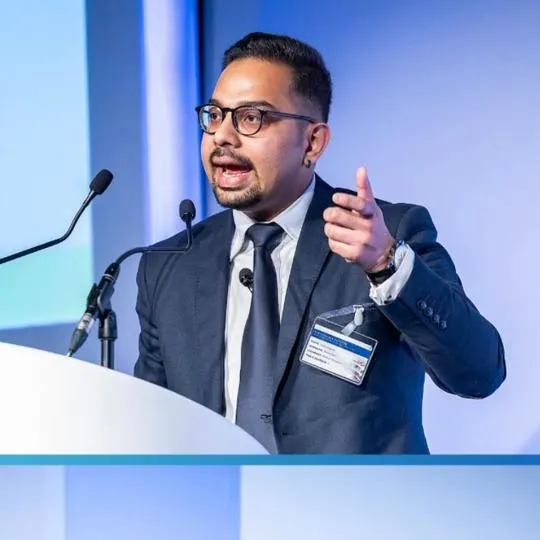
Sanchayan Banerjee is an Associate Professor of Economics & Public Policy at King’s College London’s Policy Institute, with a dual appointment as Visiting Professor at Grenoble-IAE (Université Grenoble Alpes). He previously held a tenured position as Assistant Professor of Environmental and Behavioral Economics at Vrije Universiteit Amsterdam (2022-2024). His research focuses on citizen-oriented, participatory behavioral public policies, tested through experiments in food, energy, health, and charitable policy domains. He co-developed the NUDGE+ framework emphasizing citizen agency in policy design. Affiliations: Visiting Fellow, London School of Economics Affiliate, Amsterdam Sustainability Institute & Institute for Environmental Studies Academic Lead for Professional Education, Policy Institute Research Interests: Behavioral economics, environmental economics, experimental methods, and policy effectiveness. His work bridges behavioral insights with real-world policy challenges, emphasizing participatory approaches and ethical considerations. Recent Article Trends: Recent work analyzes public support for pandemic policies, vaccine uptake drivers across G7 nations, and the ethical implications of behavioral nudges. He explores how experimental methods (field, lab, online) validate policy impacts while addressing equity concerns. Awards: Three consecutive LSE Teaching Awards Teaching Innovation Grants (VU Amsterdam) FHEA (UK Higher Education Academy Fellow) Grants & Leadership: Co-leads NWO ALIGN4energy (€5.7M), a Netherlands-based energy sustainability project. Serves on editorial boards for Scientific Reports , PLOS One , and Humanities & Social Sciences Communications . Previously co-edited Behavioral Public Policy ’s New Voices section. Labs/Teams: Leads King’s Policy Institute’s behavioral policy research group and collaborates across institutions on interdisciplinary projects like the NUDGE+ toolkit development.
Derek T. Robinson is an Associate Professor at the University of Waterloo's Department of Geography and Environmental Management , specializing in land-use science, agent-based modeling, and geospatial analysis. His work integrates GIS, ecological models, and human decision-making to assess impacts of land policies on ecosystem services and human well-being. Research Interests : Land-use/cover change and carbon cycle dynamics Agent-based modeling of socio-ecological systems Exurban land management and fragmentation Ecosystem service quantification Land policy scenario analysis Teaching : Courses in spatial analysis, advanced GIS, and land-use-carbon interactions. His lab utilizes cutting-edge tools like ArcGIS, NetLogo, and UAV systems (e.g., Aeryon SkyRanger) for fieldwork and modeling.
Dr. Veysel Gümüş is an Associate Professor at Harran University's Faculty of Engineering, Department of Civil Engineering, where he has been since 2014. His research focuses on turbulence modeling, computational fluid dynamics, hydrological drought analysis, and time-series trend analysis. Licence (2003), Master's (2006), and Doctorate (2014) in Civil Engineering from Harran and Çukurova Universities. His research interests span hydrological drought , computational fluid dynamics , climate trend analysis , and GIS applications in hydrology . His recent work emphasizes drought risk assessment, wind speed trends, and fluid flow simulations using AI techniques. Publications since 2023 highlight his expertise in Mann-Kendall tests , copula-based drought analysis , and CMIP6 climate projections across Turkey and Morocco. He has supervised over 15 graduate theses and served as an editor/hakem for 10+ journals, including ASCE and Theoretical and Applied Climatology.
Iain Spears holds dual academic appointments as Senior Lecturer in Sport & Exercise Science at Newcastle University's Faculty of Medical Sciences (Department of Biomedical Sciences) since May 2020, and as Lecturer in Biomedical/Sports Engineering at Nottingham Trent University's Department of Engineering since August 2019. His interdisciplinary position bridges sports science, biomechanics, and engineering applications in athletic performance. Dr. Spears' research focuses on several interconnected areas: Sports biomechanics and movement analysis Training load monitoring and performance assessment methodologies Injury prevention and rehabilitation strategies Technological applications in sports performance Physiological responses to exercise His publication record demonstrates methodological innovation, with recent work employing point-cloud processing for motion analysis, low-cost depth-sensing camera systems, and exergaming solutions for high-intensity training. Key research themes include differential ratings of perceived exertion, environmental effects on athletic performance, and cooling methodologies for endurance exercise. Dr. Spears' collaborative research network includes frequent co-authors Matthew Weston, Thomas Macpherson, and Sean McLaren, with publications appearing in high-impact journals such as Journal of Biomechanics, Sports Medicine, and Medicine and Science in Sports and Exercise. His work has practical applications across team sports, military training contexts, and rehabilitation programming.
Nathalia Peixoto is an Associate Professor in the Department of Electrical and Computer Engineering and Affiliate Faculty in Bioengineering at George Mason University. Her work bridges neural engineering, biomedical applications, and assistive technology development with international collaborations across Israel, Ireland, Peru, and Korea. Educational background: PhD in Electrical Engineering, Universidade de Sao Paulo MS, University of Campinas Research Interests: Dr. Peixoto specializes in neural engineering with focus on brain-computer interfaces using wearable devices. Her lab develops: Neural prosthetics and implantable systems Bioimpedance-based medical sensors Low-cost electrophysiological recording platforms Community-centered engineering design solutions Publication Trends: Her 2022-2025 publications demonstrate strong interdisciplinary convergence between neuroscience, biomedical engineering, and AI. Key trends include machine learning for seizure detection in zebrafish models, electrochemical optimization of neural interfaces, and community-engaged design projects addressing societal challenges through transdisciplinary graduate training. Grants and Projects: Principal investigator for multiple NSF-funded initiatives: NRT-HDR: Transdisciplinary Graduate Training (2019-2024) Smart and Connected Communities: Networked Devices (2017-2019) Bioimpedance for retinal implants (2015-2017) C2MW: Classroom to Makers Week (2015-2016) Additional funding from VA STEM CoNNECT and Longwood University. Laboratory: The Neural Engineering Lab integrates chemistry, physics, and engineering disciplines through team-based projects involving high school to graduate students. Current work includes sustainable food-waste solutions, tremor-capturing robots for low-resource areas, and neural implants with international academic partnerships.