University of Texas Southwestern Medical CenterUnited States
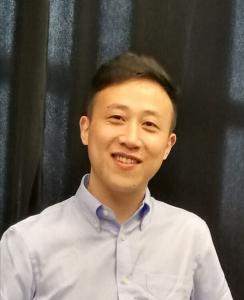
Hui Luan is an Assistant Professor in the Department of Public Health at the Peter O’Donnell Jr. School of Public Health, UT Southwestern Medical Center. He joined UT Southwestern in 2024 after serving as an Associate Professor (tenured) at the University of Oregon (2018–2024). His research focuses on spatial epidemiology, Bayesian spatiotemporal statistics, and GIS applications to address health disparities and environmental determinants of disease. Education: Ph.D. in Planning, University of Waterloo, 2017 M.S. in Cartography and GIS, Wuhan University, 2011 B.S. in GIS, Wuhan University, 2009 Research Interests: Dr. Luan investigates spatial and temporal variations in health outcomes, particularly HIV incidence, and the role of social, physical, and built environments. He develops Bayesian models and spatial analytics to inform geographically tailored interventions. Current projects include optimizing PrEP accessibility, analyzing food environment equity, and leveraging spatial data science for public health policy. Key Achievements: Lead investigator of an NIH-funded R01 project on reducing HIV incidence via spatial data science Editorial board member of Spatial and Spatiotemporal Epidemiology Recipient of the Vu Fellowship (2021–22) Teaching: Teaches courses on GIS in Public Health, Spatial Analysis, and Big Data applications in geography. Recent courses include GIS and Public Health and Spatial and Spatiotemporal Analysis at the University of Oregon. Labs/Teams: Leads the Spatial Data Science Lab focused on advancing Bayesian methods for health data analysis and promoting GIS applications in public health practice.
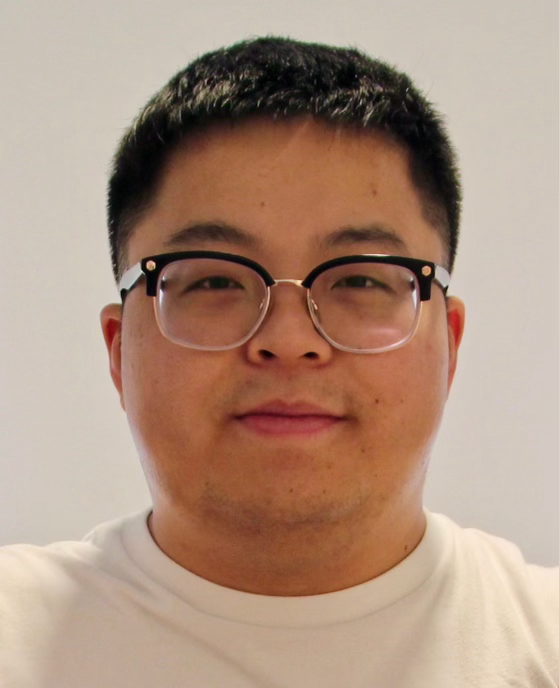
Anthony Sali is an Assistant Professor of Psychology at Wake Forest University's College of Arts & Sciences. His research focuses on cognitive control mechanisms, attentional flexibility, and neural substrates of behavior. He explores how attentional systems adapt to environmental demands and how these processes are disrupted in developmental disorders like ADHD. Key research areas include: Neural bases of sustained attention and cognitive readiness Strategic adaptation in attentional control Impact of reward and reinforcement learning on attention Developmental differences in attentional capture His work employs neuroimaging (fMRI/electrophysiology) and behavioral paradigms to investigate topics like: Cognitive flexibility and decision-making Allostasis and resilience mechanisms Attentional bias in clinical populations Recent publications highlight his contributions to understanding attentional dynamics, with 2023-2024 work emphasizing neural plasticity in adaptive attention systems. No major awards or external grants are listed in the provided materials.
University of Maryland, Baltimore CountyUnited States
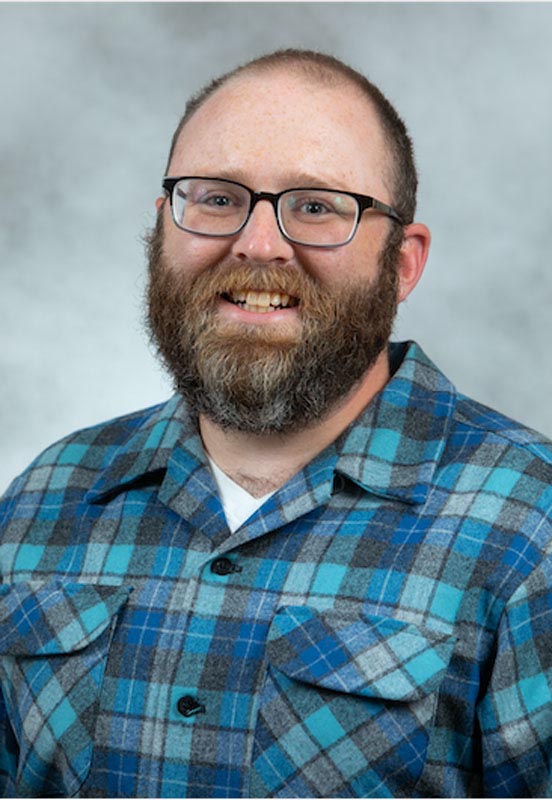
Dong Li is an Assistant Professor in the Department of Computer Science and Electrical Engineering (CSEE) at the University of Maryland, Baltimore County (UMBC). His research focuses on wireless sensing, mobile computing, wearable sensing, multi-modal sensing, and smart health, aiming to develop affordable and accessible technologies to address healthcare equity and environmental sustainability challenges. He holds a PhD from the Manning College of Information and Computer Sciences at the University of Massachusetts Amherst, an M.Eng. in Software Engineering from Shanghai Jiao Tong University, and a B.S. in Computer Science from the University of Electronic Science and Technology of China. His work has been published in prestigious venues such as MobiCom, SenSys, IPSN, UbiComp, and HotNets. Key research themes include anomaly detection via knowledge graphs, privacy prediction models for social networks, and interactive recommendation systems. His interdisciplinary approach integrates machine learning, data mining, and cybersecurity to tackle real-world problems in health and environmental sustainability. Dr. Li’s contributions span theoretical advancements and practical system development, with a focus on bridging the gap between cutting-edge research and societal impact. His recent publications highlight innovations in data stream processing, weak supervision frameworks, and privacy behavior analysis in online platforms.
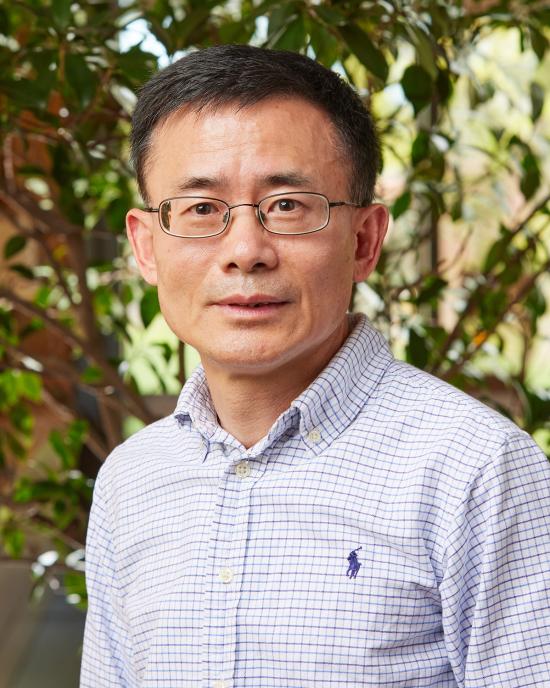
Dr. Douglas L Adams is an Assistant Professor with dual appointments in the School of Education and Environmental Sciences and Society programs at the University of Wisconsin-Platteville. He holds a PhD in Geography from the University of Wisconsin-Madison, alongside advanced degrees in Education, History, and Policy Studies. His research focuses on intersections between environmental sustainability and education equity, particularly in rural contexts. Key interests include decolonizing curricula, community-based education models, and policy analysis for underserved populations. He has published in The Rural Educator and The Professional Educator , addressing topics like Act 31 compliance in Wisconsin schools and global decolonization frameworks. Dr. Adams currently serves in 0140F Doudna Hall and can be reached via adamsdo@uwplatt.edu. His work bridges geospatial analysis with educational policy, emphasizing participatory approaches to systemic change.
Rutgers, The State University of New JerseyUnited States
Bob Kopp is a Professor at Rutgers University's Department of Earth & Planetary Sciences and Co-Director of the University Office of Climate Action. He leads the NSF-funded Megalopolitan Coastal Transformation Hub (MACH), focusing on climate risk management in the Northeast U.S. and advancing understanding of coastal climate interactions. He co-directs the Climate Impact Lab, a multidisciplinary collaboration assessing climate economic risks. His research spans climate uncertainty, sea-level dynamics, and climate policy, with leadership roles in IPCC assessments and U.S. National Climate Assessments. Education: Ph.D. in Geobiology from Caltech (2000s) and B.S. in Geophysical Sciences from the University of Chicago. Prior to Rutgers, he served as AAAS Science & Technology Policy Fellow at the U.S. Department of Energy and postdoctoral researcher at Princeton University. Affiliations include Rutgers Climate Institute, Energy Institute, and graduate programs in Atmospheric Sciences, Geological Sciences, Oceanography, Statistics, and Planning & Public Policy. Research interests emphasize climate change impacts, sea-level projections, and policy integration. Key contributions include frameworks for probabilistic sea-level assessments (e.g., PaleoSTeHM) and adaptive strategies for coastal resilience. His work bridges scientific analysis with actionable policy, emphasizing stakeholder engagement in megaregions like the New York–Philadelphia urban corridor. Grants include NSF-funded projects totaling millions, supporting interdisciplinary climate solutions. Awards: Not explicitly listed, but recognized for leadership in IPCC and U.S. climate reports. Grants: Includes NSF support for MACH and Climate Impact Lab. Labs/Teams: Directs MACH, Climate Impact Lab, and collaborates with Rutgers' EOAS and Climate Institute.
Rutgers, The State University of New JerseyUnited States
Victoria C. Ramenzoni is an Assistant Professor in Marine Policy and Social Science at Rutgers University, leading the Coastal Communities Adaptation Lab. Her research focuses on socioecological systems, adaptation strategies, and environmental policy, with fieldwork in the U.S., Cuba, and Indonesia. She investigates how households adapt to environmental and socioeconomic uncertainty, emphasizing resource governance and nutritional health. Ramenzoni has secured grants from the NSF and NOAA, including a 2021 Coast and People grant studying climate adaptation in Northeast U.S. marginalized communities. She previously served as Executive Secretary of the Interagency Working Group on Ocean Social Sciences (IOSSWG) and contributed to NOAA’s socioeconomic indicator frameworks. Her work bridges anthropology, ecology, and policy to address climate change impacts on coastal livelihoods. Her research spans multiple regions: in the Northeast U.S., she examines commercial fishing adaptations during the pandemic and urban development pressures. In Cuba, she collaborates with Universidad de La Habana on dietary health and hurricane resilience in Yaguajay. In Indonesia, her studies in Flores and Kalimantan explore overfishing, peatland degradation, and traditional ecological knowledge. She employs ethnographic methods, nutritional assessments, and institutional analyses to evaluate long-term adaptation pathways. Ramenzoni’s grants include a National Academies-funded study on offshore extractive activities’ impacts in the Gulf of Mexico and a Texas Commission-backed project on socioecological indicators. She advocates for co-governance models and has published extensively on adaptation frameworks, socioecological monitoring, and the paradoxes of development in oil-dependent regions.
Amity Doolittle is a Senior Lecturer II at the Yale School of the Environment (YSE), Yale University. Her research focuses on property rights, natural resource management, and the social and political processes shaping environmental inequities. She employs interdisciplinary methods from anthropology, political science, environmental history, and political ecology. Notable projects include historical land-use studies in New Haven, Connecticut, and analyses of indigenous rights in global climate policy. She teaches graduate courses on qualitative research methods, environmental justice, and property rights, emphasizing active, collaborative learning. Doolittle holds a B.A. from Harvard University and M.E.S./Ph.D. from Yale University. Her office is located in Kroon Hall, Yale’s environmental campus. Education: B.A., Harvard University; M.E.S., Ph.D., Yale University Her research interests include legal pluralism, historical resource conflicts, and the intersection of colonial and postcolonial discourses. Current projects examine urban land-use changes in New Haven and the rhetorical strategies of indigenous leaders in climate negotiations. She advises 10–12 master’s students annually on thesis projects and placements worldwide. Teaching highlights include Qualitative Research Methods , Environmental Justice , and Political Ecology of Tropical Forests . Her courses integrate hands-on methods, such as analyzing oral histories and policy documents. Labs/Teams: Collaborates with the Urban Resources Initiative (URI) on greenspace stewardship and community-led projects.
Xuhui Lee is the Sara Shallenberger Brown Professor of Climate Science at Yale University's School of the Environment. He maintains offices at Kroon Hall (195 Prospect Street) and laboratory facilities at the Class of 1954 Environmental Science Center (21 Sachem Street, Room 300) in New Haven, Connecticut. Professor Lee is an active researcher and educator specializing in the interactions between the terrestrial biosphere, atmosphere, and anthropogenic drivers, with particular expertise in boundary-layer meteorology and climate science. He is currently on leave for the Fall 2025 semester but continues to accept doctoral students. Professor Lee received his B.S.C. and M.S.C. from Nanjing Institute of Meteorology in China, followed by a Ph.D. from the University of British Columbia. His academic journey has positioned him as a leading expert in climate science, particularly in the areas of land-atmosphere interactions and urban climate systems. Professor Lee's research focuses on boundary-layer meteorology, micrometeorological instrumentation, remote sensing, and carbon cycle science. His work examines biophysical effects of land use on the climate system, greenhouse gas fluxes in terrestrial environments (including forests, cropland, and lakes), isotopic tracers in carbon dioxide and water vapor cycling, and urban climate adaptation and mitigation strategies. His lab employs diverse methodologies including field observations (eddy covariance, optical isotope instruments, and greenhouse gas analyzers), mathematical models (land surface models, large-eddy simulation, WRF, and earth system models), and environmental remote sensing (satellites and drones). The Lee Lab investigates phenomena across multiple scales from micro (urban greenspaces) to global (land wet-bulb temperature, historical deforestation). Analysis of Professor Lee's recent publications reveals a strong focus on urban climate systems, greenhouse gas emissions, and land-atmosphere interactions. His 2024-2025 work demonstrates increasing application of advanced remote sensing technologies and machine learning approaches to climate problems, with significant attention to urban heat islands, methane and CO2 emissions monitoring, and the impacts of land use change on climate systems. His research shows a clear trajectory toward more sophisticated integration of observational data with modeling approaches to address critical climate challenges. Sara Shallenberger Brown Professor of Climate Science (named professorship) Professor Lee actively mentors doctoral students and has established the Lee Lab as a hub for climate research at Yale. His lab group conducts field observations, mathematical modeling, and remote sensing analysis to advance understanding of climate systems. The lab's research infrastructure supports investigations from micro-scale urban environments to global climate patterns, with particular emphasis on urban heat mitigation and greenhouse gas monitoring. The Lee Lab at Yale, located in Room 300 of the Class of 1954 Environmental Science Center, serves as the primary research facility for Professor Lee's team. The lab deploys an array of research methodologies including field observations with eddy covariance systems and optical isotope instruments, mathematical modeling using land surface models and earth system models, and environmental remote sensing with satellites and drones. The lab's research spans multiple spatial scales from micro (urban greenspaces) to global (land wet-bulb temperature patterns), addressing critical questions about climate change impacts and mitigation strategies.
Loring Nies is a Professor of Civil Engineering/Environmental and Ecological Engineering at Purdue University, holding roles in the School of Civil Engineering. He serves on key committees such as the University Senate and the Professional Practice Advisory Committee. His research focuses on environmental engineering challenges, including nanomaterial impacts, bioremediation, anaerobic digestion, and sustainability strategies. He has contributed to advancing interdisciplinary education through initiatives like the foundational graduate course in Environmental and Ecological Engineering. Research interests emphasize understanding nanomaterial interactions with soil microbiology and developing sustainable solutions for water reuse, waste recycling, and end-of-life treatment. His work spans laboratory studies on microbial community dynamics to large-scale analyses of water resource management in HUC-4 basins. He has pioneered methods for economic input-output analysis in advanced manufacturing contexts and explored innovations in environmental engineering education curricula. Notable contributions include studies on fullerene toxicity, metal oxide nanomaterial effects, and bioaugmentation strategies for methane production optimization. His research bridges environmental science with engineering applications, addressing modern challenges in energy storage technologies and industrial symbiosis. While no specific awards are listed, his extensive committee involvement reflects institutional recognition of his expertise. Loring Nies advises on recovery alternatives for wind turbine end-of-life management and has explored frameworks for integrating environmental and business aspects in sustainable product development. His work integrates molecular genetic techniques to assess bioremediation efficacy in contaminated sites, demonstrating a commitment to both theoretical and applied environmental solutions.
Rahim Rahimi is an Assistant Professor of Materials Engineering at Purdue University, associated with the College of Engineering. His research focuses on advanced materials for biomedical applications, environmental sensing, and flexible electronics. Key interests include developing smart sensors for healthcare, antibacterial coatings for medical implants, and sustainable agricultural monitoring systems. Research emphasizes targeted drug delivery systems via smart capsules, environmental sensor networks for water quality and soil health, and nanotechnology applications in wearable devices. Notable projects include oxygen-generating surgical meshes for wound healing and low-cost wireless sensors for precision agriculture. His work bridges materials science with clinical and environmental challenges, leveraging plasma deposition techniques and nanomaterial functionalization. Recent efforts focus on self-calibrating sensors and integrating machine learning for manufacturing optimization. No scientific awards are explicitly listed in the provided information. His advisory role and grant activities are inferred through his research outputs in materials engineering and biomedical innovation. Rahimi collaborates across disciplines within Purdue's engineering ecosystem, contributing to labs focused on bio-inspired materials and flexible electronics. Future work aims to advance implantable medical devices and scalable sensor technologies for global health applications.
Cristina Torres-Machi is an Assistant Professor of Civil, Environmental and Architectural Engineering at the University of Colorado Boulder, holding the Beavers Professorship of Construction Engineering. She earned her PhD in Civil Engineering from Universitat Politècnica de Valencia and Universidad Católica de Chile (2015), a MSc in Planning and Management in Civil Engineering (2012) and BSc in Civil Engineering (2008) from Universitat Politècnica de Valencia. Her research focuses on infrastructure asset management, sustainability/resilience in transportation, and decision-making optimization systems. She leads the Innovation for Resilient Infrastructure (IRI) research group, advancing methodologies for long-term infrastructure management. Recognized with awards including the Abertis International Award (2016) and excellence in PhD dissertation (2015/2017), she serves as Chair of ASCE’s Construction Research Council and Vice-Chair of TRB’s Transportation Asset Management committee. Her work integrates machine learning, predictive analytics, and data science to improve pavement performance and lifecycle cost analyses. Professional affiliations include the American Society of Civil Engineers (ASCE) and active roles in TRB committees. Research emphasizes pavement rehabilitation strategies, flood impact modeling, and equitable infrastructure adoption trends. Over 60 publications (60+ citations) span journal articles, conference proceedings, and book chapters, with projects funded by public/private agencies. Current projects explore satellite-based monitoring, EV infrastructure impacts, and disaster-resilient traffic systems. Her recent work addresses procurement fallacies in design-build projects and integrates social vulnerability assessments in natural hazard planning.
Ningchuan Xiao is a Professor of Geography at The Ohio State University's Department of Geography. His work bridges Geographic Information Science (GIScience) with computational methods, emphasizing spatial optimization, cartography, and machine learning integration. Education: Ph.D. in Geography from The University of Iowa (2003). Courses taught include GIS fundamentals, cartography, and Python-based spatial analysis. Research Interests: Spatial Optimization: Developing algorithms for land acquisition, redistricting, and resource allocation. Machine Learning & Cartography: Exploring AI-driven map interpretation and ethical visualization of complex data. Census Data: Innovating privacy-preserving techniques while maintaining data utility, including temporal/spatial modeling. Open Source Tools: Authored GIS Algorithms (2016) and maintains GitHub repository 'gisalgs' for accessible code. Publications: Recent work (2023-2025) highlights advancements in synthetic microdata generation, privacy-utility tradeoffs in census aggregation, and AI-driven cartographic recognition. His 2022 studies include traffic camera analytics and choropleth map QA systems. Awards: Not explicitly listed in the provided texts. Advising & Grants: Collaborated with researchers like Y. Lin, J. Li, and S. Bao. Projects include the Sustainable Columbus Observatory (SCO) for urban sustainability metrics. Research is supported through academic partnerships and computational initiatives.
David R. Nielsen is a Professor and Program Chair for Chemical Engineering at Arizona State University (ASU), within the School for Engineering of Matter, Transport and Energy. He holds additional roles as Senior Global Futures Scientist and is affiliated with Microbiology (PhD) and Molecular/Cellular Biology (MS/PhD) programs. His research focuses on metabolic engineering and synthetic biology to develop microbial platforms for converting renewable resources into fuels and chemicals. Education: Postdoc at MIT (2006-2009), PhD from Queen’s University (2006), and B.Sc. from University of Colorado-Boulder (2001). His lab, the Nielsen Lab, integrates microbiology, bioprocess engineering, and systems biology to address challenges in sustainable biomanufacturing. Key research areas include microbial community engineering, CO2 fixation, and biofuel production. Notable achievements include the 2018 Fulton Exemplar Faculty Award and the 2010-2011 Outstanding Professor distinction. His work spans over 80 peer-reviewed publications and includes collaborations with industry partners like Ajinomoto and Sustainable Conversion Ventures. Current projects involve enhancing cyanobacterial CO2 utilization and developing integrated bioprocessing strategies. Advising highlights include mentoring PhD candidates like Dr. Zach Dookeran and Dr. Andrew Flores, and overseeing Master’s students such as Omar Abed and Chandra Chey. Research funding exceeds $10M from NSF, DOE, and industry grants, supporting initiatives in biorefinery design, microbial tolerance engineering, and carbon-neutral processes. Professional contributions include editorial roles for Biotechnology Notes and Frontiers in Microbiology , alongside membership in AIChE, SIMB, and the Engineering Biology Research Consortium. The lab is located in Biodesign C, emphasizing interdisciplinary solutions to global sustainability challenges.
Eli Blevis is a Professor of Informatics at Indiana University's Luddy School of Informatics, Computing, and Engineering, with a joint appointment as Visiting Professor at Hong Kong Polytechnic University's School of Design. His research focuses on Sustainable Interaction Design, Visual Thinking, and Transdisciplinary Design Theory. He is renowned for integrating sustainability principles into HCI practices and exploring the role of visual media in design and education. Affiliations: Luddy School of Informatics, Computing, and Engineering, Indiana University Visiting Professor, School of Design, The Hong Kong Polytechnic University Research Interests: Sustainable Interaction Design (SID) Visual Thinking in HCI (e.g., photographic ethnography) Design Pedagogy (e.g., Design Challenge-Based Learning) Sustainability in Digital Infrastructure Cross-Cultural Design Practices His work spans over 50 publications, with awards including the CHI Best Paper and Computing Reviews Notable Paper. He advises students on projects like visible mending, nonlinear design thinking, and sustainable food systems. Blevis also curates the Visual Thinking Gallery and contributes to international conferences like NordiCHI and DIS. His lab explores tangible interfaces (e.g., MemoryReel) and eco-conscious design strategies. Awards: CHI Best Paper Award CCC Sustainability Award ACM Computing Reviews Notable Paper DIS Best Paper Award Grants and Funding: Research supported by NSF and industry partnerships.
Taskin Padir is a Professor in the Department of Electrical and Computer Engineering at Northeastern University and concurrently serves as an Amazon Scholar. He holds a PhD and MS from Purdue University and a BS from Middle East Technical University. His research focuses on experiential robotics, human-robot teaming, and embodied AI, with leadership roles in the Robotics and Intelligent Vehicles Research Laboratory (RIVeR Lab) and the Institute for Experiential Robotics. Padir has led projects for DARPA, NASA, and industry partners, advancing autonomous systems for extreme environments and human-robot collaboration. Education: PhD, Electrical and Computer Engineering, Purdue University (2004) MS, Electrical and Computer Engineering, Purdue University (1997) BS, Electrical and Electronic Engineering, Middle East Technical University (1993) Research Interests: Shared autonomy and human-in-the-loop robotics Embodied artificial intelligence Human-robot teaming in extreme environments (e.g., space, disaster zones) Collaborative robotics for industrial applications His work bridges robotics, AI, and real-world challenges, with recent projects addressing seafood processing automation, robotic navigation in unstructured terrains, and spectroscopy-based environmental monitoring. Awards: Recipient of the 2024 Faculty Research Team Award, 2023 Impact Award, and 2022 Amazon Scholar distinction. His research has been funded by NSF, DARPA, NASA, and industry collaborators like Amazon Robotics and Intel. Labs: Director of the RIVeR Lab and Institute for Experiential Robotics, fostering interdisciplinary research in autonomous systems and intelligent vehicles. Current projects include CRISP (Co-worker Robots for Seafood Processing) and PROSPECT (robotic spectroscopy tools).