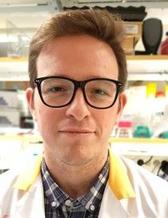
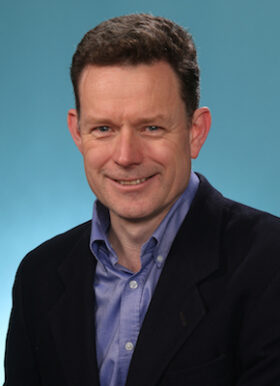
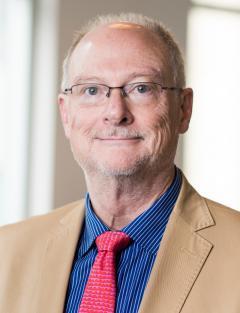
George M. H. Birchenough is a Senior Lecturer at the Department of Medical Biochemistry and Cell Biology, University of Gothenburg. His research focuses on intestinal mucus barrier function, host-microbiota interactions, and mucin glycosylation dynamics. Key research themes include Pathogen-mucus interactions (E. coli, Ureaplasma) Dietary and microbial modulation of mucosal barriers Developmental biology of intestinal goblet cells Evolutionary conservation of mucosal defenses Recent publication trends reveal expertise in Transkingdom signaling between protozoa and host Genetic models of mucin crosslinking Environmental impacts on intestinal barrier integrity Comparative mucosal immunity across species
Michael J. Barratt serves as Professor of Pathology and Immunology at Washington University School of Medicine and Executive Director of the Center for Gut Microbiome and Nutrition Research. He co-directs the Breast Milk Gut Microbiome and Immunity (BMMI) and Environmental Enteric Dysfunction (EED) Projects within Jeffrey Gordon's laboratory, supported by the Bill & Melinda Gates Foundation and NIH. His educational background includes: BA (Hons) in Biochemistry, Exeter College, Oxford University (1990) MA in Biochemistry, Exeter College, Oxford University (1992) PhD in Cell Biology/Molecular Sciences, King's College London (1994) Dr. Barratt's research centers on gut microbiome interactions in maternal/childhood undernutrition and EED, utilizing gnotobiotic models to study microbe-host signaling. His team developed microbiota-directed foods (MDFs) that outperform current therapies in repairing microbiota dysfunction and promoting growth in malnourished children, with ongoing clinical trials across South Asia and Africa. His publications demonstrate translational focus from genomic reconstruction of gut bacteria to clinical validation of nutritional interventions, emphasizing geographic adaptation of MDFs and mechanistic understanding of microbiome-nutrition interactions. Key recognitions include: Nature Global Grants for Gut Health Research Group Prize (2023) Science Breakthrough of the Year Runner-up (2019) icddr,b Recognition for Malnutrition Research (2022) Clinical Research Forum Top 10 Award (2021) Tadion-Rideal Prize (Molecular Science) With 17 years in pharmaceutical R&D at Pfizer and Unilever, he has led teams developing 15+ clinical compounds and pioneered drug repurposing research. His current work integrates global health partnerships with WHO, icddr,b, and Gates Foundation-funded consortia to optimize microbiome-based therapies. He directs international research teams across the Gordon Lab, focusing on microbiome-nutrition interactions through the BMMI and EED projects, with field sites in Bangladesh, Niger, and other low-resource settings.
Dehao Chen is a Postdoctoral Research Fellow in the Department of Epidemiology at Emory University. His work focuses on understanding the epidemiological and socio-environmental determinants of infectious diseases and nutritional outcomes in low-and middle-income countries, particularly in Ethiopia and China. Research interests include: Campylobacter spp. colonization in infants and its association with household environments and livestock Impact of women’s engagement in agricultural activities (e.g., khat production) on child nutrition One Health approaches to address zoonotic pathogens and socio-environmental health challenges Geospatial analysis of health risks in rural regions Vaccine efficacy studies (e.g., enterovirus 71 in China) Clinical case studies of imported tropical diseases, such as atypical cerebral schistosomiasis Recent articles (2020–2025) highlight trends in longitudinal studies of Campylobacter dynamics, socio-economic factors influencing child nutrition, and the integration of geospatial tools into public health research. Earlier work (2014–2015) explored veterinary microbiology and diagnostics for livestock pathogens in China. No scientific awards or honors are listed in the provided information. Dr. Chen has not reported any advisees or grants associated with his current role.
Marinka van der Hoeven is an Assistant Professor at the Vrije Universiteit Amsterdam , affiliated with both the Faculty of Science (Infectious Diseases) and the APH - Global Health department. Her work primarily focuses on global health challenges such as malnutrition, water-sanitation-hygiene (WASH) practices, and telehealth innovations in low-resource settings. She contributes to UN Sustainable Development Goals related to health and nutrition. Her research spans topics including childhood malnutrition interventions, gut microbiota's role in severe acute malnutrition, and community health worker support systems. Recent projects include randomized controlled trials in Indonesia and Uganda, emphasizing sustainable health solutions. She teaches courses like Nutrition and Infectious Disease , reflecting her interdisciplinary approach. Key research trends show a focus on: (1) integrating WASH and nutrition practices, (2) leveraging telehealth for pandemic response, and (3) microbiome-based treatments for malnutrition. Her studies frequently involve cross-sectional surveys and longitudinal analyses in regions like Cambodia, Laos, and South Africa. While no awards are explicitly mentioned, her extensive publication record highlights impactful contributions to global health research. No grants or advising roles are detailed here, though collaborations with institutions like the Development Research Institute of Laos and Uganda's Ministry of Health are evident. She actively participates in global health networks, emphasizing policy-relevant research to address systemic health inequities.
Dr. Amanda Fortes Francisco is Assistant Professor in the Department of Infection Biology at the London School of Hygiene & Tropical Medicine. She holds an MSc and PhD in Biological Sciences from the Federal University of Ouro Preto, Brazil, with expertise in parasitic disease pathogenesis and drug discovery. Her research utilizes advanced in vivo imaging systems to study Trypanosoma cruzi and Trypanosoma brucei, focusing on Chagas cardiomyopathy and Environmental Enteric Dysfunction (EED). Her primary research areas include: Chagas disease pathogenesis with focus on inflammation and fibrosis In vivo imaging technology for tracking disease progression High-throughput screening for neglected disease drug discovery Interdisciplinary collaborations to accelerate therapeutic development Dr. Francisco's 15 most recent publications demonstrate consistent focus on therapeutic interventions for trypanosome infections, with emerging themes including: Combination therapies for chronic Chagas disease Novel drug mechanisms targeting topoisomerases and DNA Validation of animal models for pathogenesis studies Application of bioluminescent imaging in efficacy evaluation She serves in multiple institutional roles: Academic Lead for In Vivo Imaging Systems Member of Animal Welfare and Ethical Review Board Member of Flow Cytometry and Imaging Focus Group Member of Genetic Modification Safety Committee Her teaching portfolio includes: Tutor for Distance Learning modules (IDM601, IDM203) Lecturer on Molecular and Cell Biology of Infectious Disease Supervisor of MSc research projects Trainer in animal and histological techniques
Professor Hong Zhou is a distinguished academic at the University of California Los Angeles (UCLA) , where he serves as a Professor in the Department of Microbiology, Immunology, and Molecular Genetics. His work bridges structural biology, virology, and cryo-electron microscopy (cryo-EM), with a focus on visualizing biological complexes and viral pathogenesis. Education: PhD in Biochemistry (Baylor College of Medicine, 1995), MS in Solid-State Physics (University of Science and Technology of China), BS in Physics (University of Science and Technology of China). Research Interests: Professor Zhou pioneers high-resolution cryo-EM and cryo-electron tomography (cryo-ET) to study viral structures, microbial complexes, and cellular mechanisms. His lab deciphers how viruses like herpesviruses and coronaviruses assemble, enter cells, and interact with host factors, while also advancing computational methods for structural analysis. Scientific Contributions: His recent work includes revealing novel α-synuclein strains linked to neurodegenerative diseases, uncovering species-specific features in herpesvirus tegument and envelope proteins, developing AI-driven cryo-EM techniques to resolve preferred-orientation artifacts. Awards: He is an Elected Fellow of the American Academy of Microbiology (2024), a Pew Scholar in Biomedical Sciences (1999), and has received the Basil O’Connor Scholar Award, Established Investigator Award of the American Heart Association, and the KH Kuo Award for Distinguished Scientist. Labs & Collaborations: As founding Director of the Electron Imaging Center for NanoMachines (EICN) at UCLA’s California Nanosystems Institute (CNSI), he leads a multidisciplinary team advancing structural proteomics and viral pathogenesis research.
Jeffrey Griffiths, MD, is a Professor at Tufts University School of Medicine in the Department of Public Health and Community Medicine, with adjunct roles in Tufts School of Engineering (Civil and Environmental Engineering) and former roles at the Friedman School of Nutrition Science and Policy. He holds joint appointments in the Department of Medicine and leads interdisciplinary global health initiatives. Education: Doctor of Medicine (1982), Albert Einstein College of Medicine Bachelor of Arts (1977), Harvard University Research Interests: Scaling health interventions in developing nations, Cryptosporidium epidemiology, vaccine development, environmental factors (air pollution/heavy metals) influencing infectious diseases, and maternal/child nutrition. His work emphasizes One Health approaches and policy advocacy in water security and environmental health. Grants & Leadership: Lead the USAID-funded Strategies to Prevent Spillover (STOP Spillover) program (2020–2025) and previously directed the One Health Workforce (OHWF) initiative. Active in NIH-funded studies on schistosomiasis control and respiratory cryptosporidiosis. Teaching: Teaches courses like 'Infectious Disease Epidemiology' and 'Biology of Water & Health,' supervising post-doctoral fellows and resident physicians in infectious diseases. Clinical Roles: Attending physician in Geographic Medicine and Infectious Diseases at Tufts Medical Center, with decades of clinical teaching experience.
Kalliopi Anna (Liana) Poulia is an Assistant Professor of Clinical Dietetics at the Agricultural University of Athens, Department of Food Science and Technology. Previously, she served as a Clinical Dietitian-Nutritionist at the University Hospital of Athens from 2003 to 2021. Her work focuses on renal disease nutrition, oncology nutrition, malnutrition management, and artificial nutritional support. Professional leadership roles include serving as General Secretary of the Hellenic Medical Society of Clinical Nutrition and Metabolism (GrESPEN) and ESPEN LLL Director since 2024. She also serves as a Nutrition Consultant for the European Dialysis and Transplant Nurses Association/European Renal Care Association (EDTNA/ERCA). Research interests emphasize clinical nutrition applications in chronic kidney disease, metabolic disorders, and oncology. Her work explores synergies between Mediterranean dietary patterns and time-restricted feeding in managing metabolic dysfunction-associated liver disease (MASLD), with recent studies examining organic food impacts and hydration strategies in dementia care. Publications highlight nutritional interventions in Crohn’s disease, pediatric parenteral nutrition safety, and global parenteral nutrition availability post-pandemic. She has authored medical textbooks on clinical nutrition in both English and Greek, and actively contributes to international nutrition education through courses on life cycle nutrition, nutritional assessment, and clinical nutrition fundamentals. Awards and recognitions are not explicitly listed, but her leadership roles and prolific publication record reflect significant professional standing. Her work integrates clinical practice with sustainability initiatives in hospital food systems and global nutrition equity challenges.
Kenneth Kwan Ho Chui is an Associate Professor in the Department of Public Health and Community Medicine at the Tufts School of Medicine, Tufts University. His academic roles include secondary faculty appointments and research leadership. He holds a Ph.D. in Food Policy and Applied Nutrition from Tufts' Friedman School. His research focuses on nutrition interventions, public health policy, and epidemiological studies addressing chronic disease and substance use disorders. Key research interests include the impact of nutrition programs on child development, opioid use disorder management, and global health challenges such as environmental enteric dysfunction in undernourished populations. His work spans randomized controlled trials, cohort studies, and geographic health analyses. Recent publications highlight studies on medically tailored meal programs for cancer patients, spatial access to opioid treatment, and dietary supplement mortality associations. Collaborations involve institutions like the Friedman School, NIH-funded projects, and global health initiatives in Sierra Leone and Bolivia. No specific scientific awards are listed, but his contributions to public health research are evident through his peer-reviewed output. No detailed grants or lab affiliations are provided in the text.
Vladimir Parpura is a Professor in the Department of Neurobiology at the University of Alabama at Birmingham , with additional appointments as Senior Scientist at the O'Neal Comprehensive Cancer Center and Global Center for Craniofacial Disorders . His research spans multiple departments including Cell, Developmental and Integrative Biology and Biomedical Engineering . Research Focus: Astrocyte biology, neuron-glia interactions, neurodegenerative diseases, nanoneurobiology, and neuroendocrinology Key Themes: Mechanisms of astrocytic regulation in sleep-wake transitions, purinergic signaling in enteric glia, and glial contributions to epilepsy and psychiatric disorders His recent publications highlight translational glioscience with applications in glioblastoma treatment , TBI recovery , and neuroinflammatory modulation . Current grants from NIH and NSF support investigations into organellar ion exchange in schizophrenia, lncRNA regulation in aging brains, and glial roles in Rett syndrome.
Professor Derek Lang (he/him) is a Senior Fellow of the Higher Education Academy and Fellow of the British Pharmacological Society at Cardiff University , affiliated with both the School of Medicine and School of Pharmacy and Pharmaceutical Sciences . As Director of the BSc Medical Pharmacology program for over a decade, he has shaped graduates entering medicine, dentistry, and pharmaceutical industries. Research Interests: Cardiovascular pharmacology Endothelial and vascular smooth muscle cell biology Mechanisms of endothelial/vascular dysfunction in disease states Role of folic acid in nitric oxide pathways Environmental impacts on vascular function Redox stress in diabetes and arthritis Publication Trends (1990–2021): 15+ studies spanning from foundational work on nitric oxide synthesis in hypercholesterolemia to contemporary research on cytokine signaling in inflammatory arthritis, with recurring themes in folic acid modulation of endothelial function and redox biology. Honors: Fellow of the British Pharmacological Society (FBPhS) Senior Fellow of the Higher Education Academy (SFHEA) Teaching Leadership: Directs the Medical Pharmacology BSc course and leads a dedicated educator group achieving National Student Survey excellence . Courses include Autonomic Nervous System Pharmacology, Tropical Disease Pharmacology, and Cardiovascular Disease Pharmacology. Laboratory Contributions: Formerly engaged in "hands-on" research with rabbit and pig models, now focused on research-led pedagogy . Maintains collaborative ties with British Pharmacological Society.
Daniel T. Leung is a tenured Professor at the University of Utah in the Division of Infectious Diseases , holding the Dr. Thomas D. Rees and Natalie B. Rees Presidential Endowed Chair in Global Medicine . He is Board-Certified in Infectious Diseases and serves as the Utah site director for the CDC-sponsored Global TravEpiNet and GeoSentinel networks. Clinically, he works at the University of Utah Hospital and the International Travel Clinic , with international experience in Asia, Africa, and South America. Education : MD from Wake Forest University School of Medicine, Residency in Internal Medicine (University of Washington), Fellowship in Infectious Diseases (Harvard Medical School/Beth Israel Deaconess Medical Center). Research Focus : Immunology and clinical management of diarrheal diseases (e.g., cholera), MAIT cell biology , gut dysfunction , and serosurveillance . Recent work includes cholera vaccine development, antimicrobial resistance in travelers, and environmental drivers of diarrheal disease. Scientific Awards : Dr. Thomas D. Rees and Natalie B. Rees Presidential Endowed Chair in Global Medicine Grants from NIH , DoD , Thrasher Foundation , Bill & Melinda Gates Foundation , and Margolis Foundation support his work on cholera immunology, vaccine platforms, and global disease modeling.
Jaan-Olle Andressoo is a Professor at the Department of Pharmacology, University of Helsinki, affiliated with the Faculty of Biology and Environmental Sciences. He serves as supervisor for multiple doctoral programs including Brain & Mind, Drug Research, and Integrative Life Science. His research focuses on biomedicine, neuroscience, and pharmacology, particularly investigating the role of GDNF (Glial Cell Line-Derived Neurotrophic Factor) in neurodevelopment and neurodegenerative diseases. Current projects examine motor learning mechanisms in Purkinje cells, intestinal neurobiology, and Parkinson's disease models. Pioneer Innovator Grant (Novo Nordisk Fonden, 2025-2026) Juselius Foundation Grant (2025-2026) EU Horizon Research Action (2025-2028) Recent publications highlight his work on protein evolutionary analysis, GDNF regulation of neuronal development, and metabolic interventions in Parkinson's disease models. His research integrates developmental genetics with translational medicine.
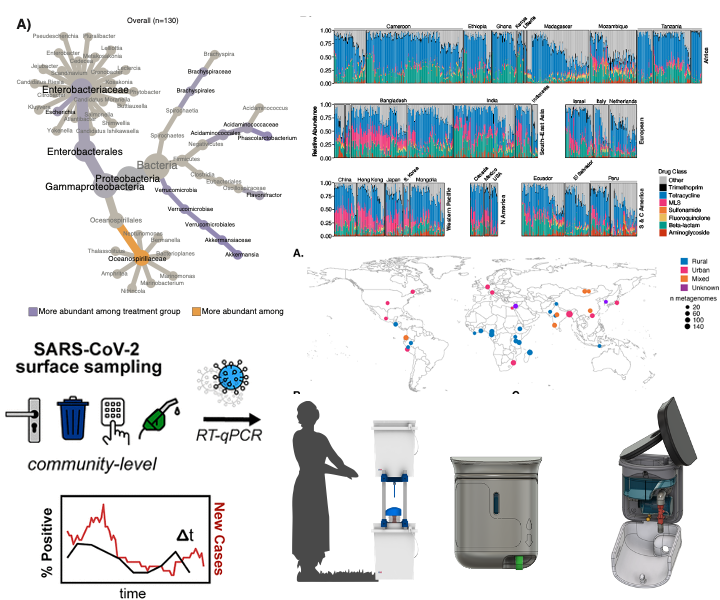
Amy Pickering is an Associate Professor at the University of California, Berkeley, jointly appointed in the Department of Civil and Environmental Engineering (College of Engineering) and the Blum Center for Developing Economies. She holds the Blum Center Distinguished Chair in Global Poverty and Practice and leads the Pickering Lab, which focuses on interdisciplinary research to improve health in low-income countries through engineering, epidemiology, and microbiology. Her educational background includes: Ph.D. in Interdisciplinary Program in Environment and Resources, Stanford University (2011) M.S. in Environmental Engineering, University of California, Berkeley (2004) B.S. in Biological and Environmental Engineering, Cornell University (2003) Dr. Pickering's research centers on disease transmission pathways, water and sanitation systems, public health surveillance, zoonotic diseases, and antimicrobial resistance in resource-limited settings. Her lab develops low-cost interventions like passive chlorination systems and frugal soap dispensers, emphasizing human-centered design to avoid burdening users. Current projects include environmental surveillance using soil and surface sampling, molecular tracking of antibiotic resistance across humans-animals-environment, and evaluating integrated WASH-nutrition interventions. Her approach combines epidemiology, genomics, and engineering to create scalable solutions for interrupting disease transmission in communities. Analysis of her 2025 publications reveals a dominant focus on antimicrobial resistance transmission dynamics using advanced genomic tools (e.g., CRISPR-Cas9 nanopore sequencing), with strong emphasis on environmental surveillance methods and cross-country comparative studies in Bangladesh, Kenya, Peru, and India. Key trends include investigating weather-climate impacts on pathogen transmission, household-level water contamination pathways, and integrated WASH-nutrition interventions to reduce antibiotic use. Her work consistently applies One Health frameworks to address complex disease transmission at human-animal-environment interfaces in low-resource settings. Scientific recognition includes: NSF CAREER Award CZ Biohub Investigator designation Rising Star in Environmental Research (2024) Dr. Pickering secured a $3.5 million NIH research grant in 2024 to advance environmental surveillance of antimicrobial resistance. Her lab actively recruits graduate students and postdocs, emphasizing field-based research in Africa and South Asia. She has published over 80 peer-reviewed articles and maintains active collaborations with institutions in Benin, Kenya, Tanzania, Mali, Mexico, Sri Lanka, Bangladesh, and India. Her advising philosophy prioritizes community co-creation of technologies and rigorous field evaluation of interventions. The Pickering Lab operates as a multidisciplinary team of engineers, microbiologists, and epidemiologists conducting field studies across multiple continents. Current initiatives include the CZ ID platform for pathogen detection, longitudinal sampling of enteric pathogens in pastoralist communities, and development of affordable water quality monitoring tools. The lab maintains strong partnerships with local institutions in study countries to ensure research relevance and sustainability.
Lia C. Haskin Fernald is a Professor of Community Health Sciences at the University of California, Berkeley's School of Public Health. Her research focuses on socio-economic disparities, child health, and development in low- and middle-income countries (LMICs), with an emphasis on systemic interventions to improve outcomes for vulnerable populations, particularly children in poverty. She holds a Fulbright Scholar distinction from Jamaica, a PhD from the University of London, an MBA from UC Berkeley, and a BA from Swarthmore College. Her research interests include interventions to address health inequities, child nutrition, immigrant health, and the role of early-life experiences in shaping developmental trajectories. Notable areas of study include environmental enteric dysfunction, stress biomarkers in child development, and the impact of tax policies like the Child Tax Credit on family well-being. Her work spans Bangladesh, Kenya, India, and other LMICs, with a focus on scalable solutions. Dr. Fernald has pioneered multi-arm cluster-randomized trials evaluating integrated interventions (e.g., water, sanitation, nutrition, psychosocial stimulation) on child outcomes. Her studies often address policy gaps, such as barriers to accessing safety net programs and the effects of digital tools on health-worker performance. She also explores intergenerational impacts of education and economic policies in contexts like India and Kenya. Her work has been featured in outlets like the San Francisco Chronicle and VoxDev, and she collaborates with institutions like the Berkeley Food Institute and the Center for Effective Global Action (CEGA). Awards include the Fulbright Scholar designation, and her research has informed global health strategies, including combatting infant formula marketing in LMICs. Dr. Fernald teaches courses on global nutrition, U.S. food policies, and maternal-child health, bridging academic research with public health practice. Her grants and studies emphasize equity-focused interventions, often involving community health workers and government systems.