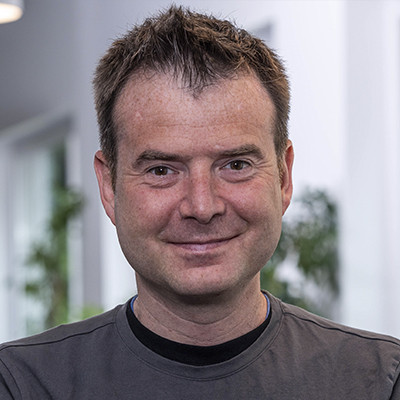
Jeppe Lund NielsenView profile
Professor
Jeppe Lund Nielsen is a Professor in the Department of Chemistry and Life Sciences at the Faculty of Engineering and Science, Aalborg University, Denmark. His research lies at the intersection of microbial ecology, genomics, and environmental biotechnology, with a strong focus on sustainable solutions for wastewater treatment, anaerobic digestion, and environmental monitoring. His primary research interests include Microbial Ecology, Functional Ecology, Genomics, Molecular and Technical Microbiology, Anaerobic Digestion, Metagenomics, and eDNA Metabarcoding . He applies molecular tools to understand microbial community dynamics in engineered and natural systems, particularly in wastewater and marine environments. His work contributes to the UN Sustainable Development Goals related to clean water, sustainable cities, and climate action. The recent publication trends reflect a strong emphasis on environmental applications of microbiome science, including nitrogen cycling in wastewater, bioaerosol exposure in workers, eDNA-based biodiversity monitoring, and valorization of waste streams through biotechnology. His articles frequently appear in high-impact environmental and microbiological journals and demonstrate interdisciplinary collaboration across engineering, ecology, and public health. Among his notable scientific contributions are leadership roles in significant research projects such as the AAU Bubble Project (Power2Proteins), JAMBO seabed impact study, and investigations into biotechnological pesticides. He has also contributed to public discourse through media engagement on topics like pesticide regulation and environmental innovation. Professor Nielsen has supervised PhD students, including M. Eskeldsen, and is actively involved in grants and collaborative research across Europe. He is a key member of research teams focused on environmental microbiology, wastewater biotechnology, and marine impact assessments. His lab integrates molecular biology, bioinformatics, and environmental engineering to address pressing sustainability challenges.