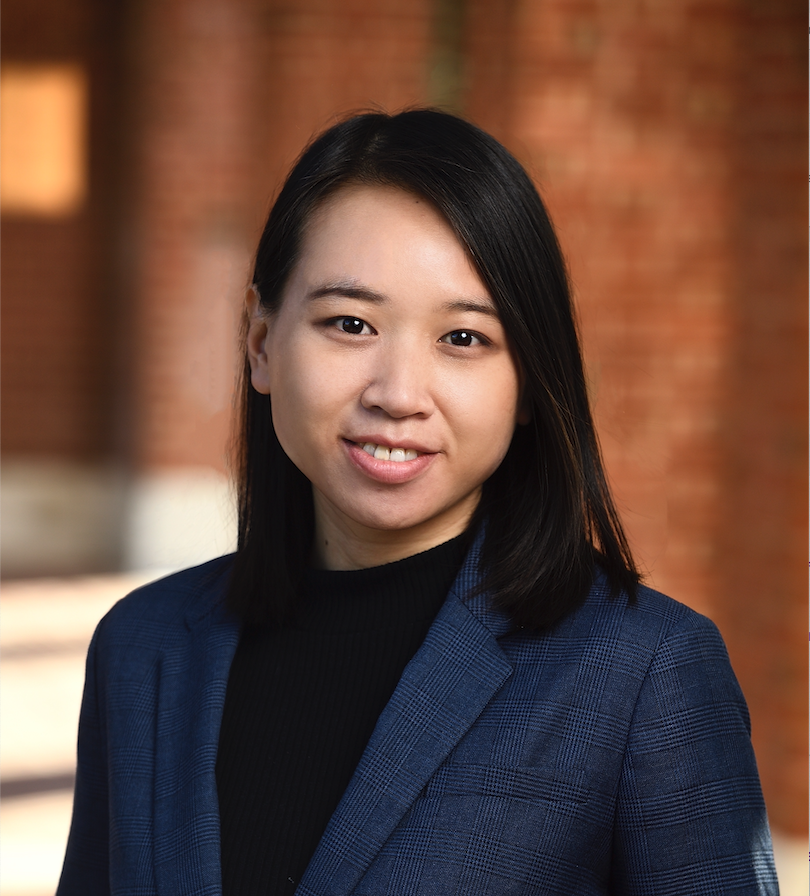
Anqi Liu is an Assistant Professor in the Department of Computer Science at the Whiting School of Engineering, Johns Hopkins University. She maintains significant affiliations with the Johns Hopkins Mathematical Institute for Data Science (MINDS) and the Johns Hopkins Institute for Assured Autonomy (IAA), while also collaborating extensively with the Center for Language and Speech Processing (CLSP) and the Laboratory for Computational Sensing and Robotics (LCSR). Her research focuses on developing principled machine learning algorithms for building reliable, trustworthy, and human-compatible AI systems in real-world applications. Key research areas include: Distributionally robust learning under covariate shift Uncertainty quantification for AI safety and fairness Safe exploration in control systems Fair machine learning under distribution shift Active learning under label shift Dr. Liu's work addresses critical challenges in high-stakes AI applications where reliability, safety, and societal impact are paramount. Her methods ensure AI systems remain robust to changing data environments, provide accurate uncertainty estimates, and incorporate human preferences in interactions. Analysis of her recent publications reveals a strong trajectory in trustworthy AI research with significant contributions to distribution shift handling, uncertainty quantification techniques, and safe decision-making frameworks. Her work bridges theoretical foundations with practical applications across healthcare, robotics, and social media analysis. Amazon Research Award Dr. Liu actively mentors eight PhD students and teaches specialized courses on Machine Learning for Trustworthy AI and standard Machine Learning at Johns Hopkins University, preparing the next generation of researchers to address critical challenges in AI safety and reliability.
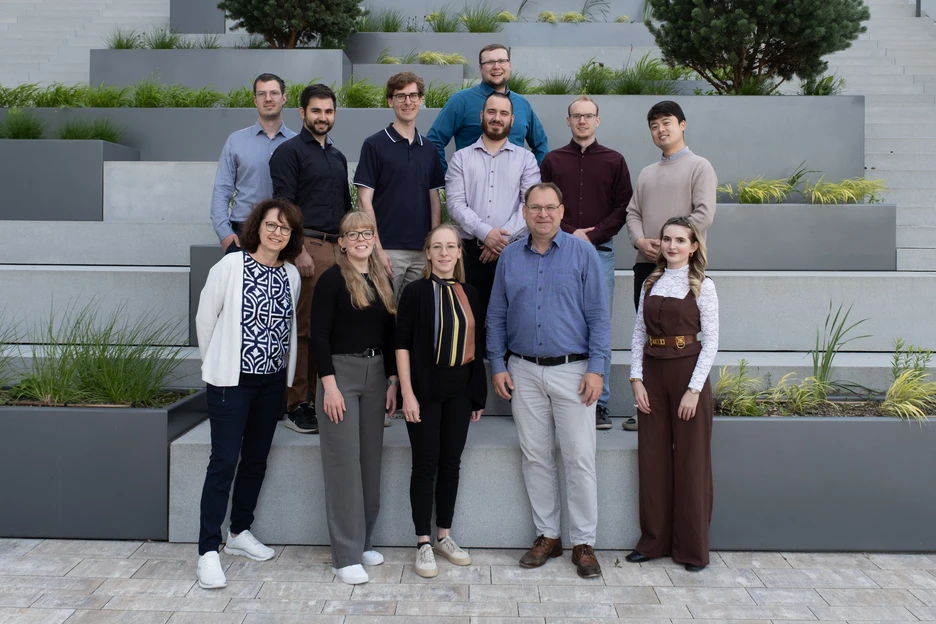
Dr. rer. nat. Thomas Hermann is a faculty member at Bielefeld University's Faculty of Engineering, leading the Ambient Intelligence Group and coordinating the Computer Science program. He specializes in sonification, auditory data science, and smart environments. Head of Ambient Intelligence Working Group Computer Science Program Coordinator Member of multiple academic advisory boards His research focuses on interactive sonification for biomedical applications, quantum systems, and smart environments. Key projects include ECG sonification for cardiac diagnosis, real-time auditory feedback in swimming, and sonic interfaces for AR cooperation. Recent publications span 2025 with Python-based sonification tools ( pya AGen ), quantum system sonification, and ST-elevation myocardial infarction monitoring. He contributes to open-access supplementary materials and interdisciplinary workshops. As a researcher , Hermann develops practical sonification frameworks like Panson for facial behavior analysis, CardioScope for portable ECG monitoring, and Base Cube One for smart environments. His work bridges academic research with industry applications.
Gil Serrancoli Masferrer is an Associate Professor in the Department of Mechanical Engineering at the School of Engineering of East Barcelona (EEBE), part of the Polytechnic University of Catalonia (UPC). He is affiliated with the InSup - Research Group in Surface Interaction in Bioengineering and Materials Science and the LAM - Multimedia Applications and ICT Laboratory. His work focuses on biomechanics, computational modeling, and telerehabilitation systems development for clinical applications. Dr. Serrancoli's research spans multisolid dynamics, dynamic optimization, movement simulation, and telerehabilitation systems. His expertise lies in applying computational techniques to solve complex problems in orthopedics, gait analysis, and rehabilitation engineering. His work bridges mechanical engineering with biomedical applications, particularly in musculoskeletal modeling and simulation of orthopedic procedures. He has developed novel computational frameworks for estimating internal musculoskeletal loading and muscle adaptation in various conditions, including hypogravity environments. His recent publications demonstrate a strong focus on in-silico modeling of orthopedic procedures, particularly knee osteotomies (proximal fibular osteotomy versus high tibial osteotomy), with detailed analysis of joint pressure redistribution. He has also pioneered the application of machine learning techniques, particularly recurrent neural networks, to biomechanical problems including cycling biomechanics and running dynamics prediction. His work consistently integrates computational efficiency with clinical relevance. Technical Award - OpenSim+ Advanced Workshop March 2024 Accésit del XLV Congreso de la Sociedad Ibérica de Biomecánica y Biomateriales European Society of Biomechanics Travel Award OpenSim Virtual Workshop - Technical Award OpenSim Visiting Scholar 2017 Enginyers BCN 2018 Dr. Serrancoli leads several competitive R&D projects including 'Muvity: a novel physical telerehabilitation system' for vulnerable populations and 'Simulaciones predictivas in silico para cirugías ortopédicas' (Predictive in-silico simulations for orthopedic surgeries). He collaborates extensively with researchers across Europe, particularly with Jordi Torner, Josep Maria Font Llagunes, and Joan Carles Monllau, and has secured funding from national and regional programs including Plan Estatal de Investigación Científica y Técnica y de Innovación. He is actively involved in the BIOMEC - Biomechanical Engineering Lab and the TecSalut - Research Group in Health Technologies, where he contributes to the development of innovative solutions for healthcare challenges, particularly in the areas of telerehabilitation and computational biomechanics for orthopedic applications.
Professor Roland J. Pieters is a distinguished academic at Utrecht University's Faculty of Science, where he serves as a full Professor in the Department of Chemical Biology and Drug Discovery. With over two decades of experience at the institution, he has progressed from Assistant Professor (1998) to Associate Professor (2005) and ultimately to Full Professor (2010-present). His research group is internationally recognized for groundbreaking work at the intersection of carbohydrate chemistry, chemical biology, and drug discovery, with particular emphasis on developing novel therapeutic approaches against bacterial infections and pathogenic mechanisms. Full Professor, Utrecht University (2010-present) Associate Professor, Utrecht University (2005-2010) Assistant Professor, Utrecht University (1998-2005) NWO Talent Post-doctoral Fellow, ETH-Zürich (1995-1996) Postdoctoral Researcher, University of Groningen (1996-1998) Professor Pieters earned his M.Sc. in Organic Chemistry from the University of Groningen in 1990, where he worked with Professor Ben Feringa, and completed his Ph.D. at MIT in 1995 under the supervision of Professor Julius Rebek Jr. His doctoral research focused on molecular recognition and template effects in bisubstrate systems, establishing the foundation for his lifelong interest in molecular interactions. Professor Pieters' research primarily centers on glycodrugs and the strategic interference with protein-carbohydrate interactions using multivalent systems of varying architectures. His laboratory has made significant contributions to understanding how rigid spacers in multivalent ligands can dramatically enhance binding affinity to target proteins, with applications against viral and bacterial adhesion proteins, toxins, galectins, and glycosidases. A particular focus has been on developing inhibitors for Pseudomonas aeruginosa lectin LecA, cholera toxin, influenza virus hemagglutinin, and more recently, SARS-CoV-2 spike protein interactions with host cell receptors. His group also pioneered the use of glyco- and peptide-microarrays for high-throughput screening of carbohydrate-protein interactions and drug discovery, particularly in the area of O-GlcNAcylation research. The publication record of Professor Pieters demonstrates consistent innovation in the field of multivalent carbohydrate-based therapeutics. His recent work (2020-2024) shows a strategic expansion into viral pathogenesis (particularly influenza and SARS-CoV-2), immune modulation through glycan recognition, and novel approaches to vaccine development. A notable trend is the increasing sophistication of multivalent architectures, moving from simple divalent systems to tetra- and hexavalent ligands with precisely engineered spatial arrangements. His research bridges fundamental chemical principles with practical therapeutic applications, maintaining strong connections to pharmaceutical development while advancing basic science understanding of carbohydrate-mediated biological processes. Professor Pieters' scientific achievements have been recognized with prestigious awards including a Fellowship from the Royal Netherlands Academy of Arts and Sciences (KNAW) in 1999 and a VICI personal grant from the Netherlands Organisation for Scientific Research (NWO) in 2008. These competitive awards reflect the significance and innovation of his research program. He has also served on editorial advisory boards, notably as Section Editor-in-Chief for Chemical Biology in the journal Molecules (2018-2022), contributing to the scholarly community through peer review and academic leadership. Fellowship of Royal Netherlands Academy of Sciences (KNAW), 1999 VICI, personal grant, NWO, 2008 Section Editor-in-Chief Chemical Biology for Molecules (2018-2022) Throughout his career, Professor Pieters has coordinated significant research projects including the EU project POLYCARB and secured competitive funding that has sustained his innovative research program. His laboratory has fostered numerous collaborations across Europe and internationally, creating a vibrant research environment that has trained many scientists now working in academia and industry. His research on multivalent carbohydrate systems represents a sustained intellectual contribution to chemical biology with direct relevance to developing new anti-infective strategies and therapeutic approaches. Professor Pieters leads an active research group within Utrecht University's Department of Chemical Biology and Drug Discovery, situated in the David de Wied Building. His laboratory maintains strong connections with other research groups both within Utrecht University and internationally, particularly in the fields of glycobiology, infectious diseases, and drug discovery. The research environment he has cultivated emphasizes interdisciplinary approaches, combining synthetic chemistry, biophysical analysis, and biological testing to address fundamental questions in carbohydrate-mediated biological processes with therapeutic applications.
Davide Papotti is a Full Professor of Geography (M/GGR-01) at the University of Parma's Faculty of Letters and Philosophy, where he has been a faculty member since 2005 (Researcher) and 2010 (Associate Professor). He teaches Cultural Geography, Geopolitics, and Literary Geography, primarily within the Master's programs in Educational Services Planning and Modern Foreign Civilizations. PhD in 'Man and Environment' (2002, University of Padua) MA in Italian Literature (1996, University of Virginia) BA in Literature (1993, University of Parma) His research focuses on cultural geography, landscape representation, and the intersection of cartography with literature and marketing. Recent publications explore cartographic symbolism in urban literature, landscape commodification at global expositions, and the role of literary narratives in understanding small towns. Key Research Areas: Cultural Geography, Geopolitics, Landscape Analysis, Literary Geography Recent Article Trends: 2024-2025 works emphasize spatial perception in literary texts, commercial cartography, and cultural representation of landscapes. As a member of the Italian Geographical Society, Society of Geographical Studies, and other academic associations, he contributes to geographic education through teaching and curriculum development.
Ziyu Yao is an Assistant Professor in the Department of Computer Science at George Mason University , co-leading the George Mason NLP Group . He is affiliated with the C4I & Cyber Center , Center for Advancing Human-Machine Partnership , and Institute for Digital InnovAtion at GMU. PhD in Computer Science and Engineering from Ohio State University (2021) Internships: Microsoft Semantic Machines, Carnegie Mellon University, Microsoft Research, Fujitsu Lab of America, Tsinghua University Research Interests: Focus on Natural Language Processing (NLP) and Artificial Intelligence (AI) , particularly advancing LLM systems through knowledge grounding , reasoning , and planning . Key areas include: Mechanistic Interpretability for LLMs Interactive Semantic Parsing/Code Generation Responsible and Trustworthy NLP Interfaces Interdisciplinary Applications in Mathematics Education and Network Communication Recent Articles (2024-2025) explore trends in LLM cascading for cost efficiency, mechanistic interpretability surveys, vision-language model reasoning, and interdisciplinary educational technology. Collaborations span institutions like Microsoft Research , William & Mary , and University of Cambridge . Scientific Awards: Presidential Fellowship (OSU Graduate School, 2020) Graduate Student Research Award (OSU CSE, 2021) Top Reviewer at NeurIPS 2023 Advising & Grants: Mentors PhD students like Murong Yue , Hao Yan , and Mohamed Aghzal . Leads NSF projects on AI-driven Mathematics Education and LLM Interpretability , alongside grants from Commonwealth Cyber Initiative and Microsoft Accelerate Foundation Models Research . Organized workshops at COLM 2025 and ICML 2025 . Labs & Teams: Co-leads the NLP Lab at GMU and collaborates with the MathVC NSF Project team (w/ Jennifer Suh, William & Mary). Develops platforms like Gentopia for tool-augmented LLMs and IntelliExplain for non-professional programmers.
Dr. João F. Henriques is a Research Fellow at the Royal Academy of Engineering and a core member of the Visual Geometry Group (VGG) at the University of Oxford. His work spans the intersection of machine learning , deep learning , and computer vision , with notable contributions to visual tracking , 3D reconstruction , and robotics . He actively mentors DPhil students and collaborates across disciplines including AI safety , NeRFs , and optimisation . Current Students: Marian Longa, Tim Franzmeyer, Dominik Kloepfer, Yash Bhalgat, Shivani Mall, Lorenza Prospero, Mark Eid Graduated Students: Xu Ji, Mandela Patrick, Shu Ishida, Andreea Oncescu Research Trends from his recent work include advances in 3D scene reconstruction (e.g., Flash3D, GST), robotic adaptation (Rapid Motor Adaptation), and multimodal learning (Text2Loc, SCENES). His publications frequently address theoretical guarantees in unsupervised detection and reinforcement learning for POMDP environments. Scientific Recognition includes: Research Fellow, Royal Academy of Engineering CVPR Best Paper Finalist (2012) for Kernelized Correlation Filters (KCF) SIGBOVIK 2020 Most Timely Paper Award for Deep Industrial Espionage He also develops open-source tools like OverBoard , a Python dashboard for deep learning experiment monitoring, and advocates for preregistration workshops to improve machine learning research transparency.
Holger Wittges is the Managing Director of the SAP University Competence Center (UCC) at the Technische Universität München (TUM) . His work focuses on Digital Transformation , Next Generation ERP , and Hybrid Cloud infrastructure. He is affiliated with the KrcmarLab and collaborates with IBM via the OpenPOWER@TUM initiative. Educational Background: 2004: Dr. rer. oec. (Promotion), Universität Hohenheim 1996: Diplom Wirtschaftsinformatiker, Universität Bamberg Research Interests include Digital Transformation, Cloud Computing, Enterprise Resource Planning (ERP), XaaS (Everything as a Service), and Service-Oriented Architecture (SOA). His work bridges academic innovation with industry needs through SAP UCC TUM, which provides 40+ educational service bundles like SAP HANA and S/4HANA for teaching and research. Recent Publications highlight advancements in machine learning for ERP support ticket systems, energy efficiency in SAP S/4HANA, and educational frameworks for cloud-based enterprise software. Articles emphasize collaboration with institutions across Europe and contributions to digital ecosystems like the SAP University Alliances. Key Projects include the OpenPOWER@TUM initiative with IBM, focusing on accessible AI/ML infrastructure for academia, and the SAP UCC TUM, which drives Education as a Service (EaaS) strategies for digital business ecosystems.
Rika Hanamitsu is a Professor at the School of Social Sciences, Waseda University, where she teaches courses related to intercultural communication studies. She holds a Doctor of Philosophy degree from Waseda University and is also affiliated with the Center for International Education and the Global Education Center at the university. Education: Doctor of Philosophy from Waseda University Affiliations: Center for International Education, Global Education Center Her research focuses on intercultural communication and applied linguistics, particularly examining how cultural stereotypes, identities, and communication styles are represented in media and literature. She has conducted extensive research on Allen Say's works and their cultural implications, analyzing how they depict multicultural experiences and identity formation. Professor Hanamitsu's educational activities include teaching various courses including 'Seminar III (Intercultural Communication Studies)', 'Exploring Cultures through Film', 'Inter-Cultural Communication', 'Freshman Seminar', and 'Intercultural Communication' in both fall and spring semesters of 2025. Her teaching emphasizes the use of films as educational tools for intercultural understanding and literacy development. She has participated in overseas activities such as attending the Summer Institute of Intercultural Communication at Hope College, University of Michigan in 2002. Her social activities include intercultural communication training using games to develop communication skills, which she has conducted since 2011. International Presentations: 35th IBBY World Congress (2016), Summer Institute of Intercultural Communication (2002) Domestic Conferences: Japan Association for Language Education & Technology, Japan Association of College English Teachers, Japan Society of English Usage and Style Research Projects: Cultural Comparison of Conflict Scenes in Movies and Their Treatment (2005)
Hayato Yamana serves as Professor at Waseda University's Faculty of Science and Engineering and concurrently holds the position of Vice President for IT Promotion and Chief Information Officer since October 2020. His academic journey began with a Dr. Eng. degree from Waseda University in 1993, followed by positions at the Electrotechnical Laboratory of MITI, before joining Waseda University as Associate Professor in 2000 and becoming full Professor in 2005. He has held significant leadership roles including Director of the Database Society of Japan and the Information Processing Society of Japan, as well as Vice Chair of IEICE's Information and Communication Society. Waseda University, Faculty of Science and Engineering (2005-Present) National Institute of Informatics, Visiting Professor (2005-Present) Waseda University, Vice President for IT Promotion (2020-Present) Deputy Chief Information Officer (2015-2020) His research spans homomorphic encryption, big data analysis, and computer architecture, with notable contributions in privacy-preserving computation, recommender systems, and secure data processing. His work bridges theoretical cryptography with practical applications in smart cities, healthcare, and e-commerce security. Recent publications demonstrate strong focus on accelerating homomorphic encryption operations, improving recommendation system diversity, and developing novel authentication mechanisms. Analysis of his 15 most recent publications reveals consistent emphasis on privacy-preserving technologies (particularly homomorphic encryption applications), innovative recommender system architectures, and biometric security solutions. His research group produces highly cited work at the intersection of cryptography, machine learning, and systems security, with practical implementations in real-world scenarios including smart grids, e-commerce, and healthcare. Fellow, Information Processing Society of Japan (IPSJ), 2020 Golden Core Award, IEEE Computer Society, 2018 Fellow, Institute of Electronics, Information and Communication Engineers (IEICE), 2018 IBM Faculty Award, 2009 Multiple Best Paper Awards from IEICE, IPSJ, and ITE Yamana has secured substantial research funding for projects in homomorphic encryption, smart city infrastructure, and privacy-preserving systems. His leadership extends to advising numerous doctoral students and directing major research initiatives including the Smart Systems and Services Innovative Professional Education Program. He maintains active collaborations with industry partners through projects involving secure computation and data analytics. His research group operates at the forefront of secure computing, with specialized laboratories focused on homomorphic encryption acceleration, privacy-preserving machine learning, and secure mobile authentication. The team actively develops practical implementations of cryptographic protocols for real-world applications in healthcare, finance, and smart city infrastructure, bridging theoretical cryptography with deployable security solutions.
Chicheng Zhang is an Assistant Professor in the Computer Science Department at the University of Arizona, where he conducts research in the theory and applications of interactive machine learning. He earned his Ph.D. in Computer Science from the University of California, San Diego (UCSD) in 2017 under the supervision of Professor Kamalika Chaudhuri, and was previously an undergraduate student at Peking University working with Professor Liwei Wang. From 2017 to 2019, he was a postdoctoral researcher at the Machine Learning Group at Microsoft Research NYC. His research lies at the intersection of learning theory and practical algorithm design, focusing on interactive machine learning paradigms such as reinforcement learning, contextual bandits, active learning, and imitation learning. He aims to develop algorithms that are data-efficient, computationally tractable, and robust, with applications in healthcare, wireless communication, and fair AI systems. His work emphasizes principled algorithm design with theoretical guarantees and empirical validation. The most recent publications reflect a strong trend in developing efficient, theoretically grounded methods for sequential decision-making and interactive learning. Key themes include sample efficiency, robustness to noise, fairness in algorithmic decisions, and application-driven research in domains like oral cancer detection and mmWave network optimization. His work frequently bridges theoretical analysis with real-world deployment considerations. While no scientific awards are mentioned in the provided text, Dr. Zhang actively mentors prospective PhD students and encourages collaboration. He has contributed to interdisciplinary projects involving fairness-aware bandit algorithms for network coexistence, interpretable classifiers for cancer detection, and LLM-based initialization for reinforcement learning. His lab focuses on developing intelligent agents that actively learn from environments and human experts. He can be reached at chichengz@arizona.edu .
Ana Serrano is an Associate Professor at Universidad de Zaragoza, Spain, where she is affiliated with the Graphics & Imaging Lab in the EINA (Edificio Ada Byron) school. She earned her PhD at the same institution under the supervision of Prof. Diego Gutierrez and Prof. Belen Masia, and completed a postdoctoral fellowship at the Max-Planck-Institute for Informatics under Prof. Karol Myszkowski. Her research focuses on visual computing , particularly in computational imaging , material appearance perception and editing , and virtual reality . She is especially interested in developing perceptually-driven methods that leverage knowledge of the human perceptual system to enhance user experiences and assist content creation in immersive environments. Her recent publications (2023–2025) span top-tier venues such as SIGGRAPH, CVPR, IEEE TVCG, and Eurographics. These works explore topics like saliency prediction in 3D and 360° video, crossmodal perception in VR, gloss modeling, radiance fields, and perceptual evaluation of immersive content. The research demonstrates a strong integration of machine learning, human perception, and computer graphics to solve real-world problems in visual computing. She has received several prestigious awards, including: Eurographics 2023 Young Researcher Award VGTC VR 2024 Significant New Researcher Award Eurographics 2020 PhD Award Adobe Research Fellowship (honorable mention, 2017) NVIDIA Graduate Fellowship (2018) Ana Serrano actively supervises PhD and Master’s students and has taught courses such as Virtual Reality, Computational Imaging, and Deep Learning applications. She serves as an Associate Editor for Computer Graphics Forum , ACM Transactions on Applied Perception , and Computers and Graphics , and has held leadership roles in major conferences including Eurographics (Tutorials co-chair, 2023), ACM SAP (Program co-chair, 2022), and CEIG (Program co-chair, 2022). Her professional service includes extensive program committee and reviewer roles for SIGGRAPH, IEEE VR, ISMAR, and others. She leads a vibrant research group focused on human perception in virtual environments, with current projects on computational models of attention and perception, integrated with physiological signals. Her lab, the Graphics & Imaging Lab, fosters interdisciplinary collaboration and innovation in visual computing.
Shiho Satsuka is an Associate Professor of Anthropology at the University of Toronto, Canada, specializing in sociocultural anthropology with regional expertise in East Asia and North America. Her research focuses on the politics of knowledge production , cultural translation of nature , and capitalism-environment relations . She is currently developing a book project titled The Charisma of Wild Mushrooms: Undoing the Long Twentieth Century , examining how mushroom science can destabilize industrial modernity. Ph.D. in Anthropology (University of California, Santa Cruz, 2004) Her ethnographic work spans: Transnational translation of ecological knowledge in Japanese tourism (book: Nature in Translation , Duke 2015) Satoyama forest revitalization movements Matsutake mushroom's role in reimagining interspecies coexistence Comparative studies of Canadian multiculturalism and Japanese coexistence models Publications demonstrate trends in: Multispecies entanglements Environmental knowledge pluralism Decolonizing scientific frameworks Ontological multiplicity in cultural analysis Anthropocene ethnography Collaborative research methodologies Awards and grants include: SSHRC Insight Grant (2016-2022) for Matsutake Worlds research Carson Fellowship (2012) at Rachel Carson Center She supervises graduate students in areas of environmental anthropology and science studies while maintaining a collaborative research network across Japan, North America, and Europe.
Steven Farber is an Associate Professor in the Department of Human Geography at the University of Toronto . His research focuses on transport geography , spatial analysis , accessibility , and public transportation equity , with a strong emphasis on Geographic Information Science (GIS) and social sustainability . Current research: Distributional aspects of transit accessibility, personal mobility, activity participation Teaching: Undergraduate courses on multivariate analysis and transportation geography, graduate seminars on transportation and urban form Key research trends include: Transport equity and social inclusion Time-geography in urban mobility Spatiotemporal accessibility modeling Behavioral impacts of transport infrastructure GIS-based spatial econometric methods Grants include multiple SSHRC Insight awards, Ontario Ministry of Research funding, and municipal partnerships for transport equity studies.
Lesley G.A. de Putter-Smits is an Assistant Professor and teacher educator at the Eindhoven School of Education (ESoE), affiliated with Eindhoven University of Technology . Her work focuses on STEM education , teacher education , and continuing teacher professional development with an emphasis on student-centred learning environments and social scientific issues. Education : MSc in Chemistry (Utrecht University, 2000), PDEng in Process and Product Design (TU/e, 2003) Roles : Physics teacher (2003-2012), Chemistry teacher educator (2012-present), Assistant Professor (2014-present), Manager ESA (2019-2022) Her research explores engaging science learning environments , leveraging generative AI , virtual reality , and inquiry-based learning . Recent publications analyze PhET simulations , student-generated drawings , and interdisciplinary science projects . She has contributed to chemistry courses for Radboud University Nijmegen and is active in editorial work for European Journal of STEM Education . Scientific Awards : 3e Prijs 'Beste artikel VELON tijdschrift' (2019)