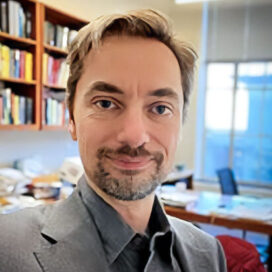
Cicek Cavdar is an Associate Professor at the School of Electrical Engineering and Computer Science (EECS) at KTH Royal Institute of Technology , Sweden. She leads the Intelligent Network Systems research group and specializes in Telecommunication Networks , with a focus on Beyond 5G/6G Mobile Networks , Energy Efficiency , and AI-Assisted Network Management . PhD in Computer Science (2009) from University of California, Davis and Istanbul Technical University Her research spans Cell-Free Massive MIMO , Reconfigurable Intelligent Surfaces (RIS) , UAV Communication Systems , and Green Network Technologies . She actively contributes to 6G Network Architecture and Non-Terrestrial Networks , including satellite and aerial systems. Recent publications highlight AI-driven network optimization for handover management, energy-aware resource allocation , and multi-agent reinforcement learning in complex communication environments. She teaches advanced courses in Communication Systems , Machine Learning , and Software Engineering at KTH.
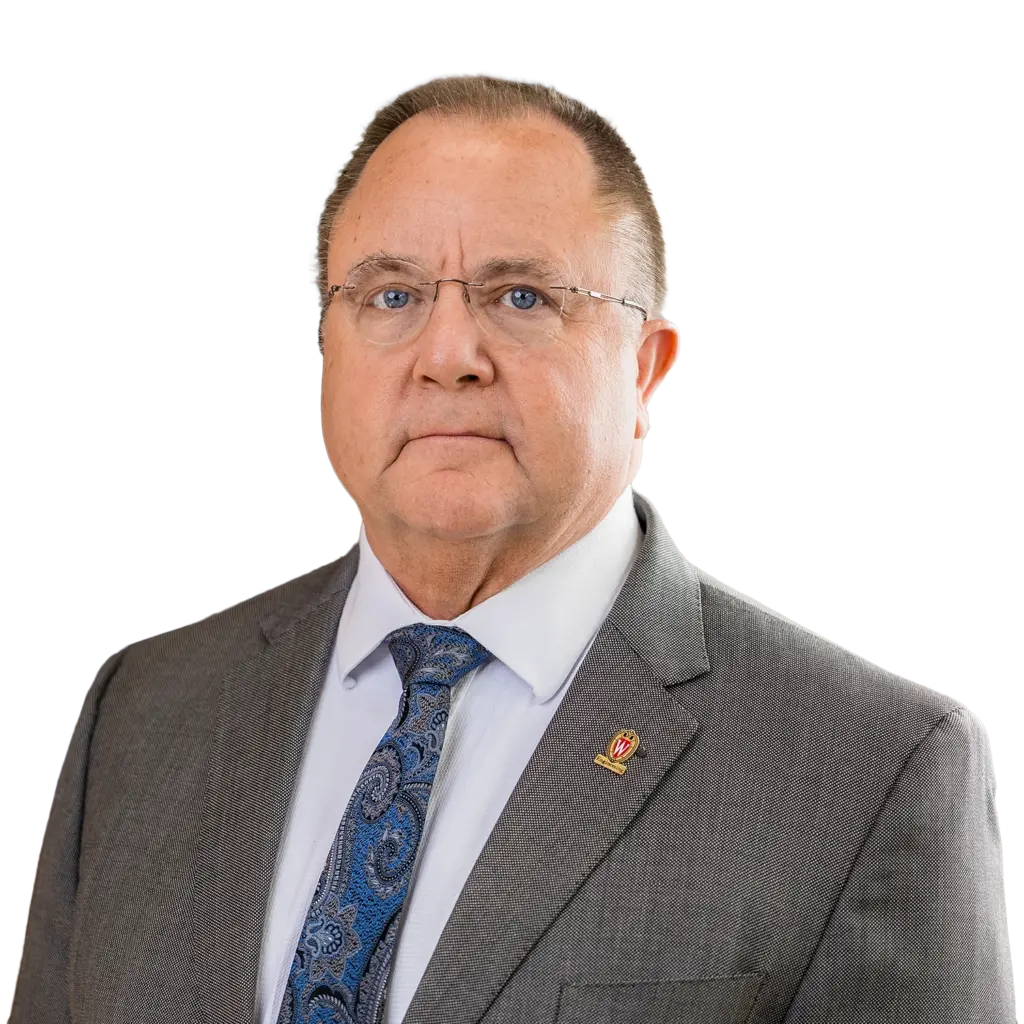
David Noyce is a Professor and Executive Director of the Traffic Operations and Safety (TOPS) Laboratory at the University of Wisconsin-Madison's Department of Civil & Environmental Engineering. He also serves as Associate Director of the Safety Research Using Simulation (SaferSIM) Center, a University Transportation Center. His work focuses on transportation safety, traffic operations, and automated/connected vehicle systems. Key roles include leading over $35M in research since 2003 through the TOPS Lab and advancing technologies like V2V/V2I communication, winter maintenance strategies, and work zone safety. Education: PhD (Texas A&M, 1999), MS (Civil Engineering, UW-Madison, 1995), MBA (UW-Whitewater, 1994), BS (UW-Madison, 1984). Research interests span traffic control devices, driver behavior analysis, crash reconstruction, and multi-modal transportation systems. He pioneered the national implementation of flashing yellow arrow signals and developed the Wisconsin Connected and Automated Transportation Consortium. Current projects include C-V2X localization frameworks, automated vehicle safety testing, and winter maintenance efficiency. Recognized with 20+ awards, including ITE and ASCE Fellowships and the Dr. Arthur F. Hawnn Professorship. His labs offer full-scale driving simulators and field-testing capabilities for real-world validation of innovations.
Laurent Demanet is a Professor of Applied Mathematics at the Massachusetts Institute of Technology (MIT), with a primary appointment in the Department of Mathematics and a joint appointment in Earth, Atmospheric, and Planetary Sciences (EAPS). He served as Director of MIT’s Earth Resources Laboratory from 2018 to 2024, focusing on seismic imaging and wave propagation to visualize Earth's subsurface structures. Undergraduate: Mathematical Engineering and Theoretical Physics, Université de Louvain, Belgium PhD: Applied and Computational Mathematics, California Institute of Technology (Caltech), 2006 (advisor: Emmanuel Candès, William P. Carey Prize for best dissertation in mathematical sciences) Postdoctoral: Szegö Assistant Professorship, Stanford University (2006-2009) His research centers on applied mathematics and scientific computing for geophysics, particularly inverse problems, wave propagation, and signal processing. He develops numerical algorithms and machine learning tools to analyze indirect, incomplete, and noisy data, enabling accurate subsurface modeling for environmental monitoring, carbon sequestration, hydrogen storage, and geothermal energy. His work also addresses seismic hazards induced by resource exploration and storage activities. Scientific awards and honors include: National Science Foundation CAREER Award (2012) Alfred P. Sloan Research Fellowship (2011) Air Force Young Investigator Award (2011) MIT Class of 1954 Career Development Professorship (2013-2016) As Director of MIT’s Earth Resources Laboratory and through his research group, Demanet has advanced computational methods for geophysical imaging, mentored students, and secured grants for interdisciplinary projects. His work bridges applied mathematics, computational science, and geophysics to solve pressing environmental and energy challenges. He leads research on subsurface visualization, integrating machine learning and numerical algorithms to improve seismic imaging and quantify predictive uncertainty. His lab's applications span natural hazard assessment, resource management, and sustainable energy solutions.
Dr. Carolyn Emery is a Professor in the Faculty of Kinesiology at the University of Calgary, with joint appointments in Pediatrics and Community Health Sciences at the Cumming School of Medicine. She holds leadership roles as Chair of the Sport Injury Prevention Research Centre (an International Olympic Committee Research Centre) and the Alberta Children’s Hospital Research Institute. Her affiliations include the McCaig Institute for Bone and Joint Health, Hotchkiss Brain Institute, and O’Brien Institute for Public Health. Dr. Emery’s education includes a BScPT from Queen’s University (1988), MSc in Epidemiology from the University of Calgary (1999), and PhD in Epidemiology from the University of Alberta (2004). Her research focuses on injury prevention in youth sports, concussion, and pediatric rehabilitation, aiming to reduce long-term health consequences such as osteoarthritis and post-concussion syndrome. She leads major grants including CIHR’s “SHRed Injuries” and NFL-funded concussion surveillance programs. Her research interests emphasize practical interventions for injury prevention, including neuromuscular training and policy changes. Recent work explores concussion outcomes in adolescents, biomechanical injury mechanisms, and global sport safety initiatives. She has published extensively on topics like sport-related musculoskeletal injuries, concussion management, and the epidemiology of youth sports. Dr. Emery has received over 20 awards, including the Royal Society of Canada Fellowship, Killam Professorship, and CIHR Canada Research Chair. Her work bridges clinical practice, policy, and community engagement to enhance public health outcomes in sports and youth recreation. Her lab, the Sport Injury Prevention Research Centre, collaborates internationally to develop evidence-based strategies for injury prevention. Current projects include evaluating the impact of tackle laws in rugby, head acceleration in wrestling, and long-term consequences of pediatric concussions.
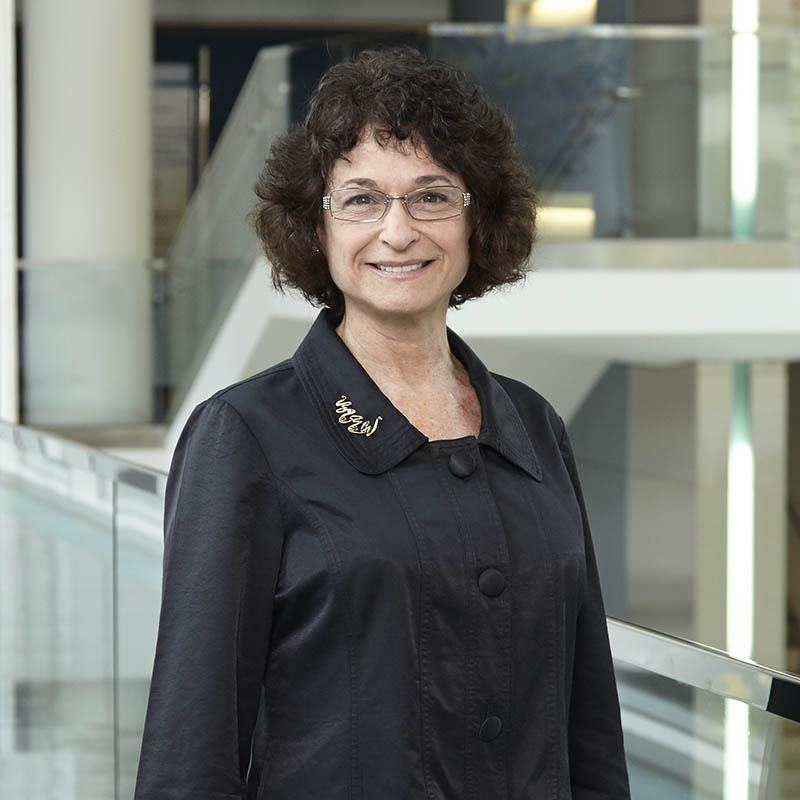
Cheryl Gaimon holds the Esther and Edward J. Brown Chair and serves as a Regents' Professor at the Scheller College of Business, Georgia Institute of Technology. She is Faculty Director of the Management of Technology (MoT) Certificate Program, which she helped establish, and teaches across all academic levels including executive education. Professor Gaimon initiated the Operations Management Program and served as its first Area Coordinator for seven years. Her academic credentials include: Ph.D. in Operations Research from Carnegie Mellon University M.S. in Industrial Administration (Operations Management) from Carnegie Mellon University B.S. in Mathematics and Economics (Magna Cum Laude) from Brooklyn College, City University of New York Professor Gaimon's research centers on managing knowledge-based resources in technology-driven environments. Her work spans Innovation and Management of Technology , Knowledge Management and Outsourcing , New Product/Process Development , Alliances for Innovation , and Sustainability Research . She examines how firms navigate technological change through strategic resource allocation, knowledge transfer, and sustainable operations, with increasing emphasis on environmental strategies in recent years. Her publication trajectory reveals consistent focus on operations management within technological evolution—from foundational work on technology acquisition and capacity planning to contemporary studies on environmental strategies and multidisciplinary technology management. Key journals featuring her research include Management Science , Operations Research , and Production and Operations Management . Major recognitions include: Regents' Professor designation (2005) by the Georgia Board of Regents The 1999 Georgia Tech Research Award for doctoral student development Brady Family Award for Faculty Research Excellence (2014) Best Department Editor Award for POM (2024) POMS Fellow status and Distinguished Service Award (2009/2014) As an educator, she has mentored doctoral students and shaped curriculum through the MoT program. Her professional leadership includes serving as POMS President (2008-2009), founding co-President of the POMS College on Product Innovation and Technology Management, and editorial roles at top journals including Management Science and Production and Operations Management . Professor Gaimon directs the interdisciplinary Management of Technology Certificate Program, fostering cross-departmental collaboration for technology management research and education while advancing sustainability integration in operations.
Tomaso Aste is a Professor of Complexity Science at the Department of Computer Science, University College London (UCL). He founded the Financial Computing and Analytics group and co-founded the UCL Centre for Blockchain Technologies. His work bridges complex systems, data science, and finance, with applications in blockchain, fintech, and market modeling. Education: PhD in Physics (Politecnico di Milano, 1994); Laurea in Physics (University of Genoa, 1990) Prior Appointments: Reader at University of Kent's School of Physics; Associate Professor at Australian National University's Applied Mathematics His research focuses on data-driven modeling of complex systems , particularly financial systems, complex networks, and statistical physics. He has pioneered information filtering networks and topological machine learning methods for financial applications, including portfolio optimization, risk assessment, and cryptocurrency analysis. Recent publications highlight his expertise in financial time-series analysis, blockchain technology, and AI-driven modeling. Articles explore topics like limit order books, cryptocurrency market fragility, and topological neural networks. His work has influenced regulatory technology (RegTech) frameworks and digital economy strategies. Scientific Awards : Marie Curie Individual Fellowship University of Genoa graduate study specialization Fellowship Bacheflor Boncompagni-Ludovisi Foundation Fellowship Awarded fellowships from European Commission and academic foundations support his interdisciplinary research. He has held editorial roles at journals like Philosophical Magazine and Granular Matter , and contributed to professional societies including American Physical Society and Australian Research Council panels. Teaching & Academic Leadership : Co-created four UCL Master's programs: Financial Risk Management, Computational Finance, Financial Technologies, Emerging Digital Technologies Coordinates executive training on AI, blockchain, fintech, and regtech for regulators and private firms Teaches graduate-level courses in Data-Driven Modeling, Data Science, and Advanced AI
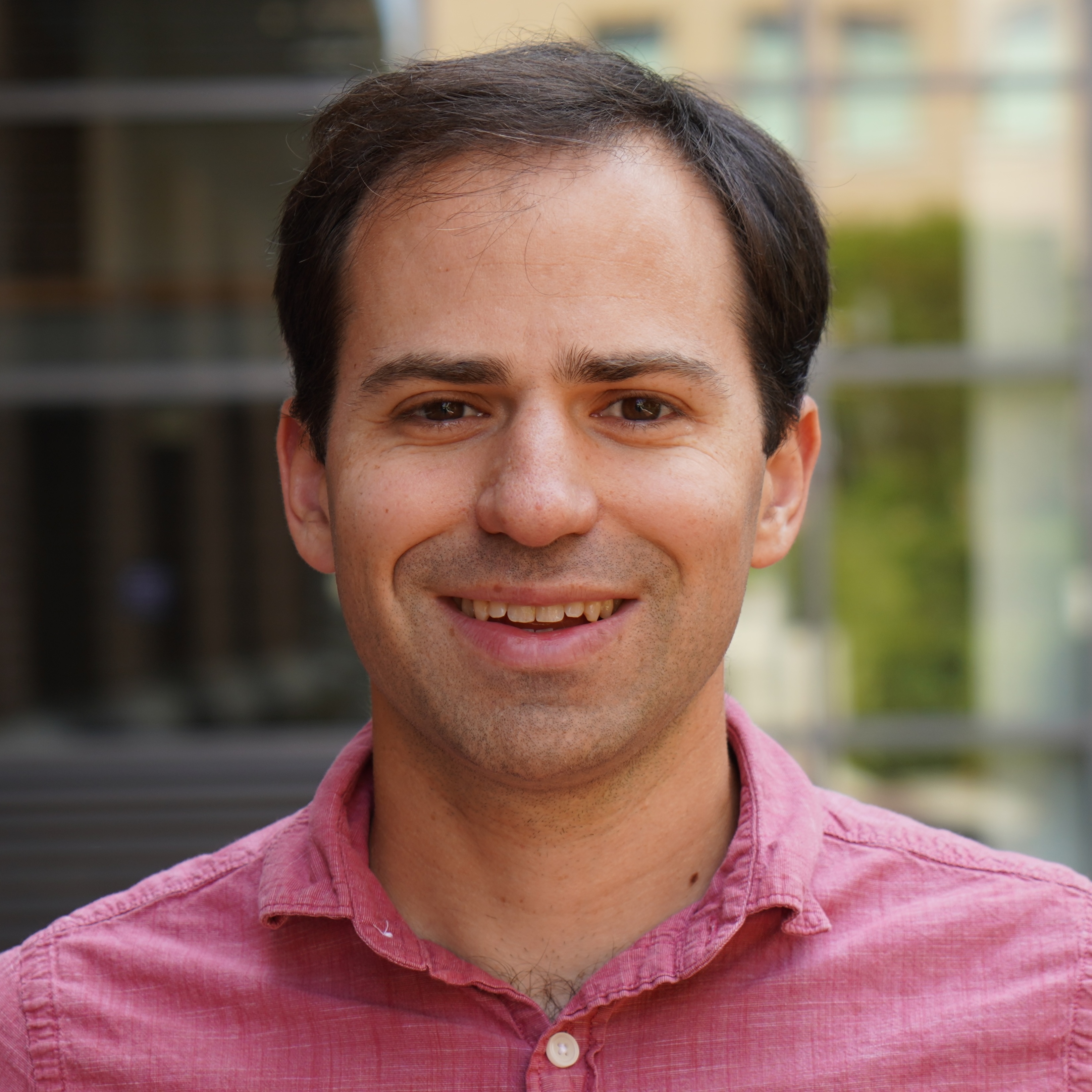
Daniel Epstein is an Associate Professor in the Department of Informatics at the University of California, Irvine (UCI), where he leads the Personal Informatics Everyday (PIE) Lab. He holds a courtesy appointment in the Department of Computer Science and is affiliated with the Connected Learning Lab, Institute for Future Health, and Accessibility Research Collective. Epstein earned his Ph.D. in Computer Science & Engineering from the University of Washington and a B.S. in Computer Science from the University of Virginia. His research focuses on how personal tracking technology can better serve diverse users' needs, emphasizing ethical design, health equity, and long-term user engagement. Notable areas include pregnancy tracking, wearable technology for children and ADHD management, and AI-driven health chatbots. Epstein has received grants from NSF, Snap Inc., and UCI programs, totaling over $650k in funding. Epstein's work bridges HCI and health informatics, with over 60 peer-reviewed publications. He advises six Ph.D. students and has mentored numerous undergraduates. Awards include the ACM Senior Member distinction (2025), CHI Best Paper (2023), and NSF CAREER Award (2023). Professional service includes program committees for CHI, CSCW, and UbiComp, plus leadership roles in workshops like the Workgroup on Interactive Systems in Healthcare (WISH). Beyond academia, Epstein enjoys hiking, collecting turtle figures, and advocating for accessible technology.
Sumanta Acharya is a Professor in the Department of Mechanical Engineering at Illinois Tech's Armour College of Engineering. His career spans computational methods, experimental fluid mechanics, and combustion, with affiliations including ASME, AIAA, and ASTFE. Ph.D. in Mechanical Engineering, University of Minnesota (1982) M.S. in Mechanical Engineering, University of Minnesota (1980) B.S. in Mechanical Engineering, Indian Institute of Technology (1978) A leading expert in thermal and fluid sciences, Acharya focuses on gas turbine heat transfer, turbulence modeling, and advanced cooling systems. His work integrates Computational Fluid Dynamics (CFD) with experimental validation for applications in biofuels , hydrogen combustion , and phase change materials . Recent publications highlight innovations in Brayton cycle integration, impingement cooling, and aerothermal performance optimization. Awarded by ASME, AIAA, and LSU, his honors include the ASME Heat Transfer Memorial Award (2011) and ASME Fellow (1999). He has contributed to key committees, including the ASME Heat Transfer Division Executive Committee and the Department of Energy's University Turbine Systems Research program. Researcher to Know, Illinois Science & Technology Coalition (2022) ASME Dedicated Service Award (2019) AIAA Thermophysics Award (2015) Contact: sacharya1@illinoistech.edu | Phone: 312.567.3701
Arti Singh is an Assistant Professor in the Department of Agronomy at Iowa State University. Her research focuses on plant breeding, soybean diseases, genomics, and phenomics, with a strong emphasis on integrating artificial intelligence and high-throughput technologies into agricultural systems. She leads projects involving AI-driven disease identification, precision agriculture, and crop improvement strategies. Her expertise includes developing machine learning models for real-time weed and insect classification (e.g., WeedNet and InsectNet), deploying drones and ground robots for crop phenotyping, and leveraging genomic data to map traits like flowering time and disease resistance in legumes. Singh collaborates on initiatives like the AIIRA Institute for Resilient Agriculture and the BioTrove biodiversity dataset. Singh’s work spans plant stress phenotyping, digital twin technologies for plant sciences, and multi-sensor phenotyping for early disease detection. Her research bridges computational methods with traditional agronomy, aiming to enhance crop resilience and sustainability in the face of environmental challenges. Her recent projects include optimizing robotic navigation for precision agriculture, improving soybean yield estimation via video analysis, and dissecting genetic architectures of traits in mungbean and soybean using GWAS and genomic tools. She actively contributes to conferences and publishes in high-impact journals, advancing both foundational and applied aspects of agricultural science.
Michael Carbin is the Jamieson Career Development Assistant Professor of Electrical Engineering and Computer Science at the Massachusetts Institute of Technology (MIT) and leads the MIT Programming Systems Group. His research focuses on programming systems that address system uncertainty to enhance performance, energy efficiency, and resilience, particularly in environments involving neural networks , approximate computing , and unreliable hardware . His work spans probabilistic programming , quantum computing , and machine learning systems . Articles highlight contributions in pruning neural networks , quantum data structures , and compiler optimization , reflecting trends in deep learning , formal verification , and language-driven systems . Scientific Awards : MIT Frank E. Perkins Award (2020) Sloan Research Fellowship (2020) Facebook Research Award (2019) NSF CAREER Award (2018) Best Paper Awards at OOPSLA (2013, 2014) He has advised numerous graduate students and postdocs including Eric Atkinson, Cambridge Yang, and Charles Yuan, and served on program committees for conferences like POPL, OOPSLA, and ICLR. His group collaborates with institutions such as MIT CSAIL and explores applications in quantum algorithms and probabilistic inference .
Dr. Daniel J. Hsu is a Professor of Computer Science at Columbia University, affiliated with the Foundations of Data Science Center and TRIPODS Institute. His research focuses on algorithmic statistics, machine learning theory, and their applications in public health informatics. He has advised numerous students and postdocs, and his work bridges foundational theory with practical systems like foodborne illness detection via social media analysis. Key roles: Associate Editor (ACM Transactions on Algorithms), Program Chair (ICML 2025, COLT 2019) Research areas: Foundations of Data Science, Machine Learning Theory, Fairness, and High-dimensional Statistics His work on detecting foodborne illnesses using Yelp reviews has been deployed by NYC Health departments. Recent contributions include advancements in transformer architectures, group fairness algorithms, and multi-group learning frameworks. Scientific awards include the Sloan Fellowship and multiple NSF grants. He has pioneered interactive machine teaching methods and developed algorithms for robust parameter estimation in high-dimensional settings.
Tanzeem Choudhury is a Professor at the Jacobs Technion-Cornell Institute at Cornell Tech, specializing in Information Sciences. She co-founded HealthRhythms Inc. and directs the People-Aware Computing lab, focusing on machine learning for human activity and social network analysis. Her work pioneered the 'Reality Mining' field, leveraging mobile sensors to model social interactions. Choudhury holds a Ph.D. from MIT's Media Lab and B.S. in Electrical Engineering from the University of Rochester. Her research spans wearable tech, mental health interventions, and ubiquitous computing. Notable projects include affective touch wearables for anxiety reduction, stress detection systems (e.g., StressSense), and the BeWell app for well-being monitoring. Choudhury has been recognized as an ACM Fellow and SIGCHI Academy member, with impactful contributions to healthcare technology and sensor-based behavioral analysis. Current lab initiatives include developing closed-loop interventions for mental health, equity-driven sensing systems, and exploring AI integration in psychotherapy. She advises PhD students on topics like digital biomarkers, burnout detection in healthcare workers, and smartphone-based mental health assessment. Education: Ph.D. in Media Arts & Sciences (MIT), M.S. (MIT Media Lab), B.S. in Electrical Engineering (University of Rochester) Lab Team: Includes PhD candidates (Dan Adler, Yiran Zhao) and researchers focusing on health AI, wearable devices, and clinical applications. Major Awards: ACM Fellowship (2020), SIGCHI Academy (2018), Best Paper Awards at Ubicomp and MobileHCI conferences. Key Projects: OptoBeat (skin-tone calibrated blood oxygen sensor), EmotionCheck (anxiety intervention), and Affective Touch devices.
Farzad Mashayek is a Professor and Department Head of Aerospace and Mechanical Engineering at the University of Arizona, College of Engineering. He is a member of the Graduate Faculty and leads the Computational Multiphase Transport Laboratory. His research integrates high-fidelity simulations, machine learning, and experimental validation across diverse domains in fluid dynamics and energy systems. Educational Background: PhD in Mechanical Engineering, State University of New York at Buffalo, Buffalo, NY MS in Mechanical Engineering, Sharif University of Technology, Tehran, Iran BS in Mechanical Engineering, Sharif University of Technology, Tehran, Iran His research interests include turbulent reacting flows, plasma dynamics, electrostatic atomization, solid-ion and lithium batteries, computational fluid dynamics, and machine learning applications in engineering. He employs high-order spectral element methods, phase-field modeling, and deep neural networks to study complex multiphysics phenomena such as drop impact, battery degradation, and turbulence modeling. The recent publications reflect a strong trend toward integrating machine learning with multiphysics simulations, particularly in battery safety (thermal runaway prediction), materials characterization (STEM image analysis), and fluid dynamics (modal analysis of turbulence). His work often involves collaboration with experimental groups to validate models, especially in dental aerosol suppression and electrohydrodynamics. Scientific Awards: Sustained Service Award, American Institute of Aeronautics and Astronautics (AIAA), Spring 2022 Best Presentation Award, The 20th International Conference on Computational Mathematics, Parallel and Distributed Computing, Summer I 2018 Dr. Mashayek has secured funding from NSF (GOALI program) for controlled coating via charged droplet deposition. He advises graduate students and postdoctoral researchers in computational mechanics and energy systems, fostering interdisciplinary research. He has contributed to engineering education, particularly during the pandemic, with active learning strategies in online instruction. He leads a dynamic research team focused on advancing simulation tools and applying them to real-world challenges in energy, manufacturing, and public health.
Dr. James McDonald serves as a Lecturer and Research Fellow at the University of New South Wales (UNSW) within the School of Civil and Environmental Engineering's Water Research Centre (WRC). His work at the Vallentine Annexe (H22), Room 102, Kensington Campus focuses on advancing water treatment technologies and understanding contaminant behavior in water systems. His position bridges academic instruction with cutting-edge research in environmental engineering. McDonald's research spans multiple critical areas in water science and engineering, with particular emphasis on trace organic contaminants, membrane technologies, and advanced water treatment processes. His work investigates the fate and removal of pharmaceuticals, personal care products, and industrial chemicals in various water treatment systems. He has made significant contributions to understanding disinfection by-product formation, chiral inversion of pharmaceuticals, and the development of novel membrane technologies for improved water purification. His research combines experimental approaches with computational modeling to address complex water quality challenges. Analysis of McDonald's recent publications reveals a strong focus on emerging contaminants, particularly PFAS compounds and chiral pharmaceuticals, and their behavior in water treatment systems. His work demonstrates expertise in both conventional and advanced water treatment technologies, with increasing emphasis on sustainable approaches including green infrastructure and novel membrane processes. The interdisciplinary nature of his research connects environmental engineering, chemistry, microbiology, and materials science to address contemporary water quality challenges. McDonald actively collaborates with researchers across multiple institutions and has contributed to numerous significant studies on water quality and treatment. His work supports the development of more effective water recycling systems and safer drinking water supplies. While specific grant information isn't detailed in the available text, his extensive publication record suggests sustained research funding in water treatment technologies and contaminant fate studies. As part of UNSW's Water Research Centre, McDonald contributes to one of Australia's leading water research facilities. The WRC provides a collaborative environment for addressing complex water challenges through interdisciplinary research that integrates engineering, chemistry, and environmental science perspectives.
Paulami Mitra is an Assistant Professor and Academic Director of the Strategy and Sustainability track at IÉSEG School of Management in Lille, France, with prior academic experience as a Visiting Professor at the University of Southern California (2017-2018) and Teaching and Research Assistant at IÉSEG (2012-2019). Her doctoral training in Economics and Management Sciences from Université Catholique de Louvain-Mons underpins her interdisciplinary approach to business education and research. Her educational qualifications include: 2019: Ph.D. in Economics and Management Sciences, Université Catholique de Louvain-Mons, Belgium 2009: Masters in Management, Lancaster University, United Kingdom 2008: B.Tech in Information Technology (Engineering), Institute of Technology and Marine Engineering, India Dr. Mitra's research centers on entrepreneurship-sustainability intersections, with particular expertise in eco-entrepreneurship, crowdfunding dynamics for social ventures, and hybrid organizational models. Her work examines how prosocial motivations drive crowdfunding participation, the strategic advantages of hybrid structures in social enterprises, and pedagogical innovations for sustainability-focused business education. She investigates critical gaps in climate-responsive entrepreneurial frameworks and sustainable financing mechanisms. Analysis of her publication trajectory reveals a concentrated focus on social entrepreneurship evolution since 2017, with increasing emphasis on sustainability-crowdfunding synergies and educational applications. Her 2022-2024 output demonstrates methodological diversity across case studies, survey research, and conceptual frameworks, consistently targeting high-impact journals in entrepreneurship and sustainability fields. No scientific awards are documented in the provided materials. Professional activities indicate active curriculum development and executive education leadership, though specific student advisement or grant-funded research projects are not referenced in the source text. The available information does not specify laboratory affiliations, research teams, or collaborative infrastructure supporting her scholarly work.