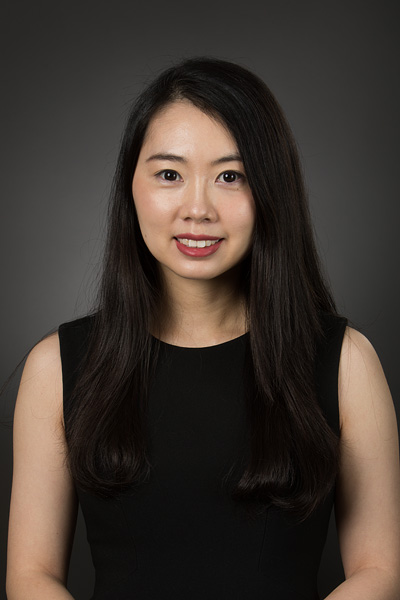
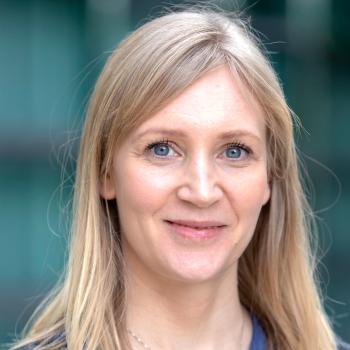
Yujiao Zu, Ph.D. , is a Research Assistant Professor at the Nutrigenomics, Inflammation & Obesity Research (NIOR) Lab within the Department of Nutritional Sciences at Texas Tech University. Her work bridges nutritional science , molecular biology , and nanotechnology to explore how bioactive dietary compounds can mitigate obesity and metabolic disorders. Education: B.S. in Biological Engineering, M.S. in Food Sciences (Tianjin University of Science and Technology, China); Ph.D. in Nutritional Sciences (Texas Tech University) Research Expertise: Molecular and cellular biology, analytical chemistry, cell and animal models Her research focuses on obesity-associated metabolic diseases , particularly inflammation , insulin resistance , and cardiovascular disease , with a growing emphasis on how aging exacerbates these conditions. She also investigates nanotechnology applications for targeted delivery of bioactives like omega-3 fatty acids and resveratrol to combat obesity and neuroinflammation. Recent publications highlight her work on nanoencapsulation of phytochemicals, EPA's neuroprotective mechanisms in Alzheimer’s models, and environmental factors (e.g., temperature) influencing adipose tissue thermogenesis . Her studies span metabolic health , lipid dynamics , and nano-based therapeutic strategies .
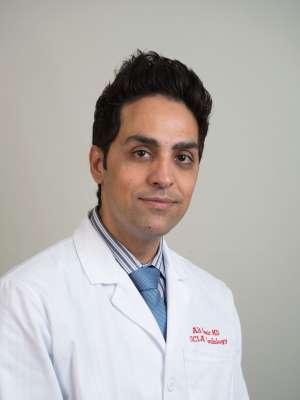
Ali Nsair, MD, is a Clinical Professor at the David Geffen School of Medicine, University of California, Los Angeles (UCLA). He serves as the Director of the Heart Transplantation and Mechanical Circulatory Support Program at UCLA and is a key member of the Interventional and Structural Cardiology program. Nsair received his MD from the University of Alberta Faculty of Medicine in 2002, followed by Internal Medicine residency and Cardiology fellowship at the University of Alberta Hospital, with advanced training in Advanced Heart Failure and Interventional Cardiology at UCLA Medical Center and post-doctoral fellowship in regenerative therapies. His clinical focus spans heart transplantation, mechanical circulatory support, interventional cardiology, and sports cardiology.
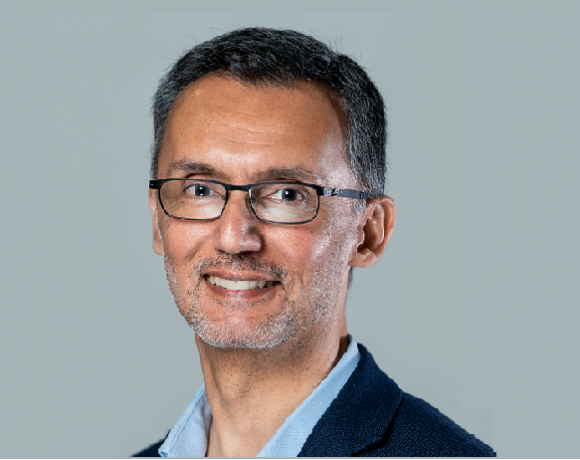
Professor Stuart Reid FRSE serves as Head of Department and Royal Society Industry Fellow in Biomedical Engineering at the University of Strathclyde. He leads a multidisciplinary research team working at the intersection of medical science and advanced physics, with significant contributions to both regenerative medicine and gravitational wave detection technologies. His research encompasses two major thrusts: Nanokicking Technology: As co-inventor of 'nanokicking,' he developed a method using precisely controlled nanoscale vibrations to stimulate stem cells to differentiate into bone tissue. This groundbreaking work, published in ACS Nano (2013) and Nature Biomedical Engineering (2017), is now being translated to clinical applications through nanokick.com, with support from Find A Better Way charity for land mine injury treatment. Advanced Optical Coatings: His laboratory has pioneered the world's first high-energy ECR ion beam deposition facility, producing the lowest absorption sputtered amorphous silicon coatings (PRL 2018) for next-generation gravitational wave detectors. This work enables detectors to approach quantum noise limitations. Professor Reid's publications reveal a consistent trajectory from fundamental science to clinical and industrial applications, demonstrating exceptional translational impact across disciplines. His recent work increasingly focuses on commercialization and clinical translation of both nanokicking technology and advanced optical coatings. His scientific recognition includes: Appointment to the RSE Young Academy of Scotland (2014) Membership on the Royal Society's Research Grants Board (2020) 12 total prizes as documented in his academic profile Currently overseeing 49 research projects (16 active, 33 completed), Professor Reid directs significant research funding including the BIOME project (2025-2026) and EPSRC DTP research on extracellular vesicles. He established the Extreme Performance Optical Coatings testbed (www.epoc.scot) within the National Manufacturing Institute Scotland, creating a national resource for advanced optical coating development and testing.
Professor Will Shu at the Department of Biomedical Engineering , University of Strathclyde, is a leading expert in 3D bioprinting and biofabrication technologies. His research focuses on creating functional tissue constructs using microfluidic systems , hydrogels , and nanoparticle engineering , with applications in bone repair , cardiovascular models , and infectious disease treatment . Key research areas: 3D Bioprinting , Biomaterials , Microfluidics , Tissue Engineering , Biomechanics Notable innovations: degradable DNA biolubricants , self-healing triboelectric nanogenerators , carbon dots for bone infection His 2025-2023 publications demonstrate expertise in fluorescence-based nanometrology , precision cancer surgery simulation , and biofilm modeling . Current work includes digital twin surgery and biofabrication standardization . Scientific Awards : Recipient of 11 unspecified prizes (including Scopus citations and policy references ) As an active PhD supervisor , he leads projects in bioprinting , tissue regeneration , and medical device development , evidenced by 99 research outputs and 25 projects listed on Scopus.
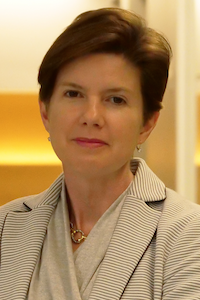
Dr. Saskia Suijkerbuijk is an Assistant Professor in the Department of Developmental Biology at the Faculty of Science, Utrecht University. Her research focuses on understanding the mechanisms of cancer progression, particularly in colorectal cancer, with an emphasis on cell competition, stem cell dynamics, and metastasis formation. Her research interests include: Developmental Biology and its role in cancer progression Cell competition mechanisms in intestinal and colorectal cancer Stem cell dynamics in normal and cancerous intestinal tissue Metastasis formation and the role of the tumor microenvironment Organoid modeling of cancer progression and metastasis Dr. Suijkerbuijk's work has established important connections between developmental processes and cancer progression. Her recent publications demonstrate a consistent focus on how cell competition drives tumor growth and metastasis, with particular attention to intestinal cancer models. She has developed innovative organoid transplantation approaches to study colorectal cancer progression in vivo, providing valuable insights into the cellular and molecular mechanisms underlying metastasis formation. Her scientific contributions have been recognized through publications in high-impact journals including Nature Communications, Cell Stem Cell, and PNAS.
Balas Konstantinos is a tenured Professor at the School of Electronic & Computer Engineering , Technical University of Crete , and Director of the Electronics Laboratory . His academic journey began with a B.Sc. (1988) and Ph.D. (1992) in Medical Physics from the University of Patras, followed by postdoctoral research and industry consulting before joining FORTH-IESL in 1995. In 2002, he transitioned to academia at TUC, leading the Optoelectronics Group and founding DySIS-Medical Ltd. , a medical imaging spin-off with global reach.
Dr. Wanli Wang is a researcher at the Department of Aerodynamics and Fluid Mechanics at the Technical University of Munich . His work focuses on computational mechanics, fluid-structure interaction, and numerical modeling of multi-material systems. Education: PhD in Computational Mechanics, supervised by PD Dr. Stefan Adami. His research explores advanced numerical methods for hyperelastic materials and shock-driven phenomena, with applications in aerospace and biomedical engineering. Recent publications highlight his contributions to Eulerian framework modeling and bubble collapse dynamics for drug delivery systems. Dr. Wang collaborates with the NFDI4ING , GENUFASD , and Numerische Modellierung teams. He is affiliated with the Chair of Aerodynamics and Fluid Mechanics at TUM.
Lihi Zelnik-Manor is a Professor at the Faculty of Electrical and Computer Engineering at the Technion - Israel Institute of Technology . Her research focuses on digitizing the sense of touch, integrating Haptics , Robotics , and Computer Vision to create digital representations of physical properties and develop haptic feedback devices for virtual interactions. Executive Vice President for Innovation and Industry Relations (2023-2026) Vice Dean for Graduate Studies (2022-2023) General Chair: CVPR’21, ECCV’22 Her work spans Neural Architecture Search (NAS) , 3D Reconstruction , and Image Processing , with recent publications on haptic devices (2025), diffusion models (2025), and soft-tissue simulation (2024). She actively contributes to academic leadership through roles in top conferences and community initiatives like the Schmidt Postdoctoral Award steering committee.
Aly Karsan is a Professor in the Department of Pathology and Laboratory Medicine at the University of British Columbia (UBC) and a Distinguished Scientist at Canada’s Michael Smith Genome Sciences Centre at BC Cancer. His research focuses on the molecular basis of myeloid leukemias, aging-related cancer resistance, and clinical genomics innovation. Affiliations: Faculty of Medicine (UBC), School of Biomedical Engineering (UBC), BC Cancer Research Institute, Centre for Blood Research (UBC) Clinical leadership: Established first clinically-accredited Next-Generation Sequencing lab in Canada Research Interests Dr. Karsan investigates: Genomic and epigenomic aberrations in aging-related leukemia Role of noncoding RNAs and innate immune signaling in blood cancers Embryonic blood stem cell emergence via Sash1 signaling Clonal interactions in acute myeloid leukemia (AML) Mechanisms of lenalidomide resistance in myelodysplastic syndromes Scientific Contributions Recent publications demonstrate expertise in: NGS technology validation Genetic barcoding systems TGFβ signaling in hematopoiesis Bayesian network diagnostics Awards & Recognition Tier 1 Canada Research Chair in Blood Cancers John Auston BC Cancer Foundation Clinical Scientist Award Health Employers Association of BC Gold Apple Award for Innovation Multiple CIHR Clinician-Scientist and MSFHR Scholar awards Labs & Collaborations Leads the Karsan Lab at BC Cancer Research Institute and coordinates a Terry Fox Research Institute Program Project with six principal investigators.
Jie Deng, Ph.D., is a Professor in the Department of Radiation Oncology at UT Southwestern Medical Center, where she serves as faculty in the Division of Medical Physics & Engineering. She is a certified MRI and MRI for radiation therapy medical physicist by the American Board of Medical Physics and holds a leadership role as a magnetic resonance safety officer. Dr. Deng is actively involved in both clinical and research aspects of medical imaging and radiotherapy, with a strong emphasis on integrating advanced imaging technologies into therapeutic workflows. Dr. Deng earned her academic degrees from prestigious institutions: a Bachelor of Science in Biomedical Engineering from Southeast University in China, a Master’s in Bioengineering from the University of Illinois at Chicago, and a Ph.D. in Biomedical Engineering from Northwestern University. She further enhanced her expertise by obtaining a Master of Science in Law from the Northwestern Pritzker School of Law, reflecting a multidisciplinary approach to her scientific work. Her research interests center on MRI physics , quantitative imaging , oncological imaging , and the application of artificial intelligence in medical imaging. She has pioneered work in MRI-guided radiation therapy, imaging biomarkers for therapeutic response, and AI-driven image reconstruction and artifact reduction. Her recent publications demonstrate a consistent focus on improving imaging accuracy, speed, and clinical utility, particularly in liver, pediatric, and oncological applications. The analysis of her 15 most recent articles reveals a strong trend toward deep learning-based image reconstruction , quantitative MRI biomarkers , and synthetic image generation for radiotherapy planning. Topics such as 4D-MRI, synthetic CT, motion artifact reduction, and AI fusion models dominate her scholarly output, indicating a forward-looking research trajectory centered on intelligent, fast, and precise imaging for personalized cancer therapy. Dr. Deng actively contributes to the scientific community through presentations at major conferences including the International Society for Magnetic Resonance in Medicine (ISMRM) and the American Association of Physics in Medicine (AAPM), where she shares innovations in MRI, adaptive radiotherapy, and AI integration. As an educator, Dr. Deng mentors medical physics residents and graduate students, delivering lectures on MR-only simulation, MR-linear accelerator practices, and medical imaging fundamentals. While no specific grants are mentioned in the text, her extensive publication record in high-impact journals suggests active research funding and collaborative projects. She is affiliated with key professional organizations and serves on UT Southwestern’s MRI Safety Committee, ensuring safe and effective use of MRI in clinical and research settings. Her work bridges the gap between engineering innovation and clinical application, making significant contributions to the field of radiation oncology and medical physics.
Sarah Snelling is an Associate Professor and Senior Scientific Officer at the NIHR Biomedical Research Centre Musculoskeletal theme within the Nuffield Department of Orthopaedics, Rheumatology and Musculoskeletal Sciences (NDORMS) at the University of Oxford. She leads the Soft Tissue Repair Group and holds a lectureship in Biomedicine at St Hilda's College, Oxford, where she contributes to undergraduate teaching. Her educational background includes an MBiochem in Biochemistry from the University of Oxford, followed by a DPhil in the genetics and functionality of osteoarthritis conducted at the Botnar Institute within NDORMS. This foundational training established her expertise in musculoskeletal tissue biology. Snelling's research program centers on applying next-generation sequencing to characterize cellular and molecular signatures of healthy and diseased musculoskeletal tissues, with particular focus on tendon, ligament, and bone. Her work identifies key cell types and molecules driving tissue health and disease progression, addressing critical unmet clinical needs in tissue repair where surgical interventions often fail. Her group studies tendinopathies, ligament disease, joint infection, osteoarthritis, and fracture mechanisms to develop pharmacologic and surgical treatment strategies. Analysis of her recent publications reveals a dominant emphasis on single-cell and spatial genomics to map the musculoskeletal system, resulting in tissue atlases that inform treatment evaluation. Key thematic trends include tendon repair mechanisms (evident in her 2024-2025 quadriceps tendon studies), osteoarthritis pathophysiology (2021 IL-17A research), and global implementation of genomic technologies (2024 LMIC barriers paper), all converging toward clinical translation. She leads several major collaborative initiatives including the CZI Tendon Seed Network, the Ancestrally Inclusive Musculoskeletal Single-Cell Network, and serves as the Musculoskeletal Biological Network coordinator for the Human Cell Atlas, demonstrating her leadership in large-scale international research consortia.
Dr. Sina Jamali is an ARC DECRA Fellow at the School of Chemistry, University of New South Wales, specializing in the electrochemistry of materials and cells. He collaborates closely with the Smart Materials and Surfaces Research Group led by Scientia Professor Justin Gooding. His research focuses on exploiting biological noise for next-generation electrochemical biosensors. Education: PhD (2016) - Intelligent Polymer Research Institute, University of Wollongong M.Sc. (2008) & B.Sc. (2006) - Department of Polymer Engineering & Color Tech., Tehran Polytechnic Research Interests: Dr. Jamali's work centers on fundamental and applied electrochemistry, with particular expertise in: Stochastic electrochemical measurements and noise analysis Corrosion protection mechanisms for biomedical and industrial materials Development of nanozymes and biosensors Surface engineering of bio-implants Novel electrochemical characterization techniques Awards & Honors: ARC Discovery Early Career Researcher Award (2021) Bill Wheeler Award for Medical Bionics Research (2013) Professional Affiliations: Member of the Smart Materials and Surfaces Research Group, Australian Centre for NanoMedicine (ACN), and Illawarra Health and Medical Research Institute. Teaching: Delivers courses in Analytical Chemistry (CHEM2041) and Materials Chemistry (CHEM3061) at UNSW.
Brenda Ogle is a Professor in the Department of Biomedical Engineering at the University of Minnesota's College of Science and Engineering. She leads the System Regeneration Lab, where her research focuses on cardiac tissue engineering, stem cell differentiation, and advanced 3D bioprinting technologies. Her work bridges multiple disciplines including stem cell biology, extracellular matrix science, and engineering principles to develop novel approaches for cardiovascular regeneration. Dr. Ogle's research interests primarily center on understanding the mechanisms that govern stem cell fate, particularly in the context of the cardiovascular system. Her lab is pioneering 3D bioprinting for cardiac tissue engineering, creating complex model systems that go beyond simple geometric shapes. Key areas of investigation include the role of extracellular matrix proteins in guiding stem cell differentiation, the development of novel tools for analyzing stem cell behavior, and the delivery of stem cells or associated progeny to the body. Her work has led to breakthroughs in creating patch-like structures with micron-scale features that support cardiac cell organization and can be adhered to failing hearts. Dr. Ogle's research has resulted in significant scientific contributions, including the development of unique bioink formulations coupled with multiphoton-based 3D printing to create chambered heart structures based on digital templates. These engineered tissues can sustain flow profiles and exhibit pressure-volume dynamics characteristic of the native heart, making them valuable for studying cardiac disease progression and testing drug efficacy. Her work has received recognition including an NIH R01 award for Epicardial Regulation of Myocardial Function and being named a BMES Fellow. NIH R01 Awarded, Epicardial Regulation of Myocardial Function BMES Fellow (2021) Dr. Ogle mentors a diverse team of researchers including postdoctoral associates, graduate students, and undergraduate researchers. Her lab has produced numerous PhD graduates who have gone on to successful careers in academia and industry. Current research projects in her lab include heart organoid formation using hiPSC-derived cardiomyocytes, investigation of hypertrophic cardiomyopathy mechanisms, cardiomyocyte maturation studies, and development of ECM-based bioinks for cardiac constructs. The lab is also working on creating integrated platforms for high-throughput cardiac organoid production and developing models to study the impact of radiation exposure on cardiac function.
Prof. Deniz ULUTAŞ is a Professor in the Department of Physics at the Faculty of Science, Istanbul University, where he has served since 2014. His academic career at Istanbul University spans over three decades, progressing from Research Assistant (1988-1999) to Assistant Professor (2000-2009), Associate Professor (2009-2014), and finally Professor (2014-present). He has held significant administrative positions including Head of Department (2014-2017, 2009-2013) and Vice Dean of the Faculty of Science (2009-2011). Dr. ULUTAŞ received his Doctorate from Istanbul University in 1999 with a dissertation on 'Electronic behavior of semiconductor and semi-insulator solid materials in thin film form,' following his Postgraduate studies (1987-1989) and Undergraduate education (1981-1987) at the same institution. His academic journey began with research on 'Optical Properties of Bismuth Thin Films' for his Master's degree. Prof. ULUTAŞ's research primarily focuses on dielectric properties, electronic structure, and electrical, magnetic, and optical characteristics of materials, particularly thin films and low-dimensional structures. His work spans condensed matter physics, materials science, and semiconductor physics, with significant contributions to understanding chalcogenide semiconductors, polymer composites, and nanostructured materials. His publication record includes 142 papers in Web of Science with an impressive h-index of 399, demonstrating substantial impact in his field. His recent work shows a strong trend toward interdisciplinary applications, including potential biomedical diagnostics using dielectric spectroscopy. His research demonstrates consistent focus on thickness-dependent properties, dielectric relaxation mechanisms, and the relationship between material structure and electrical behavior across various material systems including Tl-based chalcogenides, polymer electrolytes, and nanocomposites. The evolution of his work shows increasing sophistication in both experimental techniques and theoretical interpretations. 142 Publications in Web of Science 30 Publications in Scopus 399 h-index (Web of Science) 385 h-index (Scopus) Prof. ULUTAŞ has supervised numerous graduate students, with 8 doctoral and master's theses completed under his guidance and several more in progress. His laboratory appears focused on thin film deposition, dielectric characterization, and analysis of electronic properties across diverse materials systems. He has also contributed to educational materials with lecture notes on Thermodynamics, Statistical Physics, and Modern Research Topics in Physics.
Dr. Katrin J Svensson is an Associate Professor of Pathology at Stanford University and Affinity Group Leader at the Stanford Diabetes Research Center. She received her Ph.D. from Lund University (2012) and completed postdoctoral training at Harvard Medical School/Dana-Farber Cancer Institute (2017). Her research focuses on discovering circulating factors and peptide hormones that regulate metabolism through computational, proteomic, and physiological approaches. Key discoveries: Isthmin-1 (glucose/lipid homeostasis), BRINP2-related peptide (anti-obesity effects), ANGPTL3 (fructose metabolism) Academic Affiliations: Bio-X, Cardiovascular Institute, Wu Tsai Human Performance Alliance, MCHRI Faculty Fellow Research Highlights: Mapping tissue-specific peptide secretion to identify orphan ligands Characterizing receptors like GPR151 for glucose regulation Developing mitochondria-targeted therapies for cancer and metabolic diseases Investigating dietary sugar impacts on systemic metabolism Scientific Awards: Churg Research Award (2019) McCormick and Gabilan Award (2018) NIH K99/R00 Pathway to Independence Award (2016-2021) SRC International Postdoctoral Fellowship (2013-2016) Teaching & Mentorship: Leads Advanced Cell Biology courses (BIO 214/BIOC 224/MCP 221) and mentors graduate students/postdoctoral researchers in Biochemistry, Biophysics, and Cancer Biology programs.