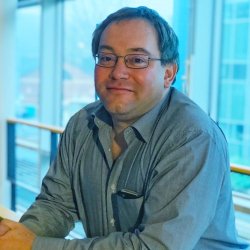
Dr. Jose Anguita is a Cleanroom Manager at the Advanced Technology Institute (University of Surrey), specializing in nanomaterials and advanced composite research. His work focuses on graphene, carbon nanotubes, electrochromic devices, and space-grade materials. He leads projects in thermal management systems, radiation-resistant composites, and low-temperature nanomaterial synthesis. Research Interests: Dr. Anguita’s research integrates nanotechnology with aerospace and energy applications. Key areas include: Development of ultra-stable polymer composites for space environments Graphene-based materials for broadband light trapping and optoelectronics Electrochromic infrared devices for energy-efficient thermal control Low-temperature growth techniques for carbon nanomaterials Functionalization of carbon fibers for aerospace applications Articles Trends: His recent work emphasizes multifunctional nanomaterials for extreme environments, including atomic oxygen protection, radiation resistance, and scalable production methods. Key contributions include graphene growth mechanisms and CNT-enabled solar cell efficiency improvements. Grants & Labs: Collaborates with ESA and NASA on projects like the Sentinel-5 mission. Active in the Nanoelectronics Centre and Advanced Technology Institute labs.
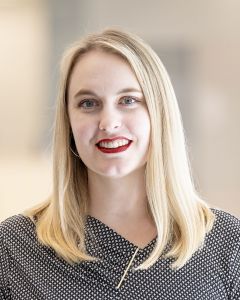
Melina Kerou is a Researcher in the Department of Functional and Evolutionary Ecology within the Faculty of Life Sciences at the University of Vienna. Her work focuses on archaeal ecology, particularly ammonia-oxidizing archaea and their role in nitrogen cycling processes. She actively contributes to multiple research projects including AOP (Ammonia Oxidation Process in Archaea), ACTIONr (Reducing Reactive Nitrogen Losses), and TACKLE (TACK Superphylum Evolution), with funding extending through 2027. Her research interests center on microbial ecology, specifically ammonia-oxidizing archaea physiology, nitrification processes, soil microbiome dynamics, and sustainable agricultural applications. Kerou investigates how microbial communities influence nitrogen cycling in various environments, with particular emphasis on biological nitrification inhibition in agricultural systems. Her work bridges fundamental microbial ecology with practical applications for sustainable food production and environmental protection, contributing to UN Sustainable Development Goals related to life below water and responsible consumption. Recent publications demonstrate her focus on archaeal carbon metabolism, wheat root exudate chemistry, and laboratory sustainability practices. Kerou actively participates in scientific discourse through conference presentations, workshop panels on biological nitrification inhibition, and media engagements promoting sustainable research practices. She contributes to initiatives like Green Labs Austria and participates in European networks focused on sustainable life science research infrastructure. Kerou's collaborative approach is evident in her extensive network of co-investigators across multiple institutions. Her research activities include field studies in diverse environments from agricultural soils to French Guiana's caiman habitats, examining microbiome contributions to environmental processes. She also engages in science communication through radio appearances and public discussions about extremophiles and sustainable research practices.
Sebastian Demkowicz is an Associate Professor at Gdańsk University of Technology's Faculty of Chemistry, Department of Organic Chemistry, and currently serves as Vice-Dean for Student Affairs. His academic progression includes roles as assistant (2009–2010), assistant professor (2010–2018), and associate professor since 2018. He earned his PhD in Chemical Sciences (2009) and habilitation (2018) from Gdańsk Tech. Research focuses on drug design targeting breast cancer via steroid sulfatase (STS) inhibitors, organophosphorus chemistry, and mechanochemical synthesis. Key contributions include novel enzyme inhibitors (e.g., STS inhibitors based on triazole, coumarin, and flavone scaffolds) and studies on electron attachment mechanisms in nucleic acids. Publications (45+) span Journal of Medicinal Chemistry , European Journal of Medicinal Chemistry , and Scientific Reports . Awards include Rector Awards for scientific excellence (2009, 2016, 2018). He leads projects on drug discovery and acts on university committees (e.g., Faculty Recruitment Committee, Disciplinary Committee). Labs/teams: Active in organic synthesis and medicinal chemistry labs at Gdańsk Tech, collaborating on STS inhibitor development and radiation chemistry studies.
Dr. Teresa Rapp is an Assistant Professor in the Department of Chemistry and Biochemistry at the University of Oregon. She leads the Rapp Lab, which focuses on developing light-responsive ruthenium-based biomaterials for applications in drug delivery, tissue engineering, and photocaging of biomolecules. Her research integrates inorganic chemistry with biomedical engineering, emphasizing the use of visible and near-IR light to control material properties and biological processes. Dr. Rapp holds a B.S. from Cal Poly San Luis Obispo, a Ph.D. from the University of Pennsylvania, and completed postdoctoral training at the University of Washington as a Washington Research Foundation Postdoctoral Fellow. Her work has led to innovations in ruthenium-polypyridyl complexes for hydrogel design, visible-light responsive materials, and self-illuminating drug delivery systems. Her lab’s current projects include tricolor wavelength-selective hydrogels, bioluminescence-driven cargo release, and photocaging of previously inaccessible molecules. These efforts aim to address challenges in light penetration depth and precision in biomedical applications. The Rapp Lab actively engages undergraduate and graduate students in research through programs like the RuPROBE initiative, fostering a collaborative environment for trainees at all levels.
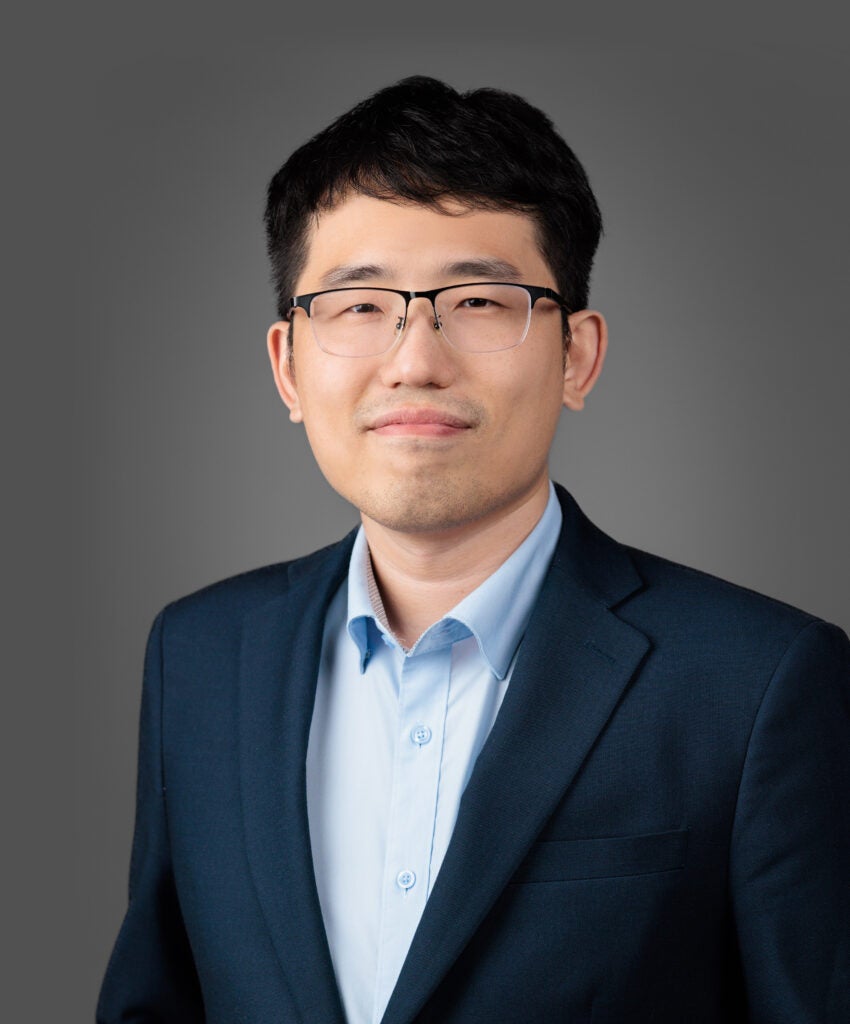
Dr. Mingyang Wei is an Assistant Professor in the Department of Materials Science and Engineering at the National University of Singapore (NUS). He holds a B.Sc. in Physics from Peking University (2016) and a Ph.D. in Electrical Engineering from the University of Toronto (2020). Prior to joining NUS, he was a scientist at École Polytechnique Fédérale de Lausanne (EPFL), Switzerland (2021-2024). His research focuses on hybrid organic-inorganic semiconductors for energy-conversion technologies, including perovskite solar cells, optoelectronic devices, and advanced interface engineering. Awards: Canadian Governor General’s Gold Medal (2020), Marie Skłodowska-Curie Fellowship (2021), Clarivate Highly Cited Researcher (2022–2023), NUS Presidential Young Professor (2024) Research interests: Hybrid heterostructure design for energy-efficient optoelectronics Advanced spectroscopic analysis of interfacial properties Stable perovskite-based photovoltaic and light-emitting devices Key contributions include developing crystal capping layers for black-phase perovskites and self-assembled bilayers for thermal stability. His work spans 20+ high-impact publications in journals like Nature , Science , and Advanced Materials . Current openings exist for postdoctoral researchers and graduate students in materials chemistry, semiconductor physics, and optoelectronics.
Ali Shilleh is a Novo Nordisk Postdoctoral Research Fellow at the University of Oxford, affiliated with the Hodson Group focusing on Cellular Metabolism and GPCR Signaling. He holds a B.S. in Biochemistry from UMass Boston (2014) and an M.S. in Nutrition and Biomedicine from the Technical University of Munich (2016). His research explores GLP1R signaling in pancreatic β-cells, stem cell-derived β-cell therapies for diabetes, and targeted drug delivery systems. His work aims to improve cell transplantation efficacy and develop gene therapy approaches for Type 2 Diabetes. Shilleh's recent studies include nanocapsule-based drug delivery and GIPR/GLP1R receptor signaling dynamics across pancreatic cell types. Education: UMass Boston (B.S., 2014), Technical University of Munich (M.S., 2016) Previous affiliations: Russ Lab at University of Colorado Anschutz (PhD student, 2017–2022) Key focus areas: Diabetes pathophysiology, β-cell biology, GPCR signaling, and translational therapies Shilleh's research interests span metabolic regulation, stem cell engineering for β-cell production, and molecular imaging of receptor signaling pathways. His studies on LDHB enzyme function and lactate metabolism in β-cells provide insights into insulin secretion mechanisms. He has also investigated methods to enhance stem cell-derived β-cell survival post-transplantation through pharmacological interventions. His 2024 publications highlight advancements in nanocapsule drug delivery targeting β-cells and the first comprehensive analysis of GLP1R/GIPR signaling across α, β, and δ pancreatic cells. These findings contribute to developing dual agonist therapies and imaging tools for diabetes research. Awards: None explicitly stated Grants: Funded by Novo Nordisk Foundation Shilleh collaborates with the Hodson Group ('Hodsquad') to explore GLP1R-based gene therapies for T2D. His work bridges basic science and clinical applications, targeting metabolic disorders through innovative cell and molecular approaches.
Jade Wang is a Senior Research Scientist at the Materials Research Laboratory, University of Illinois at Urbana-Champaign, specializing in advanced microscopy techniques. She holds a Ph.D. in Soil Chemistry from the Chinese Academy of Sciences and a B.S. in Chemistry from Liaoning University. Her career spans roles as an Electron Microscopist, Research Associate in Biomaterials, and Postdoctoral Researcher in Environmental Engineering. Her research focuses on transmission electron microscopy (TEM), scanning TEM (STEM), and scanning electron microscopy (SEM) for materials analysis. Key areas include high-resolution imaging, micro/nano-diffraction, compositional analysis at the atomic scale, and studying defects' impact on material properties. She has contributed to studies on semiconductor devices, photocatalytic materials, and nanomaterials. Her recent publications emphasize semiconductor innovation (e.g., 4H-SiC MISFETs), trimetallic nanostructures, and tungsten-doped photocatalysts. Articles span Applied Physics Letters , Nanoscale , and ACS Nano . Wang has collaborated on projects involving functional polymers, biomedical applications, and microbial structural biology. Her expertise bridges materials science with interdisciplinary applications in energy, environment, and health.
Professor Richard Barker is a faculty member in the School of Mechanical Engineering at the University of Leeds, where he serves as Professor in Corrosion Science and Engineering and Deputy Director of Postgraduate Research Studies. He is affiliated with the Institute of Functional Surfaces, conducting industry-driven research focused on corrosion mechanisms and mitigation in energy and carbon abatement systems. His research interests span electrochemistry, corrosion science, and engineering, with a focus on numerical modelling, in-situ electrochemical analysis, and material degradation in extreme environments such as high temperature, high pressure, and strong acids. He specializes in erosion-corrosion prediction, custom flow cell design, and the corrosion of additively manufactured materials, particularly within carbon capture, utilization, and storage (CCUS) technologies. Professor Barker’s research philosophy emphasizes experimental validation, industrial impact, and the development of novel in-situ methodologies to understand material-electrolyte interactions. His work bridges fundamental science with practical applications to enhance asset integrity and operational safety in industrial settings. He supervises a large cohort of postgraduate researchers and teaches Thermofluids modules at the School of Mechanical Engineering. His professional memberships include the Institute of Mechanical Engineers, the Institute of Corrosion, and AMPP. No scientific awards were mentioned in the provided text. Professor Barker advises numerous postgraduate students and is involved in collaborative research projects with industrial partners, such as the KTP collaboration with Roemex Limited. His research is supported by industry engagement and aims to deliver practical solutions for corrosion management. He leads projects including ENVIRO-COAT and investigations into CO2 corrosion products and stress corrosion cracking in high alloy materials. He is a key member of the Institute of Functional Surfaces and contributes to research in corrosion and flow assurance, focusing on real-world applications in energy systems.
Malcolm Clench is Professor of Mass Spectrometry in the Department of Biosciences and Chemistry at Sheffield Hallam University, where he has been a key figure since 2007. His work bridges analytical chemistry, biomedical research, and forensic science through advanced mass spectrometry imaging techniques. BSc(Hons) Applied Chemistry, Sheffield City Polytechnic (1977–1981) PhD in Peptide and Protein Sequencing by Fast Atom Bombardment Mass Spectrometry, Manchester Polytechnic/UMIST (1982–1985) His research focuses on the development and application of mass spectrometry imaging (MSI), particularly MALDI-MSI, for spatially resolved molecular analysis in diverse contexts. Key areas include biomedical imaging (cancer, brain lipids, drug distribution), forensic science (fingermark analysis, condom detection, blood identification), and plant biochemistry (herbicide translocation, nitrogen cycling). He also investigates pharmacokinetics and toxicology , using MSI to study drug metabolism and tissue responses. The recent publications highlight a strong trend toward clinical translation of MSI, with applications in malignant mesothelioma, lung imaging, and skin models. Innovations in sample preparation , ionization methods , and multimodal imaging demonstrate technical leadership. His work frequently involves collaborative, interdisciplinary teams and addresses both fundamental biochemical questions and practical diagnostic or forensic challenges. While no formal awards are listed, his sustained high-impact output in journals like Analytical Chemistry and PNAS indicates significant recognition in the field. Malcolm Clench has mentored or collaborated extensively with researchers such as Laura M. Cole, Simona Francese, and Sarah L. Haywood-Small. He has contributed to major projects in drug development , cancer research , and forensic methodology . His peer review activities for journals like Analytical Chemistry and Journal of the American Society for Mass Spectrometry reflect his role as a scientific gatekeeper. He leads or contributes to a dynamic research environment focused on pushing the boundaries of mass spectrometry imaging in both clinical and non-clinical settings, with ongoing work in 3D imaging, quantitative analysis, and novel matrix applications.
Stephan Grzesiek is a Professor of Biological NMR Spectroscopy at the Biozentrum, University of Basel, Switzerland. He leads a research group focused on the structural and dynamic characterization of biomolecules using nuclear magnetic resonance (NMR) spectroscopy. His work bridges physics, chemistry, and biology, with a strong emphasis on disease-relevant proteins such as GPCRs, kinases, and HIV-related receptors. Research Interests: His research centers on understanding biomolecular function through atomic-level insights into protein structure, dynamics, and interactions. He focuses on G-protein coupled receptors (e.g., β1-adrenergic receptor, CCR5), tyrosine kinases (e.g., Abl kinase), and membrane-associated signaling complexes. His group develops advanced NMR methodologies for studying unfolded states, hydrogen bonding, and allosteric regulation. Recent Research Trends: Analysis of his recent publications (2021–2025) reveals a strong focus on GPCR-arrestin interactions, kinase regulation mechanisms, and the structural basis of drug action. His work employs high-resolution NMR, often combined with Cryo-EM and biochemical assays, to dissect conformational dynamics, allosteric networks, and signal transduction pathways. Key themes include biased agonism, cholesterol modulation, and the molecular basis of drug inhibition in cancer and infectious disease. Scientific Awards & Recognitions: Laukien Prize (ENC) Fellow, International Society of Magnetic Resonance Honorary Member, National Magnetic Resonance Society of India Chair, Gordon Conference on Computational Aspects of Biomolecular NMR Member, Swiss National Research Council VP, International Society of Magnetic Resonance Advising and Grants: While specific students are not listed, his frequent co-authorship with junior researchers (e.g., Iva Petrovic, Luca Abiko, Sanjana Desai) suggests active mentorship. His research is likely supported by major Swiss and international grants, given the scale and impact of his work. He has led long-term projects on NMR method development and structural biology of signaling proteins. Labs and Teams: He leads a research group at the Biozentrum, University of Basel, integrating NMR spectroscopy, protein engineering, and biophysical analysis. His team collaborates widely with structural biologists and biochemists, contributing to high-impact studies on GPCRs and kinase regulation.
Professor Andy Philippides is a faculty member in the School of Engineering and Informatics at the University of Sussex, where he holds the title of Professor of Biorobotics (Informatics). He has been continuously affiliated with the university since 1995, progressing from an MSc and PhD student to a permanent academic, achieving full professorship in 2017. His work is deeply interdisciplinary, bridging robotics, neuroscience, and artificial intelligence. His research interests focus on the mechanisms of intelligent behavior through the interaction of body, brain, and environment. Key areas include visual navigation in insects and robots, neuromodulation in neural networks (e.g., GasNets), evolutionary robotics, and computer vision. He leads and contributes to high-impact projects such as Brains-on-Board, INSIGHT, and be.AI, funded by EPSRC, BBSRC, MRC, and the European Union. His recent publications (2022–2025) reflect a strong trend in bio-inspired algorithms, particularly in insect navigation, spiking neural networks, and adaptive robotics. These works span journals like PLoS Computational Biology , Frontiers in Physiology , and Biomimetics , emphasizing visual route learning, memory networks, and neuromorphic computing. He has supervised over 50 MSc theses and numerous PhD students, many of whom now hold academic or industry positions. His collaborations include prominent researchers such as Paul Graham, Phil Husbands, and Tom Collett. He is actively involved in grant-funded research, with current projects extending into 2028. Action-based bio-inspired autonomous navigation (Universities UK) Emergent embodied cognition in shallow neural networks (BBSRC) be.AI - biomimetic embodied Artificial Intelligence (Leverhulme Trust) ActiveAI - active learning and selective attention (EPSRC) He teaches courses such as Intelligence in Animals and Machines and Research Methods in Neuroscience, and has previously taught in computational neuroscience and robotics. His lab, part of the Centre for Computational Neuroscience and Robotics (CCNR), fosters interdisciplinary research in biorobotics and neural modelling.
Charles L. Howe, Ph.D., is a Professor of Neurology and Neuroscience at Mayo Clinic College of Medicine and Science in Rochester, Minnesota. He serves as Chair of the Division of Experimental Neurology, Director of Research at the Center for Multiple Sclerosis and Autoimmune Neurology, and Director of the Office of Core Shared Services. His primary appointment is in the Department of Neurology, with a joint appointment in the Department of Immunology. Professor of Neurology, Mayo Clinic Professor of Neuroscience, Mayo Clinic Chair, Division of Experimental Neurology Director, Office of Core Shared Services Director of Research, Center for Multiple Sclerosis and Autoimmune Neurology Dr. Howe holds a Ph.D. in Neuroscience from the University of California, San Francisco, and completed research fellowships at Stanford University Medical Center and Mayo Clinic. His research is centered on neuroimmunology, particularly the immune mechanisms underlying multiple sclerosis, epilepsy, neuromyelitis optica, and axonal injury. His lab employs advanced techniques including iPSC-derived neural models, immunophenotyping, and in vivo imaging to explore how neuroinflammation damages neurons and axons. The research of Dr. Howe spans several critical areas in translational neuroimmunology. His lab investigates how immune responses contribute to axon injury in multiple sclerosis, develops stem cell-based strategies for personalized therapies, and studies the role of inflammatory monocytes in antigen trafficking. Recent work focuses on epilepsy’s neuroinflammatory basis, astrocyte reactivity in NMO, and mechanisms of neural circuit disruption. His publications reveal a strong emphasis on CD8+ T cell-mediated axonal damage, patient-specific immune profiling, and novel neuroprotective interventions. Dr. Howe has been recognized with several honors, including being a Fellow of the American Neurological Association and a charter member of the NIH’s Clinical Neuroimmunology and Brain Tumors study section. He also serves on the editorial boards of Scientific Reports , Neurobiology of Disease , and Journal of Neuroinflammation . In 2023, he received a research award from the Minnesota Partnership for Biotechnology and Medical Genomics. Dr. Howe leads an active research program funded by the NIH and the National Multiple Sclerosis Society. He mentors junior scientists and collaborates extensively with clinicians such as Gregory A. Worrell, M.D., Ph.D., and Claudia F. Lucchinetti, M.D. His lab, the Translational Neuroimmunology Laboratory, is equipped with cutting-edge tools including 4D microscopy, flow cytometry, and genetically engineered mouse models. Dr. Howe’s work aims to translate mechanistic insights into therapies that preserve neural function in autoimmune and inflammatory neurological diseases. The Translational Neuroimmunology Lab at Mayo Clinic is a multidisciplinary research environment focused on understanding and modulating immune responses in the central nervous system. The lab integrates basic science with clinical applications, working closely with the Center for Multiple Sclerosis and Autoimmune Neurology and the Stem Cell and Organoid Core. Current projects include investigating the role of cytotoxic T cells in axon injury, developing human iPSC-based disease models, and exploring immune effectors in seizure generation. The lab fosters collaboration across immunology, neurology, and bioengineering disciplines to advance patient care.
Dr. Leonardo Jo is a postdoctoral researcher at Utrecht University's Plant Ecophysiology Group, focusing on gene regulatory mechanisms in plant development. He holds a PhD in Plant Biology from the University of California Davis, where his dissertation explored transcriptional networks controlling soybean seed development, and a Master's degree in Biotechnology from the University of Sao Paulo, Brazil. Current Researcher at Utrecht University (November 2021–Present) PhD in Plant Biology (2021), University of California Davis Ms.C. in Biotechnology (2012), University of Sao Paulo, Brazil BS in Biological Sciences (2008), University of Sao Paulo, Brazil Leonardo's research expertise spans Plant Development , Bioinformatics , and Mechanisms of Gene Regulation , with a focus on transcription networks and somatic embryogenesis. His work combines experimental and computational approaches to study gene regulation in plant development, particularly in soybean seed biology and Brazilian pine somatic embryogenesis. His publication record includes studies on proteomic analysis, polyamines, and reactive oxygen species in Brazilian pine embryogenic cultures, comparative transcriptomics in pine embryos, and combinatorial interactions of transcription factors in soybean seed development. He has presented at international conferences such as the Plant Biology Retreat, American Society of Plant Biologists Meeting, and Plant and Animal Genomes. CNPq - National Council for Scientific and Technological Development (Brazil) grant (2007-2009) CAPES grant for graduate studies in Brazil (2009-2011) LASPAU Science without Borders program (2014-2018) Elsie Taylor Stocking Memorial Fellowship (2017-18) Professors for the Future Fellowship, UC Davis (2018-2019) Walter R. and Roselinde H. Russell Fellowship (2019-2020) Student Travel Grants and Best Poster Award (2011-2018) As an educator, Leonardo served as Main Lecturer for UC Davis courses on plant development and professional English presentations and has held teaching assistant roles for plant physiology and genetic engineering courses. He is actively involved in the Kajala Lab at Utrecht University, where he investigates gene regulatory networks in plant development under fluctuating environments, supported by NWO grant VI.Vidi.193.104.
Professor Tughrul Arslan holds the Chair of Integrated Electronic Systems at the School of Engineering, University of Edinburgh . He leads the Embedded Wireless and Wearable Sensor Systems (EWireless) Group and co-founded sensewhere Ltd. and Sofant Technologies . His research spans reconfigurable architectures, low-power wireless systems, and biomedical RF sensing. Academic Background: BEng and PhD in Electronics Professional Affiliations: Senior Member IEEE, Fellow IET, Chartered Engineer His work focuses on smart wearable devices , indoor positioning systems , and AI-driven healthcare monitoring . Recent publications emphasize microwave imaging for dementia detection , edge AI accelerators , and non-invasive tremor monitoring . Key contributions include patented technologies like the Reconfigurable Instruction Cell Architecture (RICA) . Award-winning academic, he has supervised over 40 PhD students and authored 400+ peer-reviewed papers. His external roles include Chief Technology Officer at sensewhere , driving commercialization of indoor navigation solutions.
Dr. Prashanth Asuri is a Professor in the Department of Bioengineering at Santa Clara University's School of Engineering, where he has been teaching and researching since Fall 2011. His work focuses on developing biomaterial-based in vitro platforms to understand complex in vivo phenomena, combining biomaterials engineering, nanotechnology, and biology. Ph.D. in Chemical and Biological Engineering, Rensselaer Polytechnic Institute M.B.A. in Leading Innovative Organizations, Santa Clara University Research interests include hydrogel-based toxicity assessment, macromolecular crowding effects, and mechanical property optimization of nanocomposites. He has published over 50 scholarly works and teaches courses ranging from biomaterials science to healthcare marketing. Awards: Brutocao Family Foundation Award for Curriculum Innovation (2022) President’s Special Recognition Award (2019) School of Engineering Teaching Excellence Award (2018) School of Engineering Researcher of the Year (2016) As Director of the School of Engineering's Healthcare Innovation and Design Program, he bridges academic research with industry applications. His publications reveal sustained contributions to biomaterials engineering, nanoparticle toxicity, and mechanobiology.