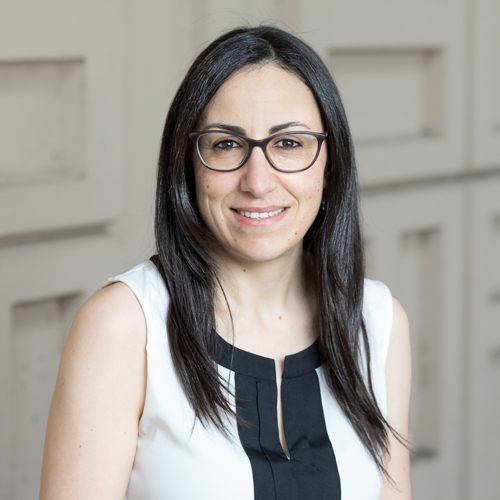
Dr. Zakia Djaoud is an Assistant Professor at the Department of Biochemistry, Microbiology and Immunology (University of Ottawa) and a Scientist at the CHEO Research Institute . Her research focuses on human innate lymphocytes, particularly γδ T cells and NK cells, and their roles in viral infections (e.g., herpesviruses), cancer, and transplantation. She employs advanced techniques like functional immunology, T-cell receptor repertoire analysis, immunogenetics, flow cytometry, mass cytometry, and high-throughput gene sequencing. Education : DVM (Higher National Veterinary School of Algiers), MSc (Paris Descartes/Paris-Est Créteil), PhD (University of Nantes, Human Immunology) Postdoctoral Training : Stanford University, laboratory of Dr. Peter Parham Her recent publications explore HLA-KIR-TCR interactions, viral immune evasion, and lymphocyte functional education. She has contributed to understanding Epstein-Barr virus and CMV immunity, with a focus on receptor polymorphisms and immune cell dynamics. Dr. Djaoud's lab investigates how immunogenetics and herpesvirus infections shape innate lymphocyte repertoires and functional responses.
Insa Feinkohl is a Professor at the Chair of Medical Biometry and Epidemiology within the Faculty of Health at the University of Witten/Herdecke . Her research focuses on risk factors for cognitive dysfunction and mental health in older adults, particularly post-surgery, with emphasis on metabolic and cognitive risk factors. Bachelor of Science (BSc) in Psychology (1 st class honors) – University of Dundee (2006-2009) Master of Science (MSc) in Psychology of Individual Differences (with distinction) – University of Edinburgh (2009-2010) PhD in Community Health Sciences – University of Edinburgh (2010-2014) Post Doc in Knowledge Construction Group – Leibniz Institute for Knowledge Media, Tübingen (2014-2015) Postdoc in Molecular Epidemiology Group – Max Delbrück Center, Berlin (2015-2022) Habilitation in Molecular Epidemiology – Charité Universitätsmedizin Berlin (2021) Her research integrates medical biometry and epidemiology to study postoperative cognitive dysfunction (POCD), delirium, and aging-related cognitive decline. Key areas include biomarker validation (e.g., leptin, interleukins), brain connectivity (dopaminergic networks, thalamus), and metabolic risk factors (diabetes, obesity). She contributed to the BioCog project , an EU-funded initiative for personalized risk prediction of postoperative cognitive impairment. Her recent publications highlight trends in perioperative neuroscience, including brain mineralization, cytokine associations with neurocognitive disorders, and structural/functional imaging in delirium. Articles also explore metabolic syndrome, cognitive reserve, and delirium prediction models using machine learning. Insa Feinkohl is affiliated with major academic societies, including the German Society for Epidemiology , German Society for Medical Informatics, Biometry and Epidemiology , and the German University Association .
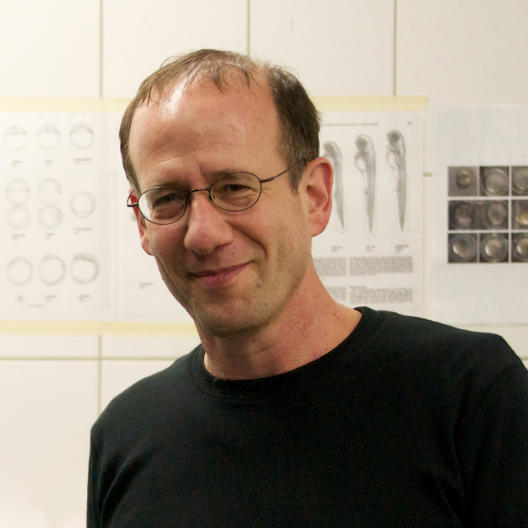
Professor Erez Raz serves as Director of the Institute of Cell Biology at the University of Münster and is affiliated with the Center for Molecular Biology of Inflammation (ZMBE). He is a prominent member of the Cluster of Excellence "Cells in Motion" and serves on the board of the CiM-IMPRS graduate program. His research group "AG Raz: Cell biology in vivo - Germ-cell development" investigates fundamental mechanisms of cell migration in living organisms. Professor Raz's research focuses on cell migration, cell-fate maintenance, and organogenesis within live vertebrate embryos. His laboratory primarily employs zebrafish as a model organism due to its transparent embryos that develop externally, enabling high-resolution live imaging of cellular processes. His work has revealed critical mechanisms of how cells navigate within developing organisms, with significant implications for understanding pathological conditions like cancer metastasis and inflammatory processes where cell migration becomes dysregulated. His recent publications demonstrate a sustained focus on molecular mechanisms controlling germ cell migration, including the roles of RNA-binding proteins like Dnd1, bleb formation dynamics, mitochondrial regulation of germ cell fitness, and tissue microenvironment influences on cell protrusion types. His research uniquely integrates approaches from cell biology, biophysics, genetics, and mathematical modeling to gain comprehensive insights into cellular migration dynamics. Over 100 publications spanning two decades Extensive collaborations across disciplines Methodological innovations in cell imaging and manipulation Professor Raz has successfully mentored numerous doctoral students and postdoctoral researchers, fostering interdisciplinary collaborations between biologists, physicists, mathematicians, and clinicians. His laboratory has developed innovative techniques for cell ablation, mRNA labeling, and in vivo manipulations using optical tweezers, contributing significantly to methodological advances in the field. His laboratory participates in the Multiscale Imaging Centre and the "Cells in Motion" research network, providing access to state-of-the-art imaging capabilities for studying cellular dynamics at multiple scales, from molecular interactions to whole-organism development.
Russell Richardson is a tenured Professor at the University of Utah , holding joint appointments in the Department of Internal Medicine (Division of Geriatrics) and the Department of Exercise and Sport Science . He directs the Utah Vascular Research Laboratory (UVRL) at the Salt Lake VA Medical Center. Education: Fellowship (University of California San Diego), Doctoral Training (University of Utah), PhD (Colorado State University), MS (Loughborough University), PGCE (West London Institute of Higher Education) His research focuses on oxygen transport from air to tissue , with a current emphasis on the link between vascular and skeletal muscle function , particularly how oxidative stress regulates skeletal muscle metabolism and vascular control. He has authored numerous studies on aging, vascular dysfunction, and exercise hemodynamics. Recent publications highlight work on mitochondrial respiration, passive limb movement techniques, antioxidant interventions, and age-related vascular decline. His lab employs both in vivo and ex vivo methodologies to investigate these mechanisms. Collaborations span clinical and physiological domains, including studies in chronic obstructive pulmonary disease (COPD), heart failure, and breast cancer. His work integrates gerontology , exercise physiology , and vascular biology . Notable affiliations include the Salt Lake VA Medical Center and contributions to understanding the interplay between physical activity, aging, and vascular plasticity.
Guillermo A. Ameer serves as the Daniel Hale Williams Professor of Biomedical Engineering at Northwestern University's McCormick School of Engineering and Professor of Surgery in the Feinberg School of Medicine. He directs the Center for Advanced Regenerative Engineering (CARE) and maintains affiliations with the Simpson-Querrey Institute, Chemistry of Life Processes Institute, and the IBiS Graduate Program. His leadership extends to founding the Regenerative Engineering Laboratory, which pioneered citrate-based antioxidant biomaterials known as polydiolcitrates. Americas' leading innovator in regenerative engineering, Ameer's research spans vascular, orthopaedic, and bladder tissue engineering. His lab developed Nanonets™ thermoresponsive oligomers and photoresponsive liquid polymers for applications including wound healing, islet transplantation, and 3D-printed vascular scaffolds. Notable breakthroughs include bioresorbable stents, bladder regeneration scaffolds, and diabetic wound healing technologies that have received FDA clearance and commercial implementation through companies like Acuitive Technologies and VesselTek BioMedical. His publication record demonstrates consistent innovation in biomaterials science, with research trends showing progression from fundamental polymer chemistry to sophisticated clinical applications. Recent work focuses on electroactive bladder scaffolds, 3D-printed vascular devices, and wearable health monitoring systems, reflecting his commitment to translating laboratory discoveries into tangible medical solutions. The 2025 launch of the Regenerative Engineering Institute underscores his growing institutional impact. Percy L. Julian Award (2024) BMES Athanasiou Medal of Excellence in Translational Bioengineering (2023) Election to National Academy of Medicine (2021) National Academy of Inventors Fellow (2019) AAAS Fellow (2018) AIChE Fellow (2017) Ameer has mentored over 30 PhD and Master's students who now lead research at institutions including Penn State, USC, and the FDA. His lab secures substantial NIH funding, including an American Recovery and Reinvestment Act Challenge Grant for liquid cast arterial stents. Current projects include the development of citrate-based biomaterials for bladder regeneration, diabetic wound healing, and bioresorbable vascular scaffolds, with multiple technologies transitioning to clinical applications through partnerships with medical device companies. The Regenerative Engineering Laboratory maintains a collaborative interdisciplinary environment with approximately 20 researchers spanning engineering and natural sciences disciplines. Recent initiatives include the development of wearable skin gas sensors (2025) and CITREPORE™ bone void filler (2024), demonstrating the lab's capacity to address diverse clinical challenges through biomaterials innovation.
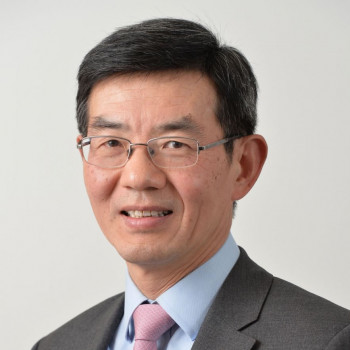
Prof Wen Wang is Professor of Biomedical Engineering and Vice-Principal and Executive Dean for Science and Engineering at Queen Mary University of London, affiliated with the School of Engineering and Materials Science and the Centre for Bioengineering. He is a Chartered Engineer and holds fellowships from the Institution of Mechanical Engineers (FIMechE), Higher Education Academy (FHEA), American Institute for Medical and Biological Engineering (FAIMBE), and the Royal Academy of Engineering (FREng), reflecting his leadership and technical excellence in engineering and biomedical sciences. His research focuses on vascular bioengineering , biomaterial mechanics , and cell biomechanics , with particular emphasis on the endothelial glycocalyx , vascular stem cells , and transmembrane transport . He employs advanced techniques such as AFM nano-indentation, confocal microscopy, and microfluidic platforms to study the mechanical properties, shear stress responses, and structural stability of biological systems. His work spans from fundamental biophysics to translational applications in drug delivery and cardiovascular disease. Prof Wang has led multidisciplinary research projects in the UK and through international collaborations with partners in the US, China, and Japan. His recent publications highlight sustained contributions to understanding microcapsule mechanics , extracellular vesicles , biofluid dynamics , and biomolecular sensing . His work integrates experimental and computational modeling, particularly in microcirculation and cellular transport phenomena. He has received notable scientific recognition through multiple prestigious fellowships and has published extensively in high-impact journals including Nature Communications , Journal of Controlled Release , Biosensors and Bioelectronics , and Journal of Fluid Mechanics . His research demonstrates a strong trajectory in both fundamental discovery and applied biomedical innovation. Prof Wang actively supervises research and collaborates with clinical and engineering partners at Queen Mary and King's College London. His leadership in the School of Engineering and Materials Science underscores his role in shaping academic strategy and research excellence in science and engineering at Queen Mary University of London.
Janet Smith is a Research Professor at the Life Sciences Institute, University of Michigan , specializing in structural biology and biochemical mechanisms. She has made seminal contributions to understanding protein structures in natural product biosynthesis, plant peptide macrocyclization, and viral RNA degradation pathways. Ph.D. in Biochemistry from University of Wisconsin-Madison Postdoctoral work with Wayne Hendrickson at Naval Research Laboratory Former Purdue Professor of Biological Sciences Visiting Scientist at European Molecular Biology Laboratory Her research focuses on: Structural analysis of enzymes in polyketide and ribosomal peptide biosynthesis Development of synchrotron-based methods for protein crystallography Mechanistic understanding of zinc-finger antiviral protein complexes Evolutionary control of enzymatic stereoselectivity Recent publications highlight her work on: New plant protein folds enabling cyclic peptide biosynthesis (2024 Nature Chemical Biology) Structural basis for macrolactone formation in antibiotics (2024 ACS Catalysis) High-resolution bacterial carbonic anhydrase structure (2025 Acta Crystallographica) Scientific recognition includes: National Research Council Research Fellowship (postdoctoral) Collaborative leadership in structural biology facilities at GM/CA@APS beamlines She contributes to international education through lectures on structural biology and synchrotron radiation. Her collaborative work with the Ohi Lab on KHNYN-ZAP complexes reveals novel viral RNA degradation mechanisms (2024 PNAS).
Deok-Ho Kim, PhD, is a Professor in the Department of Biomedical Engineering at Johns Hopkins University. His research focuses on integrating nanotechnology, biomaterials, and mechanobiology to advance tissue engineering, regenerative medicine, and disease modeling. Key areas include stem cell engineering, organs-on-chips, and bio-inspired materials for drug screening and cell-based therapies. Education: PhD in Biomedical Engineering from Johns Hopkins University (2010), MS in Mechanical Engineering from Seoul National University (2000), and BS in Mechanical Engineering from POSTECH (1998). Research emphasizes understanding how mechanical and biochemical signals regulate cell behavior in health and disease. Notable work includes microphysiological systems (MPS) for precision medicine, spaceflight effects on cardiac function, and engineered heart tissue models. Recent studies highlighted the impact of microgravity on heart cells and the role of LOXL2 in hypertension. Laboratory: Kim Lab develops cutting-edge tools like nanopatterned electrodes and biomimetic substrates. Collaborations span academia and industry, with media features in Scientific American and coverage of heart-on-a-chip studies in space. Grants and Funding: Active in securing federal and foundation grants for tissue engineering and biomaterials research. Advising: No formal student list provided, but mentors trainees in multidisciplinary approaches.
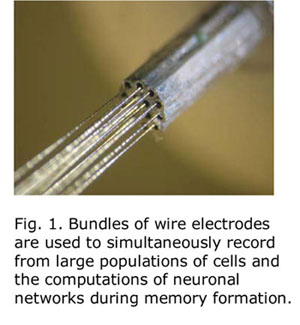
Stefan Leutgeb is a Professor in the Department of Neurobiology at the University of California San Diego (UCSD), affiliated with the School of Biological Sciences. His research focuses on the neural mechanisms underlying long-term memory storage, particularly the role of coordinated neuronal activity and synaptic plasticity in hippocampal and cortical networks. His work investigates how spatial and nonspatial information is encoded, how memory systems degrade in aging and neurodegenerative disorders like dementia, and the translational implications of these findings. Key research areas include hippocampal ensemble dynamics, temporal organization of neuronal activity, and the impact of Alzheimer’s-related proteins (e.g., APP) on neural networks. Leutgeb employs multi-electrode recordings, optogenetics, and computational modeling to study these processes. His lab has discovered critical mechanisms such as pattern separation in the dentate gyrus and the role of theta oscillations in memory encoding. Notable recent contributions include studies on how hippocampal network dysfunction due to APP expression disrupts spike timing ( 2022 ), theta oscillation roles in memory phases ( 2021 ), and the necessity of dentate gyrus activity for spatial working memory ( 2018 ). Despite no explicitly listed awards, his prolific publication record reflects significant contributions to systems neuroscience. Leutgeb’s research also explores cognitive aging and cross-species comparisons of neural processes. His lab emphasizes translational research, aiming to bridge basic neuroscience discoveries with clinical applications for neurodegenerative diseases. Current projects include investigating hippocampal ensemble dynamics during memory retention and developing biomarkers for cognitive flexibility.
Tohru Fukai is a Professor and holds the Barbara A. Schnuck Endowed Chair in Translational Medicine at the Medical College of Georgia, Augusta University, where he serves in the Department of Pharmacology and Toxicology. His research is centered at the Vascular Biology Center, where he leads a productive laboratory investigating the molecular mechanisms of oxidative stress and dysfunctional copper metabolism in cardiovascular and metabolic diseases. Dr. Fukai earned his MD in 1988 and PhD in Medical Science in 1995, both from Kyushu University in Japan. Following his medical and doctoral training, he completed postdoctoral fellowship at Emory University School of Medicine in Atlanta from 1995-1999. His research focuses on oxidative stress in cardiovascular and metabolic disease pathogenesis, particularly investigating the role of extracellular SOD (ecSOD, SOD3) and copper transport proteins. His lab has pioneered research on copper transport proteins CTR1, Atox1, and ATP7A in regulating vascular function, demonstrating their critical roles in hypertension, vascular remodeling, inflammatory angiogenesis, atherosclerosis, and diabetes. Notably, his team discovered that copper chaperone Atox1 functions as a copper-dependent transcription factor regulating cell proliferation and inflammatory responses. Analysis of Dr. Fukai's recent publications reveals a strong focus on the intersection of redox signaling, copper metabolism, and vascular function. His work increasingly explores how oxidative stress and copper transport mechanisms contribute to conditions like diabetes, atherosclerosis, Alzheimer's disease, and ischemic injury. A prominent theme across his recent work is the role of protein modifications (particularly sulfenylation and SUMOylation) in regulating vascular responses to oxidative stress, with significant implications for therapeutic interventions. Dr. Fukai's scientific achievements have been recognized with numerous awards including the Barbara A. Schnuck Endowed Chair in Translational Medicine (2017), World Science Leaders in Human Biology Program (2021), and multiple Circulation Research Reviewer Awards. He has served on editorial boards for prestigious journals including Scientific Reports, Journal of Molecular and Cellular Cardiology, and American Journal of Physiology-Heart and Circulatory Physiology. As a mentor, Dr. Fukai has advised numerous graduate students and postdoctoral fellows, including several who have received AHA awards and trainee recognition. He serves on various committees including the VBC post-doc evaluation committee and the CNVAMC Subcommittee for Research Safety. His lab has secured significant funding, including a recent $11.3 million NIH grant for vascular disease research. Dr. Fukai leads an active research group at the Vascular Biology Center comprising senior research associates, assistant research scientists, postdoctoral fellows, and graduate students working collaboratively on multiple projects related to copper transport, redox signaling, and vascular disease mechanisms. His lab has made seminal contributions to understanding how copper transport proteins function as key regulators of vascular antioxidant enzymes and as unexpected signaling molecules in inflammatory disease processes.
Professor Dr. Martin Grepl is a faculty member at RWTH Aachen University, where he holds the Lehr- und Forschungsgebiet Optimierung mit partiellen Differentialgleichungen (Teaching and Research Area in Optimization with Partial Differential Equations). He has been affiliated with RWTH Aachen since 2009, first as a Professor (W1) and since 2014 as a Professor (W2). Education: Diplom-Ingenieur (Aerospace Engineering), University of Stuttgart (2000) Master of Science (Mechanical Engineering), MIT (2001) Doctor of Philosophy (Mechanical Engineering), MIT (2005) His research focuses on numerical methods for partial differential equations (PDEs) , particularly model order reduction , reduced basis methods , finite element methods , and optimal control for parametrized PDEs. He also investigates parameter estimation , inverse problems , and control constraints in elliptic and parabolic PDE systems. The scientific awards he has received include the Studienstiftung des deutschen Volkes (1997-2000), a Fellowship from the Dr. Jürgen Ulderup-Stiftung (1998-1999), and the Lehrpreis der Fachschaft Mathematik/Physik/Informatik (2011). His work spans applications in manufacturing , medical physics , and fluid dynamics , as evidenced by his patents and collaborative research. His publications demonstrate expertise in reduced basis methods for nonaffine/nonlinear PDEs , trust region optimization , and error bounds for real-time and many-query scenarios. His collaborations often involve interdisciplinary applications, including thermal conduction , welding processes , and glomerular filtration modeling .
Cam Ha Tran is an Assistant Professor in the Department of Physiology and Cell Biology at the University of Nevada, Reno, affiliated with the Institute of Neuroscience. Her research focuses on neurovascular unit interactions, particularly how blood flow regulation impacts brain function under health and disease conditions such as stroke and dementia. She employs advanced techniques like two-photon imaging, optogenetics, and electrophysiology to study astrocyte-endothelial communication and vascular reactivity. Education: PhD in Cardiovascular and Respiratory Sciences from the Cumming School of Medicine, University of Calgary (Canada); Master of Biomedical Technology and Bachelor of Science from the University of Alberta (Canada). Research emphasizes understanding how astrocytes and endothelial cells coordinate to maintain cerebral blood flow, with implications for neurological disorders. Her recent work explores TRPA1 channels in neurovascular coupling, astrocyte dysfunction in Alzheimer’s, and seizure-induced vascular changes. Techniques include in vivo imaging and chemogenetic approaches to dissect cellular mechanisms. Key contributions include uncovering astrocyte roles in functional hyperemia and identifying therapeutic targets for cerebrovascular diseases. Her lab’s findings bridge basic science and clinical applications, aiming to improve diagnostics and treatments for stroke and neurodegenerative conditions.
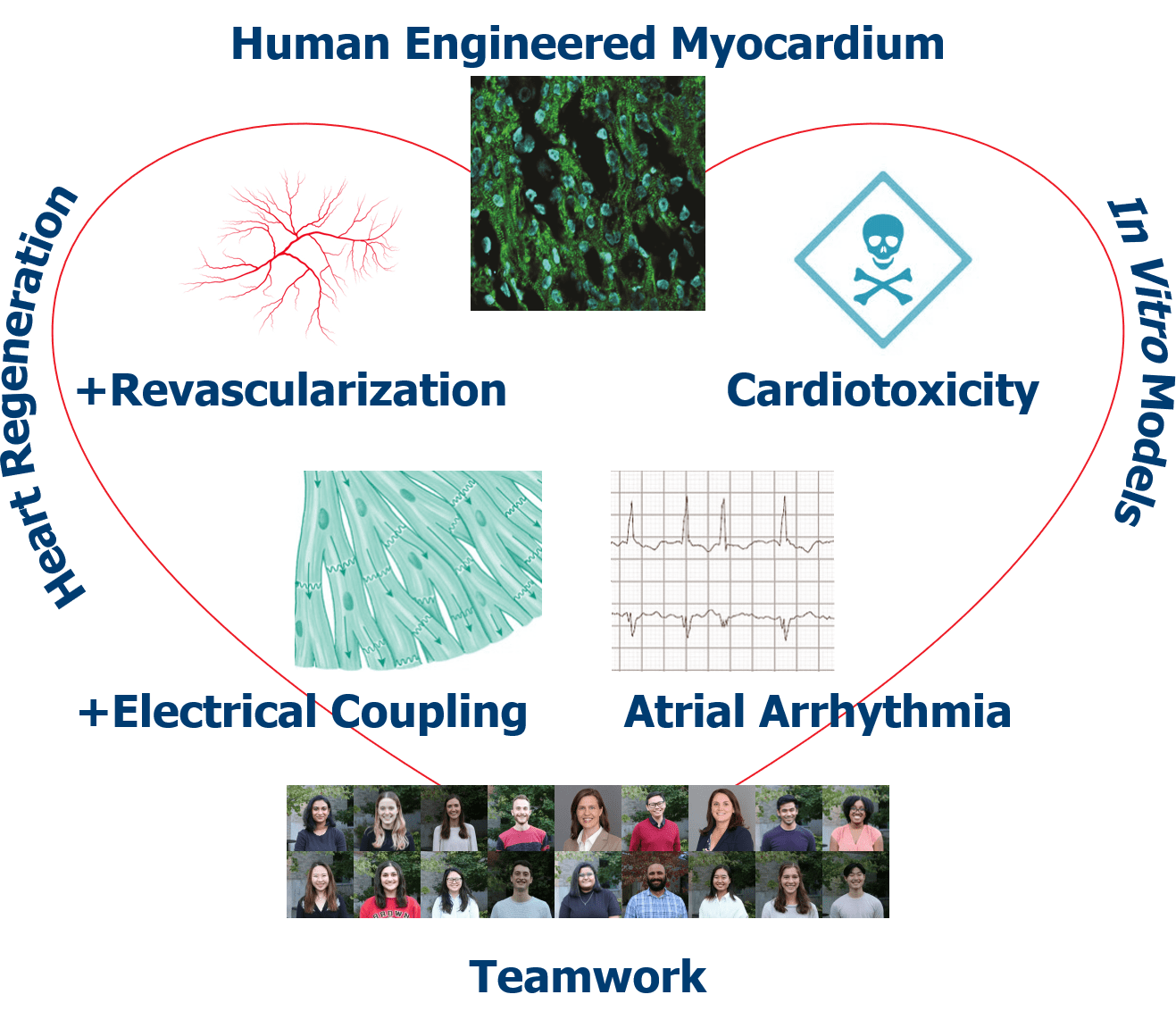
Kareen L.K. Coulombe is an Associate Professor of Engineering at Brown University, affiliated with the Institute for Biology, Engineering and Medicine . She collaborates with researchers from the Department of Medicine and institutions like the University of Edinburgh and ScitoVation, Inc . Education: B.S. in Biomedical Engineering, Summa Cum Laude (University of Rochester, 2001) Ph.D. in Bioengineering (University of Washington, 2007) Her research focuses on cardiovascular regenerative engineering , including: Developing human iPSC-derived cardiac tissues for heart attack therapy Creating anisotropic biomaterial scaffolds to enhance tissue integration Designing in vitro cardiotoxicity testing platforms for pharmaceuticals and environmental chemicals Optimizing electrical coupling between engineered and native heart tissue Recent publications highlight advancements in: Predictive 3D cardiac microtissue models for arrhythmic risk assessment Custom polycaprolactone scaffolds for tailored mechanical properties Immunomodulatory biomaterials that reshape cardiac repair processes Computational strain continuum modeling of cardiac tissue mechanics Scientific Awards: 2023 - Brown University Innovation of the Year 2021 - NSF CAREER Award & Young Innovator Award (BMES) 2019 - Dean’s Award for Excellence in Mentoring 2017-2012 - Rising Star Award & NIH Pathway to Independence K99/R00 Dr. Coulombe mentors students through programs like: Brown Leadership Alliance (undergraduate research) Tougaloo College Partnership (student development) NIH-IMSD Programs (graduate mentoring)
Professor Samuel Fountain is a leading academic in pharmacology at the University of East Anglia, where he serves as Chair of Pharmacology within the School of Biological Sciences. He holds additional leadership roles as Associate Pro-Vice-Chancellor of the UEA Doctoral College and has previously served as Associate Dean for Postgraduate Research and Director of the Biomedical Research Centre. He is actively supervising multiple PhD students and securing major research funding. BSc (Hons) Pharmacology, University of Leeds (1997–2000) MRC-funded PhD, University of Leeds (2000–2004) Wellcome Trust Research Associate, University of Manchester (2004–2008) BBSRC David Phillips Fellow, University of Leeds (2008–2010) Lecturer to Professor of Pharmacology, University of East Anglia (2010–present) His research focuses on the role of ion channels—particularly P2X receptors—in vascular and adipose tissues, with implications for cardiometabolic diseases. His work integrates pharmacology, physiology, and molecular biology to understand neurovascular and neuroadipose communication, receptor-ligand interactions, and drug discovery. He employs techniques such as pressure myography, patch-clamp electrophysiology, calcium imaging, and molecular modelling. The analysis of his recent publications reveals a strong emphasis on purinergic signalling, ion channel pharmacology, and autonomic control of blood vessels and fat tissue. His work bridges basic science with translational applications, particularly in hypertension, obesity, and metabolic syndrome. Collaborations with AstraZeneca, Merck, and the British Heart Foundation underscore the clinical and pharmaceutical relevance of his research. Notable scientific recognition includes the prestigious BBSRC David Phillips Fellowship. He also contributes to the academic community through editorial roles, including as Editor of Purinergic Signalling , and as a member of the British Pharmacological Society and The Physiological Society. Professor Fountain actively mentors postdoctoral researchers and PhD students, several of whom are funded by BBSRC, BHF, and AstraZeneca iCASE awards. His lab is supported by significant grants from the British Heart Foundation, BBSRC, and industry partners, enabling cutting-edge research in vascular and metabolic pharmacology. He leads multiple active projects on neurovascular transmission, purinergic control, and drug discovery for P2X receptors. His research group operates within the Cells and Tissues research theme at UEA and utilizes advanced experimental platforms including human tissue studies, high-throughput screening, and computational ligand docking. The lab fosters interdisciplinary collaboration between pharmacologists, physiologists, and clinicians, positioning it at the forefront of autonomic and metabolic research.
David N. Proctor is a Professor of Kinesiology and Physiology at Pennsylvania State University . His research focuses on human cardiovascular aging, vascular adaptation to exercise, and therapeutic strategies for aging populations.