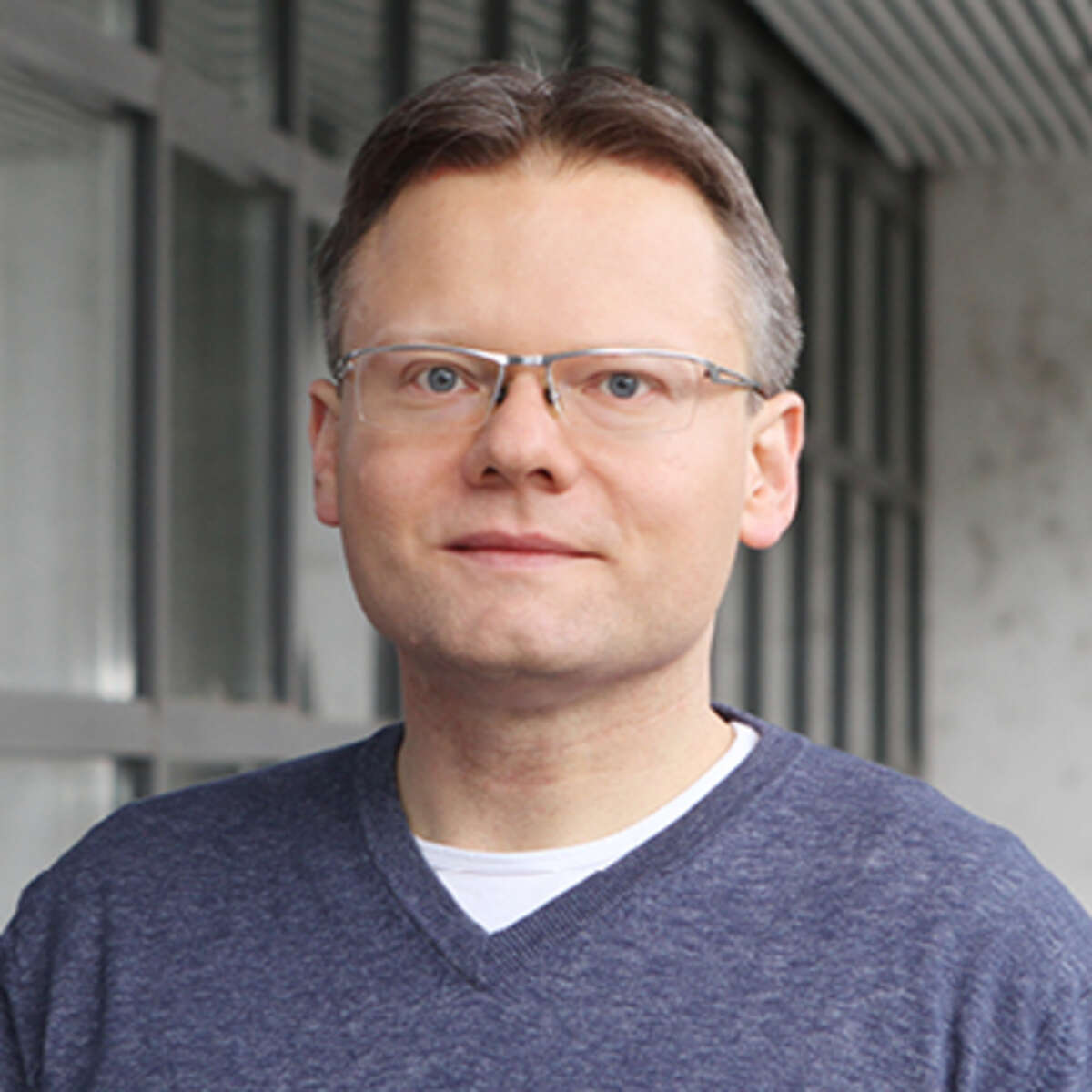
Prof. Dr. Timm Maier is a Full Professor of Structural Biology at the University of Basel , affiliated with the Biozentrum since 2023. His research focuses on elucidating the architecture and functional principles of multienzymes and regulatory protein complexes involved in metabolic processes. Key Research Areas: Metabolic regulation, protein complex structures, hybrid structural methods (Cryo-EM, X-ray crystallography), and drug development targeting mTOR and lipid metabolism. Technologies: Combines experimental structural biology with computational approaches to study macromolecular dynamics. Research Trends & Articles Recent publications highlight structural studies of mTOR complexes, BAM insertase, and antibiotic targets like BamA. The work bridges fundamental enzyme architecture with therapeutic applications in cancer and infectious diseases. Students & Collaborations His lab advises doctoral candidates such as Max Pokutta and Matthias Zeug , alongside technical and administrative team members including Stephanie Gehlen.
Douglas Zochodne is a Professor at the University of Alberta, serving as Divisional Director of Neurology and Director of the Neuroscience and Mental Health Institute. He has held faculty positions at Queen’s University, the University of Calgary, and the University of Alberta. His research focuses on peripheral nervous system biology, diabetic polyneuropathy, and neuronal regeneration. MD and FRCPC in Neurology from the University of Western Ontario Research Fellowship at Mayo Clinic under Drs. Philip Low and Peter J. Dyck His research has explored intrinsic molecular mechanisms in adult sensory neuron plasticity, including tumour suppressor pathways in neurons. Funded continuously since 1988, his lab has produced over 280 publications and four books. Key areas include diabetic polyneuropathy , peripheral nerve regeneration , and molecular neurobiology . Recent publications highlight interdisciplinary approaches to diabetic neuropathy, neuroplasticity, and molecular pathways. He has received recognition as a Fellow of the Canadian Academy of Health Sciences and held leadership roles in journals and societies. Editor-in-Chief, Canadian Journal of Neurological Sciences (1999-2007) President, Peripheral Nerve Society (2009-2011) Lead, Regeneration Unit in Neurobiology, University of Calgary (2009-2014) His laboratory, continuously funded by CIHR, CDA/DC, and ADI, investigates molecular mechanisms of peripheral neuron plasticity and regeneration, with clinical applications in diabetes-related nerve damage.
Teresa Buck serves as a Research Associate Professor in the Department of Biological Sciences at the University of Pittsburgh's Dietrich School of Arts and Sciences, where her laboratory investigates fundamental mechanisms of protein homeostasis with direct implications for kidney disease pathogenesis and treatment. Her academic foundation includes: B.A. in Biology from Carroll College, Helena, MT Ph.D. in Integrated Biomedical Sciences from Oregon Health Sciences University (2006) under Dr. Bill Skach Dr. Buck's research program centers on molecular chaperones governing endoplasmic reticulum associated degradation (ERAD), particularly their regulation of the epithelial sodium channel (ENaC) in renal contexts. Using Saccharomyces cerevisiae yeast models and mammalian systems, her work elucidates how chaperones like GRP170/Lhs1, ERdj3/4, and Hsp104 recognize misfolded membrane proteins, with recent emphasis on therapeutic interventions for ER stress-induced acute kidney injury. Her studies frequently examine transmembrane domain recognition, substrate-specific degradation mechanisms, and compensatory pathways in chaperone-deficient states. Analysis of her 2018-2025 publications reveals escalating focus on GRP170's cytoprotective role in nephrons, demonstrating how dietary sodium modulates electrolyte imbalances in chaperone-deficient mice. This translational trajectory connects basic ERAD mechanisms to potential clinical interventions for kidney disorders, with consistent exploration of chaperone networks across model systems.
Linda O'Reilly serves as a Teaching Associate Professor at the University of Pittsburgh, having joined the faculty in 2016 after completing post-doctoral research at the University of Pittsburgh (2004-2012) under Prof. Tom Smithgall and Children's Hospital of Pittsburgh (2012-2016) with Dr. Gary Silverman. Her work centers on protein misfolding diseases using C. elegans models to investigate alpha-1 antitrypsin deficiency and medium-chain acyl-CoA dehydrogenase deficiency. Her academic background includes: Ph.D. in Biochemistry from University College Dublin (2003), supervised by Prof. Paul Engel Post-doctoral training at University of Pittsburgh (2004-2012) Post-doctoral research at Children's Hospital of Pittsburgh (2012-2016) Dr. O'Reilly's research investigates molecular mechanisms of protein misfolding diseases, focusing on alpha-1 antitrypsin deficiency (causing liver damage via toxic aggregates) and medium-chain acyl-CoA dehydrogenase deficiency (a metabolic disorder). Her laboratory develops C. elegans -based high-throughput RNAi screening, fluorescent imaging techniques, and proteostasis network analysis to identify therapeutic targets for protein misfolding disorders. Analysis of her 15 most recent publications (2010-2016) reveals consistent focus on C. elegans models for human protein misfolding diseases, with predominant themes including high-throughput drug discovery, RNAi screening methodologies, proteostasis network analysis, and therapeutic compound identification for alpha-1 antitrypsin deficiency. Her work bridges fundamental molecular mechanisms with translational applications. No major scientific awards or honors are documented in the available information. There is no available information regarding graduate student advising, research grant funding, or laboratory personnel structure. Details about specific laboratory facilities, research teams, or collaborative groups are not provided in the source material.
Alessandro Senes is a Professor at the Department of Biochemistry of the University of Wisconsin-Madison , where he joined in 2008 and was promoted to full professor in 2020. His research focuses on membrane protein structure and function , particularly the bacterial divisome and transmembrane interaction motifs like GAS-right . He is also the director of the Biophysics PhD program and the Molecular Biophysics NIH Training Grant . His laboratory employs a multi-disciplinary approach combining X-ray crystallography , genetic reporter assays , computational modeling , and in vivo analysis to study the structural organization of membrane proteins. He has developed the open-source MSL (Molecular Software Library) for advanced macromolecular modeling and the CATM method to predict GAS-right motif structures. His recent publications highlight computational advances in transmembrane dimer prediction, structural analysis of divisome proteins, and thermodynamic studies of hydrogen bonding. Key collaborators include experts in biophysics, molecular biology, and computational chemistry. Teaching roles include Biochem 551: Biochemical Methods and graduate seminars like Membrane Protein Structure and Function (Biochem 924) . His lab includes graduate students Joshua Choi , Samridhi Garg , and Tamalika Kar , plus undergraduates Emma Cushman and Alexander Vorobiov .
Mati Karelson is a Full Professor at the University of Tartu's Institute of Chemistry in Estonia, where he has maintained a continuous academic appointment since September 1992. With an educational background in Chemistry from Tartu State University (1992-1995), he has established himself as a leading researcher in computational chemistry and drug design. Professor Karelson's research spans multiple disciplines with a strong focus on computational approaches to drug discovery . His work prominently features: Quantitative Structure-Activity Relationship (QSAR) modeling Molecular docking and virtual screening Epitranscriptomics, particularly RNA methylation (m6A) Neurodegenerative disease research, especially Parkinson's disease Antiviral drug development targeting HIV and flaviviruses His recent publications (2023-2025) demonstrate a strong emphasis on the intersection of computational chemistry and biological applications, particularly in developing small molecule modulators of RNA methylation pathways and their therapeutic potential for neurological disorders and viral infections. Professor Karelson has published 238 papers with over 44,875 reads and 13,947 citations, reflecting significant impact in his field. His research collaborations span multiple institutions internationally, working with experimental biologists to validate computational predictions. The interdisciplinary nature of his work bridges computational chemistry with neuroscience, virology, and molecular biology, creating a robust research program with translational potential.
Dr. Alexis Caspar Faesen is an academic advisor specializing in structural biology and molecular mechanisms, with a research focus on cryo-electron microscopy applications for studying macromolecular complexes. The advisor has supervised multiple doctoral candidates at what appears to be a German academic institution, as evidenced by the eDiss repository interface containing German language elements. Research interests center around structural analysis of biological macromolecules, particularly in the areas of RNA splicing mechanisms, protein folding and quality control, and chromatin structure. The work employs advanced imaging techniques like cryo-EM to investigate spliceosome assembly, protein-nascent chain dynamics, and histone modifications at molecular resolution. Current research trends show a consistent focus on developing and applying structural biology methodologies to understand fundamental cellular processes. Dr. Faesen has advised eight doctoral students between 2018-2022, with thesis topics spanning cryo-EM methodology development, spliceosome structure and function, protein quality control mechanisms, and chromatin biology. The supervision record indicates active involvement in training the next generation of structural biologists and molecular biologists, with students investigating both methodological advancements and fundamental biological questions using structural approaches.
Linda J. Olson, PhD is an Assistant Professor in the Department of Biophysics at the Medical College of Wisconsin and a member of the MCW Cancer Center. With over 25 years of research experience at MCW, she transitioned from a Research Scientist II position (2000-2016) to her current faculty role, while also serving as the X-ray facility manager since 2014. Her academic journey began with a BA in Chemistry from Lawrence University (1983-1987), followed by a PhD in Chemistry from UW-Milwaukee where she studied eukaryotic DNA binding proteins. Dr. Olson's research program focuses on structural biology of the mannose 6-phosphate receptor system, employing X-ray crystallography to investigate how these receptors recognize and bind lysosomal enzymes. Her work has revealed multiple binding sites in these receptors, characterized pH-dependent conformational changes, and elucidated mechanisms of glycan recognition. More recently, her lab has expanded into cancer research, studying glucosidase II inhibitors to prevent breast cancer metastasis and investigating human salt inducible kinase 2. Analysis of her 29 publications shows a consistent focus on structural glycobiology, with increasing emphasis on cancer-related applications in recent years. Her work bridges fundamental structural biology with potential therapeutic applications, particularly in understanding molecular mechanisms relevant to cancer metastasis. She has contributed numerous protein structures to the Protein Data Bank, advancing the field's understanding of carbohydrate recognition proteins. Graduate Student Award for Outstanding Teacher of the Year, MCW (2016-2017) Outstanding Graduate School Teacher, MCW (2017-2018) Dr. Olson currently serves as Principal Investigator on two research grants: an MCW Cancer Center Pilot Award for studying glucosidase II inhibitors to inhibit breast cancer metastasis, and a Research Affairs Committee award for investigating human salt inducible kinase 2. Her X-ray crystallography facility supports structural research across the institution, demonstrating her technical leadership in this specialized area. Her lab maintains active collaborations with researchers studying glycobiology, cancer mechanisms, and protein structure-function relationships.
Kenneth W. Helm serves as Associate Professor of Biology at Siena University, where he has maintained continuous faculty appointment since 1993 after promotion from Assistant Professor (1993-1999). His research office is located in the Morrell Science Center, reflecting his active laboratory presence. His academic foundation includes: Ph.D. in Agronomy & Biochemistry from University of Wyoming M.S. in Genetics from University of Arizona B.S. in Plant Pathology from University of Arizona Dr. Helm's research investigates molecular mechanisms of plant stress tolerance, with emphasis on heat shock protein localization within endomembrane systems of Arabidopsis thaliana , pea, and wheat. His work bridges cell biology and physiology to elucidate how plants maintain membrane integrity during thermal stress, particularly in seed development and germination contexts. Key contributions include identifying endomembrane-targeted small heat shock proteins and characterizing their expression dynamics during stress recovery. Analysis of his publication trajectory reveals consistent focus on plant stress responses from 1980s-1990s, evolving from wheat seed physiology to molecular characterization in model systems. His work demonstrates strong integration of biochemical , cell biological , and developmental approaches , with increasing specialization in protein localization mechanisms after 1990. No scientific awards were documented in the source material. While the text confirms active faculty status and research output, specific details regarding student mentorship, grant funding, or laboratory infrastructure were not provided. His enduring presence in the department suggests ongoing teaching responsibilities within the Biology curriculum.
Carol L. Beck, PhD, serves as Associate Professor in the Department of Pharmacology, Physiology, & Cancer Biology within Thomas Jefferson University's College of Life Sciences, while concurrently holding leadership roles as Director of the Pharmacology MS Program and Associate Dean of the Graduate School for Biomedical Sciences. Her academic responsibilities span teaching, research mentorship, and graduate program administration across biomedical disciplines. Dr. Beck's research program investigates ion channel physiology with dual emphases: (1) skeletal muscle channelopathies like myotonia congenita caused by CLCN-1 mutations, where diminished chloride conductance leads to sarcolemmal hyperexcitability; and (2) functional characterization of calcium-activated chloride channels (CLCA family), particularly mCLCA5 and mCLCA6 in ocular and intestinal tissues. Her laboratory employs immunohistochemistry, in situ hybridization, and electrophysiological approaches to elucidate structure-function relationships in normal physiology and disease states. Recent publications demonstrate consistent focus on molecular mechanisms of chloride channels across multiple organ systems, with particular attention to tissue-specific expression patterns and pathological implications for channelopathies. This work bridges fundamental biophysics with translational applications in neuromuscular and ocular disorders. As Director of the Pharmacology MS Program, Dr. Beck oversees curriculum development, student recruitment, and research training for graduate students. Her Associate Dean role involves broader strategic initiatives for the Graduate School of Biomedical Sciences, including program accreditation and interdisciplinary collaboration. Her research team operates at the intersection of pharmacology and molecular physiology, utilizing transgenic models (including myotonic goat studies) to investigate disease mechanisms while exploring therapeutic implications of ion channel modulation.
Annika Weile Nonboe serves as Academic Research Staff and Guest Researcher within the Department of Cellular and Molecular Medicine at the University of Copenhagen's Faculty of Health and Medical Sciences. Her work is centered in the Morphogenesis and Differentiation Program under the Vogel Group, focusing on protease-inhibitor dynamics in cancer pathways. Her research investigates the interplay between serine proteases matriptase and prostasin with their inhibitors HAI-1 and HAI-2, aiming to develop novel cancer therapeutics. Key areas include proteolytic regulation in epithelial homeostasis, matriptase zymogen activation mechanisms, and the role of HAI proteins in congenital disorders like tufting enteropathy. Her work bridges molecular oncology, gastrointestinal pathophysiology, and protease network biology. Dr. Nonboe's publication record demonstrates consistent contributions to biochemical and cellular journals, with emphasis on cancer protease systems. Her 2013-2022 output reveals progressive deepening into HAI protein functions, particularly HAI-2's dual roles in matriptase stabilization and prostasin regulation. Recent work explores clinical connections to colorectal carcinogenesis and sodium diarrhea disorders. Collaborative networks are evident through multi-author publications with international teams across Denmark, Austria, and Japan. Her research receives significant attention with over 150 combined Scopus citations and Mendeley readership, indicating impact in molecular cancer research circles.
Christian Schlieker is a Professor of Molecular Biophysics and Biochemistry and Professor of Cell Biology at Yale University School of Medicine. He serves as Director of Undergraduate Studies in the Department of Molecular Biophysics and Biochemistry and is a member of the Advisory Board of the Yale Center for Molecular Discovery. His research spans multiple interdisciplinary programs including the DNA Damage and Genome Integrity Program, Biochemistry, Quantitative Biology, Biophysics and Structural Biology (BQBS), and the Yale Cancer Center. Dr. Schlieker's research focuses on the cellular etiology of movement disorders, with particular emphasis on nuclear compartmentalization and biomolecular condensates. His lab explores how cells build and safeguard the nuclear envelope and endoplasmic reticulum to ensure protein quality control and cellular homeostasis. They investigate how disruptions in membrane organization and phase separation drive the formation of aberrant condensates connected to neurological diseases, particularly movement disorders like dystonia. The lab develops and applies new tools to probe and modulate these processes across scales, integrating cell biology, biochemistry, and computational approaches to uncover fundamental principles of cellular organization. Analysis of Dr. Schlieker's recent publications (2020-2025) reveals a strong focus on nuclear envelope biology, protein quality control mechanisms, and the role of biomolecular condensates in neurological disorders. His work bridges fundamental cell biology with disease mechanisms, particularly in understanding how Torsin ATPases maintain nuclear envelope integrity and how their dysfunction leads to movement disorders. The research spans from molecular mechanisms to potential therapeutic strategies, with several papers identifying small molecule modulators of pathological condensates. Scientific Recognition: NIH Director's New Innovator Award (2011) Service on scientific advisory board of Dystonia Medical Research Foundation Reviewer for NIH, Department of Defense, German Excellence Initiative, and European Research Council As Director of Undergraduate Studies, Dr. Schlieker plays a significant role in academic administration at Yale College. His lab actively recruits graduate students, postdocs, and undergraduates, emphasizing interdisciplinary training that combines biochemical, cellular, and computational approaches. The Schlieker Lab collaborates extensively through the Yale Nucleus Club with the Bahmanyar, King, and Lusk laboratories, creating a rich environment for scientific exchange and skill development. Current research directions include identifying small molecules that modulate aberrant condensates, investigating condensates in neurodevelopmental disorders using patient iPSC lines, establishing FRET-based readouts for protein folding, and elucidating the molecular function of torsin proteins in nuclear pore complex assembly.
Mark D. Lazzaro serves as Associate Professor in the Department of Biology at the College of Charleston, where he teaches Cell Biology (BIOL 313), introductory cellular and molecular biology for majors (BIOL 111, HONS 151), and mentors undergraduate researchers in plant cell biology. His educational background includes: B.A. in Biology from Cornell University (1986) M.S. in Botany from University of California, Riverside (1988) Ph.D. in Botany from University of California, Riverside (1992) Dr. Lazzaro's research centers on plant cell structures with three primary emphases: cytoskeletal function in pollen tube development (particularly in conifers like Norway spruce), tomato fruit shape regulation, and the physiology of plant secretory structures including salt glands in marine plants and chickpea trichomes. His methodological expertise spans digital and fluorescent microscopy, with publications consistently exploring microtubule-microfilament interactions in cellular growth processes. Analysis of his 15 most recent publications reveals sustained focus on cytoskeletal dynamics in specialized plant cells, with particular attention to conifer pollen tubes (1996-2013) and secretory trichomes (1988-1996). Key recurring themes include microtubule regulation of organ shape, calcium signaling in tip growth, and solute transport mechanisms in glandular structures. Scientific awards: No awards documented in provided materials Dr. Lazzaro actively involves undergraduates in laboratory research and maintains international collaborations, including visiting appointments at Stockholm University (1994-1999, retaining Docent title), University of Sydney (2008-2010), and University of Georgia (2017-2018). His sabbatical work at multiple institutions suggests successful grant funding though specific awards aren't detailed. His laboratory is housed in Rita Hollins Science Center (Room 136) where he continues investigations into plant cell morphogenesis with undergraduate researchers.
Klaus Qvortrup serves as a Professor within the Department of Biomedical Sciences at the University of Copenhagen's Faculty of Health and Medical Sciences. His primary research focuses on Advanced Light and Electron Microscopy with significant contributions to understanding Meniere's Disease and inner ear ultrastructure. His institutional affiliation includes the Center for Free-Electron Laser Research (CFIM) as indicated by his institutional website. Professor Qvortrup's research interests span multiple disciplines including Anatomy, Histology, Macroscopy, and the Ultrastructure and Function of the Inner Ear. His laboratory specializes in advanced microscopy techniques applied to diverse biological systems ranging from neurological structures to biofilm formation on medical devices. His work bridges fundamental microscopic analysis with clinical applications, particularly in otology and medical device biocompatibility. Analysis of his recent publications reveals a strong emphasis on biofilm research (40% of recent work), inner ear pathology (25%), and advanced microscopy methodology development (35%). His studies frequently employ correlative light and electron microscopy approaches to investigate complex biological structures at unprecedented resolution. The research demonstrates consistent collaboration with both clinical departments and engineering teams. Professor Qvortrup maintains active research collaborations across multiple disciplines as evidenced by his extensive publication record of over 150 research outputs. His work has garnered attention from 13 news outlets and been discussed across various social media platforms including X (formerly Twitter) and Bluesky. His laboratory utilizes state-of-the-art microscopy facilities at the University of Copenhagen, particularly focusing on three-dimensional ultrastructural analysis. Current research directions include investigating Meniere's Disease mechanisms, biofilm formation on medical implants, and nanoparticle-tissue interactions. The lab maintains strong connections with clinical departments through translational research projects.