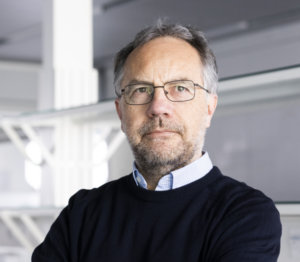
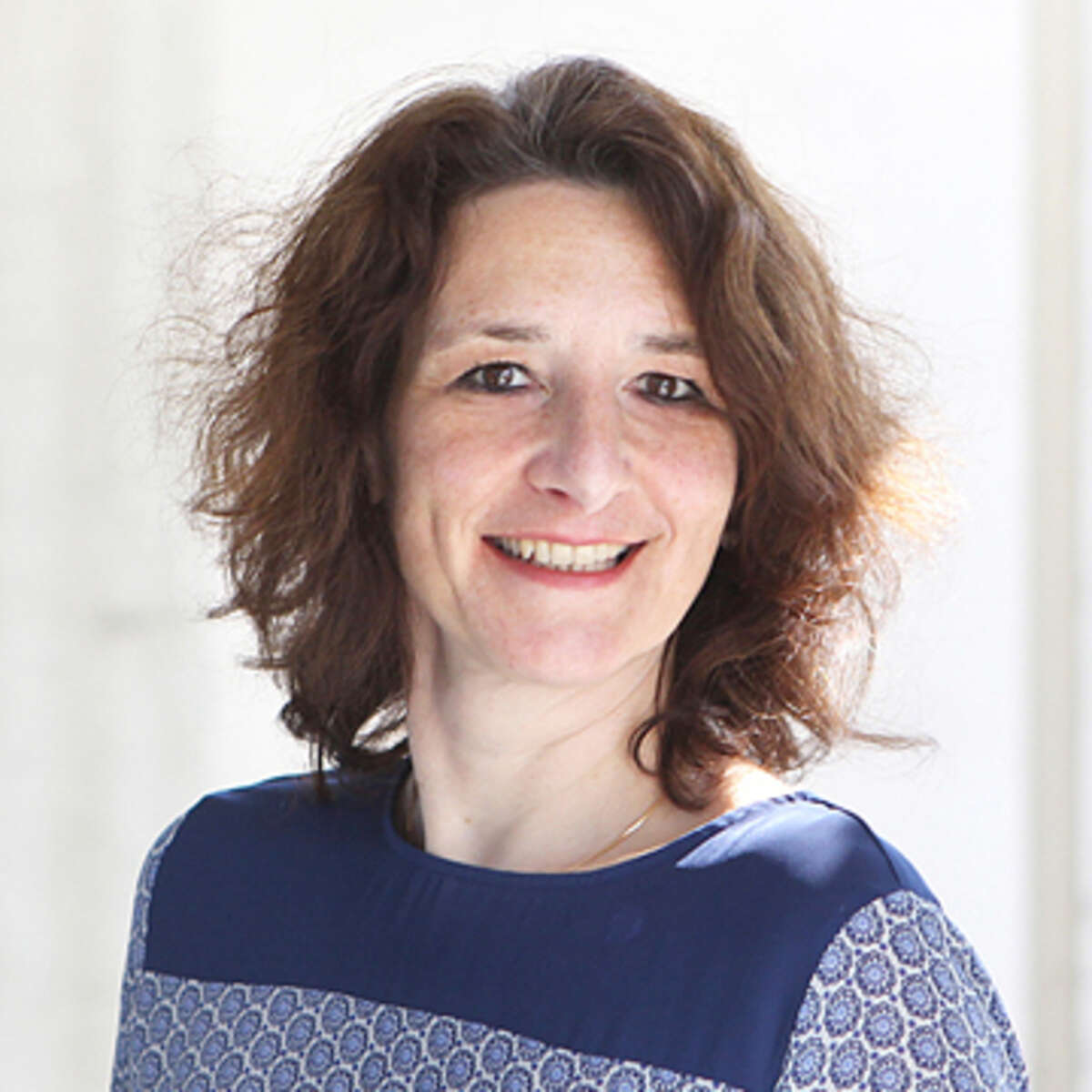
Maurizio Molinari is a Group Leader at the Institute for Research in Biomedicine (IRB) in Bellinzona, Switzerland, since October 2000. He earned his PhD in Biochemistry from ETH-Zurich in 1995 and conducted postdoctoral research at the University of Padua and ETH-Zurich. His work focuses on protein folding, quality control, and degradation mechanisms within the endoplasmic reticulum (ER), with implications for rare diseases and Alzheimer’s pathology. Affiliation: IRB Bellinzona, Adjunct Professor at EPFL since 2008 Education: PhD in Biochemistry (ETH-Zurich, 1995) Dr. Molinari’s research explores the ER-phagy pathway , proteostasis , and lysosomal degradation as failsafe mechanisms during ER stress. His studies link these processes to neurodegenerative diseases , myelin maintenance , and rare genetic disorders . Recent publications highlight his contributions to allosteric enzyme modulation , organelle fragmentation , and computational tools for autophagy quantification . He received the Friedrich-Miescher Award in 2006 for his work in molecular biology. Scientific Networks: European Research Council (ERC), Rare Diseases Platform (Switzerland) Leadership Roles: Advisory Board, Centro Malattie Rare della Svizzera italiana
Prof. Ulrike Kutay is a Full Professor at ETH Zürich's Department of Biology, where she leads a research group at the Institute of Biochemistry. She joined ETH Zürich in 1999 as an Assistant Professor, became Associate Professor in 2006, and attained her current rank in 2011. Her laboratory investigates nuclear organization, ribosome biogenesis, and mitotic dynamics using advanced imaging and biochemical approaches. Education and career milestones include: Biochemistry studies at Humboldt University and Free University Berlin PhD with highest distinction from Humboldt University (1996) under Prof. T.A. Rapoport Postdoctoral work at University of Heidelberg with Dr. D. Görlich, focusing on nucleocytoplasmic transport Her research explores three interconnected domains: Nuclear restructuring during cell division : Mechanisms of nuclear envelope breakdown/reassembly and nuclear pore complex dynamics Nuclear envelope functions : Roles in genome organization, chromatin tethering, and intracellular signaling Ribosome biogenesis : Molecular pathways of ribosomal subunit maturation and quality control Her group employs cutting-edge techniques including super-resolution microscopy, genome-wide screens, and real-time single-molecule tracking. Recent publications (2020-2024) demonstrate consistent focus on nuclear architecture, ribosome assembly, and mitotic regulation. Methodological themes include CRISPR screens, structural biology, and live-cell imaging. Key biological insights involve chromatin-nuclear envelope crosstalk, ribosome export mechanisms, and stress-responsive nuclear pathways. Major recognitions: EMBO Membership (2010) German National Academy of Sciences Leopoldina (2012) Academy of Europe (2014) She leads an active research team investigating nuclear biology through interdisciplinary approaches. Her laboratory at ETH Zürich's Institute of Biochemistry maintains collaborations across molecular biology, biophysics, and genomics domains.
Prof. Anne Spang is a Professor at the Biozentrum, University of Basel, where she leads a research group focused on understanding the fundamental mechanisms of intracellular organization. Her laboratory investigates molecular transport processes, RNA localization, and cellular responses to stress. Dr. Spang received her education at several prestigious institutions: Graduate student at the Max Planck Institute for Biochemistry, Genecenter, Martinsried, Germany (1992-1996) Studied Biochemistry at the University Pierre et Marie Curie, Paris VI, Paris, France (1990-1991) Studied Chemical Engineering at the University of Applied Science Darmstadt, Germany (1986-1990) Her research primarily focuses on the laws of organization in the cell, particularly molecular transport processes that ensure proper distribution of proteins and RNA molecules. Dr. Spang's work examines intracellular transport between the Golgi apparatus and the plasma membrane, endosome maturation, mRNA localization and stability, and cellular responses to various stress conditions. Her research has significant implications for developmental biology, stem cell research, and understanding cancer mechanisms related to cell polarity loss. Analysis of Dr. Spang's recent publications reveals a strong focus on endosomal maturation processes, protein folding mechanisms, and the cellular response to stress. Her work bridges fundamental cell biology with potential therapeutic applications, particularly in RNA-based therapies and understanding organelle communication. The research demonstrates sophisticated understanding of membrane trafficking, protein quality control systems, and the organization of cellular compartments. Dr. Spang has received numerous prestigious awards recognizing her contributions to cell biology, including the Lelio Orci Award (2025), election as a Fellow of the American Association for the Advancement of Sciences (2025), membership in the German National Academy of Sciences Leopoldina (2021), and the ASCB Fellow award (2020). As a dedicated researcher and mentor, Dr. Spang serves on editorial boards including Molecular Biology of the Cell and Traffic. Her laboratory actively collaborates with pharmaceutical companies like Roche and engages in cutting-edge research that bridges basic science with potential therapeutic applications, particularly in RNA-based therapies and understanding cellular responses to stress. The Spang Lab maintains active presence on social media platforms including Bluesky and Twitter, sharing their research findings and laboratory activities. The lab also participates in collaborative research initiatives such as the NCCR RNA & Disease, a Swiss National Center of Competence in Research focusing on RNA's role in disease mechanisms.