Zhiyong LiView profile
Professor
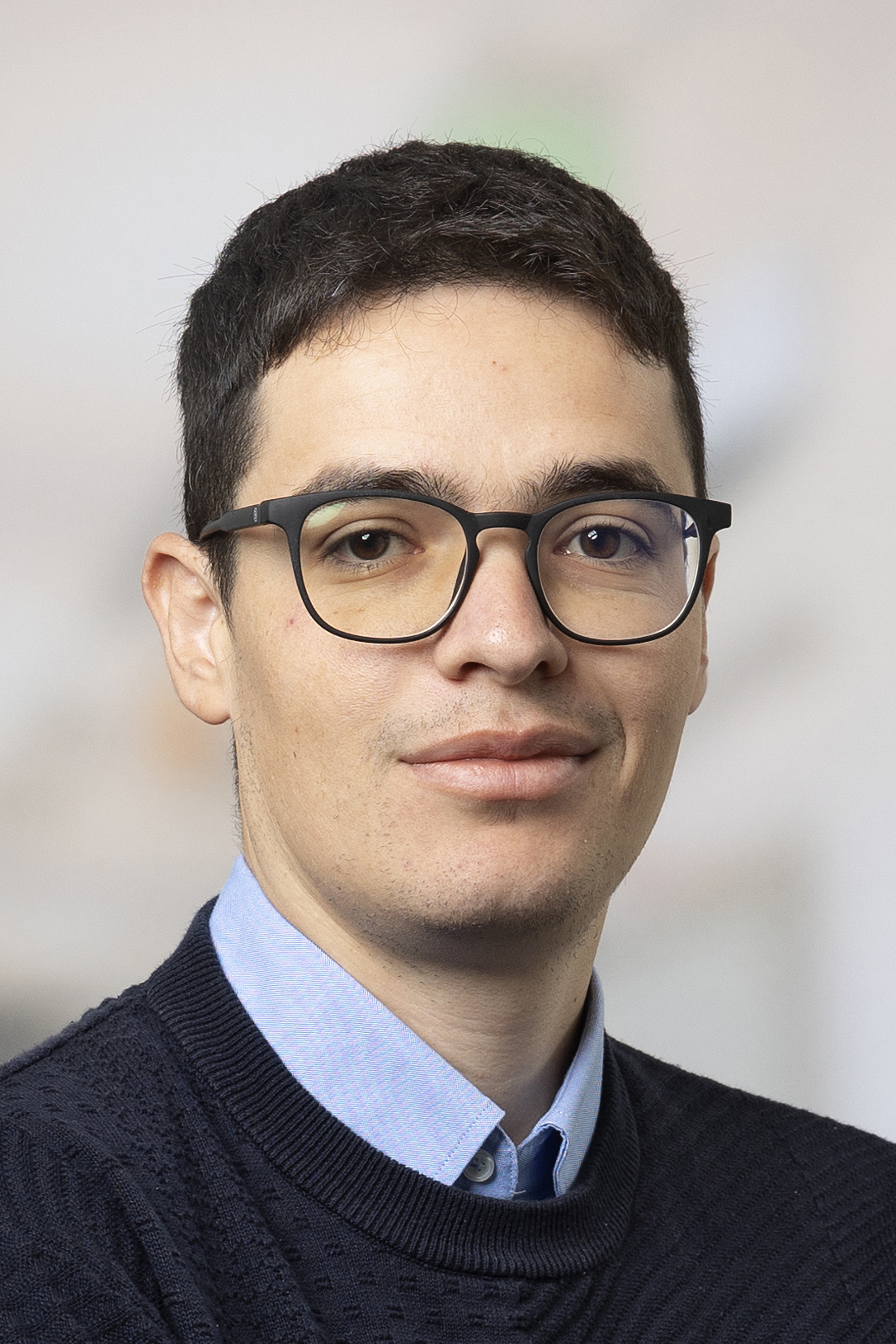
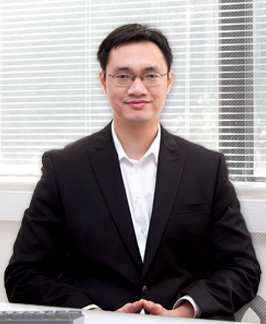
Professor Zhiyong Li is a Professor in Biomedical Engineering at Queensland University of Technology (QUT), affiliated with the School of Mechanical, Medical and Process Engineering. He holds a PhD from Queen Mary University of London and a MA from the University of Cambridge, where he was a research fellow and later an elected Fellow of Wolfson College. His research focuses on biomechanics, mechanobiology, and cardiovascular diseases, particularly atherosclerosis and aneurysm. He has pioneered novel imaging and computational methods for assessing high-risk plaques, with over 100 publications in top journals such as Circulation and Nature Communications . Awards include the 2014 ARC Future Fellowship and the 2015 Australia Vascular Biology Society Award. Education: BEng in Civil Engineering (1998), Tongji University PhD in Biomedical Engineering (2004), Queen Mary University of London MA (2009) from University of Cambridge Research Interests: Mechanical and hemodynamic factors in atherosclerosis progression Development of MRI/IVUS/OCT-based plaque assessment tools Biomaterial scaffold design for bone regeneration Left atrial appendage thrombosis mechanisms in atrial fibrillation Computational modeling of vascular mechanics Articles Trends: His recent work (2024-2025) emphasizes advanced computational models for cardiovascular systems, novel biomaterials for tissue engineering, and innovative encryption algorithms for medical data security. Key themes include patient-specific biomechanical analysis, thrombus formation mechanisms, and scaffold design for bone regeneration. Scientific Awards: ARC Future Fellowship (2014) 2015 Australia Vascular Biology Society Achievement Award Advising & Grants: Currently supervising multiple PhD candidates funded by ARC and CSC scholarships, focusing on projects like plaque vulnerability assessment and scaffold design. Active in securing competitive grants for translational biomedical engineering research. Labs/Teams: Leads a multidisciplinary team in QUT's Centre for Data Science and collaborates with clinical partners on translational cardiovascular research initiatives.