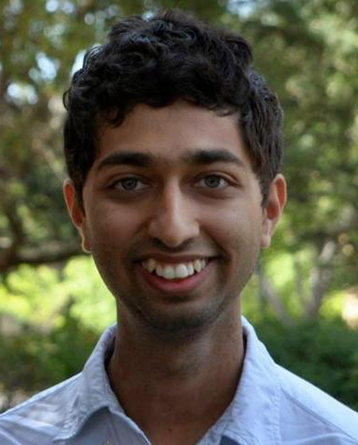
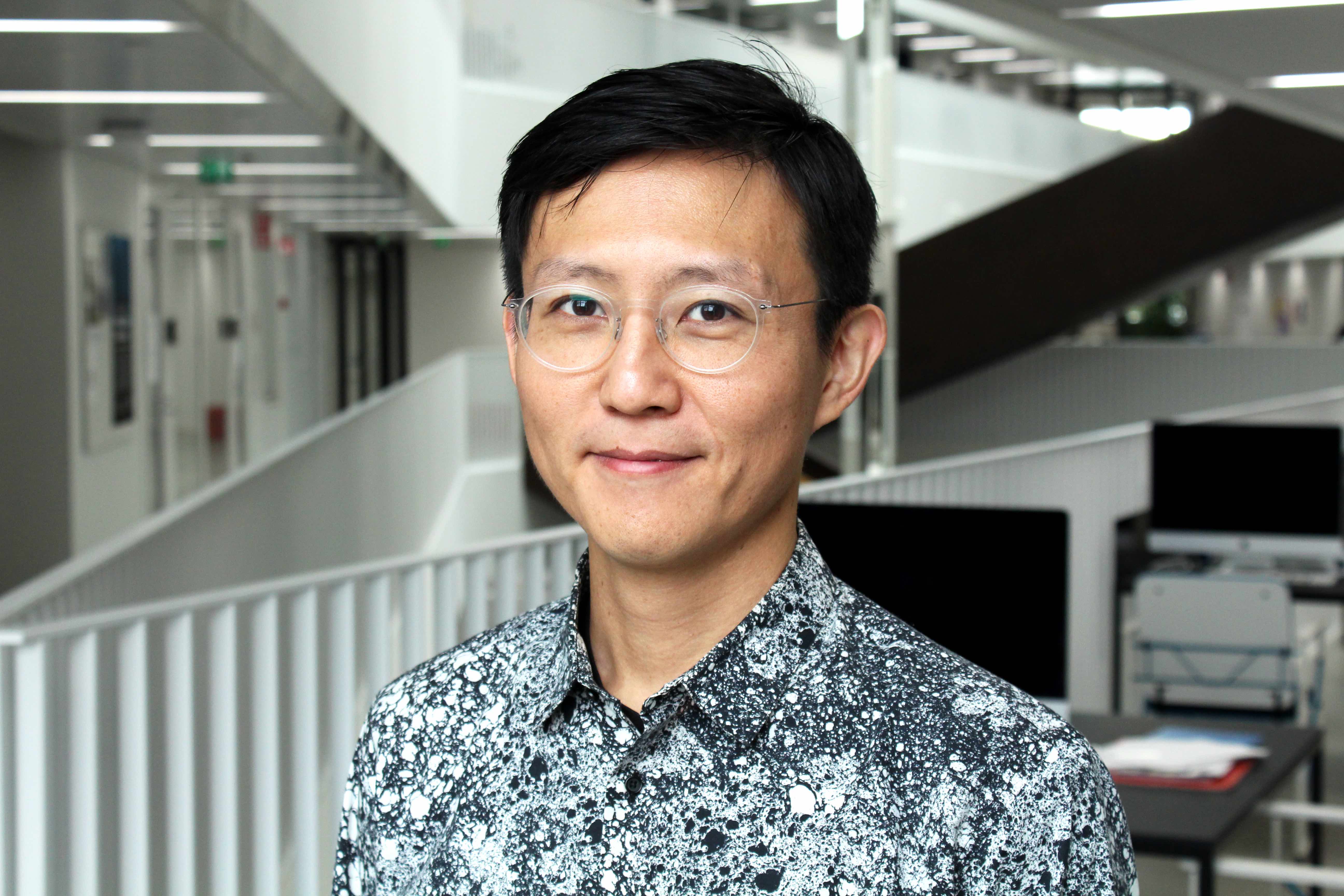
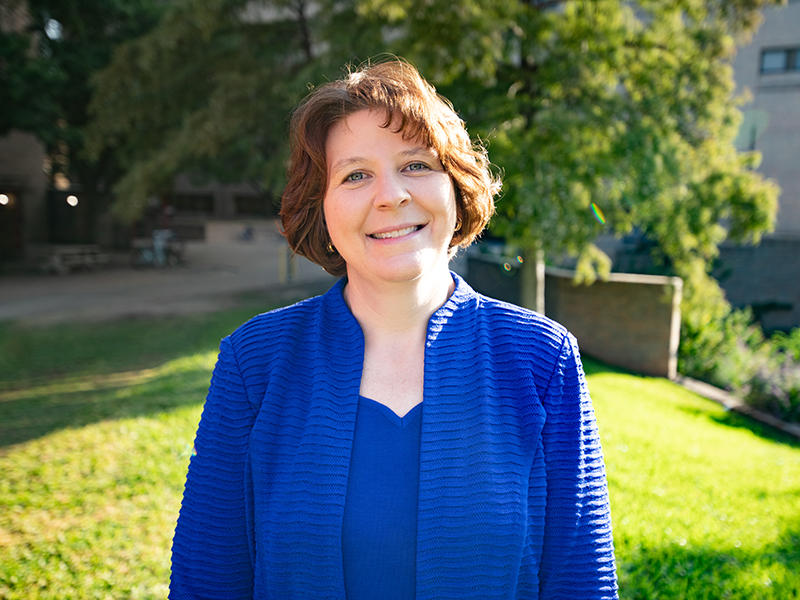
Hadi Esmaeilzadeh is an Associate Professor at the University of California, San Diego in the Department of Computer Science and Engineering . He leads the Alternative Computing Technologies (ACT) Laboratory and serves as Associate Director of the Center for Machine Integrated Computing and Security (MICS) . Previously, he was an Assistant Professor at Georgia Institute of Technology. Ph.D., Computer Science and Engineering, University of Washington (2013) Research focuses on computer architecture , machine learning acceleration , and approximate computing His work has produced 15+ publications spanning IEEE Micro Top Picks , CACM Research Highlights , and ISCA . Key projects include: Tabla : Cross-stack ML acceleration framework DnnWeaver : Open-source DNN acceleration platform Major honors include: IEEE TCCA Young Computer Architect Award ISCA Hall of Fame Qualcomm Innovation Fellowship Georgia Tech PURA Award Teaching roles: CSE 141: Introduction to Computer Architecture CSE 240D: Accelerator Design for Deep Learning CSE 240A: Principles of Computer Architecture
Dominik Schörkhuber is a PreDoc Researcher at the Vienna University of Technology (TU Wien) in the Computer Vision department. With a background in Informatics (BSc, Dipl.-Ing.), he focuses on computer vision applications for autonomous driving, robotics, and human-machine interaction. His work spans driver action recognition, pedestrian prediction, and adaptive lighting systems. Current projects: Empathic Vehicle (2024–2026), SyntheticCabin (2021–2025), SmartProtect (2020–2025) Research themes: Video transformers, synthetic data transfer learning, multi-task learning, and sensor-lighting integration Specializes in 3D sensing, nighttime driving analysis, and mobile video creation tools
Mark Billinghurst is a Professor and Director of the Australian Research Centre for Interactive and Virtual Environments at UniSA STEM, University of South Australia. His work focuses on Augmented Reality (AR), Virtual Reality (VR), and empathic computing, emphasizing remote collaboration, human-computer interaction, and inclusive design. He has authored influential books like Computer-Supported Collaboration: Theory and Practice (2024) and pioneered systems such as Empathy Glasses and gaze-tracking interfaces for collaborative tasks. Education & Affiliations: Mark Billinghurst is affiliated with the Empathic Computing Laboratory and has collaborated globally with institutions like Keio University, Nokia, and the University of Canterbury. His research spans AR applications in manufacturing, healthcare, and social interaction, with a focus on improving accessibility and user experience. Research Interests: Dr. Billinghurst’s research explores AR/VR for remote guidance, wearable technologies, and emotional interfaces. He investigates how gaze cues, multimodal feedback, and AI can enhance collaboration and empathy in virtual environments. His work bridges technical innovation with human-centric design, addressing challenges in industrial assembly, mental health, and workplace transformation. Publications & Impact: His 2016 study on gaze tracking in remote collaboration (cited over 100 times) and 2024 book on AR collaboration highlight his contributions. Recent projects include Vibe360 (group emotion analysis) and CAEVr (biofeedback-driven empathy systems). He actively contributes to conferences like IEEE VR and CHI, shaping the future of immersive technologies. Labs & Future Work: His lab develops tools like the SAR system for aircraft drilling and empathic agents (EMiRAs). Future directions include AI-driven emotional interfaces, inclusive metaverse design, and VR solutions for cognitive rehabilitation.
Jana Schaich Borg is an Assistant Research Professor at the Social Science Research Institute at Duke University. She specializes in integrating neuroscience, computational modeling, and emerging technologies to study social decision-making processes and their interactions with internal value representations. As a data scientist, she collaborates with interdisciplinary teams to develop novel statistical approaches for analyzing high-dimensional, multi-modal data. Research interests include Moral psychology and computational ethics Human-AI interaction in decision-making Automated social behavior analysis Neuroscience of social cognition Interdisciplinary data science education Recent publications highlight her focus on ethical AI development, moral preference modeling, and automated behavioral analysis. She teaches IDS 707: Data Visualization at Duke University.
Peter Dinda is a Professor in the Department of Computer Science at Northwestern University , with a secondary appointment in the Department of Electrical and Computer Engineering . He has authored over 130 scientific papers, holds five patents, and is a Fellow of the IEEE . As the former head of the Computer Engineering and Systems division, he has contributed extensively to experimental computer systems. Education: B.S. in Electrical and Computer Engineering from the University of Wisconsin Ph.D. in Computer Science from Carnegie Mellon University Research Focus: Experimental computer systems, particularly parallel and distributed systems , virtualization , operating systems , and empathic systems that integrate user satisfaction with systems-level decision-making. His work also spans compiler design, memory management, and hardware-software co-design for performance optimization. Recent Trends: His publications emphasize virtualization efficiency, memory protection frameworks, parallel programming language design, and power management in heterogeneous computing environments. Key areas include exascale systems, IoT privacy, and physiological sensor-based user modeling. Scientific Awards: Fellow, IEEE Leadership: Served as Director of Graduate Studies and previously led the Computer Engineering and Systems division.
Daryl Cameron is an Associate Professor of Psychology at The Pennsylvania State University and the Sherwin Early Career Professor in the Rock Ethics Institute (2023-2026). He serves as the Social Area Coordinator in the Department of Psychology and is a Senior Research Associate in the Rock Ethics Institute. His interdisciplinary work bridges psychology, philosophy, and neuroscience to investigate empathy and moral decision-making. His educational background includes: Ph.D. in Psychology, University of North Carolina at Chapel Hill, 2013 M.A. in Psychology, University of North Carolina at Chapel Hill, 2009 B.A. in Philosophy and Psychology, College of William and Mary, 2006 Cameron's research centers on the psychological mechanisms of empathy and moral judgment, investigating motivational and situational factors that shape empathic responses in contexts like mass suffering and intergroup conflict. His lab employs affective science , social cognition , and moral philosophy to study empathy regulation toward humans, animals, and artificial intelligence. Key findings reveal that people often avoid empathy due to perceived cognitive costs, and he explores creative interventions to foster compassionate responses across diverse populations including students, community adults, voters, patients, and physicians. Analysis of his 2019-2025 publications shows consistent focus on empathy regulation, moral judgment, and cognitive underpinnings of prosocial behavior, with emerging emphasis on artificial intelligence and animal ethics. His work spans social psychology , cognitive science , and applied ethics , demonstrating how cognitive load influences empathy choices, the dynamics of moral outrage in social media, and cross-species empathic decision-making. Cameron has received the following scientific awards: Sherwin Early Career Professor, Rock Ethics Institute (2023-2026) While specific grant awards and doctoral advisee lists are not detailed in source materials, Cameron's leadership of two major research initiatives—the Empathy and Moral Psychology Laboratory and the Consortium on Moral Decision-Making—demonstrates active mentorship and research funding acquisition. His laboratory explicitly recruits trainees from psychology, philosophy, neuroscience, and related disciplines, reflecting commitment to interdisciplinary training. Cameron directs the Empathy and Moral Psychology Laboratory (https://emplab.la.psu.edu/), which investigates empathy mechanisms using implicit measurement and mathematical modeling, and leads the Consortium on Moral Decision-Making (https://moralconsortium.psu.edu/), an interdisciplinary network advancing research on empathy and moral decisions across diverse contexts and populations.
Allison Godwin is a Professor in the Department of Chemical Engineering at Cornell University, joining the faculty in 2023. She holds a B.S. (2011) and Ph.D. (2014) in Chemical Engineering and Science Education from Clemson University. At Purdue University, she was a tenured member of the School of Engineering Education and held a joint appointment in the Davidson School of Chemical Engineering (2020). Research Interests: Engineering identity development, particularly for underrepresented groups Inclusive pedagogies to reduce equity gaps in STEM Engineering workforce diversity and retention strategies Mixed-methods research on belonging and motivation Scientific Awards: 2023 American Institute of Chemical Engineers Award for Excellence in Engineering Education Research 2022 AERA Division I Outstanding Research Publication Award 2021 CEE William H. Corcoran Award 2017-Present NSF CAREER Award 2016 NARST Outstanding Doctoral Dissertation Award Leadership Roles: Past Chair of ASEE Educational Research Methods Division (2021-2023) Associate Editor for Chemical Engineering Education (2020-Present) Co-led Purdue’s Faculty Learning Community for inclusive teaching
Chinmay Kulkarni is an Assistant Professor at Carnegie Mellon University's Human-Computer Interaction Institute, where he leads the Expertise@Scale lab. His research integrates large-scale data and automation to transform learning, work, and mentoring systems. Education : Ph.D. in Computer Science from Stanford University (recipient of the Arthur P Samuel Award) Previous Affiliations : Microsoft Research, Barcelona Supercomputing Center His research spans: Human-Computer Interaction design for massive collaboration Voice-controlled interfaces and AI tools Future of work in remote/hybrid environments Behavioral economics through tech interventions Creative entrepreneurship support systems Algorithmic feedback in education Recent publications with AI and education focus show strong trends in voice technology, peer feedback mechanisms, and scalable learning platforms. His lab's systems have been used by >100,000 users across 150 countries. Scientific Awards : Arthur P Samuel Award (Stanford thesis award) Advising & Grants : NSF grant recipient US Department of Education funding Office of Naval Research support Departmental fellowship Labs : Directs Expertise@Scale lab developing systems adopted by Coursera and edX. Current research group includes PhD students Yasmine Kotturi, Julia Cambre, Pranav Khadpe and Masters student Sayan Chaudhry.
Namkyu Chun is a Lecturer at Aalto University's Department of Design, specializing in fashion and textile futures. With a focus on sustainability, interdisciplinary collaboration, and redefining design practices, Chun's work bridges fashion theory, material culture, and transformative futures. Their research explores the intersection of human/non-human relationships in design, climate-responsive practices, and ethical material engagement. Key research areas: Fashion Design, Sustainable Practices, Design Futures, Interdisciplinary Collaboration Awards: 2024 Ziman Award (CreaTures Project), 2017 Finnish-Danish Cultural Foundation Scholarship, 2017 Helsinki Urban Facts Grant, 2015 Subtle Visibility Award Recent publications examine topics such as '1.5 Degree Lifestyles,' 'Pluriverse' frameworks, and revival of dressmaking traditions. Chun collaborates with institutions like University of Sussex, RMIT, and Superflux, integrating artistic inquiry with systemic change. Their work appears in journals including Fashion Theory , The Design Journal , and Fashion Practice .
Joel Krueger is a Lecturer in Philosophy at the University of Exeter, affiliated with the Department of Sociology and Philosophy and Egenis, the Centre for the Study of Life Sciences. He specializes in phenomenology, philosophy of mind, and cognitive science, with a focus on embodied cognition, emotions, social cognition, psychopathology, and human-AI interactions. His research also encompasses Asian and comparative philosophy, philosophy of music, and pragmatism. Education: PhD in Philosophy from Purdue University (2010), MA in Philosophy from San Francisco State University (2006), and BA in Philosophy from the University of California, Davis (2003). Research Interests: Krueger’s work bridges philosophy and cognitive science, addressing topics such as loneliness, psychiatric disorders, AI ethics, and the role of music in affective scaffolding. He explores how technologies like AI chatbots influence grief and social interactions, and how embodied cognition shapes mental health and sociality. Editorial Roles: Associate Editor of Phenomenology and the Cognitive Sciences and Passion: Journal of the European Philosophical Society for the Study of Emotion . Labs/Teams: Active in Egenis (Mind, Body, and Culture), contributing to interdisciplinary studies on life sciences and their societal implications.
Professor Bruce N. Walker holds a joint appointment in the School of Psychology and School of Interactive Computing at Georgia Institute of Technology, within the College of Sciences. His research focuses on human-centered technology design, emphasizing accessibility, auditory displays, and human-AI interaction. He leads the Sonification Lab, pioneering multimodal interfaces and inclusive technology solutions. He earned his Ph.D. in Human Factors and Human-Computer Interaction from Rice University in 2001. Research Interests: Trust in technology, accessible interfaces, sonification, AI-human collaboration, and HCI in non-traditional environments. Current projects include the AccessCORPS VIP initiative to enhance course accessibility and studies on automated vehicle interaction. Awards: Best Paper Award at AudioMostly 2014 for auditory weather reports research. Active in professional organizations like the International Community for Auditory Display and Human Factors and Ergonomics Society. Teaching: Courses include Research Methods for Human Factors, Sensation and Perception, and HCI Foundations. Supervises interdisciplinary teams in the Sonification Lab R&D Studio and AccessCORPS VIP. Labs/Teams: Sonification Lab (multimodal data exploration) and AccessCORPS (disability-inclusive course design). Collaborates on international projects like the Mwangaza initiative for learners with vision impairment in Kenya.
Carolyn Conner Seepersad serves as the J. Mike Walker Professor of Mechanical Engineering at the University of Texas at Austin and directs the Center for Additive Manufacturing and Design Innovation. She holds membership in the U.T. System Academy of Distinguished Teachers and maintains active leadership in the additive manufacturing community through roles such as co-organizer of the Solid Freeform Fabrication Symposium and ASME Design Engineering Division Executive Committee membership. Her academic credentials include: PhD in Mechanical Engineering from Georgia Tech (2004) MA/BA in Philosophy, Politics and Economics from Oxford University (1998, Rhodes Scholar) BS in Mechanical Engineering from West Virginia University (1996) Dr. Seepersad's research centers on computational design methodologies and additive manufacturing innovation , with particular expertise in simulation-based design of complex systems, environmentally conscious product development, and materials engineering. Her work bridges theoretical design frameworks with practical manufacturing applications, emphasizing sustainability and performance optimization across aerospace, automotive, and energy systems. Current projects explore reactive extrusion additive manufacturing, negative stiffness materials, and machine learning integration for process-aware design. Analysis of her 15 most recent publications reveals a dominant focus on process innovation in additive manufacturing (70%), particularly stereolithography and selective laser sintering, with growing emphasis on data-driven design approaches (20%) and sustainable engineering applications (10%). Her work demonstrates consistent progression from fundamental material design toward integrated system optimization and industrial scalability. Her scientific recognition includes: International Outstanding Young Researcher Award in Freeform and Additive Manufacturing (2009) UT System Regents’ Teaching Award (2010) ASME Design Automation Committee Outstanding Young Investigator Award (2010) ASEE Outstanding New Mechanical Engineering Educator Award (2013) Multiple ASME and ASEE best paper awards U.T. System Academy of Distinguished Teachers membership Dr. Seepersad maintains an extensive advising portfolio with 48 graduate students (16 PhD, 24 MS, and 8 current) plus 2 postdoctoral researchers, reflecting sustained research productivity and educational impact. Her Product, Process, and Materials Design Lab fosters interdisciplinary collaboration between mechanical engineering, materials science, and computational design teams.
Jodi Halpern is a full-time Professor at the University of California, Berkeley, and a co-founder of the Kavli Center for Ethics, Science and the Public (2022). She serves as Faculty Director of BERGIT (Berkeley Group for Ethics and Regulation of Innovative Technologies) and actively consults for organizations including the Federal Reserve Bank of San Francisco, Kaiser Permanente, Intel, Salesforce, and the Mayor’s Office of Los Angeles. Halpern’s work bridges psychiatry, philosophy, and bioethics to address empathy in leadership, AI ethics, and gene editing. Professor at UC Berkeley Co-founded Kavli Center (2022) Faculty Director of BERGIT Consults for tech, healthcare, and government entities Halpern’s research focuses on empathic curiosity as a tool for conflict resolution and trust-building in healthcare, post-war reconciliation, and AI ethics. Her current projects include Engineering Empathy (investigating AI’s impact on emotional relationships), Gene Editing from Bench to Bedside (exploring scientists’ beliefs about gene editing), and Remaking the Self in the Wake of Illness (narratives of adaptation to illness). She integrates philosophical analysis with empirical research in psychology, neuroscience, and behavioral economics. Her notable scientific awards include the 2022 Guggenheim Fellowship in Health and Medicine, the 2019 Chancellor’s Chair at UC Berkeley, and the Yale University Award for the best PhD of significance to humanity across disciplines. Halpern received her MD and PhD through the NIH Medical Scientist Training Program Award , completed psychiatry residency at UCLA, and held fellowships at Princeton, Greenwall, and Townsend centers.
Kjetil Nordby is a Professor at the Oslo School of Architecture and Design (AHO), specializing in interaction design for maritime environments. He leads the Ocean Industries Concept Lab (OICL) and manages the OpenBridge Design System, an open-source framework for standardized ship bridge interfaces. Research focus: Augmented/Virtual Reality in maritime operations Key projects: OpenRemote (remote operation center UI), OpenAR (AR integration) Collaborations with institutions like Royal Institution of Naval Architects His work addresses cross-vendor interface consistency, safety-critical UX, and open innovation in maritime design. Recent publications explore AR/VR applications for navigation, collaborative workstations, and energy-conscious maritime systems. Scientific contributions include: 15+ peer-reviewed articles in journals like Journal of Marine Science and Engineering and Applied Ergonomics Book chapters on sensemaking in safety-critical maritime environments
Rui Prada is a Full Professor at the Department of Computer Engineering, Instituto Superior Técnico, University of Lisbon. His research focuses on Artificial Intelligence , Game Development , and Human-Machine Interaction , with emphasis on socially intelligent agents and affective computing. His work explores Multi-Agent Systems , XR Testing , and Educational Game Design , particularly for neurodiverse populations. Recent publications highlight Procedural Content Generation , Human-AI Collaboration , and Social Power Dynamics in agent-based systems. Scientific contributions include the Best Poster Award and leadership in projects like PartiPlay and RAGE , advancing Inclusive AI and Game Technologies Marketplace frameworks.