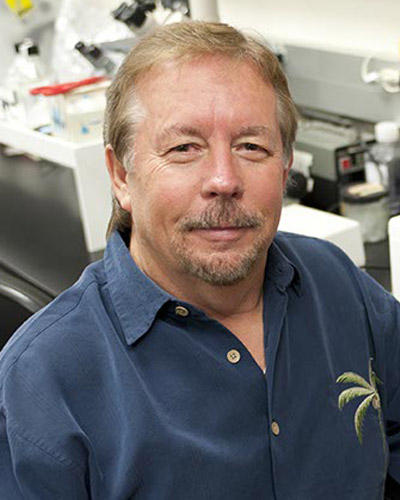
Paul D. SchedlView profile
Professor
Paul D. Schedl is a Professor in the Department of Molecular Biology at Princeton University, where he leads the Schedl Lab focused on understanding gene expression and early development in Drosophila melanogaster . His research investigates how genetic and epigenetic mechanisms regulate developmental pathways, including sex determination, chromatin architecture, and embryonic polarity. Position: Professor of Molecular Biology Institution: Princeton University Department: Department of Molecular Biology Lab: Schedl Lab Contact: pschedl@princeton.edu | 609-258-4979 His research centers on three major developmental systems in Drosophila : (1) The Sex-lethal gene in sex determination, examining how pathway choice, commitment, and differentiation are regulated through transcriptional and post-transcriptional mechanisms; (2) Chromatin structure and regulation of the Abd-B gene via cis-regulatory domains, Polycomb/Trithorax group proteins, and boundary elements like Fab-7 and Fab-8; and (3) mRNA localization in oocyte polarity, particularly the role of the orb gene in establishing anterior-posterior and dorsal-ventral axes. The 15 most recent publications reflect a consistent focus on chromatin boundaries, insulator function, gene regulation, and mRNA localization. Key themes include the functional dissection of boundary elements (e.g., Fab-7, Fab-8), the role of CTCF and GAGA factors in chromatin organization, the autoregulatory function of orb in oocyte specification, and the mechanisms of transcriptional quiescence in germ cells. The work spans molecular genetics, developmental biology, and epigenetics, often combining genetic screens with biochemical and imaging approaches. No scientific awards are explicitly listed in the provided texts. Dr. Schedl actively mentors graduate students and postdoctoral researchers, many of whom co-author his publications. His lab investigates fundamental questions in developmental gene regulation, including zygotic genome activation, germline-soma distinction, and chromatin domain organization. Research is supported by ongoing projects exploring the roles of insulator proteins, CPEB family members, and signaling pathways in cell fate determination. The Schedl Lab is a key contributor to understanding how chromatin architecture and RNA regulatory networks orchestrate development in Drosophila , serving as a model for higher eukaryotes.