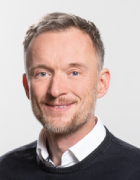
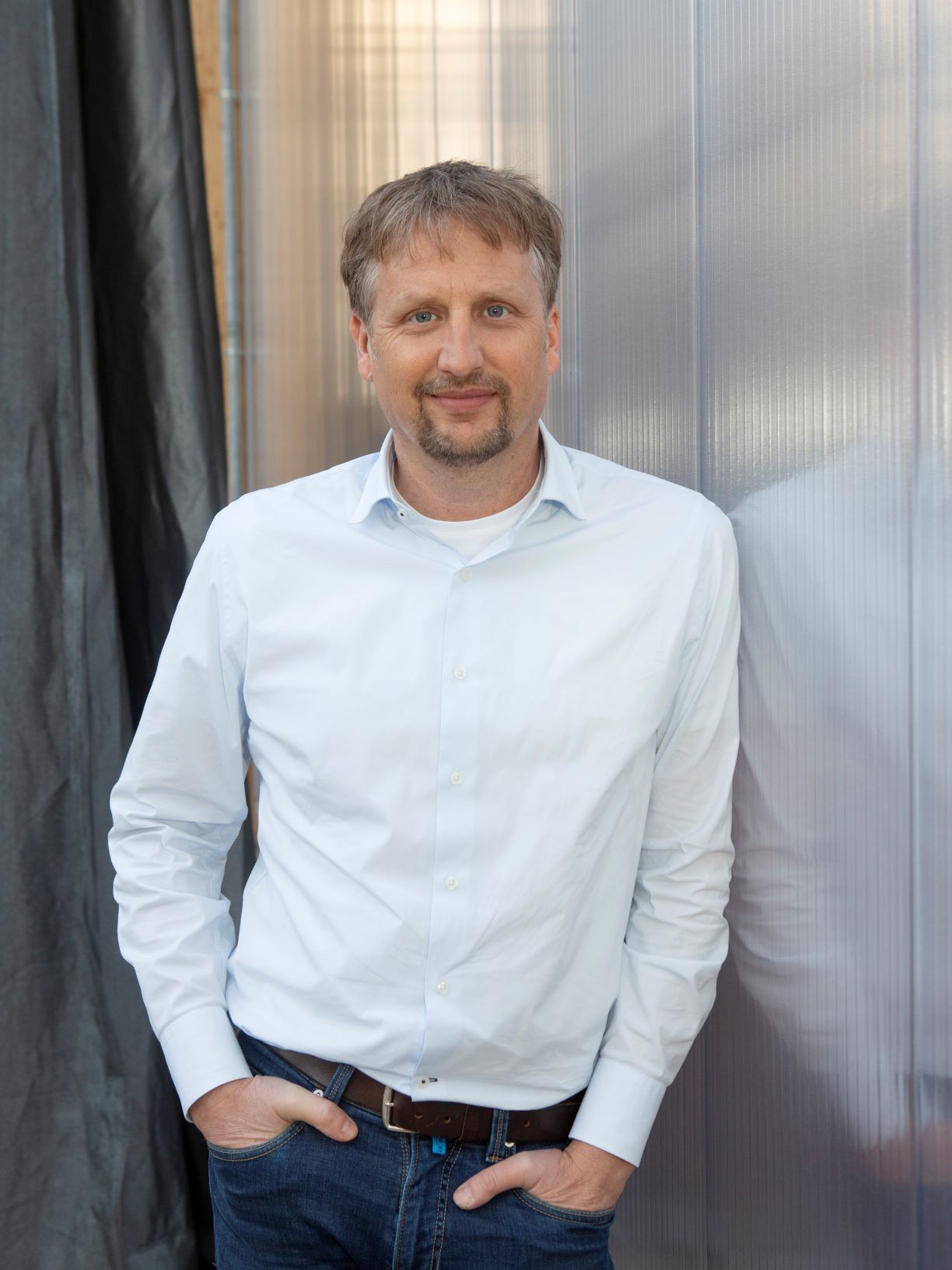
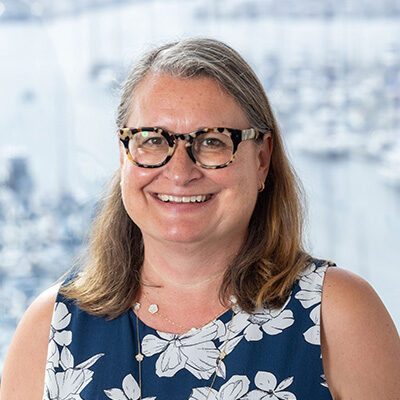
Prof. Kai S. Exner is a Professor of Theoretical Inorganic Chemistry at the University of Duisburg-Essen's Faculty of Chemistry and a member of the Zentrum für Medizinische Biotechnologie (ZMB). His research focuses on electrocatalysis , particularly optimizing electrode materials for energy applications such as batteries, electrolyzers, and fuel cells. He employs computational methods like ab initio calculations and microkinetic modeling to bridge theoretical insights with experimental and industrial applications, emphasizing sustainable catalyst design without relying on noble metals. His work integrates basic research with applied medical biotechnology through ZMB collaborations, though his primary affiliation lies in the Faculty of Chemistry. Exner has pioneered concepts like the electrochemical-step asymmetry index and free-energy span model, which are critical for screening electrocatalysts. His research group, 'Theoretical Inorganic Chemistry,' actively explores mechanisms behind oxygen and chlorine evolution reactions, emphasizing selectivity control and reaction pathway complexity. Exner received the Gottschalk-Diederich-Baedeker-Preis (2024) for advancing the energy transition through foundational electrocatalysis research. He leads Aktuelles Projekt funded by third-party grants and collaborates with facilities like the Analytics Core Facility Essen (ACE) and Imaging Center Campus Essen (ICCE). His advisory role focuses on guiding theoretical and computational approaches in electrochemistry, and he has established a reputation for interdisciplinary research connecting computational chemistry with practical energy solutions.
Professor Thomas Bein is affiliated with the Department of Chemistry at Ludwig-Maximilians-Universität München (LMU) , where he leads the Functional Nanosystems research group. His work focuses on synthesizing and characterizing nanostructured materials with applications in energy, catalysis, and biomedical delivery. Mesoporous nanoparticles for drug delivery Semiconductor nano-morphologies for photovoltaics Photoelectrochemical water splitting Metal-organic frameworks (MOFs) Electroactive networks His research emphasizes atomic-scale control of material architectures using self-assembly, hydrogen bonding, and covalent interactions, enabling precise tuning of electronic, optical, and catalytic properties. A review of his recent publications reveals cutting-edge investigations into covalent organic frameworks (COFs), perovskite-inspired solar materials, and functional nanoparticle systems. Key trends include optimizing energy conversion efficiency, enhancing stability in optoelectronic devices, and exploring bio-compatible nanocarriers for targeted therapies. Professor Bein’s group actively contributes to interdisciplinary projects at the intersection of chemistry, physics, and biomedical engineering, with ongoing collaborations in solar energy, sustainable materials, and nanomedicine.
Prof. Dr. Björn Corzilius is a University Professor (W2) of Physical Chemistry at the University of Rostock, Germany, leading the Corzilius group. His research focuses on solid-state NMR spectroscopy, dynamic nuclear polarization (DNP), and applications in biomolecules and materials. He holds affiliations with the Leibniz Institute for Catalysis (LIKAT) and serves on multiple academic boards, including the transregional Collaborative Research Center TRR 386 and the journal Magnetic Resonance . Education: 1999: Studies of Chemistry, TU Darmstadt 2005: Diploma in Physical Chemistry (TU Darmstadt) 2008: Ph.D. in Physical Chemistry (TU Darmstadt) Research Interests: Solid-state NMR, DNP for sensitivity enhancement, paramagnetic metal ions, biomolecular dynamics, and method development. His work bridges theoretical and experimental approaches to advance structural and functional studies of complex systems like proteins, nucleic acids, and catalytic materials. Recent Article Trends: Focus on DNP applications in biomolecular interfaces, novel polarizing agents (e.g., Gd(III) complexes), and methodological advancements like serial polarization transfer and electron-decoupled DNP. Contributions span inorganic chemistry, materials science, and biophysical systems. Awards: Emmy Noether Fellowship (2012) Felix Bloch Lecture (2016) Regitze M. Vold Memorial Prize (2017) Best Ph.D. Supervision (2018) Grants & Labs: Principal Investigator of the Emmy Noether Group (2013–2019), now leading the DNP research team at the University of Rostock. Collaborates closely with LIKAT on catalytic and materials projects. His group actively develops open-access publishing platforms like Magnetic Resonance and hosts international conferences. Labs/Teams: The Corzilius group at the Institute of Chemistry (Rostock) specializes in NMR method development and applications. Associated with LIKAT for interdisciplinary catalysis research.
Max Planck Institute for Intelligent SystemsGermany
Christoph Keplinger serves as Managing Director of the Max Planck Institute for Intelligent Systems (MPI-IS) in Stuttgart, Germany, leading the Robotic Materials Department since 2020 and assuming overall institute leadership in 2023. He holds dual academic appointments as Honorary Professor at the University of Stuttgart and Eminent Visiting Professor of Soft Robotics at the University of Colorado Boulder, establishing him as a pivotal figure in bridging fundamental materials science with advanced robotics. His interdisciplinary approach integrates physics, chemistry, and engineering to pioneer breakthroughs in soft robotic systems. Keplinger's academic foundation includes a PhD in Soft Matter Physics from Johannes Kepler University Linz, Austria, followed by postdoctoral research at Harvard University focusing on mechanics and chemistry of soft materials. This unique background enabled his transition into robotics innovation, particularly in electrohydraulic actuation systems. His research program centers on three synergistic pillars: (I) soft robotics development through novel actuator technologies like HASEL artificial muscles; (II) energy capture mechanisms using soft materials; and (III) functional polymers engineered for robotic applications. This work produces transformative hardware that mimics biological functionality, with significant implications for human-robot interaction, medical devices, and sustainable robotics systems. His group employs cutting-edge materials synthesis and characterization techniques to create lifelike robotic components. Analysis of recent publications reveals dominant trends in wearable haptic interfaces, electrohydraulic actuation systems, and tremor-suppression technologies. The research consistently leverages HASEL (Hydraulically Amplified Self-healing Electrostatic) technology to achieve muscle-like performance in soft actuators, with applications spanning from fingertip haptic feedback to underwater manipulation systems. This trajectory demonstrates a clear progression from fundamental material properties toward practical implementations in medical rehabilitation and human augmentation. His exceptional contributions have earned prestigious recognition: 2017 Packard Fellowship for Science and Engineering, awarded for high-impact interdisciplinary research 2021 Alexander von Humboldt Professorship (declined to remain at MPI-IS), Germany's most valuable international research award 2013 EAPromising European Researcher Award from the European Scientific Network for Artificial Muscles As principal investigator, Keplinger leads a dynamic interdisciplinary research group while securing competitive funding for frontier projects. His entrepreneurial vision materialized in 2018 through co-founding Artimus Robotics, where he serves as Chief Science Officer to commercialize HASEL technology. This dual commitment to academic research and industry translation exemplifies his dedication to real-world impact, particularly in creating biodegradable and sustainable soft robotic solutions. The Robotic Materials Department operates state-of-the-art facilities for materials fabrication, robotic integration, and haptic interface development. The team maintains strong collaborations across MPI-IS departments and external institutions including the University of Colorado Boulder, fostering innovation in sustainable robotics through initiatives like biodegradable electrohydraulic actuators. Current projects focus on wearable tremor suppression systems, electrohydraulic locomotion platforms, and energy-autonomous soft robots that address critical challenges in medical rehabilitation and human augmentation.
Stefanie Mueller is the TIBCO Career Development Associate Professor at MIT's Electrical Engineering and Computer Science Department, with joint affiliation in Mechanical Engineering. She leads the HCI Engineering Group at the Computer Science and Artificial Intelligence Laboratory (CSAIL), focusing on advancing fabrication techniques through hardware/software innovations that enable novel object interactions. Develops computational fabrication methods combining photochromic dyes, lenticular lenses, birefringent materials, and optical illusions Co-chaired ACM CHI 2023 and ACM UIST 2020 program committees Recipients of 9 MIT EECS Best Undergraduate Researcher Awards among mentees Her research spans four key directions: Appearance-changing Objects: Photo-Chromeleon (ACM UIST 2019), Lenticular Objects (ACM UIST 2021), and Polagons (ACM CHI 2023) demonstrate reprogrammable surfaces through advanced materials and optical engineering. Tracking Systems: InfraredTags (ACM CHI 2022) and G-ID (ACM CHI 2020) enable passive object tracking via infrared markers and slicing artifacts. Embedded Sensing: MechSense (ACM CHI 2023) and Sprayable User Interfaces (ACM CHI 2020) integrate sensing capabilities into complex geometries. Curved Surface Prototyping: FlexBoard (ACM CHI 2023) and CurveBoard (ACM CHI 2020) develop specialized tools for non-planar electronics. Her recent publications focus on functionality segmentation (UIST 2023), fluorescent markers (UIST 2023), and machine-knitted haptics (UIST 2023). These works combine machine learning, material science, and interactive design principles to push fabrication boundaries. Scientific recognition includes: 2022 MIT Technology Review Innovators Under 35 2020 Microsoft Research Faculty Fellowship 2020 Alfred P. Sloan Research Fellowship 2019 ACM UIST Best Paper Award 2019 NSF CAREER Award 2018 MIT EECS Outstanding Educator Award 2017 Forbes 30 Under 30 in Science Mentoring 9 PhD students and over 20 master's students, her lab has produced 20+ publications at top HCI conferences. She redesigned MIT's 6.810 Engineering Interactive Technologies course during the pandemic, maintaining hands-on learning through home electronics kits and Slack-based collaboration.
Dr. Adriana Bocchini is a Researcher at the University of Paderborn , affiliated with the Theoretical Materials Physics department and the Quantum Materials Modelling group. Her work focuses on computational modeling of materials, particularly crystal defects, surface adsorption, and electrochemical properties using advanced theoretical methods. Research Interests: Adriana's research spans Theoretical Materials Physics and Quantum Materials Modelling , with a focus on Defect modeling in ferroelectric materials Surface adsorption mechanisms Electronic structure calculations First-principles simulations Recent Publications: She has contributed to studies on radiation-induced defects in KTiOPO 4 , Mg doping effects in lithium niobate, phosphonic acid interactions with bismuth oxide, and electrochemical properties of doped RTP crystals, all leveraging computational approaches like Density Functional Theory (DFT). Labs & Teams: Adriana is actively involved in the Theoretical Materials Physics and Quantum Materials Modelling groups at the University of Paderborn, advancing computational studies in materials science.
Prof. Dr. Frank Pollmann is a Full Professor (W3) at the Department of Physics PH-I, Technical University of Munich (TUM), leading the Chair of Theoretical Solid-State Physics since 2022. His research focuses on condensed matter theory and quantum information concepts , particularly in systems of correlated electrons and quantum many-body dynamics . PhD: Max Planck Institute for the Physics of Complex Systems / TU Ilmenau (2006) Postdoc: UC Berkeley (2008-2010) Group Leader: MPIPKS Dresden (2011-2016) Associate Professor: TUM (2017-2022) His work spans topological phases , frustrated spin systems , and non-equilibrium quantum dynamics , utilizing tensor network methods and quantum information theory to study phenomena like many-body localization and Hilbert space fragmentation . His publications demonstrate trends in quantum scar states , Kardar-Parisi-Zhang hydrodynamics , and quantum transport anomalies . Scientific Awards : ERC Consolidator Grant (2017) Walter Schottky Prize (2015) Otto-Hahn Medal (2007) He teaches courses including Advanced Methods in Quantum Many-Body Theory , Solid State Theory , and Topology in Condensed Matter , while leading the Pollmann Group under the TUM School of Natural Sciences.
Prof. Alexander Holleitner leads the Chair of Nanotechnology and Nanomaterials at the Department of Physics, Technical University of Munich , under the Walter Schottky Institute. His research focuses on ultrafast optoelectronics, quantum optoelectronics, and excitonic systems in nanoscale circuits. Research Directions : Ultrafast optoelectronics, quantum optoelectronics, excitonic systems, THz time-domain spectroscopy, and nanofabrication of mixed organic/inorganic systems. Publications : Recent work spans hyperbolic polaritons, interlayer excitons, graphene nano-gap dynamics, and defect engineering in 2D materials. Collaborations include interdisciplinary projects with groups studying semiconductor heterostructures and quantum technologies. His lab welcomes students and researchers interested in experimental physics, quantum electronics, and nanofabrication.
Christine Selhuber-Unkel is a Full Professor (W3) for Molecular Systems Engineering at the Institute for Molecular Systems Engineering and Advanced Materials (IMSEAM) at Heidelberg University. She serves as co-chair of the Executive Board of the Flagship Initiative 'Engineering Molecular Systems' and is a spokesperson for the 'Cellular Biophysics' section of the German Biophysical Society. Additionally, she is a member of the executive board of the Cluster of Excellence '3D Matter Made to Order'. Education: Studied physics at Heidelberg University (2000-2002) M.Sc. degree in Physics from Uppsala University (2003) PhD in Physics from Heidelberg University (biological adhesion on nanopatterned substrates) Professor Selhuber-Unkel's research focuses on functional interfaces and their interactions with biological systems, including responsive interfaces, micro-/nanostructured interfaces (including 2-photon laser printing), and biofunctionalized hydrogels. Her work specifically targets controlling cellular properties such as parasite migration, with potential applications in soft robotics and biomaterials. She also experimentally studies biophysical properties of cells including mechanosensing, cellular force generation, adhesion forces, and statistical properties of intracellular motion and migration. Her research group is involved in multiple projects related to parasite physics, including studies on Giardia adhesion, Plasmodium infected erythrocytes, and Toxoplasma gondii. Her recent publications demonstrate a strong focus on hydrogel engineering, cellular mechanics, and microfluidic systems for studying cell behavior. The research spans from fundamental biomaterials development to applications in ophthalmology, tissue engineering, and parasite mechanics. Scientific Awards: European Research Council Consolidator Grant (PHOTOMECH) European Research Council Starting Grant (CELLINSPIRED) Feodor Lynen Fellow for research stay at Cornell University Emmy Noether postdoctoral fellowship Otto Hahn Medal from the Max Planck Society Professor Selhuber-Unkel has received significant research funding, including multiple ERC grants and DFG funding. She previously served as spokesperson for the DFG research training group 'Materials for Brain' at Kiel University (2017-2020). Her research group maintains strong collaborations across multiple institutions focused on biophysical approaches to understanding cellular and parasite mechanics. Her laboratory develops advanced techniques including traction force microscopy, atomic force microscopy (AFM), and microengineered systems for studying cellular mechanics in confined environments. The group's work bridges materials science, biophysics, and parasitology to develop novel approaches for understanding and controlling cellular behavior.
Prof. Dr.-Ing. Erwin Biebl is a Professor in the Chair of High Frequency Engineering at the Technical University of Munich (TUM). His research focuses on high-frequency technology, automotive radar systems, and microwave communication. He has held academic positions since 1999 and has extensive industry experience at Rohde & Schwarz. His work includes developing sensors and communication systems for automotive safety and environment detection. Education: Studied electrical engineering at TUM, earned his doctorate (1991) and habilitation (1994) in high-frequency engineering. Professional Memberships: Senior Member of IEEE, Member of URSI Commission B, and liaison officer for the Hanns Seidel Foundation. Research Interests: Automotive radar systems, antenna design, millimeter-wave measurements, and sensor technology. His contributions include advancements in synthetic aperture radar and inductive compensation techniques for automotive radomes. Awards: Recognized for his teaching (2002 Lecturer Award) and research, including the Dr. Georg Spinner High Frequency Prize (1992). Supervised teams in competitions such as the 2009 International Collegiate Student Safety Technology Design Competition. Labs/Teams: Leads the Chair of High Frequency Engineering at TUM, focusing on interdisciplinary research in high-frequency systems and automotive applications.
Max Planck Institute of Colloids and InterfacesGermany
Dr. Yolanda Gil is a Research Professor in Computer Science and Spatial Sciences at the University of Southern California, where she serves as Principal Scientist and Senior Director for Strategic Initiatives in Artificial Intelligence and Data Science at the Information Sciences Institute (ISI). She is also the Director of AI and Data Science Initiatives in the Viterbi School of Engineering and leads the USC Center for Knowledge-Guided Interdisciplinary Data Science (CKIDS). Dr. Gil received her Licenciatura in Computer Science from the Polytechnic University of Madrid and her M.S. and Ph.D. in Computer Science from Carnegie Mellon University, with a focus on artificial intelligence and cognitive science. Her research focuses on developing AI approaches that use knowledge to accelerate scientific discovery processes. Her key research interests include knowledge capture and representation, semantic workflows, ontology tools, scientific discovery methods, task-based collaboration, provenance tracking, knowledge networks, reproducibility in science, and machine learning for data analysis. She collaborates with scientists across multiple domains to improve how scientific knowledge is created, shared, and used. Dr. Gil's work has significant impact across multiple scientific domains including climate science, neuroscience, and omics research. Her projects demonstrate her commitment to building knowledge-guided systems that transform how scientists conduct research. She has pioneered approaches to capture the provenance of scientific experiments and to automate the analysis of complex scientific data. Fellow of the Association for Computing Machinery (ACM) Fellow of the Association for the Advancement of Science (AAAS) Fellow of the Institute of Electrical and Electronics Engineers (IEEE) Fellow of the Association for the Advancement of Artificial Intelligence (AAAI) 24th President of the Association for the Advancement of Artificial Intelligence Co-chair of the CRA/AAAI 20-Year Artificial Intelligence Research Roadmap for the US Initiator and leader of the W3C Provenance Group that resulted in a widely-used standard for web trust As an educator and leader, Dr. Gil directs the Data Science Program in Computer Science and serves as Co-Director of multiple joint MSc programs including Communication Data Science, Spatial Data Science, Environmental Data Science, Public Policy Data Science, and Healthcare Data Science. She also leads the new dual degree USC-Tsinghua University on Communication Data Science. Her leadership extends to mentoring numerous students and researchers in AI and data science. Through the USC Center for Knowledge-Guided Interdisciplinary Data Science (CKIDS), Dr. Gil organizes DataFest events each semester, fostering collaboration and innovation in data science across disciplines.
Vijay Laxmi is a Professor in the Department of Computer Science and Engineering at Malaviya National Institute of Technology (MNIT) Jaipur, India. With over a decade of active research publication from 2014-2024, Dr. Laxmi has established themselves as a prominent researcher in network security, Android security systems, and Network-on-Chip architectures. Their work demonstrates consistent collaboration with Manoj Singh Gaur and numerous doctoral students at MNIT Jaipur. Dr. Laxmi's research interests span Network Security, Android Security, Malware Analysis, Network-on-Chip Architectures, Routing Protocols, Side-Channel Attacks, Wireless Networks, and Mobile Security. Their work bridges theoretical security frameworks with practical implementations, particularly in mobile and embedded systems. Recent publications indicate a growing focus on AI-based security approaches including GAN applications for fuzzing and deep learning for image dehazing. The research trajectory shows increasing sophistication in security analysis techniques, evolving from basic malware detection to advanced side-channel attack analysis and sophisticated network security protocols. Recent publications demonstrate expertise in both theoretical frameworks and practical implementations with applications in real-world security challenges. Dr. Laxmi has mentored numerous graduate students including Vineeta Jain, Anugrah Jain, Sonal Yadav, Mohit Singh, and Gaurav Singal, who appear as co-authors across multiple publications. Their collaborative network extends to researchers at international institutions, indicating strong academic connections beyond their home institution.
Prof. Martin Boeker is a Professor of Medical Informatics at the Technical University of Munich (TUM), affiliated with the TUM School of Medicine and Health. His work focuses on advancing healthcare through AI-driven solutions, interoperability frameworks, and precision medicine initiatives. Key projects include the German Medical Text Corpus (GeMTeX) and the MIRACUM DIFUTURE Alignment Hub. Expertise: Medical Informatics, AI in Healthcare, Federated Learning, Health Data Integration Key Contributions: FHIR-based systems, clinical decision support, patient-centered outcomes research Leadership: Director of the Institute for AI and Informatics in Medicine at TUM Hospital Right of the Isar Research emphasizes bridging clinical practice and data science through projects like modular health crawlers, automated guideline adherence monitoring, and cross-institutional medical NLP solutions. His work spans oncology informatics, rare disease management, and pandemic response data ecosystems. Recent articles highlight innovations in digital twins for precision oncology, federated analysis in oncology, and German-language medical NLP challenges. He collaborates internationally on EHR standardization and healthcare interoperability, contributing to the Medical Informatics Initiative (MII) and pandemic evidence ecosystems. Grants and collaborations involve the German Federal Ministry of Education and Research, European initiatives, and industry partnerships. Educational efforts focus on training future medical informatics professionals through MII competency programs.
Max Planck Institute for Sustainable MaterialsGermany
Dr. KN Sasidhar is a Researcher in the Department of Microstructure Physics and Alloy Design at Heinrich Heine University Düsseldorf. His work focuses on advanced materials science, particularly corrosion mechanisms, alloy design, and nanoscale structural analysis. He employs cutting-edge techniques like in situ synchrotron investigations and deep learning frameworks to study material behavior under extreme conditions. Current research emphasizes corrosion resistance in stainless steels, phase transformations during nitriding, and radiation effects on coatings. Key achievements include pioneering studies on nanoscale amorphization in metallic systems, data-centric approaches for materials discovery, and the development of predictive models for alloy performance. His work bridges experimental materials characterization with computational methods, addressing challenges in energy and aerospace applications. Publications span corrosion analysis, microstructural evolution under irradiation, and phase separation phenomena. Collaborative projects involve synchrotron facilities and interdisciplinary teams focusing on materials informatics. No formal awards or grants are explicitly listed in the provided texts, though his prolific publication record indicates active academic engagement.
Prof. Dr. Amelie Hagelauer holds a professorship in Micro- and Nanosystem Technology at the TUM School of Computation, Information and Technology, Technical University of Munich. Her work focuses on advanced electronics and systems integration across quantum computing hardware, resistive memory technologies, and high-frequency RF systems. She has contributed to innovations in superconducting qubit readout architectures, multi-level RRAM designs, and 3D-integrated CMOS-compatible quantum devices. Research interests span quantum hardware design, nanoelectronic devices, RF front-end systems, and emerging memory technologies. Her work emphasizes practical implementation challenges such as low-power operation, high-voltage handling in RF switches, and wafer-scale fabrication processes. Recent projects include D-band radar systems, energy-efficient 60 GHz transceivers, and antenna tuning solutions for 5G applications. Publications from 2023-2025 showcase advancements in resistive switching device characterization, mitigation of TLS losses in superconducting qubits, and reconfigurable AI accelerators using RRAM-based digital twins. Her work bridges theoretical device physics with practical integrated circuit design, addressing scalability and reliability in next-gen electronics. Awards and grants: None explicitly listed in provided texts. Active collaborations include EU-funded projects on quantum computing platforms and TUM's Electronic Photonic Integration initiatives. Leads research teams in microsystem technology with emphasis on cross-disciplinary approaches combining CMOS processes, MEMS, and quantum engineering.