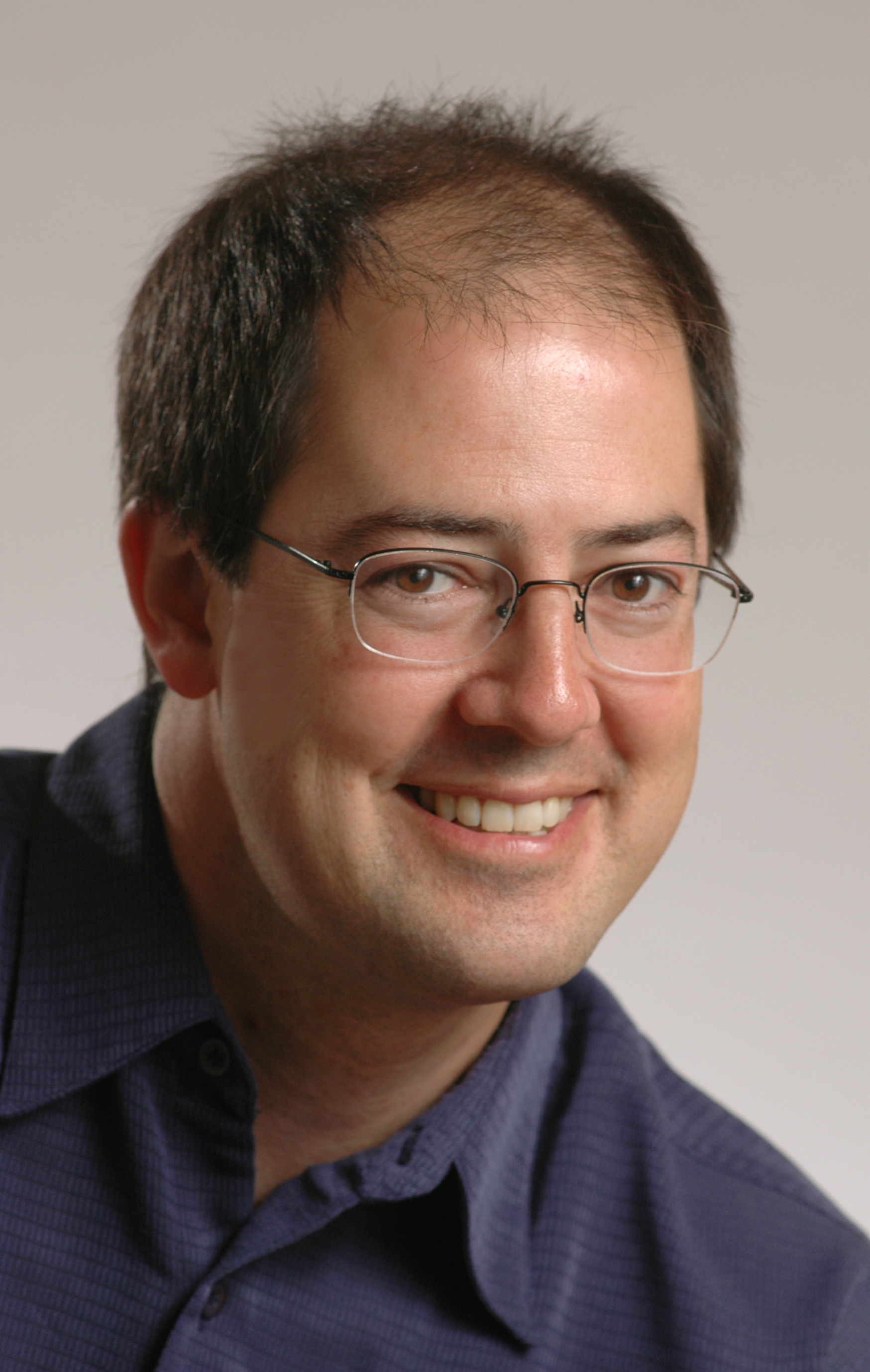
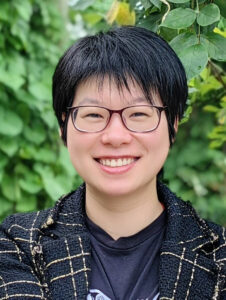
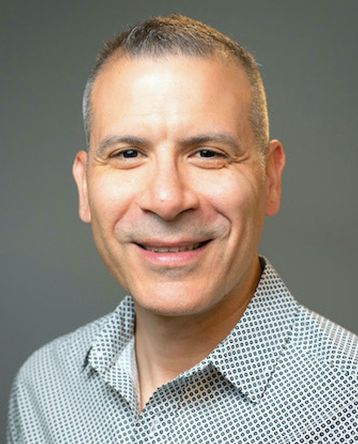
Kristofer Pister is a Professor in the Department of Electrical Engineering and Computer Sciences at the University of California, Berkeley. He co-directs the Berkeley Sensor and Actuator Center (BSAC) and the Ubiquitous Swarm Lab. His career spans groundbreaking innovations in Micro/Nano Electro Mechanical Systems (MEMS), Control Systems, and Low-Power Circuits, with a focus on Smart Dust and synthetic insects. Education: Ph.D. and M.S. in EECS from UC Berkeley (1992, 1989); B.A. in Applied Physics from UC San Diego (1986). His research areas include MEMS , Control Systems , Robotics , and Integrated Circuits , with recent work on self-powered micro-sensors, crystal-free radios, and interplanetary swarm networks. Key awards include the ISA Albert F. Sperry Founder Award (2009) , Alexander Schwarzkopf Prize (2006) , and the NSF CAREER Award (1996) . He has authored numerous influential publications in wireless sensor networks and microrobotics. His lab, Ubiquitous Swarm Lab , explores distributed robotics and swarm intelligence. Pister emphasizes open collaboration in research, ethical conduct in academia, and efficient resource utilization for graduate students.
Virginia Polytechnic Institute and State UniversityUnited States
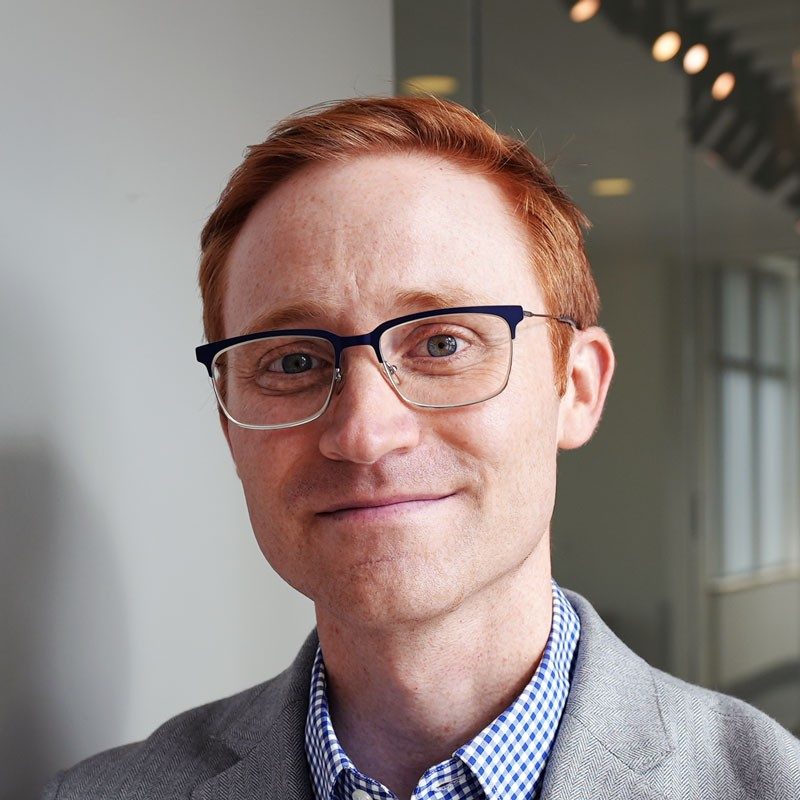
Michael Bartlett is an Associate Professor in the Department of Mechanical Engineering at Virginia Tech , leading the Soft Materials and Structures Lab within the College of Engineering. His research focuses on bio-inspired materials , soft robotics , and multifunctional composites with applications in adaptive adhesives , stretchable electronics , and self-healing systems . Education: Ph.D., Polymer Science & Engineering, University of Massachusetts Amherst (2013) B.S.E., Materials Science & Engineering, University of Michigan (2008) His work explores the intersection of soft materials , morphing structures , and functional composites , leveraging techniques like kirigami and liquid metal integration to create innovations such as octopus-inspired underwater gloves and shape-shifting drones . His recent articles highlight advancements in programmable adhesion , liquid metal conductors , and multiscale material design . Scientific Awards: National Academy of Inventors Senior Member (2024) NSF CAREER Award (2023) Office of Naval Research Young Investigator Award (2021) Soft Matter Emerging Investigator (2021) DARPA Director’s Fellowship (2020) Adhesion Society Early Career Scientist (2020) DARPA Young Faculty Award (2018) 3M Non-Tenured Faculty Award (2017) Bartlett has mentored over 40 undergraduate students and numerous graduate researchers, resulting in 12 peer-reviewed articles with student co-authors. His lab receives funding from federal agencies like NSF , ONR , and DARPA , as well as industry partnerships. The group also engages in K-12 outreach programs and collaborates with institutions such as University of Nebraska-Lincoln and Iowa State University .
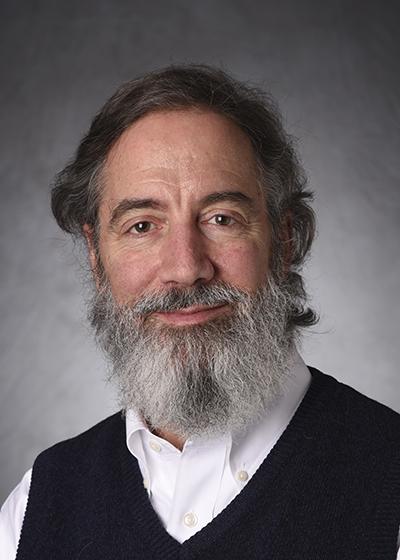
Ralph H. Colby serves as Professor of Materials Science and Engineering and Chemical Engineering at Pennsylvania State University's College of Earth and Mineral Sciences, holding the Corning Faculty Fellowship. His research focuses on molecular-level dynamics in complex fluids, particularly polymers, ionomers, and liquid crystalline systems. With over 130 publications and authorship of the textbook Polymer Physics (2003), he directs an active research program examining structure-property relationships in soft matter. B.S. in Materials Science and Engineering, Cornell University (1979) M.S. in Chemical Engineering, Northwestern University (1983) Ph.D. in Chemical Engineering, Northwestern University (1985) Professor Colby's research spans polymer physics, rheology, and materials for energy applications. His group employs mechanical rheology, dielectric spectroscopy, and scattering techniques to investigate ion transport in single-ion conductors for batteries, dynamics of glass-forming liquids, and self-assembly in polyelectrolyte systems. Current work emphasizes structure-property relationships in ionomers, liquid crystalline polymers, and branched architectures. Analysis of recent publications reveals consistent focus on ionomer membranes for energy applications, processing-structure relationships in advanced polymers, and fundamental dynamics of complex fluids. Key trends include increasing integration of computational modeling with experimental characterization, expansion into sustainable materials processing, and growing emphasis on applications in battery technology and biomedical materials. Penn State Faculty Scholar Medal for Outstanding Achievement (2022) Bingham Medal, Society of Rheology (2012) American Chemical Society Fellowship Corning Faculty Fellowship in Materials Science and Engineering Professor Colby leads multiple federally funded projects including NSF's 'Fundamental Studies of Flow-Induced Polymer Crystallization' and DOE's 'Conduction mechanisms and structure of ionomeric single-ion conductors'. His group maintains strong industry partnerships with Corning Incorporated and participates in interdisciplinary initiatives like the Penn State Intercollege Graduate Degree Program in Materials Science and Engineering. Current research includes collaborations on breast cancer adherence interventions in Rwanda and conjugated polymer development for flexible electronics. The Colby Research Group operates specialized facilities for rheological characterization, dielectric spectroscopy, and X-ray scattering at Penn State's Materials Research Institute. The team maintains active collaborations with national laboratories and international research groups, focusing on translating fundamental polymer physics discoveries into practical applications for energy storage and advanced manufacturing.
Prof. Dr. Oliver Reiser is a full Professor at the Institute of Organic Chemistry within the Faculty of Chemistry and Pharmacy at the University of Regensburg. His research group focuses on cutting-edge developments in organic synthesis, particularly in the areas of photocatalysis and visible light chemistry. He leads the Collaborative Research Centre CRC 325 on "Assembly Controlled Chemical Photocatalysis," which aims to develop new frontiers in photocatalysis for organic synthesis through designed control of catalyst-substrate interactions. University of Hamburg (PhD, 1989) IBM Research Center (Postdoc) Harvard University (Postdoc) University of Göttingen (Habilitation, 1995) Prof. Reiser's research spans multiple interconnected fields with a strong emphasis on sustainable chemistry. His group extensively utilizes modern techniques for organic synthesis including flow reactors, microwaves, and high-pressure systems. The primary research thrusts include catalysis (both metal and organocatalysts), unnatural amino acids and peptide foldamers, and natural product synthesis. His work on visible light photocatalysis has been particularly influential, with numerous publications in high-impact journals like Angewandte Chemie and Nature Catalysis. The group's research integrates experimental, spectroscopic, and computational techniques to analyze catalyst-substrate interactions for more rational design of photochemical reactions. Analysis of Prof. Reiser's recent publications (2023-2025) reveals a strong focus on copper-based photocatalysis, sustainable chemistry using earth-abundant metals, and innovative approaches to heterocycle synthesis. His work demonstrates a clear trend toward developing more efficient and environmentally friendly catalytic processes, with particular emphasis on visible light activation, catalyst immobilization for recyclability, and applications in medicinal chemistry. The research spans from fundamental mechanistic studies to practical applications in synthesis. German Academic Scholarship Foundation Minerva Foundation NATO Fellowship German Research Foundation Support Karl Winnacker Foundation Prof. Reiser has supervised numerous doctoral students, with recent PhD theses focusing on copper photoredox catalysis, magnetic nanoparticle-supported catalysts, and the synthesis of bioactive compounds. His research is supported by multiple collaborative projects, including the Collaborative Research Centre CRC 325, and involves extensive national and international collaborations with institutions such as the University of Kansas, the National Institute of Chemistry in Pune, the Institut Chimie de Coordination du CNRS in Toulouse, and the University of Zaragoza. The group maintains strong ties with pharmaceutical research through collaborations with Prof. A. Beck-Sickinger in Leipzig on neuropeptide ligands. The research group operates well-equipped laboratories with capabilities for advanced organic synthesis and characterization. They have developed specialized expertise in flow chemistry, high-pressure techniques, and magnetic nanoparticle-based catalyst systems. The CRC 325 initiative has provided significant infrastructure for collaborative research in photocatalysis, bringing together multiple research groups with complementary expertise in organic synthesis, spectroscopy, and computational chemistry.
Dr. Yayun Du is an Assistant Professor in the Department of Electrical and Computer Engineering at Vanderbilt University School of Engineering. She holds a Ph.D. in Robotics and System Control (Minor: Solid Mechanics) from UCLA (2022) and was a postdoctoral scholar at Northwestern University's Rogers Group through 2024. Current faculty at Vanderbilt University Ph.D. from University of California, Los Angeles Postdoctoral experience at Northwestern University Her research integrates bioelectronics and robotics through three core directions: 1) Developing multimodal wearable/implantable sensors for health monitoring, 2) Creating human-in-the-loop interaction systems using brain-computer interfaces, and 3) Applying machine learning to medical environment robotics. She has deployed four sensor types across seven hospitals globally, serving users from neonates to elderly patients. Dr. Du's recent publications focus on wireless bioelectronic devices ( PNAS ), sustainable sensor materials ( ACS Sustainable Chemistry & Engineering ), and agricultural robotics ( ICRA , IROS ). She serves as Associate Editor for ICRA 2025 and has received two Best Paper Award final nominations at IROS 2021. Finalist - Best Paper Award in Agri-Robotics (IROS 2021) Finalist - Best Paper Award in Robot Mechanisms and Design (IROS 2021) As head of the Du Group, she leads interdisciplinary research with applications in both healthcare and agricultural contexts, collaborating with Vanderbilt Institute for Surgery and Engineering (VISE) and clinical partners. Her work emphasizes deployable systems that transition from academic research to real-world implementation in medical and industrial environments.
Anna Delin is a Full Professor at KTH Royal Institute of Technology since 2011, leading research on magnetic and quantum phenomena in materials. She heads the WISE research school (wise-materials.org) and served as Deputy Head of the School of Engineering Sciences (SCI) from 2018–2022. Her expertise spans condensed matter physics, with a focus on nanomagnetism, skyrmions, spin-lattice couplings, and topological materials. Education: PhD in Condensed Matter Physics from Uppsala University (1998). Key awards include Naturvetarpriset (1998), Royal Swedish Academy of Sciences Research Fellowship (2007), Thuréus Prize (2018), and Edlundska Prize (2024). She has held visiting roles at ICTP, Los Alamos National Lab, and the Fritz Haber Institute. Research interests include magnetic skyrmions, magnonics, spintronics, and ultrafast demagnetization. Recent publications focus on spin-lattice dynamics, topological materials, and quantum analogs of classical magnetic models. Her work bridges theory and experiment, with contributions to tools like SpinView for computational magnetism analysis. Teaching includes roles as examiner for the Degree Project in Applied Physics and teacher for Sustainable Development in Engineering Physics. She actively participates in materials design initiatives and semantic data processing for big research data. Lab affiliations include her own research group at KTH and collaborations through WISE. Current projects explore skyrmion stabilization, magnon entanglement, and quantum spin systems, with implications for next-generation spintronic devices.
Stéphane BAUDRON is a CNRS Research Director at the Laboratory for the Synthesis and Functions of Molecular Architectures within the Faculty of Chemistry at the University of Strasbourg. His research spans multiple areas of molecular materials chemistry, with particular expertise in coordination polymers, metal-organic frameworks, and supramolecular architectures. Dr. BAUDRON's educational background includes undergraduate studies at the National School of Chemistry of Paris (1998), a Ph.D. from the University of Angers under Dr. Patrick Batail (2002), and postdoctoral research at the University of California Berkeley with Prof. Jeffrey R. Long (2002-2004). He joined CNRS as a researcher in 2004, received his Habilitation from the University of Strasbourg in 2009, and was promoted to CNRS Research Director in 2019. His primary research interests focus on dipyrrin-based complexes and assemblies for luminescent materials and heterometallic frameworks, conducting coordination polymers using redox-active ligands, and the application of deep eutectic solvents for sustainable synthesis of porous materials. His work bridges fundamental coordination chemistry with practical applications in materials science. Analysis of his recent publications reveals a strong trend toward green chemistry approaches for synthesizing metal-organic frameworks, with increasing focus on deep eutectic solvents as environmentally friendly alternatives to traditional solvents. His research spans both fundamental coordination chemistry and applied materials science, with particular emphasis on structure-property relationships in crystalline materials. Lavoisier fellowship (French Ministry of Foreign Affairs) JSPS short-term invitation fellowship at Kyoto University USIAS fellowship ANR DEEPCatCOF project (Principal Investigator) Dr. BAUDRON has successfully mentored numerous graduate students who have gone on to careers in both industry and academia, including positions at Michelin, BASF, and various universities. His current research is supported by multiple grants, including the ANR DEEPCatCOF project focused on deep eutectic solvents for catalytic metal-organic frameworks. His laboratory maintains strong international collaborations with research groups in Japan, Portugal, and other European institutions. Based at the University of Strasbourg's Institute Le Bel, Dr. BAUDRON leads a research team within the Laboratory for the Synthesis and Functions of Molecular Architectures, which is part of the larger Faculty of Chemistry structure. His group actively collaborates with other laboratories within the chemistry faculty, particularly those working on spectroscopy, mass spectrometry, and molecular modeling.
James Van Etten is the William Allington Distinguished Professor of Plant Pathology at the University of Nebraska-Lincoln, affiliated with the School of Biological Sciences and Nebraska Center for Virology. His research focuses on chloroviruses—large dsDNA viruses infecting Chlorella-like algae—with emphasis on DNA replication, restriction systems, and membrane transport proteins. Key research themes include: Viral DNA modification systems Host-virus interactions Structural virology Evolution of organellar genomes Recent work analyzed: SMRT sequencing of viral methylation patterns Chlorovirus cryopreservation methods Potassium channel biophysics Host chemical signaling mechanisms Lab webpage: vanettenlab.unl.edu
Indrek Jõgi is an Associate Professor of Plasma Technology at the University of Tartu's Institute of Physics within the Faculty of Science and Technology. He serves as Assistant Director of the Institute of Physics and Programme Director of the Doctoral Programme in Chemical and Physical Sciences. His academic career spans over 15 years at the University of Tartu, with progressive roles from Research Fellow to his current Associate Professor position. Dr. Jõgi earned his PhD in Physics (Optics and Spectroscopy) from the University of Tartu in 2007, following a Master's degree in Applied Physics in 2003 and a diploma in Physical Information Technology in 2001. His doctoral research focused on conduction mechanisms in thin atomic layer deposited films containing TiO 2 . His research interests center on plasma physics and technology, particularly the electrical properties of thin metal-oxide films, plasma-chemistry, and thermodynamically non-equilibrium plasma properties. His work bridges fundamental plasma physics with practical applications in materials science, nuclear fusion technology, and biomedical applications. He specializes in plasma diagnostics using Laser-Induced Breakdown Spectroscopy (LIBS) for fusion reactor materials analysis and has made significant contributions to understanding ionization processes in various gas mixtures. His recent publications demonstrate a strong focus on plasma applications for nuclear fusion materials analysis, particularly using LIBS techniques for detecting hydrogen isotopes and impurities in fusion reactor wall materials. His work spans plasma diagnostics, thin film deposition techniques like atomic layer deposition, and biomedical applications of plasma technology including cancer cell treatment research. His scientific awards include: IOP Outstanding Reviewer Award for Journal of Physics D: Applied Physics (2022) IOP Outstanding Reviewer Award for Journal of Physics D: Applied Physics (2018) III award in the PhD student category at the National Contest of Students on Scientific Research (2007) Dr. Jõgi serves in significant administrative roles including Assistant Director of the Institute of Physics and Programme Director for the Doctoral Programme in Chemical and Physical Sciences. He is the Estonian representative in the Governing Board of Fusion for Energy and the General Assembly of EUROfusion consortium. He also represents Estonia in COST Actions 23139 (from 2025) and previously served as Vice STSM Coordinator for COST Action 19110 (2020-2024). With approximately 90 peer reviews completed according to Web of Science, he is an active contributor to scholarly discourse in his field. He leads the Laboratory of Plasma Physics at the University of Tartu and is a member of the International Scientific Committee for the HAKONE symposium series on High Pressure Low Temperature Plasma Chemistry. His research team collaborates extensively with international fusion research facilities including WEST tokamak in France and Magnum-PSI in the Netherlands.
Nonappa Nonappa is an Associate Professor (tenure track) in Nanochemistry at Tampere University's Faculty of Engineering and Natural Sciences since 2020. With a multidisciplinary background spanning organic chemistry, supramolecular systems, nanoparticle self-assembly, and advanced electron microscopy, he leads research at the intersection of materials science and biomedical applications. PhD in Organic Chemistry (IISc Bangalore, 2008) Docent in Soft Matter Microscopy (Aalto University, 2017) Executive MBA (Quantic School, 2020) Research focuses on bio-based optical materials using nanocellulose for sustainable photonics, breast cancer models via lab-on-a-chip systems, and precision nanomaterials through tailored self-assembly mechanisms. His team develops 3D extracellular matrices for cancer tissue culture and plasmonic nanodevices for photonic applications. Recent publications highlight gold/silver nanocluster assemblies (43+ citations in 2021-2025), electron tomography for structural analysis, and metastasis modeling systems. Key awards include Italy's Abilitazione Scientifica Nazionale (2018) and Aalto University's Docent title (2017).
Levent Burak Kara is a Professor in the Department of Mechanical Engineering at Carnegie Mellon University (CMU), with a courtesy appointment in the Robotics Institute. He is a leading researcher in AI-driven computational design, additive manufacturing, and intelligent engineering systems, leading the Visual Design and Engineering Lab (VDEL) at CMU. Education: B.S., Mechanical Engineering, Middle East Technical University (1998) M.S., Mechanical Engineering, Carnegie Mellon University (2000) Ph.D., Mechanical Engineering, Carnegie Mellon University (2005) His research focuses on integrating machine learning, optimization, and geometric modeling to revolutionize engineering design and manufacturing. Key areas include topology optimization, CAD intelligence, digital twins, generative design, bioengineering, and electronic design automation. His work enables automation of traditionally labor-intensive design processes using deep learning and reinforcement learning. His recent publications reveal a strong trend toward physics-informed surrogate modeling, real-time simulation, manufacturability prediction, and AI-driven automation in mechanical, biomedical, and electronic systems. These works frequently appear in top journals such as Journal of Mechanical Design and Journal of Applied Mechanics , and at premier conferences like NeurIPS and DAC. Scientific Awards: National Science Foundation CAREER Award ASME Design Automation Society Young Investigator Award Google AI for Social Good Impact Scholar Kara advises several Ph.D. students and has secured significant funding from federal agencies such as the NSF and the U.S. Army Research Laboratory, as well as collaborations with industrial leaders including Cadence Design Systems and NVIDIA. His research is also supported by CMU’s NextManufacturing Center and the Critical Technology Initiative. He is actively involved in developing intelligent design systems that leverage AI to automate product design, optimize manufacturing processes, and improve medical diagnostics, particularly in oral cancer screening and organ preservation. His lab, VDEL, is a hub for innovation in AI-enabled engineering.
Yayue Pan is a Professor at the Department of Mechanical and Industrial Engineering, University of Illinois Chicago (UIC) , and serves as the Director of NASA MIRO Center for In-Space Manufacturing: Recycling and Regolith Processing (CISM-R2) . Her research focuses on advancing Additive Manufacturing (AM) technologies for applications in biomedical engineering , energy storage , and smart structures . Ph.D., Industrial and Systems Engineering, University of Southern California (2014) M.S., Mechanical Manufacturing and Automation, Zhejiang University, China (2010) B.S., Industrial Engineering, Zhejiang University of Technology, China (2007) Her work addresses technical challenges in AM such as multi-material printing , multi-scale fabrication , and field-assisted processes . Notable projects include: Development of electrostatically-assisted direct ink writing (eDIW) for high-speed, high-resolution printing Continuous projection stereolithography for rapid solid object manufacturing Acoustic field-assisted particle patterning for smart composites Light-curable hydrogels for corneal repair applications Her 15 most recent publications (2022–2025) span topics in: Multi-material AM (conductive polymers, hierarchical composites) Biomedical applications (soft robotics, corneal repair) Energy components (battery electrolytes, supercapacitors) Field-assisted processes (acoustic, electrostatic, magnetic) Scientific Awards : 2024 ASME Chao and Trigger Young Manufacturing Engineer Award 2022 UIC Researcher of the Year Rising Star Award 2020 ASME CIE TC Leadership Award 2019 UIC Outstanding Teaching Award 2017 SME Outstanding Young Manufacturing Engineer Award NSF REU Supplements (2023–2024) Advising : Mentored 24+ graduate/undergraduate researchers, including 17 NASA/GPIP interns. Former advisees hold academic positions at University at Buffalo and University of North Carolina at Charlotte , and industry roles at Apple , GE Healthcare , and ANSYS . Grants : Recipient of a $4.65M NASA grant and multiple NSF awards. Collaborations include Northwestern University, University of Michigan, and NASA centers.
Justin D. Holmes is Professor of Nanochemistry in the School of Chemistry at University College Cork (UCC) and serves as a Principal Investigator at the Environmental Research Institute. He holds the position of Deputy Director at the Advanced Materials and Bioengineering Research (AMBER) centre, a Science Foundation Ireland-funded initiative that bridges academic research with industry applications. With more than 400 peer-reviewed publications in materials science, Professor Holmes has established himself as a leading figure in nanochemistry research and development. Professor Holmes' research program centers on developing chemical methods to synthesize and assemble nanostructured materials for environmental and energy applications. His work spans three primary domains: atmospheric sensors for detecting radicals and gases (RADICAL project), energy conversion through nanofluidic platforms for waste heat conversion (TRANSLATE project) and solar-to-chemical energy conversion (FreeHydroCells project), and sustainability through chemical recycling of waste plastics (AMBER project). His interdisciplinary approach integrates chemistry, materials science, and environmental engineering to address critical sustainability challenges through nanoscale innovation. Analysis of Professor Holmes' recent publications reveals a strong emphasis on sustainable materials development and energy applications. His research demonstrates consistent focus on germanium-based nanomaterials for electronics and energy storage, innovative polymer recycling techniques, and sustainable nanomaterial synthesis. The progression of his work shows increasing integration of circular economy principles, with significant contributions to plastic waste management and green chemistry approaches. Professor Holmes has received significant recognition for his contributions to science: Member of the Royal Irish Academy Fellow of the Royal Society of Chemistry His research is supported through substantial funding mechanisms, including his leadership role in the AMBER centre. Professor Holmes has successfully translated research into commercial applications through co-founding Glantreo Ltd., a UCC spin-out company. His work demonstrates a strong commitment to both fundamental scientific advancement and practical applications that address environmental challenges. Professor Holmes leads an active research group within the School of Chemistry at UCC, collaborating extensively through the Environmental Research Institute and the AMBER centre. His team maintains strong interdisciplinary connections across chemistry, materials science, and engineering disciplines, with sophisticated capabilities in nanomaterials synthesis, characterization, and application development. The research environment fosters innovation in environmental sensing, energy conversion technologies, and sustainable materials development.
Habib Ullah is an Associate Professor in Data Science at the Norwegian University of Life Sciences (NMBU), Norway, where he conducts research at the intersection of computer vision and machine learning. He is affiliated with the Institute of Data Science under the Faculty of Science and Technology. He has previously held academic positions at COMSATS University Islamabad, Pakistan, and the University of Ha'il, Saudi Arabia, and served as a postdoctoral researcher at The Arctic University of Norway. Educational Background: PhD in Information and Communication Technology (Computer Vision), University of Trento, Italy (2011–2015) MSc in Electronics and Computer Engineering, Hanyang University, South Korea (2007–2009) BSc in Computer Systems Engineering, NWFP University of Engineering and Technology, Pakistan (2002–2006) Habib Ullah's research is primarily focused on computer vision and machine learning, with applications in aquaculture, agriculture, and human behavior analysis. He investigates underwater fish feeding sounds using audio classification, develops zero-shot learning models for recognizing unseen classes, and applies deep learning to detect stress in salmon via skin dot patterns. He also explores AI-driven controlled environment agriculture, leveraging sensors and automation for optimal crop growth. His work emphasizes practical AI solutions for real-world challenges in environmental and biological domains. The recent publications highlight a strong trend in leveraging deep learning for zero-shot and semi-supervised learning, particularly in computer vision tasks such as sea ice classification, crowd anomaly detection, and agricultural monitoring. His research spans remote sensing, biomedical signal processing, and human activity recognition, demonstrating interdisciplinary versatility. The keywords reflect a focus on robust feature representation, knowledge transfer, and model generalization. Scientific Awards and Funding: Industrial PhD grant 'Advancing Controlled Environment Agriculture AI' from The Research Council of Norway (Project number 354125, 2 million NOK, 2024) Team member (Coordinator-Participant) in the Battery Cell Assembly Twin (BatCAT) project funded by Horizon Europe (7 mEuro, 2023–2027) Development of an AI-Based Image Analysis System for Monitoring Plant Status (Funding: 1.8 mNOK, starting 2025) Habib Ullah actively supervises PhD projects and contributes to academic service through editorial and organizational roles. He has served as an Associate Editor for IEEE Access, Guest Editor for MDPI Remote Sensing, and Editor of the Springer book Machine Learning Techniques and Sensor Applications for Human Emotion, Activity Recognition, and Support (ML-SHEARS) . He has also been a Track Chair and Program Committee Member for several international conferences, reflecting his leadership in the academic community. His research is supported by significant grants and collaborative projects, indicating strong institutional and international engagement. He is involved in multiple research teams and projects, including the BatCAT project on battery manufacturing and AI applications in controlled environment agriculture with RIFT LABS AS. His lab work integrates deep learning, sensor fusion, and data analytics for environmental and biological monitoring systems.
David Goldhaber-Gordon is a Professor in the Department of Physics at Stanford University, specializing in nanoscale electron behavior and quantum effects. His research spans nanofabrication, materials growth, low-temperature measurements, and scanning probe techniques, focusing on materials like graphene, carbon nanotubes, and topological insulators. Harvard AB in Physics (1994) Harvard AM in History of Science (1994) MIT PhD in Physics (1999) His work explores electron organization and flow in nanoscale systems, emphasizing quantum effects and interactions. Research areas include twisted bilayer graphene, helical trilayer platforms, and topological insulator applications for quantum devices and energy technologies. Recent publications focus on strain effects in twisted graphene, moiré superlattice engineering, and quantum anomalous Hall integration. Themes include topological phases, correlated insulators, and metrology advancements. Co-founder and Director, Center for Probing the Nanoscale (NSF Center) Junior Fellow, Harvard Society of Fellows He teaches advanced physics labs, independent research, and dissertation courses at Stanford. His group collaborates with materials scientists, engineers, and chemists to develop novel electronic applications.