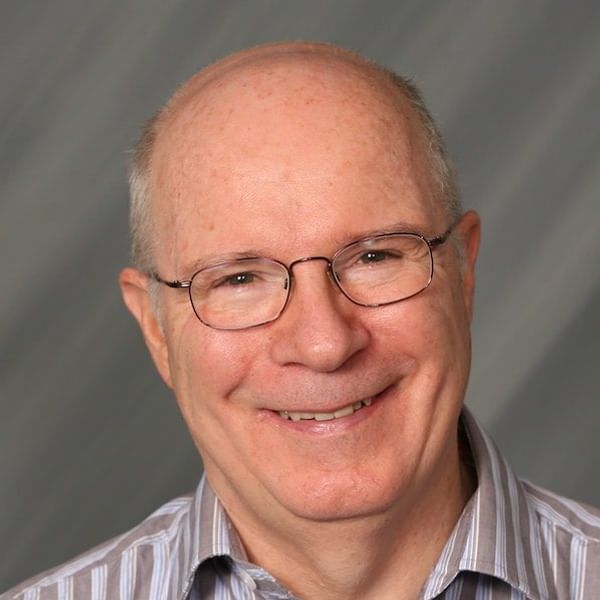
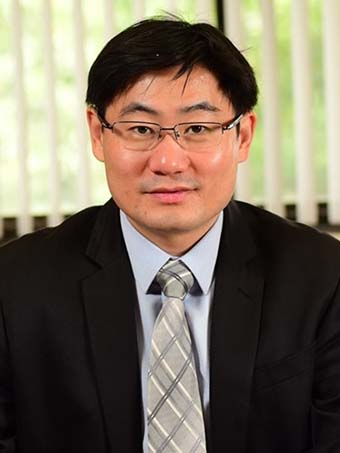
Ronald C. Lasky is a Professor of Engineering at Dartmouth College's Thayer School of Engineering and a Senior Technologist at the Indium Corporation. His academic roles include teaching courses such as ENGM 187: Technology Innovation and Entrepreneurship and ENGS 155: Intermediate Thermodynamics . Dr. Lasky holds a BS in Engineering Physics from Cornell University (1970), an MS in Applied Mathematics from Binghamton University (1974), and a PhD in Materials Science from Cornell University (1986). His research focuses on process optimization, electronic assembly, materials science, and environmental compliance. Notable contributions include work on lead-free solder assembly and Lean Six Sigma methodologies. He received the Member of Technical Distinction Award from the SMTA in 2021. Dr. Lasky actively engages with industry, exemplified by his collaboration with Galanz in China, exploring modern manufacturing practices and infrastructure. His insights on global supply chains and technological advancements highlight his dual academic and professional expertise.
Professor Thomas Bein is affiliated with the Department of Chemistry at Ludwig-Maximilians-Universität München (LMU) , where he leads the Functional Nanosystems research group. His work focuses on synthesizing and characterizing nanostructured materials with applications in energy, catalysis, and biomedical delivery. Mesoporous nanoparticles for drug delivery Semiconductor nano-morphologies for photovoltaics Photoelectrochemical water splitting Metal-organic frameworks (MOFs) Electroactive networks His research emphasizes atomic-scale control of material architectures using self-assembly, hydrogen bonding, and covalent interactions, enabling precise tuning of electronic, optical, and catalytic properties. A review of his recent publications reveals cutting-edge investigations into covalent organic frameworks (COFs), perovskite-inspired solar materials, and functional nanoparticle systems. Key trends include optimizing energy conversion efficiency, enhancing stability in optoelectronic devices, and exploring bio-compatible nanocarriers for targeted therapies. Professor Bein’s group actively contributes to interdisciplinary projects at the intersection of chemistry, physics, and biomedical engineering, with ongoing collaborations in solar energy, sustainable materials, and nanomedicine.
Sriram Subramaniam is a Professor in the Department of Biochemistry and Molecular Biology at the University of British Columbia (UBC) and holds the Gobind Khorana Canada Excellence Research Chair in Precision Cancer Drug Design. His research leverages cryo-electron microscopy (cryo-EM) to advance structural biology and drug design, focusing on protein dynamics and therapeutic target identification. Education: PhD in Physical Chemistry (1987) from Stanford University; MSc in Chemistry (1981) from Indian Institute of Technology, Kanpur. Subramaniam's interdisciplinary work combines cryo-EM with computational tools and molecular biology to study protein structures at atomic resolution. His lab has pioneered cryo-EM applications in precision medicine, including mapping small molecule drugs on patient-specific cancer mutants. Recent publications (2024-2022) highlight his contributions to understanding SARS-CoV-2 immune evasion, structural mechanisms of ATPases, and AI integration in structural biology. His research spans viral entry mechanisms, CRISPR systems, and neurodegenerative disease pathways. Scientific Awards: Gobind Khorana Canada Excellence Research Chair NIH Director’s Award for Scientific Excellence Fellow of the Biophysical Society Breakthrough Prize nomination Based at the Djavad Mowafaghian Center for Brain Health, Subramaniam leads the Program in Cryo-EM Guided Drug Design, contributing to over 177 peer-reviewed publications with a career h-index of 58 and citations exceeding 12,340.
Professor CHEN Wei (National University of Singapore) holds the Provost's Chair Professorship (2023-2026) and serves as Vice-Dean (Research) with joint appointments in the Departments of Chemistry and Physics. His research focuses on molecular-scale interface engineering for 2D materials-based devices and interface-controlled nanocatalysis in energy/environmental applications. PhD in Material Science, NUS (2004) Lee Kuan Yew Research Fellow (2006-2008) Established Surface and Interface Lab (2009) Director, NUS Research Institute (Fuzhou) His work on 2D optoelectronic memory (Nat. Comm. 2018), Kagome lattice design (Nano Lett. 2020), and single-atom catalysis (Nat. Comm. 2021) has been recognized by multiple high-impact publications and the Clarivate Highly Cited Researcher status (2017-2021). Awards include the NRF Investigatorship (2023) , Mitsui Chemicals-SNIC Industry Award (2020) , and Singapore Young Scientist Award (2012) . Grants from NUS, Singapore MOE, CREATE/CRP programs, and A*STAR support his exploration of interface engineering for neuromorphic computing and energy-efficient nanocatalysts . Current projects include monolayer blue phosphorus synthesis and solid electrolyte interphase engineering for lithium batteries.
Professor Harry E. Ruda holds the Stanley Meek Chair in Advanced Nanotechnology at the University of Toronto's Faculty of Applied Science and Engineering. He directs the Centre for Advanced Nanotechnology and leads the Electronic-Photonic Materials Group. His research spans semiconductor nanostructures, focusing on nanoelectronics and nanophotonics, with notable contributions to nanowire growth, quantum transport, and plasmonic effects. Education: B.Sc. in Physics, Imperial College London Ph.D. in Physics, MIT His research interests include: Semiconductor nanowire growth via VLS process Quantum transport and spintronics Nonlinear optical effects in quantum dots/nanowires Surface state control through passivation Photonic crystal structures for optical devices Carrier dynamics in low-dimensional systems Recent publications highlight advancements in InAs nanowire sensors, Coulomb impurity effects, photonic crystal design, and hybrid superconducting/semiconductor devices. His work bridges fundamental electron dynamics and applied quantum technologies. Scientific Awards: Fellow, Canadian Academy of Engineering Fellow, Royal Society of Canada Fellow, Institute of Physics (UK) Fellow, Institute of Nanotechnology Fellow, Institution of Engineering and Technology Fellow, Institute of Materials, Minerals and Mining Fellow, Canadian Academy of Engineering Teaching: MSE335: Materials Physics MSE490: Professional Ethics and Practice MSE1023: Quantum Transport
Dr. Tommaso Marcato is a Lecturer at the Department of Chemistry and Applied Biosciences, ETH Zürich. He earned his MSc in Chemical and Bioengineering from ETH Zürich after completing his BSc in Chemical Engineering at Politecnico di Milano, Italy. His research focuses on perovskite light-emitting diodes (PeLEDs), emission anisotropy, and light-outcoupling efficiency, with a particular emphasis on transition dipole moment orientation and nanocrystal self-assembly. His publications span topics such as Stabilization of CsPbI₃ nanoplatelets via metal iodide doping Molecular orientation engineering in OLEDs Ultraflexible self-powered optoelectronics Electroluminescent metasurfaces using perovskite nanocrystals His work aims to overcome photon trapping in devices by manipulating emitter orientation and exploring quantum confinement effects. Dr. Marcato's recent articles (2019–2025) demonstrate expertise in Hybrid perovskite systems Quantum dot applications Photonic device architecture Surface passivation techniques . He is part of the Shih group at ETH Zurich and has received funding from ETH-33 18-2 for his research on graphene-templated molecular alignment in LEDs.
University of Illinois Urbana-ChampaignUnited States
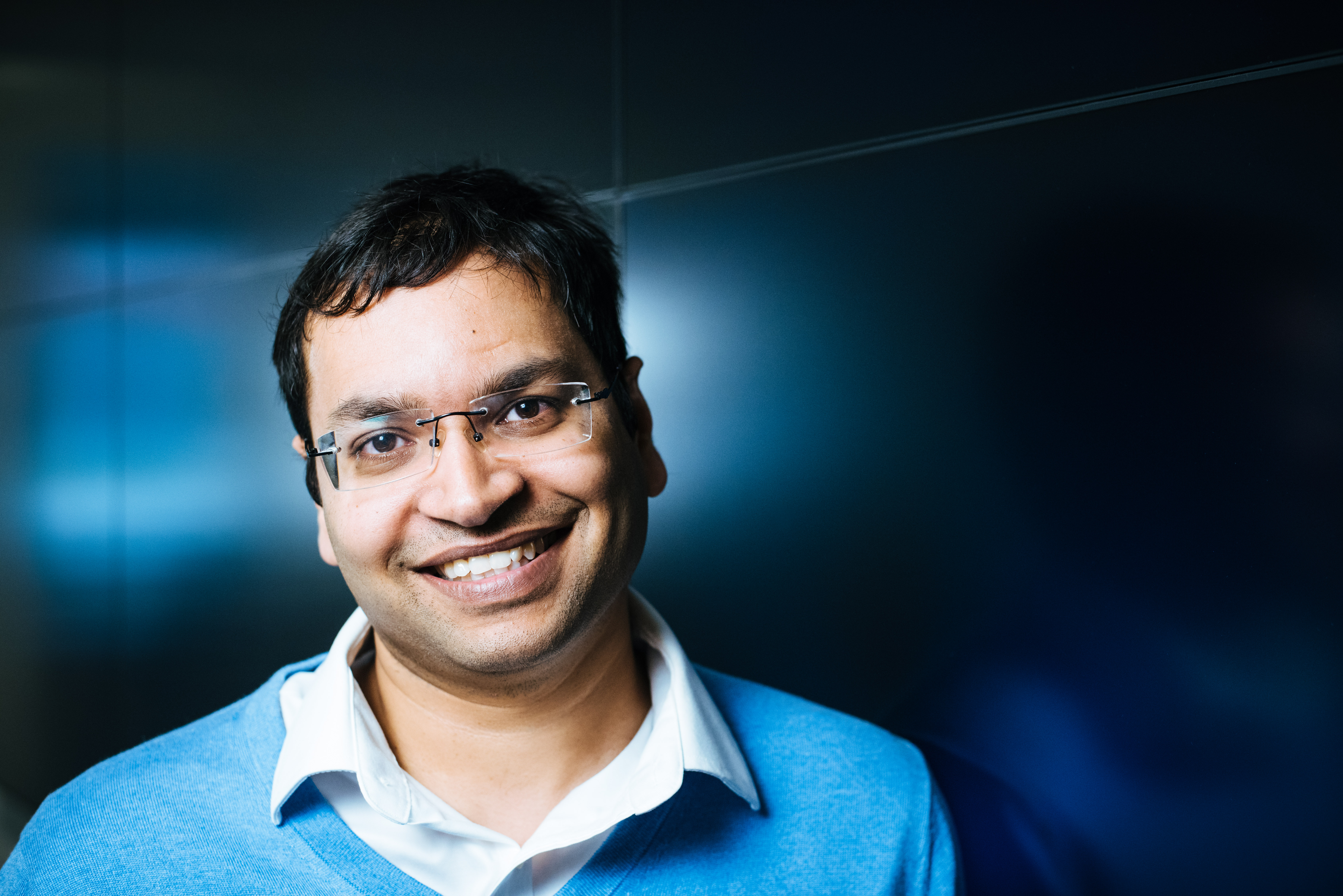
Rakesh Kumar is a Professor and John Bardeen Faculty Scholar in the Electrical and Computer Engineering Department at the University of Illinois at Urbana-Champaign. His work focuses on computer architecture, system-level design automation, and low-power computing. PhD in Computer Engineering from University of California, San Diego BS in Electrical Engineering from IIT Kharagpur His research spans all layers of the computing stack, with key contributions to flexible computer systems , waferscale computing , error-resilient architectures , and approximate computing . He has pioneered work on voltage-reliability tradeoffs and peak power management techniques. Recent publications highlight trends in space microdatacenters , printed microprocessors , and neural graph accelerators . His work on plastic chips was recognized as one of the three biggest semiconductor headlines of 2022 by IEEE Spectrum. IEEE Fellow (2024) ISCA Influential Paper Award MICRO Test-of-Time Award ICCAD Ten Year Retrospective Most Influential Paper Award Best Paper Awards at CASES, SELSE, HPCA He has received teaching accolades including the Stanley H. Pierce Faculty Award and Ronald W. Pratt Outstanding Teaching Award . His research group explores hardware-software co-design for emerging applications in AI, IoT, and sustainable computing.
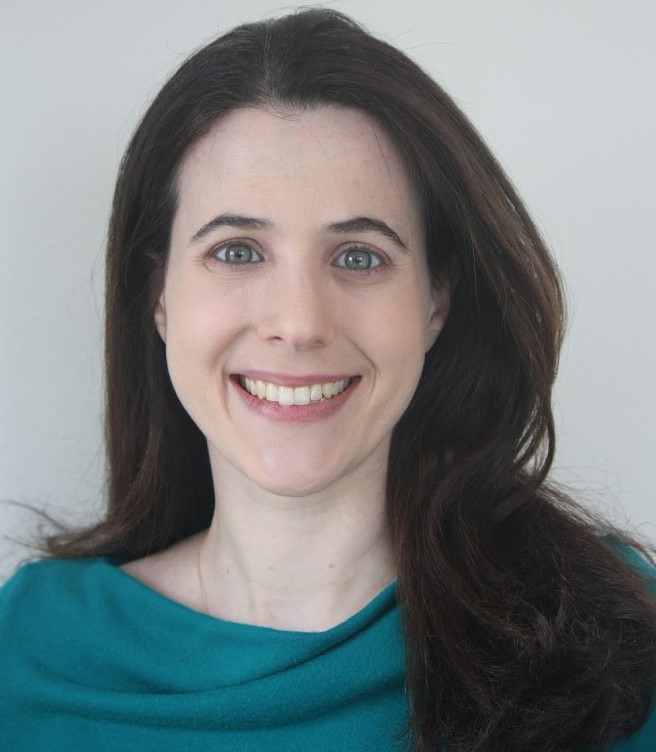
Adriana Schulz is an Assistant Professor in the Department of Computer Science & Engineering at the University of Washington's College of Engineering. She leads a research group focused on computational design, computer-aided design (CAD), and digital fabrication. Her work bridges computer science with practical applications in manufacturing, robotics, and sustainable design. Dr. Schulz received her Ph.D. in Computer Science from MIT in 2018 under the supervision of Professor Wojciech Matusik. Prior to her doctoral studies, she earned a Master's degree in Mathematics from IMPA (Instituto Nacional de Matemática Pura e Aplicada) in Rio de Janeiro, where she worked with Professor Luiz Velho, and a Bachelor's degree in Electronics Engineering from UFRJ (Federal University of Rio de Janeiro). Her research interests center around computational tools that enhance design and manufacturing processes. She develops novel algorithms for CAD systems, computational fabrication techniques, and sustainable design approaches. Her work spans multiple domains including robotics, textiles, electronics, and architecture, with a strong emphasis on creating practical tools that designers and engineers can use in real-world applications. She explores how machine learning, particularly neurosymbolic approaches, can improve design workflows and enable new capabilities in computational design systems. Analysis of her recent publications reveals a strong trend toward more intelligent and user-centered design tools. Her research increasingly integrates machine learning with traditional CAD systems to create more intuitive interfaces, supports sustainable design practices with computational tools, and develops novel fabrication techniques that push the boundaries of what's possible with digital manufacturing. She has made significant contributions to zero-waste fashion design, immersion cooling for high-performance computing, and CAD program understanding through novel representation learning techniques. Innovators Under 35 - MIT Technology Review Bolsa Aluno Nota 10 from FAPERJ Engineer 20000 award Dr. Schulz actively mentors several PhD students and postdoctoral researchers, including Haisen Zhao, Ben Jones, Yuxuan Mei, and others, often in collaboration with colleagues across different departments. Her research has attracted significant media attention, with coverage in major outlets including MIT News, BBC, IEEE Spectrum, Wired, and TechCrunch. Her work on Interactive Robogami was noted as the most read article in the International Journal of Robotics Research in its publication year. She leads a vibrant research group at the University of Washington that focuses on computational design systems, with particular emphasis on creating tools that bridge the gap between digital design and physical fabrication. Her team develops novel algorithms for CAD systems, computational fabrication techniques, and sustainable design approaches that have practical applications across multiple industries.
Michael McAlpine is a Professor in the Mechanical Engineering department at the University of Minnesota . He also holds affiliations with the Biomedical Engineering and Electrical and Computer Engineering departments. His research focuses on 3D printing functional materials & devices , Nanoscale inks , Biomedical devices , Bioelectronics , and Flexible Microsystems . Research Interests : 3D Printing, Biomedical Engineering, Nanotechnology, Flexible Electronics, Microfluidics Labs : ME 361/363 Contact : mcalpine@umn.edu , (612) 626-3303, ME 117 Recent Research Trends include 3D Printed Biomedical Devices , Flexible Electronics , and Bioprinting Applications . His work spans from Spinal Organoid Formation to Programmable Drug Release Capsules . Scientific Award : Circulation Research 2020 Best Manuscript Award
Cherie Kagan serves as the Stephen J. Angello Professor at the University of Pennsylvania, holding primary appointment in the Department of Electrical and Systems Engineering within the School of Engineering and Applied Science, with secondary appointments in Chemistry and Materials Science and Engineering. Her interdisciplinary research bridges chemistry, materials science, and electrical engineering to develop novel functional materials and devices that integrate optical, electrical, magnetic, mechanical, and thermal properties. Professor Kagan's research group combines the flexibility of chemical synthesis and bottom-up assembly with top-down fabrication techniques to design innovative nanomaterials. They employ advanced characterization methods including spatially- and temporally-resolved optical spectroscopies, AC/DC electrical measurements, electrochemistry, and various microscopy techniques. Her recent work demonstrates particular strength in colloidal nanocrystals and quantum dots for applications in quantum information science, sensing technologies, and energy conversion devices. Scientific Recognition Induction to the American Academy of Arts and Sciences (2025) IEEE Fellow (2024) for contributions to colloidal nanocrystals and their integration in optical and electronic devices George H. Heilmeier Faculty Award for Excellence in Engineering (2024-25) Humboldt Research Award Fellowship (2024) MRS Fellow for distinguished research accomplishments in materials science National Academy of Inventors Fellow for innovation in nanomaterials Professor Kagan actively mentors PhD students across multiple departments, with recent graduates including Gary Chen, Chavez Lawrence, and Shobhita Kramadhati. Her research is supported by significant grants including the IoT4Ag project focused on precision agriculture sensing systems. She maintains active collaborations with Nobel Laureate Moungi Bawendi, her former PhD advisor at MIT, and works with institutions including the Max-Planck Institute for Chemical Physics of Solids through her Humboldt Fellowship. The Kagan Research Group operates comprehensive facilities for nanomaterials synthesis, characterization, and device fabrication, combining expertise across chemistry, physics, and engineering disciplines. Current team members include PhD students from Electrical and Systems Engineering and Chemistry departments, postdoctoral researchers like Anamika Singh and Akhila Mallavarapu, and undergraduate researchers supported through programs like CURF.
Robert J. Hamers is a Professor of Chemistry and the Steenbock Professor of Physical Science at the University of Wisconsin-Madison . He serves as the Director of the Center for Sustainable Nanotechnology , a multi-institutional collaboration, and is a Senior Editor for Accounts of Chemical Research . Additionally, he co-founded the startup Silatronix, Inc. and leads the ACS/UW-Madison Bridge to the Chemistry Doctorate Program . B.S. in Chemistry, University of Wisconsin-Madison (1980) Ph.D. in Chemistry, Cornell University (1986) Hamers' research focuses on surface chemistry, nanotechnology, and renewable energy , with specific interests in electrochemical energy storage, photoelectron emission mechanisms, and environmental impacts of nanomaterials . His group develops ultra-stable surface chemistries for energy devices and investigates charge-transfer processes at material interfaces . Recent publications highlight advances in diamond-based materials , organosilicon electrolyte additives , and environmental fate of nanomaterials . Scientific recognitions include the Wisconsin Distinguished Professor title. His work bridges fundamental surface science with applied technologies through collaborations with academic institutions, national laboratories, and industry partners like Dow Chemical . The Hamers Group actively trains graduate students and postdoctoral researchers in multidisciplinary approaches.
Andrew Spakowitz is a Professor of Chemical Engineering, Materials Science and Engineering, and by courtesy, Applied Physics and Chemistry at Stanford University. He currently serves as the Senior Associate Dean for Research and Faculty Affairs and holds the Tang Family Foundation Chair of the Department of Chemical Engineering. His academic career at Stanford spans from Assistant Professor (2006-2014) to Associate Professor (2014-2020) and now Professor since 2020. Dr. Spakowitz earned his PhD in 2004, MS in 2001 from the California Institute of Technology, and his BS in Chemical Engineering from the University of Wisconsin, Madison in 1999. He completed postdoctoral training in Molecular and Cell Biology and Biophysics at UC Berkeley from 2004-2006. His research focuses on theoretical and computational approaches to understanding biological processes and complex materials. The Spakowitz lab addresses fundamental chemical and physical phenomena through four main research themes: chromosomal organization and dynamics, protein self-assembly, polymer membranes, and charge transport in conducting polymers. His group employs diverse theoretical and computational methods including analytical theory of semiflexible polymers, polymer field theory, continuum elastic mechanics, Brownian dynamics simulation, equilibrium and dynamic Monte Carlo simulations, and reaction-diffusion modeling. Analysis of his recent publications reveals a strong emphasis on epigenetics and chromatin dynamics, with significant work on DNA methylation patterns, nucleosome clustering, and chromosome organization. His research also extends to polymer physics applications in biological systems, particularly in respiratory diseases, water purification membranes, and bacterial phage interactions with human mucus. Tang Family Foundation Chair of the Department of Chemical Engineering Professor Spakowitz mentors several graduate students and postdoctoral scholars in the Chemical Engineering and Materials Science departments. His lab members work on diverse projects spanning from chromatin dynamics to polymer membranes for water purification. He teaches multiple courses including CHEMENG 120B (Energy and Mass Transport), CHEMENG 340 (Molecular Thermodynamics), CHEMENG 466 (Polymer Physics), and CHEMENG 467 (Physics of Biomacromolecules). The Spakowitz lab operates from Clark S295 at Stanford University, conducting theoretical and computational research that bridges chemistry, physics, biology, and engineering disciplines to address complex problems across multiple length and time scales.
Dr. Rajesh Bera is a Research Fellow at ICFO's Functional Optoelectronic Nanomaterials group specializing in quantum-confined nanostructures. His research examines ultrafast carrier dynamics, excitonic properties, and optoelectronic applications of nanomaterials including quantum dots, nanoplatelets, and hybrid nanostructures. Current investigations focus on intraband transitions in doped nanocrystals, orientation-dependent excitonic behavior in 2D materials, and charge transfer mechanisms in heterostructure devices. Work bridges fundamental photophysics with applications in photodetection, sensing, and energy conversion. Recent publications demonstrate expertise in time-resolved spectroscopy of quantum materials, nanomaterial synthesis via colloidal chemistry, and rational design of optoelectronic devices. Continually develops novel characterization methods to probe ultrafast processes at nanoscale interfaces.
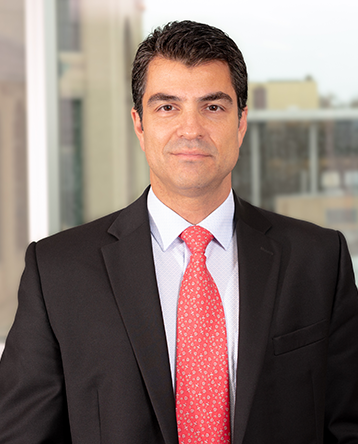
Burak Ozdoganlar is a Ver Planck Endowed Chair Professor of Mechanical Engineering at Carnegie Mellon University (CMU) and Associate Director of the Engineering Research Accelerator. He holds courtesy faculty positions in Biomedical Engineering and Materials Science and Engineering. Ozdoganlar earned his Ph.D. in Mechanical Engineering from the University of Michigan (1999), M.S. degrees from Ohio State University (1993, 1995), and a B.S. in Aeronautical Engineering from Istanbul Technical University (1991). Ph.D., Mechanical Engineering, University of Michigan (1999) MS, Mechanical Engineering, Ohio State University (1995) MS, Aeronautical and Astronautical Engineering, Ohio State University (1993) BS, Aeronautical Engineering, Istanbul Technical University (1991) Ozdoganlar’s research focuses on multi-scale manufacturing processes (macro/micro/nano), precision engineering , structural dynamics , and modal testing , with applications in biomedical device fabrication , microneedle arrays , soft electronics , and 3D ice printing for vascular networks. His work bridges computational modeling with experimental validation. Recent scientific awards include the 2023 AIMBE College of Fellows induction, ASME Fellow (2019), and NSF CAREER Award (2006). He served as interim CTO of the Advanced Robotics for Manufacturing (ARM) Institute and chaired the ASME-MED Manufacturing Equipment Technical Committee. Ozdoganlar leads projects in scalable manufacturing for implantable medical devices , bioelectric medicine , and wearable robotics . His lab develops 3D ice-printed vascular templates for tissue engineering and liquid metal circuits for soft electronics, funded by institutions like the Manufacturing Futures Institute and ARPA-H.
University of California, Los AngelesUnited States
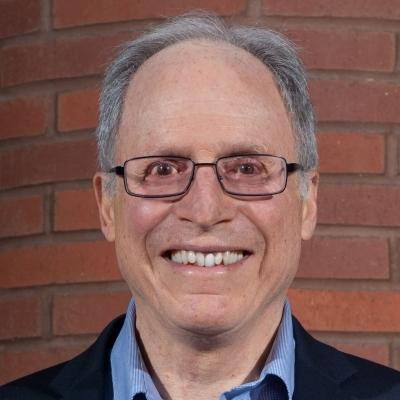
David S. Eisenberg is a Professor of Chemistry and Biochemistry and Biological Chemistry at the University of California, Los Angeles, where he also serves as Director of the UCLA-DOE Institute for Genomics and Proteomics and as an HHMI Investigator. His research focuses on protein interactions, particularly the structural basis for conversion of normal proteins to the amyloid state and conversion of prions to the infectious state. Dr. Eisenberg earned his undergraduate degree in biochemical sciences from Harvard College and his D.Phil. degree in theoretical chemistry from Oxford University on a Rhodes Scholarship. His postdoctoral research was on ice and water with Walter Kauzmann at Princeton and in protein crystallography with Richard Dickerson. He joined the UCLA faculty after his postdoctoral studies. Dr. Eisenberg and his research group focus on protein interactions in amyloid and prion diseases. These diseases involve protein aggregation where normal functional proteins convert to abnormal aggregated forms. Systemic amyloid diseases like dialysis-related amyloidosis result from fiber accumulation until organ failure, while neurodegenerative diseases like Alzheimer's, Parkinson's, ALS, and prion conditions appear to be caused by smaller oligomers. In 2005, his team determined the atomic-level structure for the amyloid fiber spine, revealing a 'steric zipper' of two parallel beta sheets packed across a dry interface. Since then, they've determined approximately 90 amyloid spines from 15 disease-related proteins. In 2010, they identified the structure of a toxic amyloid-related oligomer consisting of six anti-parallel beta strands forming a cylindrical barrel. His recent publications demonstrate continued innovation in amyloid research, with focus areas including structural prediction of amyloid formation, mechanisms of tau fibril disassembly in Alzheimer's disease, cryo-EM analysis of amyloid polymorphism, and structure-based design of inhibitors for amyloid toxicity. His work integrates computational, structural, and biochemical approaches to understand protein aggregation across multiple disease contexts. Dr. Eisenberg has received numerous prestigious awards and honors: National Academy of Sciences Member American Philosophical Society Member Institute of Medicine Member Howard Hughes Medical Institute Investigator Biophysical Society Emily M. Gray Award Harvard Westheimer Medal UCLA Seaborg Medal Technion - Israel Institute of Technology Harvey Prize in Human Health As Director of the UCLA-DOE Institute for Genomics and Proteomics and an HHMI Investigator, Dr. Eisenberg leads significant research initiatives in protein structure and aggregation. His laboratory combines X-ray crystallography, bioinformatics, and biochemical techniques to investigate protein interactions, with particular emphasis on amyloid-forming proteins and their role in disease. The Eisenberg Lab, located in Boyer Hall at UCLA, maintains an active research program investigating the structural basis of protein aggregation. The lab continues to build on its landmark discoveries of amyloid structures while exploring new frontiers in understanding protein misfolding diseases and developing potential therapeutic interventions.