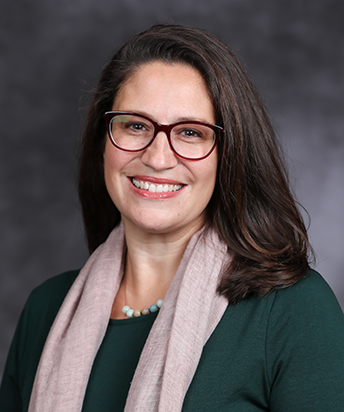
Nóra Wünsch-Nagy is an Assistant Professor at the Department of English Applied Linguistics , Eötvös Loránd University , where she teaches within the School of English and American Studies . Her work bridges social semiotics , multimodal literacy , and museum education , focusing on interdisciplinary pedagogical frameworks. Research Focus: Multimodal meaning-making, Legitimation Code Theory (LCT), academic literacy, and arts integration Teaching Approach: Embodied museum-based learning, genre-informed pedagogy Methodologies: Social semiotic analysis, semantic wave theory, curriculum development Recent publications examine digital multimodal composition, exhibition reviews as academic writing, and visual literacy development. Her work emphasizes explicit knowledge structuring through LCT and Systemic Functional Linguistics , connecting classroom pedagogy with museum-based learning environments. Key Collaborations: Dániel Horváth (art education collaboration) Network of international researchers in multimodality and LCT Professional Platforms: ResearchGate Profile Publications Repository
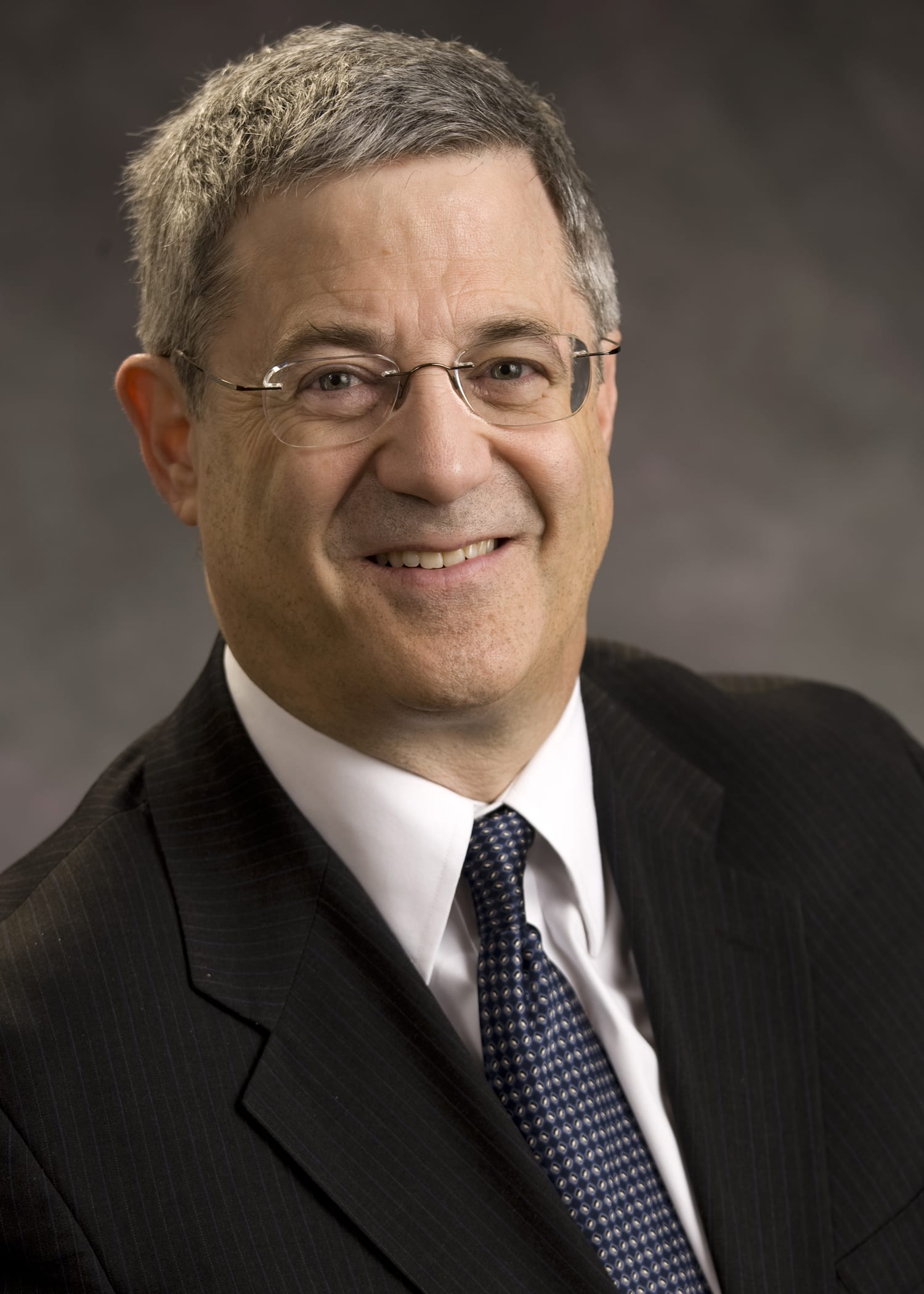
Henry Hecht is a Senior Lecturer in Residence at the University of California, Berkeley, School of Law, where he has been a faculty member since 1983. A specialist in Civil Procedure and Litigation , Hecht co-founded The Hecht Training Group, which focuses on practical skills training for legal professionals using the 'learning by doing' method. His work spans deposition techniques, trial advocacy, and negotiation strategies. Education B.A., Williams College (1968) J.D., Harvard University (1973) Hecht's research and professional activities emphasize hands-on legal education. His training programs combine simulations, interactive lectures, and demonstrations to teach skills such as deposition methods , evidence handling , and trial tactics . The Hecht Training Group has delivered workshops to over 70 organizations nationwide since 1983. He has contributed to legal education through publications like the book Effective Depositions and case files addressing liability, damages, and expert testimony. He has also served on the Board of Directors of the Practice Program for the United States District Court for the Northern District of California and the Andrew Levitt Center for Social Emergency Medicine, and is an elected member of the American Law Institute (ALI) and the American Bar Foundation (ABF).
Dr. Ashley S. Boyd serves as Professor and Chair of the Department of Teaching and Learning at Virginia Commonwealth University's School of Education, where she leads departmental strategy and teaches graduate courses in critical pedagogies and cultural theory alongside undergraduate English methods and young adult literature instruction. Her academic leadership extends to prior administrative roles including Director of Undergraduate Studies and Director of University General Education at Washington State University. Her educational foundation includes a Ph.D. in Education, M.A.T. in Secondary English Teaching, and B.A. in English—all earned at the University of North Carolina at Chapel Hill—providing the theoretical and practical basis for her work in English education. Boyd's research program centers on social justice pedagogies through critical literacies frameworks, examining how teachers develop critical content knowledge and leverage contemporary young adult literature to cultivate student agency. Her work investigates discourse communities in educational settings and addresses systemic inequities through qualitative analysis of classroom practices, with emphasis on rural contexts and teacher resistance to oppressive structures. Analysis of her 15 most recent publications reveals consistent focus on critical pedagogy implementation, with increasing attention to antiracist frameworks (2022-2024) and disciplinary literacy strategies. Her scholarship bridges theory and practice through practical tools for K-12 educators while advancing conceptual models like SJPACK (Social Justice Pedagogical and Content Knowledge) for teacher education. Her distinguished recognition includes: Excellence in Teaching Award for Graduate Mentoring and Advising (Washington State University, 2024) Early Career Achievement Award (Washington State University, 2018) Martin Luther King Jr. Distinguished Service Award (Washington State University, 2018) As an academic leader, Boyd directs significant grant-funded initiatives including the Palouse Reads community literacy project (2023-2024) while maintaining active mentorship of graduate students—evidenced by her 2024 mentoring award. Her administrative portfolio demonstrates sustained commitment to curriculum innovation through general education leadership. Though not affiliated with formal research labs, Boyd's work operates through collaborative discourse communities with practicing teachers and community partners, particularly evident in her rural literacy engagement projects and teacher professional development networks focused on social justice implementation.
Joanne Lampert is an Associate Professor in the School of Education within the Faculty of Creative Industries, Education & Social Justice at Queensland University of Technology (QUT). With a career spanning over two decades, she has established herself as a leading researcher in Indigenous education, teacher preparation for high-poverty schools, and representations of 9/11 in children's literature. Her research interests focus on Indigenous education policy and practice , teacher education for high-poverty settings , culturally responsive pedagogy , and representations of trauma in children's literature . Lampert's work consistently addresses issues of equity, social justice, and cultural safety in educational contexts, particularly examining how non-Indigenous educators can effectively work in Indigenous educational spaces. Lampert's publication record demonstrates a clear trajectory of scholarly contributions to education research, with over 70 works since 1996. Her recent work (2022-2023) focuses on Indigenous education policy, counter-stories from Indigenous educators, and culturally safe approaches to child safety education. Earlier work examined representations of 9/11 in children's literature, teacher identity development in high-poverty schools, and the complexities of embedding Indigenous perspectives in mainstream education. As an academic leader, Lampert has co-edited significant publications including 'Teacher education for high poverty schools' (2016) and 'Introductory Indigenous studies in education' (2012). She has collaborated extensively with Bruce Burnett and other QUT colleagues on projects addressing teacher preparation for disadvantaged school settings and Indigenous education.
Kevin Fortner is an Assistant Professor of Research, Measurement and Statistics in the Department of Educational Policy Studies at Georgia State University's College of Education & Human Development. He teaches graduate courses in research methodology, education policy, and educational evaluation. His research examines teacher effectiveness, persistence, peer effects on student outcomes, and program evaluation. Publications demonstrate strong focus on quantitative analyses of educational policies, including teacher specialization impacts, kindergarten entry timing, and university mergers. Recent work (2020-2023) analyzes teacher workforce stability and organizational changes in higher education. Earlier studies (2016-2019) investigated data-driven teacher preparation improvements and early childhood policies. No awards or advising relationships are documented. Fortner collaborates with Georgia’s Bright From the Start Pre-K program and urban debate leagues, focusing on practical policy applications.
Shane Robinson is a Professor and Department Head of Agricultural Education, Communication & Leadership at Oklahoma State University (OSU). He holds a PhD from the University of Missouri and has been at OSU since 2007. His research focuses on enhancing human capital for employability and wellbeing in agriculture, with a strong emphasis on STEM integration, teacher effectiveness, and rural development. He has authored/co-authored over 50 peer-reviewed articles addressing topics such as agricultural education pedagogy, community capital frameworks, and the impact of pandemic disruptions on youth mental health. Education: PhD in Agricultural Education, University of Missouri (2006) MS in Agricultural Education, Oklahoma State University (2000) BS in Agricultural Education, Oklahoma State University (1988) Research Interests: Dr. Robinson’s work bridges educational theory and practice, with particular attention to: Equipping teachers with effective instructional strategies Rural community renewal through capital frameworks STEM integration in agricultural curricula Preservice teacher preparation and retention Global perspectives in veterinary and agricultural education Grants & Collaborations: USDA REEU grants for rural scholar programs (2023–2027) Climate resilience initiatives via the Rural Confluence project Curriculum development for Agricultural Career Experiences Teaching: Teaches core courses including orientation to graduate programs and social sciences research methods. Supervises thesis/dissertation work and advises student organizations through experiential learning frameworks. Labs/Teams: Leads the Agricultural Education, Communication & Leadership Department at OSU, fostering interdisciplinary collaboration across education, policy, and community development.
Thomas S.C. Farrell is a Professor in the Department of Applied Linguistics at Brock University, where he holds a PhD. His work focuses on reflective practice in language teaching, TESOL teacher education, and professional development for educators. Dr. Farrell emphasizes the importance of reflective methodologies for novice and experienced teachers alike, particularly in navigating challenges like classroom management, pandemic adaptations, and career transitions. His research explores themes such as language teacher identity formation, cross-cultural pedagogical approaches, and the integration of technology in education. He has contributed extensively to understanding how reflective frameworks enhance teacher resilience and effectiveness, with a focus on emotional intelligence and collaborative learning environments. Farrell's recent work highlights adaptations to remote teaching during the pandemic, mid-career teacher stagnation, and fostering reflective dispositions through critical friendships. His publications bridge theoretical insights with practical applications, offering actionable strategies for educators worldwide. Award details are not specified in the available texts, but his contributions to teacher education have likely earned professional recognition. His advisory roles and grant activities remain unspecified in the provided information.
Diana D'Amico Pawlewicz, Ph.D., is an Associate Professor in the Educational Foundations and Research Program at the University of North Dakota (College of Education & Human Development). She serves as Director of the Doctor of Education Degree Program and founded the Initiative for Rural Education, Equity, & Economic Development (I-REEED). Ph.D., New York University Research/Areas of Interest : History of Education and Social Policy Politics of Education School Reform and Education Policy Teacher Unions, Preparation, and Policy Race, Equity, and Social Justice Her research focuses on education as a social good intertwined with community health, economic development, and social justice. She examines how institutions address or perpetuate inequality through historical and interdisciplinary frameworks. Her publications analyze teacher blame, labor dynamics, and policy failures in American education from the Progressive Era to the present. Recent work includes the book Panic at the Schoolhouse! How the Politics of Fear Shaped American Public Education and Polarized the Nation, 1945 to the Present and a co-edited volume on school safety. Her scholarship has appeared in History of Education Quarterly , Harvard Education Review , and national outlets like TIME and Washington Post . Scientific Awards: Chester Fritz Distinguished Faculty Lecture (2020) B.C. Gamble Faculty Award for Excellence in Teaching, Research or Creative Activity, and Service (2024) She has received funding from the Spencer Foundation and other organizations. I-REEED, which she directs, produces actionable research for rural educators and communities.
Dr Lewis James is a Reader in Human Nutrition at the School of Sport, Exercise and Health Sciences, Loughborough University. He holds leadership roles as the Sport and Exercise Physiology and Nutrition Learning and Teaching Discipline Group Lead, overseeing undergraduate and postgraduate programs. His academic journey includes a BSc in Food Science with Nutrition from the University of Reading, followed by an MSc in Sport and Exercise Nutrition and a PhD in human water balance from Loughborough University. Lewis has extensive teaching experience, joining Loughborough in 2012 and progressing through academic ranks. Education: BSc Food Science with Nutrition (University of Reading) MSc Sport and Exercise Nutrition (Loughborough University) PhD in Human Water Balance (Loughborough University) His research focuses on hydration science, exercise physiology, and sports nutrition, with particular emphasis on thermal physiology and performance in extreme conditions. Notable areas include Cannabidiol effects, renal injury biomarkers under dehydration, and climate action strategies for sports events. His work bridges practical applications (e.g., athlete preparation for heat stress) and broader public health issues like obesity and lifestyle instability. Publications consistently address hydration strategies, thermoregulation, and dietary interventions in exercise contexts, with recent attention to environmental challenges in major sporting events like the Paris 2024 Olympics. Lewis actively engages in reviewing methodologies and standardization in physiology research, emphasizing reproducibility and real-world relevance. In teaching, he leads modules on Sport Nutrition and Applied Nutrition, integrating cutting-edge research into curricula. His personal interests in cycling and combat sports inform his practical research approach.
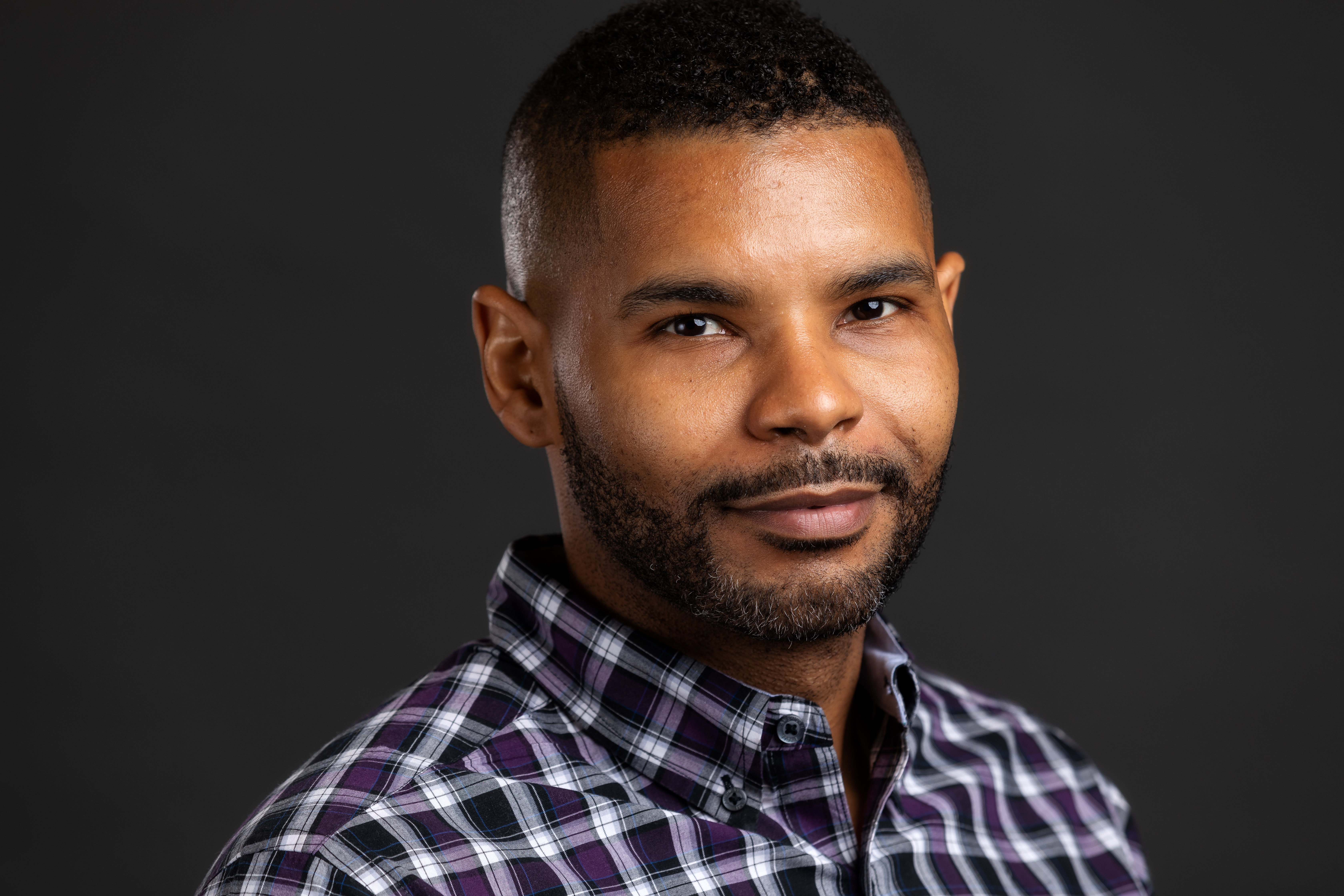
David Stamps serves as an Assistant Professor in the Department of Experience Design at Bentley University, where he integrates his background as a public relations practitioner into teaching and research. His scholarly focus centers on media representations of race and gender, particularly examining how racialized and gendered stereotypes impact marginalized communities through affective, behavioral, and cognitive pathways. He actively contributes to Diversity, Equity, and Inclusion (DEI) initiatives through external consulting work. Education: Ph.D., University of California Santa Barbara M.A., California State University, Northridge B.A., Columbia College Chicago Dr. Stamps' research program critically investigates identity affirmation among historically oppressed groups in mediated contexts, bridging critical race theory, feminist scholarship, and social scientific methodologies. He examines both interpersonal interactions and media depictions to understand how marginalized communities navigate societal structures, with particular emphasis on Black audiences' resistance strategies and psychological responses to representation. His work employs thematic analysis and data-driven approaches to uncover nuanced communication experiences that challenge dominant narratives. Analysis of his publication trajectory reveals a concentrated focus on Black audiences' media engagement from 2023-2025, with recurring themes including media resistance tactics, digital technology's role in community resilience, and the psychological impacts of anti-Blackness. His scholarship consistently applies critical race psychology frameworks while exploring intersections with hip-hop culture, television representation, and contemporary activism, demonstrating methodological versatility across survey research, textual analysis, and theoretical synthesis. Through his DEI consulting practice, Dr. Stamps develops actionable strategies for organizations including The Stuart Hall School (New Orleans), Canvas8 (London), and the US Veterans Affairs Center (Martinsburg). He moves beyond theoretical discussions to create implementation roadmaps that prepare individuals to enact meaningful change in professional, educational, and communal settings, emphasizing practical application of equity principles.
Professor Wesley Oliver is a faculty member at the Kline School of Law, Duquesne University, and serves as Director of the Law and Computing Program. He specializes in integrating computer science principles into legal education, focusing on programming solutions for legal challenges. The program, launched in 2023-24, emphasizes foundational coding skills for lawyers without prior technical backgrounds. Education & Professional Background: Oliver has been teaching courses like Coding for Lawyers since 2021. His work leverages generative AI to enhance student learning, allowing faster progress in syntax and problem-solving. Research & Program Focus: The Law and Computing Concentration prepares students for roles in legal tech teams, e-discovery, and software development. Key courses include Statistics and Machine Learning and Data Structures . Oliver aims to expand the program into a tech-focused JD track, delaying traditional courses like Property to prioritize advanced programming. Student Outcomes: Graduates like Joe Pisano demonstrate the program’s success, though some pursue non-traditional legal paths. The hybrid skill set of law and coding is highlighted as critical for modern legal practice. Future Initiatives: Oliver plans to introduce a tech-focused first-year curriculum, enabling students to engage in legal tech internships earlier. This reflects the growing demand for professionals bridging legal and computational expertise.
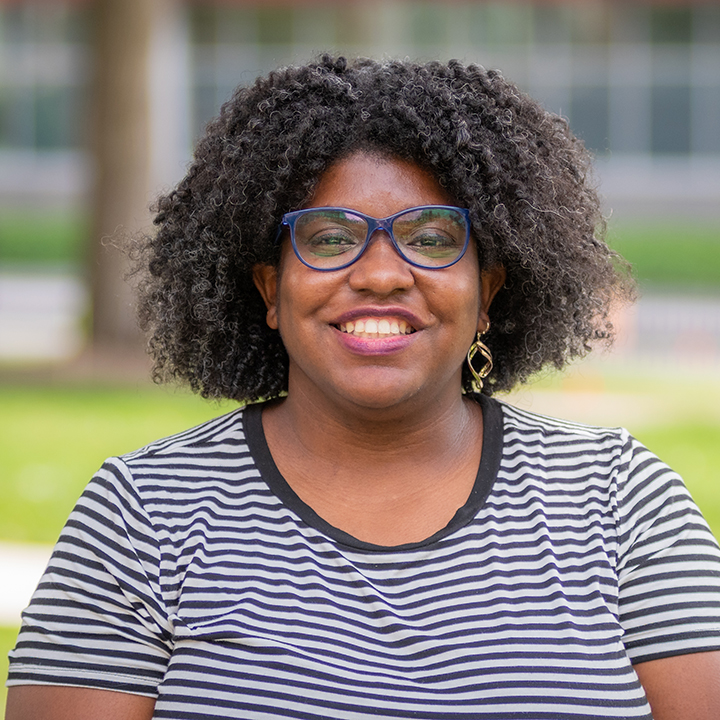
Chandra Jack is an Assistant Professor of Biology at Clark University, where she leads research on plant-microbe interactions and eco-evolutionary dynamics. She holds a Ph.D. in Evolutionary Biology from Rice University (2011) and a B.A. in Biology from the same institution (2005). Her research program examines how microbial communities influence plant fitness, functional traits, and population structure, with particular focus on invasive species adaptation. The Jack Lab employs experimental, molecular, and computational approaches to study below-ground ecological processes in agricultural and natural systems. Research publications demonstrate interdisciplinary approaches spanning microbial ecology, evolutionary biology, and invasion science. Recent work explores soil microbiome influences on plant development, rapid evolution in invasive plants, and methodological advances in analyzing plant defensive compounds. The lab maintains an inclusive environment with multiple undergraduate researchers and a graduate student. Current projects include investigations into prairie soil effects on wheat development and habitat-specific microbiome variations in Hypericum perforatum.
Jane Anderson, Ph.D., R.N., FNP-BC is an Associate Professor in the Department of Neurology at Baylor College of Medicine in Houston, Texas. She also serves as Associate Director and Nurse Practitioner for the Neurology Care Line at the Stroke Center of the Michael E. DeBakey Veterans Affairs Medical Center, demonstrating her dual commitment to academic medicine and clinical care for veterans. Dr. Anderson earned her PhD from Texas Woman's University in 2008 and her MS from the University of Texas Health Science Center in 1991. Her educational background in nursing science and clinical practice has positioned her as a leader at the intersection of neurology and advanced practice nursing. Dr. Anderson's research focuses on improving stroke care through innovative approaches. Her work spans several key areas including telestroke implementation , stroke rehabilitation , patient self-management , and nursing interventions for stroke patients. She has made significant contributions to understanding how telemedicine can enhance access to stroke care, particularly for veterans. Her research also examines the lived experiences of stroke survivors, the effectiveness of self-management programs, and the development of reliable screening tools for stroke complications like dysphagia. She has published extensively in high-impact journals across neurology, nursing, and rehabilitation disciplines. Analysis of Dr. Anderson's recent publications reveals a strong emphasis on interdisciplinary collaboration in stroke care, with particular attention to veteran populations. Her work demonstrates how telemedicine can bridge gaps in stroke care delivery, improve patient outcomes, and enhance satisfaction among both providers and patients. She has also contributed significantly to understanding the implementation challenges and benefits of telestroke programs across distributed healthcare systems, with implications for healthcare policy and practice. Dr. Anderson is actively involved in mentoring healthcare professionals through interprofessional training initiatives. Her work on distance learning curricula for quality improvement leaders has helped shape collaborative care models in stroke management. As Associate Director of the Neurology Care Line at the Stroke Center of the Michael E. DeBakey Veterans Affairs Medical Center, Dr. Anderson contributes to clinical care, research, and program development. Her work with the Lone Star Stroke Consortium demonstrates her commitment to collaborative research models that advance stroke care across Texas and beyond.
Dr. M Bonnet serves as a Lecturer in the Clinical Child and Family Studies department within the Faculty of Behavioural and Movement Sciences at Vrije Universiteit Amsterdam. With a research profile spanning over two decades, Dr. Bonnet's academic career demonstrates consistent contributions to child psychology, particularly focusing on peer victimization, parenting strategies, and early childhood development. Dr. Bonnet's research interests center on child psychology with specific expertise in peer victimization among preschool children, parenting strategies related to bullying prevention, autonomy support, self-efficacy development, and early childhood developmental psychology. Their work often examines how parental approaches influence children's experiences with peer relationships and victimization in educational settings. The publication record reveals a consistent trajectory of research focused on understanding and addressing peer victimization in early childhood settings. Dr. Bonnet's work spans theoretical investigations of parenting styles and their relationship to victimization trajectories, practical interventions like serious games for bullying prevention, and clinical applications for working with parents and children. Recent publications demonstrate a continued focus on innovative approaches to bullying prevention, particularly for vulnerable populations including children with disabilities. As an educator, Dr. Bonnet contributes to courses within the Clinical Child and Family Studies program, sharing expertise on child development and intervention strategies with future professionals in the field.
Erika Hernandez Acton is an Assistant Professor of Leadership and Organizational Behavior at Binghamton University’s School of Management. She joined the institution in 2023 and focuses on leadership development, workforce preparation, and addressing equity gaps in STEM careers for underrepresented groups. Her work integrates K-12 education systems with organizational behavior principles to foster inclusive talent pipelines. Dr. Acton holds a BA from Baylor University and MS/PhD degrees from Virginia Tech. Her research emphasizes culturally responsive parenting interventions, particularly in low-income and minority communities, with a focus on child emotional development, dietary practices, and obesity prevention through coordinated healthcare approaches. Her publications highlight themes such as cross-cultural parenting dynamics, the impact of responsive feeding practices, and the role of emotion socialization in child adjustment. She has conducted randomized clinical trials (e.g., INSIGHT, Sleep SAAF) to evaluate intervention efficacy in diverse populations like African American and Latina families. Recent work explores how parenting styles influence STEM career aspirations among youth from underserved backgrounds. Acton’s scholarly contributions span developmental psychology, public health, and educational policy. She actively collaborates with primary care providers and schools to implement scalable preventive programs targeting early childhood development. Her work underscores the interplay between family dynamics, cultural context, and systemic barriers to equitable workforce participation.