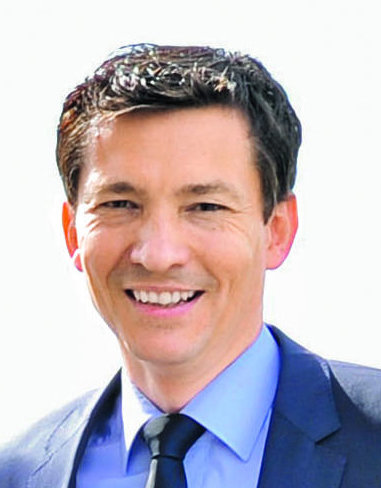
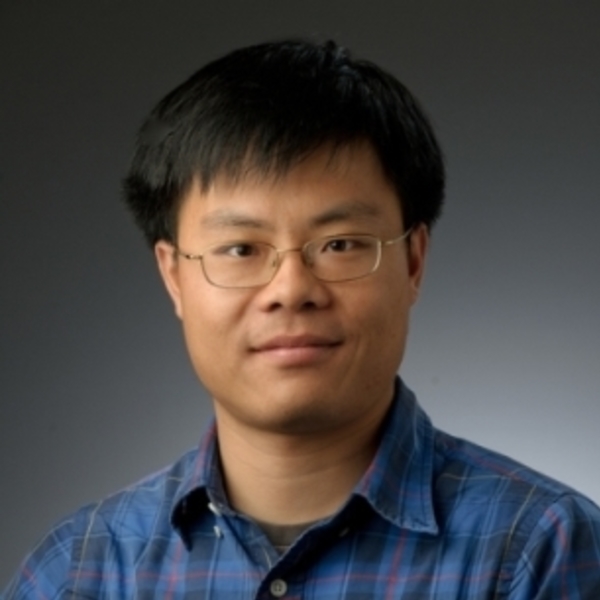
Thomas Berger is a Professor at the University of Hohenheim , affiliated with the Faculty of Agricultural Sciences and leading the Department of Economics of Land Use . He also contributes to the Computational Science Hub and Hohenheim Tropics initiatives. Focus Areas: Climate change adaptation, land-use modeling, biodiversity-productivity trade-offs, agent-based simulation, and machine learning in agricultural systems. Key Projects: Simulation frameworks for smallholder resilience in Ethiopia, bioeconomic modeling in the Amazon, and hybrid intelligence applications in European agricultural policy. Recent Publications: 2025 study on climate change effects on insecticide reduction in Germany, 2024 work on reconciling biodiversity with productivity via hybrid models, and 2023 methodological contributions to surrogate modeling and seasonal forecast integration. Research Trends: Interdisciplinary integration of climate science, agricultural economics, and computational modeling, with increasing emphasis on AI-assisted decision support systems and sustainability policy validation. Teaching & Outreach: Offers Agricultural Economics seminars and Hohenheim Tropics discussions, requiring advance email registration for office hours.
Erik W. Willis is an Associate Professor in the Department of Spanish and Portuguese at Indiana University Bloomington, where he also serves as Director of Graduate Studies and Director of the Hispanic Linguistics Program. His work focuses on Spanish phonetics, phonology, and dialectal variation, particularly in Caribbean and Mexican Spanish varieties. He employs acoustic analysis and laboratory methods to study rhotic contrasts, intonational patterns, and sociolinguistic phenomena. Ph.D., University of Illinois at Urbana-Champaign (2003) M.A., Brigham Young University (1997) B.A., Brigham Young University (1994) His research spans multiple subfields including: Acoustic characterization of Spanish rhotics Intonational system analysis using Sp_ToBI Second language phonology acquisition Web-based language assessment tools Vowel system variations in Spanish dialects Contextual phonetic realizations in Caribbean Spanish Recent publications demonstrate systematic variation in coda liquids, tap-trill contrasts, and intonational patterns across Dominican, Puerto Rican, and Mexican Spanish. His work combines empirical acoustic analysis with sociolinguistic frameworks to document both phonetic realizations and their pragmatic functions in spoken language.
Dominic Furniss serves as Professor of Plastic and Reconstructive Surgery at the University of Oxford's Nuffield Department of Orthopaedics, Rheumatology and Musculoskeletal Sciences (NDORMS), concurrently holding an Honorary Consultant Plastic Surgeon position. His clinical expertise centers on hand surgery and supermicrosurgery for lymphoedema treatment. His educational background includes undergraduate medical studies at Trinity College, Cambridge (Junior and Senior Scholar, first-class degree in genetic pathology) followed by clinical training at Oxford University Clinical School. He completed basic surgical training in London before returning to Oxford's Plastic Surgery Department in 2003. Professor Furniss leads pioneering research into genetic and non-genetic causes of hand conditions through multiple initiatives including the Furniss Group, Centre for OA Pathogenesis, and Hand Research Group. His work spans molecular genetics of Dupuytren's disease, carpal tunnel syndrome epidemiology, and kidney stone disease mechanisms. Recent investigations extend to AI applications in health data through the PHAIR study and causal inference methods in genetic epidemiology. Analysis of his 2024-2025 publications reveals a strategic shift toward large-scale epidemiological studies of hand injuries, interdisciplinary genetic research, and AI integration in surgical practice. These works bridge orthopaedics, genetics, and medical informatics with significant real-world clinical implications. His major scientific recognitions include: Pushpa Chopra Award Plenary Prize of the MRS Wellcome Trust Intermediate Fellowship (first awarded to a plastic surgeon) Professor Furniss has secured substantial research funding including the NIHR Clinical Lectureship (2007) and Wellcome Trust Fellowship (2012). He directs multiple research streams: RAMBOH-1 studies, Molecular Genetics of Carpal Tunnel Syndrome project, and HAWAII initiative. His team actively investigates public perceptions of health data sharing for AI through the PHAIR study while advancing supermicrosurgical techniques for lymphoedema. He maintains active leadership in the Athena SWAN gender equality initiative as a Self-assessment team member, demonstrating commitment to inclusive academic culture.
Joerg Sander is a Professor and Chair of the Department of Computing Science at the University of Alberta's Faculty of Science. His research focuses on knowledge discovery in databases, particularly density-based clustering (e.g., DBSCAN, OPTICS, HDBSCAN*) and outlier detection (e.g., LOF). He is a leading contributor to foundational algorithms in data mining, including the DBSCAN paper which received the 2014 SIGKDD Test-of-Time Award. Education: M.A., Philosophy of Science (University of Munich, 1989) Diploma in Computer Science (University of Munich, 1996) Ph.D., Computer Science (University of Munich, 1998) Research Interests: Design and theoretical analysis of clustering algorithms Outlier detection methodologies Spatial and high-dimensional data mining Algorithm scalability and visualization Key Contributions: DBSCAN (density-based spatial clustering of applications with noise) OPTICS (ordering points to identify the clustering structure) LOF (local outlier factor) Awards: SIGKDD Test-of-Time Award (2014)
Alexandre Poulain is a Full Professor in the Department of Biology at the University of Ottawa and Vice Dean for Research and Infrastructure in the Faculty of Science. His multidisciplinary research bridges biogeochemistry, microbial physiology, and environmental toxicology. Education: B.Sc. (Angers, France), M.Sc. (INRS, Canada), Ph.D. (Université de Montréal, Canada), Postdoc (MIT, USA) Research Interests: Mercury cycling in Arctic and temperate ecosystems, microbial metal transformations, biosensor development for contaminants, redox reaction dynamics, bioremediation using environmental microbes, and mercury-organic matter interactions. His lab (2017-2025) has produced 15 recent publications on mercury biogeochemistry in oil sands, rice paddies, and Arctic lakes, alongside arsenic speciation studies and pesticide impacts on pollinators. Current students explore archaeal mercury regulators, acidothermophilic biosensors, and microbial remediation. Scientific contributions include: NSERC Postdoctoral Fellowship (2007-2009) Co-PI on Microbright, a startup commercializing microbial water treatment Developed portable arsenic biosensor tested in Cambodia Co-edited mercury-climate synthesis in Nature Communications
Julia Camps is a postdoctoral research associate at the University of Oxford, Department of Computer Science. Her work bridges Computational Biology and Health Informatics, focusing on cardiac digital twin development for precision medicine applications. She specializes in combining data-driven and mechanistic approaches for in silico clinical trials, particularly through Purkinje network modeling and ECG-based calibration. Education: Informatics Engineer (2014) and Master's in Artificial Intelligence (2015-2017) from Universitat Politècnica de Catalunya PhD in Computer Science (2017-2021) at Oxford, completed within the Computational Cardiovascular Science research group under Prof Blanca Rodriguez Current role: postdoc in Prof Rodriguez's group since 2021, focusing on post-myocardial infarction disease progression Software development: open-source cardiac digital twin tools available on GitHub Her research interests center on creating patient-specific cardiac digital twins using multimodal clinical data. This work enables virtual therapy evaluation and in silico clinical trials through: Integration of statistical inference and machine learning techniques Development of Purkinje network models from clinical ECG data Electrophysiological and repolarization sequence modeling Gait detection algorithms for Parkinson's disease applications Recent publications (2024-2025) demonstrate trends in: GPU-accelerated cardiac electrophysiology simulations (MonoAlg3D) Topology-informed ECG electrode localization Sex-specific electromechanical cardiac modeling Multi-modal characterisation of diabetic cardiac deterioration Pro-arrhythmic risk assessment for stem cell therapies
Dr. Shirley Coleman is a distinguished Professor at Newcastle University Business School, specializing in the application of statistical methods to business and industrial problems. With over two decades of academic contributions, she has established herself as a leading expert in statistics, data science, and quality management within industrial contexts. Her research interests span several interconnected domains: Statistics, Data Science, Business Analytics, Quality Management, Six Sigma methodologies, Kansei Engineering (which integrates emotional design with product development), Industrial Statistics, Design of Experiments, Predictive Maintenance, and Customer Lifetime Value analysis. Coleman's work consistently bridges theoretical statistical concepts with practical business applications across diverse sectors including healthcare, manufacturing, facilities management, and digital marketing. Analysis of her recent publications reveals a strong focus on the evolving role of statistics in the digital age, particularly examining how statistical expertise contributes to AI development, Industry 4.0 initiatives, and data-driven business transformation. Her work demonstrates increasing emphasis on customer analytics, predictive maintenance modeling, and the strategic implementation of data science in small and medium enterprises. Coleman's publications frequently address methodological challenges while maintaining strong practical relevance for industry practitioners. Throughout her career, Coleman has been actively involved with the European Network for Business and Industrial Statistics (ENBIS), contributing to the development and dissemination of statistical methods in business contexts. Her collaborative approach is evident in numerous co-authored publications across disciplines, demonstrating her ability to work effectively with researchers from diverse fields including engineering, healthcare, and business management. Her advisory work appears focused on helping organizations implement statistical thinking in business processes, with particular attention to small and medium enterprises seeking to leverage data analytics for competitive advantage. Though specific grant information isn't detailed in the available publications, her extensive industry-focused research suggests significant engagement with practical business problems and industry partnerships. Dr. Coleman has made substantial contributions to the field through her leadership in professional organizations, particularly ENBIS, where she has helped shape the discourse around industrial statistics and their business applications. Her work on Kansei Engineering demonstrates innovative approaches to integrating human factors with statistical methods for product development.
Harald C. Gall is a Professor of Software Engineering and Dean of the Faculty of Business, Economics, and Informatics at the University of Zurich (UZH). He leads the Software Evolution and Architecture Lab, focusing on software evolution analysis, mining software repositories, and cloud-based software engineering. His research emphasizes improving software development productivity through data-driven insights. He has held visiting positions at Microsoft Research and the University of Washington. Education: PhD (Dr. techn.) and Master's (Dipl.-Ing.) in Informatics from TU Vienna Research Interests: Software evolution, mining software archives, cloud-based tools, developer productivity, and empirical software engineering. Notable contributions include the Evolizer , ChangeDistiller , and SOFAS systems. Key Contributions: Established the Mining Software Repositories (MSR) research area, program chair for ICSE 2011 and ESEC/FSE 2005, associate editor of leading journals like Empirical Software Engineering and IEEE Software. Awards: Most Influential Paper Award, Test of Time Award, and multiple Best Paper Awards. Recognized for contributions to SE research methodologies and tool development. Professional Activities: ACM SIGSOFT awards chair, board member of Informatics Europe, and executive committee member of CHOOSE (Swiss SIG for OO Systems). Labs/Teams: Director of the Software Evolution and Architecture Lab at UZH, leading projects like SURF-MobileAppsData (SNSF-funded) and DevCloud (Hasler Foundation).
Jun Li is a Full Professor in the Department of Applied and Computational Mathematics and Statistics at the University of Notre Dame's College of Science. He specializes in developing statistical and computational methods for big data, with a focus on interdisciplinary applications in bioinformatics, machine learning, and data mining. His career includes tenure as an Assistant Professor (2012–2017) and promotion to Associate Professor (2017) before becoming Full Professor (2020). Dr. Li holds a Ph.D. in Statistics from Stanford University (2012), supervised by Robert Tibshirani, and earlier degrees from Tsinghua University: a B.E. in Automation (2004) and an M.S. in Pattern Recognition and Intelligent Systems (2007). Research Interests : Dr. Li’s work centers on advancing computational frameworks for handling large-scale datasets, integrating statistical rigor with algorithmic innovation. Recent themes include AI-driven code improvement, ethical LLM applications in HCI, and GUI automation. His methodologies emphasize human-AI collaboration and transparency in algorithmic systems. Publications : His 2025 work explores LLM vulnerabilities in GUI agents, AI-assisted education tools like GLITTER, and ethical challenges in HCI research. Earlier studies (2024–2023) address topics such as natural language database queries, privacy-preserving app promotion analysis, and multimodal task learning. Lab/Teams : Affiliated with Notre Dame’s computational statistics research groups, focusing on interdisciplinary projects bridging statistics, computer science, and applied mathematics. His work often involves collaborations with industry and academic partners to translate theoretical advancements into practical applications.
Dr. Noboru Yonemitsu is an Associate Professor of Teaching in the Department of Civil Engineering at the University of British Columbia (UBC), affiliated with the Faculty of Applied Science. He specializes in Hydrotechnical Engineering and has been with UBC since 1992, contributing to both teaching and research. His research focuses on IR-NDT technologies, turbulent fluid mechanics, and environmental fluid mechanics, with applications in wastewater treatment and ecological systems. Education: M.A.Sc. in Engineering Physics from Hokkaido University (Japan), specializing in Turbulent Fluid Dynamics and Non-destructive Testing (NDT). Ph.D. in Water Resources Engineering from the University of Alberta, Canada. Research Interests: Non-destructive testing (NDT) for infrastructure assessment Fluid dynamics in environmental and ecological contexts Wastewater treatment technologies Awards: 2019 3rd Year Student Appreciation Award 2002 Civil Engineering Teaching Award (UBC) Alberta Ministry of Advanced Education Scholarship (1987-1989) Teaching: Instructs courses including CIVL 303 (Computational Tools), CIVL 315 (Fluid Mechanics II), and Civil Engineering Design Projects. His pedagogical approach integrates practical engineering challenges with theoretical foundations. Professional Experience: Extensive consulting and research work with organizations like Northwest Hydraulics Consultants, NASA, BCIT, and major industries, spanning hydraulics, NDT, and environmental engineering.
Prof. Bernhard U. Seeber is an Extraordinary Professor at the Technical University of Munich (TUM), leading the Chair of Audio Signal Processing within the TUM School of Computation, Information and Technology. His work bridges auditory neuroscience and engineering, focusing on improving hearing aids, cochlear implants, and virtual acoustic systems. He holds affiliations with the Bernstein Center for Computational Neuroscience, Munich Institute of Biomedical Engineering, and others. Education: Studied and earned his PhD (2003) in Electrical Engineering and Information Technology at TUM. Postdoctoral research included time at UC Berkeley and the MRC Institute of Hearing Research (UK), where he pioneered studies on binaural hearing and cochlear implant optimization. Research Interests: Combines experimental and theoretical approaches to explore auditory scene analysis, binaural unmasking, and spatial hearing. Key areas include signal coding for cochlear implants, virtual acoustics, and non-destructive acoustic monitoring. His work emphasizes interdisciplinary collaboration with industry and academia. Awards: Lothar Cremer Award (2010), Emmy Noether Fellowship (2007), and recognition from the German Acoustical Society. Teaching: Offers courses on audio communication, computational neuroscience, and technical acoustics. Projects: Leads initiatives like HAPPAA and Auralization, advancing sound field synthesis and hearing aid algorithms. Current Roles: Head of Chair of Audio Signal Processing, Board Member of DEGA, and spokesperson for the ITG Technical Committee on Hearing Acoustics.
Jeff Offutt is a Professor and Chair of the Department of Computer Science at the University at Albany, College of Nanotechnology, Software, & Engineering. Previously, he was a Full Professor with Tenure in Software Engineering at George Mason University since 2005. He received his PhD in Information & Computer Science from the Georgia Institute of Technology in 1988. His research spans software testing, mutation testing, model-based testing, automatic test data generation, web application testing, and software engineering education. He has led significant projects such as the NSF-funded integration of CS into K-5 classrooms and the Google-funded SPARC project for scalable CS1/CS2 instruction. The 15 most recent articles reflect a continued focus on mutation testing cost reduction, model-based testing oracles, educational innovations, and security aspects of web applications. Trends include empirical validation, industrial applicability, and bridging theory with practice in software testing and engineering education. John Toups Presidential Medal for Excellence in Teaching (2020) George Mason University’s Alumni Association Faculty Member of the Year (2020) Outstanding Faculty Award from the State Council of Higher Education for Virginia (2019) Best Paper Award at ICST 2021 10-Year Most Influential Paper Award at MODELS 2020 George Mason University Teaching Excellence Award (2013) ACM Notable Article Award (2013) Jeff Offutt has mentored numerous graduate students including Upsorn Praphamontripong, Nan Li, and Yu-Seung Ma, and has led major grant-funded projects such as the SPARC educational model and NSF initiatives on K-5 CS integration. His textbook Introduction to Software Testing (with Paul Ammann) is widely adopted globally. He led the MS in Software Engineering program at GMU and developed several new courses in software testing, web engineering, and usability. He pioneered innovative teaching methods using web technologies and asynchronous learning models. He also co-founded the IEEE International Conference on Software Testing, Verification and Validation (ICST) and served as Editor-in-Chief of Software Testing, Verification and Reliability from 2007 to 2019.
Alan Hunter is a Professor in Autonomous Systems at the University of Bath's Department of Mechanical Engineering. He serves as Deputy Head of Department for Workload and Wellbeing and is affiliated with the Water Innovation & Research Centre (WIRC) and the UKRI CDT in Accountable, Responsible and Transparent AI. His research focuses on underwater acoustics, signal processing, imaging, and machine intelligence, with applications in sonar-based remote sensing and marine robotics. Education: B.E. (Hons I) in Electrical and Electronic Engineering from the University of Canterbury (2001), PhD in Synthetic Aperture Sonar (SAS) from the same institution (2006). Career highlights include roles at the University of Bristol (2007-2010), TNO Netherlands (2010-2014), and NATO CMRE (2014). He has led projects on sub-sediment imaging, autonomous mine-hunting systems, and precision navigation algorithms. Research Interests: • Underwater Acoustics & Sonar Imaging • Autonomous Underwater Vehicles • Machine Learning for Acoustic Data Analysis • Non-Destructive Inspection via Ultrasound • Sustainable Coastal Protection (via UN SDG contributions) Active Projects (2023-2025+): - Noise Network Plus : Engineering a Quieter Future (EPSRC) - TESSMEX SR 4 : Naval Mine-Hunting Technology (Defence Lab) - Decision-Making with Ambiguities : Legal AI for Robotics (EPSRC) Professional Affiliations: • Senior Member, IEEE • Associate Editor, IEEE Journal of Oceanic Engineering • Collaborations with NATO, TNO, and UK Defence Orgs. Labs & Teams: • Robotics and Autonomous Systems Lab • Centre for Space, Atmospheric and Oceanic Science • WIRC @ Bath (Water Innovation Hub)
Declan Nolan is a Senior Lecturer in the School of Mechanical and Aerospace Engineering at Queen's University Belfast. He holds a PhD (2013) on 'Defining Simulation Intent,' focusing on automating simulation workflows. Before academia, he worked at Michelin, Williams F1 (as a Stress Engineer), and B/E Aerospace (Senior Structural Engineer), specializing in composite structures and structural integrity. He currently serves as Postgraduate Research Director (since 2022) and is a member of the EPSRC Early Career Forum in Manufacturing and the Circular Economy, and UKACM board member. His research spans design-to-simulation automation, bio-inspired design, and structural impact analysis. Key projects include PROTEUS (reimagining engineering design), COLIBRI (composite research), and Biohaviour (biological development analogies). He teaches Mechanics of Materials and Computer-Aided Engineering courses. Education: PhD in Mechanical and Aerospace Engineering (2013) Affiliations: Chartered Engineer, IMechE Member Grants/Projects: 4 active research grants, including EPSRC-funded initiatives Research outputs include 45+ publications, with recent focus on propulsion system integration, parametric nacelle modeling, and CAD-based machine learning. He has received two Best Paper Awards (2019) for manufacturing research contributions.
Dr. Alex Black is an Associate Professor in the School of Optometry & Vision Science at Queensland University of Technology (QUT), Faculty of Health. He serves as Course Coordinator for the Master of Optometry program and leads the Vision and Everyday Function research group within QUT's Centre for Vision and Eye Research. His expertise spans vision science, ageing-related vision decline, falls prevention, and driving safety. Dr. Black holds dual qualifications: a PhD in Vision Science (QUT, 2010) and a Masters of Public Health (University of Queensland, 2012). Teaching roles: Coordinates OP85 Master of Optometry program Research focus: Vision impairment impacts on mobility, driving safety, and academic performance Awards: FAAO (Fellow of American Academy of Optometry), FHEA (Fellow of Higher Education Academy) Research highlights include AUD $3.2 million in grants, over 100 publications, and contributions to international journals like Clinical & Experimental Optometry . His work bridges clinical practice and research, addressing real-world issues through innovative studies such as night-time pedestrian safety clothing design and advanced driver assistance system (ADAS) usability for older adults. Key collaborations include NHMRC-funded projects on injury prevention and Vision and Driving research laboratory studies. Dr. Black also serves editorial roles for Clinical & Experimental Optometry and peer review activities.