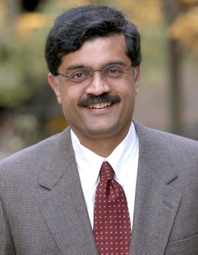
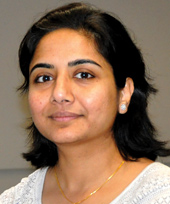
Andy Hargreaves is an internationally recognized scholar and advisor in education, holding dual roles as Adjunct Professor at Boston College and Visiting Professor at the University of Ottawa. He advises governments including Ontario, Scotland, and New Brunswick on educational policy and system reform. His work focuses on leadership, well-being, student engagement, and systemic educational change. Hargreaves co-leads the ARC Education Project and founded CHENINE, a Canadian research initiative advancing pedagogical innovation. Research Interests: Leadership from the Middle Teacher Well-Being and Professional Capital Identity Development in Schools Play-Based Learning Crisis Management in Education Awards: 2023 Canadian EdTech Awards Educator of the Year 2023 RHSU Edu-Scholar #16 2022 National Academy of Education Member 2015 Grawemeyer Award Key Projects: ARC Education Project (7 nations collaboration) CHENINE (Canadian educational innovation hub) Canadian Playful Schools Network Labs/Teams: Directs CHENINE, collaborates through ARC networks, and leads research on global educational transformation.
Louis Hickman is an Assistant Professor of Industrial-Organizational Psychology at Virginia Tech’s Department of Psychology. He also serves as a Visiting Academic at Amazon and holds a Senior Fellow position at Wharton People Analytics, University of Pennsylvania. His research bridges technology and work, focusing on machine learning applications in organizational science, particularly automated interviews and algorithmic fairness. He leads the Workplace Assessment and Social Perceptions (WASP) Lab, exploring how biases influence hiring and using AI to reduce algorithmic bias. Hickman holds a Ph.D. in Industrial-Organizational Psychology from Purdue University (2021), alongside advanced degrees in Computer Science and Creative Writing. His work emphasizes interdisciplinary collaboration, spanning psychology, computer science, and management. Research Interests: Automated personnel assessment via AI Algorithmic bias mitigation in hiring Machine learning applications in HR and education Interpersonal perception dynamics Unproctored testing in the AI era Publications: Recent work examines automated interview validity, LLM impacts on testing, and recruitment algorithm ethics. His 2025 studies highlight risks of unproctored testing and bias in automated systems. Earlier research (2023–2022) explores text mining for personality assessment and fairness in AI-driven selection. Awards: None explicitly mentioned, though his work has been widely cited in organizational psychology and AI ethics domains. Advising & Labs: Currently not accepting graduate students for 2026, but oversees the WASP Lab. Past research collaborations include projects on LLM competencies, bias simulation, and algorithmic fairness frameworks. Grants and funding sources are unspecified in provided text.
Michael D. Smith is a Professor of Information Technology and Public Policy at Carnegie Mellon University, with joint appointments at Heinz College and Tepper School of Business. His research employs economic and statistical methods to analyze digital markets, focusing on firm and consumer behavior in online environments. Education: B.Sc. in Electrical Engineering (Summa Cum Laude), University of Maryland M.Sc. in Telecommunications Science, University of Maryland Ph.D. in Management Science and Information Technology, MIT Research Interests: Professor Smith investigates the economics of digital information markets, consumer behavior in online platforms, and policy implications of technological disruption. His work spans copyright enforcement, digital advertising, and the impact of piracy on legal media consumption. Publications: His recent studies examine AI’s role in copyright policy, effectiveness of anti-piracy measures, and market dynamics in digital streaming. Articles often bridge economics, computer science, and public policy. Awards: National Science Foundation CAREER Award Multiple Best Teacher Awards at CMU Recognized as a Top 100 Emerging Engineering Leader (NAE, 2020) Best Paper Runner-Up (Information Systems Research, 2006) Editorial and Industry Roles: Served as Senior Editor at Information Systems Research and Associate Editor at Management Science . Prior to academia, he worked in telecommunications at GTE and Booz Allen Hamilton, earning a patent for AI applications in network design. Contact: mds@cmu.edu | Office: 4800 Forbes Avenue, Hamburg Hall 2204, Pittsburgh PA 15213
Yael Feldman Maggor is a Postdoctoral Fellow at KTH Royal Institute of Technology, affiliated with the Media Technology & Interaction Design Division and the Digital Futures research center. Her work bridges educational technologies, artificial intelligence, and science education, with a focus on enhancing pedagogy through innovative tools. Research Themes: Generative AI in education, self-regulated learning, learning analytics, chemistry education, and ethical considerations in AI integration. Key Projects: Contributions to the International Journal of Science Education, development of AI-driven evaluation frameworks, and pandemic-era online teaching analysis. Methodologies: Expertise in quantitative and qualitative research, educational data mining, and design of interactive learning platforms. Recent publications emphasize cross-cultural trust in AI, generative AI applications in chemistry education, and explainable AI for teacher professional development. She co-authored studies on nanotechnology courses for educators and self-regulation strategies in online learning environments.
Ruth Kanfer is a Professor of Psychology at the Georgia Institute of Technology's School of Psychology, specializing in adult learning, motivation, and career development. Her research addresses the impacts of technological advancements, demographic shifts, and global economic changes on work and career trajectories. She co-directs the PARK Lab, focusing on topics such as self-regulation in job search, motivational dynamics, and the psychology of workplace environments. Dr. Kanfer holds a Ph.D. in Psychology from Arizona State University and has contributed to seminal works on aging and workforce diversity. She is a Fellow of prominent organizations including the Academy of Management and the American Psychological Association, and has received prestigious awards such as the SIOP's William R. Owens Scholarly Achievement Award. Her research employs mixed-methods approaches, including experimental studies and large-scale field research. Key themes include adult learning efficacy, team-based motivation, and the design of workspaces to enhance employee well-being. Dr. Kanfer has led projects funded by the Sloan Foundation and the National Academy of Sciences, emphasizing interdisciplinary collaboration. Notable contributions include studies on the future of work, the role of future time perspective in career decisions, and the application of a 'whole-person' framework to adult learning. Her work has been published in journals like Journal of Applied Psychology and American Psychologist . She actively participates in professional committees, including the Sloan Research Network on Aging and Work and the National Academy of Sciences' How People Learn II initiative.
Tariq Fancy is Lecturer in Management at Stanford Graduate School of Business, specializing in critiques of sustainable finance. As former CIO for Sustainable Investing at BlackRock, his work challenges ESG efficacy as a driver of systemic change. His viral essay series analyzes financial industry incentives and advocates for regulatory reforms to combat climate change and inequality. Fancy argues market-based sustainability initiatives often serve as 'dangerous placebos' delaying policy action. He founded Rumie, an edtech nonprofit delivering digital learning to underserved communities globally.
Venkatram Ramaswamy is the Hallman Fellow of Electronic Business and Professor of Marketing at the Ross School of Business, University of Michigan. He is a globally recognized thought leader in innovation, strategy, and co-creation, with expertise spanning marketing, branding, IT, and organizational dynamics. His work emphasizes the transformative potential of co-creating value with stakeholders across industries and sectors. Education: PhD in Marketing, The Wharton School, University of Pennsylvania (1989). Research Interests: Venkat’s work focuses on co-creation paradigms, experience innovation, digital ecosystems, and stakeholder collaboration. He pioneered the concept of co-creation as a revolutionary approach to business value, detailed in his seminal books The Future of Competition (2004) and The Power of Co-Creation (2010). His recent work explores AI-human interactional creation and platformed ecosystems. Key Contributions: He has advised global firms like Mahindra, Hitachi, and Infosys on co-creation strategies. His frameworks integrate strategic risk management, digital platforms, and lived-experience ecosystems to drive sustainable value. He has delivered keynotes at events worldwide, including the Drucker Forum and InnovationsKongress. Awards: Recipient of the MIT-PwC Award (2003), Emerald Literati Award (2009), and Best Speaker Award at the Baptie Marketing Focus (2005). Grants & Labs: Collaborations with institutions like the International University of Japan (IUJ) and involvement in initiatives like the India Philanthropic Co-Creation Project reflect his commitment to systemic social impact. His research is supported by grants exploring digitalized societal ecosystems and wellbeing-focused platforms.
Dr. Edoardo Celeste is an Associate Professor of Law, Technology and Innovation at Dublin City University's School of Law and Government. He leads the Erasmus Mundus Master in Law, Data and Artificial Intelligence (EMILDAI) and serves as Deputy Director of the Dublin European Law Institute. PhD, University College Dublin Law degrees: University of Rome 'La Sapienza', University of Paris II 'Panthéon-Assas', King’s College London His research focuses on digital rights, constitutionalism in digital contexts, and the intersection of law, technology, and sustainability. He coordinates the DCU Law and Tech Research Cluster and co-founded the Digital Constitutionalism Network. Recent publications examine digital sovereignty, AI sustainability, and constitutional responses to social media exclusion. His 2022 book Digital Constitutionalism: The Role of Internet Bills of Rights (Routledge) established him as a leading voice in the field. Irish Research Council Early Career Researcher of Year Award (2022) Principal Investigator for Cross-Border Data Protection Network (IRC/ESRC funded) Facebook Research grant for Digital Constitutionalism: Content Governance Standard project He supervises PhD students in digital rights, data protection, platform regulation, and digital sustainability while holding affiliations with the ADAPT Centre and UCD Centre for Human Rights.
Professor Edward Palmer is a faculty member in the School of Education at the University of Adelaide, serving as Director of the Unit of Digital Education and Training and Acting Deputy Head of School. His research focuses on technology's role in education and training, particularly in virtual/extended realities, AI-driven assessment, and personalized learning approaches. He has secured over $3 million in funding from government and industry partners, with projects addressing AI ethics, VR applications in medical training, and MOOC design. Education & Roles: Holds academic leadership positions and directs digital education initiatives. Research: Investigates AI in education, VR for situational awareness, and innovative assessment methods. Active in collaborative projects with industry and defense sectors. Grants & Funding: Secured significant grants for ventures in AI ethics, VR training simulations, and digital health hubs. Labs/Teams: Leads the Unit of Digital Learning and Society, collaborating with postdocs like Daniel Lee on AI and VR projects. His work emphasizes practical applications, such as medical procedure training in VR and adaptive learning systems. He mentors HDR students and postdocs in AI-driven training scenarios and digital education innovation.
Ira Chatterjee is an Assistant Professor of Management and Organization at the School of Business and Economics, Vrije Universiteit Amsterdam. She holds a Ph.D. in Entrepreneurship from the Hanken School of Economics (2022) and an MBA from the Indian Institute of Foreign Trade, New Delhi. With 12 years of industry experience before academia, her research focuses on entrepreneurship, social innovation, and organizational change in emerging markets, particularly in low-income settings. She currently supervises theses at Upgrad Edtech UK and serves as a Global Professor of the Practice at Golden Gate University. Education: Ph.D. in Entrepreneurship, Management, and Organization, Hanken School of Economics (2022) MBA, Indian Institute of Foreign Trade, New Delhi Research Interests: Her work explores how entrepreneurship drives social and economic development through social innovations and organizational change. Key areas include women’s entrepreneurship, well-being at the base of the pyramid, and the role of intermediaries in qualitative research. She also investigates structuration theory and its applications in organizational studies. Advising & Ancillary Roles: Thesis Supervisor at Upgrad Edtech UK (2024–2026) Global Professor of the Practice at Golden Gate University (2025–present) Labs/Teams: No specific lab mentioned, but her research collaborations span international institutions, including the University of Chester and San Francisco-based universities.
Hiroyuki Toyama is a Researcher at the Department of Education , Faculty of Educational Sciences , University of Helsinki. His work focuses on educational leadership, workplace well-being, and job crafting mechanisms. He has conducted extensive research on school principals' stress, burnout prevention, and the application of psychological needs theories in education and organizational contexts. Key research interests include: Job crafting strategies among educators Work-family conflict dynamics in leadership roles Psychological needs satisfaction in educational settings Development of well-being measurement tools (e.g., School Day Wellbeing Model) Recent projects involve analyzing stress profiles during the pandemic, cross-cultural comparisons of off-job crafting practices, and validation of burnout assessment tools. He has secured grants from the Research Council of Finland and other institutions for projects like Resilient School and Education and TeensGoGreen . His publications emphasize practical interventions to improve educator resilience and student engagement through innovative crafting frameworks.
Nidhi Singal serves as Professor of Disability and Inclusive Education at the University of Cambridge's Faculty of Education and holds the position of Vice President at Hughes Hall. Her academic leadership extends to roles as Trustee of the Cambridge Trust and UKFIET, alongside significant contributions to global education initiatives through the World Bank, UNESCO, and UNPRPD. Her educational background includes a PhD and MPhil from the University of Cambridge, complemented by an M.A. and B.A. (Honours) in Applied Psychology from the University of Delhi. This clinical psychology foundation informs her distinctive approach to educational research. Singal's research centers on educational equity for marginalized groups in Southern contexts, with particular emphasis on children with disabilities in South Asia and Africa. She pioneers culturally-sensitive methodological frameworks that challenge power imbalances in North-South research partnerships and prioritize ethical knowledge dissemination. Her work critically examines classroom teaching quality, schooling impacts, and the complex interplay between disability, poverty, and development. Analysis of her recent publications reveals consistent focus on inclusive education measurement (2024), pandemic impacts on disabled learners (2021-2022), and Southern perspectives on disability-inclusive schooling. Her scholarship bridges rigorous academic research with actionable policy development, evident in her leadership of the Global Disability Summit's International Statement of Action. Fellow of the Academy of Social Sciences (2022) President of the British Association for International and Comparative Education Technical Advisory Council member for World Bank's Inclusive Education Initiative Contributor to UNESCO's Foundations of Disability-Inclusive Education Sector Planning Course Singal mentors a vibrant cohort of postgraduate researchers through the Cambridge Network for Disability and Education Research (CaNDER) and South Asian Approaches to Researching Education (SaareNetwork). Her grant portfolio demonstrates exceptional partnership with international agencies including the World Bank, UNESCO, and MasterCard Foundation, focusing on projects like the Girls Education Challenge Fund evaluation and Ethiopia's Inclusive Education Resource Centres. Current initiatives explore teacher effectiveness in African secondary schools and disability-inclusive education during humanitarian crises. Her research infrastructure includes CaNDER, which connects Global South stakeholders to advance disability-inclusive education scholarship, and active collaboration with international networks like UKFIET and UNPRPD to shape policy frameworks that center lived experiences of disabled learners.
Dr. Ben Williamson is a Senior Lecturer in Digital Education at the University of Edinburgh's Moray House School of Education and Sport, affiliated with the Institute for Education, Community & Society (IECS) and the Centre for Research in Digital Education. His work critically examines how digital technologies, data infrastructures, and biometric/neurotechnological practices shape educational futures. Key areas of focus include the role of venture capital in education, algorithmic governance, and the privatization of educational systems. His research has been funded by the Leverhulme Trust and the Economic and Social Research Council (ESRC). Notable publications include Big Data in Education: The Digital Future of Learning, Policy, and Practice (2017). He maintains the Code Acts in Education blog and is active on Twitter as @BenPatrickWill. Williamson’s research explores intersections between biology and education (e.g., educational genomics), financial markets in schooling, and the governance of educational data by tech corporations. He critiques how platforms like Google Classroom and investors such as Amazon reshape educational practices and policies. His work emphasizes sociotechnical and infrastructural analyses of educational change. He supervises PhD students focusing on data-centric education policies, digital technology in education governance, and emerging biometric sciences in learning contexts. His articles analyze global EdTech dynamics, pandemic-driven privatization, and the ethical implications of biosocial education. Williamson’s affiliations include the Edinburgh Futures Institute, where he collaborates on future-oriented educational research. He has contributed to policy innovation labs and studies the impact of corporate actors like Pearson and the Chan Zuckerberg Initiative on educational systems.
Zachary McDowell is an Assistant Professor of Communication at the University of Illinois Chicago (UIC), affiliated with the College of Liberal Arts and Sciences and the Department of Communication. His research focuses on access, advocacy, and equity in digital spaces, particularly regarding knowledge production in platforms like Wikipedia and the ethical implications of AI. He holds a PhD in Communication from the University of Massachusetts, Amherst. Dr. McDowell’s research explores how technology shapes cultural production, digital literacy, and equity. Key areas include AI’s impact on knowledge systems, ethics of data commons (e.g., Wikidata), and participatory media’s role in marginalized communities. He co-founded the open-access journal communication +1 , emphasizing innovation in communication scholarship. His teaching philosophy integrates critical engagement with technology and equity, using embodied practice to bridge theory and application. He volunteers in Chicago’s McKinley Park neighborhood and advocates for systemic equity in education and knowledge systems. Notable collaborations include work with the Wiki Education Foundation on student learning outcomes through Wikipedia editing. Education: PhD in Communication, University of Massachusetts Amherst Key Roles: Co-founder, communication +1 Journal; Research Fellow, Wiki Education Foundation Awards: None explicitly listed in provided texts
Yu Chen is an Associate Professor in the School of Information Systems and Technology at San José State University’s Lucas College and Graduate School of Business. She holds a PhD in Computer and Communication Sciences from the Swiss Federal Institute of Technology at Lausanne (EPFL), and has held postdoctoral positions at the University of California, Irvine. Her work bridges human-computer interaction, AI, and social impact, with a strong focus on education and inclusive innovation. PhD, Computer and Communication, EPFL, Switzerland MS, Security and Mobile Computing, Aalto University, Finland MS, Security and Mobile Computing, Norwegian University of Science and Technology (NTNU), Norway BE, Information Security, Huazhong University of Science and Technology (HUST), China Her research centers on human-AI interaction , AI for social good , emerging technology education , and health informatics . She is particularly interested in how chat-based interfaces can support student success, career advising, and community problem-solving. She emphasizes design thinking, empathy, and interdisciplinary collaboration in her pedagogy. Her recent publications span AI education, chatbot design, inclusive learning, and ethical AI. A recurring theme is the use of conversational agents to empower students and address societal challenges such as food insecurity, housing, and mental health. The research demonstrates a strong commitment to experiential learning and real-world impact. Collaborative Research: Broadening Inclusive Participation in AI Undergraduate Education (NSF) Girls in AI: AI Education for K-12 Girls (SJSU RSCA) Innovation Farm: AI-Powered Social Innovation (SJSU CEP) AI Counselors and Tutors for Student Development (SJSU RSCA) Yu Chen has received numerous honors, including the SJSU College of Business Distinguished Undergraduate Teaching Award (2024), multiple Master Teacher Awards, and recognition for research excellence at AMCIS and ICIS. She was also awarded the Erasmus Mundus Scholarship and a Swiss National Science Foundation fellowship. She actively mentors undergraduate students in research, many of whom have co-authored peer-reviewed publications and won awards in student competitions. Her lab, the AI for Social Good initiative, fosters a collaborative, student-driven environment where interdisciplinary teams prototype AI solutions for community challenges. She advocates for trust in students, no-code tools, and education that is relevant, creative, and socially responsible.