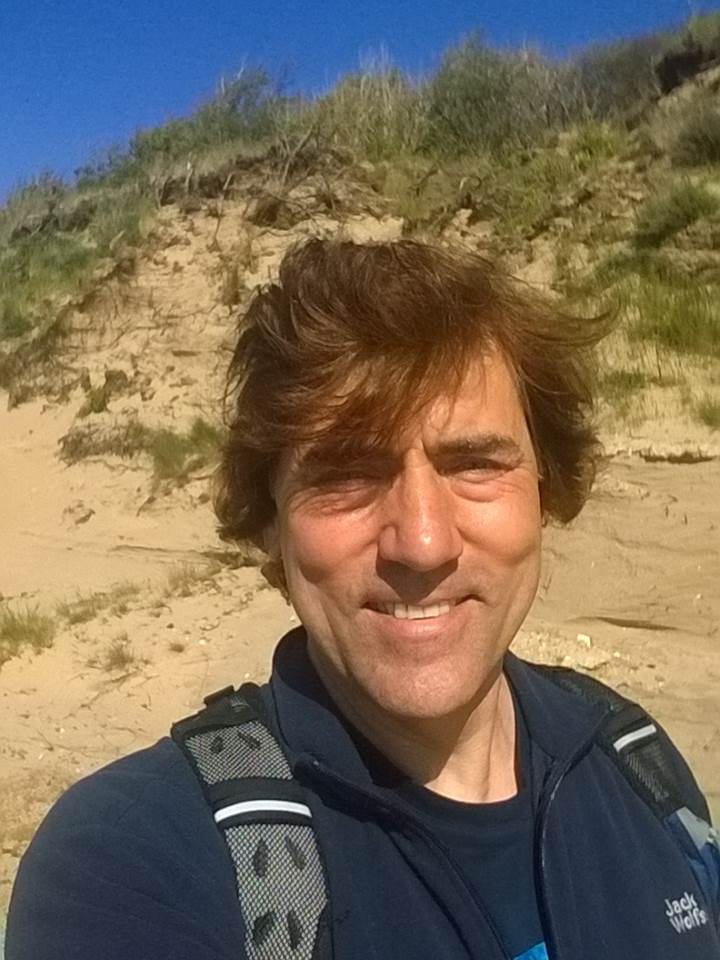
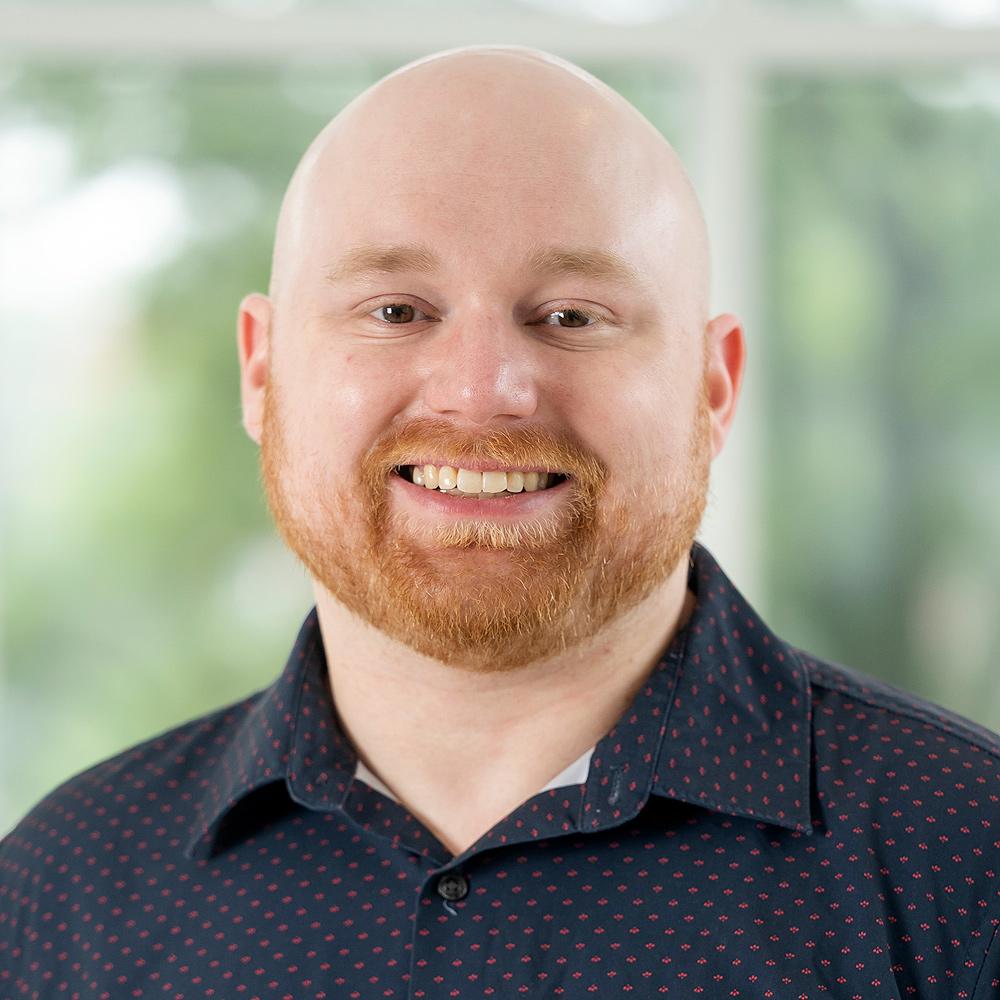
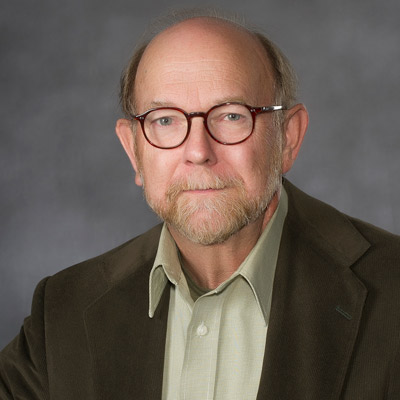
Dr. Dietmar Schlosser is a Group Leader in Environmental Mycology at the Department of Applied Microbial Ecology within the Helmholtz Center for Environmental Research - UFZ since 2005. His research program focuses on fungal biodegradation of environmental pollutants, particularly synthetic polymers, micro-pollutants, and recalcitrant organic compounds. Education : Diploma in Biology (1990), Friedrich Schiller University Jena PhD in Technical Microbiology (1993), Friedrich Schiller University Jena His research integrates ecological principles with applied biotechnology , emphasizing fungal biochemistry, physiology, and enzymology. Key projects include: TapNature (2021-2027): Exploiting natural fungal systems for bioeconomy FINEST Microplastics (2022-2027): Sustainable materials management PUreValue (2024-2027): Polyurethane biodegradation for upcycling CLEANER (2023-2026): Water cycle resilience in cities Article trends reveal expertise in mycoremediation , lignocellulose valorization , and fungal attack on synthetic polymers , with recent work spanning environmental engineering, microbiology, and biochemical monitoring techniques. He maintains active collaborations with institutions across Europe and contributes to sustainable technology development through his leadership in Environmental Mycology .
Emily S. Bernhardt is the James B. Duke Distinguished Professor of Biology at Duke University's Trinity College of Arts & Sciences, where she also serves as Chair of the Department of Biology. She holds a joint appointment as Professor in Marine Science and Conservation at the Nicholas School of the Environment and is Associate of the Duke Initiative for Science & Society. Her research program bridges ecosystem ecology and biogeochemistry with a focus on aquatic systems. Dr. Bernhardt's research centers on tracking the movement of elements through ecological systems, specifically documenting how aquatic ecosystems are altered by land use change (urbanization, agriculture, mining), global change (rising CO 2 , sea levels), and chemical pollution. Her work spans from headwater streams to coastal wetlands, with particular emphasis on the impacts of human activities on ecosystem structure and function. Analysis of her recent publications reveals a strong focus on contemporary environmental challenges including urban watershed contamination, mercury pollution from artisanal gold mining, salinization of freshwater systems, and carbon cycling in river networks. Her research integrates field measurements, long-term data sets, and experimental approaches to understand ecosystem responses to multiple stressors. James B. Duke Distinguished Professor (2019-Present) Chair of the Department of Biology (2020-Present) Professor of Biology (2016-Present) Professor in Marine Science and Conservation (2021-Present) Dr. Bernhardt's collaborative approach extends to her mentoring philosophy, where she emphasizes co-writing with students through read-aloud sessions to improve manuscript clarity and reduce the perceived negativity of editorial feedback. Her work has significant implications for environmental management and policy, particularly regarding watershed protection and coastal resilience in the face of climate change.
Dr. Adam Pellegrini is an Associate Professor in the Department of Plant Sciences at the University of Cambridge and Head of the Ecosystem and Carbon Science Group. He serves as Director of Studies at Newnham College, University of Cambridge, where he contributes to undergraduate education in the Natural Sciences Tripos. Dr. Pellegrini's educational background includes: PhD in Ecology from Princeton University (2012-2016) MA in Ecology and Evolutionary Biology from Princeton University (2011-2012) BA in Biology from Colgate University (2006-2010) His research program integrates basic science with practical climate solutions, blending ecology and carbon cycling with applied science to evaluate how global change affects ecosystem functioning. His work spans three interconnected domains: Applied carbon science (mapping emissions, developing carbon credit verification), Applied ecology (studying ecosystem responses to disturbance), and Fundamental ecology (field experiments on global change responses). His publications reveal consistent focus on fire ecology, carbon dynamics, and ecosystem resilience across diverse environments. Dr. Pellegrini has received numerous prestigious awards including a European Research Council Starter Grant (1.5 million euro), NOAA Climate and Global Change Postdoctoral Fellowship, and National Geographic Young Explorer grant. His research is funded by approximately £2 million in external grants. As an educator, Dr. Pellegrini teaches courses on Ecology, Evolution and Conservation, Responses to Global Change, and leads the Part 1B Portugal Field Course. He has developed significant research projects with industry and government partners to implement climate change solutions. Dr. Pellegrini leads the Pellegrini Lab, which conducts research across diverse ecosystems including African savannas (Kruger National Park), South American savannas (Brazilian Cerrado), and forests in the western United States (Sequoia and Kings Canyon National Parks).
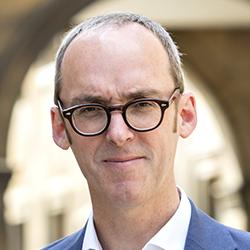
Marco Milazzo is a Full Professor in the Department of Earth and Marine Sciences at the University of Palermo (Unipa), Italy. His research focuses on marine ecosystems, particularly in the Mediterranean Sea, with expertise in ocean acidification, climate change impacts, and marine conservation. He maintains regular office hours on Tuesdays from 10:00 to 11:00 at Via Archirafi 20, 4th floor. Professor Milazzo's research interests center on marine ecology and the impacts of climate change on Mediterranean ecosystems. His work extensively examines ocean acidification through natural analogues like volcanic CO2 seeps, which serve as laboratories for understanding future ocean conditions. He investigates how changing environmental conditions affect marine biodiversity, community structure, and ecosystem functioning. His research spans across multiple disciplines including marine protected areas effectiveness, fisheries management, invasive species dynamics, and biogenic habitat conservation. Notably, he has conducted significant research on vermetid reefs, which are threatened biogenic formations in the Mediterranean Sea. Analysis of Professor Milazzo's recent publications reveals a strong focus on climate change impacts, particularly ocean acidification and warming effects on marine organisms and ecosystems. His work increasingly incorporates interdisciplinary approaches, combining ecological studies with social science perspectives, especially regarding small-scale fisheries and marine protected area governance. A significant portion of his research utilizes natural CO2 seeps as experimental sites to study long-term effects of acidification. His publication record shows consistent productivity with over 100 publications spanning two decades, demonstrating sustained research activity and evolving interests that now include technological approaches for marine monitoring and conservation planning. Professor Milazzo has contributed to numerous research projects examining Mediterranean marine ecosystems under changing environmental conditions. His work on marine protected areas has provided valuable insights into their effectiveness for conservation and fisheries management. He has been involved in international collaborations studying natural analogues of future ocean conditions, particularly through volcanic CO2 seeps which serve as natural laboratories for climate change research. His research has important implications for marine conservation policy and management strategies in the face of global environmental change.
Dr. Rebecca Tittler is a part-time faculty member at Concordia University's Loyola College for Diversity and Sustainability, affiliated with the Department of Geography, Planning and Environment. She combines academic advising with research coordination at the Loyola Sustainability Research Centre. Ph.D. in Biology from Carleton University (2008) M.Sc. in Biology from University of Alberta (1998) B.A. in Biology from Swarthmore College (1995) Her research focuses on: Interactions between biodiversity, forest landscape structure, and human activity Sustainable boreal/mixedwood forest management Ecosystem services in urban and periurban environments Source-sink dynamics in avian populations TRIAD zoning strategies Landscape-scale ecological modeling Key publication themes include: Optimizing vegetation management under electric infrastructure Long-term forest sustainability under climate change Wildfire risk mitigation in timber supply Anthropogenic disturbance zoning TRIAD forest management applications Avian dispersal patterns Current research projects examine: Climate change impacts on Quebec's annual allowable cut Biodiversity effects of partial cuts Plantation location optimization Urban tree ecosystem services
Prof. Dr. Barbara Caspers is a Professor of Behavioral Ecology at Bielefeld University since 2020. She leads the Freigeist Fellow research group on olfactory kin recognition in songbirds (2014–2022) funded by the Volkswagen Foundation and serves as Director of the Joint Institute for Individualization in a Changing Environment (JICE) since 2021. Her affiliations include CRC-TRR 212 (Equal Opportunities Officer), the Ethological Society (Treasurer), and the University Council of Bielefeld University (since 2023). Her research focuses on chemical communication , microbiota-host interactions , and individualization processes in changing environments . She combines field and laboratory studies to explore olfactory signaling in vertebrates, microbial influences on behavior, and the ecological implications of individualized niches. Her recent publications examine habitat-specific adaptations in fire salamander larvae, avian olfactory systems, and microbiome dynamics in wild species. Scientific Awards College for Life Sciences Fellowship (2015) Freigeist Fellowship (2013) Niko Tinbergen Prize (2012) She contributes to interdisciplinary projects like InChangE (spokesperson, 2021–present) and serves on editorial boards and committees for gender equality and academic student advising. Her work bridges behavioral ecology, microbiology, and evolutionary biology through empirical and theoretical frameworks.
Graham Christie serves as an Associate Professor in the Department of Chemical Engineering and Biotechnology at the University of Cambridge. His research is centered on bacterial spore biology, with particular expertise in spore structure, germination mechanisms, and structural biology approaches including protein crystallography. Christie collaborates with Professor Ian Wilson and Professor Lisa Hall within the Cambridge research ecosystem. Christie's research interests focus on bacterial spore structure and germination , structural biology (protein crystallography) , and coronavirus testing and inactivation . His work bridges fundamental microbiology with practical applications in biotechnology and public health. He has made significant contributions to understanding the molecular mechanisms of spore resistance and germination in Bacillus species, with implications for food safety, decontamination protocols, and antimicrobial development. Analysis of Christie's recent publications reveals a consistent focus on bacterial spore biology, particularly examining cortex lytic enzymes, germination triggers, and spore resistance mechanisms in Bacillus species. His research spans structural biology, molecular microbiology, and applied biotechnology, with increasing attention to antimicrobial applications and environmental microbiology. The publications demonstrate sophisticated integration of biochemical, genetic, and structural approaches to address fundamental questions in spore biology. Christie actively supervises PhD students and contributes to graduate education in chemical engineering and biotechnology at Cambridge. His research program appears to be well-funded through multiple projects examining spore biology from structural, functional, and applied perspectives. His work on holographic sensors for spore detection indicates translational research efforts with potential commercial applications. Christie maintains laboratory facilities within the Department of Chemical Engineering and Biotechnology, with research groups focused on spore structure-function relationships, protein engineering related to spore biology, and antimicrobial applications derived from spore research. His work on coronavirus testing suggests adaptation of spore-related technologies to address pandemic challenges.
Anna Chiara SCAPOLAN is an Associate Professor at the Department of Communication and Economics, Università degli Studi di Modena e Reggio Emilia (UNIMORE). Her office is located at Viale Allegri 9, 42121 Reggio Emilia, 2nd floor, office 3.10. She specializes in Business Organization (Scientific-Disciplinary Sector ECON-08/A) and teaches courses related to human resources management, organizational behavior, and sustainable growth. Her research interests focus on: Human Resources Management and Strategic HR Organizational Behavior and Work Organization Digital Workplace and Work Datafication Collaborative Spaces and Coworking Environments Generation Z Work Expectations and Career Development Performance Management in Hybrid Work Contexts Professor Scapolan's research examines the intersection of traditional organizational structures with emerging digital work environments. Her work particularly investigates how digital transformation impacts employee performance, work-life balance, and organizational purpose in both traditional and alternative work settings like coworking spaces. She has conducted extensive empirical research on Italian freelancers, digital nomads, and Generation Z's expectations from the workplace. Her scientific contributions reveal several key trends: The dual impact of digitalization on work-related stress - increasing stress when exceeding certain thresholds of digital actions but reducing stress through positive employee attitudes How collaborative spaces foster organizational purpose and community among freelancers The evolving expectations of Generation Z regarding meaningful work and organizational culture The role of physical workspace design in supporting creativity and innovation Professor Scapolan actively teaches multiple courses at UNIMORE including: Human Resources and Sustainable Growth Organization of Labor Relations People Management Organization and Human Resources Her teaching approach combines traditional lectures with testimonials from managers, case studies, and group project work. She emphasizes the connection between theoretical concepts and practical applications in contemporary organizational settings.
Erik Rosell is a researcher at Linnaeus University's School of Business and Economics , affiliated with the Department of Management and research groups Centre for Management Accounting Research (CMAR) and Center for Leadership in Småland . His work bridges societal entrepreneurship , environmental research , and rural development through innovative collaboration models. Specializes in cross-sector governance effects Pioneer in Triple Helix collaboration (academia-industry-government) Co-developer of Transnational Living Lab for Active Ageing Expert in action research and dialogue arenas His research explores entrepreneurial learning and communicative entrepreneurship , emphasizing collaborative innovation and organizational reflexivity . Key project themes include boundary management in environmental research, rural enclaves for entrepreneurship development, and green rural integration . While his publications span 2009-2019, recent work focuses on public entrepreneuring and welfare innovation . His methodological approach combines qualitative fieldwork with practice-based research , often involving stakeholder co-creation . The Centre for Management Accounting Research (CMAR) serves as a platform for his governance studies, while the Center for Leadership in Småland supports rural entrepreneurship investigations.
Professor James Cook is a Theme Leader for Plants, Animals and Interactions at the Hawkesbury Institute for the Environment (HIE) at Western Sydney University. He holds the academic rank of Professor and leads research focused on ecology, evolution, and symbiosis, with particular emphasis on pollination systems and insect ecology. Professor Cook received his BA in Zoology from Oxford University and his PhD in Evolutionary Biology from Imperial College London. His previous academic appointments include positions at La Trobe University, Imperial College London, and the University of Reading. Professor Cook's research interests lie at the intersection of ecology, evolution, and symbiosis , with particular emphasis on pollination systems and insect-microbe interactions . His work spans multiple scales from molecular to ecosystem levels, investigating how species interactions shape biological communities. He is particularly renowned for his expertise in fig-pollinator mutualisms and stingless bee biology . His research integrates field studies, laboratory experiments, and molecular approaches to address fundamental questions in evolutionary ecology while also addressing applied challenges in agricultural pollination and conservation biology . Analysis of Professor Cook's recent publications reveals a strong focus on pollination ecology and insect-microbe symbioses . His work spans both fundamental research on evolutionary processes and applied studies addressing agricultural challenges. A significant portion of his recent work examines stingless bees as potential managed pollinators for Australian horticulture, alongside investigations into alternative pollinators beyond honey bees. His research increasingly incorporates molecular methods to understand microbial communities and their impacts on host biology. There's also a growing emphasis on climate change impacts on pollination systems and the development of resilient pollination strategies for future agricultural systems. Natural Environment Research Council (NERC, UK) College Member (2007-2010) Royal Entomological Society Symbiosis Special Interest Group Convenor (2005-2012) Editorial Board Member, Journal of Evolutionary Biology (2005-2008) NERC Advanced Research Fellow (1998-2003) SERC Research Fellow (1993-1995) Royal 1851 Commission Research Fellow (1991-1993) Australian Entomological Society Conservation Committee Member (2017-present) Invited collaboration with Professor Wan-Jin Liao's group at Beijing Normal University Professor Cook currently leads multiple significant research projects focused on pollination services for Australian horticulture. His grant portfolio includes projects on stingless bee husbandry , alternative pollinators including flies, and pollinator health . He collaborates extensively with researchers across Australia and internationally, with projects spanning from basic research on fig-wasp mutualisms to applied studies on crop pollination. Professor Cook has authored over 70 research articles and six book chapters, demonstrating sustained research productivity throughout his career. Professor Cook's research involves extensive field, laboratory, and glasshouse work, with a strong emphasis on molecular methods. His work connects with collaborators across Australia, India, China, France, the UK, and the USA, creating a robust international research network focused on pollination ecology and insect symbioses. His leadership in the Plants, Animals and Interactions research theme at HIE provides a framework for integrating fundamental ecological research with practical applications for sustainable agriculture and conservation.
Brantley Hall is an Assistant Professor of Cell Biology and Molecular Genetics at the University of Maryland with an appointment in the University of Maryland Institute for Advanced Computer Studies. He leads research at the intersection of computational biology, microbiome science, and human health through his position at the Center for Bioinformatics and Computational Biology and the Center of Excellence in Microbiome Sciences. His educational background includes a Ph.D. in Genetics, Bioinformatics and Computational Biology from Virginia Tech (2016) followed by postdoctoral training at The Broad Institute of Harvard and MIT (2016-2020). Hall's research focuses on understanding gut microbiome genes and their impact on human health. His lab studies the human gut microbiome with the specific goal of identifying bacterial genes underlying health-relevant functions. His work aims to develop methods for measuring microbial functions and improving health outcomes through microbiome modulation. His research spans computational biology, microbial genetics, and host-microbe metabolic interactions, with particular emphasis on bacterial enzymes involved in bilirubin reduction, steroid hormone metabolism, and alternative sweetener utilization. Analysis of Hall's recent publications reveals a strong focus on gut microbial enzymes and their roles in human metabolism. His work consistently connects microbial functions to human health conditions including metabolic disorders, cancer, and inflammatory conditions. The research demonstrates how gut bacteria metabolize compounds ranging from bilirubin to steroid hormones to alternative sweeteners, revealing previously unknown microbial pathways with significant health implications. $3.5M in Federal Funding for Innovative Gut Microbiome Research Hall's research has been supported by significant federal funding, including a $3.5 million grant for innovative gut microbiome research. His work bridges computational and experimental approaches to microbiome science, with applications spanning from basic microbial genetics to potential clinical interventions. The Hall lab employs a combination of bioinformatics, molecular biology, and microbial genomics to uncover novel microbial functions within the human gut ecosystem. The Hall lab operates at the intersection of computational biology and experimental microbiology, leveraging the resources of the Center for Bioinformatics and Computational Biology and the Center of Excellence in Microbiome Sciences at the University of Maryland. His research program integrates computational analysis with laboratory validation to identify and characterize microbial genes and pathways with relevance to human health.
Simon Power is a Visiting Assistant Professor at The Ohio State University. His research focuses on ecological resilience, vegetation dynamics, and remote sensing applications in non-forest ecosystems. He has contributed to studies on fire impacts, biomass modeling, and alternative stable states in diverse biomes. Recent publications highlight his work in: Restoration of sagebrush-steppe ecosystems Peatland vegetation resilience to wildfires Drone photogrammetry for biomass prediction Fire adaptation strategies in phosphorus-poor environments His email is power.778@osu.edu , and he is based at Kottman Hall, Columbus, OH.
Allison Rober is an Associate Professor at the School of Environment & Natural Resources , The Ohio State University, and serves as the Assistant Director for Stone Lab Academic Programming. Her research focuses on the interplay between environmental conditions and microbial communities in freshwater ecosystems, particularly algal communities. Aquatic Microbial Ecology Climate Change Effects on Wetland Ecosystems Toxin-producing Cyanobacteria in Agricultural Watersheds Algal Community Composition and Water Quality The Rober Lab investigates how environmental degradation and climate change processes alter microbial community structure and function, with implications for ecosystem services and food web dynamics. Their work spans wetlands and agriculturally dominated watersheds, emphasizing the consequences of environmental perturbations on water quality and ecological health.
Anne-Marie Morrissey is a Senior Lecturer in Early Childhood Education at Deakin University, Australia, with a Doctor of Philosophy from the University of Melbourne (2007). Her dual background as an academic researcher and former early childhood practitioner informs her evidence-based approach to pedagogy and policy. Doctor of Philosophy, University of Melbourne, 2007 Her research centers on play-based learning as a catalyst for 21st-century skill development, emphasizing how intentional teacher-child interactions during play enhance problem-solving, creativity, and cognitive growth. She investigates the critical role of outdoor environments in fostering wellbeing, sociodramatic play, and physical activity, while also examining teacher agency within educational reforms and gifted education frameworks. Her work consistently bridges theory with practical classroom applications. Analysis of her recent publications (2017-2025) reveals three dominant trajectories: (1) The transformative impact of naturalized outdoor playspaces on child development, particularly post-pandemic redesigns; (2) Teacher empowerment through mentoring, advocacy, and intentional pedagogy in play-based settings; and (3) Critical examinations of environmental risks and policy implications in early childhood contexts. These threads converge on optimizing learning ecosystems through child-centered, nature-integrated approaches. No scientific awards were documented in the source materials. Dr. Morrissey has secured competitive research funding from the International Baccalaureate Organisation, the Foundation of Graduates in Early Childhood Studies, and Fleming's Nursery. Her grants specifically target play-based program efficacy and outdoor playspace innovation. While formal student advisement records aren't disclosed, her work with preservice teachers through enhanced kindergarten placements and mentoring initiatives demonstrates significant educational leadership.
Robert Godwin-Jones is a Professor in the Department of Foreign Language at Virginia Commonwealth University's College of Humanities and Sciences, where he has served since 1979. He holds the position of Foreign Language Liaison and maintains active scholarly contributions through his "German Stories" digital repository and "Communicating Across Cultures" blog, focusing on technology-enhanced language pedagogy and intercultural communication. His educational background includes: B.A. in French and German from Franklin and Marshall College (1971) M.A. in Comparative Literature (German, French, and English) (1973) Ph.D. in Comparative Literature from the University of Illinois Urbana-Champaign (1977) Dr. Godwin-Jones specializes in Computer-Assisted Language Learning (CALL), with research spanning artificial intelligence applications, virtual reality environments, and digital literacies for language learners. His work examines how emerging technologies transform second language acquisition through ecological semiotics, distributed agency models, and multimodal communication frameworks. He investigates pedagogical translanguaging strategies for less commonly taught languages and analyzes authenticity in AI-mediated language interactions, particularly in pragmatics and writing development. Analysis of his 2021-2025 publications reveals three dominant trajectories: (1) generative AI integration in language instruction with emphasis on ethical implementation and threat mitigation; (2) extended reality applications creating immersive language spaces in the metaverse; and (3) ecological approaches connecting smart devices, ambient intelligence, and situated learning contexts. His scholarship consistently bridges theoretical frameworks with practical classroom applications across 19th-century German literature studies and contemporary language education. He maintains active professional engagement through memberships in: Delta Phi Alpha German Honorary Society Phi Kappa Phi Honorary Society Modern Language Association American Association of Teachers of German American Association of Teachers of French Foreign Language Association of Virginia As director of the "German Stories" project since 1994, he has curated verified editions of 19th-century German narratives with English translations under Creative Commons licensing, creating what has become a foundational resource for literary study and language acquisition. His blog extends this work through contemporary analyses of intercultural communication challenges, while his scholarly leadership in organizations like CALICO shapes national discourse on technology in language education. His laboratory functions as the "German Stories" digital ecosystem, which has evolved into a comprehensive platform hosting annotated texts, pedagogical resources, and research archives. This environment supports both formal classroom instruction and informal learning communities, demonstrating his commitment to porous classroom models that integrate physical and digital learning spaces.