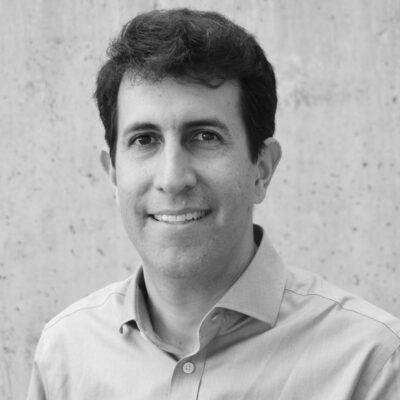
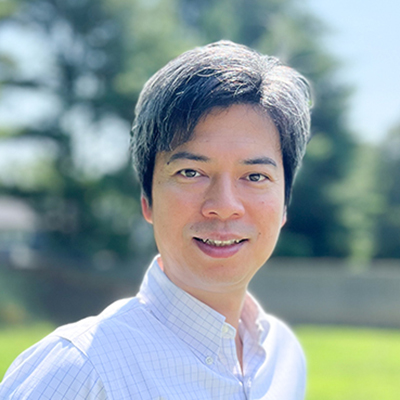
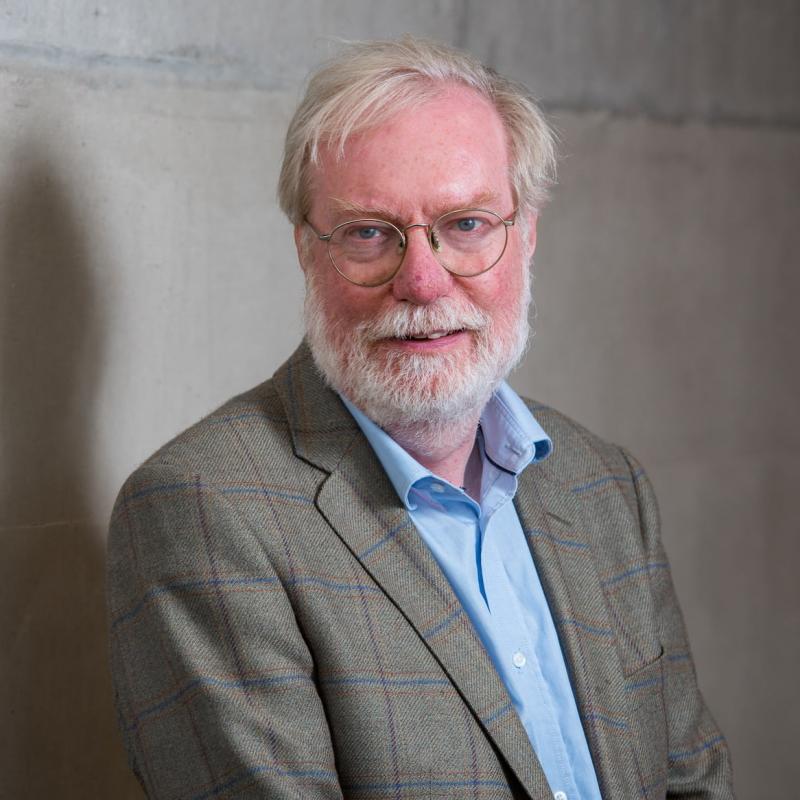
Abhijit Banerjee is a Professor in the Department of Economics at the Massachusetts Institute of Technology (MIT). His research focuses on development economics, public health policy, and social protection programs, particularly addressing poverty and inequality in low- and middle-income countries. He has conducted large-scale experiments evaluating interventions such as conditional cash transfers, universal basic income, and healthcare policies. Key areas of interest include the design and implementation of anti-poverty programs, behavioral economics, and the long-term health impacts of infectious diseases like COVID-19. His work often integrates experimental methods to assess policy effectiveness, with contributions to global health studies and economic development strategies. Notably, his research on the RECOVERY trial evaluates treatments for hospitalized COVID-19 patients, while other studies explore financial spillover effects of electronic government transfers in Indonesia and savings behavior interventions in Chile. Banerjee has collaborated on projects analyzing post-COVID-19 health outcomes, labor market dynamics in India, and the role of trusted messengers in public health communication during crises. Despite the breadth of his contributions, specific details about his educational background, grants, or lab affiliations are not explicitly provided in the source text.
Emily Hannum is a Professor of Sociology and Education at the University of Pennsylvania's College of Arts & Sciences, where she also serves as Associate Dean for Social Sciences. She is affiliated with the Population Studies Center, Center for the Study of Contemporary China, Graduate School of Education, and Penn Development Research Initiative. Education: PhD in Sociology from University of Michigan (1998) Research Focus: Poverty and child welfare, gender and ethnic stratification, sociology of education Projects: Gansu Survey of Children and Families, climate-environment-childhood inequalities in LMICs Workshops: Co-organizer of Penn Education and Inequality Workshop Her research explores childhood poverty in China, demographic impacts on education systems, and climate risks affecting children's welfare. She investigates environmental hazards, educational disparities, and family separation effects across China, India, and low/middle-income countries. Recent publications analyze educational expansion in East Asia, climate crisis impacts on child health, and gender disparities in Latin America. She directs longitudinal studies on rural poverty and collaborates on cross-national projects related to environmental and educational equity. Scientific awards include the Stanley I. Sheerr Term Professorship in Social Sciences.
Daniel Rodríguez is Chancellor’s Professor of City & Regional Planning at UC Berkeley and Director of the Institute for Transportation Studies. His research examines transportation-land development interactions and their environmental/health consequences, with focus on climate adaptation strategies, equity in urban mobility, and health impacts in Latin American cities. Current projects analyze behavioral responses to extreme heat, green space benefits, and low-emission zones. Education: PhD, University of Michigan (2000) MS, Transportation, MIT (1996) BS, Business Administration, Fordham University (1994) Rodríguez employs interdisciplinary approaches to study how physical urban attributes influence behavior and health. His work integrates transportation policy, environmental planning, and health geography, emphasizing low-income communities. Research utilizes geospatial analysis, epidemiological methods, and behavioral modeling to inform urban sustainability. Publications focus on transportation equity (45%), urban health (35%), and climate adaptation (20%), with strong emphasis on Latin America. Recent articles demonstrate innovative spatial analysis techniques including computer vision and multi-city ecological studies. Awards: Best Paper, Risk Analysis (2015) Excellence in Safety Research Award, RWJF/CDC (2015) Fred Burggraf Award, TRB (2000) Advises doctoral students and teaches sustainable mobility, transportation policy, and active transportation planning. Leads research teams on SALURBAL project analyzing urban health determinants across 11 countries. Future work focuses on climate-resilient infrastructure financing and mega-city mobility transitions.
Dr Adam Ritchie serves as a Senior Vaccinologist at the University of Oxford's Jenner Institute and Lecturer in Human Science at St Catherine's College. His work focuses on translating academic vaccine research into real-world impact through the development, manufacture, and clinical testing of candidates for rabies, Epstein-Barr virus (EBV), and SARS-CoV-2. Education: Holds a BSc, PhD, and Fellow of the Higher Education Academy (FHEA) qualification. His research spans vaccine development, clinical trial design, regulatory affairs, and public policy through Vax-Hub Global. Key interests include adenovirus-vectored platforms, scalable manufacturing processes, and addressing global health challenges in resource-limited settings. Analysis of his 2020-2025 publications reveals a cohesive research trajectory centered on ChAdOx1-vectored vaccines. Dominant themes include prime-boost regimens, intranasal delivery systems, cost-effectiveness modeling for low-income countries, and material science applications for vaccine stabilization. His work bridges laboratory innovation with implementation science, particularly in rabies prophylaxis and pandemic response. Ritchie actively contributes to the Douglas Research Group at the Jenner Institute and global vaccine initiatives through Vax-Hub. His collaborative work appears in high-impact journals including The Lancet, Nature Medicine, and Vaccine, with emphasis on clinical translation and equitable vaccine access.
Ricardo Sabates is a Professor of Education and International Development at the University of Cambridge, affiliated with the Faculty of Education and the Research for Equitable Access and Learning (REAL) Centre . He is a Fellow at Hughes Hall and serves as Deputy Director of Research at the Faculty of Education. His career spans institutions including the University of Sussex, Institute of Education London, and Hughes Hall, Cambridge. PhD in Development (University of Wisconsin-Madison, USA) MSc in Economics (University of Wisconsin-Madison, USA) BA Honours (ITAM, Mexico) Ricardo is a development economist with expertise in educational inequalities , particularly in low-income countries. His work focuses on quantitative methods , maternal education impacts , and equity in educational access and learning . He collaborates with international agencies such as the OECD , UNICEF , UNESCO UIS , DFID , and the World Bank . His recent research trends include large-scale educational reform in Ethiopia , community-school participation in India , disability and learning outcomes , and teacher effectiveness in Africa . Projects often involve experimental/quasi-experimental designs and policy evaluation in Ethiopia, Ghana, India, Pakistan, Rwanda, and Tanzania. Ricardo also supervises postgraduate doctoral and masters students and contributes to core research training courses at Cambridge. He is actively involved in multiproject collaborations funded by the DFID-ESRC , MasterCard Foundation , and CAMFED , addressing topics like girls' secondary education , teacher effectiveness , and equity in educational interventions .
Shinsuke Tanaka is an Assistant Professor and Director of Graduate Studies in the Department of Agricultural and Resource Economics at the University of Connecticut (2023–present). Previously, he held positions at Tufts University’s Fletcher School (2011–2023) and Department of Economics (2022–2023). He holds a Ph.D. in Economics from Boston University (2011), M.A. in International and Development Economics from Yale (2006), and B.A. in Liberal Arts from Soka University of America (2005). His research focuses on environmental economics, health economics, and development economics, with emphasis on interactions between environmental policies, public health, and economic activities in low-income countries. Key areas include pollution’s health impacts, environmental policy evaluations, and early childhood health policies. Recent publications analyze sunlight’s effect on suicide rates, long-term air pollution mortality links, daylight saving time’s cardiovascular impacts, and EV adoption challenges. His work combines econometric rigor with policy relevance, often covered in media like UConn Today, The Economist, and VoxEU. Teaching includes courses on environmental valuation, climate economics, and applied research methods for PhD students. He directs the Zwick Center for Food and Resource Policy and maintains active research collaborations through institutions like NBER and CEEPR.
Nina Pavcnik is the Interim Dean of Arts and Sciences and the Niehaus Family Professor in International Studies at Dartmouth College, where she has served as a Professor of Economics since 2009. She holds a B.A. from Yale University and a Ph.D. in Economics from Princeton University. Her research focuses on the intersection of international trade, development, and industrial organization, examining how globalization impacts workers, households, and firms in developing economies. Education: B.A. in Economics, Yale University (1994); Ph.D. in Economics, Princeton University (1999). Her research interests include international trade policy, trade and development, child labor, and the structural transformation of economies. Pavcnik’s work analyzes the effects of trade liberalization on inequality, labor markets, and firm dynamics in low-income countries. She has contributed to understanding how globalization reshapes economic landscapes and influences poverty reduction strategies. Her awards include the Phi Beta Kappa Visiting Scholar (2022–2023), the Best Coeditor Prize from the Journal of International Economics (2018 and 2019), and the Dean of Faculty Award for Outstanding Mentoring and Advising at Dartmouth (2017). She has also held editorial roles at leading journals like the Journal of Economic Perspectives and the World Bank Economic Review. Pavcnik has advised numerous students and mentees, including undergraduates and junior researchers in economics. Her grants and fellowships include funding from the Social Sciences and Humanities Research Council, the Economic Research Institute for ASEAN and East Asia, and the World Bank. She actively contributes to policy discussions on trade, development, and globalization through her advisory roles at institutions like the IMF and the Inter-American Development Bank. Her research has been disseminated through prestigious journals and books, with a focus on topics such as informal employment, firm dynamics, and the distributional effects of trade policies. Pavcnik’s work emphasizes the need for evidence-based policies to address the challenges and opportunities posed by globalization.
Supreet Kaur is an Associate Professor in the Department of Economics at the University of California, Berkeley. Her research focuses on labor markets in developing countries, behavioral economics, and labor economics. She earned her PhD from Harvard University and is particularly known for her work on the psychology of poverty, cognitive endurance, and the impact of financial stress on labor productivity. Her research explores how behavioral factors influence labor supply, wage dynamics, and productivity in low-income settings. Notable themes include habit formation in labor decisions, the role of social norms in aggregate labor participation, and the effects of redistributive policies on worker morale. She has conducted field experiments analyzing seasonal poverty and consumption smoothing mechanisms in developing economies. While no formal awards are listed, her work has been supported by grants such as the National Science Foundation CAREER award for studying labor productivity in poor countries. Her research bridges theoretical models with empirical evidence from real-world labor markets, often emphasizing policy-relevant insights for poverty reduction strategies. Her research portfolio includes collaborations on labor rationing, wage rigidity in village economies, and the morale impacts of pay inequality. She has advised no listed students but has contributed to shaping academic discourse through publications on behavioral labor economics and development policy.
Owen O'Donnell is a Full Professor of Applied Economics at the Erasmus School of Economics and Erasmus School of Health Policy & Management , Erasmus University Rotterdam. He is a Research Fellow at the Tinbergen Institute and an Editor of the Journal of Health Economics . Education: DPhil, University of York (UK) Research Interests: His work focuses on health economics, including health inequality, health insurance, financial protection, and labor economics, with applications in low-, middle-, and high-income countries. He employs cross-sectional analyses, equity-sensitive frameworks, and global health policy evaluation. Publications & Collaborations: He has published extensively in top journals like Lancet , PLOS Medicine , and Demography , addressing cardiovascular disease, hypertension screening, and healthcare access in India, Philippines, and Sub-Saharan Africa. His recent research emphasizes equity-sensitive welfare weights and treatment gain inequality. Professional Activities: He has served as an Editor for the Journal of Health Economics since 2007 and is actively involved in peer-review and editorial work until 2026.
Hamsa Bastani is an Associate Professor of Operations, Information and Decisions at the Wharton School, University of Pennsylvania, with a secondary appointment in Statistics and Data Science. She co-directs the Wharton Healthcare Analytics Lab and serves as an Associate Editor for Operations Research, M&SOM and OR Letters. Her academic journey began with summa cum laude graduation from Harvard in 2012 with an A.M. in physics and A.B. in physics and mathematics. She completed her PhD in Stanford's Electrical Engineering department under Mohsen Bayati, followed by a Herman Goldstine postdoctoral fellowship at IBM Research. Professor Bastani's research focuses on developing novel machine learning algorithms for data-driven decision-making, with applications spanning healthcare operations, social good, and revenue management. Her work demonstrates particular expertise in sequential decision-making (bandits, reinforcement learning), learning from auxiliary data sources (transfer learning, meta-learning), and designing effective human-AI interfaces (interpretability, fairness). She has made significant contributions to understanding how AI systems affect and augment human behavior, with the goal of designing AI tools that help humans thrive. Her publications reveal a strong trend toward high-impact applications of machine learning in critical societal domains. A significant portion of her recent work focuses on healthcare applications, including optimizing health supply chains in low- and middle-income countries, designing clinical trial protocols, and creating targeted public health interventions. Another major theme examines the complex relationship between humans and AI systems, particularly how AI affects learning outcomes and decision-making processes. Her work frequently bridges theoretical advances with practical implementation, as evidenced by country-scale deployments in Greece and Sierra Leone. Wagner Prize for Excellence in Operations Research Practice (2021) Pierskalla Award for Best Paper in Healthcare (2021, 2019, 2016) Behavioral OM Best Paper Award (2021) Public Sector in OR Best Paper Award (2024) INFORMS Data Mining Best Paper Award (2022) Wharton Teaching Excellence Award (2019, 2020, 2021) Professor Bastani has advised numerous PhD students who have gone on to prominent positions, including Pia Ramchandani (Director of Responsible AI at PwC), Arielle Anderer (Assistant Professor at Cornell Johnson), and Kan Xu (Assistant Professor at ASU Carey). Her research has been supported by collaborations with national governments, including the Greek government where she co-designed Eva, the national-scale reinforcement learning system for targeted COVID-19 testing, and the Government of Sierra Leone where she improved patient access to essential medicines by nearly 20% via decision-aware learning. She has also conducted the first large field study deploying generative AI tutors in high school math classes. She leads the Wharton Healthcare Analytics Lab and serves on the Steering Committee for the Penn Center for Health Incentives and Behavioral Economics and on the statistics advisory committee for the AHA Food is Medicine Initiative. Outside academia, she serves on the Workday AI Advisory Board, demonstrating her commitment to translating academic research into practical applications.
Sir Paul Collier is Professor of Economics and Public Policy at the Blavatnik School of Government, University of Oxford, and serves as the Oxford Academic Director of the International Growth Centre, a collaboration between the LSE and Oxford Universities. He is also a member of the Natural Resource Governance Institute Board. His academic work spans decades of research focused on economic development challenges in the world's poorest regions, bridging theoretical economics with practical policy solutions, particularly in contexts of conflict, natural resource management, and regional economic decline. Professor Collier's research interests center on economic development, with specific focus areas including: Mitigating the challenges of migration and the refugee crisis Understanding urbanization processes in low-income countries Addressing the political economy of resource-rich but economically poor nations Exploring how cultural factors influence economic outcomes Developing frameworks for regional renewal in neglected places Analyzing the relationship between democracy and economic development in fragile states His recent publications reveal a consistent focus on the intersection of economic policy, social cohesion, and cultural dimensions in development contexts. Collier's work increasingly emphasizes the importance of collective learning, social capital, and local agency in reversing economic decline, moving beyond traditional market-centric approaches. Among his notable scientific contributions are: Handesblatt Prize for The Future of Capitalism Arthur Ross Prize for The Bottom Billion Adam Smith Prize by Glasgow's Philosophical Society (2023) Global Citizenship Award by Belgium's cooperative movement (2018) 2025 Axiom Business Book Award for Left Behind Professor Collier actively advises governments and international organizations on development policy, with particular emphasis on practical approaches to regional renewal. His current research project "Establishing state legitimacy and effectiveness in fragile and conflict-affected societies," funded by a British Academy Grant, examines how conflict-affected states can build functional governance capacity. He has also contributed to Oxford University's first MOOC "From poverty to prosperity: understanding economic development," making his expertise accessible globally.
Lesli Hoey is an Associate Professor of Urban and Regional Planning at the University of Michigan’s Taubman College of Architecture and Urban Planning. She serves as Director of Doctoral Studies and researches the intersection of food systems, public health, environmental policy, and social justice, with fieldwork in Michigan (since 2012) and Bolivia (since 2007). Doctorate and Master's in City and Regional Planning, Cornell University Bachelor's in Psychology, Earlham College Her work focuses on translating food systems policy into scalable, sustained action, emphasizing equity, climate resilience, and multisectoral collaboration. She examines urban agriculture, sustainable diets, land redistribution, and circular nutrient economies via urine-diversion practices. Recent articles highlight her policy analysis in food systems, including emissions reduction in university food services, diversifying agriculture for environmental and social benefits, and institutionalizing food justice in global contexts. NIH Grant for Health Equity Research (2024) MLK Spirit Award Honoree (2022) Dr. Hoey teaches courses on food systems planning, low-income country development, and program evaluation. She is an external evaluator for international projects in education, rural development, and local food initiatives.
Dr. Silvia Baiocco serves as Assistant Professor at University of Rome Tor Vergata, teaching entrepreneurship, tourism management, and marketing courses across Bachelor and Master programs including 'Creation of Enterprises and Entrepreneurship' (Master), 'Fundamentals of Service Management' (Bachelor), and 'Tourism and Cultural Management for Sustainability' (Bachelor). Her institutional affiliation centers on Business Economics (sector ECON-07/A) with research rooted in co-evolutionary theory. Her research critically examines sustainable business model innovation through three interconnected lenses: (1) tourism-destination co-evolution in historic villages and Alberghi Diffusi, (2) university-industry knowledge exchange for sustainable spin-offs via PNICube Observatory frameworks, and (3) technology integration in smart tourism through AI-driven destination management. She emphasizes context-specific adaptation in both high-income (Italy) and low/middle-income settings (Ghana), with strong focus on social impact and heritage preservation. Analysis of her 2023-2025 publications reveals accelerating focus on digital tourism transformation (AI applications, smart city integration) and resilience-building in accommodation firms. Her work consistently applies co-evolutionary frameworks to decode organizational adaptation, particularly in sustainable entrepreneurship contexts. The PNICube Observatory reports highlight her policy-relevant contributions to university research valorization. As educator, Dr. Baiocco actively shapes future business leaders through courses spanning startup creation to sustainable destination management. Her research trajectory indicates deepening engagement with technology-mediated sustainability solutions and cross-sectoral innovation ecosystems, particularly through ongoing PNICube Observatory initiatives.
Navroz K. Dubash is a Professor at Princeton University's School of Public and International Affairs and High Meadows Environmental Institute. His career spans 25 years of climate policy research and advisory roles, including founding the Sustainable Futures Collaborative in India and serving as IPCC Coordinating Lead Author. Climate governance in development contexts Energy transitions and air quality Indian federalism in climate policy Global climate legal frameworks His recent research focuses on non-incremental climate strategies, co-benefits in low-carbon transitions, and institutional design for climate resilience. He has published over 40 peer-reviewed articles and serves as Co-Editor in Chief of Climate Policy . India's climate policy evolution Global South climate advocacy Climate-Development synergies Multi-objective policy analysis As chair of SFC's Advisory Council and former Indian government advisor, he bridges academic research with real-world climate strategy implementation.
Matt Ratto is a full Professor in the Faculty of Information at the University of Toronto , where he also serves as Associate Dean, Research . He is a faculty affiliate of the Climate Positive Energy Institute , the Schwartz Reisman Institute for Technology and Society , and an SDG Fellow with the Sustainable Development Goals Institute . His work bridges critical theory and digital innovation , focusing on the social production of knowledge through emerging technologies. His research explores critical making and socio-technical systems , with applications in 3D-printed prosthetics (deployed in Cambodia, Tanzania, and Uganda), AI-driven healthcare solutions , and climate justice in computing . He has received over $6 million in funding, including two Canada Grand Challenge grants , and founded organizations advancing equitable technology access. Ontario Minister of College and Universities’ Award of Excellence (2020) Bell Canada Usability Labs Chair in Human-Computer Interaction (2018–2023) He supervises students such as Olivia Doggett and Sarah Gram , with past advisees including Brian Sutherland and Dan Southwick . His Critical Making Lab fosters interdisciplinary collaboration, and he teaches courses like INF2241: Critical Making and INF351: Information Design Studio .