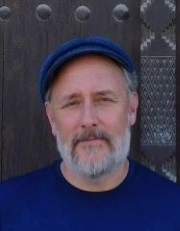
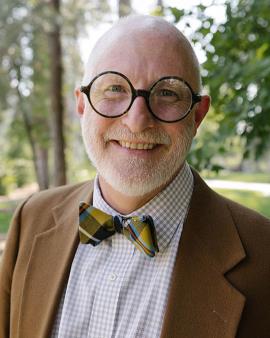
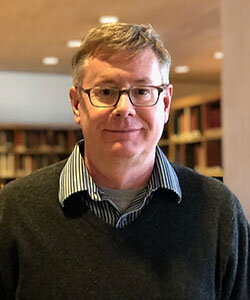
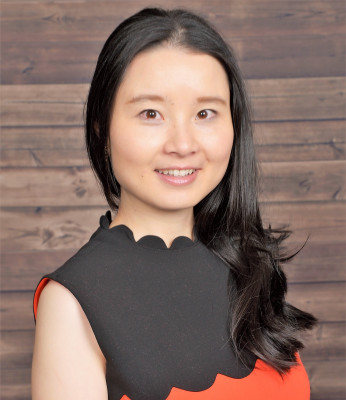
Odd Arne Westad is the Elihu Professor of History at Yale University, specializing in modern international and global history with a focus on East Asia since the 18th century. He previously held positions at Harvard University and the London School of Economics. His research bridges Cold War studies, empire/colonialism, and China's economic reforms. Education: BA in History, Philosophy, and Modern Languages (University of Oslo) Graduate Degree in US/International History (University of North Carolina at Chapel Hill) Research Interests: Global Cold War dynamics and post-colonial transformations China’s international history and imperial trajectories Economic reforms in late 20th century China and their global impact Key Publications: The Cold War: A World History (2017) Restless Empire: China and the World Since 1750 (2012) The Global Cold War (2007) Awards: Fellow of the British Academy Fellow of multiple national academies Professional Activities: Active in global history networks, advising doctoral students on Cold War and Asian history. Teaches courses on empire, decolonization, and modern East Asia.
Willard Sunderland is a professor of history specializing in Russian and Soviet history, with primary focus on the Russian Empire. Teaching since 1996, he covers Russia/USSR, modern Europe, and world history through courses like \"The History of Russia: From Perun to Putin\" and \"Anna Karenina's Russia\". He earned a BA in Russian Studies from the University of Pennsylvania and MA/PhD in history from Indiana University, Bloomington. His research centers on modern Russian imperial history, informed by extensive travel throughout the former Soviet Union. Current projects include a travelogue/history of John Quincy Adams' 1809 diplomatic voyage to Russia (retraced via sailboat \"Clio\" in 2023), a Peter the Great era book, and research on Russian maritime history, the Far East, Northern Pacific, and Sino-Russian relations. His award-winning \"The Baron's Cloak\" (2014) examines imperial frontiers through war and revolution. Recent publications analyze 19th-century revolutions, regional identities, and borderland dynamics, reflecting consistent engagement with imperial administration, cross-cultural encounters, and comparative frontier studies across Eurasia. Scientific recognition includes: Publication Award from Association for the Study of the Nationalities (ASN) Publication Award from Association for Slavic, East European, and Eurasian Studies (ASEEES) Publication Award from Ohio Academy of History Research funding is secured from: National Endowment for the Humanities Woodrow Wilson International Center for Scholars Fulbright Scholar Program International Research and Exchanges Board Social Sciences Research Council National Council for Eurasian and East European Research He co-edited \"Kritika: Explorations in Russian and Eurasian History\" (2015-2022) and supervised the \"Russia's Regions in Historical Perspective\" lab at Moscow's Higher School of Economics (2018-2021), directing international collaborative research on imperial regionalism.
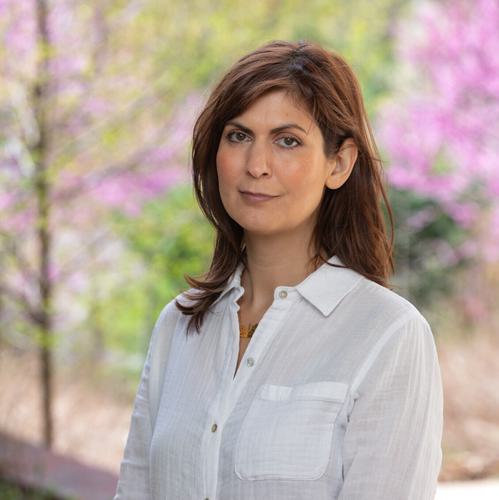
Liza Oliver is an Associate Professor of Art History at Wellesley College with affiliation to the South Asia Studies program. She serves as Director of The Pluralism Initiative since 2024. Ph.D. in Art History from Northwestern University (2014) Specializes in 18th-19th century visual cultures of colonialism across Europe, South Asia, and the West Indies Current book project "Famine's Land: Photography, Environment, and Racial Capitalism in Colonial India" Her research examines intersections of colonialism, science, and capitalism through visual analysis. Key themes include: Photographic documentation of colonial famine policies Textile trade's role in global capitalism Visual rhetoric of abolition and slavery Political ecology in imperial contexts Recent publications span topics from colonial cattle competitions to Dutch colonial landscape art , with work appearing in The Art Bulletin , Dutch Crossing , and Seeing Across Cultures in the Early Modern World . She co-edited a textile glossary volume in 2017. Scientific honors include: NEH Summer Stipend (2022) Franklin Research Grant (2022) Mellon Foundation Fellowship (2013) Bourse Chateaubriand (2014) CAA Finalist for Morey Book Award (2021) As educator and activist, she co-teaches The Art of Science seminar with astronomy faculty and founded Fur-Free Massachusetts animal rights non-profit.
Sungshin Kim, Ph.D., is a Professor of History at the University of North Georgia (UNG), located in Dahlonega. She joined UNG in 2008 after completing her doctorate in East Asian Languages and Civilizations at the University of Pennsylvania. Her research focuses on East Asian history, particularly modern China and Korea, with a recent emphasis on the intersection of historical imagination and literary works. She received the Distinguished Professor Award from UNG Alumni Association in 2018. Dr. Kim’s academic background includes a Ph.D. from the University of Pennsylvania (2008). She teaches courses such as World History since 1500, History of Modern China, and Korea at the Center: The History of Modern Korea. Her scholarship bridges historical analysis with cultural studies, examining topics from Korean democratization movements to sci-fi narratives reflecting societal anxieties. Her publications span literary criticism, historical analysis, and edited volumes. Notable works include analyses of contemporary East Asian literature, explorations of historical memory in film, and contributions to world history textbooks. She edited a conference proceedings on color symbolism in history and politics. Her recent articles engage with speculative fiction to explore historical concepts. Dr. Kim’s research trends reflect interdisciplinary approaches to history, combining textual analysis with cultural and geopolitical contexts. She has addressed topics ranging from 18th-century Korean intellectual voyages to modern Chinese responses to global crises. Her work consistently connects historical narratives with contemporary cultural productions. In addition to her scholarly contributions, Dr. Kim maintains an active role in academic service, including editorial work and course development for UNG’s history programs. Her teaching philosophy emphasizes global perspectives and critical engagement with historical sources.
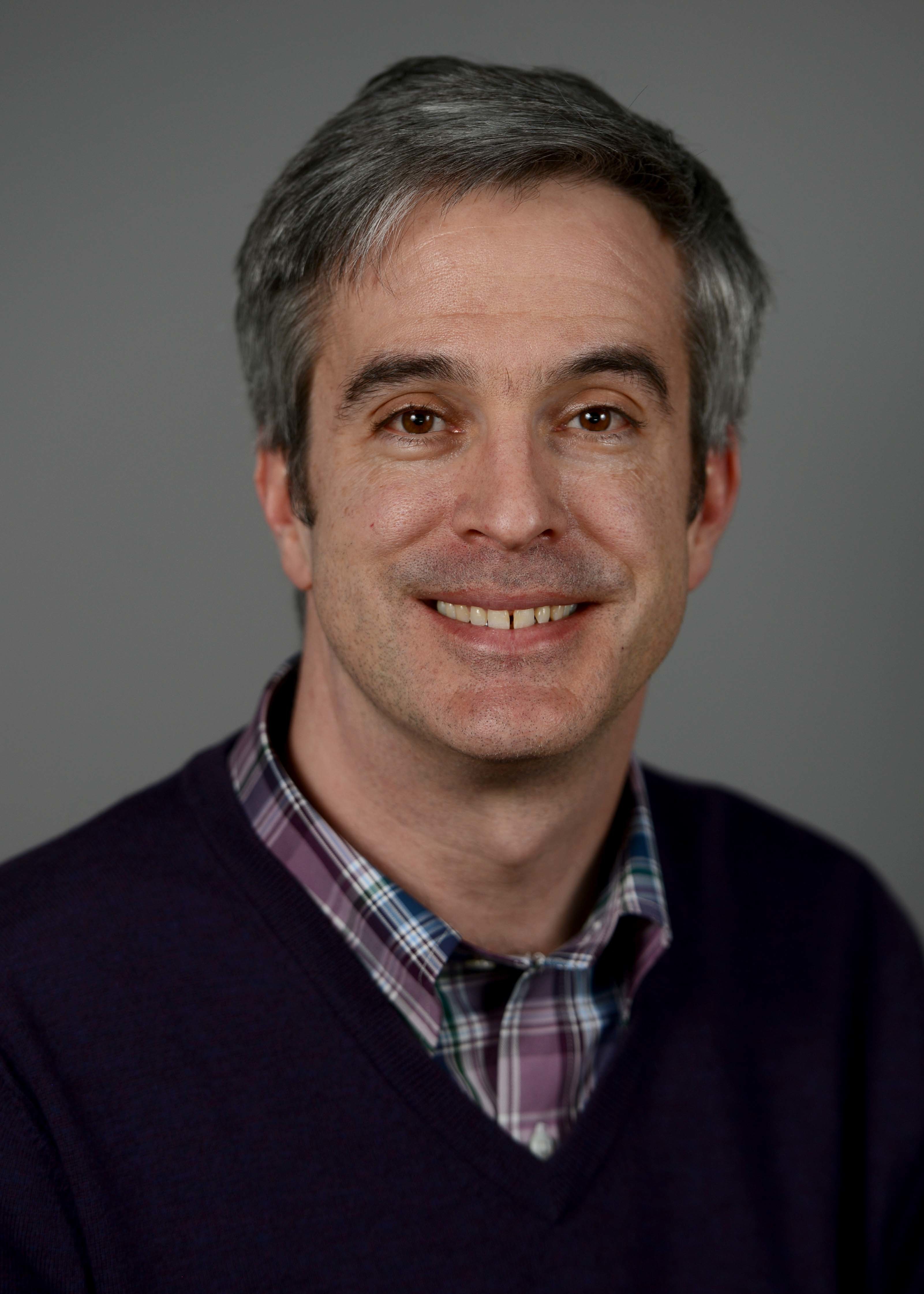
John Williams is an Associate Professor and Chair in Asian Studies and History at Colorado College. He has taught there since 2004, specializing in early modern Chinese history, particularly the political culture of the Qing dynasty and the civil service examination system. His research also explores 20th-century Chinese popular culture, folk religion, and Communist mobilization in the 1920s. Education: B.A., Indiana University, 1990 M.A., Harvard University, 1993 Ph.D., University of California, Berkeley, 2005 (dissertation on Chinese civil service exams and 18th-century political culture) He teaches courses on 20th-century China, Japan, and East Asian civilization, as well as topics like the Taiping Rebellion and fantasy in Chinese history and literature. His work bridges historical analysis with cultural studies, emphasizing the intersection of state authority and societal practices. No specific scientific awards or grants are listed in the provided text.
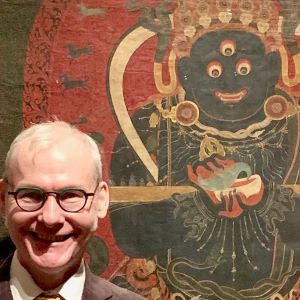
Karl Debreczeny is an Adjunct Lecturer of Tibetan Art at Columbia University's Department of East Asian Languages & Cultures and Senior Curator, Collections and Research, at the Rubin Museum of Art in New York since 2006. His work bridges Tibetan and Chinese artistic traditions, with a focus on Sino-Tibetan cultural exchange and Buddhist art. Education: PhD in Art History, University of Chicago (2007) Double MA: Art History and Central Eurasian Studies, Indiana University (1994) B.A. in East Asian Studies, Oberlin College Research Interests: In-depth analysis of Tibetan Buddhist art and its political dimensions Cultural and artistic exchanges between Tibet and China Historical studies of Tibetan leadership figures like the Karmapa and Situ Panchen Documentation of pilgrimage sites and their artistic significance Key Awards & Fellowships: Fulbright-Hays Fellow to China (2003–2004) National Gallery of Art CASVA Ittleson Fellow (2004–2006) Grants & Affiliations: Lead curator at Rubin Museum, overseeing Tibetan art collections Field research along Sino-Tibetan borders Labs/Teams: Active in Rubin Museum's research initiatives and international collaborations on Tibetan art preservation.
Anthony Clark is a Professor of Chinese history at Whitworth University, specializing in Sino-Western cultural exchange during the Qing and Republican eras (1644-1940s). He holds the Edward B. Lindaman Endowed Chair since 2015 and has been recognized as a Fellow of the Royal Historical Society (2021) and Royal Asiatic Society (2024). His research focuses on religious interactions between China and the West, including Catholic missionary activities, Chinese historiography, and the representation of cultural encounters. Clark earned his Ph.D. and B.A. from the University of Oregon, Eugene. His work spans monographs, edited volumes, and journal articles addressing topics like the Boxer Uprising, Jesuit cartography, and Buddhist-Christian dialogue. He teaches courses on Asian history, Buddhism, and the history of Christianity in Asia. Notable publications include *China Gothic: The Bishop of Beijing and His Cathedral* (2019) and *Heaven in Conflict: Franciscans and the Boxer Uprising in Shanxi* (2015). His scholarship emphasizes interdisciplinary approaches, blending historical analysis with textual critique. Recent research explores how cultural re-presentation shaped China’s transition from empire to modern state. Clark’s articles frequently appear in journals like *The Merton Annual*, *Frontiers of History in China*, and *Vincentian Heritage*. Clark has received grants supporting archival work in China and Europe. His fieldwork includes studies of Shanxi Catholic villages and interviews with religious figures in Hebei and Beijing. He collaborates with institutions such as the Hong Kong University Press and the Palgrave Macmillan imprint.
Jamie Newhard is an Associate Professor of Japanese Language and Literature and Head of the Japanese Section at Washington University in St. Louis, where she has been since 2007. She holds a PhD in Japanese Literature from Columbia University (2005) and previously taught at Arizona State University. Her research focuses on premodern Japanese literature, with specialties in Heian-period courtly narratives (e.g., The Tale of Genji and Tales of Ise ), the history of literary scholarship, book publishing history, and gender issues in classical texts. Her academic contributions include the monograph Knowing the Amorous Man: A History of Scholarship on the Tales of Ise (2013) and ongoing work on 17th- and 18th-century 'books for women' in Japan. She teaches courses on premodern Japanese literature, research methods, and poetics. Newhard advises students in Japanese studies and has held roles as Japanese Study Abroad Advisor. Her scholarly projects emphasize interdisciplinary approaches to textual history and cultural reception.
University of Illinois Urbana-ChampaignUnited States
David J O'Brien is a Professor at the University of Illinois Urbana-Champaign, with primary appointments in the School of Art and Design (Department of Art History) and secondary appointments in French and Italian, the European Union Center, and the Center for South Asian and Middle Eastern Studies. He has been a faculty member since earning his Ph.D. in 1995. Education: B.A. from Harvard University (1984) M.A. from the University of Michigan (1990) Ph.D. from the University of Michigan (1995) Professor O'Brien specializes in 18th and 19th century French art, examining the works of Jacques-Louis David, Antoine-Jean Gros, Théodore Géricault, and Eugène Delacroix. His research investigates the relationship between art and politics, particularly in the context of the Napoleonic era and the representation of war. He also explores French artistic engagements with North Africa and the Middle East, contributing to discourses on Orientalism and cultural exchange. His scholarly approach combines art historical analysis with insights from global studies. O'Brien's recent publications (2022-2025) center on Napoleonic art and its enduring legacy, including studies on relics, war, and loss in Romantic art. His book chapter in The Cambridge History of the Napoleonic Wars and articles in Nineteenth-Century Art Worldwide demonstrate his expertise in cultural memory and the global contexts of European art. The works reflect a consistent focus on the interplay of art, politics, and historical narrative, with increasing attention to the material culture of the Napoleonic era. Professor O'Brien has received numerous awards and fellowships, including: Institute for Advanced Study Membership (Princeton, 2007) Center for Advanced Study Associate (UIUC, 2007) Mellon Grant for Conference on Defining American Art (2005) Peter Norton Family Foundation Grant (2004) Center for Democracy in a Multiracial Society Fellowship (2003-04) Millard Meiss Publication Grant from the College Art Association (2003) Illinois Program for Research in the Humanities Fellowship (2001-02) Arnold O. Beckman Award from the Research Board of the University of Illinois (2000-01) American Council of Learned Societies Fellowship (1998-99) Although specific students are not listed, O'Brien has led significant research projects, including a $24,000 Terra Foundation grant for a study abroad program in France. His editorial work for Nineteenth-Century Art Worldwide and fellowships from the Institute for Advanced Study and the National Gallery underscore his scholarly leadership. He has also co-edited volumes on civil society and transnational art. O'Brien is affiliated with the Illinois Global Institute and the Center for Global Studies, participating in research clusters on global knowledge. He has contributed to the International Studies Research Lab and the Scholar-in-Residence Program, fostering interdisciplinary dialogue on art and global history.
Professor Miki Hirayama holds the rank of Associate Professor of Asian Art History at the University of Cincinnati's School of Art. Her academic journey includes a Ph.D. in Japanese art history from the University of Pittsburgh (2001), and earlier degrees from International Christian University in Tokyo. She has held positions since 2000 at the University of Cincinnati, progressing from Teaching Fellow to her current role. Her research focuses on early 20th-century Japanese art criticism, with specializations in modern Japanese painting theory, photography history, and Sino-Japanese aesthetic concepts. Notable works include Reflecting Truth: Japanese Photography in the Nineteenth Century (2005) and articles on Japanist painting movements and imperial portraiture. She has received over 20 grants and fellowships since 1995, including prestigious awards from the Robert and Lisa Sainsbury Foundation and the Mitsubishi Foundation. Her publications span art criticism, photography history, and modern Japanese visual culture, with recent work exploring interwar proletarian art and transnational visual practices. She serves as a reviewer for Art Bulletin and Ars Orientalis , and has organized panels at international conferences like the Association for Asian Studies. Her teaching includes courses on Japanese and Chinese art history, complemented by public lectures at institutions like the British Museum and Cincinnati Art Museum. Key contributions include groundbreaking studies on Kishida Ryūsei's realism theory, Ishii Hakutei's journal Hōsun , and the role of photography in Meiji-era nation-building. Her work bridges art history with cultural studies, offering critical insights into Japan's modernization and colonial-era artistic developments.
Hongyan Xiang is an Associate Professor of History at Colorado State University, specializing in Late Imperial and Twentieth-Century China, Chinese-Western relations since the 18th century, and the role of Christianity in China. She holds a Ph.D. in History and Asian Studies from Pennsylvania State University. Her research focuses on the real estate activities of the French Missionaries in South China, examining property acquisition and political transitions from the 19th to early 20th century. Teaching includes courses on Modern China, Japan, and East Asia. Recent publications explore church-property disputes in the Nanjing Decade, missionary real estate strategies, and intersections of political ideology with religious identity in modern China. Translation work includes a seminal biography of Matteo Ricci, reissued in 2020. Her scholarship bridges archival research with socio-political analysis, particularly through the Canton Archive of the University of San Francisco.
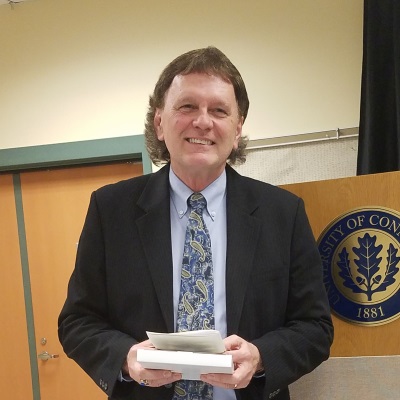
Karl Valois is an Adjunct Professor of History at the University of Connecticut, where he has taught for 36 years. He earned his Ph.D. in History from UConn in 1994 and has held notable fellowships, including one from Yale University in 1981. His research focuses on 19th/20th-century US history, the Civil War, American Revolution, Women’s History, Connecticut History, and Modern Europe. He has published over two dozen articles and authored two books: The Korean War: The Limits of Power (1997) and The Cuban Missile Crisis: A World in Peril (1998). Valois has been invited to prestigious events such as the 2004 Oxford University symposium on Women’s Rights and the 2004 Oberlin College reenactment of the Lane Seminary Debates. He has delivered public lectures on the Electoral College at Connecticut’s State Capitol multiple times since 2000. A media fixture, he hosted the TV show Historically Speaking for three years and has appeared on radio, TV, and documentaries. He received the 2017 Peter Rumsey Award for Excellence in Teaching and emphasizes History’s role as a “bridge to the present.” His outreach efforts include public speeches on historical topics and promoting historical literacy among citizens.