Catarina N. Matias is a researcher at Universidade Lusófona with expertise in bioelectrical impedance analysis (BIA), body composition, and athletic performance. Her work focuses on developing sport-specific predictive equations, cellular health biomarkers, and the physiological responses of athletes to training and supplementation. Education: Licenciatura in Bioquímica Mestrado in Bioquímica Doutoramento (PhD) in Atividade Física e Saúde (Physical Activity and Health) Pós-doutoramento in Motricidade Humana (Human Movement) Her research integrates bioelectrical impedance vector analysis with sports performance metrics across futsal, swimming, and judo athletes. Key themes include phase angle as a marker for muscle strength, hydration dynamics in athletes, and validation of body composition methods against gold-standard reference models (e.g., four-compartment models, dilution techniques). Recent studies have explored the effects of plant-based protein alternatives, melatonin-magnesium supplementation on sleep and metabolism, and the impact of lifestyle interventions on former elite athletes with overweight/obesity through the Champ4Life trial.
Prof. Wioletta Dziubek-Rogowska serves as Head of the Department of Physiotherapy in Internal Medicine and Oncology and Head of the Central Research Laboratory at the University School of Physical Education in Wrocław. She maintains active collaborations with the Medical University of Wrocław (Clinics of Nephrology, Angiology, and Family Medicine), University of Zielona Góra, and Charles University in Prague since 2021. Her research program addresses medical rehabilitation for chronic illnesses in older adults, particularly frailty syndrome, and encompasses physical fitness assessment across the lifespan. She employs diagnostic methods including functional dynamometry to evaluate psychophysical status and develop targeted exercise interventions for improving rehabilitation outcomes and quality of life. A significant focus is on pelvic floor dysfunction in women, utilizing specialized assessment tools and therapeutic approaches. Prof. Dziubek-Rogowska secured the National Science Centre Opus grant (2011/03/B/NZ7/01764) from 2012-2016 investigating physical training in hemodialysis patients, contributed to the WROVASC cardiovascular project (2007-2013) funded by the European Regional Development Fund, and managed a KBN grant (2004-2005) on adolescent physical fitness. She chaired the 10th International Days of Physiotherapy (2017) and serves on the Polish Academy of Sciences Committee on Rehabilitation since 2020. Professional development includes advanced training in BTS Motion Analysis System, Biodex System 3Pro, PNF, NDT Bobath, spirometry, and comprehensive pelvic floor therapy certification, alongside laboratory management courses specific to research facilities at her institution.
Dr. Anne Delextrat serves as a Senior Lecturer in Sport and Exercise Science at Oxford Brookes University's School of Sport, Nutrition and Allied Health Professions. She is the Subject Coordinator for the BSc in Sport, Physical Activity and Health Promotion program and also functions as a postgraduate Research tutor within her school. Her academic career spans over two decades, with previous positions including Senior Lecturer at London Metropolitan University (2004-2012), post-doctoral work at Greenwich University (2003-2004), and part-time lecturing at the University of the South, Toulon-Var in France (2000-2003). Dr. Delextrat's research focuses on three interconnected areas: training interventions for preventing hamstrings and anterior cruciate ligament injuries; exercise applications in clinical populations, particularly Zumba Gold for individuals with Parkinson's disease and physical training for children with motor impairment; and the benefits of physical exercise for menopausal women, with specific emphasis on workplace applications. Her work bridges theoretical exercise science with practical applications across diverse populations. Analysis of her recent publication record (2020-2025) reveals a strong emphasis on movement analysis, injury prevention mechanisms, and specialized exercise interventions for specific populations. Her research consistently applies biomechanical and physiological principles to address real-world challenges in sports performance, rehabilitation, and public health contexts, with particular attention to gender-specific responses and age-related considerations. Dr. Delextrat actively supervises multiple PhD students working on diverse topics including low energy availability in athletes, neuromuscular control in ACL-deficient individuals, genetic factors in musculoskeletal injuries, football talent development environments, and anti-discrimination initiatives in sports. She also mentors numerous undergraduate and postgraduate students on projects related to sports supplements, training program effects on injury risk, Zumba benefits, and exercise for menopausal women. She is affiliated with several research entities including the Oxford Institute of Applied Health, the Research Centre for Movement, Occupational and Rehabilitation Sciences (MOReS), the Rehabilitation Sciences group, the Sport, Exercise and Physical Activity Research Group (SEPARG), and the Trauma and Musculoskeletal Health (TraMH) group, demonstrating her commitment to interdisciplinary collaboration in sports science and rehabilitation research.
Terry Lee Grindstaff, PhD, PT, ATC, SCS, CSCS, is a Professor in the Department of Physical Therapy at Creighton University's School of Pharmacy and Health Professions. His research focuses on neuromuscular consequences of joint injury (particularly knee and ankle) and the effects of therapeutic interventions on muscle activation, functional movement (gait and balance), and patient-reported outcomes. He holds academic appointments in rehabilitation science and is affiliated with the Rehabilitation Science Research Laboratory and PT Sports Residency programs. Grindstaff has authored numerous publications in peer-reviewed journals such as the Journal of Electromyography and Kinesiology and International Journal of Sports Physical Therapy . His work addresses topics like ankle instability, manual therapy efficacy, and therapeutic exercise protocols. He has also contributed to textbook chapters on musculoskeletal interventions and strength training principles. Awards: Achievement in Education Award (Nebraska Physical Therapy Association), Excellence in Education Award (Sports Physical Therapy Section), Eugene Michels New Investigator Award (NIDRR). Education: Doctorate in Physical Therapy from Belmont University, with postdoctoral training in neuromuscular rehabilitation. Grindstaff oversees the Doctor of Physical Therapy program and mentors students in clinical and research settings. His lab investigates motor control strategies, rehabilitation protocols, and biomechanical adaptations in musculoskeletal injuries. Recent projects include studies on ankle instability, quadriceps activation deficits post-injury, and the role of manual therapy in pain management.
Morten Pallisgaard Støve is a Research Fellow at the Department of Clinical Medicine within the Faculty of Medicine at Aalborg University, Denmark. Based at the Center for General Practice in Gistrup, he serves as Principal Investigator for an active PhD project on low-dose home training for fibromyalgia patients (January 2025–July 2026), demonstrating his leadership in clinical rehabilitation research. His research centers on fibromyalgia pathophysiology and non-pharmacological interventions, with particular expertise in stretching exercise protocols and pain sensitivity modulation. He investigates dose-response relationships in home-based rehabilitation, utilizing wearable technology for objective pain threshold measurement and developing evidence-based protocols for chronic pain management. His fingerprint analysis confirms dominant specializations in Stretching Exercise (100%), Fibromyalgia (76%), and Pressure Pain Threshold (62%), with strong connections to wearable technology and cross-sectional methodology. Støve's 15 publications (2022–2025) reveal a cohesive research trajectory focused on resolving clinical controversies in fibromyalgia treatment. His work bridges rheumatology, pain neuroscience, and rehabilitation engineering, featuring randomized controlled trials, systematic review rebuttals, and biomechanical validation studies. Key contributions include establishing methodological frameworks for home-based stretching programs and clarifying the physiological mechanisms of stretching intensity on pain perception in both clinical and healthy populations. He currently leads a major research project on low-dose home training for fibromyalgia patients with no graduate students supervised to date. His collaborations span rheumatology, sports medicine, and primary care, evidenced by co-authorship with prominent researchers including Magnusson, Thomsen, and Riis. Media engagement includes interviews on stretching benefits (September 2024) and muscle soreness prevention (May 2023), demonstrating public science communication impact. Støve operates within Aalborg University's Center for General Practice research ecosystem, utilizing biomechanical laboratories for force measurement validation studies while maintaining strong ties to clinical rheumatology departments. His work integrates laboratory-based pain assessment with real-world rehabilitation implementation, supported by interdisciplinary teams specializing in exercise physiology and chronic pain management.
Sarah Martin is a Senior Lecturer in Sports Therapy and Rehabilitation at Plymouth Marjon University, leading the MSc Sport Rehabilitation programme and teaching across undergraduate sports therapy and conditioning courses. With over 18 years of clinical and academic experience, she contributes to curriculum development, ethics oversight, and pedagogical innovation. Education: BSc (Hons) Sports Therapy (University of Birmingham), PGCE (University of Wolverhampton), MSc (University of St Mark & St John), PhD in progress (University of Exeter) Her research focuses on biomechanical adaptations in senior golf, physical performance in elite motorcycle speedway, and adherence strategies in rehabilitation. Current projects include developing the Senior Golfers Movement Assessment (SGMA) and investigating age-related force production. Publications span golf biomechanics, speedway performance metrics, and rehabilitation compliance, reflecting her expertise in sports injury prevention and therapeutic interventions. She maintains active clinical roles with professional athletes and contributes to sports rehabilitation frameworks. Scientific Awards: Senior Fellowship of the Higher Education Academy (SFHEA) Fellowship of the Higher Education Academy (FHEA) She serves on the BASRaT accreditation panel, Plymouth Marjon University Ethics panel, and participates in pedagogical initiatives and peer-assisted learning projects.
Jose Antonio Garcia Vidal is a Professor in the Department of Physiotherapy at the Faculty of Medicine, University of Murcia. His research focuses on electromyographic and dynamometric analysis of elbow movement, contributing to clinical physiotherapy and disability studies. Education: PhD in Physiotherapy from University of Murcia (2013), supervised by Dr. Ignacio Martínez González-Moro and Dr. María Carrasco Poyatos. Research interests include biomechanical analysis of musculoskeletal systems, rehabilitation techniques, and applications of electromyography in clinical settings. No awards, grants, or advised students explicitly listed in the provided text.
Ricardo Blanco Méndez is an Adjunct Professor at the Universidad Pontificia Comillas, where he teaches and conducts research in the Department of Physiotherapy at the Escuela de Enfermería y Fisioterapia San Juan de Dios. He holds a Doctorate in Sports Physiotherapy from the Universidad Católica CEU Cardenal Herrera. His roles include coordinating the Physiotherapy area and previously serving as director of the Master's in Biomechanics and Sports Physiotherapy. He balances clinical practice in private physiotherapy clinics with academic responsibilities. Education: PhD in Sports Physiotherapy (CEU UCH, 2010s), Master's in Sports Physiotherapy (CEU UCH), Master's in Bioethics (UC Valencia), and a Physiotherapy Diploma from the Universidad Pontificia de Salamanca (1995). Research focuses on manual therapy, computerized dynamometry, fascial therapy, adaptive sports physiotherapy, and human anatomy. He leads the 'Bienestar, salud y sociedad' research group and has published extensively on biomechanical and clinical topics in sports medicine. Teaching experience includes over 15 years at Comillas, covering courses like Kinesitherapy, Advanced Manual Therapies, Human Anatomy, and Biomechanics. He currently oversees the Master's program and coordinates the physiotherapy area. Clinical experience includes private practice ownership and clinical work in diverse settings. Professional certifications include osteopathy training from the EOM. No awards are explicitly listed, though his academic contributions are notable.
Dr. Matt Greig is a Professor of Sport & Exercise Biomechanics and Associate Head (Sports Therapy) at Edge Hill University's Department of Sport and Physical Activity. He joined Edge Hill in 2008, previously serving as discipline lead for Biomechanics at the University of Hull and as a sports scientist with the Football Association. His role includes senior management, teaching on Sports Therapy programs, and supervising postgraduate students at the master's and PhD levels. Research Interests: Biomechanical markers of injury risk in intermittent team sports (football, rugby, netball, cricket, dance, equestrian). Development of biomechanical tools for injury risk identification and rehabilitation optimization. Isokinetic dynamometry screening batteries and functional analysis metrics. Application of GPS technology to injury risk assessment. He leads the Sports Injuries research group , focusing on interdisciplinary approaches combining biomechanics and sports therapy. His work emphasizes translating research into practical applications for athletes, including injury prevention and performance enhancement strategies. Advising & Grants: Actively supervises postgraduate students but no grant details are explicitly stated in the text. His research outputs span biomechanics, sports medicine, and rehabilitation, with a focus on functional metrics in elite and youth sports.
Ana Catarina Francisco Nunes Matias is affiliated with the Faculty of Physical Education and Sports (FEFD) and the Research Center for Sport, Physical Education, Exercise and Health (CIDEFES). She is an active researcher with significant contributions to sports science, body composition, and physical performance, particularly in military and police populations. Her research focuses on body composition , bioelectrical impedance analysis , fat-free mass , and muscular performance . She uses methodologies such as dual-energy X-ray absorptiometry and anthropometry to assess health and fitness. Her work bridges clinical assessment with athletic and occupational performance. The recent articles show a strong trend in applied physiology , focusing on how physical and cognitive performance is affected by operational demands in high-stress environments like the Portuguese Air Force and police forces. Keywords across publications include body composition , stress response , hormonal profiles , and performance testing . She is involved in multiple research projects, including ISC - Beyond Handicaps: Inclusive Swimming Competition and ACTIVUS: Activating the Dual Career and Holistic Development of Young, Talented Athletes across Europe , both funded by Erasmus+. She has participated in academic activities such as the MOV.ONIC@ - Movement and Physical Activity for People with Chronic Disease event and served as a visiting researcher at the University of Padova (May–June 2024). She collaborates extensively with researchers like J.P.E.D.R. Morgado and L.C.D.F. Gomes.
Bruce Morris is a Lecturer in Podiatry at Queen Margaret University (QMU), specializing in clinical biomechanics and musculoskeletal therapies. His career spans both public and private sectors, with notable roles in the NHS MSK specialist team at the Southeast Scottish Mobility and Rehabilitation Technology (SMART) centre and community podiatry teams focusing on digital improvement practices. Education: Currently pursuing a Master's in Clinical Biomechanics at Staffordshire University, holding a PgCert in Clinical Biomechanics. Research interests include paediatric diagnostic techniques, midfoot biomechanics, athletic population injuries, and handheld dynamometry for ankle assessments. He contributes to digital leadership programs and focuses on orthotic design and manufacture in his teaching. In his role at QMU, he teaches clinical standards, nail surgery, and biomechanics to levels 3–4 students, while also delivering master’s-level instruction. His work emphasizes underserved areas in podiatry, particularly paediatric biomechanics.
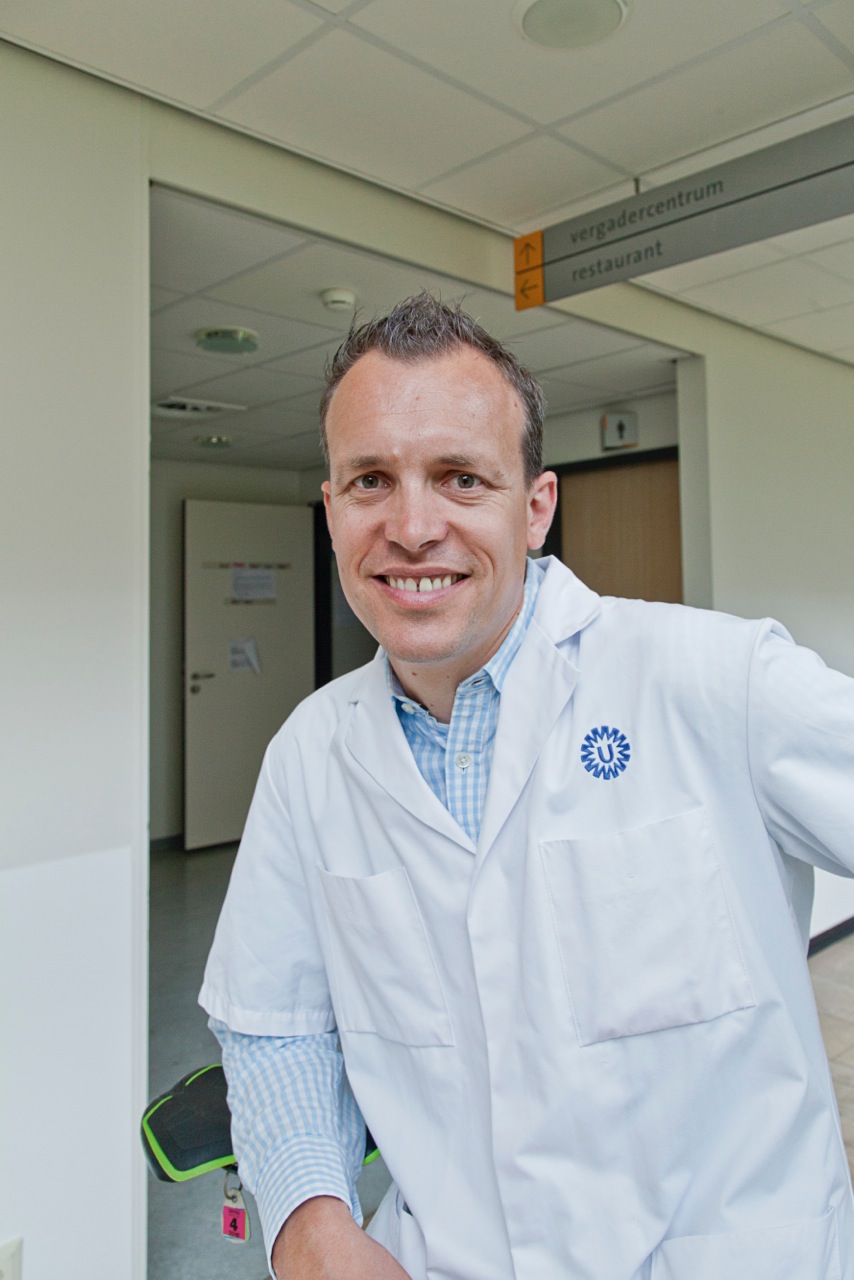
Tim Takken is an Associate Professor in Pediatrics at the Wilhelmina Children’s Hospital, University Medical Center Utrecht, Netherlands. He is a medical exercise physiologist with expertise in clinical pediatric exercise physiology, focusing on congenital heart disease and long-term cardiovascular outcomes. Director of the Clinical Exercise Testing Laboratory, Utrecht Chair of the Dutch chapter of CPX International Board member of the European Group of Pediatric Work Physiology Principal Investigator for the Dutch Physical Activity Report Card for Children His research integrates pediatric cardiology with exercise physiology to enhance neurodevelopmental and cardiovascular health in children with chronic conditions. He has authored over 260 peer-reviewed publications and 4 books, emphasizing physical activity monitoring and rehabilitation. Recent collaborations span topics like wearable device validation, isokinetic dynamometry in neuromuscular disorders, and global fitness surveillance frameworks such as the YFIT battery.
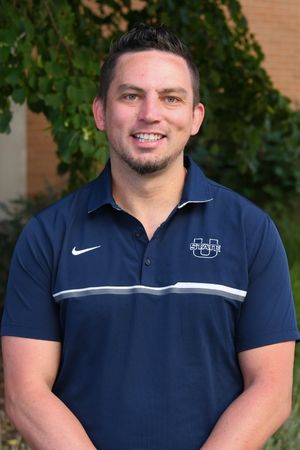
Talin Louder serves as an Assistant Professor in the Department of Kinesiology and Health Science at Utah State University, where he directs the Dennis G. Dolny Movement Research Clinic within the Sorenson Center for Clinical Excellence. His academic journey spans biomechanics research, teaching, and clinical application with focus on human movement analysis. His educational credentials include: PhD in Disability Disciplines, Utah State University (2017) MS in Health and Human Movement, Utah State University (2013) BS in Exercise Science, Utah Valley University (2010) AS from Southern Utah University Dr. Louder's research centers on wearable technologies for movement analysis , sensorimotor and neuromuscular determinants of agile movement , and therapeutic applications of aquatic environments . His work integrates biomechanical principles with rehabilitation science to optimize movement training and recovery protocols, frequently comparing land-based and aquatic interventions for diverse populations. Analysis of his 15 most recent publications reveals consistent emphasis on biomechanical measurement techniques (particularly vertical stiffness and reactive strength indices), muscle activation patterns during water immersion, and innovative training methodologies like eccentric overload and stroboscopic vision. The research demonstrates strong interdisciplinary connections between sports science, geriatrics, and clinical rehabilitation. His scientific recognition includes: Graduate Faculty Mentor of the Year Award (2022) from the Department of Kinesiology and Health Science Dr. Louder has successfully mentored nine Master's students to completion while teaching core courses including Anatomical Kinesiology (KIN 3250) and Topics in Biomechanics (KIN 6610). His teaching philosophy emphasizes practical application of movement science principles to real-world rehabilitation scenarios. He leads the Dennis G. Dolny Movement Research Clinic, which provides specialized facilities for biomechanical analysis in both aquatic and land-based environments, supporting his research on movement rehabilitation across age groups and ability levels.
Celeste Smeys serves as a Clinical Professor in Nephrology within the Faculty of Medicine and Pharmacy at Vrije Universiteit Brussel (VUB), Belgium. Her clinical practice is based at Universitair Ziekenhuis Brussel (UZB) with dual campus locations in Jette and Brussels. She coordinates the Nephrology Advanced Master's Programme and maintains active research collaborations through the Gerontopole Brussels Study group. Her research focuses on geriatric-nephrology intersections, particularly investigating frailty mechanisms in elderly patients with renal conditions. Key interests include respiratory muscle function, psychological resilience in aging, and activities of daily living assessment. The BUTTERFLY study forms the cornerstone of her work on octogenarian health metrics, examining relationships between physiological markers like handgrip strength and respiratory capacity. Publication trends reveal consistent output in high-impact geriatric journals since 2020, with recent expansion into nephrology-specific innovations for 2025. Her work demonstrates strong collaboration patterns with 12+ institutional partners, evidenced by multi-author publications across gerontology and nephrology domains. Current research bridges dialysis technology development with fundamental aging mechanisms. Scientific Recognition: h-index of 16 based on Scopus and Pure database publications 15+ citations across recent publications Active contributor to European geriatric research networks Her advisory work focuses on clinical mentorship within the Nephrology Master's Programme, though formal student listings aren't published. Research is conducted through multidisciplinary teams including the Gerontopole Brussels consortium, with emphasis on community-dwelling elderly cohorts. Current grants likely support the BUTTERFLY study's longitudinal assessment of aging biomarkers. Lab activities center on physiological assessment units measuring respiratory pressures, muscle strength, and functional capacity. Team structures integrate nephrologists, geriatricians, physiotherapists, and psychologists for comprehensive aging research. Future work appears directed toward innovative peritoneal dialysis solutions for frail elderly populations.
Jakob Mortensen is an Assistant Professor at the Institute of Public Health, University of Southern Denmark, specializing in Epidemiology, Biostatistics, and Biodemography (EBB). His research focuses on heritability, genetic epidemiology, and aging-related health metrics. Education: PhD in Mathematics (1996), MSc in Mathematics with Chemistry (1994), and Pedagogical Teacher Training (1997). Mortensen’s work spans diverse areas such as heritability of chronic diseases (diverticular disease, hand eczema), biomarkers in Crohn’s disease, and grip strength aging patterns. His methodological expertise includes statistical modeling and twin studies. Recent research includes clinical trials on erectile dysfunction therapies post-prostatectomy and studies on intestinal wound healing markers. His publications reflect interdisciplinary collaboration across epidemiology, genetics, and clinical medicine. He contributed to the LLFS (Long Life Study), a family-based research project (2006–2025) exploring genetics and healthy aging.