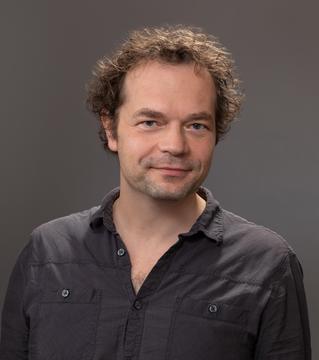
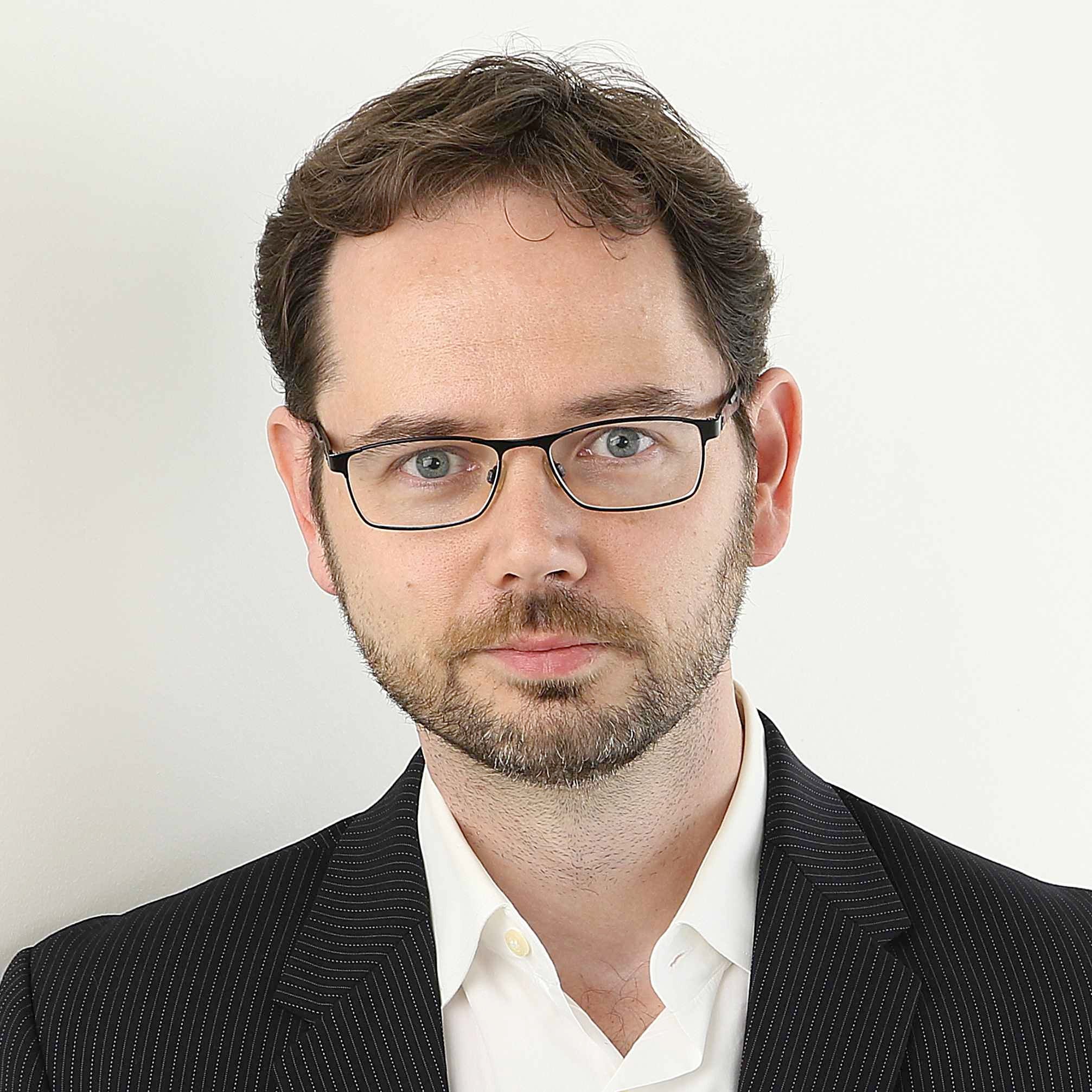
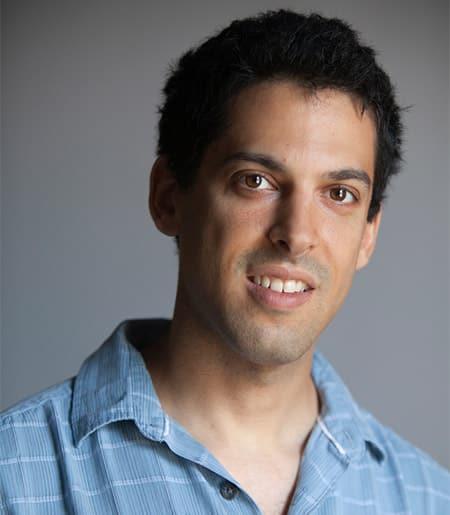
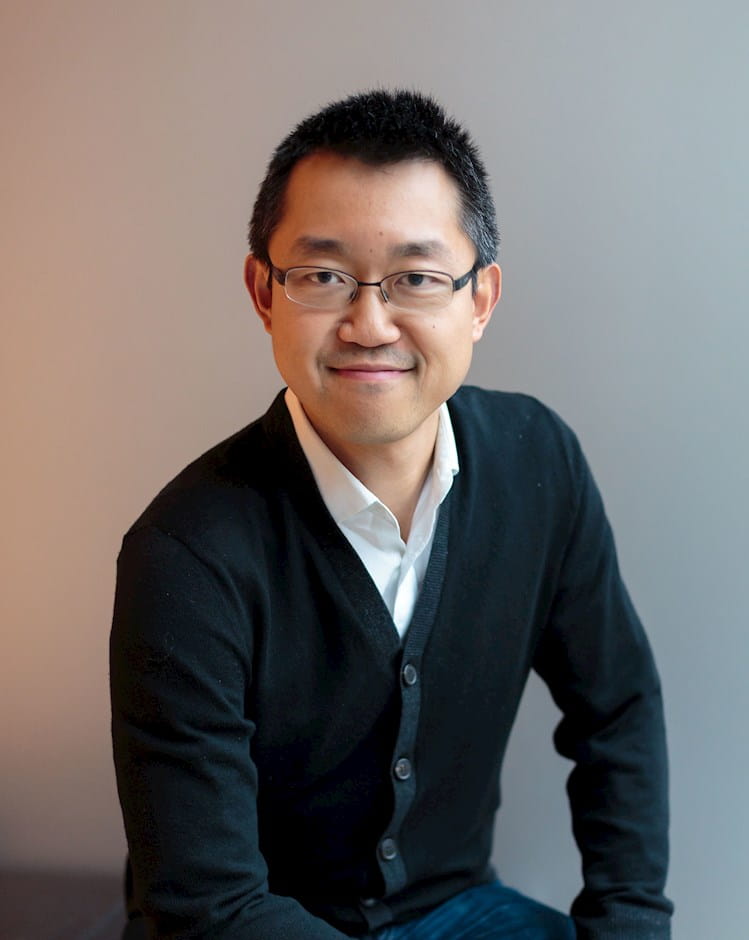
Tomasz Strzalecki is a Professor in the Department of Economics at Harvard University. His research centers on decision theory, with a focus on ambiguity aversion , temporal preferences , stochastic choice , and bounded rationality . He earned his PhD in Economics from Northwestern University in 2008. Education: PhD in Economics (2008), Northwestern University His scholarly work spans theoretical and applied economics, including key contributions to random utility models , dynamic decision-making , and neuroeconomic modeling . Recent publications, such as Stochastic Choice Theory (2025) and Variational Bayes and non-Bayesian Updating (2024), reflect his ongoing exploration of Bayesian inference and behavioral deviations. Earlier work in Econometrica and American Economic Review established foundational models for choice aversion , time inconsistency , and ambiguity evaluation . Tomasz’s research has been published in top journals like Econometrica , American Economic Review , and Proceedings of the National Academy of Sciences , covering themes such as probabilistic sophistication , decision timing , and collective action in development economics. His co-authors include prominent economists like Drew Fudenberg, Mira Frick, and Larry Epstein.
Jaime Peraire is the H.N. Slater Professor of Aeronautics and Astronautics at MIT, affiliated with the School of Engineering. He leads research in computational mechanics, aerodynamics, and numerical methods for partial differential equations, with key roles as former Department Head (2011-2018) and Director of the Aerospace Computational Design Lab (1993-2011). His expertise spans finite element methods, shock capturing algorithms, and high-order numerical techniques applied to hypersonic flows, space weather, and metamaterials. Education includes a Ph.D. from the University of Wales (1986) and engineering degrees from the University of Barcelona (1983, 1987). He holds prestigious awards like the T.J. Hughes Medal (2015) and the Ildefons Cerdá Medal (2015). His work bridges computational science and engineering, with contributions to discontinuous Galerkin methods, mesh adaptivity, and GPU-accelerated simulations. Research interests emphasize high-fidelity modeling of compressible flows, plasma dynamics, and terahertz spectroscopy. Notable projects include MIT’s space weather modeling initiative and metamaterial fabrication using atomic layer lithography. His labs collaborate across MIT’s Schwarzman College of Computing, IDSS, and CCSE to advance computational tools for aerospace and environmental systems. Awards: Over 10 major prizes, including NASA Exceptional Achievement (1997) and IACM Young Researchers Award (1998). Grants/Advising: Led NSF-funded space weather projects and advised numerous PhD students in computational engineering. Labs: Aerospace Computational Design Lab, MIT Schwarzman College of Computing collaborations.
Mark Crowley is an Associate Professor in the Department of Electrical and Computer Engineering at the University of Waterloo , with a cross-appointment in the Cheriton School of Computer Science . He is actively involved in the Waterloo Artificial Intelligence Institute (WAII) , the Waterloo Institute for Complexity and Innovation (WICI) , and serves as National Secretary for the Canadian Artificial Intelligence Association (CAIAC) , coordinating the Canadian Conference on AI . Research interests span the theoretical and applied aspects of Reinforcement Learning , Deep Learning , Manifold Learning , and Ensemble Methods . His work addresses challenges in domains with spatial dynamics, multi-agent systems, and uncertainty, particularly in Computational Sustainability (forest fire management, sustainable forestry), Autonomous Driving , Medical Imaging , and Material Design . Recent research focuses on integrating causal modeling with generative representation learning to improve out-of-distribution robustness in motion forecasting applications. Key publications include foundational work on ChemGymRL environments for safe chemical process reinforcement learning, Generative Causal Representation Learning for robust forecasting, and collaborative work on multi-advisor reinforcement learning in multi-agent settings. He co-authored a textbook Elements of Dimensionality Reduction and Manifold Learning (Springer, 2023) with Prof. Ali Ghodsi and Prof. Fakhri Karray. Teaching includes graduate and undergraduate courses in Algorithm Design , Computational Intelligence , Reinforcement Learning , and Data Modeling at the University of Waterloo since 2018. His research group has produced several notable graduates including Benyamin Ghojogh (2021), who continued as a postdoc until 2022.
Asuman Ozdaglar is the MathWorks Professor of Electrical Engineering and Computer Science and Department Head of EECS at MIT. She also serves as Deputy Dean of Academics for the MIT Stephen A. Schwarzman College of Computing. Her research focuses on large-scale networked systems, including optimization, game theory, social networks, and distributed algorithms. Education: BS in Electrical and Electronics Engineering from Middle East Technical University (1996), SM (1998) and PhD (2003) in Electrical Engineering and Computer Science from MIT. Research emphasizes nonlinear optimization, machine learning, and network economics. She leads work on robust algorithms, misinformation dynamics, and networked systems. Affiliated with the Laboratory for Information and Decision Systems (LIDS) and the Operations Research Center (ORC). Her contributions span theoretical and applied domains, including distributed optimization methods, social network analysis, and privacy-preserving data mechanisms. Active in shaping academic policy through her roles in the College of Computing.
Gheorghe Craciun is a Professor in the Department of Mathematics and the Department of Biomolecular Chemistry at the University of Wisconsin-Madison. His research focuses on mathematical and computational models in biology and medicine, particularly dynamical systems models of biological interaction networks. He has been a visiting researcher at the Max Planck Institute for Mathematics in the Sciences during the 2019-2020 academic year and has organized the Madison Workshops on Mathematics of Reaction Networks. Craciun's primary research interests include Mathematical Biology, Dynamical Systems, Chemical Reaction Networks, Computational Biology, Systems Biology, and Algebraic Geometry. He investigates systems of differential equations with polynomial right-hand sides, which are common in biochemical reaction networks, ecological interactions, and epidemiological models. His work often involves proving global stability, analyzing multistability, and characterizing steady states using tools from algebraic geometry and combinatorics. Recent publications demonstrate his focus on toric differential inclusions, endotactic networks, and the global attractor conjecture, extending to applications in biochemical networks and discrete Boltzmann equations. His extensive publication record reveals a strong trend toward algebraic and geometric methods for analyzing complex biological networks, with significant contributions to reaction network theory, stability analysis, and parameter characterization. Craciun's work bridges abstract mathematical concepts with practical applications in biochemistry, ecology, and medicine, including modeling vitellogenin production in trout and peptide mass distributions. He has collaborated extensively with international researchers including Alicia Dickenstein, Anne Shiu, Bernd Sturmfels, Casian Pantea, and Miruna-Stefana Sorea. In education, Craciun teaches graduate courses such as Math 703 and mentors students through the Madison Math Circle and Putnam Club, while organizing specialized workshops that foster collaboration in reaction network theory.
Lars Augestad Lochstoer is a Professor of Finance at the UCLA Anderson School of Management, where he teaches Empirical Methods in Finance and Data Analytics and Machine Learning in the Master of Financial Engineering program. He previously held faculty positions at Columbia University and London Business School, and served on the Asset Allocation Advisory Committee for the Norwegian Sovereign Wealth Fund from 2016 to 2022. Dr. Lochstoer earned his Ph.D. in Finance from the University of California, Berkeley's Haas School of Business in 2005, following his Sivilingeniør Business Economics degree from the Norwegian University of Science and Technology in 1999. His research focuses on understanding the economic mechanisms that drive asset prices, including stock market return dynamics, cross-sectional stock returns, exchange rates, and commodity markets. He has made significant contributions to asset pricing literature, particularly in volatility expectations, risk-return tradeoffs, and currency risk. His publication record reveals a strong focus on behavioral aspects of asset pricing, with recurring themes of investor expectations, volatility dynamics, and market anomalies. His work often combines theoretical models with empirical evidence, frequently incorporating quantitative methods and data science approaches. Recent publications show increasing attention to currency risk and multi-horizon risk-return relationships, reflecting evolving market conditions and research interests. EFA Viz Risk Management Prize for best paper in Energy Markets, Securities and Prices (2009) Michigan Ross School of Business Mitsui Finance Symposium Best Discussant Award (2012) UCLA Anderson Excellence in Teaching Award (2017, 2020, 2021) RFS Distinguished Referee Award (2021) As an active member of the academic finance community, Lochstoer serves as an associate editor for the Review of Finance and the Critical Finance Review, having previously served in the same capacity for the Review of Financial Studies. His professional service includes committee roles in major finance associations and extensive reviewing for top finance and economics journals. He has also contributed to practical finance through his service on the Asset Allocation Advisory Committee for the Norwegian Sovereign Wealth Fund.
Ulrich Berger is a Professor of Economics at the Department of Economics of WU Vienna University of Economics and Business (WU Vienna). He serves as Editor-in-Chief of the journal Games and is actively involved in promoting science through the Vienna Skeptics Society. His research focuses on game theory, including non-cooperative, evolutionary, behavioral, and experimental variants. He has been recognized with multiple awards, including the WU Best Paper Award and an Outstanding Reviewer Award. His work explores dynamics of cooperation, reputation systems, and strategic behavior in economic contexts. Key research areas include evolutionary stability in reputation games, indirect reciprocity, and cognitive hierarchies in strategic interactions. His publications span peer-reviewed journals like PLoS ONE and Scientific Reports , as well as popular science articles in outlets like derStandard.at . Berger has led research projects on topics such as cognitive hierarchies in minimizer games and has contributed to policy discussions on access pricing in telecommunications. His academic contributions reflect a blend of theoretical rigor and practical engagement, with recent work emphasizing evolutionary mechanisms of deterrence and experimental validation of equilibrium concepts.
Lionel Levine is a Professor in the Department of Mathematics at Cornell University, affiliated with the College of Arts and Sciences. His academic research focuses on abelian networks, interacting particle systems, and the emergence of complex patterns from simple rules. He has held prestigious fellowships, including the Simons Fellowship and Sloan Research Fellowship, and has been honored with an endowed professorship. Levine's work bridges probability theory, combinatorics, and statistical physics, with notable contributions to the study of sandpile models and internal diffusion-limited aggregation (IDLA). Education: Ph.D. in Mathematics (2007), University of California, Berkeley. Research Interests: Applied Mathematics, Combinatorics, Probability, Abelian Networks, Sandpile Models, and their intersections with computer science and statistical physics. His research explores how local rules generate large-scale structures, such as in abelian networks and sandpile models. Awards and Honors: Simons Fellowship, Sloan Research Fellowship, Endowed Professorship in the College of Arts and Sciences. Teaching: Courses include Probability Theory (MATH 6710/6720), Topics in Probability: Math for AI Safety (MATH 7710), and undergraduate mathematics courses like Strategy, Cooperation, and Conflict (MATH 1340). Grants and Funding: Supported by the National Science Foundation (NSF), Simons Foundation, Sloan Foundation, and Institute for Advanced Study. Collaborations: Collaborates with prominent researchers such as Yuval Peres, Cris Moore, and Jim Propp. His work has been published in leading journals like the Annals of Probability and Duke Mathematical Journal. Future Work: Continues investigating AI safety, causal models, and multi-agent learning, including research on mathematical frameworks for transformer circuits and hidden incentives in AI systems.
Daniel M Liberzon is the Richard T. Cheng Professor in the Department of Electrical and Computer Engineering and a Professor at the Coordinated Science Laboratory (director of the Decision and Control group) at the University of Illinois Urbana-Champaign. He also holds an affiliate appointment in the Department of Mathematics. Ph.D. in Mathematics from Brandeis University (1998), advised by Roger W. Brockett (Harvard) Undergraduate studies in Mathematics at Moscow State University (1989-1993) His research interests focus on theoretical and applied aspects of nonlinear, switched, and hybrid systems with limited information. Key areas include: Stability analysis via Lyapunov functions and Lie algebras Finite-data-rate control and topological entropy Robust synchronization and observers Stochastic switched systems Supervisory control for uncertain systems Recent scientific awards include: IFAC Fellow (2016) IEEE Fellow (2013) AACC Donald P. Eckman Award (2007) IFAC Young Author Prize (2002) NSF CAREER Award (2002) He has taught graduate courses such as ECE 517 (Nonlinear and Adaptive Control), ECE 553 (Optimum Control Systems), and ECE 586 DL (Hybrid Systems and Control). Current sponsored projects include NSF grants on switching control and AFOSR MURI on hybrid dynamics.
Yuan Zhong is an Associate Professor of Operations Management at the University of Chicago Booth School of Business . He previously held positions as an Assistant Professor at Columbia University’s Department of Industrial Engineering and Operations Research and was a Postdoctoral Scholar at UC Berkeley’s Computer Science Department. Education: PhD in Operations Research, MIT (2012) MA in Mathematics, Caltech (2008) BA in Mathematics, University of Cambridge (2006) His research focuses on applied probability and stochastic system design , with applications in cloud computing , supply chain management , and e-commerce logistics . Recent work explores multi-period production systems and dynamic resource allocation in data centers and healthcare operations . Recent publications analyze cloud value chains , sparse graph design for delivery networks, and process flexibility in manufacturing. He has contributed to journals like Operations Research , Annals of Applied Probability , and Stochastic Systems . Scientific Awards: 2012 Kenneth C. Sevcik Outstanding Student Paper Award Best Student Paper Award at ACM Sigmetrics (2012) He teaches courses in business process fundamentals and queueing theory , with a future schedule including Operations Management: Business Process Fundamentals (2025–2026). No explicit student advising list was provided.
Yuning Jiang is a Visiting Professor at the École Polytechnique Fédérale de Lausanne (EPFL), affiliated with the Automatic Control Laboratory (LA3) within the School of Engineering (STI). He teaches the doctoral course Optimal Control for Dynamic Systems and contributes to research in distributed optimization, model predictive control (MPC), and smart grid technologies. His work bridges theoretical advancements in control systems with practical applications in power networks and autonomous systems. Current research emphasizes scalable solutions for AC optimal power flow, real-time MPC for embedded systems, and robust optimization under uncertainty. His research interests span Optimal Control , Power Systems , Smart Grids , and Federated Learning . Notable contributions include distributed algorithms for large-scale power systems and privacy-preserving co-simulation frameworks. Recent publications focus on microservice deployment in satellite-terrestrial networks and real-time pricing mechanisms for vehicle-to-grid (V2G) integration. Yuning holds a position in the EDEE-ENS unit under EPFL’s Academic Affairs division (VPA-AVP-DLE), reflecting his role in academic administration and teaching infrastructure. His lab, the Automatic Control Laboratory, focuses on cutting-edge research in control theory and its interdisciplinary applications.
John Leahy is the Allen Sinai Professor of Macroeconomics and Public Policy at the University of Michigan, holding dual appointments in the Department of Economics (College of Literature, Science, and the Arts) and the Gerald R. Ford School of Public Policy. As Chair of the Economics Department, he focuses on macroeconomic theory, monetary policy, and behavioral economics, particularly rational inattention models. His research emphasizes how cognitive limitations and information processing affect economic decisions, contrasting classical economic assumptions. Leahy has held positions at Harvard, NYU, and Boston University, and served as Coeditor of the American Economic Review and Editor of the American Economic Journal: Macroeconomics. He consults with Federal Reserve Banks, advocating for data-driven, question-first research methodologies. His work bridges theoretical rigor and practical applications, influencing policy analysis and academic discourse. Education: PhD in Macroeconomics from Princeton University; MSFS from Georgetown University; BA in Math and History. His research spans macroeconomic policy, structural change, and behavioral models of decision-making, with recent focus on wishful thinking and imperfect information processing. He collaborates widely, emphasizing interdisciplinary approaches and creative problem-solving. Key contributions include modeling rational inattention, analyzing age structure impacts on monetary policy, and exploring North-South economic disparities. His editorial leadership and academic mentorship reflect his commitment to advancing innovative economic inquiry.
Isaac Gross is a Senior Lecturer in the Department of Economics at Monash University, Faculty of Business and Economics. He holds a PhD and is actively involved in research, teaching, and policy advisory roles. His work bridges academic theory and real-world economic policy, particularly in macroeconomic and monetary domains. His research interests center on macroeconomics , monetary policy , DSGE modeling , and commodity price dynamics . He employs advanced quantitative methods to analyze policy effectiveness and economic stability, with a regional focus on Australia and global commodity markets. The recent articles highlight a consistent focus on nonlinear modeling of macroeconomic systems, optimal policy design , and structural analysis of monetary and resource sectors . His work combines theoretical rigor with empirical validation, often using large-scale models like MARTIN for policy simulation. Scientific Awards: Best Paper at the Melbourne Institute Macroeconomic Policy Meeting (2018) Dean's Citations for Outstanding Contribution to Student Learning (2021) Advising and Grants: Isaac Gross served as the Primary Chief Investigator on the 2022 research project Estimating Optimal Policy Rules for Australian Monetary Policy with MARTIN . While formal student advising is not listed, his Dean’s Citation underscores significant contributions to student learning. He has also contributed to educational initiatives such as continuing education in macroeconometrics. Labs, Teams, and Collaborations: He collaborates with prominent economists including Andrew Leigh and J. Hansen. His work involves external engagement with key institutions such as the Reserve Bank of Australia and the Standing Committee on Economics, indicating integration into national policy networks.
Thomas Ouldridge is a Royal Society University Research Fellow and Reader in Biomolecular Systems at the Department of Bioengineering, Faculty of Engineering, Imperial College London. He leads the 'Principles of Biomolecular Systems' group, which focuses on theoretical and computational modeling of complex biochemical systems, particularly exploring the interplay between molecular details and emergent behaviors like sensing, replication, and self-assembly. His work integrates natural systems analysis with synthetic biology applications, aiming to engineer artificial analogs of biological processes. His research spans interdisciplinary areas including stochastic thermodynamics, DNA-based computation, and molecular reaction networks. Key affiliations include the Physics of Life, Synthetic Biology Hub, and the Leverhulme Centre for Cellular Bionics. He has contributed to over 60 peer-reviewed articles since 2009, with recent work emphasizing energy-efficient molecular information processing and thermodynamic limits of biochemical systems. Awards: Royal Society University Research Fellowship (current). Labs/Teams: Principles of Biomolecular Systems Group, collaborating with multiple centers including the Centre for Synthetic Biology and Institute of Chemical Biology. Grants/Positions: Maintains research funding through the Royal Society and UKRI grants, focusing on non-equilibrium biomolecular systems and synthetic biology tools. Recent publications highlight advances in DNA templating networks, stochastic thermodynamic modeling of computation, and optimal protocols for molecular copying systems. His work bridges foundational physics with applied biotechnology, aiming to push the boundaries of synthetic biological engineering.
Professor Matthew Simpson is a leading figure in applied mathematics at the School of Mathematical Sciences, Faculty of Science, Queensland University of Technology (QUT). He holds the position of Professor of Applied Mathematics and is an Australian Research Council (ARC) Future Fellow, reflecting his sustained research excellence. His work bridges mathematical theory and biological applications, particularly in cell migration, tissue invasion, and multiscale modeling. BE (Environmental) Honours 1, University of Newcastle (1995–1998) PhD (with Distinction), Environmental Engineering, University of Western Australia (2000–2003) Research Fellow, Department of Mathematics and Statistics, University of Melbourne (2003–2006) ARC Postdoctoral Fellow, University of Melbourne (2006–2009) Lecturer (2010–2011) and Senior Lecturer (2011–2013), QUT Associate Professor (2013–2014), QUT Professor and ARC Future Fellow (2014–present), QUT Matthew Simpson’s research focuses on mathematical and computational modeling of biological systems , particularly collective cell motion, diffusion processes, and reaction-diffusion dynamics. His interests span multiscale modeling , random walk processes , cell biology , and numerical and computational mathematics . He develops and analyzes models to understand phenomena such as wound healing, cancer progression, and tissue engineering. His recent publications (2023–2025) demonstrate a strong trend toward integrating data-driven modeling , likelihood-based inference , and equation learning with traditional mechanistic models. These works emphasize parameter identifiability , uncertainty quantification , and prediction robustness in biological contexts. Themes include sharp-fronted wave propagation, mechanical cell interactions, tumor spheroid formation, and generalized diffusivity in food drying, showcasing the breadth and depth of his modeling expertise. Among his key accolades are: J.H. Michell Medal (2012) – Awarded by ANZIAM for distinguished research by an early-career applied mathematician in Australia and New Zealand. ARC Future Fellowship (2013–2017) – For the project 'New data-driven mathematical models of collective cell motion' (FT130100148). Professor Simpson has also played significant editorial and leadership roles, including: Executive Associate Editor, Journal of Engineering Mathematics Academic Editor, PLoS ONE Editorial Board Member, ANZIAM Journal Co-chair of the 2015 ANZIAM meeting He has supervised PhD students on topics such as moving boundary problems, first-passage times, stochastic simulations, and curvature-dependent growth in biological systems. His research projects have been funded by competitive Australian grants (ARC DP and FT schemes), including studies on 3D cell migration, ghrelin’s role in cell invasion, and epithelial-to-mesenchymal transition in cancer and wound healing. He is actively involved in developing computational tools for biological modeling and promoting best practices in scientific publishing.